1958 University Avenue
Berkeley, CA 94704 USA Phone: +1 510 883 9490 info@no-burn.org
100s
of Zero Waste City commitments
14
movement-building alliances formed
"The overlapping crises of our time present an opportunity to build more resilient cities by implementing zero waste models.
Latest Resources

plastic reduction

Martes, 12 de agosto de 2025

¿En Ginebra? ¡No te pierdas la conferencia de prensa del Sur Global con delegados de Estados Miembros!
Acompaña a delegados de los Estados Miembros de Etiopía, Fiyi y Panamá, junto con miembros de la sociedad civil del Sur Global, en una conferencia de prensa sobre la ambición del Sur Global en las negociaciones del tratado sobre plásticos.

 Miércoles 13 de agosto de 2025, a las 16:00 (hora de Ginebra), Edificio E, Sala XXVII (27).

Oradores:

  • Hiwot Hailu – Jefa de Gabinete, EPA de la RFDE (Autoridad de Protección Ambiental de la República Federal Democrática de Etiopía)
  • Dr. Sivendra Michael – Secretario Permanente del Ministerio de Medio Ambiente y Cambio Climático, Gobierno de Fiyi
  • Juan Carlos Monterrey Gómez – Jefe de la delegación de Panamá

A lo largo de los cinco procesos del INC hemos visto crecer la ambición de muchos Estados Miembros, liderados por países del Sur Global, a pesar de los esfuerzos concertados de algunos Estados para impulsar un tratado débil. En esta sesión reanudada, las apuestas son altas, pero la ambición es aún mayor. GAIA, junto con nuestros líderes de la sociedad civil y representantes de Estados Miembros del Sur Global, exige que sigamos apostando por la ambición y no permitamos que este tratado sea definido por quienes se benefician de la industria del plástico.

La UE habla sobre el “drama” de las negociaciones

La Comisionada de Medio Ambiente, Jessika Roswall, y el Ministro de Medio Ambiente de Dinamarca, Magnus Heunicke, participaron en una conferencia de prensa donde enfatizaron que la Unión Europea está aquí para cerrar un acuerdo. Sin embargo, también mencionaron varias veces que la discusión hasta ahora ha sido difícil y pidieron que “todas las partes sean pragmáticas, se sienten a la mesa y hagan compromisos”.

Magnus afirmó:

“Hubo drama ayer, habrá mucho más drama en los próximos días. Porque esto es tan importante, es crucial. Y realmente es difícil. Estamos invirtiendo políticamente en esto, estamos aquí desde la UE para lograr un acuerdo, pero si buscan drama, quédense aquí, porque va a haber mucho más drama. Sin embargo, este drama debería terminar en un acuerdo.”

Es casi seguro que habrá drama en los últimos dos días de negociaciones, pero esperamos que quienes lo provoquen sean países ambiciosos, dispuestos a hacer todo lo posible para asegurar un tratado sólido.

El presidente del INC no logra dar confianza en la reunión con observadores

El presidente del INC, Luis Vayas Valdivieso, realizó una breve reunión con observadores con el objetivo de asegurar que el INC-5.2 está en el camino correcto para lograr un tratado antes del jueves, a pesar de la falta de funcionamiento que ha marcado esta y anteriores ediciones del INC bajo su liderazgo. Explicó que estaba reuniéndose con un pequeño grupo de alrededor de 30 países, y que pidió a algunos colegas dirigir reuniones para avanzar en los temas que bloquean las negociaciones.

Pidió a la sociedad civil ayudar a encontrar puntos en común y zonas de aterrizaje, una tarea complicada considerando que un pequeño grupo de países ha mostrado total falta de disposición para ceder en prácticamente cualquier punto, y que el presidente no está dispuesto a cambiar la forma en que se desarrollan las negociaciones para romper el bloqueo del “consenso”. No abrió el micrófono a preguntas de los observadores.

La secretaria del INC, Jyoti Mathur-Filipp, incluso bromeó diciendo que el viernes podríamos saltar todos al lago para celebrar un tratado bien hecho. No hace falta decir que, por ahora, nadie está preparando el traje de baño.

HAC & Friends se reúnen

Ministros o jefes de delegación de más de 60 países participaron el martes en una recepción de alto nivel de la High Ambition Coalition (HAC) & Friends. Según los organizadores, el encuentro tuvo como objetivo “brindar una oportunidad para que los miembros intercambien opiniones y, sobre todo, movilizar y reunir a representantes de alto nivel de países que persiguen un instrumento internacional jurídicamente vinculante, ambicioso y eficaz sobre la contaminación por plásticos.”

Se enviaron invitaciones a todos los países ambiciosos. El éxito del tratado dependerá de que este grupo se mantenga alineado y trabaje unido para superar las estrategias de los países con baja ambición.

Sociedad civil en acción

La sociedad civil advierte: ¡Basta de esconderse detrás del consenso!

El martes por la mañana, mientras los ministros llegaban al Palacio de las Naciones, miembros de la sociedad civil organizaron una protesta silenciosa, sosteniendo carteles con el mensaje:

“¡Dejen de esconderse detrás del consenso! ¡Muestren valentía por las futuras generaciones!

La juventud africana alza la voz

En este Día Internacional de la Juventud, se lanzó un poderoso video con voces de jóvenes africanos exigiendo acciones firmes en el INC-5.2 para lograr un Tratado Global sobre Plásticos que sea fuerte, justo y equitativo.

“¡Del Sahara al Serengeti, África Libre de Plásticos Ya!”

La ciencia es clara: los recortes en la producción de plásticos deben mantenerse

La Coalición de Científicos realizó una conferencia de prensa donde expuso la importancia de mantener un artículo sobre reducción de la producción de plásticos, basándose en el consenso científico de que la contaminación plástica es una amenaza demasiado grande para ser gestionada sin objetivos sólidos de reducción.

Megan Deeney, de la London School of Tropical Medicine, declaró:

“Se liberan químicos en todo el ciclo de vida de los plásticos, y eso comienza con la extracción de materias primas. Las comunidades en zonas de impacto, las comunidades de primera línea e indígenas y los trabajadores son los primeros y, a menudo, los más afectados, pero todos estamos expuestos… Podemos elegir actuar ahora o esperar hasta que sea mucho peor y mucho más difícil revertir la situación.”

Para más información:

Más información en la página web de GAIA:
Entrevista a María Esther Briz en Radio Centro Ecuador.

Brasil decepciona em Genebra ao evitar compromisso contra poluição dos plásticos

Entrevista a Thais Carvajal de la Alianza Basura Cero Ecuador

PlastiCo Project en Pluma Verde

Escritura Crónica – Qué está pasando con el Tratado global de plásticos

Break Free From Plastic POPLite

Contacto: 

Camila Aguilera | camila@no-burn.org | +56 9 8913 6198


Recibe noticias diarias del tratado de plasticos desde el inc 5.2

Media Contacts

Global Press Contact: 

Regional Press Contacts: 

About GAIA 

GAIA is a worldwide alliance of more than 1,000 grassroots groups, non-governmental organizations, and individuals in over 90 countries. With our work we aim to catalyze a global shift towards environmental justice by strengthening grassroots social movements that advance solutions to waste and pollution. We envision a just, zero waste world built on respect for ecological limits and community rights, where people are free from the burden of toxic pollution, and resources are sustainably conserved, not burned or dumped. 

Follow us on YouTube, Twitter, Facebook, Instagram, BlueSky, and LinkedIn for live updates during INC-5, and our regional accounts:

GAIA Africa: Instagram, Facebook

GAIA LAC: Instagram, Facebook, Twitter, LinkedIn

GAIA Asia Pacific: Instagram, Facebook, LinkedInGAIA US Canada: Instagram, Facebook, Twitter
August 12, 2025 | Tuesday

In Geneva? Don’t Miss the Global South Media Briefing with Member State Delegates! 

Join Member State Delegates from Ethiopia, Fiji, and Panama, and members of civil society from the Global South for a press conference on Global South ambition in the plastics treaty negotiations Wednesday, August 13, 2025 at 4pm Geneva Time at Building E, Room XXVII (27).

Speakers include: 

Hiwot Hailu- Chief of Staff, FDRE EPA [Federal Democratic Republic of Ethiopia- Environmental Protection Authority]

Dr. Sivendra Michael – Permanent Secretary for the Ministry of Environment and Climate Change, Fiji Government

Juan Carlos Monterrey Gomez, Head of Panama delegation

Over the last five INC processes, we’ve seen rising ambition from many member states, led by countries in the Global South, despite a concerted effort from a few states to push a weak treaty. At this resumed session, the stakes are high but the ambition is higher. GAIA and our leaders from civil society and member states of the Global South demand that we continue to lean on ambition and not let this treaty be defined by those who profit from the plastic industry. 

The EU Speaks Out About the “Drama” of the Negotiations

Environment Commissioner Jessika Roswall and Danish Environment Minister Magnus Heunicke spoke at a press conference where they emphasized: the EU is here to make a deal. However they did also mention several times that the discussion so far has been difficult, and entreated that “all parties be pragmatic and come to the table and make compromises.” 

Magnus stated, “There was drama yesterday, there’s going to be a lot more drama in the days to come. Because this is so important, it’s crucial. And it is really difficult. We are investing in it politically, we are here from the EU to make a deal, but if you’re looking for drama, stay here, because a lot more drama is going to happen, but this drama should end up in a deal.” There is sure to be drama in the last two days of negotiations, but we hope that the ones stirring up the drama will be ambitious countries doing everything in their power to secure an ambitious treaty.… 

The Chair Fails to Reassure in Observer Meeting 

INC Chair Luis Vayas Valdivieso held a short meeting with Observers with the aim of reassuring us that INC-5.2 is on the right track to a treaty by Thursday, despite the dysfunction that has dominated this and previous INC’s under his watch. He stated that he was meeting with a small group of around 30 countries, and asked some colleagues to lead meetings to advance on issues blocking negotiations. He urged civil society to help find common ground and reach landing zones– quite a task given that one small group of countries has shown an unwillingness to budge on just about anything, and the Chair is unwilling to change the way negotiations take place to break through the consensus deadlock. He did not open the floor for questions from Observers. INC Secretary Jyoti Mathur-Filipp even went as far as to joke that we would all soon be able to jump into the lake together on Friday to celebrate a treaty well- done. Needless to say, no one is grabbing their bathing suits just yet. 

HAC & Friends Meet 

Ministers or Heads of Delegations representing over 60 countries attended a High Ambition Coalition (HAC) & Friends High-level Reception on Tuesday. According to the organizers, the reception was meant to: “provide an opportunity for Members to exchange views, and moreover to galvanise and rally high-level representatives from countries pursuing an ambitious and effective international legally binding instrument on plastic pollution.” Invitations were extended to all ambitious countries. The success of a treaty depends on this group remaining aligned and working together to outmaneuver low-ambition countries. 

Civil Society in Action

Civil society warns: Stop Hiding Behind Consensus

On Tuesday morning, as Ministers arrived at the Palais des Nations, civil society members organized a silent protest, holding up signs calling for countries to “stop hiding behind consensus! Show courage for future generations!”

African Youth Speak Out

This International Youth Day, a powerful new video has been released – and it carries the voices of young Africans demanding bold action at INC5_2 for a Strong, Just & Equitable Global Plastics Treaty. “From the Sahara to the Serengeti, Plastic Free Africa Now!” 

The Science is Clear: Plastic Production Cuts Must Stay

The Scientist Coalition held a press conference where they discussed the importance of retaining an article on plastic production reduction based on the scientific consensus that plastic pollution is too big of a threat to be managed without strong reduction targets. 

Megan Deeney of London School of Tropical Medicine stated, “Chemicals are released across the entire plastics life-cycle and that begins with raw material extraction. And here fenceline and frontline and Indigenous communities and workers are the ones hit first and often hardest, but we are all exposed… We could choose to do this now, or we can wait until it’s that much worse, and that much harder to come back from.” 

For more information: 


Get daily updates on-the-ground at plastics treaty negotiations INC 5.2

Available in English and Spanish.

QR code that leads to a whatsapp channel for daily updates

Media Contacts

Global Press Contact: 

Regional Press Contacts: 

About GAIA 

GAIA is a worldwide alliance of more than 1,000 grassroots groups, non-governmental organizations, and individuals in over 90 countries. With our work we aim to catalyze a global shift towards environmental justice by strengthening grassroots social movements that advance solutions to waste and pollution. We envision a just, zero waste world built on respect for ecological limits and community rights, where people are free from the burden of toxic pollution, and resources are sustainably conserved, not burned or dumped. 

Follow us on YouTube, Twitter, Facebook, Instagram, BlueSky, and LinkedIn for live updates during INC-5, and our regional accounts:

GAIA Africa: Instagram, Facebook

GAIA LAC: Instagram, Facebook, Twitter, LinkedIn

GAIA Asia Pacific: Instagram, Facebook, LinkedInGAIA US Canada: Instagram, Facebook, Twitter
Lunes, 11 de agosto de 2025

Reducción de la producción (Artículo 6): El artículo decisivo del tratado

La mayoría de los países (más de 100, según el conteo de GAIA) apoyan un objetivo global y vinculante de reducción gradual de la producción para devolver la producción de polímeros plásticos primarios a niveles sostenibles. Este se ha convertido en el artículo clave en negociación dentro del tratado. El plástico es contaminación desde el momento en que se extraen los combustibles fósiles para producirlo. Sin metas legalmente vinculantes para reducir la producción de plástico, por más que se hagan limpiezas, no se podrá detener el flujo de residuos plásticos.

Si bien la mayoría de los países apoyan mantener los objetivos de reducción de la producción en el tratado, esa mayoría debe mantenerse firme frente a la presión para ceder con tal de lograr un tratado, sin importar cuán débil sea. Si lo hacen, la sociedad civil los respaldará. Pero si ceden bajo el peso del “consenso”, pasarán a la historia como quienes no estuvieron a la altura del momento cuando tuvieron la oportunidad de poner fin a la contaminación por plásticos.

Una táctica que están usando los países bloqueadores minoritarios para evitar recortes en la producción es intentar no solo impedir que se negocie el artículo 6, sino también redefinir el alcance del tratado, a pesar de que este ya fue decidido en la UNEA-5.2, cuando los Estados Miembros crearon el mandato de desarrollar un tratado legalmente vinculante sobre plásticos que cubra todo el ciclo de vida del plástico, el cual comienza con la extracción y producción de combustibles fósiles. Este documento estableció la base de los INC y definió claramente el alcance.

Ha habido todo tipo de intentos creativos de los Estados con baja ambición para ignorar el mandato, insistiendo de forma ilógica que el “ciclo de vida” solo se refiere a los residuos plásticos, o argumentando la necesidad de un nuevo artículo que defina el alcance, ignorando que este ya existe desde el inicio. En la plenaria de balance del sábado, Kuwait, Irán, Rusia y un pequeño grupo de otros países afirmaron que el alcance no ha sido claramente definido, y se han invertido horas debatiendo sobre este tema en los Grupos de Contacto. El Grupo de Contacto 1 se reunió hasta tarde el lunes y discutirá el Artículo 6 y el alcance por separado en reuniones informales informales el martes.

¿Informal o informal informal?

Las negociaciones de la ONU tienen su propio lenguaje lleno de acrónimos y jerga, pero quizá el más extraño sea el de los “informales” e “informales informales”. Lamentablemente, ¡esto no significa que podamos usar sandalias y traje de baño en el Palais des Nations! En esencia, son diferentes configuraciones de negociación:

  • Plenaria: Abierta a todas las personas acreditadas, transmitida en vivo y pública.
  • Grupos de Contacto: Grupos de trabajo más pequeños copresididos por dos representantes de Estados Miembros. Todos los artículos propuestos del texto del tratado se dividen en cuatro grupos de contacto para seguir negociando. Observadores pueden estar presentes en la sala, pero no la prensa.
  • Informales: Similares a los grupos de contacto, pero sin observadores; solo participan países. Los informales pueden tener más flexibilidad en la facilitación, a cargo de uno o más Estados Miembros.
  • Informales informales: Reuniones mucho más pequeñas, con 20 personas o menos, que permiten más conversaciones uno a uno y que son —adivinaste— más informales en su naturaleza. No hay toma de notas oficial en estas reuniones y no se permite la presencia de observadores.

A medida que avanzan las conversaciones, se programan cada vez más reuniones informales e informales informales, lo que limita significativamente el acceso de la sociedad civil para observar las negociaciones y garantizar la transparencia.

Llegada de ministros…

Según el PNUMA, más de 70 ministros y viceministros, así como unas 30 personas representantes de alto nivel, se espera que lleguen a Ginebra para mesas redondas informales el 12 y 13 de agosto. La presencia de ministros convierte al INC en un espacio aún más político de lo que ya es: los ministros tienen el poder de negociar entre ellos y podrían estar más dispuestos a hacer concesiones, para bien o para mal. Lo que sí es seguro es que la llegada de los ministros ha subido la temperatura… en medio de una ola de calor que ya afecta a Ginebra.

La sociedad civil en acción

Los miembros de GAIA lanzaron un video dirigido a los Estados Miembros ambiciosos, animándolos a estar del lado correcto de la historia: ¡cumplan su promesa, arreglen el proceso, pongan fin a la contaminación por plásticos!

Comparte en Instagram, YouTube, Facebook, X

Más información:

No a la quema de residuos: Organizaciones de América Latina y el Caribe piden a los gobiernos descartar incineración en Tratado Global de Plásticos

Resumen de la primera semana en tres minutos

Contacto: 

Camila Aguilera | camila@no-burn.org | +56 9 8913 6198


Recibe noticias diarias del tratado de plasticos desde el inc 5.2

Media Contacts

Global Press Contact: 

Regional Press Contacts: 

About GAIA 

GAIA is a worldwide alliance of more than 1,000 grassroots groups, non-governmental organizations, and individuals in over 90 countries. With our work we aim to catalyze a global shift towards environmental justice by strengthening grassroots social movements that advance solutions to waste and pollution. We envision a just, zero waste world built on respect for ecological limits and community rights, where people are free from the burden of toxic pollution, and resources are sustainably conserved, not burned or dumped. 

Follow us on YouTube, Twitter, Facebook, Instagram, BlueSky, and LinkedIn for live updates during INC-5, and our regional accounts:

GAIA Africa: Instagram, Facebook

GAIA LAC: Instagram, Facebook, Twitter, LinkedIn

GAIA Asia Pacific: Instagram, Facebook, LinkedInGAIA US Canada: Instagram, Facebook, Twitter

August 11, 2025 | Monday

Production Reduction (Article 6): The Make-or-Break Article of the Treaty 

The majority of countries (over 100 by GAIA’s count) support a binding global production phasedown target to bring the production of primary plastic polymers back to sustainable levels. This has become the defining article under negotiation in the treaty. Plastic is pollution from the moment of fossil fuel extraction to make it. Without legally binding plastic reduction targets, no amount of clean-up can stem the flow of plastic waste. While the majority of countries support retaining production reduction targets in the treaty, that majority must hold strong against the pressure to concede in order to bring a treaty to the finish line, no matter how weak it is. If they do, civil society will have their backs. But if they buckle under the weight of “consensus,” they will go down in history as failing to rise to the occasion when they had the chance to end plastic pollution. 

A tactic that is being used by the minority blocker countries to prevent production cuts is to try to not only prevent article 6 from being negotiated, but to redefine the scope of the treaty, even though the scope was already decided at UNEA-5.2, when Member States created a mandate to develop a legally binding plastics treaty that covers the full life-cycle of plastic, which starts at fossil fuel extraction and production. This document created the foundation for the INCs, and the scope was clearly defined. There have been all kinds of creative ways that low-ambition states have tried to ignore the mandate, by insisting illogically that “life-cycle” only pertains to plastic waste, or by arguing for a new article defining scope, ignoring the fact that the scope for the treaty has existed since the beginning. In the stocktake plenary on Saturday, Kuwait, Iran, Russia, and a small group of other countries argued that scope has not been clearly defined, and hours have been spent arguing about scope in Contact Groups. Contact Group 1 convened late into the evening on Monday, and will be discussing Article 6 and scope separately in informal informals on Tuesday.  

Informal or Informal Informal? 

UN negotiations have their own language full of acronyms and jargon, but the strangest one might be the “informals” and “informal informals.” This unfortunately does not mean that we get to wear flip flops and t-shirts at the Palais des Nations! Essentially these are different configurations of negotiations. 

Plenary– Open to all accredited individuals, livestreamed and public. 

Contact Groups– Smaller working groups co-chaired by two Member State representatives. All of the proposed articles of the treaty text are divided among four contact groups for further negotiations. Observers may be present in the room.  

Informals- Similar to Contact Groups, except Observers are not allowed to be present, only countries. Informals can have more flexibility around facilitation, which is done by one or more Member States. 

Informal Informals– a much smaller meeting with 20 or fewer people, with more opportunities for one-on-one conversations that are more– you guessed it– informal in nature. There is no official notetaking in informal informals, and no observers are allowed. 

As the talks progress, more and more informals and informal informals are being scheduled, and civil society is therefore given much more limited access to observe the negotiations and ensure transparency. 

Ministers Incoming…

According to UNEP, more than 70 Ministers and Vice Ministers, as well as some 30 other high-level representatives, are expected to arrive in Geneva for informal roundtables 12-13 of August. The presence of Ministers makes the INC into a more political space than it already is– Ministers have the power to negotiate amongst themselves, and could be more willing to make compromises for better or for worse. One thing is for sure, the arrival of Ministers has turned up the heat in what is already a heatwave in Geneva. 

Civil Society in Action

GAIA members released a video aimed at ambitious Member States, encouraging them to be on the right side of history– keep your promise, fix the process, end plastic pollution! 

For more information: 


Get daily updates on-the-ground at plastics treaty negotiations INC 5.2

Available in English and Spanish.

QR code that leads to a whatsapp channel for daily updates

Media Contacts

Global Press Contact: 

Regional Press Contacts: 

About GAIA 

GAIA is a worldwide alliance of more than 1,000 grassroots groups, non-governmental organizations, and individuals in over 90 countries. With our work we aim to catalyze a global shift towards environmental justice by strengthening grassroots social movements that advance solutions to waste and pollution. We envision a just, zero waste world built on respect for ecological limits and community rights, where people are free from the burden of toxic pollution, and resources are sustainably conserved, not burned or dumped. 

Follow us on YouTube, Twitter, Facebook, Instagram, BlueSky, and LinkedIn for live updates during INC-5, and our regional accounts:

GAIA Africa: Instagram, Facebook

GAIA LAC: Instagram, Facebook, Twitter, LinkedIn

GAIA Asia Pacific: Instagram, Facebook, LinkedInGAIA US Canada: Instagram, Facebook, Twitter

Estados Miembros y Presidencia no actúan en la sesión plenaria de balance

Ginebra, Suiza – La contaminación por plásticos se está acumulando en nuestra agua, aire, alimentos y cuerpos, mientras la mayoría de los Estados Miembros siguen permitiendo que un pequeño grupo de países productores de petróleo los intimide. Su falta de decisión para convocar a una votación en la sesión plenaria de balance de hoy ha puesto en riesgo el futuro del tratado sobre plásticos.

Después de años de negociaciones estancadas y con solo unos pocos días restantes para asegurar un tratado sólido, la plenaria de balance era un momento crítico para que la Presidencia y los Estados Miembros dieran un giro a la situación convocando a una votación, con el fin de romper la parálisis que impone la toma de decisiones por consenso. Sin embargo, aunque muchos países expresaron frustración por la falta de avances y señalaron abiertamente las tácticas de retraso de los petroestados, ningún país tomó medidas para destrabar las negociaciones y ejercer la democracia.

“Es increíble que sigamos atascados con este texto tan extenso y lleno de corchetes a estas alturas de las negociaciones”, señaló Salisa Traipipitsiriwat, de la Fundación para la Justicia Ambiental (EJF) de Tailandia. “El consenso claramente nos está impidiendo llegar a un acuerdo, y aun así los países no tuvieron el valor de actuar. Sí, votar es políticamente delicado, pero debemos ponerlo sobre la mesa si queremos lograr un tratado sólido. Es ahora o nunca”.

Nos queda una semana para que los países tengan el valor de cumplir sus promesas. La autodenominada “Coalición de Alta Ambición” debe estar a la altura de su nombre.

Las acciones de la Presidencia también son responsables de no estar a la altura de este momento decisivo en las conversaciones. Su propuesta de trabajo repitió las mismas fórmulas que ya han demostrado ser ineficaces y, de forma abrupta, dio por terminada la plenaria antes de que todos los Estados Miembros en la lista pudieran intervenir, lo que socava un proceso que se supone debe ser dirigido por los propios miembros.

Los países no pueden seguir atrapados en un proceso profundamente defectuoso y esperar un resultado diferente. Al permanecer en silencio, los países ambiciosos están jugando a favor de los petroestados y de la industria petroquímica y de combustibles fósiles.

Thais Carvajal, de la Alianza Basura Cero Ecuador, señaló: “En la plenaria de hoy, el grupo de Latinoamérica y el Caribe resaltó la importancia de avanzar en un tratado ambicioso, con reducción de producción y cobertura de todo el ciclo de vida del plástico. Pero si queremos avanzar, es momento de posicionar el voto. El tiempo se agota y no podemos seguir atrapados en un proceso defectuoso. Un tratado sin impacto es más peligroso que uno que no satisfaga a todos.”

Las propuestas más progresistas tienen los números: más de 100 países apoyan un objetivo vinculante de reducción global de la producción, más de 100 países respaldan la eliminación obligatoria de productos y químicos peligrosos, más de 150 países apoyan un mecanismo financiero sólido, y más de 120 países están a favor de un artículo independiente sobre salud. Es el momento de aprovechar el impulso y demostrarle al mundo que el multilateralismo aún puede resolver problemas globales.

Merrisa Naidoo, de GAIA África, señala: “Una acción procesal más firme para habilitar la votación podría haber impulsado las negociaciones del texto y sacado del estancamiento la acción urgente para enfrentar la crisis de los plásticos. No estamos pidiendo caridad, estamos exigiendo valor”.

Contactos de prensa:

Camila Aguilera | Camila@no-burn.org | +56 9 8913 6198

###

GAIA es una alianza mundial de más de 1.000 grupos de base, organizaciones no gubernamentales e individuos en más de 90 países. Con nuestro trabajo buscamos catalizar una transformación global hacia la justicia ambiental, fortaleciendo los movimientos sociales que impulsan soluciones al problema de los residuos y la contaminación. Imaginamos un mundo justo y sin basura, basado en el respeto por los límites ecológicos y los derechos de las comunidades, donde las personas estén libres de la carga de la contaminación tóxica y los recursos se conserven de forma sostenible, sin ser incinerados ni vertidos.

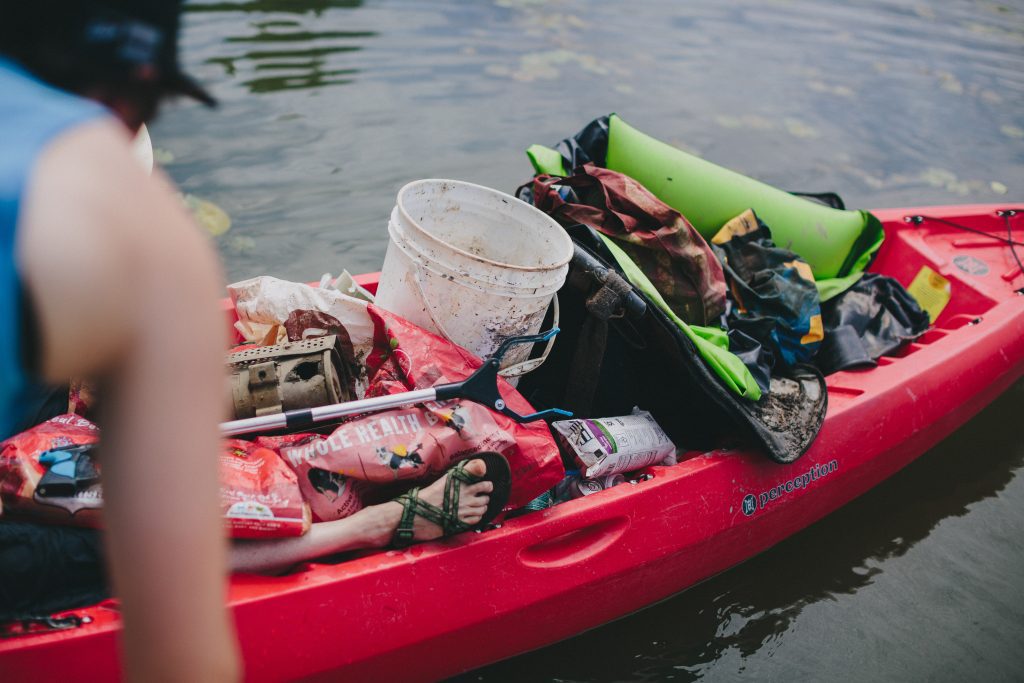
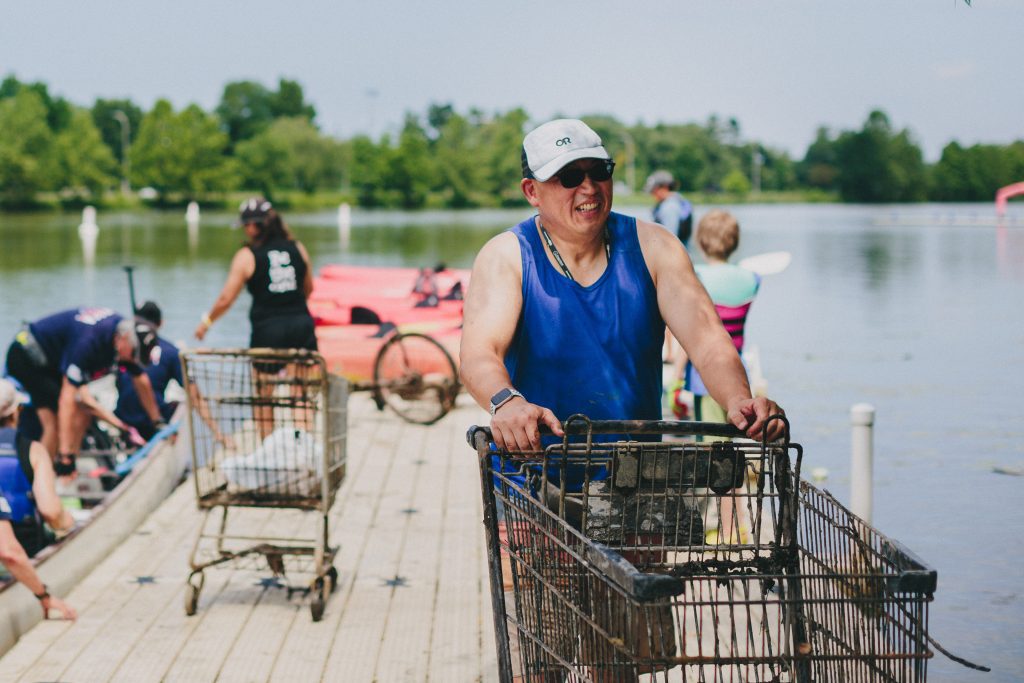
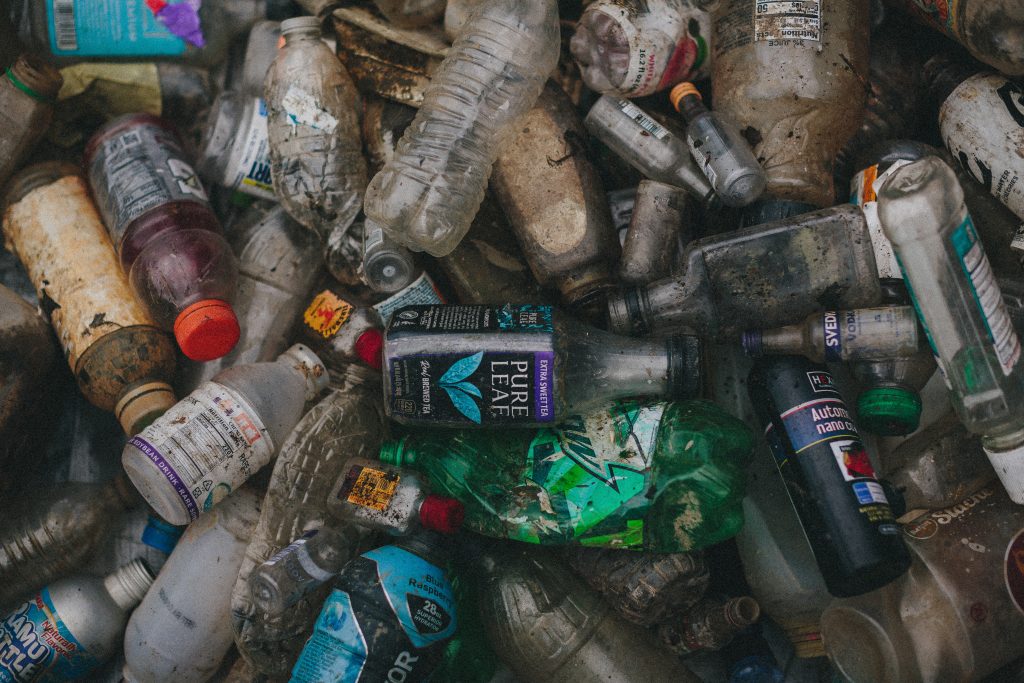
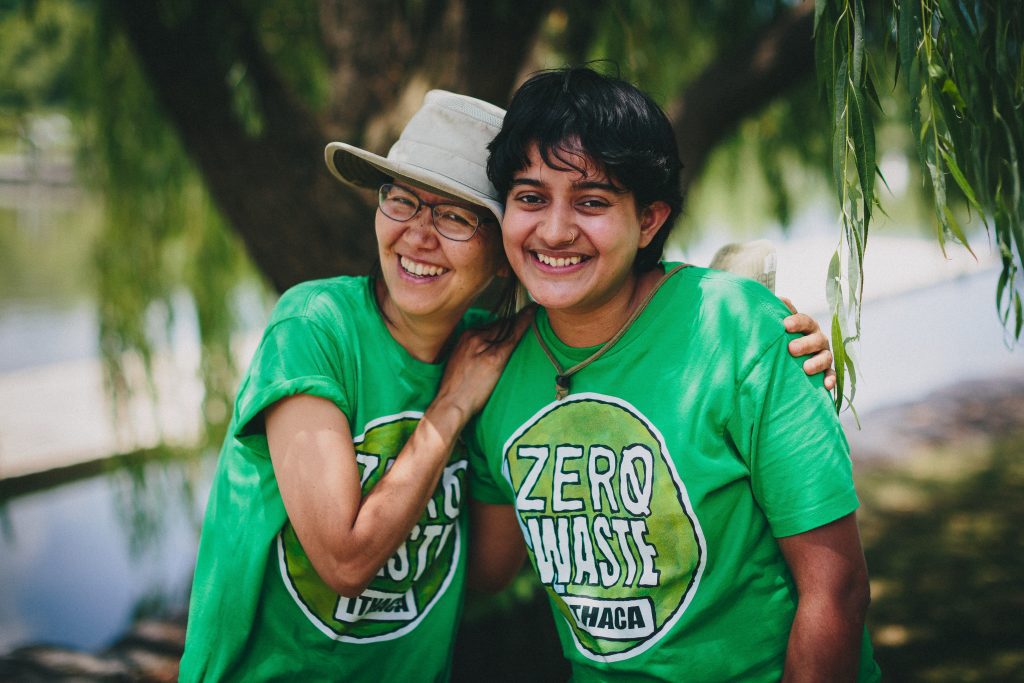
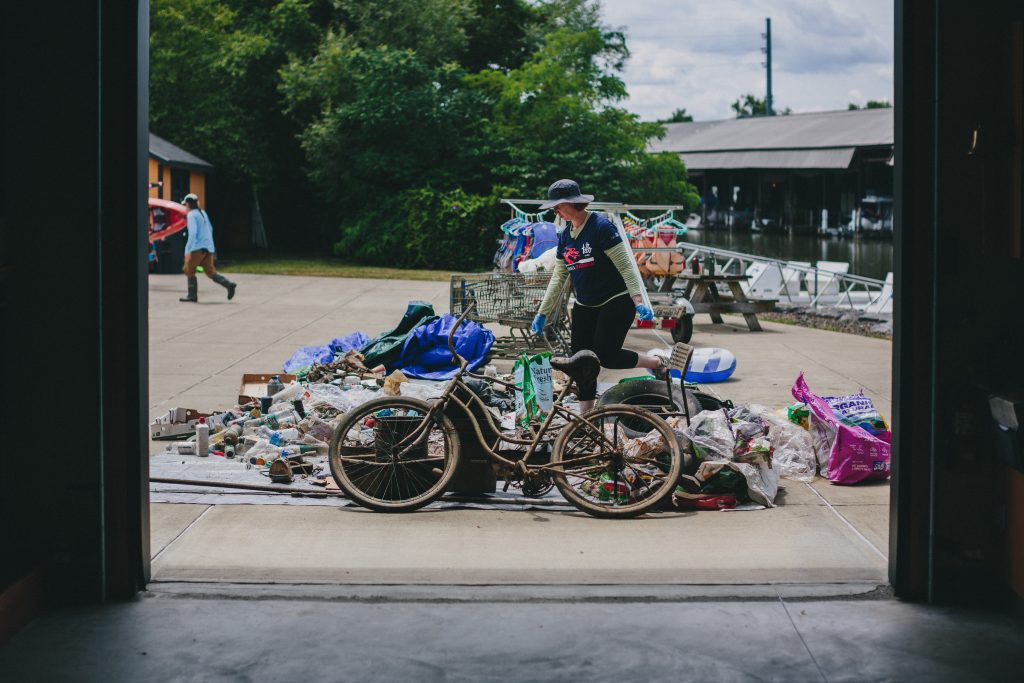
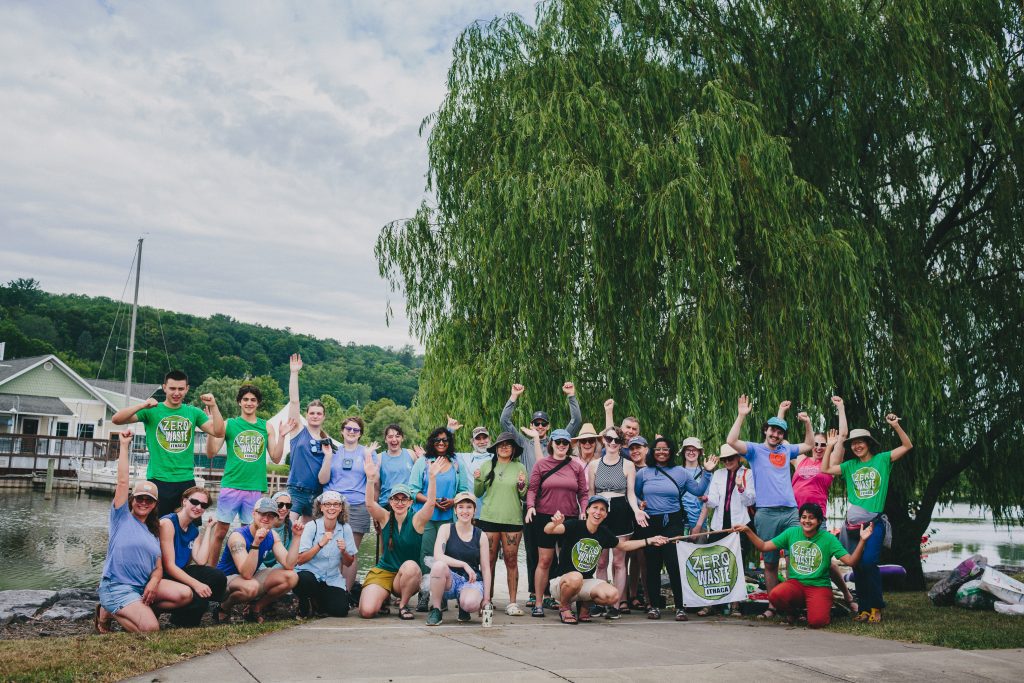
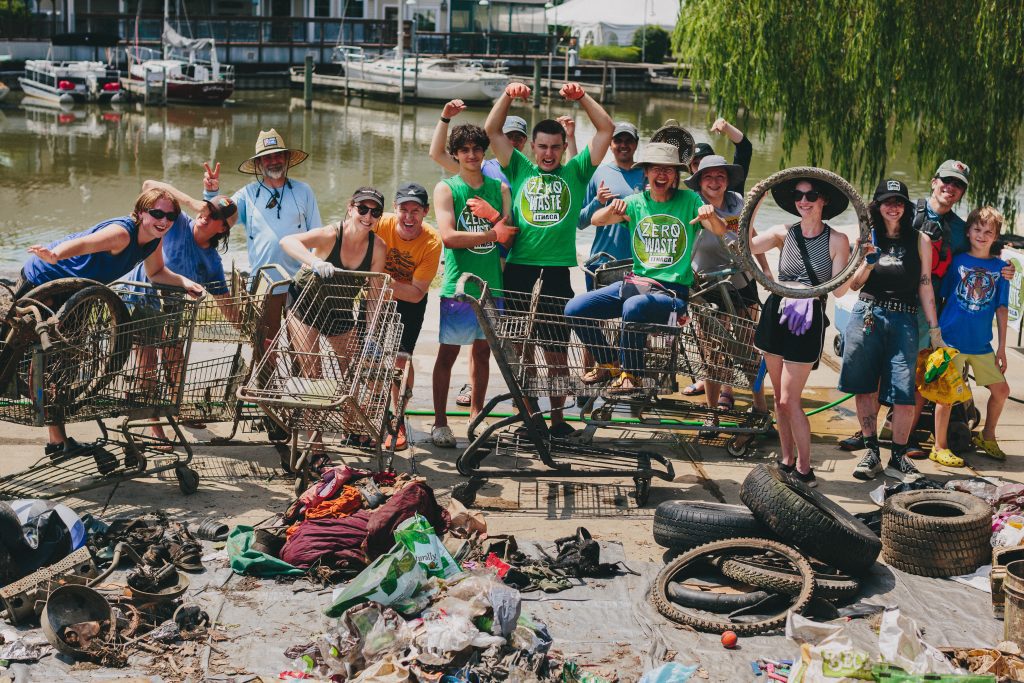
Zero Waste Ithaca mobilized 40 volunteers for their “Trash Paddle Ithaca” on July 12, 2025, spending more than four hours removing an incredible 800 pounds of waste from the Cayuga Inlet. The haul included shopping carts, bikes, tires, Styrofoam, and hundreds of bottles and cans, making a visible difference in the local waterways. Building on the cleanup’s success, the team is advocating for a city and county single-use ordinance to tackle pollution at its source.

Zero Waste Ithaca is a grassroots volunteer group founded in 2018, based in Ithaca, New York, USA, locally advocating for a sustainable Zero Waste society. The group works to advance zero waste policies and culture with a vision of “prosperity without growth,” rethinking consumption and promoting justice for all living beings. They combine policy advocacy with community-building activities like trash pickups, gift economy exchanges, and sharing zero waste tips, while rejecting industry-backed false solutions to the waste and climate crises. Their flagship program, BYO – Ithaca Reduces, encourages businesses to welcome customer-provided containers through a visible sticker campaign, with over 100 local businesses participating.

They are advocating for a statewide BYO law in New York and are part of the broader US Reduces network. Zero Waste Ithaca also opposes synthetic turf, advocates for a local foodware reuse ordinance, fights the use of sewage sludge as soil amendments (including biochar and compost), and addresses PFAS issues, in addition to organizing community gatherings such as trash pickups, tabling, and craft events.

This event was made possible through the collaboration of local partners, including Ithaca College, Team Greene, Paddle-N-More, Recycle Tompkins, GreenStar, Cayuga Lake Watershed Network, Ithaca Dragon Boat Club, Cayuga Outrigger Canoe Club, and Discover Cayuga Lake. It was also supported in part by a 2024 GAIA Microfunds grant, which helped strengthen community-led action for upstream solutions to plastic waste.

(Photos by Rich Mattingly)

INC Plastics Treaty plenary with Plastic Producing Countries speaking blah blah

Plastic is a growing crisis with devastating impacts on the environment, human health, human rights, environmental justice, the rights of Indigenous Peoples, biodiversity, and climate. Global actions to address this crisis are urgently needed. As numerous studies have demonstrated, plastic has been found everywhere, not only in ecosystems and the atmosphere but also in the food we eat, the water we drink, and even inside our bodies. For the Global Plastics Treaty to be effective in reversing the tide of plastic pollution, mechanisms and solutions to address it need to exist within climate and planetary boundaries. This treaty is an opportunity to get it right and open a path for comprehensive national policies to regulate plastic production and consumption. It can potentially be one of the most significant environmental agreements in history.

Newsroom

Newsroom Archive at YouTube

Go to our playlist and watch past newsroom videos.

Watch more here

Issues in Focus

Plastics Crisis: Challenges, Advances and Relationship with Waste Pickers

Negotiations must include the recognition of the historical work of those who have recovered more materials and in the most efficient way: the waste pickers.

ENG
ESP
PT
Waste pickers collecting separated waste from households, showing why UNEA plastics treaty is essential
Rommel Cabrera/GAIA, 2019. Waste pickers collecting separated waste from households. Tacloban City, the Philippines.

People stanging in front of a large plastic pile of trash, showing why UNEA plastics treaty is essential

Overview of the Plastics Treaty/Tratado sobre plásticos

Plastic pollution does not respect borders. It is in the air we breathe, the food we eat, the water we drink, and even in our bodies. A new binding legal instrument, covering the entire lifecycle of plastic, is required to tackle this planetary crisis.

ENG
ESP
FR

The Plastic Waste Trade

Top exporters such as the United States, Germany, the UK, Japan and Australia are placing a disproportionate toxic burden on the environment and communities in importing countries. A Global Plastics Treaty can enact stricter measures on the waste trade to prevent environmental injustices.

ENG
ESP
FR
Am American flag on top of piles and piles of plastic trash (UNEA Plastics treaty - GAIA)

Image of a waste picker

Plastic and Waste Pickers/Recicladores

Plastic takes up a large percentage of the waste handled by waste pickers. Consequently, they are one of the most vulnerable occupation groups that stand to be impacted by the global plastics treaty. The treaty must establish the legal frameworks required to improve working conditions for waste pickers.

ENG
ESP
FR

Toxics and Health

Plastic contains toxic chemicals that leach into our food, water, and soil. Out of about 10,000 chemicals used as plastic additives, few have been widely studied, let alone regulated. A treaty must address plastic’s toxic burden.

ENG
ESP
FR
UNEA plastic treaty GAIA

UNEA plastic treaty GAIA

Plastic and Climate Change/Los plásticos y el cambio climático

Plastic is a significant contributor to climate change throughout its lifecycle. By 2050, emissions from plastic alone will take up over a third of the remaining carbon budget for a 1.5 °C target. A plastics treaty must impose legally-binding plastic reduction targets.

ENG
ESP
FR

Chemical “Recycling” and Plastic-to-Fuel

Faced with increasing pressure from lawmakers and civil society to reduce plastic production and greater awareness of the limits of mechanical recycling, the petrochemical industry has been peddling chemical “recycling” and “plastic-to-fuel” as a primary solution to plastic pollution. However, after billions of dollars and decades of development, these approaches do not work as advertised. A plastics treaty stands to be undermined if it embraces these industry-backed false solutions.

ENG
ESP
KOR
FR
People manifesting in favor of UNEA plastic treaty GAIA

Waste Incineration and Burning Waste in Cement Kilns

Burning waste emits climate pollution and other toxic chemicals, and is the least energy-efficient and most costly method of energy production. A plastics treaty must adopt a moratorium on new incinerators and encourage a roadmap to phase out all existing incinerators by 2030.

ENG
ESP
FR

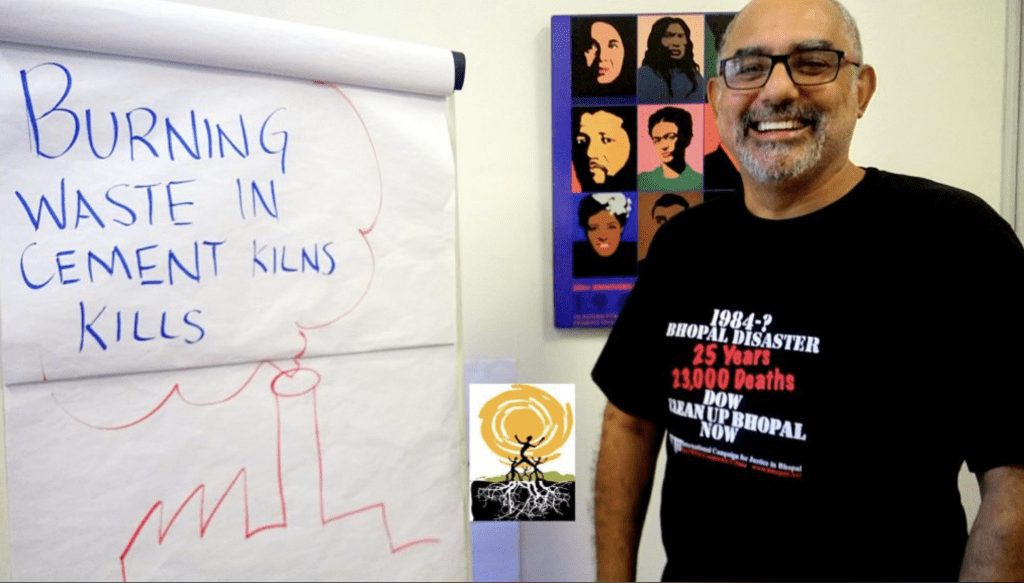
Burning Waste in Cement Kilns

Burning plastic in cement kilns results in toxic emissions, threatening the health of workers, communities and the environment, especially in low-income countries in the Global South. Widespread burning of waste in cement kilns would also worsen the already devastating carbon footprint of the cement industry. A plastics treaty must phase out burning plastic waste in cement kilns.

ENG
ESP
FR

Plastic Neutrality and Credit

The global plastics treaty provides an important opportunity to officially discourage or ban the use of plastic credits before they become widespread. Doing so would avoid the incredible amount of regulatory oversight needs —both in the private and public sectors— to organize and
manage international plastic credit markets. The collective efforts could be better spent on reducing plastic production rapidly.

ENG
ESP
FR
People working with plastic residue 
 - one of the topics of the global plastics treaty.

Zero Waste Finance

A transition from a plastic-reliant economy toward a circular zero waste economy requires effective mobilization and allocation of financial resources. Public and private finance have distinct and intersecting roles to play in supporting and scaling up innovations for waste prevention, redesign, alternative delivery and reuse systems as well as improving existing waste collection and recycling systems.

ENG
ESP
FR

Extended Producer Responsibility

Extended producer responsibility (EPR) policies seek to improve the environmental and social performance of products by holding producers and brand owners accountable for the entire lifecycle of their products. The global plastics treaty must embed well-designed EPR policies in it, guiding producers to prioritize upstream solutions.

ENG
ESP
FR
Responsible people collecting plastic waste
Image of bioplastics that the global plastic treaty focuses on

Bioplastics

The global Plastics Treaty must focus on plastic reduction and reuse, instead of substituting a plastic single-use item for a bio-based, biodegradable, or compostable one.

ENG
ESP
FR

Webinars

Watch the most recent Plastics Treaty webinars
Webinar Archive at YouTube

Go to our playlist and watch past webinars.

Watch more here

El Bureau del INC se reúne virtualmente hoy para discutir el camino a seguir

Berkeley, CA- Hoy, la Alianza Global para Alternativas a la Incineración (GAIA), una red con más de 1.000 miembros en todas las regiones de las Naciones Unidas, entregó una carta abierta (en es aqui) al Bureau del Comité Internacional de Negociación (INC) – el órgano que coordina las negociaciones del tratado sobre plásticos – pidiendo una mayor responsabilidad y transparencia para el Presidente, Luis Vayas Valvidieso de Ecuador. 

Ana Rocha, Directora de Política Global de Plásticos de GAIA, afirma: «La sociedad civil ha sido excluida de las negociaciones en múltiples ocasiones, desde el trabajo intersesional (entre sesiones) hasta las reuniones clave durante el INC-5, yendo en contra de los procedimientos establecidos, incluso cuando los países miembros declararon su apoyo a la participación de las partes interesadas. Las mismas personas que están siendo excluidas son aquellas cuyas voces son más necesarias: Pueblos Indígenas, científicos independientes, comunidades de primera línea y representantes de los países más afectados por la contaminación plástica. El Presidente debe construir una estructura de negociaciones transparente que garantice la participación de la sociedad civil y cree las condiciones para que un tratado ambicioso llegue a la línea de meta».

La carta de GAIA se une a las demandas de otras importantes organizaciones de la sociedad civil, como la Red Internacional de Eliminación de Contaminantes IPEN (International Pollutants Elimination Network), la Coalición de Científicos por un Tratado Eficaz sobre los Plásticos (Scientists Coalition for an Effective Plastics Treaty), el Grupo Principal de los Pueblos Indígenas y sus Comunidades (Indigenous Peoples and Their Communities Major Group), la Red del Abya Yala por la Reducción de la Producción de Plásticos con Metas Globales Vinculantes, el Grupo Principal de Mujeres (Women’s Major Group), la Alianza contra la Contaminación por Plásticos de Aotearoa (APPA) y la Alianza Internacional de Recicladores (International Alliance of Waste Pickers).

A pesar de los constantes intentos de excluir a la sociedad civil de las negociaciones, GAIA y otros grupos consiguieron tener un impacto significativo en la última ronda de negociaciones en Busan, Corea del Sur (INC-5). Gracias a la presión de la sociedad civil, la mayoría de los países* anunciaron su apoyo a medidas ambiciosas como los objetivos de reducción de plásticos, la eliminación de sustancias químicas preocupantes, una transición justa y un mecanismo financiero equitativo, y lucharon contra un pequeño grupo de países productores de petróleo que pretendían paralizar y debilitar los resultados del tratado.  

Todavía se espera la confirmación de la fecha y el lugar de la ronda ampliada de negociaciones – INC-5.2-.

Nota para el editor:

  • Todas las cartas de la sociedad civil pueden consultarse en el sitio web del Programa de las Naciones Unidas para el Medio Ambiente aquí, bajo el epígrafe «Feedback». Para un análisis en profundidad de los resultados del INC-5 y del clima político que conducirá al INC-5.2, lea el último documento de GAIA.

*Lista de países ambiciosos:

Contactos para los medios

Contactos de prensa globales:
● Claire Arkin | Claire@no-burn.org | +1 (973) 444 4869
Contactos de prensa regionales:
● África: Carissa Marnce | carissa@no-burn.org | +27 76 934 6156
● América Latina: Camila Aguilera | Camila@no-burn.org | +56 9 8913 6198
● Asia y el Pacíco: Robi Kate Miranda robi@no-burn.org | +63 9275854157
● Estados Unidos y Canadá: María Guillén | mariaguillen@no-burn.org | +1 609 553 4569

###

GAIA es una alianza mundial de más de 1.000 grupos de base, organizaciones no gubernamentales e
individuos en más de 90 países. Trabajamos para catalizar un cambio global hacia la justicia
ambiental mediante el fortalecimiento de los movimientos sociales de base que promueven
soluciones a los desechos y la contaminación. Imaginamos un mundo justo, con basura cero,
construido sobre la base del respeto por los límites ecológicos y los derechos comunitarios donde la
gente se encuentre libre de la carga de contaminación por plásticos, y los recursos se conserven en
forma sostenible y no se quemen ni viertan.

Referencias clave
Recursos de GAIA relacionados con el Tratado global de plásticos

INC Bureau Meets Virtually Today to Discuss Way Forward

The very people who are being excluded are the ones whose voices are most needed – Indigenous Peoples, independent scientists, frontline communities, and representatives of the countries most impacted by plastic pollution.

Berkeley, CA – Today, the Global Alliance for Incinerator Alternatives (GAIA), a network with more than 1,000 members in all United Nations regions, delivered an open letter to the International Negotiating Committee (INC)  Bureau– the governing body of the plastics treaty negotiations– calling for greater accountability for the Chair, Luis Vayas Valvidieso of Ecuador. 

Ana Rocha, Director of Global Plastics Policy at GAIA, states: “Civil society has been locked out of the negotiations multiple times, from intersessional work to key meetings during INC-5, going against mandated procedures even when countries stated support for stakeholder participation. The very people who are being excluded are the ones whose voices are most needed – Indigenous Peoples, independent scientists, frontline communities, and representatives of the countries most impacted by plastic pollution. The Chair must build a transparent negotiations structure that ensures mandated civil society participation, and creates the conditions for an ambitious treaty to make it to the finish line.”

GAIA’s letter joins the demands from other major civil society organizations, including IPEN (International Pollutants Elimination Network), the Scientists Coalition for an Effective Plastics Treaty, the Indigenous Peoples and Their Communities Major Group, the Red del Abya Yala por la Reducción de la Producción de Plásticos con Metas Globales Vinculantes, the Women’s Major Group, the Aotearoa Plastic Pollution Alliance (APPA), and the International Alliance of Waste Pickers.

Despite the constant move to shut civil society out of the talks, GAIA and other groups were able to make a significant impact at the last round of negotiations in Busan, South Korea (INC-5). Thanks to civil society pressure, the majority of countries* announced support for ambitious measures like plastic reduction targets, elimination of chemicals of concern, a just transition, and an equitable financial mechanism, and fought back against a small group of petroleum-producing nations seeking to stall and weaken the treaty outcomes.  

The announcement of the date and location of the extended round of negotiations– INC-5.2– is still expected. 

Note to editor:

  • All letters from civil society can be found in the United Nations Environment Programme website here, under the heading, “Feedback.” 
  • For in-depth analysis of the outcomes of INC-5 and the political climate leading into INC-5.2, please read GAIA’s latest paper.

*List of Ambitious Countries:

Contact:

Claire Arkin, Global Communications Lead

claire@no-burn.org | +1 973 444 4869

Carissa Marnce, Africa Communications Coordinator

carissa@no-burn.org

Robi Kate Miranda, Communications Officer, GAIA Asia Pacific

robi@no-burn.org | +63 9275854157

###

GAIA is a worldwide alliance of more than 1,000 grassroots groups, non-governmental organizations, and individuals in over 90 countries. With our work we aim to catalyze a global shift towards environmental justice by strengthening grassroots social movements that advance solutions to waste and pollution. We envision a just, zero waste world built on respect for ecological limits and community rights, where people are free from the burden of toxic pollution, and resources are sustainably conserved, not burned or dumped.

For more information about GAIA’s treaty advocacy, please visit  no-burn.org/unea-plastics-treaty, follow us on LinkedIn, and read our Press kit.

Stay Connected

Sign up for our Global Newsletter to stay up today on our cross regional work.