Financing Zero Waste: A High-Level Synthesis Report
- Climate -
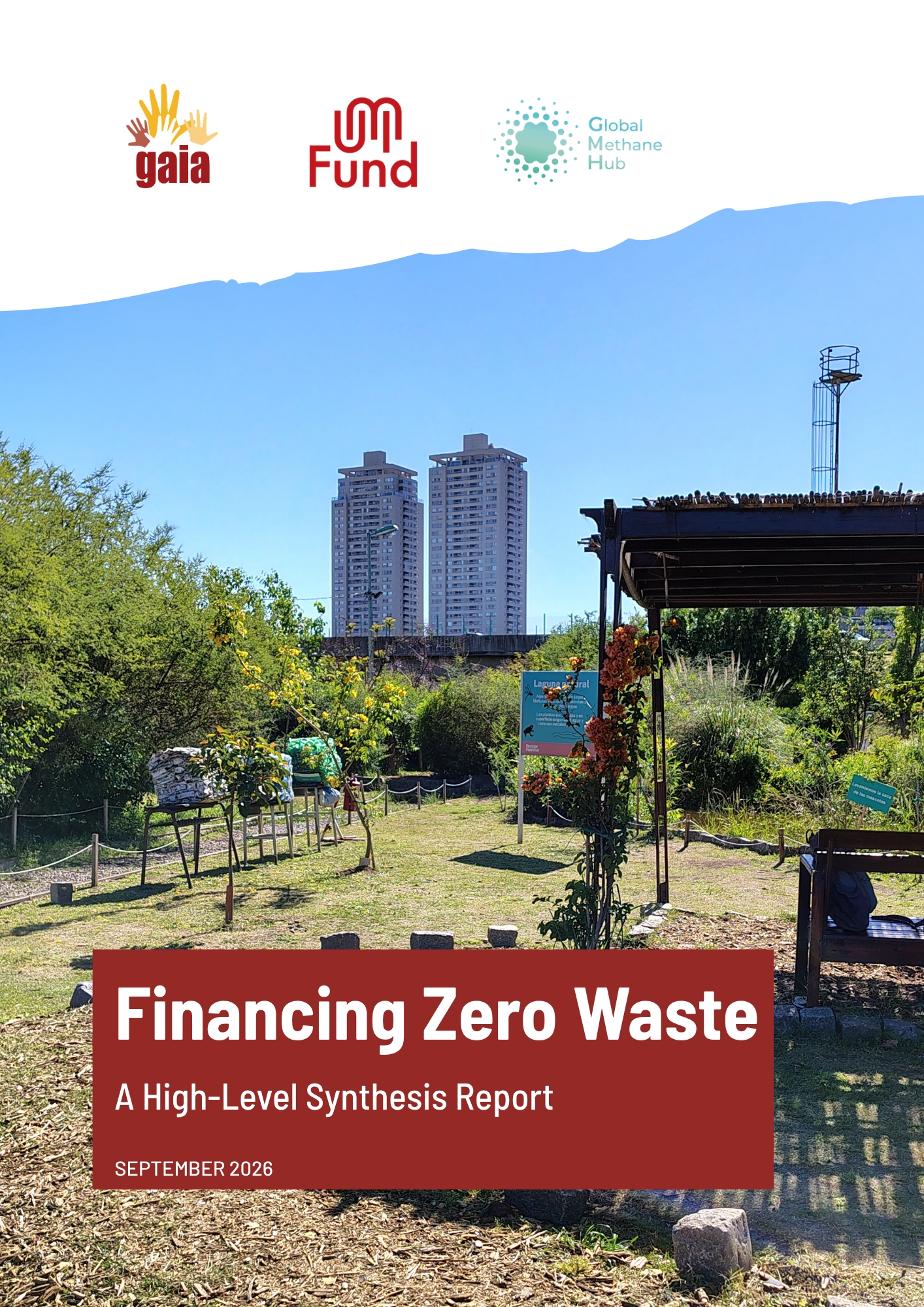
Zero waste is increasingly recognized as a strategic public investment, not a cost burden. This high‑level synthesis distills the core insights from Financing Zero Waste: Practical Guidance for Immediate Action by Local and National Governments, showing how governments can finance zero waste systems by aligning local implementation with national enabling conditions—and by recognizing the broader public value that zero waste generates across climate, health, livelihoods, and resilience.
#image_title
Financing Zero Waste: Practical Guidance for Immediate Action by Local and National Governments
- Climate -
Zero waste is emerging as one of the most powerful, immediate climate actions available to governments. This publication provides practical, context‑specific guidance to help local and national governments finance and sustain zero waste systems that cut methane, improve public health, strengthen livelihoods, and build fiscal resilience.
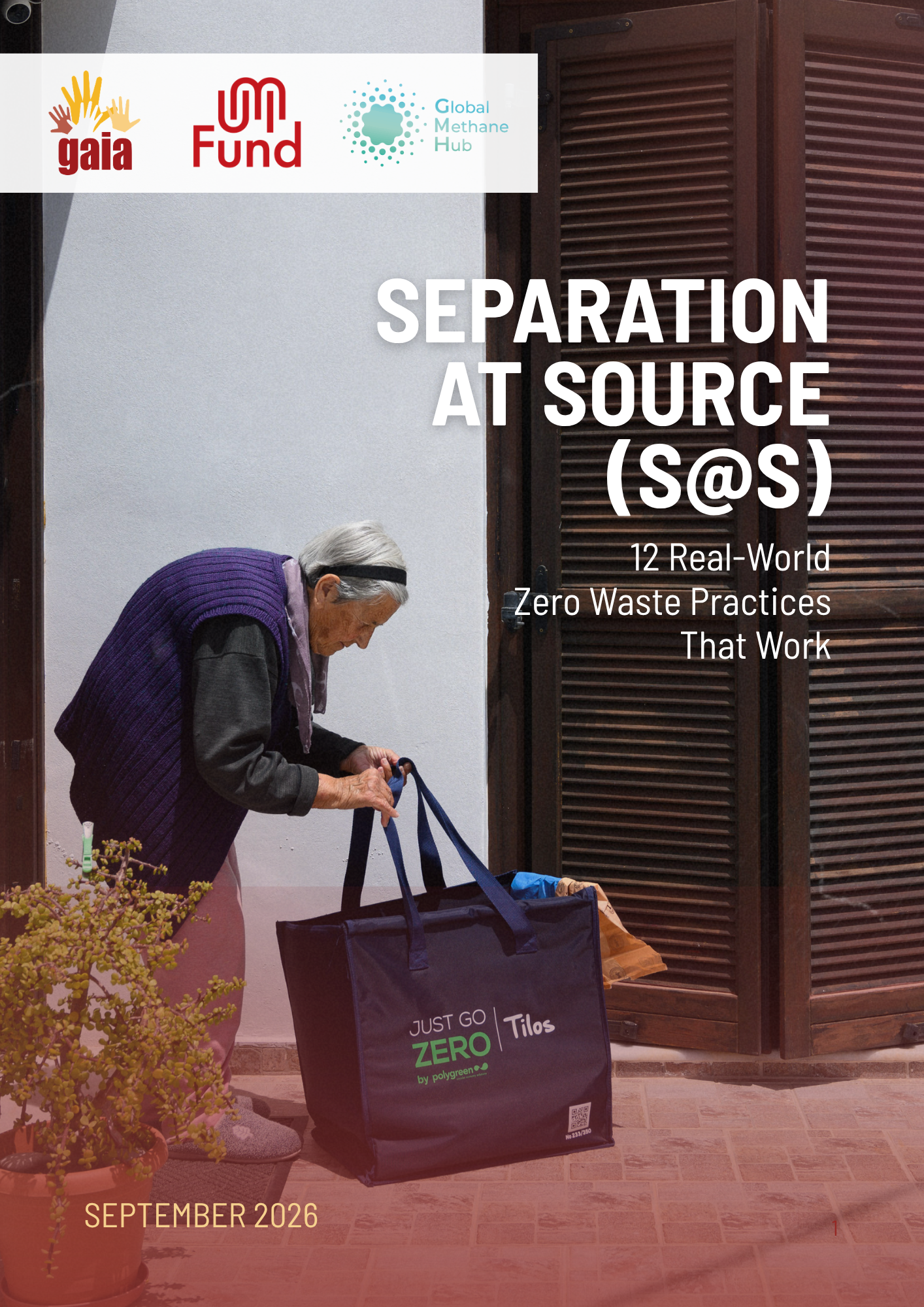
Separation at Source (S@S): 12 Real-World Zero Waste Practices That Work
- Climate -
Establishing waste separation at source (S@S) is the foundation of zero waste systems. It means separating different types of waste—such as organic, recyclable, and residual materials—at the point where waste is generated, keeping materials clean and preventing contamination. This publication presents 12 diverse successful cases from five regions: Africa (Tanzania), Asia (India, The Philippines), Europe (Greece, Slovenia, Italy), North America (USA), and Latin America (Costa Rica). The communities featured range in scale, from Tilos Island with a permanent population of 700 residents, to megacities such as Bengaluru, where the zero waste systems reach approximately 2 million people. Across these jurisdictions, source separation rates vary according to local mandates and frameworks, ranging from 30-33% organic waste diversion in Portland to outstanding rates of 80- 95% in places such as Varkala, San Fernando, and Dar es Salaam, and reaching 100% in Tilos Island.
We are committed to being a global network with locally-based staff working in their regions. If you are a practitioner of resilience, we want you onboard, wherever you are.