Zero waste

[SPANISH VERSION BELOW]

23 October 2025 – Governments are overlooking simple, effective tools to curb methane emissions from waste, analysis of the latest round of national climate plans (NDCs) shows.

GAIA examined 14 NDCs submitted to the UN climate body from countries chosen for their ambition and strong potential to curb emissions with zero waste strategies. All had signed up to the Global Methane Pledge and the Declaration on Reducing Methane from Organic Waste.

While there were some good elements in four of the plans, ten were weak or harmful. No country fully captured the potential emissions savings and social benefits of an effective zero waste strategy.

Key findings:

  • Brazil showed significant progress from its previous NDC, with solid policy framing and concrete measures to manage organic waste.
  • Bangladesh, Chile, Colombia and Nigeria placed increased emphasis on a just transition, including references to job retraining, skills development and addressing the challenges faced by informal workers.
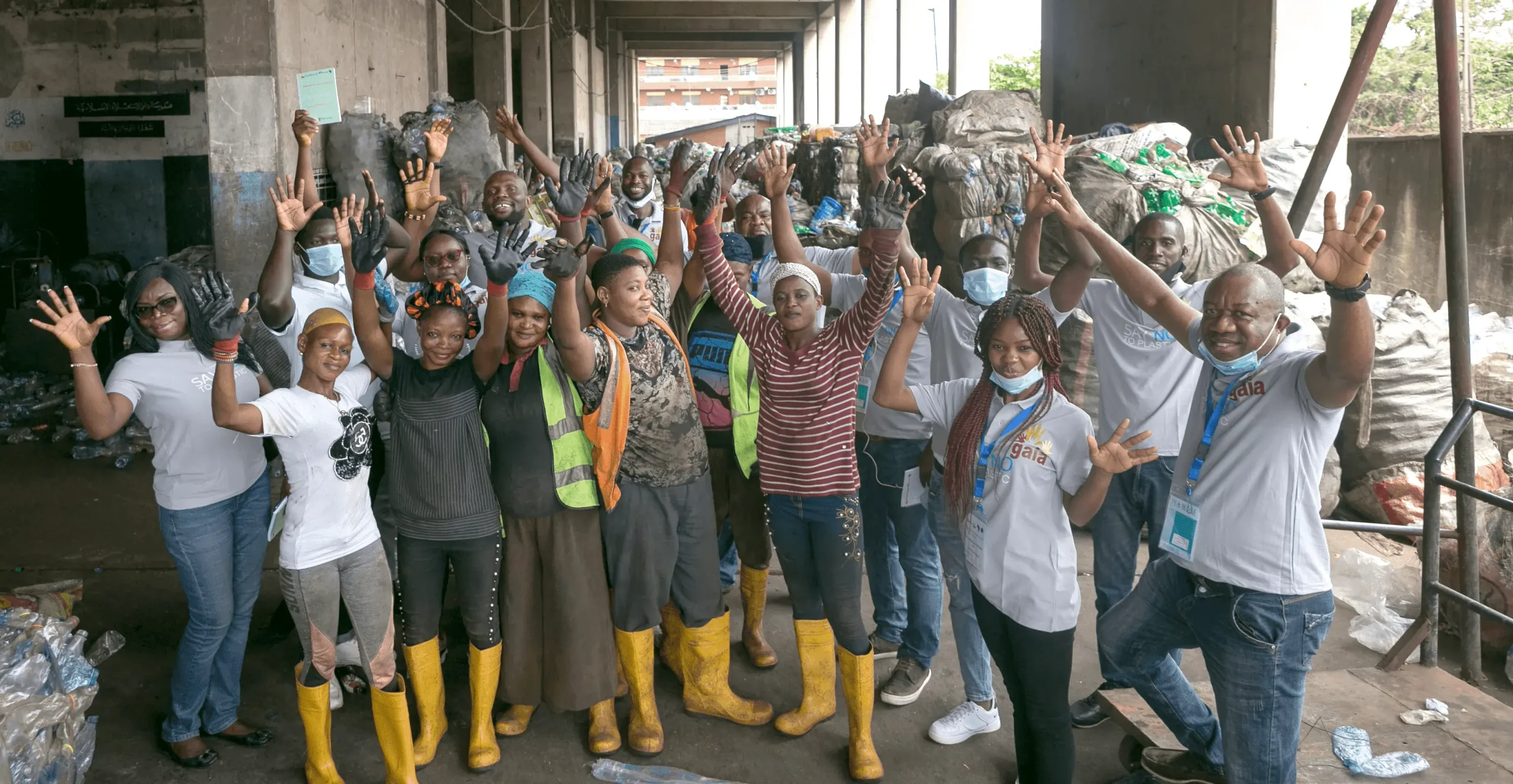
  • However, the majority of plans failed to integrate waste pickers, who have a critical role to play in implementing zero waste strategies.
  • Nepal, Uruguay, Colombia, Morocco, and Bangladesh planned to establish or expand waste-to-energy infrastructure, also known as incineration, which emits carbon dioxide, undermines recycling efforts and displaces jobs.

“It is good to see increased attention on waste sector mitigation potential in national climate plans,” says Doun Moon, policy and research officer at GAIA. “However, too many plans focus on waste disposal rather than prevention or material recovery, often favoring private profits over people. Our research shows that community-led zero waste initiatives are one of the fastest, cheapest ways to cut methane emissions.”

Waste accounts for 20% of human-caused emissions of methane, a potent greenhouse gas. Best practice in waste management, including source separation, composting, bio-stabilization, and bio-cover for dumpsites, can cut these emissions by 95% and provide good jobs.

More broadly, 70% of greenhouse gas emissions come from the material economy. A zero waste strategy that follows the reduce, reuse, recycle hierarchy can cut emissions at every stage of the value chain.

The national climate plans analysed were from Bangladesh, Brazil, Chile, Colombia, Ecuador, Ethiopia, Kenya, Morocco, Nepal, Nigeria, Panama, Uruguay, Zambia and Zimbabwe. The focus is on countries in the Global South, which can leapfrog false solutions like incineration and go straight to zero waste models, with the right finance. Other countries with a similar profile have yet to submit NDCs. See GAIA’s interactive map for the latest country-level analysis of waste management in NDCs.

“We urge governments to embrace zero waste as a climate solution, with waste pickers and communities at its heart,” says Mariel Vilela, director of the global climate program at GAIA. “The upcoming COP30 climate conference is a moment to share success stories and get money flowing to the people making things happen on the ground.”

GAIA has published detailed policy recommendations for Chile, Indonesia and South Africa to put zero waste into action.

Contacts

Doun Moon, policy and research officer, GAIA: doun@no-burn.org 

Sonia Astudillo, global climate communications officer, GAIA: sonia@no-burn.org 

Resources

  1. GAIA NDC Tracker
  2. Global Methane Pledge
  3. Declaration on Reducing Methane from Organic Waste
  4. Zero Waste to Zero Emissions: How Reducing Waste is a Climate Gamechanger (GAIA research)
  5. Methane Matters: A Comprehensive Approach to Methane Mitigation (GAIA research)

About GAIA:

GAIA is a network of grassroots groups as well as national and regional alliances representing more than 1,000 organizations from over 100 countries. With our work we aim to catalyze a global shift towards environmental justice by strengthening grassroots social movements that advance solutions to waste and pollution. We envision a just, Zero Waste world built on respect for ecological limits and community rights, where people are free from the burden of toxic pollution, and resources are sustainably conserved, not burned or dumped. www.no-burn.org

PARA PUBLICACIÓN INMEDIATA

A pesar de los compromisos sobre el metano, los gobiernos presentan planes poco ambiciosos para reducir las emisiones del sector de los residuos

23 de octubre de 2025 – Los gobiernos están pasando por alto herramientas sencillas y efectivas para reducir las emisiones de metano provenientes de los residuos, según revela  un análisis de la Alianza Global para Alternativas a la Incineración (GAIA) sobre la última ronda de planes climáticos nacionales (NDC, por sus siglas en inglés).

GAIA examinó 14 NDC presentados ante el organismo climático de la ONU por países seleccionados por su nivel de ambición y su alto potencial para reducir emisiones mediante estrategias de basura cero. Todos los países analizados habían firmado el Compromiso global sobre el metano y la Declaración sobre la reducción del metano procedente de residuos orgánicos.

Si bien cuatro de los planes incluyeron elementos positivos, diez resultaron débiles o incluso perjudiciales. Ningún país logró aprovechar plenamente el potencial de reducción de emisiones y los beneficios sociales de una estrategia efectiva de basura cero.

Principales hallazgos:

  • Brasil mostró avances significativos respecto a su NDC anterior, con un marco político sólido y medidas concretas para gestionar los residuos orgánicos.
  • Bangladesh, Chile, Colombia y Nigeria  dieron mayor relevancia a la transición justa, incluyendo referencias a la capacitación laboral, el desarrollo de habilidades y la atención a los desafíos que enfrentan los trabajadores informales.
  • Sin embargo, la mayoría de los planes no integraron a los recicladores, actores clave para implementar estrategias de basura cero.
  • Nepal, Uruguay, Colombia, Marruecos y Bangladesh planifican establecer o ampliar infraestructura de incineración de residuos en energía (waste-to-energy), una tecnología que emite dióxido de carbono, socava los esfuerzos de reciclaje y desplaza empleos.

«Es positivo ver una mayor atención al potencial de mitigación del sector de los residuos en los planes climáticos nacionales», señaló Doun Moon, responsable de políticas e investigación de GAIA. «Sin embargo, demasiados planes se centran en la disposición final de los residuos en lugar de la prevención o la recuperación de materiales, priorizando con frecuencia las ganancias privadas sobre las personas. Nuestra investigación muestra que las iniciativas de basura cero lideradas por las comunidades son una de las formas más rápidas y económicas de reducir las emisiones de metano.»

El sector de los residuos representa el 20% de las emisiones de metano de origen humano, un potente gas de efecto invernadero. Las mejores prácticas en la gestión de residuos, como la separación en origen, el compostaje, la bioestabilización y el uso de coberturas biológicas en vertederos, pueden reducir estas emisiones en un 95%, además de generar empleos de calidad.

En términos más generales, el 70% de las emisiones de gases de efecto invernadero provienen de la economía material. Una estrategia de basura cero, basada en la jerarquía de reducir, reutilizar y reciclar, puede reducir emisiones en todas las etapas de la cadena de valor.

Los planes climáticos nacionales analizados procedían de Bangladesh, Brasil, Chile, Colombia, Ecuador, Etiopía, Kenia, Marruecos, Nepal, Nigeria, Panamá, Uruguay, Zambia y Zimbabue. El estudio se centra en países del Sur Global, que tienen la oportunidad de evitar falsas soluciones como la incineración y avanzar directamente hacia modelos de basura cero, con el financiamiento adecuado. Otros países con un perfil similar aún no han presentado sus NDC. Puede consultarse el mapa interactivo de GAIA para ver el análisis actualizado por país sobre la gestión de residuos en los NDC.

«“Instamos a los gobiernos a adoptar la basura cero como una solución climática, con recicladores y las comunidades como protagonistas», afirmó Mariel Vilela, directora del programa climático global de GAIA. «La próxima conferencia climática COP30 es un momento para compartir historias de éxito y canalizar financiamiento hacia las personas que impulsan los cambios sobre el terreno.»

GAIA ha publicado recomendaciones políticas detalladas para Chile, Indonesia y Sudáfrica con el fin de poner en práctica estrategias de basura cero.

Contactos

Doun Moon, responsable de políticas e investigación, GAIA: doun@no-burn.org

Sonia Astudillo, responsable de comunicación sobre el clima global, GAIA: sonia@no-burn.org

Camila Aguilera, responsable de comunicaciones para América Latina: camila@no-burn.org 

Recursos

  1. Rastreador de NDC de GAIA
  2. Compromiso global sobre el metano
  3. Declaración sobre la reducción del metano procedente de residuos orgánicos
  4. De cero residuos a cero emisiones: cómo la reducción de residuos puede cambiar las reglas del juego en materia climática (investigación de GAIA)
  5. El metano importa: un enfoque integral para la mitigación del metano (investigación de GAIA)

Sobre GAIA:

GAIA es una red de grupos de base y alianzas nacionales y regionales que representa a más de 1000 organizaciones de más de 100 países. Con nuestro trabajo, nuestro objetivo es catalizar un cambio global hacia la justicia medioambiental mediante el fortalecimiento de los movimientos sociales de base que promueven soluciones a los residuos y la contaminación. Imaginamos un mundo justo y sin residuos, basado en el respeto de los límites ecológicos y los derechos de la comunidad, en el que las personas estén libres de la carga de la contaminación tóxica y los recursos se conserven de forma sostenible, sin quemarse ni verterse. www.no-burn.org
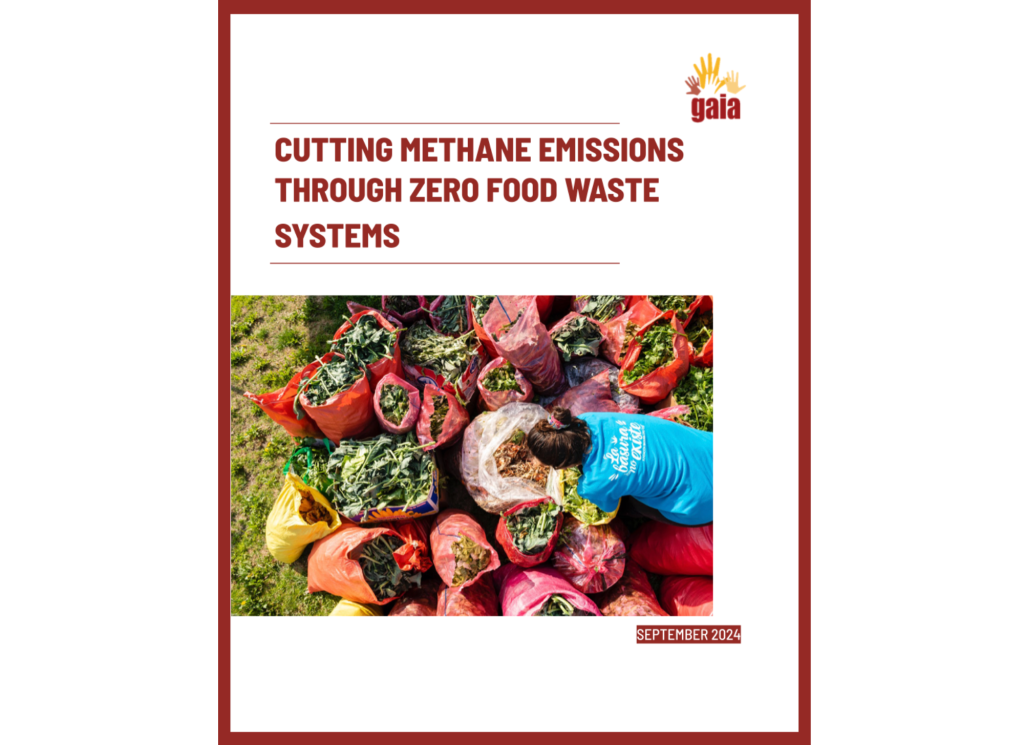
In 2022, over 1 billion tonnes of food waste was produced worldwide—equivalent to around 132 kg per person. Food loss and waste is an urgent global issue with significant social, economic, and environmental implications. According to the United Nations Environment Programme, this represents an economic loss of more than 1 trillion dollars, affecting actors throughout the value chain, from small and large producers to vendors, distributors, and consumers. Outrageously, almost 800 million people suffer from hunger and 15 million children under five years old are malnourished. 

Embracing zero waste strategies linked with food systems is not merely an option—it is necessary to achieve significant climate and social benefits for current and future generations. Strong political action is needed to put in motion a pathway to systemically address food loss and waste. The moment to take bold, decisive action is now. Learn how communities work together to prevent food loss and waste through zero waste practices, while reducing methane emissions and keeping global warming below 1.5°C.


By Mariel Vilella, GAIA Climate Program Director

This week, Addis Ababa is hosting the Second Climate Week, a critical moment for shaping climate commitments ahead of COP30. For the first time, the Sharm el-Sheikh Mitigation Ambition and Implementation Work Programme has dedicated its Sixth Global Dialogue and Investment Event to waste and the circular economy, bringing together governments, city networks, development banks, NGOs, and local organisations to discuss actionable solutions.

We are particularly pleased that Neil Tangri, GAIA’s Science and Policy Director, and Eskedar Awgichew, Executive Director at Eco-Justice Ethiopia are participating on the ground, helping to advance discussions that will influence urban mitigation policies and funding priorities around the world.

For too long, the waste sector has been overlooked in climate action, despite offering some of the most immediate and cost-effective opportunities to reduce emissions. Methane from organic waste, largely sent to dumpsites and landfills, is one of the largest and fastest-reducing sources of greenhouse gases available today. Scaling up zero waste strategies, composting, recycling, and circular economy models could deliver rapid climate benefits, while supporting communities and protecting livelihoods.

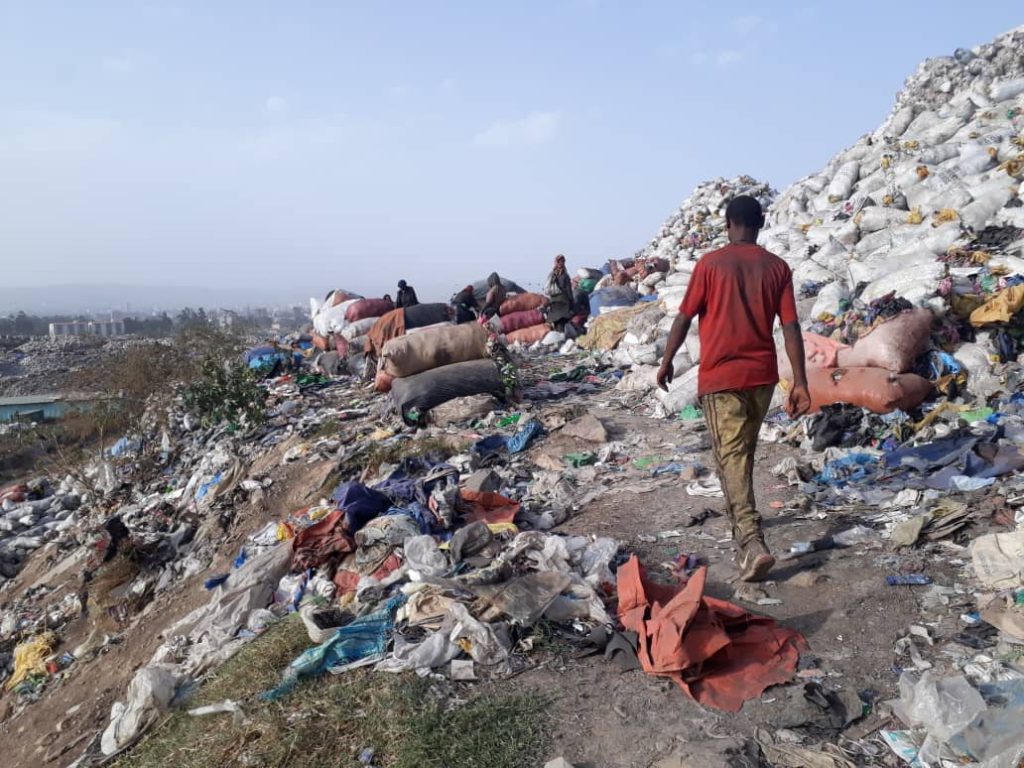
A major conversation this week is around the role of incineration versus zero waste approaches. Evidence from cities in the Global South shows that incinerators often fail to meet expectations. A striking example is Addis Ababa’s Reppie waste-to-energy facility, which was promoted as a groundbreaking solution. The plant was designed to handle 1,400 tons of waste per day but currently processes only 400–700 tons. It produces just half of the electricity promised, requires extra fuel because most of the waste is organic, displaces local waste workers, generates 85 tons of toxic ash daily, and costs $6.2 million to operate each year. This experience is a cautionary tale: investments in incineration can undermine climate goals and social equity.

By contrast, zero waste solutions—composting, recycling, and decentralized systems—are scalable, cost-effective, and inclusive. They reduce emissions, protect communities, and align with the principles of a just transition, ensuring that waste workers and informal recyclers are recognized and supported rather than displaced. Climate action in the waste sector must be inclusive, equitable, and rooted in social and environmental justice.

Another critical dimension is financing. Many local governments and community-based organizations lack access to the resources they need to implement sustainable waste solutions. Climate finance must be direct, inclusive, and designed to support operational costs and long-term sustainability, not just capital-intensive infrastructure projects. Strengthening technical capacity and building local expertise are equally important to ensure that zero waste initiatives succeed and scale effectively.

Innovation also matters. The tools and technologies to mitigate waste methane already exist. The challenge is to implement them in ways that are context-appropriate, accessible, and community-centered, so that both people and the planet benefit. Scaling up circular economy models offers an opportunity for transformative change that goes beyond emissions reductions, building more resilient, equitable cities.

The takeaway is clear: the waste sector offers immediate, cost-effective, and socially just climate solutions. Prioritizing zero waste strategies can achieve rapid methane reductions, support a just transition for workers, and accelerate progress toward COP30 goals. Incineration, in contrast, diverts resources, harms communities, and threatens both climate and justice outcomes.

As delegates gather in Addis Ababa this week, the message is simple: invest in zero waste, not incineration—because the future of climate action and social equity depends on it.

GLOBAL STUDY PROVES INCINERATORS WORSEN CLIMATE IMPACTS WHILE COMMUNITIES PUSH FOR JUST SOLUTIONS

(SPANISH AND PORTUGUESE TRANSLATION BELOW)

[PRESSCON RECORDING]

Addis Ababa, Ethiopia  – 04 September 2025 — From Asia to Latin America to Africa, communities are at the frontlines of both climate impacts and the fight against false solutions in waste management. A new report released by the Global Alliance for Incinerator Alternatives (GAIA), launched this Second Climate Week in Africa, demonstrates that zero waste offers the clearest, most effective path forward—outperforming incineration and other “business-as-usual” practices in reducing long-term climate impacts.

The publication, Zero Waste as an Effective Climate Strategy: Avoiding Warming Tradeoffs from Incineration, is one of the four GAIA Technical Guidance Series for Policymakers and Financiers on Fast Action on Waste and Methane. It examines the long-term global warming impacts of three waste management approaches: open dumping and landfilling, waste-to-energy (WTE)  incineration, and zero waste systems that include source separation, composting, and recycling.

Drawing from case studies in Lagos, Nigeria; Barueri, Brazil; and Quezon City, Philippines, the report applies the Solid Waste Emissions Estimation Tool (SWEET) and the FaIR climate model to project temperature outcomes through 2060. The findings are irrefutable: zero waste is the most effective and resilient strategy to reduce climate impacts from the waste sector. Unlike incineration, which trades short-term methane reductions for increased carbon dioxide emissions, zero waste delivers rapid methane cuts without creating new warming problems.

Beyond the data, the report spotlights how frontline communities in all three regions are resisting incinerator projects and advancing decentralized zero waste systems. These movements show how climate solutions can deliver environmental justice, social co-benefits, and a just transition for wastepickers.

The report comes at a pivotal moment. In Latin America, Brazil—host of the upcoming COP—is facing local battles over incineration even as it positions itself as a climate leader. In Asia, cities like Manila are at the forefront of both incineration threats and zero waste innovation. And in Africa, governments are weighing climate finance options that will determine whether communities are locked into polluting infrastructure or supported in building resilient zero waste systems.

For GAIA, the message is clear: Zero Waste offers the fastest, fairest, and most cost-effective way to cut methane emissions, and it must be at the center of global climate strategies.

SPEAKERS QUOTES: 

The Global Methane Pledge is a promise we cannot afford to break. Our findings show that zero waste delivers the rapid methane reductions the world needs to meet climate targets, without the carbon penalty of incineration. If governments are serious about keeping warming under 1.5°C, zero waste must be at the heart of their plans heading into COP30. – Neil Tangri, Science and Policy Director of GAIA

Communities in Africa are rejecting incinerators because we see firsthand the toxic smoke, the health risks, and the debt they bring. We deserve climate solutions that clean our air, not poison it. Zero waste programs protect our children’s health, create real jobs, and keep decision-making in the hands of local people. – Weyinmi Okotie, GAIA Africa

Waste pickers have been the backbone of recycling in our cities for decades. As validated by these findings, they are already showing us real climate solutions. Supporting zero waste also means dignity, stable livelihoods, and a just transition for workers. Incineration does the opposite by burning this all away. – Brex Arevalo, Climate and Anti-Incineration Campaigner, GAIA Asia Pacific

As Brazil prepares to host Conference of the Parties (COP) 30, we have a chance to show the world that climate leadership means rejecting dirty technologies. Investing in zero waste can slash methane emissions, create thousands of green jobs, and align with Brazil’s pledge to protect our people and our planet. – Rafael Eudes, Zero Waste Alliance Brazil

Cutting methane quickly is critical to slowing climate change, and zero waste strategies gives us the tools to do it without causing new problems. Incinerators may look like an easy fix, but they simply swap one greenhouse gas for another and lock communities into decades of pollution. – Mariel Vilella, the Global Climate Program Director of GAIA

MEDIA CONTACTS:

Sonia Astudillo, Global Climate Communications Officer, Global Alliance for Incinerator Alternatives (GAIA) I sonia@no-burn.org I +63 917 5969286

Dan Abril, Communications Officer for Programs, GAIA Asia Pacific | dan@no-burn.org  | 

Ibrahim Khalilulahi Usman, Africa Communications Associate, GAIA Africa | khalil@no-burn.org

GAIA is a worldwide alliance of more than 1,000 grassroots groups, non-governmental organizations, and individuals in over 90 countries. With our work we aim to catalyze a global shift towards environmental justice by strengthening grassroots social movements that advance solutions to waste and pollution. We envision a just, zero waste world built on respect for ecological limits and community rights, where people are free from the burden of toxic pollution, and resources are sustainably conserved, not burned or dumped. 

[SPANISH ]

LA ESTRATEGIA BASURA CERO ES MÁS EFECTIVA QUE LA INCINERACIÓN EN LA REDUCCIÓN DE LA CONTAMINACIÓN CLIMÁTICA

UN ESTUDIO GLOBAL DEMUESTRA QUE LAS INCINERADORAS AGRAVAN EL IMPACTO CLIMÁTICO, MIENTRAS LAS COMUNIDADES EXIGEN SOLUCIONES JUSTAS

Addis Abeba, Etiopía 4 de septiembre de 2025 —Desde Asia hasta América Latina y África, las comunidades están en la primera línea tanto de los impactos climáticos como de la lucha contra las falsas soluciones en la gestión de residuos. Un nuevo informe publicado por la Alianza Global para Alternativas a la Incineración (GAIA), presentado durante la Segunda Semana del Clima en África, demuestra que la estrategia basura cero ofrece el camino más claro y eficaz para avanzar, superando a la incineración y otras prácticas «habituales» en la reducción de los impactos climáticos a largo plazo.

La publicación, titulada «Basura cero como estrategia climática eficaz: Evitando las compensaciones de calentamiento global derivadas de la incineración», es una de las cuatro series de orientaciones técnicas de GAIA para responsables de políticas y financiadores sobre la acción rápida en materia de residuos y metano. En ella se examinan los efectos a largo plazo del calentamiento global de tres enfoques de gestión de residuos: vertidos a cielo abierto y rellenos sanitarios, incineración para la producción de energía a partir de residuos (WTE) y sistemas de basura cero que incluyen la separación en origen, el compostaje y el reciclaje.

A partir de estudios de casos en Lagos (Nigeria), Barueri (Brasil) y Quezon City (Filipinas), el informe aplica la herramienta de estimación de emisiones de residuos sólidos (SWEET) y el modelo climático FaIR para proyectar los resultados de temperatura hasta 2060.  Los hallazgos son irrefutables: basura cero es la estrategia más eficaz y resiliente para reducir los impactos climáticos del sector de los residuos. A diferencia de la incineración, que intercambia la reducción de metano a corto plazo por un aumento en las emisiones de dióxido de carbono, basura cero  logra recortes rápidos de metano sin generar nuevos problemas de aumento de la temperatura.

Más allá de los datos, el informe destaca cómo las comunidades de primera línea de las tres regiones se resisten a los proyectos de incineración y promueven sistemas descentralizados de basura cero. Estos movimientos muestran cómo las soluciones climáticas pueden aportar justicia medioambiental, beneficios sociales colaterales y una transición justa para los recicladores de base.

El informe llega en un momento crucial. En América Latina, Brasil, anfitrión de la próxima COP, se enfrenta a batallas locales sobre la incineración, incluso cuando se posiciona como líder climático. En Asia, ciudades como Manila están a la vanguardia tanto de las amenazas de la incineración como de la innovación en materia de basura cero. Y en África, los gobiernos están sopesando opciones de financiamiento climático que determinarán si las comunidades quedan atrapadas en infraestructuras contaminantes o si se les apoya en la construcción de sistemas resilientes de basura cero.

Para GAIA, el mensaje es claro: Basura cero ofrece la forma más rápida, justa y rentable de reducir las emisiones de metano, y debe estar en el centro de las estrategias climáticas globales.

CITAS DE LOS PONENTES:

El Compromiso Global sobre el Metano es una promesa que no podemos permitirnos incumplir. Nuestros hallazgos demuestran que la estrategia basura cero proporciona la reducción de metano rápida que el mundo necesita para cumplir los objetivos climáticos, sin la penalización de carbono que supone la incineración. Si los gobiernos se toman en serio el objetivo de mantener el calentamiento por debajo de 1,5 °C, basura cero debe ocupar un lugar central en sus planes de cara a la COP30. – Neil Tangri, director de Ciencia y Política de GAIA

Las comunidades africanas rechazan las incineradoras porque vemos de primera mano el humo tóxico, los riesgos para la salud y la deuda que conllevan. Merecemos soluciones climáticas que limpien nuestro aire, no que lo envenenen. Los programas de basura cero protegen la salud de nuestros hijos, crean puestos de trabajo reales y mantienen la toma de decisiones en manos de la población local. – Weyinmi Okotie, GAIA África

Los recicladores han sido la columna vertebral del reciclaje en nuestras ciudades durante décadas. Tal y como demuestran estos hallazgos, ya nos están mostrando soluciones climáticas reales. Apoyar la basura cero también significa dignidad, sustento estable y una transición justa para los trabajadores. La incineración hace lo contrario al quemarlo todo. – Brex Arevalo, activista por el clima y contra la incineración, GAIA Asia Pacífico

Mientras Brasil se prepara para acoger la Conferencia de las Partes (COP) 30, tenemos la oportunidad de mostrar al mundo que el liderazgo climático significa rechazar las tecnologías contaminantes. Invertir en basura cero puede reducir drásticamente las emisiones de metano, crear miles de empleos verdes y alinearse con el compromiso de Brasil de proteger a nuestra gente y nuestro planeta. – Rafael Eudes, Alianza Basura Cero BrasilReducir rápidamente las emisiones de metano es fundamental para frenar el cambio climático, y las estrategias de basura cero nos proporcionan las herramientas para hacerlo sin causar nuevos problemas. Las incineradoras pueden parecer una solución fácil, pero simplemente sustituyen un gas de efecto invernadero por otro y condenan a las comunidades a décadas de contaminación. – Mariel Vilella, directora del Programa Climático Global de GAIA

[PORTUGUESE]

A ESTRATÉGIA DE RESÍDUO ZERO É MAIS EFICAZ DO QUE A INCINERAÇÃO NA REDUÇÃO DA POLUIÇÃO CLIMÁTICA

ESTUDO GLOBAL COMPROVA QUE INCINERADORAS AGRAVAM OS IMPACTOS CLIMÁTICOS, ENQUANTO COMUNIDADES PRESSIONAM POR SOLUÇÕES JUSTAS

Adis Abeba, Etiópia 04 de setembro de 2025 — Da Ásia à América Latina e África, as comunidades estão na linha de frente tanto dos impactos climáticos quanto da luta contra falsas soluções na gestão de resíduos. Um novo relatório publicado pela Aliança Global para Alternativas à Incineração (GAIA), apresentado durante a Segunda Semana do Clima em África, demonstra que a estratégia de resíduo zero oferece o caminho mais claro e eficaz para avançar, superando a incineração e outras práticas “habituais” na redução dos impactos climáticos a longo prazo.

A publicação, intitulada Resíduo Zero como estratégia climática eficaz: Evitando as compensações do aquecimento global derivadas da incineração, é uma das quatro séries de orientações técnicas da GAIA para responsáveis por políticas e financiadores sobre a ação rápida em matéria de resíduos e metano. Nela são examinados os efeitos de longo prazo do aquecimento global de três abordagens de gestão de resíduos: lixões a céu aberto e aterros sanitários, incineração para a produção de energia a partir de resíduos (WTE) e sistemas de lixo zero que incluem a separação na origem, a compostagem e a reciclagem.

Com base em estudos de caso em Lagos, Nigéria; Barueri, Brasil; e Quezon City, Filipinas, o relatório aplica a Ferramenta de Estimativa de Emissões de Resíduos Sólidos (SWEET) e o modelo climático FaIR para projetar os resultados de temperatura até 2060. As conclusões são irrefutáveis: Resíduo zero é a estratégia mais eficaz e resiliente para reduzir os impactos climáticos do setor de resíduos. Ao contrário da incineração, que troca reduções de metano de curto prazo por aumento das emissões de dióxido de carbono, resíduo  zero proporciona cortes rápidos de metano sem criar novos problemas de aquecimento.

Além dos dados, o relatório destaca como as comunidades da linha de frente nas três regiões estão resistindo aos projetos de incineradores e promovendo sistemas descentralizados de resíduo zero. Esses movimentos mostram como as soluções climáticas podem proporcionar justiça ambiental, benefícios sociais e uma transição justa para os catadores.

O relatório chega em um momento crucial. Na América Latina, o Brasil — anfitrião da próxima COP — enfrenta batalhas locais sobre a incineração, mesmo se posicionando como líder climático. Na Ásia, cidades como Manila estão na vanguarda tanto das ameaças da incineração quanto da inovação do resíduo zero. E na África, os governos estão avaliando opções de financiamento climático que determinarão se as comunidades ficarão presas a infraestruturas poluentes ou serão apoiadas na construção de sistemas resilientes de resíduo zero.

Para a GAIA, a mensagem é clara: o desperdício zero oferece a maneira mais rápida, justa e econômica de reduzir as emissões de metano e deve estar no centro das estratégias climáticas globais.

CITAÇÕES DOS PALESTANTES:

O Compromisso Global com o Metano é uma promessa que não podemos quebrar. Nossas descobertas mostram que resíduo zero proporciona as rápidas reduções de metano de que o mundo precisa para cumprir as metas climáticas, sem a penalidade de carbono da incineração. Se os governos estão seriamente empenhados em manter o aquecimento abaixo de 1,5 °C, resíduo zero deve estar no centro de seus planos para a COP30. – Neil Tangri, Diretor de Ciência e Política da GAIA

As comunidades na África estão rejeitando os incineradores porque vemos em primeira mão a fumaça tóxica, os riscos à saúde e as dívidas que eles trazem. Merecemos soluções climáticas que limpem nosso ar, não o envenenem. Os programas de resíduos zero protegem a saúde de nossas crianças, criam empregos reais e mantêm a tomada de decisões nas mãos da população local. – Weyinmi Okotie, GAIA África

Os catadores têm sido a espinha dorsal da reciclagem em nossas cidades há décadas. Conforme validado por essas descobertas, eles já estão nos mostrando soluções climáticas reais. Apoiar resíduo  zero também significa dignidade, meios de subsistência estáveis e uma transição justa para os trabalhadores. A incineração faz o oposto, queimando tudo isso. – Brex Arevalo, ativista climático e anti-incineração, GAIA Ásia-Pacífico

Enquanto o Brasil se prepara para sediar a Conferência das Partes (COP) 30, temos a chance de mostrar ao mundo que liderança climática significa rejeitar tecnologias sujas. Investir no resíduo zero pode reduzir drasticamente as emissões de metano, criar milhares de empregos verdes e se alinhar com o compromisso do Brasil de proteger nosso povo e nosso planeta. – Rafael Eudes, Aliança Resíduo Zero Brasil

Reduzir rapidamente o metano é fundamental para desacelerar as mudanças climáticas, e as estratégias de resíduo zero nos dão as ferramentas para fazer isso sem causar novos problemas. Os incineradores podem parecer uma solução fácil, mas eles simplesmente trocam um gás de efeito estufa por outro e prendem as comunidades a décadas de poluição. – Mariel Vilella, Diretora do Programa Climático Global da GAIA

Following the commitments within the Global Methane Pledge and the COP29 Declaration to Reduce Methane from Organic Waste (ROW declaration), signatory countries have pledged to significantly reduce waste methane emissions by 2030. While this will pose an increase of political and financial resources driven towards the waste sector, there is a need to ensure the implementation of measures to reduce methane emissions is in alignment with the Environmental Justice Principles for Fast Action on Waste and Methane.  

In order to support policy makers and implementers to ensure effective solutions to reduce waste methane, GAIA, with support from the Climate and Clean Air Coalition (CCAC) and the Global Methane Hub presents this series of technical publications  to address challenging issues related to methane emissions in the waste sector.


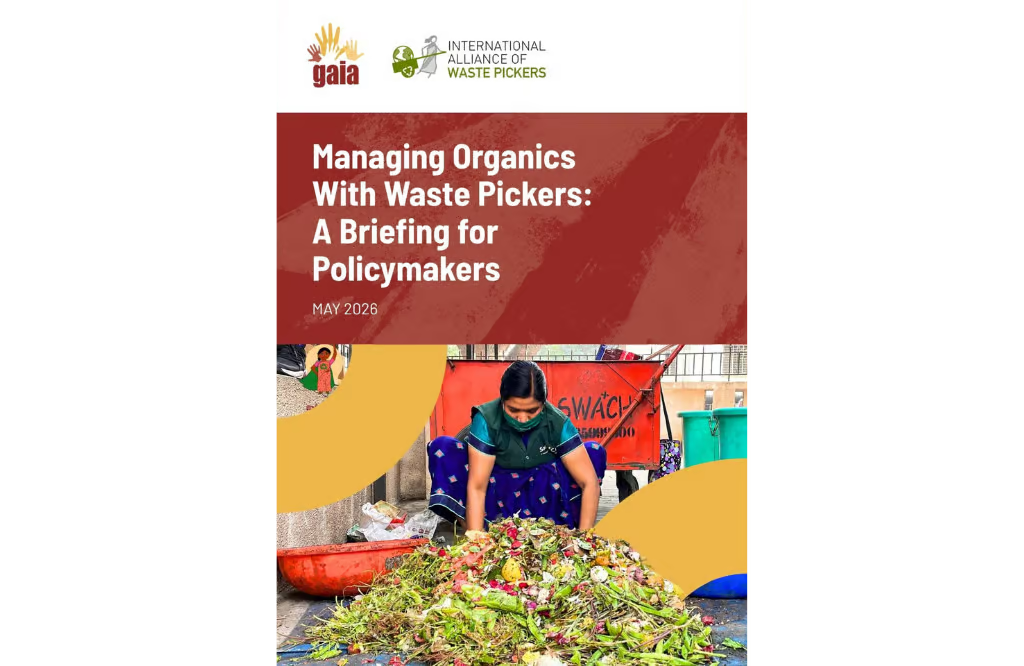
The report, co-presented by the International Alliance of Waste Pickers and supported by the Climate & Clean Air Coalition, outlines a series of recommendations for governments, including recognizing waste pickers as formal service providers, ensuring fair compensation, investing in decentralized waste infrastructure, and incorporating gender-responsive policies.

It also emphasizes the importance of sustained public funding, noting that while composting and other organic waste outputs can generate some income, they are not sufficient on their own to support livelihoods at scale.

(EN) Managing Organics With Waste Pickers: A Briefing for Policymakers

(ES) Gestión de residuos orgánicos con recicladores de base: informe para responsables políticos (coming soon)

(Infographics) Waste Pickers: Cutting Methane Emissions through Organic Waste Management

Zero Waste as An Effective Climate Strategy: Avoiding Warming Tradeoffs from Incineration assesses the long-term global warming impacts of three waste management strategies —business-as-usual disposal-based practices such as dumping and landfilling (BAU), incineration, and zero waste practices such as source separation and treatment of organics and recyclables (ZW). The analysis focuses on three urban contexts: Lagos (Nigeria), Barueri (Brazil), and Quezon City (Philippines). Using the Solid Waste Emissions Estimation Tool (SWEET) and the Finite Amplitude Impulse Response (FaIR) climate model, the analysis calculates projected temperature impacts for each strategy through 2060.

(EN) Zero Waste as An Effective Climate Strategy Avoiding Warming Tradeoffs from Incineration

(ES) Basura Cero como Solución Eficaz: Evitar el Calentamiento que Provoca la Incineración

(FR) Le zéro déchet comme stratégie climatique efficace : éviter les compromis de réchauffement liés à l’incinération

(Infographics) False Solutions for Waste: Why They Fail People and the Planet

(Infographics)Waste-to-Energy (WtE) Incineration: Wasted Time, Energy, and Resources


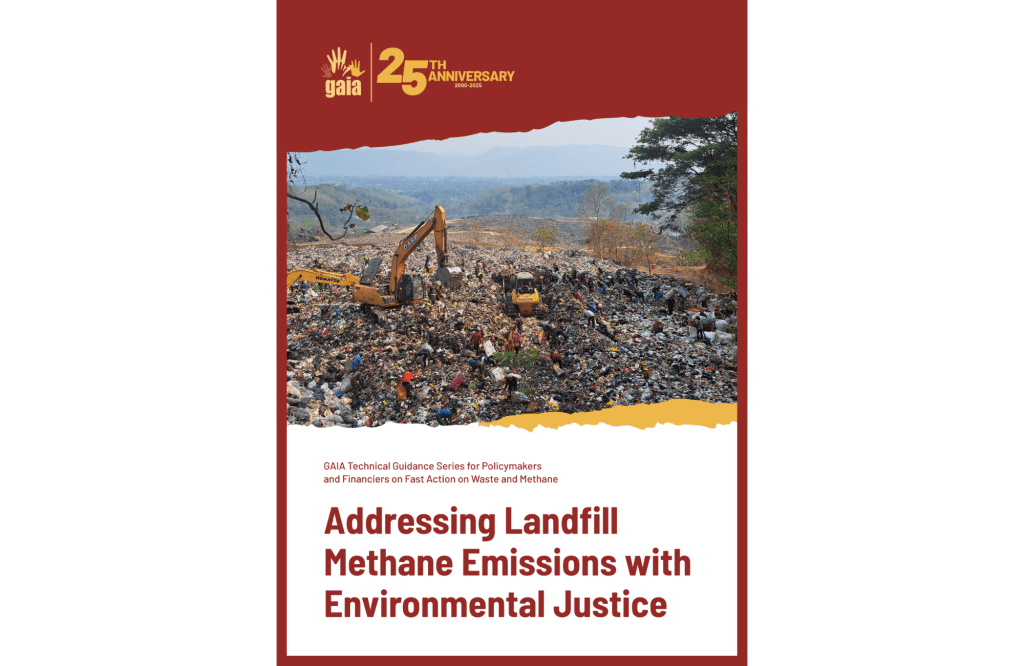
Addressing Landfill Methane Emissions with Environmental Justice outlines the risks of business-as-usual (BAU) approaches to landfill methane mitigation and makes the case for a sustainable, justice-centered response. It draws on international evidence, current policy trends, and community experience to identify what works, and what doesn’t, when it comes to landfill closure and organics management.

(EN) Addressing Landfill Methane Emissions with Environmental Justice

(ES) Abordar las emisiones de metano de los rellenos sanitarios con justicia ambiental

(FR) Lutter contre les émissions de méthane des décharges grâce à la justice environnementale

(Infographics) False Solutions for Waste: Why They Fail People and the Planet


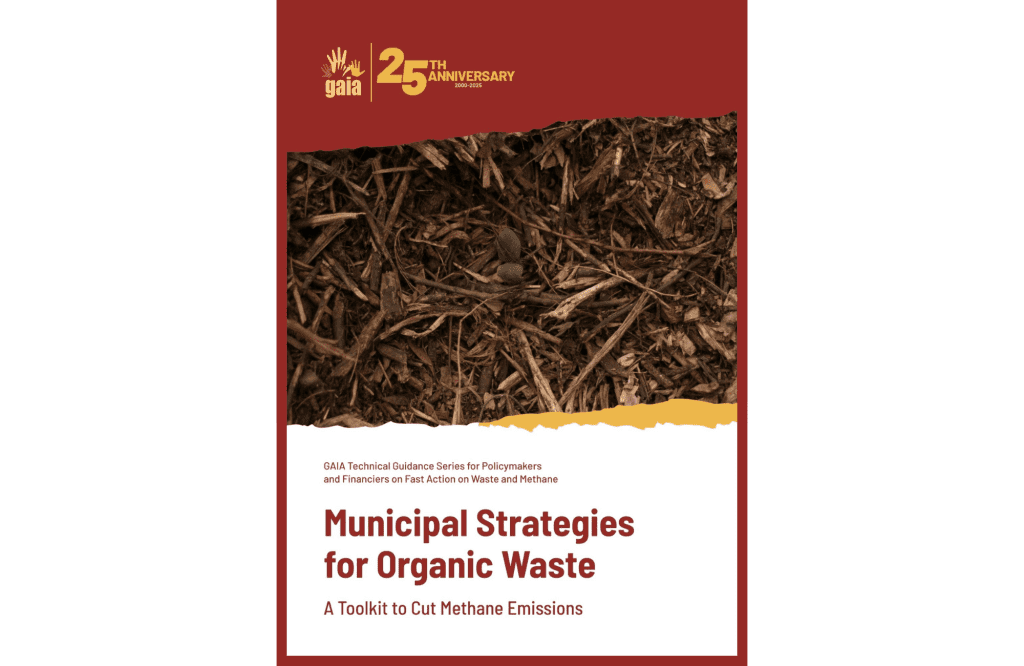
Municipal Strategies for Organic Waste: A Toolkit to Cut Methane Emissions is the 1st of the GAIA Technical Guidance Series for Policymakers and Financiers on Fast Action on Waste and Methane. This toolkit introduces six key strategies to help municipalities reduce methane emissions from organic waste: animal feed, composting, vermicomposting, anaerobic digestion, black soldier fly processing, and landfill biocovers. The primary objective is to prevent organic waste from reaching landfills by prioritizing diversion and resource recovery.

(EN) Municipal Strategies for Organic Waste: A Toolkit to Cut Methane Emissions

(ES) Residuos orgánicos Municipales: Estrategias para reducir las emisiones de metano

(Infographics) Why Zero Waste?


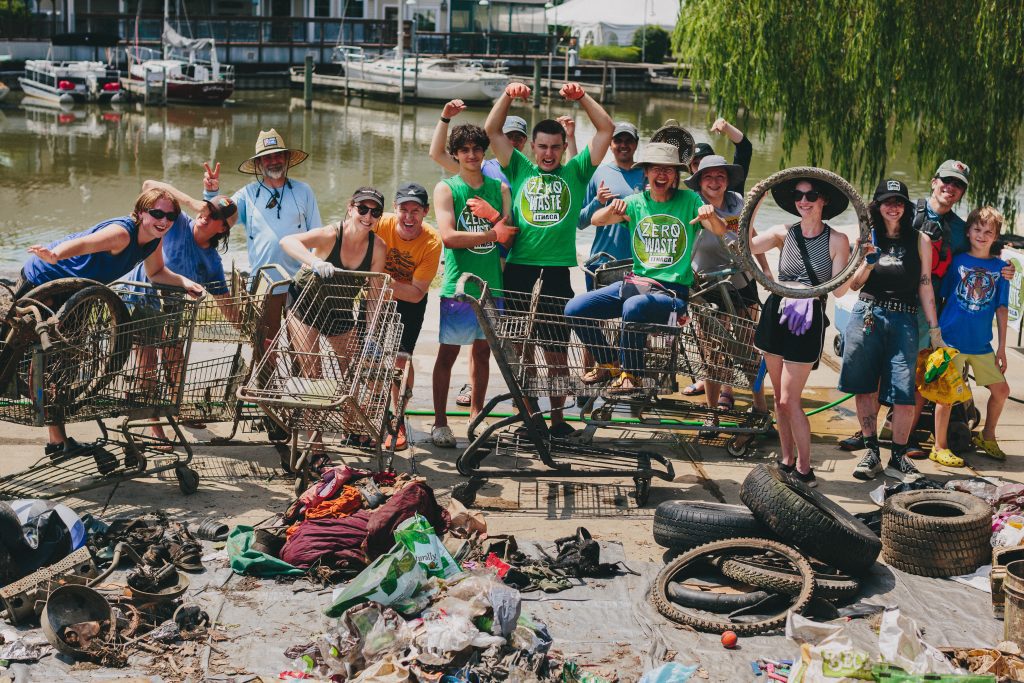
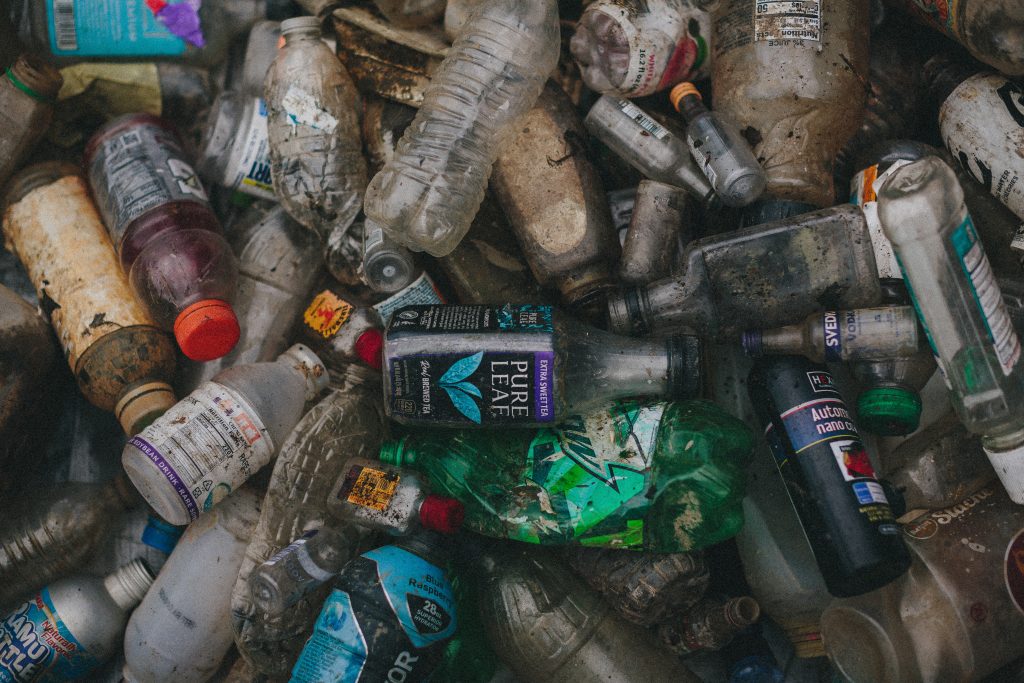
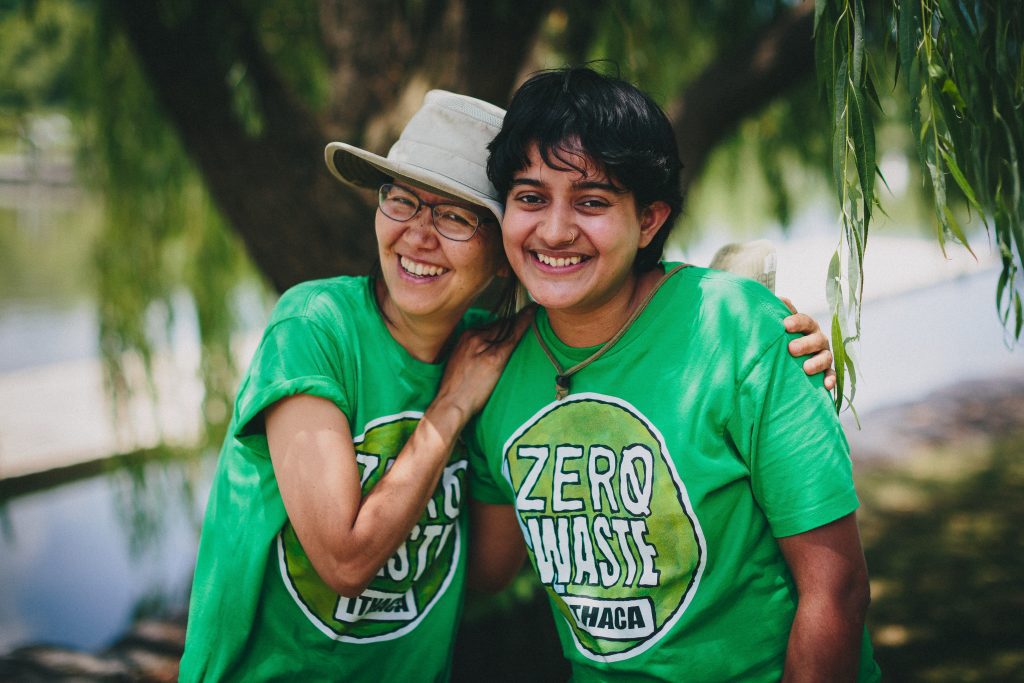
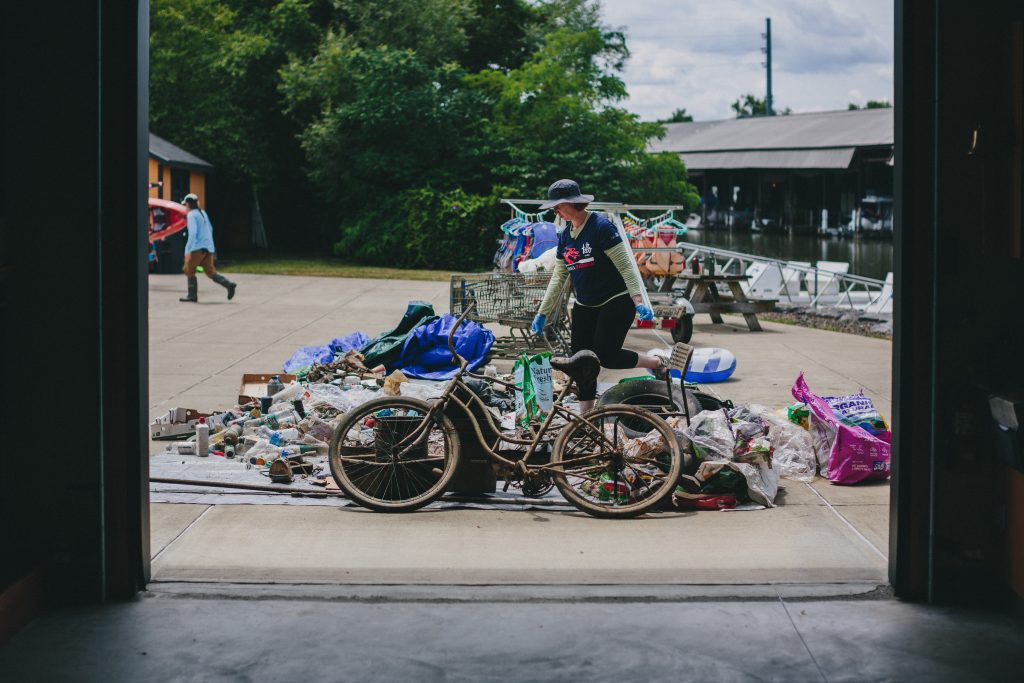
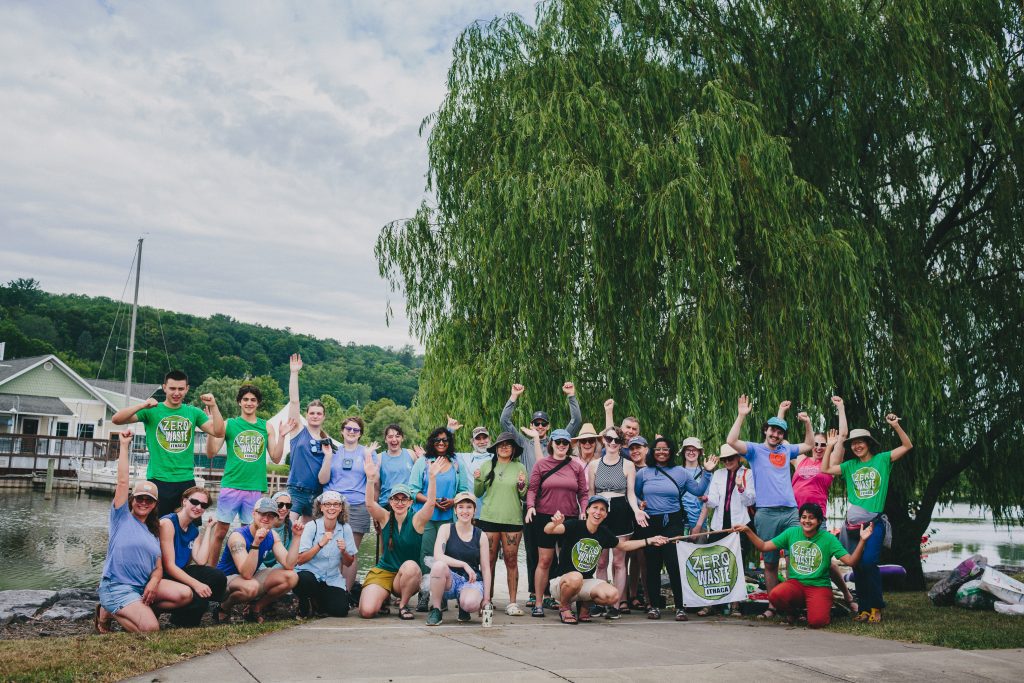
Zero Waste Ithaca mobilized 40 volunteers for their “Trash Paddle Ithaca” on July 12, 2025, spending more than four hours removing an incredible 800 pounds of waste from the Cayuga Inlet. The haul included shopping carts, bikes, tires, Styrofoam, and hundreds of bottles and cans, making a visible difference in the local waterways. Building on the cleanup’s success, the team is advocating for a city and county single-use ordinance to tackle pollution at its source.

Zero Waste Ithaca is a grassroots volunteer group founded in 2018, based in Ithaca, New York, USA, locally advocating for a sustainable Zero Waste society. The group works to advance zero waste policies and culture with a vision of “prosperity without growth,” rethinking consumption and promoting justice for all living beings. They combine policy advocacy with community-building activities like trash pickups, gift economy exchanges, and sharing zero waste tips, while rejecting industry-backed false solutions to the waste and climate crises. Their flagship program, BYO – Ithaca Reduces, encourages businesses to welcome customer-provided containers through a visible sticker campaign, with over 100 local businesses participating.

They are advocating for a statewide BYO law in New York and are part of the broader US Reduces network. Zero Waste Ithaca also opposes synthetic turf, advocates for a local foodware reuse ordinance, fights the use of sewage sludge as soil amendments (including biochar and compost), and addresses PFAS issues, in addition to organizing community gatherings such as trash pickups, tabling, and craft events.

This event was made possible through the collaboration of local partners, including Ithaca College, Team Greene, Paddle-N-More, Recycle Tompkins, GreenStar, Cayuga Lake Watershed Network, Ithaca Dragon Boat Club, Cayuga Outrigger Canoe Club, and Discover Cayuga Lake. It was also supported in part by a 2024 GAIA Microfunds grant, which helped strengthen community-led action for upstream solutions to plastic waste.

(Photos by Rich Mattingly)

FOR IMMEDIATE RELEASE: May 6, 2025

Berkeley, CA —  The Global Alliance for Incinerator Alternatives (GAIA) is proud to announce the 13 grassroots partners advancing transformative zero waste solutions through the U.S. Methane Reduction and Environmental Justice Regrant Program. 

With an investment from the Global Methane Hub, GAIA mobilized $675,000 to its member organizations across the U.S. that are implementing innovative, community-driven solutions including composting, food waste prevention and diversion, landfill pollution reduction and monitoring, and climate and environmental justice leadership. These grants support grassroots organizations at the forefront of advancing zero waste solutions that safeguard public health and the environment across local, regional, and state levels.

At a time when the waste sector remains the third largest source of methane emissions, a potent greenhouse gas (GHG) that traps more than 82 times as much heat as carbon dioxide (CO2) over a 20-year timespan, grassroots leadership has never been more critical. Even modest ambition to separately collect and treat organics can reduce landfill methane emissions by 62 percent.

“GAIA’s U.S. Methane Reduction and Environmental Justice Regrant Program is an opportunity to highlight and support the various grassroots efforts taking shape across the country to address and reduce methane emissions from the waste sector,” said Marcel R. Howard, US & Canada Regional Zero Waste Program Manager at GAIA. “This initiative is aimed at ensuring environmental and climate justice principles are prioritized and integrated within methane emissions reduction strategies. By embracing zero waste strategies, the waste sector could reduce methane emissions by 95% through a combined approach that prevents food waste, recovers edible surplus food, separately collects and processes organic waste, and reduces emissions at disposal sites.”

The 2025 GAIA Methane Reduction and Environmental Justice Grant Recipients and Cohort include:

  • Minnesota Environmental Justice Table
  • CURE (Minnesota)
  • Californians Against Waste Foundation
  • Valley Improvement Projects (California)
  • JOIN for Clean Air (Louisiana)
  • Environmental Integrity Project (Louisiana)
  • Slingshot (New England)
  • GreenLatinos (Colorado)
  • Brookhaven Landfill Action and Remediation Group (New York)
  • South Baltimore Community Land Trust (Maryland)
  • Clean Water Fund (Maryland)
  • Zero Waste Detroit (Michigan) 
  • Pocasset Pokanoket Land Trust (Rhode Island)

The U.S. Methane Reduction and Environmental Justice Regrant Program strengthens grassroots leadership and accelerates the transition to just and sustainable waste systems. By equipping frontline communities with the resources they need to drive change, GAIA aims to reduce methane emissions, advocate for zero waste policies, and support environmental justice efforts nationwide.

“GAIA’s regrant program is rooted in a powerful truth: the solutions we need are already thriving in our communities,” said Denaya Shorter, Senior Director of the US & Canada Region at GAIA. “For generations, frontline communities have been leading with courage, innovation, and justice—advancing zero waste solutions that protect our planet and our people. We are honored to support their vision for a future where no community is sacrificed, and where zero waste paves the way toward true environmental justice.”

For more details on the U.S. Methane Reduction and Environmental Justice Regrant Program and its grantees, visit no-burn.org/us-methane-ej-regrant-program.

U.S. Methane Reduction and Environmental Justice Cohort Quotes:

“We’re grateful for the opportunity to partner with other members of the GAIA network to tackle methane emissions at the source. Landfills are a major driver of climate change, and we need real solutions now. Stronger regulations can cut methane quickly, while composting keeps food scraps and yard trimmings out of landfills entirely—turning this ‘waste’ into a resource that offers a climate solution instead of posing a climate threat,” said Nick Lapis, Director of Advocacy, Californians Against Waste Foundation (CAWF).

“The Brookhaven Landfill is a 270-foot-high monster that looms over our community.  A monster that the local government fails to address. After 50 years of tireless advocacy, countless illnesses, and even death in our community, we know that the local government refuses to keep us safe. This grant will help keep us on the road to march to zero waste and win the struggle for the achievement of environmental justice,” said Monique Fitzgerald, Co-Founder, Brookhaven Landfill Action & Remediation Group (BLARG).

“The generous grant support from GAIA affirms the importance of Indigenous-led solutions to environmental justice and food sovereignty. It will allow us to expand composting infrastructure and provide outreach and education for Indigenous families in Rhode Island, making sustainable waste reduction accessible and culturally grounded. Through this project, we’ll turn food scraps into fertile soil that feeds our communities and our futures,” said Michelle Nikfarjam, Agroecology Support Specialist, Pocasset Pokanoket Land Trust.

“We are very excited to be accepted into GAIA’s U.S. Methane Reduction & Environmental Justice Regrant Program. This grant helps make possible our progress, connecting us to the resources we need and helping us expand the work we do with our partners in the fight for clean air here in Louisiana,” said Justin Vittitow, Director, JOIN for Clean Air.

“Slingshot is grateful for GAIA’s support of our work alongside most-impacted communities to take aim at polluters and build local leadership. This funding will enable us to support community groups across the northeast in decreasing pollution from existing landfills, halting the build-out of greenwashed energy solutions, and calling for an overhaul of our broken waste system. We are excited to join this cohort in our shared fight for a just and thriving world,” said Hayley Jones, VT and NH State Director, Slingshot

“The Environmental Integrity Project is thrilled to join GAIA’s landfill methane and environmental justice cohort. GAIA’s effective coalition-building has helped communities affected by waste disposal throughout the country. We look forward to building knowledge and relationships as we work together to tackle the important and under-resourced issue of landfill pollution,” said Leah Kelly, Senior Attorney, Environmental Integrity Project (EIP).

“This grant will enable Zero Waste Detroit to continue building and strengthening capacity to reach more community stakeholders. This grant facilitates the expansion of our organizational ability to reach more residents while expanding our educational programming related to food waste and reducing methane and carbon dioxide emissions. Educating our communities about waste reduction and diversion is a necessary step to reducing CO2 and Methane CH4 emissions, in the fight to mitigate climate change,” said Deborah Stewart Anderson, M.Ed., Executive Director, Zero Waste Detroit

“The conversation about how to sustainably address the waste crisis is often focused on our cities and dense population centers, leaving rural communities as something of an afterthought. This is in spite of the fact that a lot of our waste, whether it’s going to a landfill or a garbage burner, is often headed to a rural locale. As rural community advocates, we at CURE are excited to partner with our friends at the Minnesota EJ Table to address this gap and bring rural and urban zero waste champions together to talk about both the commonalities and differences our communities face when it comes to waste and move towards finding holistic solutions,” said Maggie Schuppert, Director of Strategic Initiatives, CURE.

Press contact:

María Guillén, Communications Coordinator, US & Canada

mariaguillen@no-burn.org

###

GAIA is a worldwide alliance of more than 1,000 grassroots groups, non-governmental organizations, and individuals in over 90 countries. With our work, we aim to catalyze a global shift towards environmental justice by strengthening grassroots social movements that advance solutions to waste and pollution. We envision a just, zero waste world built on respect for ecological limits and community rights, where people are free from the burden of toxic pollution, and resources are sustainably conserved, not burned or dumped. 

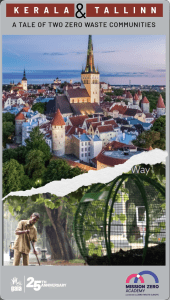
The zero waste movement is gaining momentum from different corners of the globe. Recently, Kerala, a state in India, has been awarded a waste-free status by the country’s Minister for Local Self Government while Tallinn, the capital of Estonia became a candidate for the zero waste certification of the Mission Zero Academy, the world’s first Zero Waste Cities Certification.    

This shows that by empowering the community, working with different stakeholders, putting environmental justice at the center, and a strong commitment to positive change, zero waste as a climate solution is not a far-fetched goal.

May the  experience of Kerala and Tallinn serve as a blueprint for cities and communities working towards managing waste while mitigating the climate crisis. Visit  no-burn.org and https://www.missionzeroacademy.eu/ to know more.

by Zoe Knannlein

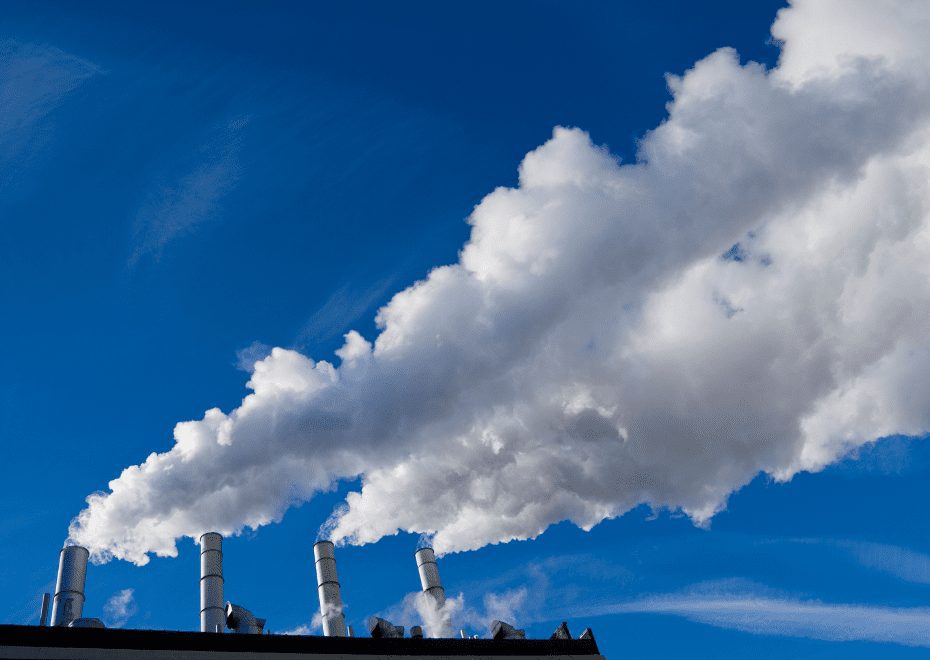
As the UK closed the doors of its last coal power plant in September 2024, the focus has now turned to the UK’s next dirtiest form of energy production: waste incinerators. While waste-to-energy incinerators have been controversial within the waste sector for years, the protest has been recently mainstreamed when the BBC labelled incineration as the UK’s dirtiest way to make power.

Photo from Zero Waste Europe’s report, Enough is enough: The case for a moratorium on incineration

Waste-to-energy incineration has been heavily confronted all over the world by hundreds of groups and communities for several reasons. In the first place, concerns about health impacts on the local people and the environment have often been the trigger point. Neighbours to incinerators report devastating impact, such as in Runcorn, Cheshire, home to the UK’s largest incinerator, where operator Viridor paid a total of £1m to local families who had complained about noise, smells and other negative effects on their lives.

Air pollution from incinerators includes greenhouse gas emissions contributing to climate change. Shlomo Dowen from the UK Without Incineration Network (UKWIN) stated: “For every tonne of plastic that is incinerated, more than two tonnes of carbon dioxide are being released, as the carbon in the plastic combines with oxygen in the air to produce CO2…[Overprovision of incineration means that] people’s health is being jeopardised for no justifiable reason.”

Moreover, one of the main negative impacts that waste-to-energy incinerators have is that they harm recycling rates to keep their fuel source, seen not just in the UK but globally as well.“ There are already far too many waste incinerators across the UK, meaning that most of what is burned is material that could and should have been recycled or composted,” says Dowen.  

In this sense, the incineration of matter that could have been recycled or composted also harms the UK’s progress towards a circular economy. According to the European Environment Agency: “One of the central pillars of a circular economy is feeding materials back into the economy and avoiding waste being sent to landfill or incinerated, thereby capturing the value of the materials as far as possible and reducing losses.”

As it stands, incinerators are three times more likely to be in the most “deprived and ethnically diverse areas of the UK,” further raising concerns about the impact of pollutants on vulnerable populations.

Despite these threats to the wellbeing of the UK’s people, environment, and economy, there are still currently 41 planned incinerators, 27 of which have obtained environmental permits. In November 2024, Olympic sailing team medallists on the Isle of Portland threatened to quit the site because of plans to build a £150m waste incinerator next to their base. A letter from the athletes to Steve Reed, the UK Government’s Environment Secretary, and Lisa Nandy, the Culture Secretary, reads:

“The plans to build an incinerator raise significant environmental and health concerns, which we believe would harm the quality of Portland’s sailing facilities…We fear that the damage posed by an incinerator could force us to consider leaving Portland altogether.”

Hundreds of protesters gathered to demonstrate against the construction of the incinerator and its adverse effects on the Portland Port. Last October, the Stop Portland Waste Incinerator campaign group started legal efforts against the incinerator. Despite rejection by the Dorset Council, the plans for the Portland incinerator were still approved by the Labour Government in September of 2024.

At Edmonton in North London, redevelopment of the existing outdated incinerator has been halted. The project started in 2022 and was expected to open in 2025, but will reportedly be delayed until 2027. The North London Waste Authority (NLWA), who is leading the project, has blamed global inflation, expensive materials, and rising skilled labour costs as reasons for the project’s delay. 

The new incinerator has been criticised by environmentalists for its increased size, which would increase capacity by 200,000 tonnes. Pressure on the NLWA to stop the scheme has come from members of the Stop the Edmonton Incinerator Now campaign.

Carina Millstone, a spokesperson for the group, said: “It’s not too late for the councils to safeguard their budgets, their climate, air pollution and waste targets, and do the right thing by their taxpayers, by pulling the plug on this outdated, outsized, toxic incinerator.”

The UK’s biggest incinerator at Runcorn in Cheshire is yet another example of an incinerator taking hold of a disadvantaged area. Pollution and disturbances from the incinerator, including flies, rats, smell, and noise, has led to a settlement of £1m ($1.2m) for 180 local residents, or about £4,500 per family after legal costs. The tradeoff? Their acceptance of a strict non-disclosure agreement (NDA) mandating their silence about the adverse effects of the plant.

Viridor, the waste management company that runs the Runcorn plant, refused to comment on the settlement agreement but claimed that the noise and odour of the incinerator remained well within regulations set by the Environment Agency. However, a BBC investigation found breaches of air quality controls increased both at Runcorn and across incinerators in England between 2019 and 2023.

The UK Government is finally starting to wake up to public concerns about there being too many incinerators operating across England. New measures were announced on December 30, 2024 cracking down on incinerators by raising standards. For any new incinerators, developers will have to prove that they will help to lower the amount of non-recyclable waste that’s being sent to landfill and show how the incinerator could be used to deliver heat to homes and/or businesses.

The UK Government has also been shifting focus towards waste that could be recycled but is instead going to landfill or incineration. Recycling rates in England have stagnated as individual households find that keeping track of separate bins is too complicated and that many materials are not being collected for recycling, including food waste and some types of plastic. The continued use of waste-to-energy incinerators threatens the UK’s 2050 net zero emissions goal. With the introduction of several new collection and packaging reforms by the Government to encourage citizens to separate their waste, as well as the transition towards a circular economy, the need for incinerators will be greatly reduced, with only 17.6 million tonnes of non-recyclable waste to be managed by 2042.

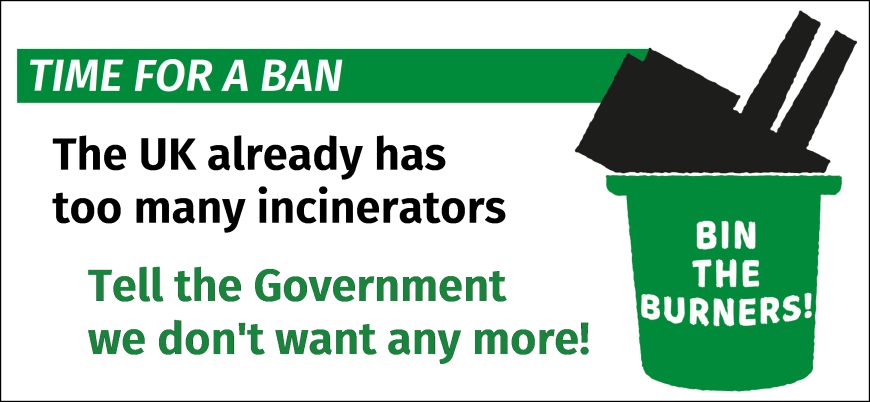
Despite the new and stricter regulations, many environmentalists are saying it’s not enough, and still call for a total ban on any new incinerators in England, including Shlomo Dowen from the UK Without Incineration Network (UKWIN).

“Not only do we need a complete ban on new incinerators, I think England needs an incineration exit strategy, like Wales and Scotland. We need to start looking at which incinerators should be decommissioned; those that are least efficient, most polluting, closest to where people live.”

UKWIN continues to advocate for a total ban of new incinerators in the UK, having extended invitations to candidates of both local and national elections to sign a pledge to support recycling by opposing incineration. Nearly 200 local election candidates signed the pledge, followed by 127 Parliamentary candidates, 11 of whom are now MPs.

Per the UKWIN’s findings, the only way to increase recycling rates is to send less to be incinerated. UKWIN has already stopped the construction of 70 proposed incinerators by working together with local anti-incinerator campaigners. For further change and action, they call for policy changes in the form of an immediate moratorium on new waste incineration capacity, a residual waste tax on incineration, and targets to reduce total and residual waste.