






The Problem
Across the United States and around the world, Black, Brown, Indigenous, and low-wealth communities are disproportionately impacted by climate change and toxic waste infrastructure, despite contributing the least to the problem. These frontline communities often live closest to landfills, incinerators, and other polluting facilities and are frequently excluded from the decision-making processes that shape these systems. This is a clear environmental injustice and one that continues to fuel health disparities, environmental harm, and climate disasters.
While most climate efforts have focused on reducing carbon dioxide (CO₂), methane is a short-lived but extremely potent gas, as it has 82.5 times more warming potential than CO2 over a 20-year timespan. In the U.S., the waste sector is the third-largest source of methane emissions. Landfills alone produce over 17% of the nation’s methane output, mostly from food waste.
This presents both a challenge and a powerful opportunity. Methane has a relatively short lifespan of just 12 years, meaning that reducing emissions now can quickly slow the pace of climate change. Proven zero waste strategies, such as food waste prevention, composting, and community-run organics programs, could reduce methane emissions from the waste sector by up to 95%. But far too often, these solutions are not implemented where they are needed most. Community-led efforts face systemic barriers to funding, support, and recognition, while harmful “false solutions” continue to dominate waste sector investments.
The opportunity lies in shifting power and resources toward the communities most impacted. By investing in grassroots, justice-centered approaches to reducing food waste and cutting methane, we can protect public health, advance climate goals, and ensure that environmental justice is at the core of climate action.
About the Program
The U.S. Methane Reduction and Environmental Justice Regrant Program supports community-based environmental justice organizations working to reduce methane emissions through zero waste strategies. This initiative is rooted in the belief that true climate solutions must be centered on justice and led by the communities most affected by pollution and climate change. The program aims to build grassroots power to advance local, state, and federal efforts to cut methane emissions in ways that are sustainable, people-powered, and community-driven.
GAIA will support various projects, from organic waste diversion to landfill pollution advocacy and policy engagement, that prioritize frontline leadership and systemic change. Partner organizations will collaborate, share knowledge, and amplify their work as part of a national cohort. Ultimately, this program strives to shift resources and decision-making power to the local level, where the most effective and equitable solutions are already taking root.
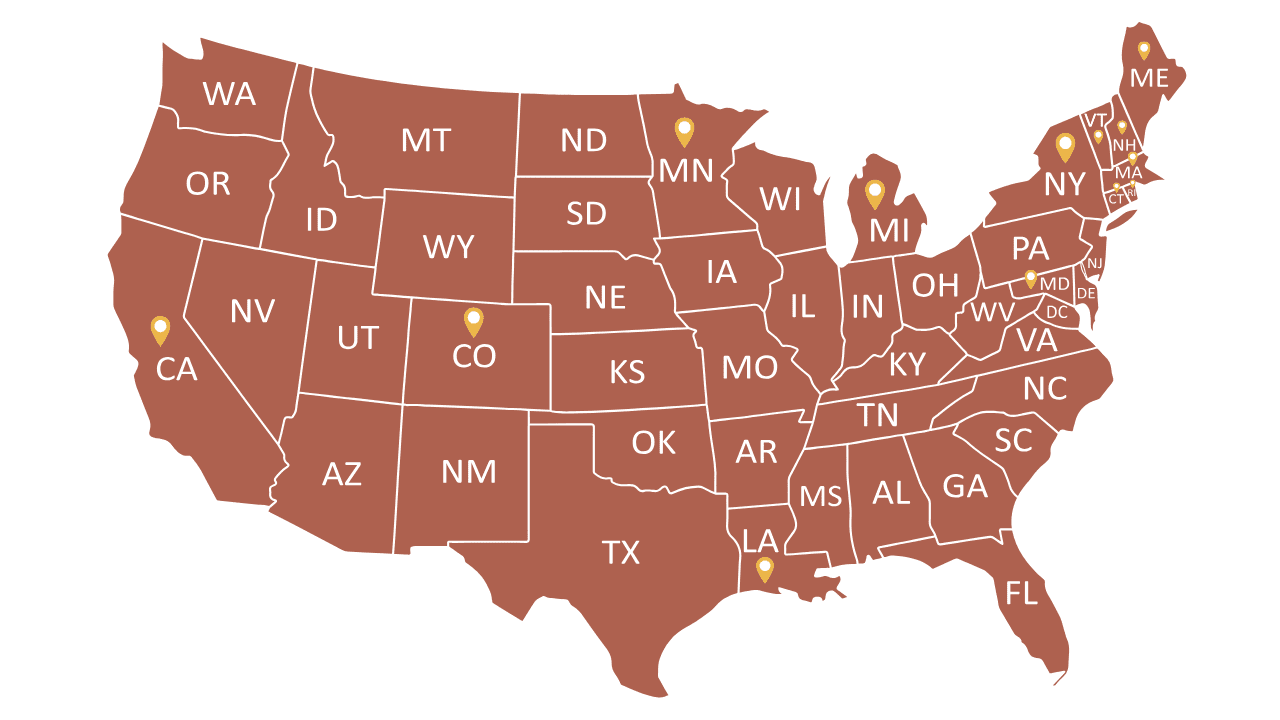
Project Partners




NEWS
Contact information for the U.S. Methane Reduction and Environmental Justice Regrant Program
Marcel Howard, Regional Zero Waste Program Manager, US & Canada (Cohort Lead) – marcel@no-burn.org