By Sonia G. Astudillo

When we talk about climate action, organic waste doesn’t always make the headlines. Yet it’s one of the fastest ways to cut methane — a greenhouse gas far more potent than carbon dioxide. Thanks to support from the Climate and Clean Air Coalition (CCAC), GAIA and its partners are showing how community-led zero waste solutions can deliver big wins for the climate, for people, and for local economies.

From Households to Global Climate Talks
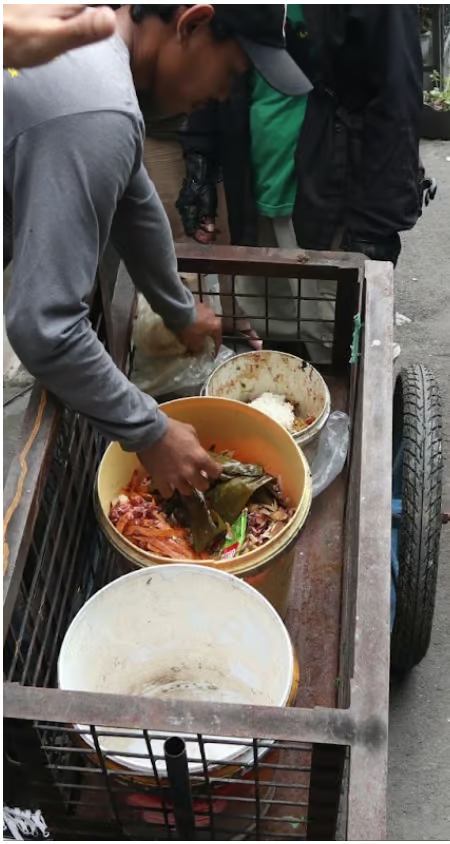

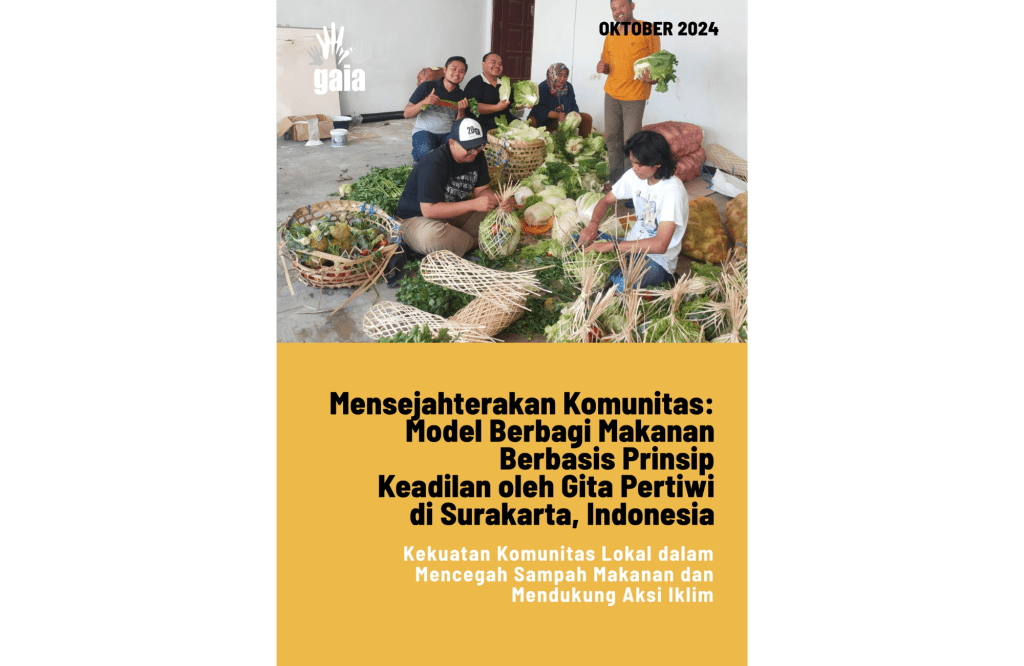
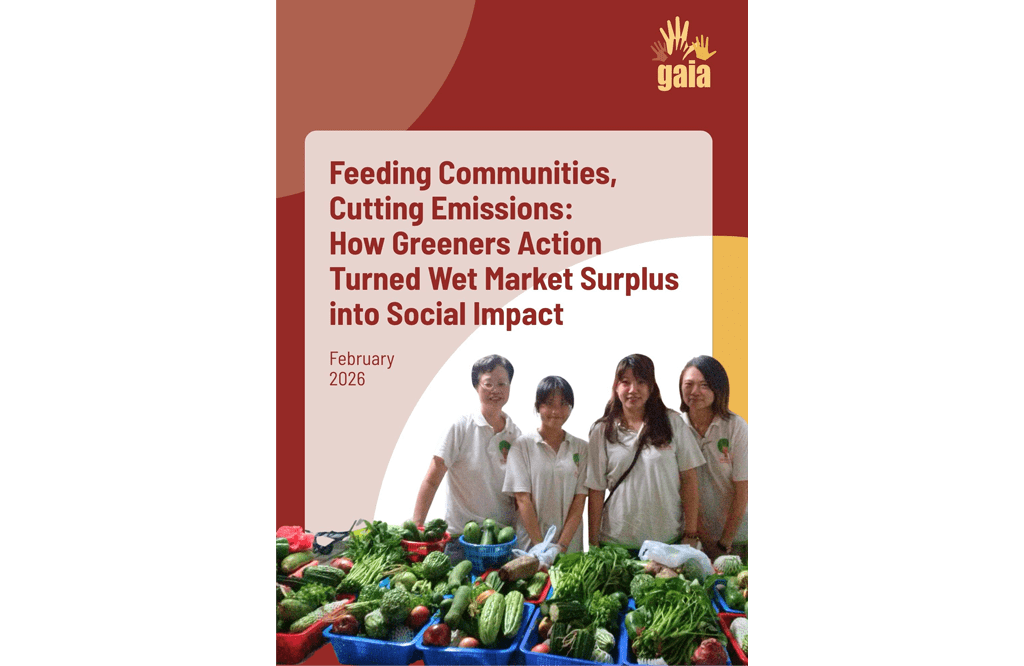
In Bandung, Indonesia, households are separating food scraps, feeding them into composting and Black Soldier Fly (BSF) systems. By early 2026, more than 1,600 households were participating, processing over 1,000 kilograms of organic waste per day. The maggots produced are already being used as animal feed, linking waste management directly to food security.

In Valparaíso, Chile, waste picker cooperatives are building composting programs and training initiatives, despite delays in government permitting. Their persistence underscores the importance of grassroots leadership in shaping sustainable systems.

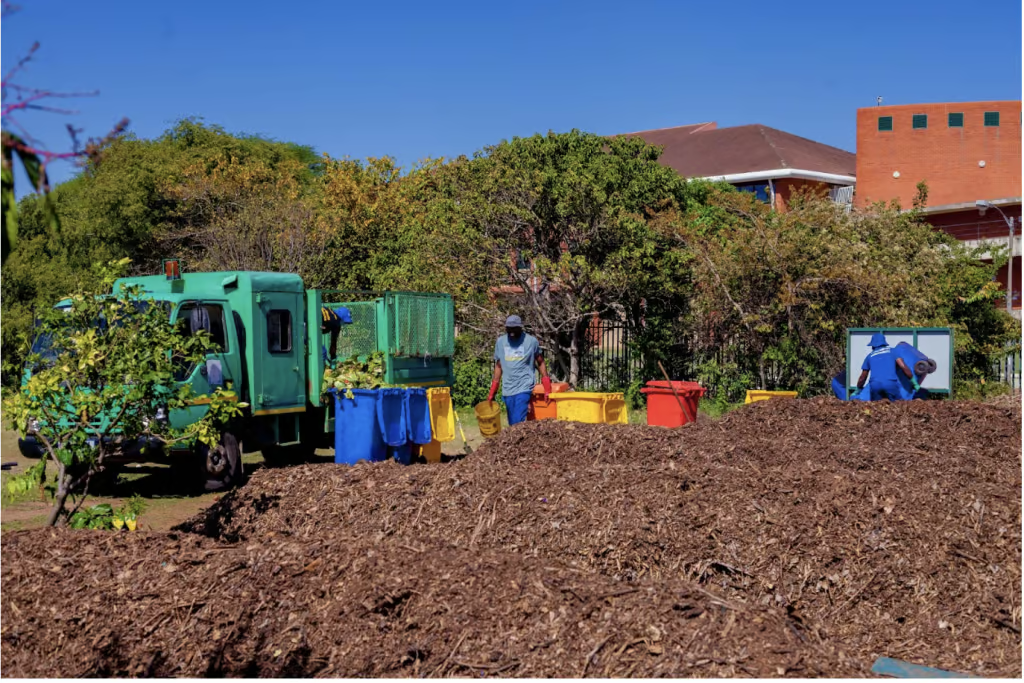
In Durban, South Africa, market-based composting pilots are underway. Initial audits show potential diversion of 8,400 tonnes of organic waste per year, cutting nearly 2,000 tonnes of methane emissions.

These local stories connect to the global stage. GAIA’s Zero Waste Academy is now live, offering training and resources worldwide. At COP events, GAIA delegates have amplified waste methane solutions, achieving 211 million audience reach via traditional media and doubling social media engagement compared to previous years.
Waste Pickers at the Center

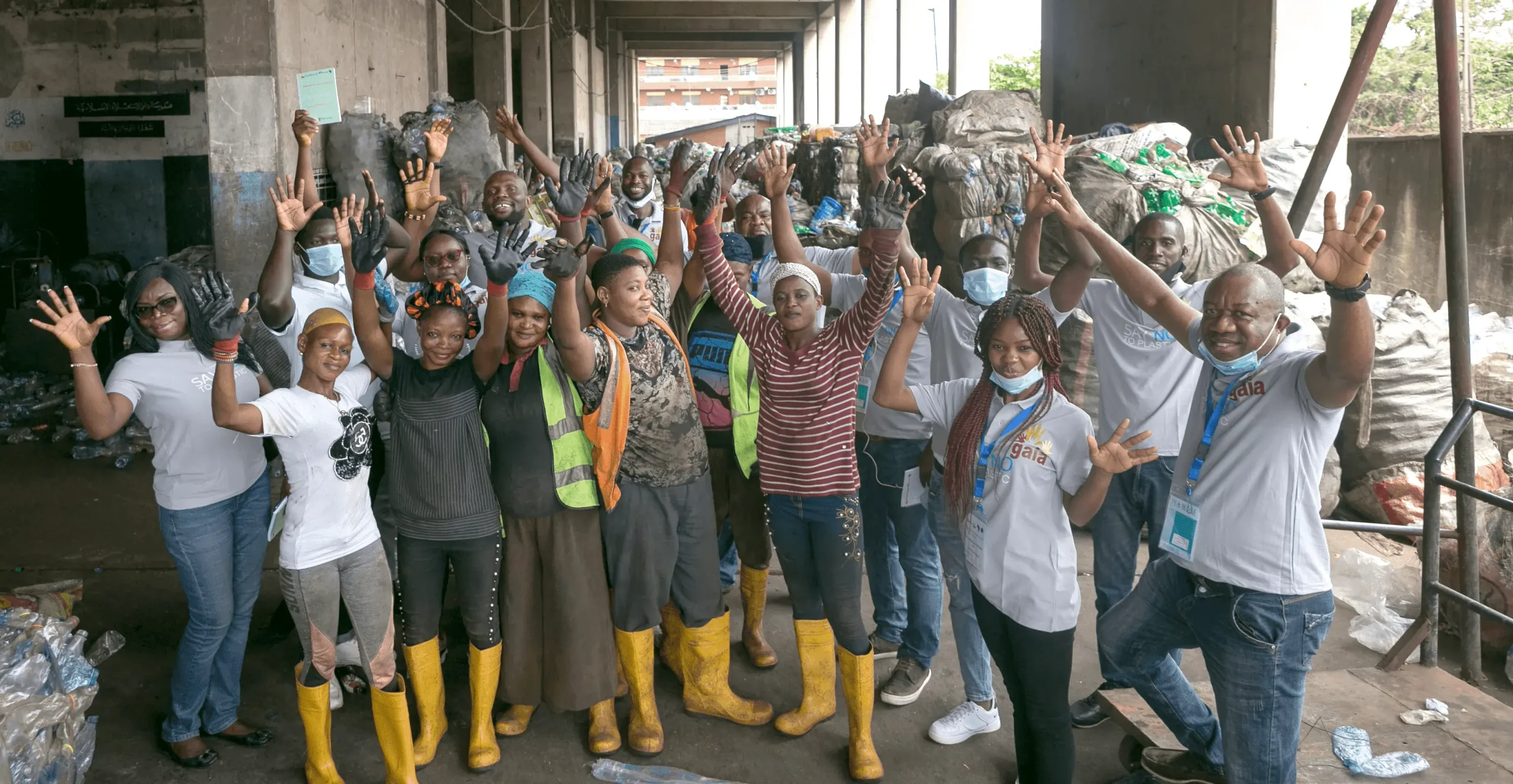
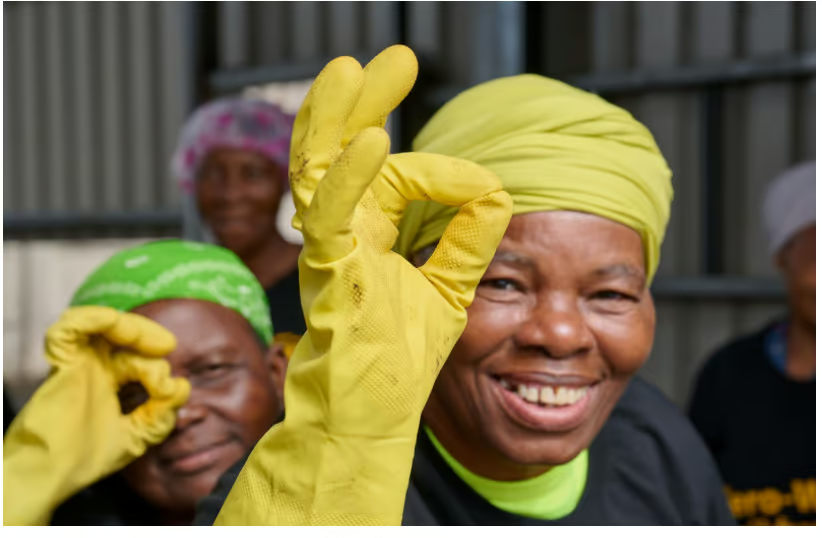
A defining feature of this project is justice and inclusion. Waste pickers and local communities — often marginalized and under-recognized — are placed at the heart of solutions. Training, technical support, and advocacy have helped shift perceptions: waste pickers are not just informal workers, but frontline climate actors. Local communities are not just residents, they are actors of change and engagement.

Gender equity is also emphasized, recognizing the vital role of women waste pickers and addressing barriers to income, safety, and leadership.

Publications Driving Change


GAIA has produced a suite of publications to strengthen knowledge, visibility, and policy impact:

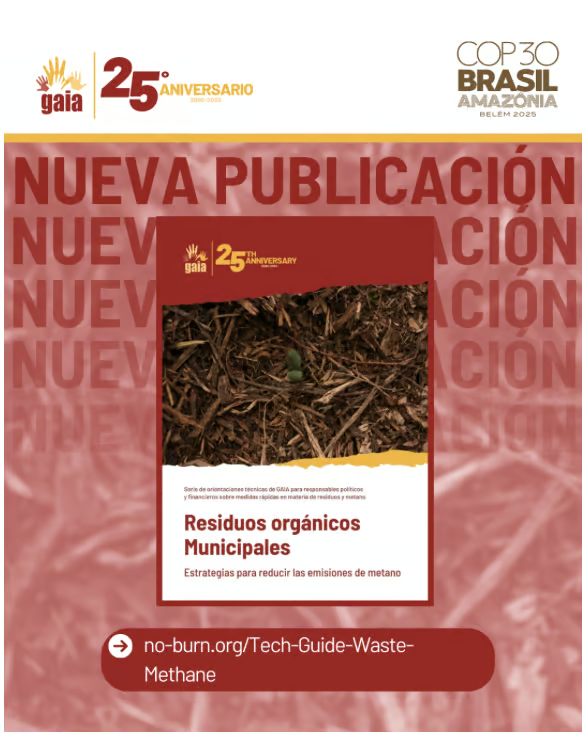
  • Technical and policy publications on organic waste, landfill methane emissions, and  global warming impacts of zero waste, waste-to-energy incineration, and business-as-usual waste management systems that aim to support policymakers in ensuring effective solutions to waste methane reduction. 

Policy Shifts and Global Impact


The initiative has influenced both policy and implementation at multiple levels:

  • Technical assistance and policy advocacy have fostered vital linkages between organic waste management, local food production, and stunting reduction, a model now being institutionalized within Bandung’s 2027 city planning and budgeting framework to ensure long-term government ownership through the collaboration of the Regional Development Planning, Research and Innovation Agency, Food Security and Agriculture Agency, Population and Family Planning Agency, and Environmental Agency.
  • Strategic efforts have unlocked cross-sectoral public funding to support composting, food production, and distribution.
  • Contributions to the recently enacted Bandung Mayor Regulation 3/2026 on Integrated Urban Farming to connect organic waste management and local food production.
  • The implementation of household Black Soldier Fly (BSF) systems as part of the city’s organic waste treatment showcases a complementing decentralized composting system in the city.
  • Pushing implementation of source-separated organic waste collection and home composting, through Bandung Mayor’s Instruction 001-DLH/2026 on Waste Segregation Officer program will increase the amount of source-separated organic waste for scaling up and replication process.
  • Regional forums in Latin America have strengthened collaboration among waste picker groups, other community-led organic management initiatives, and policymakers. It provided a learning space to share best practices on organic waste management and methane abatement, leading to a more regional impact.  
  • Globally, GAIA’s NDC Tracker shows progress in several countries: significant NDC improvements compared to the previous NDC in Brazil and Mexico, and a growing focus on environmental justice and just transition in Bangladesh, Chile, Colombia, Costa Rica, and Nigeria. Though gaps remain in waste picker inclusion and resistance to waste-to-energy schemes.
#image_title

A Path Forward

The outcomes of this CCAC-supported initiative prove that organic waste management is more than a technical fix — it’s a powerful entry point for climate action, social equity, and green job creation.

From compost pits in Bandung to market composting in Durban, these solutions are already being implemented, refined, and scaled. They show that a just transition in the waste sector is possible — one that cuts methane, creates livelihoods, and builds resilient communities.

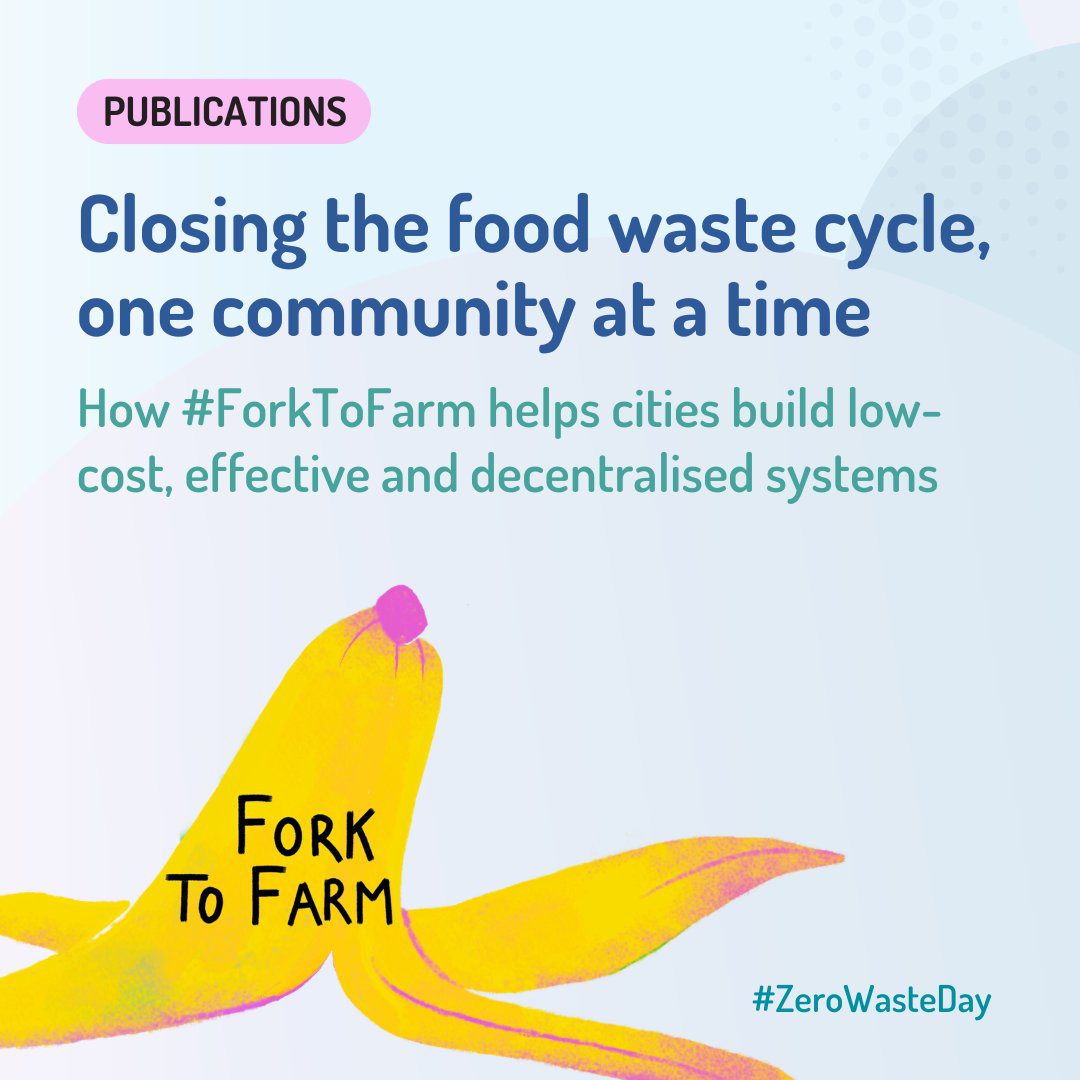
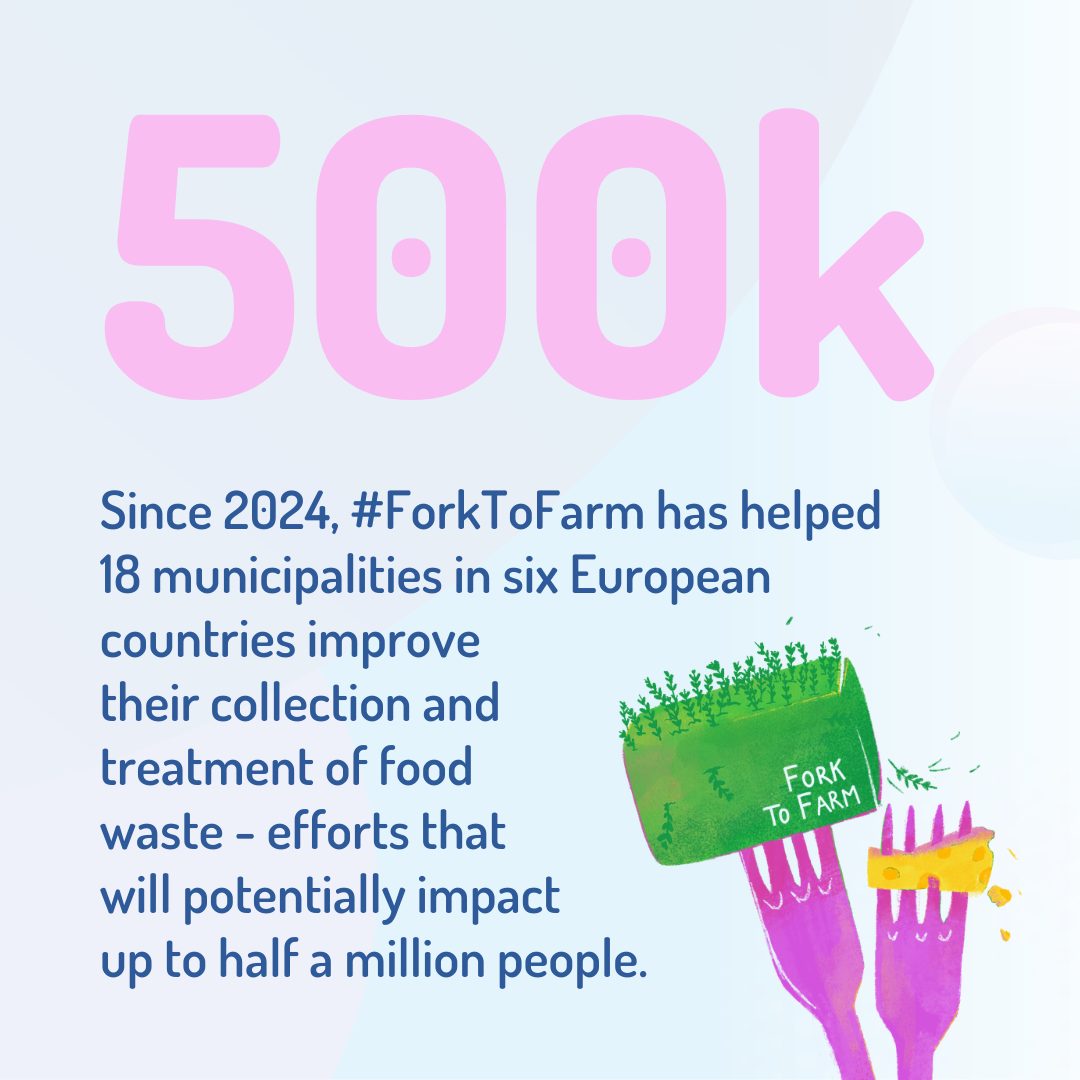
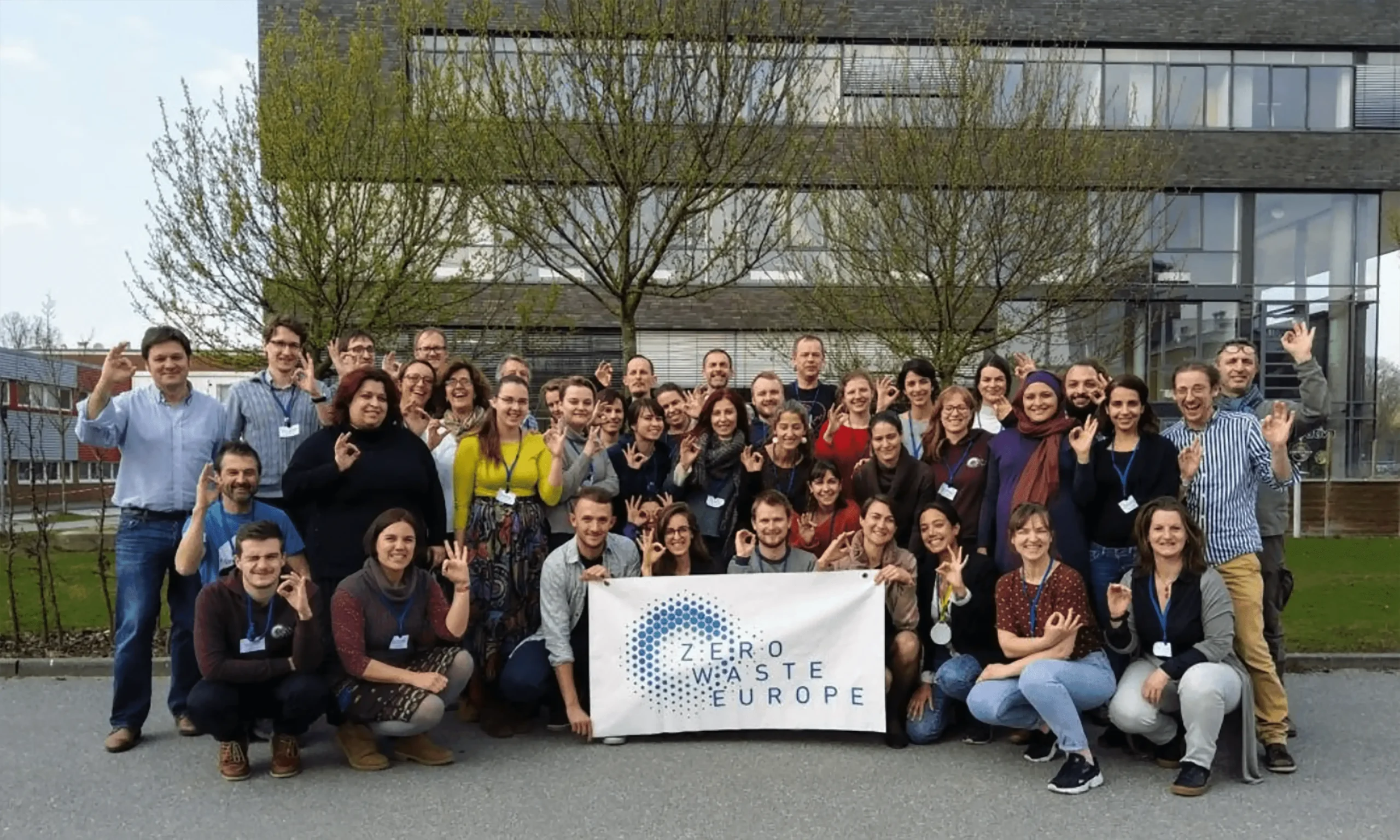
Brussels, Belgium – 30 March 2026 – On the occasion of International Zero Waste Day, the European network Zero Waste Europe is spotlighting how communities in Montenegro are turning food waste into a valuable resource through the #ForkToFarm project. Over the last two years, Montenegrin municipalities have clearly demonstrated how decentralized bio-waste management can help reduce methane emissions, improve soil health, and support local food systems.

Across Europe, research suggests 74% of food waste generated still ends up in landfill or incineration. For a lot of European countries, landfill remains the predominant disposal methods and organic waste ending up here will decompose and release methane – a greenhouse gas far more potent than carbon dioxide in the short term. By separating food and garden waste, and then composting it locally, communities can significantly cut emissions while returning valuable nutrients to the soil.

The #ForkToFarmproject, implemented by Zero Waste Montenegro in municipalities including Danilovgrad, Tuzi, Kotor and Podgorica, promotes practical solutions such as household composting, community composting sites, and awareness campaigns encouraging residents to separate organic waste at source. Through trainings and community engagement, residents learn how to transform food scraps and garden waste into compost that can be used in gardens, farms, and green spaces.

“Organic waste is one of the biggest untapped opportunities to reduce emissions in the waste sector,” said Kristina Joksimovic from Zero Waste Montenegro. “By keeping food waste out of landfills and turning it into compost, for relatively low costs, communities can take immediate climate action while supporting healthier soils and more resilient food systems. However, to unlock this potential at scale, we need significantly more public investment in organic waste management and food waste prevention. This must become a clear priority within climate and waste policies and infrastructure investments.”

The project shows that decentralized solutions can work effectively even in municipalities with limited waste management infrastructure. Participating households have reported reductions in mixed waste, while communities benefit from locally produced compost that can improve soil quality and reduce reliance on chemical fertilizers.

These initiatives also support broader European efforts to strengthen bio-waste collection and reduce the environmental impact of waste management. By empowering local communities and municipalities to manage organic waste more sustainably, the project demonstrates a scalable model that can be replicated across Europe.

“The UN Zero Waste Day reminds us that preventing waste is one of the most effective climate solutions available today,” Jack McQuibban, Head of Local Zero Waste Implementation at Zero Waste Europe,  added. “The experiences from Montenegro show that with the right support, communities can transform food waste into a resource and move closer to a zero waste future.”

By documenting these experiences, the #ForkToFarm case study aims to inspire municipalities and organisations across Europe to adopt decentralized bio-waste systems that keep organic materials in circulation and out of landfills.

PRESS STATEMENT
Feb 13, 2026

GAIA welcomes the COP31 Presidency’s decision to prioritize zero waste and waste methane reduction—a critical and timely step toward accelerating climate action and advancing a just transition for frontline communities.

Mariel Vilella, Director of GAIA’s Global Climate Program, said:

“Recognizing zero waste as a top climate priority is both urgent and overdue. Waste methane is a super-pollutant driving near-term warming, yet zero waste solutions—like composting, recycling, and organic waste treatment—can reduce methane emissions by up to 95% and cut total waste-sector emissions by more than 1.4 billion tonnes. These solutions deliver cleaner air, jobs, healthier communities, and stronger local economies, while ensuring a just transition for waste workers and marginalized communities.

“Türkiye has a unique opportunity to lead by elevating zero waste as a core climate solution, mobilizing finance toward implementation, and demonstrating scalable, equity-driven models. Across the globe, communities are already showing what works—from Dar es Salaam diverting 100% of organic waste from 4,500 households, to Brazil’s 20+ waste picker organisations supported with USD 70M, and 37 Philippine cities committed to cutting 70% of methane emissions from waste by 2030.

“Climate finance must shift from harmful disposal practices, like waste-to-energy incineration, to community-led zero waste initiatives that deliver results on the ground. Zero waste is not only a climate solution—it is a justice-centred development opportunity. The time to act is now.”

Additional information about zero waste in practice across the world

Across Latin America, Africa, and Asia, local governments and community organizations are demonstrating that zero waste systems can deliver rapid, equitable climate solutions. The cases of Buenos Aires (Argentina), Quezon City (Philippines), and Accra (Ghana) illustrate how decentralized, community-based organic waste management creates green jobs, reduces methane emissions, and strengthens local governance. These examples show that solutions already exist, but scaling them requires supportive policies, networks, and financial backing. (GAIA Zero Waste Business Models)

Additional transformative examples worldwide include:

  • Dar es Salaam, Tanzania: The Bonyokwa ward zero waste model collects 1.74 tonnes daily from 4,500 households, achieving 95% source segregation and 100% organic waste diversion, cutting 16.4 tonnes of methane annually.
  • Brazil: Over 20 waste picker organisations, including in São Paulo and Brasília, are implementing organic waste recycling systems under the National Strategy for Municipal Biowaste, supported with over USD 70M in funding.
  • Philippines: The Zero Waste Cities Network now includes 37 cities committed to cutting 70% of methane emissions from waste by 2030. The Philippine National Waste Workers Alliance (PNWWA) unites 1,000+ workers advocating for labour rights and safe working conditions.
  • Durban, South Africa: Food waste from the Warwick markets is composted for the Durban Botanic Garden, reducing landfill costs (~USD 93/ton) and creating jobs. The project is scaling to three markets and eventually all nine city markets.
  • Accra, Ghana: Green Youth Africa Organization (GAYO) integrates 600 informal waste workers into municipal waste systems, reducing burning and improving livelihoods.
  • Europe: Nearly 500 municipalities are committed to zero waste under the Zero Waste Cities Certification. Highlights include Milan collecting 95 kg of organics per person annually, Salacea (Romania) increasing separate collection from 1% to 61% in three months, and Partizanske (Slovakia) reducing residual waste by 57 kg per person within a year.

MEDIA CONTACT:  

Sonia Astudillo, Global Climate Communications Officer | +639175968286 | sonia@no-burn.org

GAIA is a network of grassroots groups as well as national and regional alliances representing more than 1000 organizations from over 100 countries. With our work we aim to catalyze a global shift towards environmental justice by strengthening grassroots social movements that advance solutions to waste and pollution. We envision a just, Zero Waste world built on respect for ecological limits and community rights, where people are free from the burden of toxic pollution, and resources are sustainably conserved, not burned or dumped. www.no-burn.org

Date & Time: Tuesday November 18, 10:30–11:00 AM BRT

Location: Press Conference 2, Area D, Hangar Convention and Fair Centre of the Amazon, Belém

Webcast: https://unfccc.int/event/global-alliance-for-incinerator-alternatives-gaia-the-people-s-voice-waste-sector-priorities-for-the 

Methane emissions from the waste sector are soaring, jeopardising the Global Methane Pledge, the UN Environment Programme (UNEP) has warned. Simple, quick, low-cost solutions can bend the curve, finds a progress report published on Monday, urging governments to seize these opportunities.

Without further action, methane emissions from the waste sector are set to grow 13% by 2030 and 56% by 2050 compared with 2020 levels, the UNEP report finds. Across their economies, the 159 countries signed up to the Global Methane Pledge are set to cut methane emissions 8% by 2030 from 2020 levels, missing the 30% target.

While some countries and cities are achieving climate wins in the waste sector, others are held back by regulatory, technical and financial barriers. Scaling up proven solutions could cut 13 Mt of emissions per year by 2030 and generate $9 billion in annual cost savings, the report finds.

GAIA’s research shows that community-based zero waste solutions can cut the sector’s methane emissions by 95%, while creating good jobs and boosting public health. In this press conference, experts will reflect on progress, showcase solutions and advocate for support to close the ambition gap.

Moderator

Henrique Bezerra, Regional Lead for Latin America, Global Methane Hub

Speakers

Martina Otto, head of CCAC secretariat – highlights from the Global Methane Pledge Progress Report

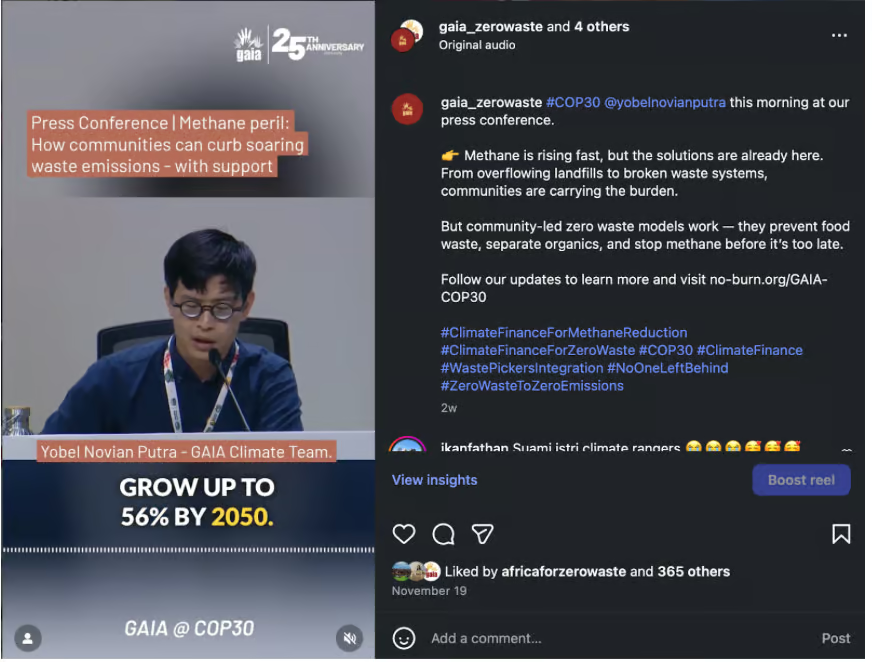
Yobel Novian Putra, global climate policy officer, GAIA – how to get finance flowing to the right solutions

Victor Argentino, zero waste coordinator, Instituto Polis – lessons from zero waste initiatives in Brazil

Severino Lima Jr, president, International Alliance of Wastepickers – empowering wastepickers for a just transition

Key messages

Martina Otto, CCAC: “Stronger waste policies are already lowering methane projections in some regions, proving what is possible. But without action elsewhere, waste will remain one of the fastest growing sources of emissions. With the right measures, we can cut methane quickly and turn waste into a resource that drives new jobs and economic opportunity.”

Yobel Novian Putra, GAIA: “Governments are missing a quick climate justice win in the waste sector. Our research shows community-led zero waste solutions are cost-effective and they can cut methane emissions by 95%, while creating good jobs. Now they need the right policy support and financial framework to scale up and deliver, particularly at the local level when implementation happens.”

Victor Argentino, Instituto Polis: “Composting generates 4 to 15 times more jobs than landfilling and incinerators based on projects in Brazil. This means that diverting 70% of municipal organic waste from landfilling in Brazil can generate 40,000 jobs, and increase in 30% of the current labour employed in municipal waste management, while generating 2 billion reais (USD 40 million) worth of compost or biomethane.”

Severino Lima Jr, International Alliance of Wastepickers: 

Contact: Sonia Astudillo, Global Climate Comms Officer at GAIA: sonia@no-burn.org 

Resources

  1. Global Methane Status Report
  2. Climate Finance for Zero Waste and Just Transition 
  3. Building Community Resilience and Green Jobs through Organic Waste in Accra, Buenos Aires and Quezon City 
  4. Zero Waste to Zero Emissions: How Reducing Waste is a Climate Gamechanger

About GAIA:

GAIA is a network of grassroots groups as well as national and regional alliances representing more than 1,000 organizations from over 100 countries. With our work we aim to catalyze a global shift towards environmental justice by strengthening grassroots social movements that advance solutions to waste and pollution. We envision a just, Zero Waste world built on respect for ecological limits and community rights, where people are free from the burden of toxic pollution, and resources are sustainably conserved, not burned or dumped. www.no-burn.org

November 11, 2025, Belem Brazil – Community-based zero waste systems offer a cheap, fast way to cut methane emissions and create good jobs. Yet they are all too often overlooked in favour of capital-intensive, profit-driven infrastructure. At COP30 climate talks in Belem, there is an opportunity to get money flowing to the people getting results on the ground.

In a new brief [LINK], GAIA provides a toolkit for governments and financiers to realign incentives and support zero waste systems as an essential public service. That means:

  • No false solutions. Waste-to-energy (WTE) incineration, refuse-derived fuel, and waste co-firing should be on exclusion lists for investment. These measures harm our climate and public health, and drain limited public funds for reforming the sector.
  • Grants first. Climate finance must not trap developing countries into unsustainable debt. For projects with high social and environmental value but limited monetary return, like closing dumpsites, cleaning up pollution and retraining waste workers, grants are essential. Grants can cover the first 3-5 years of operation for zero waste initiatives while they establish robust long-term funding models. For some revenue-generating activities, concessional loans are appropriate.
  • Polluter pays. A plastic pollution fee, taxes on dumping and burning waste, and reform to harmful subsidies can deter pollution and raise revenues for sustainable solutions.
  • Reinvest savings. Source separation, recycling and community-based decentralized composting waste avoids costs like long-distance hauling and landfill fees. These savings can be reinvested to pay workers and sustain operations over the long term.

“At the ‘Implementation COP’, leaders must back cost-effective climate solutions that make people’s lives better and leave no one behind,” said Yobel Putra, global climate policy officer at GAIA. “Investing in community-based zero waste solutions does just that. Our work shows there are shovel-ready projects that need the right financial framework to scale up and deliver.”

The waste sector accounts for nearly 20% of global methane emissions, yet received less than 1.5% of climate finance in 2023. Of that, 99% went to waste-to-energy projects, which displace jobs, generate expensive electricity and lock in carbon dioxide emissions for decades. Only 1% went to organic waste management.

If implemented at scale, zero waste systems – prevention, reuse, source separation, composting, and recycling – could cut methane emissions from solid waste by up to 95%, GAIA research shows.

Communities in Accra, Buenos Aires and Quezon City are leading the way. Three initiatives profiled by GAIA are offering informal waste pickers a path to formal employment, while preventing pollution. These models can be scaled up with the right access to land and equipment, financial incentives, and policy support.

“Community-based zero waste systems not only reduce waste disposal and emissions, but they boost jobs, environmental health, food sovereignty, civic engagement, and local economies,” said Cecilia Allen, GAIA’s Global Zero Waste Cities ProgramDirector. “With public policy support, these benefits could go further.”

Contacts

Yobel Novian Putra, Global Climate Policy Officer at GAIA: yobel@no-burn.org 

Cecilia Allen, Zero Waste Cities Program Director at GAIA: cecilia@no-burn.org 

Sonia Astudillo, Global Climate Comms Officer at GAIA: sonia@no-burn.org 

Resources

  1. Climate Finance for Zero Waste and Just Transition 
  2. Building Community Resilience and Green Jobs through Organic Waste in Accra, Buenos Aires and Quezon City 
  3. Zero Waste to Zero Emissions: How Reducing Waste is a Climate Gamechanger

About GAIA:

GAIA is a network of grassroots groups as well as national and regional alliances representing more than 1,000 organizations from over 100 countries. With our work we aim to catalyze a global shift towards environmental justice by strengthening grassroots social movements that advance solutions to waste and pollution. We envision a just, Zero Waste world built on respect for ecological limits and community rights, where people are free from the burden of toxic pollution, and resources are sustainably conserved, not burned or dumped. www.no-burn.org

Date & Time: November 11, 5:00–5:30 PM BRT

Location: Press Conference 2, Area D, Hangar Convention and Fair Centre of the Amazon, Belém

At the “COP of Implementation”, countries need to finance and deliver on climate commitments in a way that works for people. Zero waste systems – prevention, reuse, source separation, composting, and recycling – are a cheap, fast way to cut methane emissions and create good jobs. Yet they struggle to attract finance in a system that favours capital-intensive, profit-driven infrastructure, such as waste-to-energy incinerators.

This press conference will outline the expectations and opportunities for COP30 to reduce methane emissions from the waste sector. Speakers will showcase proven zero waste strategies from Accra, Buenos Aires, and Quezon City, and identify financial levers to scale up these models.

Moderator: Kabir Arora, International Alliance of Waste Pickers (IAWP)

Speakers:

Eduardo Rocha Dias Santos – Director of Waste Management in the Ministry of Environmental and Climate Change – Brazil – Importance of methane cuts and expectations for COP30

Mariel Vilella, Director, Global Climate Program, GAIA – Financial levers to get money flowing to people delivering on the ground

Soledad Mella, National Association of Waste Pickers of Chile (ANARCH) – How waste pickers in Chile are organising to scale up zero waste strategies

Desmond Alugnoa, Co-founder, Green Africa Youth Organization, Earthshot Prize Winner – What Accra is doing to cut methane emissions from waste and how COP30 can support community-led initiatives

Key messages:

Mariel Vilella, GAIA: “Our research shows community-based zero waste systems can cut up to 95% of methane emissions from solid waste. Leaders at COP30 need to get money flowing to the people who can make it happen. That means rejecting false solutions like incineration, providing grants, making polluters pay, and reinvesting the savings from avoided landfill and incineration costs.”

Soledad Mella, ANARCH: “Waste pickers are a pillar of sustainable cities. They prevent tonnes of waste from ending up in landfills and transform waste into resources. Even so, their work is precarious, informal and often ignored by public policies. Governments must legally recognize waste pickers as providers of an essential environmental service, guarantee their social security, and improve recycling infrastructure.”

Desmond Alugnoa, GAYO: “Youth, waste pickers, and cooperatives are already delivering results. If we want COP30 to be remembered as the COP of Implementation, then we must invest in the people, listen to science, and fund fast action and solutions.”

29 October 2025 – Residents and waste pickers in the city of Barueri, Sao Paulo state, are fighting Brazil’s first major incinerator project. Proposed in 2010, the plant is now under construction despite fierce opposition. It is set to burn 300,000 tonnes of unsorted household waste a year from Barueri and the surrounding area, and generate electricity. This undermines the national policy to reduce, reuse and recycle waste where possible, leading to worse outcomes for the climate, energy costs and jobs.

  • A zero waste strategy* for Barueri would cut 3 million tonnes CO2e by 2060 compared to incineration, GAIA modelling shows. That’s like taking 650,000 cars off the road for a year. While either scenario cuts methane emissions from landfill sites, burning the waste generates large volumes of carbon dioxide, while composting and recycling do not.
  • As a source of power, incinerators are expensive. Electricity from burning waste in Brazil costs more than three times as much as the average wind or solar farm, public energy auction data shows.
  • Recycling employs more than 800,000 waste pickers organised in cooperatives across the country, while incinerators are automated and generate few jobs.

There are two live lawsuits against the municipality, the companies involved in the Barueri incinerator project, and the environmental licensing agency (CETESB).

A popular action, filed by residents, challenges the validity of the environmental licence and the loosening of state and municipal legislation. Specifically, the change to the city’s urban zoning law permitting the incinerator to be built in a densely populated area.

The second lawsuit, filed by Instituto Futuro, disputes the legality of the ongoing construction works. The installation licence for the Barueri incinerator expired in 2021.

“The implementation of incinerators in Brazil is marked by laxity and disregard for environmental legislation,” says Karoline Santana, lawyer and member of SOS Barueri Collective, “but also by the struggle of organized civil society. We won’t stop fighting.”

Waste is a climate issue. A fifth of human-driven methane emissions come from waste and 70% of total global emissions come from the material economy.

The Barueri project is one of several big, expensive incinerators planned in Brazil and hundreds around the world. Incinerators lock in carbon dioxide emissions, sideline waste pickers and undermine recycling efforts. There is a better way: community-led zero waste initiatives can create good jobs, cut emissions at every step of the value chain and build resilience to climate impacts.

Globally, 94% of finance for cutting methane emissions from waste goes to incinerators like Barueri’s. The upcoming COP30 climate conference in Brazil is an important moment for governments and financiers to back genuine zero waste strategies.

“Zero waste isn’t just the right environmental and climate choice – it’s a smarter investment with lasting benefits for communities,” says Victor Argentino, solid waste expert at Instituto Pólis. “We need to rethink finance for people, not for private profit and outdated technocratic solutions.”

*The zero waste scenario involves composting 80% of organic waste and recycling 48% of recyclables, based on industry best practice and local context.

Contacts

Karoline Santana, Lawyer and Member of SOS Barueri Collective (speaks Portuguese, can text in English): +55 11 98379-2013

Tânia Mara Moraes, Environmental Project Manager and Member of the SOS Barueri Collective (speaks Portuguese, can text in English): +55 11 94776-9862

Victor Argentino, Solid Waste Expert at Instituto Pólis (speaks Portuguese, English): victor.argentino@polis.org.br

Neil Tangri, Science and Policy Director at GAIA (speaks English): neil@no-burn.org 

Sonia Astudillo, Global Climate Comms Officer at GAIA: sonia@no-burn.org

Resources

  1. Zero Waste as An Effective Climate Strategy: Avoiding Warming Tradeoffs from Incineration (GAIA modelling for three cities including Barueri)
  2. Zero Waste to Zero Emissions: How Reducing Waste is a Climate Gamechanger (GAIA research)
  3. SOS Barueri campaign information (in Portuguese)
  4. Waste not: Time to rapidly scale methane abatement finance in the waste sector (CPI research)

About GAIA:

GAIA is a network of grassroots groups as well as national and regional alliances representing more than 1,000 organizations from over 100 countries. With our work we aim to catalyze a global shift towards environmental justice by strengthening grassroots social movements that advance solutions to waste and pollution. We envision a just, Zero Waste world built on respect for ecological limits and community rights, where people are free from the burden of toxic pollution, and resources are sustainably conserved, not burned or dumped. www.no-burn.org

[SPANISH VERSION BELOW]

23 October 2025 – Governments are overlooking simple, effective tools to curb methane emissions from waste, analysis of the latest round of national climate plans (NDCs) shows.

GAIA examined 14 NDCs submitted to the UN climate body from countries chosen for their ambition and strong potential to curb emissions with zero waste strategies. All had signed up to the Global Methane Pledge and the Declaration on Reducing Methane from Organic Waste.

While there were some good elements in four of the plans, ten were weak or harmful. No country fully captured the potential emissions savings and social benefits of an effective zero waste strategy.

Key findings:

  • Brazil showed significant progress from its previous NDC, with solid policy framing and concrete measures to manage organic waste.
  • Bangladesh, Chile, Colombia and Nigeria placed increased emphasis on a just transition, including references to job retraining, skills development and addressing the challenges faced by informal workers.
  • However, the majority of plans failed to integrate waste pickers, who have a critical role to play in implementing zero waste strategies.
  • Nepal, Uruguay, Colombia, Morocco, and Bangladesh planned to establish or expand waste-to-energy infrastructure, also known as incineration, which emits carbon dioxide, undermines recycling efforts and displaces jobs.

“It is good to see increased attention on waste sector mitigation potential in national climate plans,” says Doun Moon, policy and research officer at GAIA. “However, too many plans focus on waste disposal rather than prevention or material recovery, often favoring private profits over people. Our research shows that community-led zero waste initiatives are one of the fastest, cheapest ways to cut methane emissions.”

Waste accounts for 20% of human-caused emissions of methane, a potent greenhouse gas. Best practice in waste management, including source separation, composting, bio-stabilization, and bio-cover for dumpsites, can cut these emissions by 95% and provide good jobs.

More broadly, 70% of greenhouse gas emissions come from the material economy. A zero waste strategy that follows the reduce, reuse, recycle hierarchy can cut emissions at every stage of the value chain.

The national climate plans analysed were from Bangladesh, Brazil, Chile, Colombia, Ecuador, Ethiopia, Kenya, Morocco, Nepal, Nigeria, Panama, Uruguay, Zambia and Zimbabwe. The focus is on countries in the Global South, which can leapfrog false solutions like incineration and go straight to zero waste models, with the right finance. Other countries with a similar profile have yet to submit NDCs. See GAIA’s interactive map for the latest country-level analysis of waste management in NDCs.

“We urge governments to embrace zero waste as a climate solution, with waste pickers and communities at its heart,” says Mariel Vilela, director of the global climate program at GAIA. “The upcoming COP30 climate conference is a moment to share success stories and get money flowing to the people making things happen on the ground.”

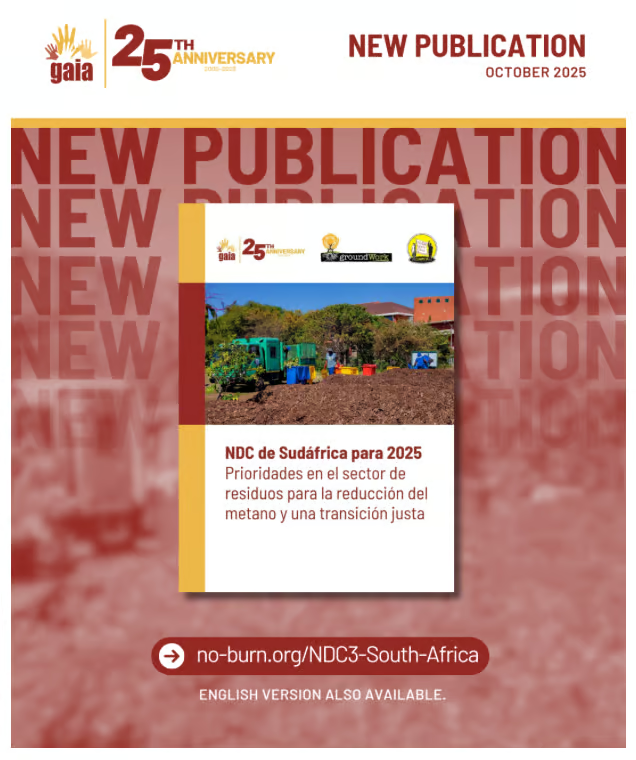
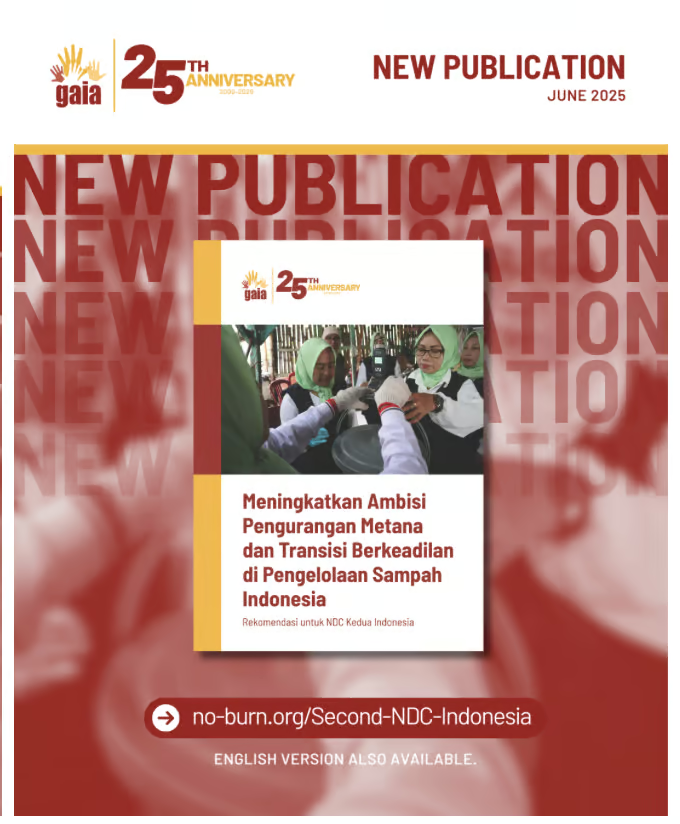
GAIA has published detailed policy recommendations for Chile, Indonesia and South Africa to put zero waste into action.

Contacts

Doun Moon, policy and research officer, GAIA: doun@no-burn.org 

Sonia Astudillo, global climate communications officer, GAIA: sonia@no-burn.org 

Resources

  1. GAIA NDC Tracker
  2. Global Methane Pledge
  3. Declaration on Reducing Methane from Organic Waste
  4. Zero Waste to Zero Emissions: How Reducing Waste is a Climate Gamechanger (GAIA research)
  5. Methane Matters: A Comprehensive Approach to Methane Mitigation (GAIA research)

About GAIA:

GAIA is a network of grassroots groups as well as national and regional alliances representing more than 1,000 organizations from over 100 countries. With our work we aim to catalyze a global shift towards environmental justice by strengthening grassroots social movements that advance solutions to waste and pollution. We envision a just, Zero Waste world built on respect for ecological limits and community rights, where people are free from the burden of toxic pollution, and resources are sustainably conserved, not burned or dumped. www.no-burn.org

PARA PUBLICACIÓN INMEDIATA

A pesar de los compromisos sobre el metano, los gobiernos presentan planes poco ambiciosos para reducir las emisiones del sector de los residuos

23 de octubre de 2025 – Los gobiernos están pasando por alto herramientas sencillas y efectivas para reducir las emisiones de metano provenientes de los residuos, según revela  un análisis de la Alianza Global para Alternativas a la Incineración (GAIA) sobre la última ronda de planes climáticos nacionales (NDC, por sus siglas en inglés).

GAIA examinó 14 NDC presentados ante el organismo climático de la ONU por países seleccionados por su nivel de ambición y su alto potencial para reducir emisiones mediante estrategias de basura cero. Todos los países analizados habían firmado el Compromiso global sobre el metano y la Declaración sobre la reducción del metano procedente de residuos orgánicos.

Si bien cuatro de los planes incluyeron elementos positivos, diez resultaron débiles o incluso perjudiciales. Ningún país logró aprovechar plenamente el potencial de reducción de emisiones y los beneficios sociales de una estrategia efectiva de basura cero.

Principales hallazgos:

  • Brasil mostró avances significativos respecto a su NDC anterior, con un marco político sólido y medidas concretas para gestionar los residuos orgánicos.
  • Bangladesh, Chile, Colombia y Nigeria  dieron mayor relevancia a la transición justa, incluyendo referencias a la capacitación laboral, el desarrollo de habilidades y la atención a los desafíos que enfrentan los trabajadores informales.
  • Sin embargo, la mayoría de los planes no integraron a los recicladores, actores clave para implementar estrategias de basura cero.
  • Nepal, Uruguay, Colombia, Marruecos y Bangladesh planifican establecer o ampliar infraestructura de incineración de residuos en energía (waste-to-energy), una tecnología que emite dióxido de carbono, socava los esfuerzos de reciclaje y desplaza empleos.

«Es positivo ver una mayor atención al potencial de mitigación del sector de los residuos en los planes climáticos nacionales», señaló Doun Moon, responsable de políticas e investigación de GAIA. «Sin embargo, demasiados planes se centran en la disposición final de los residuos en lugar de la prevención o la recuperación de materiales, priorizando con frecuencia las ganancias privadas sobre las personas. Nuestra investigación muestra que las iniciativas de basura cero lideradas por las comunidades son una de las formas más rápidas y económicas de reducir las emisiones de metano.»

El sector de los residuos representa el 20% de las emisiones de metano de origen humano, un potente gas de efecto invernadero. Las mejores prácticas en la gestión de residuos, como la separación en origen, el compostaje, la bioestabilización y el uso de coberturas biológicas en vertederos, pueden reducir estas emisiones en un 95%, además de generar empleos de calidad.

En términos más generales, el 70% de las emisiones de gases de efecto invernadero provienen de la economía material. Una estrategia de basura cero, basada en la jerarquía de reducir, reutilizar y reciclar, puede reducir emisiones en todas las etapas de la cadena de valor.

Los planes climáticos nacionales analizados procedían de Bangladesh, Brasil, Chile, Colombia, Ecuador, Etiopía, Kenia, Marruecos, Nepal, Nigeria, Panamá, Uruguay, Zambia y Zimbabue. El estudio se centra en países del Sur Global, que tienen la oportunidad de evitar falsas soluciones como la incineración y avanzar directamente hacia modelos de basura cero, con el financiamiento adecuado. Otros países con un perfil similar aún no han presentado sus NDC. Puede consultarse el mapa interactivo de GAIA para ver el análisis actualizado por país sobre la gestión de residuos en los NDC.

«“Instamos a los gobiernos a adoptar la basura cero como una solución climática, con recicladores y las comunidades como protagonistas», afirmó Mariel Vilela, directora del programa climático global de GAIA. «La próxima conferencia climática COP30 es un momento para compartir historias de éxito y canalizar financiamiento hacia las personas que impulsan los cambios sobre el terreno.»

GAIA ha publicado recomendaciones políticas detalladas para Chile, Indonesia y Sudáfrica con el fin de poner en práctica estrategias de basura cero.

Contactos

Doun Moon, responsable de políticas e investigación, GAIA: doun@no-burn.org

Sonia Astudillo, responsable de comunicación sobre el clima global, GAIA: sonia@no-burn.org

Camila Aguilera, responsable de comunicaciones para América Latina: camila@no-burn.org 

Recursos

  1. Rastreador de NDC de GAIA
  2. Compromiso global sobre el metano
  3. Declaración sobre la reducción del metano procedente de residuos orgánicos
  4. De cero residuos a cero emisiones: cómo la reducción de residuos puede cambiar las reglas del juego en materia climática (investigación de GAIA)
  5. El metano importa: un enfoque integral para la mitigación del metano (investigación de GAIA)

Sobre GAIA:

GAIA es una red de grupos de base y alianzas nacionales y regionales que representa a más de 1000 organizaciones de más de 100 países. Con nuestro trabajo, nuestro objetivo es catalizar un cambio global hacia la justicia medioambiental mediante el fortalecimiento de los movimientos sociales de base que promueven soluciones a los residuos y la contaminación. Imaginamos un mundo justo y sin residuos, basado en el respeto de los límites ecológicos y los derechos de la comunidad, en el que las personas estén libres de la carga de la contaminación tóxica y los recursos se conserven de forma sostenible, sin quemarse ni verterse. www.no-burn.org

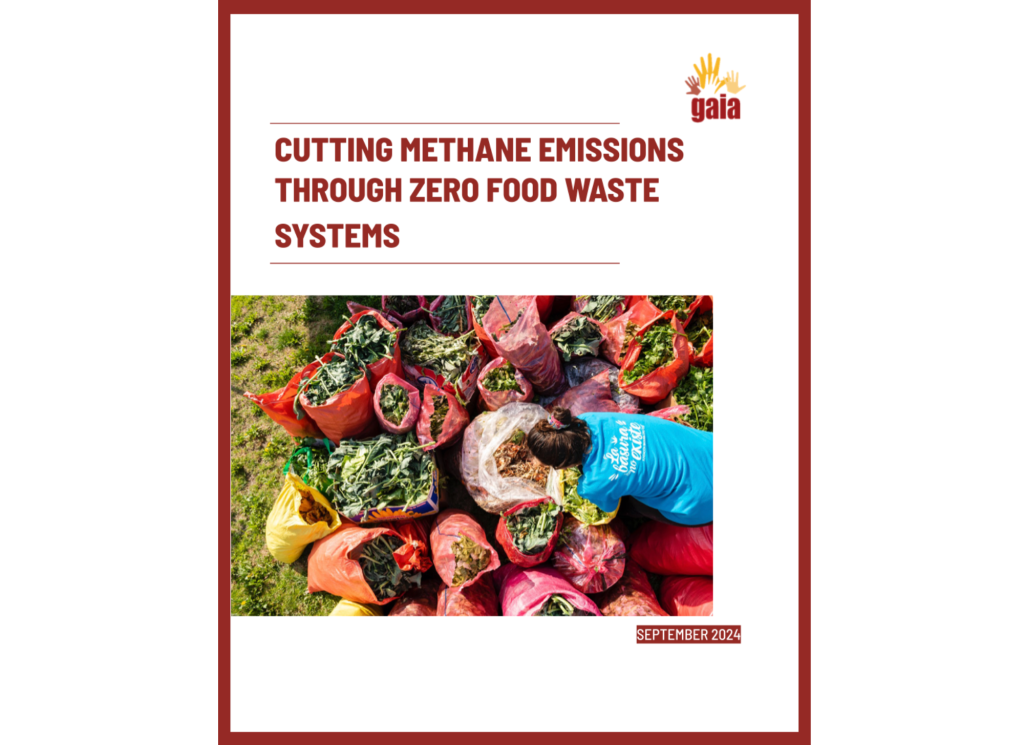
In 2022, over 1 billion tonnes of food waste was produced worldwide—equivalent to around 132 kg per person. Food loss and waste is an urgent global issue with significant social, economic, and environmental implications. According to the United Nations Environment Programme, this represents an economic loss of more than 1 trillion dollars, affecting actors throughout the value chain, from small and large producers to vendors, distributors, and consumers. Outrageously, almost 800 million people suffer from hunger and 15 million children under five years old are malnourished. 

Embracing zero waste strategies linked with food systems is not merely an option—it is necessary to achieve significant climate and social benefits for current and future generations. Strong political action is needed to put in motion a pathway to systemically address food loss and waste. The moment to take bold, decisive action is now. Learn how communities work together to prevent food loss and waste through zero waste practices, while reducing methane emissions and keeping global warming below 1.5°C.