







The waste sector is one of the world’s most powerful but overlooked levers for climate action and social justice. It contributes nearly 20 percent of global methane emissions, yet received less than 1.5 percent of climate finance in 2023 (Climate Policy Initiative [CPI], 2025a, p.4). Ninety-nine percent of it goes to waste-to-energy (WTE) projects and only 1 percent dedicated to organic waste management (Climate Policy Initiative [CPI], 2023a, p. 16). International climate finance for waste management is also primarily supported by private finance and using debt-inducing instruments (CPI, 2025a, p. 22).
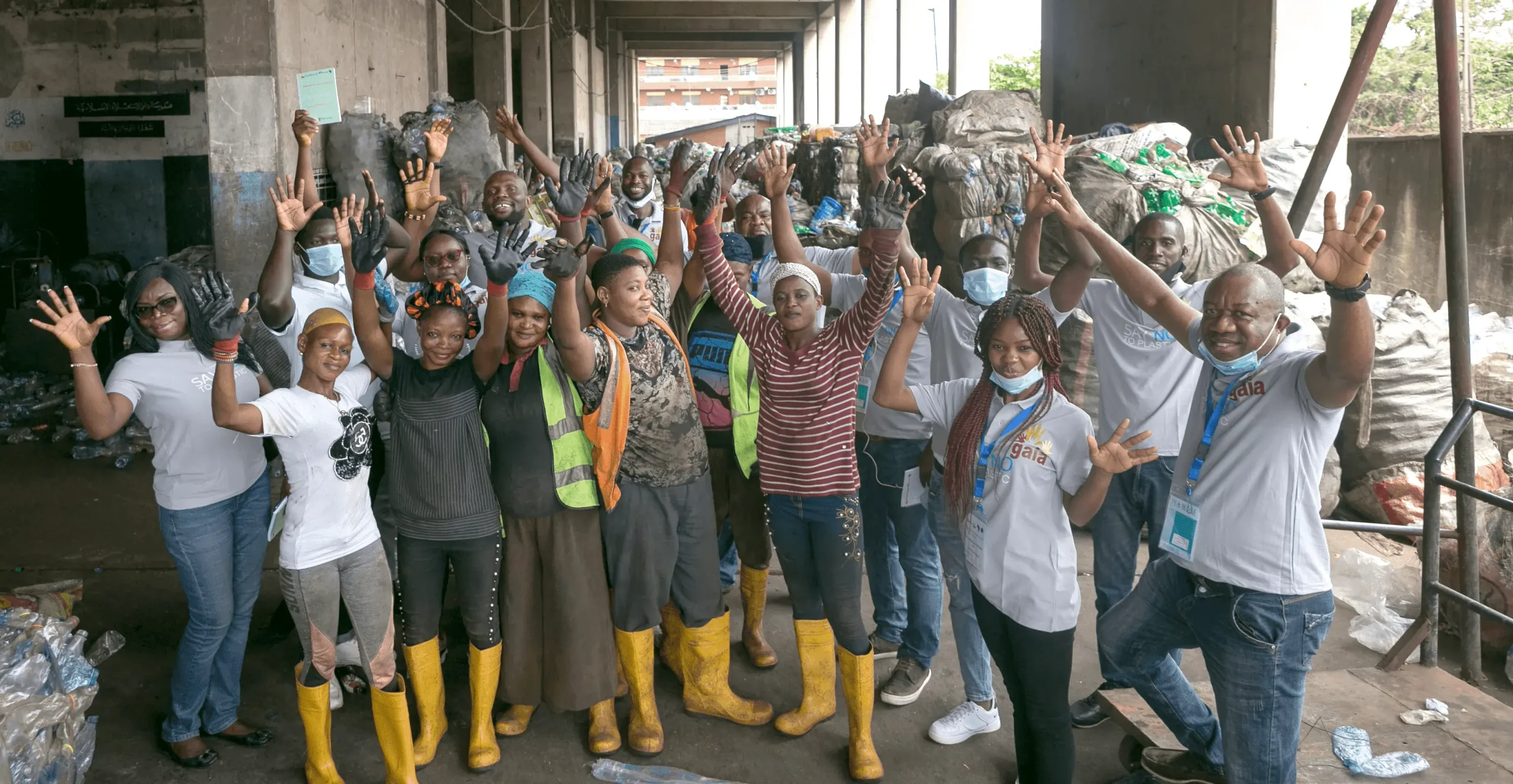
At The Implementation COP in Belém, the world faces a defining test. COP30 must prove that climate finance can drive both rapid mitigation and tangible improvements in people’s lives. For the waste sector, this means redirecting finance toward zero waste solutions and Just Transition that create jobs, improve health, and strengthen local economies. Investing in waste pickers, informal workers, and communities is not charity; it is a multiplier strategy that brings millions of workers into the climate system, where small investments yield disproportionate and sustained impacts. This approach will aid us to achieve our climate target and build service-based systems that leave no one behind.
Climate Finance for Zero Waste and Just Transition: Driving Implementation towards Equitable and Just Solutions in the Waste Sector offers policy recommendations on how policymakers, International Financing Institutions, donors, and the UNFCC process turn lessons of local zero waste implementation into governing principles of global climate finance.