






The Canadian Zero Waste Coalition
The Canadian Zero Waste Coalition brings together environmental and community organizations from across the country to oppose waste incineration and advance zero waste solutions. Through collaboration, advocacy, and public education, we work to promote policies that reduce waste at its source, protect communities from pollution, and accelerate the just transition to a zero waste economy.
Canada is among the most wasteful countries in the world, and most of the waste could be avoided, recycled, or composted — with targets to reduce waste by 30% by 2030 and 50% by 2040, end plastic waste by 2040, and reduce landfill methane emissions by 50% by 2030. Reaching these goals will require ambitious and immediate actions to reduce waste. This webpage is intended to support better actions to tackle waste in Canada that reduce climate, biodiversity, toxics, and cost impacts.
Latest News
- A Visit to the World’s Largest Second-Life EV Battery Megafactory
- Environmental Groups Urge Ontario’s Government Not to Classify WTE as Renewable Energy
- Campaign: Stopping Waste-to-Energy in Canada
- Ending Waste Incineration in Canada: Sign Our Letter Today!
- Stopping Waste-to-Energy in Canada
Campaign: End Waste Incineration in Canada
In 2024, more than 40+ organizations from across Canada signed our petition calling on the Government of Canada, provinces and territories, and local governments to end waste incineration in Canada.
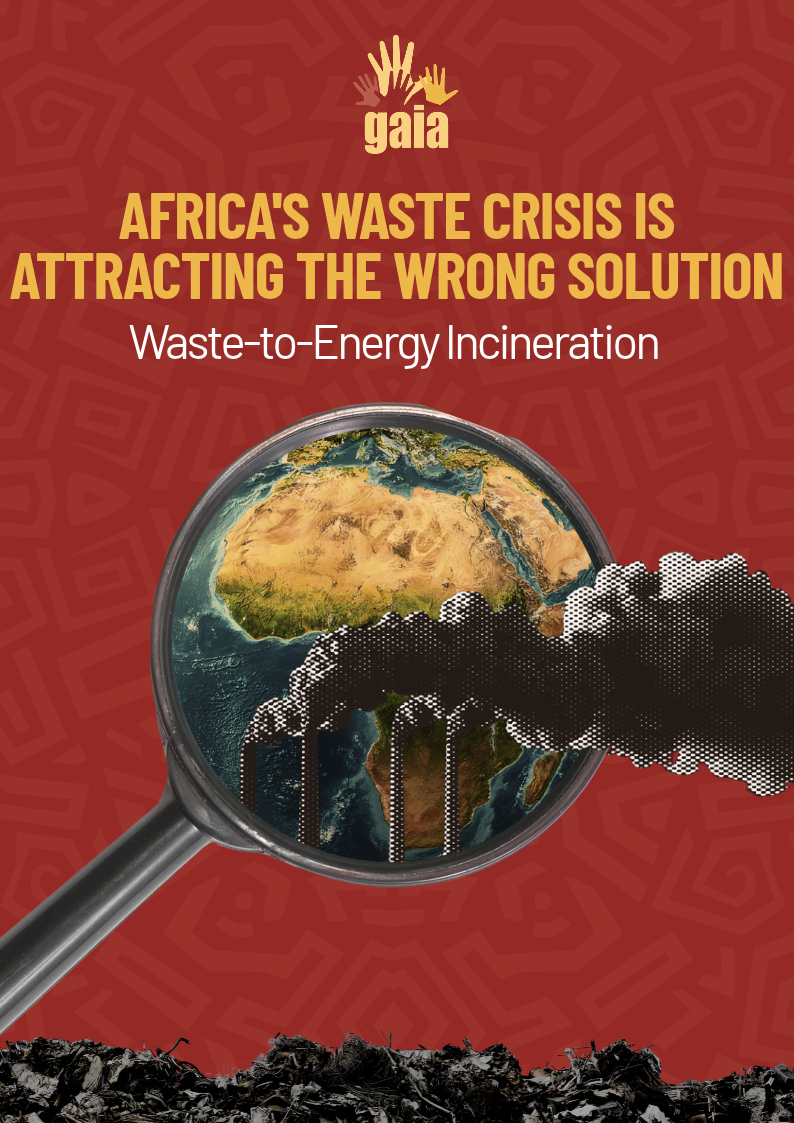
Waste-to-Energy (WTE) (sometimes called energy from waste) includes different technologies for disposing waste through a high-temperature process such as mass burn incineration, gasification, and pyrolysis. WTE is portrayed as a “climate-friendly” solution for waste management because of the avoided methane emissions from landfilling and energy generation potential; however, it emits more greenhouse gases than modern landfills when a full accounting of all GHGs is made. Waste minimization is a far better choice for the climate than either landfills or WTE. Many communities are approached by incineration/thermal technology companies with proposals to build Waste-to-Energy (WTE) facilities for waste disposal. Local government staff and elected officials, who review these proposals, may not have comprehensive knowledge about WTE or the expertise to thoroughly evaluate these proposals.
In 2024, Environment and Climate Change Canada (ECCC) commissioned a report on Waste-to-Energy, intended for local governments to use as a guide. This report painted WTE in a favourable light due to a narrow focus. In response to the federal paper, research was conducted for a coalition of environmental non-profit groups using a broader lens to better understand alternatives.
Resources
Climate Impacts from Waste-to-Energy – the Whole Picture
A more fulsome climate analysis of the federal study shows that not only are waste minimization strategies far better for the environment, but cost less as well. Properly managed landfills have lower greenhouse gas (GHG) emissions than the total GHG emissions from WTE, but waste minimization has the most benefits.
Cautionary Tales: Examples from Across Canada
The federal study also mentioned several examples of thermal treatment of waste. It did not show the many cases where pursuit of these technologies was unsuccessful or resulted in financial, environmental and social issues for the communities. Communities need to understand the risks.


Metro Vancouver – a Case Study
An analysis of Metro Vancouver’s waste management over the duration of its last solid waste management plan was conducted, looking at waste volumes, costs and GHGs. Results show that a focus on zero waste strategies were successful and cost-effective while incineration was costly with high GHG emissions.
Waste Incineration – What It Is, Why It Is Practiced, Implications and Zero Waste Alternatives
There are many reasons beyond GHGs, cost and effectiveness why WTE is not a solution. These are outlined here, along with an alternative solutions.
