"The overlapping crises of our time present an opportunity to build more resilient cities by implementing zero waste models.
Zero waste is increasingly recognized as a strategic public investment, not a cost burden. This high‑level synthesis distills the core insights from Financing Zero Waste: Practical Guidance for Immediate Action by Local and National Governments, showing how governments can finance zero waste systems by aligning local implementation with national enabling conditions—and by recognizing the broader public value that zero waste generates across climate, health, livelihoods, and resilience.

Zero waste is emerging as one of the most powerful, immediate climate actions available to governments. This publication provides practical, context‑specific guidance to help local and national governments finance and sustain zero waste systems that cut methane, improve public health, strengthen livelihoods, and build fiscal resilience.
Establishing waste separation at source (S@S) is the foundation of zero waste systems. It means separating different types of waste—such as organic, recyclable, and residual materials—at the point where waste is generated, keeping materials clean and preventing contamination. This publication presents 12 diverse successful cases from five regions: Africa (Tanzania), Asia (India, The Philippines), Europe (Greece, Slovenia, Italy), North America (USA), and Latin America (Costa Rica). The communities featured range in scale, from Tilos Island with a permanent population of 700 residents, to megacities such as Bengaluru, where the zero waste systems reach approximately 2 million people. Across these jurisdictions, source separation rates vary according to local mandates and frameworks, ranging from 30-33% organic waste diversion in Portland to outstanding rates of 80- 95% in places such as Varkala, San Fernando, and Dar es Salaam, and reaching 100% in Tilos Island.
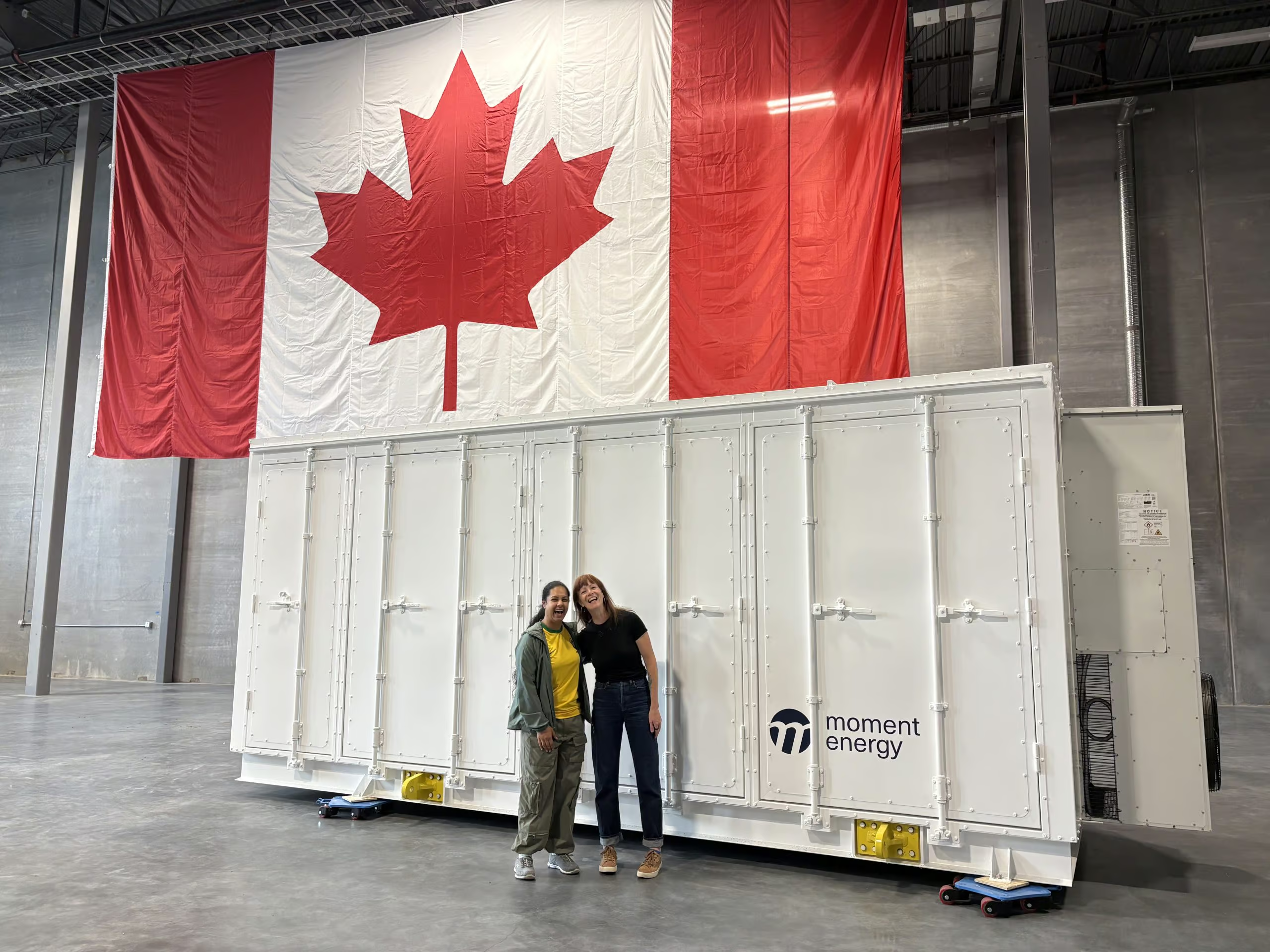
GAIA's Global Batteries Lead, Lien De Brouckere visited Moment Energy to learn more Megafactory 1 — the world's largest EV battery...
FOR IMMEDIATE RELEASE: July 20, 2026 Environmental organizations across Canada, part of the Canadian Zero Waste Coalition, have submitted joint comments...
In 2024, Environment and Climate Change Canada (ECCC) commissioned a report on Waste-to-Energy, intended for local governments to use as a...
Canada is among the most wasteful countries in the world and most of our waste could be avoided, recycled or composted....
This webpage is intended to support better actions to tackle waste in Canada that reduce the climate, biodiversity, toxics and cost...
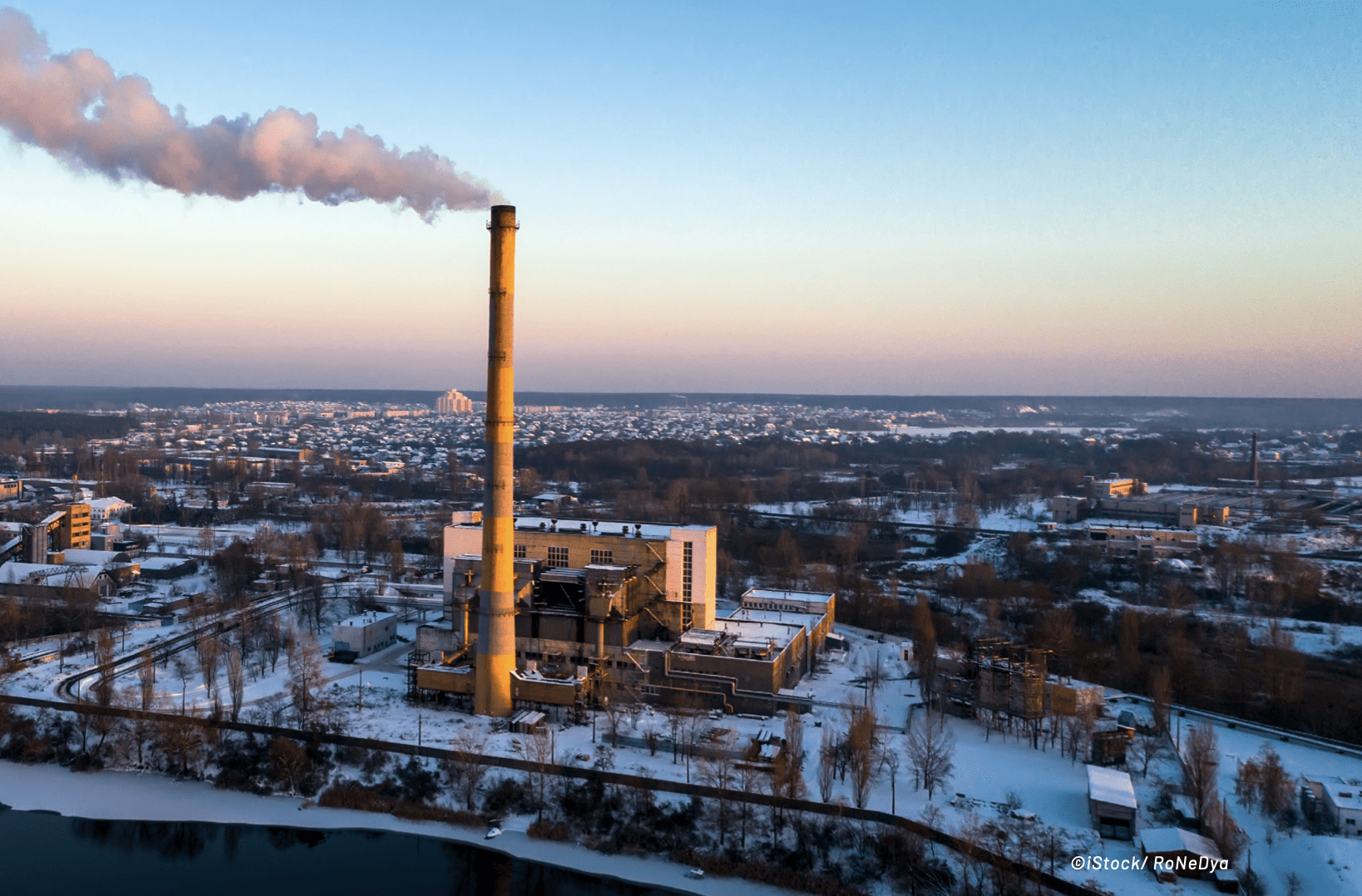
CLOSURES Harford County, MD: incinerator to close (Baltimore Sun, “Harford’s waste-to-energy incinerator to close for good March 17,” 3/7/2016) Hamilton County,...
Sign up for our Global Newsletter to stay up today on our cross regional work.