




Canada is among the most wasteful countries in the world and most of our waste could be avoided, recycled or composted. Canada has goals to decrease waste by 30% by 2030 and 50% by 2040, to end plastic waste by 2040, and to reduce landfill methane emissions by 50% by 20301.2 Reaching even these goals will require ambitious and immediate actions to reduce waste.
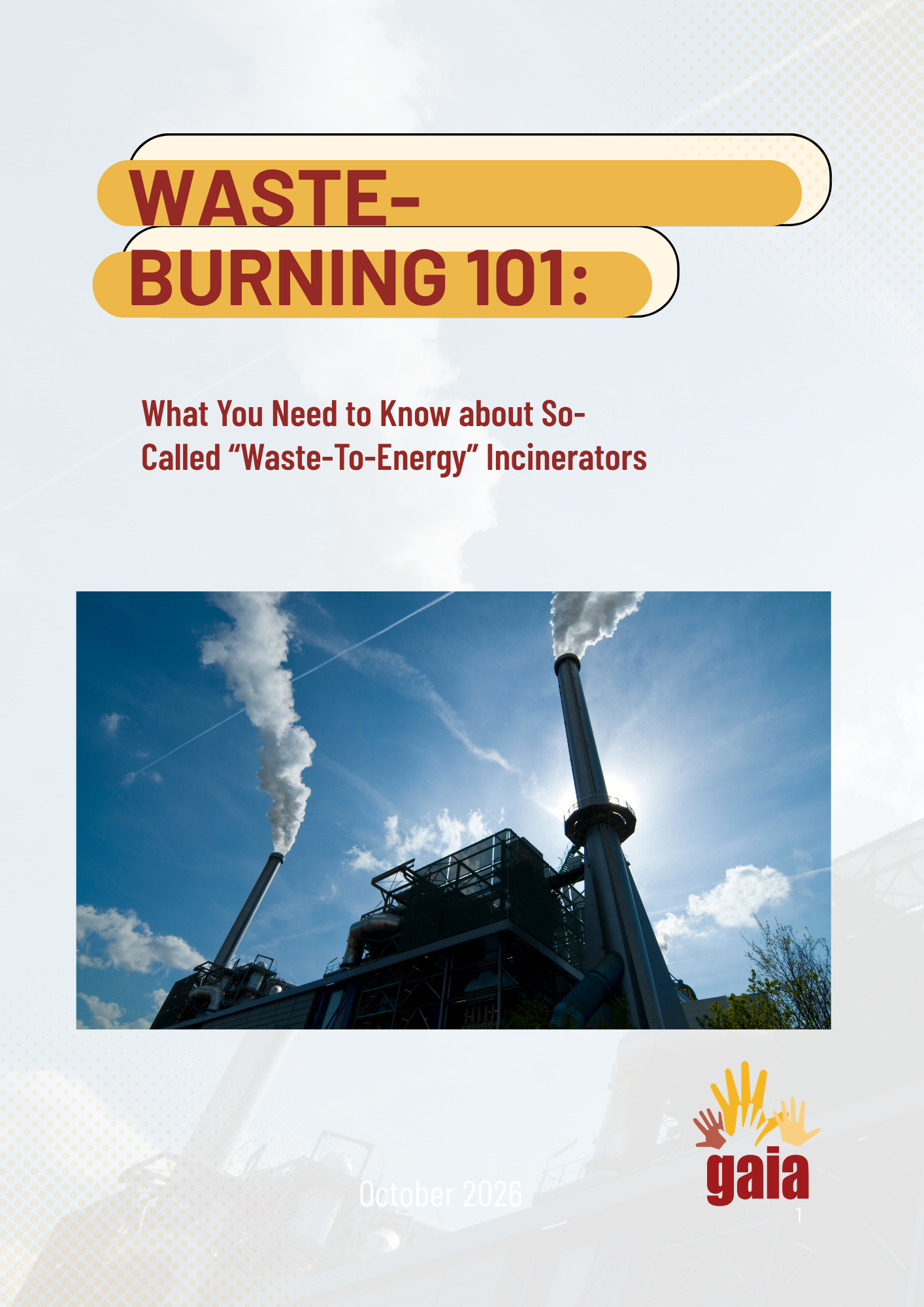
Waste to Energy (WTE) (sometimes called energy from waste) includes different technologies for disposing waste through a high-temperature process such as mass burn incineration, gasification, and pyrolysis. WTE is portrayed as a “climate-friendly” solution for waste management because of the avoided methane emission from landfilling and energy generation potential, however it emits more greenhouse gases than modern landfills when a full accounting of all GHGs is made. WTE also emits more GHGs per unit of energy than gas and even coal plants. Waste minimization is a far better choice for the climate than either landfills or WTE.
Furthermore, the key to eliminating methane gases from landfill is to remove organics from the waste stream. Edible food waste makes up a large portion of landfilled organics and could be prevented in the first place. Canada has committed to Sustainable Development Goal 12.3 to reduce food waste by 50% by 2030. Remaining organics could be diverted through source separation to compost in an oxygen-rich environment so that no methane is generated during decomposition or anaerobic digestion in-vessel so no methane escapes. This is doable and should be a primary objective of any climate-friendly solution for waste management. Ignoring this obvious solution creates a false choice between landfilling and WTE.
WTE is not only extremely harmful for the climate but also harmful to environmental and human health. Burning waste to generate energy is the most carbon-intensive, toxic and expensive form of energy, and these industries have disproportionately harmed low-income communities and communities of colour, where these facilities are statistically more likely to be sited.3 WTE projects are very costly and compete with waste reduction and recycling4. Waste to energy is a drain on the circular economy, diverting public resources and funding from zero waste practices that create far more jobs for far less cost and running counter to actions on climate change and plastics waste.
We, the undersigned, therefore call on the Government of Canada, provinces and territories, and local governments to implement the following actions:
1. Properly account for all pollution for waste and fuels from waste:
- Add biogenic emissions to the GHG Calculator.
- Include source reduction, recycling and all materials in the GHG Calculator similar to the US WARM calculator.
- Ensure carbon pricing is based on the full accounting of GHGs for waste and fuels from waste. Do not allow carbon offsets for WTE.
- Ensure the most stringent emission limits for all emissions (including mercury, dioxins, furans, lead, cadmium, SOx, NOx, etc) for all waste burning sources.
- Ensure continuous monitoring of all emissions from waste burning sources for which technology exists. Ensure ambient air monitoring and environmental biomonitoring is required.
- Ensure full accounting of material flows to land, water and air from WTE (fly ash, bottom ash, slag, air emissions, etc.).
2. Eliminate organic materials going to waste:
- Set ambitious targets for reducing food waste and organic materials to disposal over time.
- Enhance actions to decrease food waste.
- Encourage rapid increase in organics diversion through the regulation of landfill methane emissions and other tools.
3. Advance a zero waste, circular economy:
- Adopt the internationally-accepted and peer-reviewed Zero Waste Definition and Zero Waste Hierarchy as the guide for actions
- Develop a zero waste, circular economy strategy.
- Lead by example: use procurement to prioritize rethinking, reduction, reuse and refill; demonstrate action on the corporate operations of the government.
- Make reuse, repair and refill a priority in all regulatory, financial and policy measures.
- Ensure Canadians have the ability to repair their devices and appliances to keep materials in use.
- Scale up support for the collection and recycling of products through Extended Producer Responsibility and other measures.
- Plan for use of existing landfills as waste is decreased and maximize the lifespans of landfills by wasting less. Ensure the landfills manage the methane well and meet other environmental criteria.
- Encourage disposal levies on all waste going to WTE and landfills and use the funds to support waste reduction and reuse.
4. Ensure transparency and accountability:
- Collect and publicly release annual data on materials flows for all materials. Report on progress towards goals.
- Collect and publicly release annual data on all emissions from waste facilities (including toxic substances, ash and GHGs).
5. End support and subsidies for WTE facilities:
- Policy and funding should support waste reduction and should not support thermal treatment or incineration of mixed waste. Do not support carbon capture and storage integration with WTE facilities. Do not support district energy systems integrated with WTE facilities.
- Ensure no funds or grants are given directly or through government-supported agencies such as the Federation of Canadian Municipalities for WTE projects.
- Ensure preferential energy purchase rates and long-term contracts are not given to WTE facilities.
- Do not support put or pay contracts for WTE facilities.
- Ensure energy from WTE facilities or refuse-derived fuel is not considered clean nor renewable.
- Ensure burning waste materials in any facility (such as cement kilns, or steel smelters or the use of refuse -derived fuel) is considered a form of WTE and is not supported.
- Do not allow WTE facilities to be sited on government-owned or managed lands.
- Discourage the inclusion of WTE in federal, provincial, territorial, regional and municipal plans.
- Ensure any disposal taxes on landfills also apply to disposal at WTE facilities.
- Strictly control waste imports and exports, including shipments between Canada and the United States, to ensure they are destined for environmentally-sound management and not to be used as fuel.
- Educate the public on the full impacts of WTE.
Signatories:
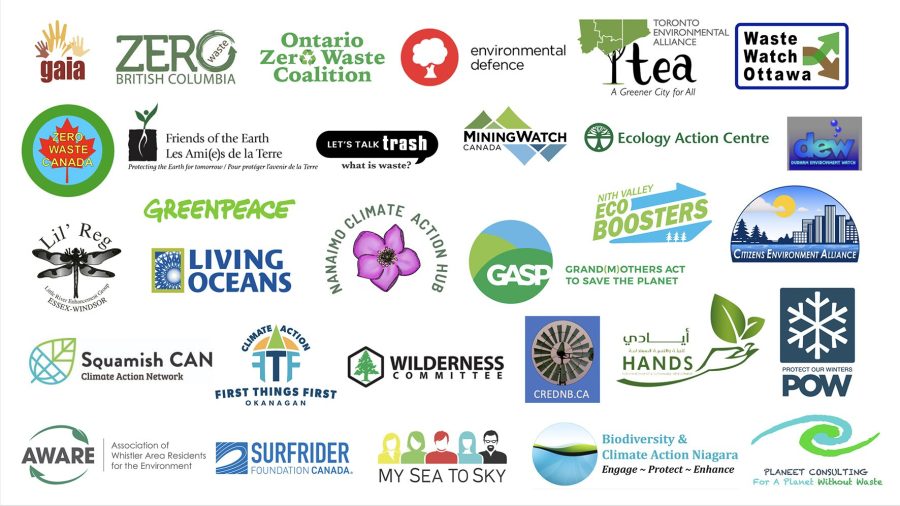
- 350.org
- aedify consulting
- AlRefai
- Association of Whistler Area Residents for the Environment (AWARE)
- Biodiversity and Climate Action Niagara
- Brampton Environmental Alliance
- Canadian Centre for Policy Alternatives
- Citizens Environment Alliance
- Citizens of the Pontiac (CoP)
- Coalition for Responsible Energy Development in New Brunswick
- Community Climate Council
- Council of Canadians Fredericton Chapter
- David Suzuki Foundation
- Durham Environment Watch (DEW)
- Ecology Action Centre
- Environmental Defence Canada
- First Things First Okanagan Climate Action
- Friends of the Earth Canada
- Friends of the Farewell (FOF)
- GAIA
- Grandmothers Act to Save the Planet (GASP)
- Greenpeace Canada
- HSR Zero Waste
- Leadnow
- Let’s Talk Trash
- Little River Enhancement Group
- Living Oceans Society
- McNab Braeside Alliance for a Clean Environment
- MiningWatch Canada
- My Sea to Sky
- Nanaimo Climate Action Hub
- Nith Valley EcoBoosters
- Ontario Zero Waste Coalition
- Otter Housing Association
- Planet Zero Waste Consulting, Inc.
- Prevent Cancer Now
- Protect Our Winters Canada
- Sacred Earth Solar
- Smart Youth Network Canada
- Squamish Climate Action Network
- Surfrider Foundation Canada
- Toronto Environmental Alliance
- Waste Free Edmonton
- Waste Watch Ottawa
- Wilderness Committee
- York Region Environmental Alliance
- Zero Waste 4 Zero Burning
- Zero Waste BC
- Zero Waste Canada
- Government of Canada (2021). Ocean Plastics Charter. https://www.canada.ca/en/environment-climate-change/services/managing-reducing-waste/international-commitments/ocean-plastics-charter.html
↩︎ - Government of Canada (2022). Faster and Further -Canada’s Methane Strategy. https://publications.gc.ca/collections/collection_2022/eccc/En4-491-2022-eng.pdf ↩︎
- Zero Waste Europe. Why is the global waste crisis a social justice issue? https://zerowasteeurope.eu/2022/02/why-is-the-global-waste-crisis-a-social-justice-issue/ ↩︎
- Baxter, J., Ho, Y., Rollins, Y., & Maclaren, V. (2016). Attitudes toward waste to energy facilities and impacts on diversion in Ontario, Canada. https://doi.org/10.1016/j.wasman.2016.02.017
↩︎