Food Loss and Waste

By Cecilia Allen, Global Projects Advisor, GAIA
(c) Nipe Fagio

Once seen as the domain of dreamers, zero waste is now mainstream. It has even entered the language of the UN: the body created a resolution urging governments to “promote zero‑waste initiatives,” an International Day of Zero Waste, and a Zero Waste Advisory Board, and UNEP, UN‑Habitat and other UN bodies use the concept in campaigns and reports. This year, zero waste was named one of the top priorities on the Global Climate Action Agenda. Türkiye’s Zero Waste Foundation, a leading promoter of these efforts, is organizing its second Global Zero Waste Forum under the motto Road to Antalya: Zero Waste as Climate Action. Türkiye will be the host of climate COP31. 

While this progress is exciting, words matter. When the same UN bodies that are meant to promote zero waste recognize waste-to-energy incineration plants and reuse of the highly toxic incinerator fly-ash as a zero waste solution, it means something is off. Likewise, when Pakistan claims to pursue a “zero waste” economy by increasing waste-to-energy capacity, alarm bells go off among zero wasters worldwide: Incineration is an oxymoron to zero waste. What these examples show us is that a true definition of zero waste needs to be adopted and vigorously defended.

What is zero waste?

The concept of “zero waste” emerged 30 years ago by adapting manufacturing targets such as “zero defects” to solid waste.  Zero waste is both a vision and an action plan. As an action plan it includes strategies to design out the idea of “waste”: waste prevention, redesign, reuse, changes in consumption patterns, recycling, composting, and other methods to reprocess organic material. Zero waste is guided by the goal of progressively reducing disposal in landfills and incinerators, a yardstick for judging the effectiveness of waste programs and policies.

As a vision, its ultimate objective is to change how we produce, consume and process discards so our materials economy fits within planetary boundaries. This concerns not only materials but our relationship with them, the environment, and one another. That is why zero waste is rooted in environmental justice– supporting the flourishing of everyone regardless of race, class, or any other identity, and the rights of nature. Zero waste systems are community‑based, recognize waste pickers as workers, eliminate “sacrifice zones” that disproportionately burden poor and marginalized communities, and put people at the center of solutions.

That is the beauty of zero waste: it offers an encouraging alternative to a linear waste system that perpetuates disposal, resource depletion, climate change and pollution that threaten public health and well-being. It will not happen overnight, but it sets a clear direction.

Defending zero waste

There are multiple conversations within the environmental movement about the co-option of the zero waste concept. Should we let it go? Defend it? There are solid arguments on all sides of the table. But our objective is to expand true zero waste worldwide. Mainstreaming means ideas become accepted as normal because most people share them — that is what thousands of communities, government officials and businesses have worked toward for decades. Fighting this co‑option is therefore an inevitable part of mainstreaming.

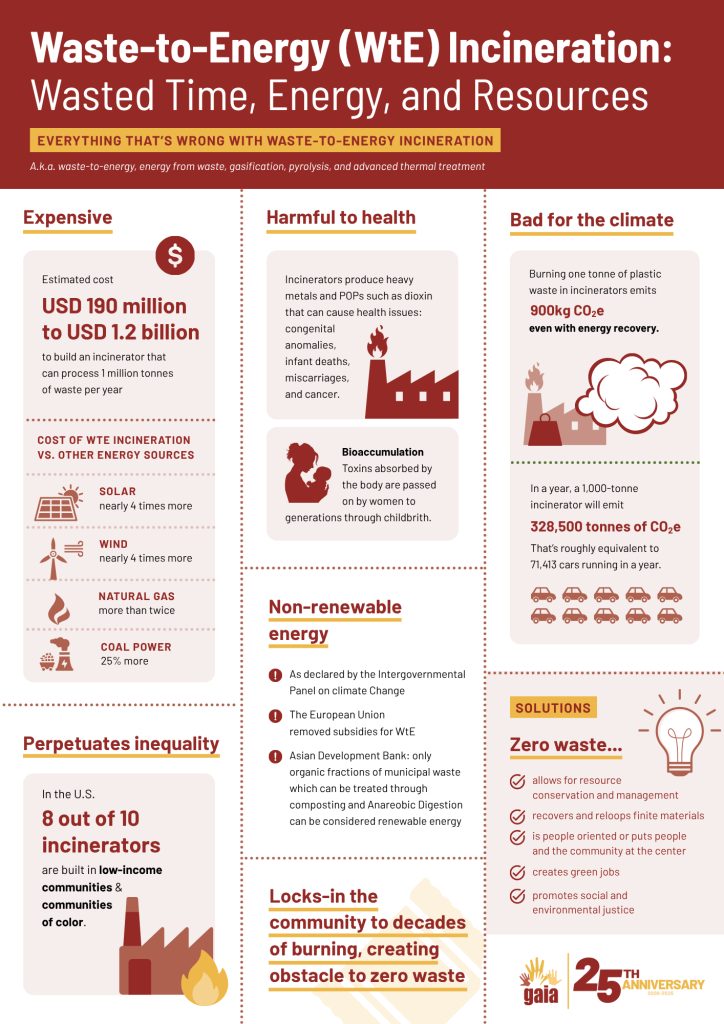
Every time a waste‑to‑energy or plastics‑to‑fuel project is presented as “zero waste,” authorities in the field must set the record straight. Waste‑to‑energy incineration perpetuates waste generation because it requires feedstock to burn, competes with reuse and recycling for high‑calorific materials, relies on fossil‑based feedstocks such as plastics, produces greenhouse gas emissions, and creates hazardous residues. None of that could be farther from zero waste. 

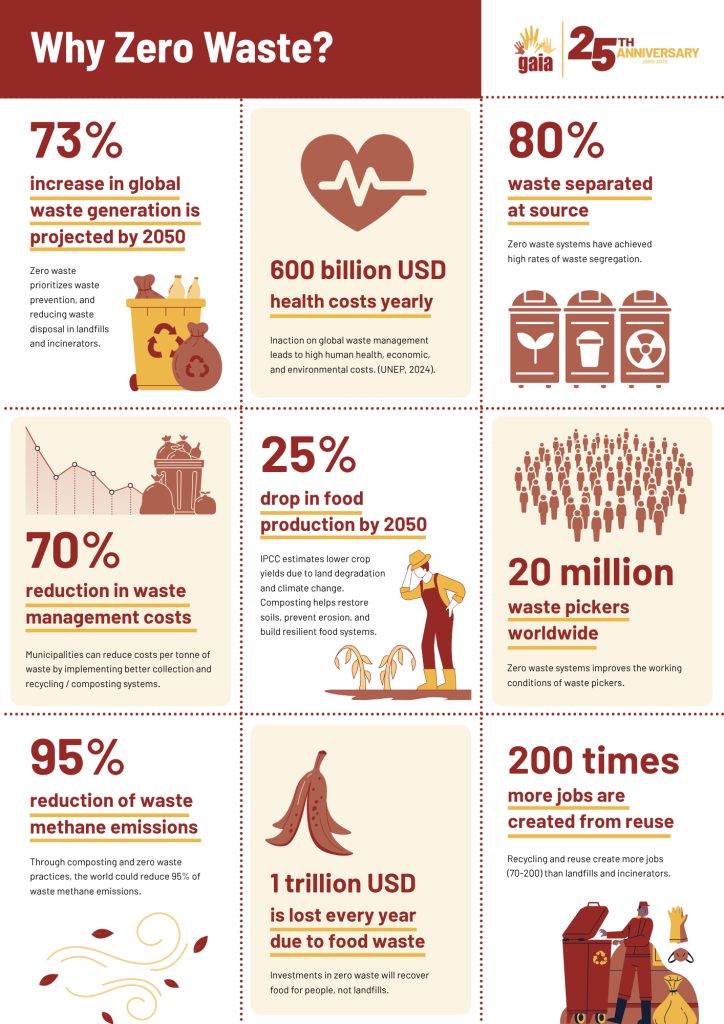
Most importantly, zero waste is not just an abstract concept. For over three decades, hundreds of cities, thousands of communities and many waste practitioners have led the transition toward it. They have shown that it is possible to achieve over 90% source separation, diversion rates of 80% and higher, improved working conditions for waste pickers, and local economies based on repair and reuse. They also demonstrate that following the waste hierarchy creates more jobs, reduces more methane emissions, and improves public health.

Enabling zero waste implementation 

In recent years more governments, financial institutions, universities, and waste practitioners have embraced the zero waste vision and prioritized upstream measures over disposal. That is encouraging, but much more is needed. For example, only 1% of international finance aimed at methane abatement in the waste sector goes to zero waste strategies such as composting.

If multilateral development banks and other international financial institutions directed the remaining 99% shifted from harmful end‑of‑pipe systems like incinerators and megalandfills to community‑based organic waste prevention and recovery, the the playing field would level: there would be more incentives for a shift in production and consumption patterns, and local governments and communities would speed up the zero waste transition. If governments that claim to pursue zero waste acted accordingly, they would lead the transition and inspire others.

UN bodies such as UNEP, UN‑Habitat and the Zero Waste Advisory Board have a special responsibility to set a clear vision for governments and institutions, and promote an authentic zero waste agenda to advance environmental sustainability, social equity and economic systems that respect natural boundaries.

As we continue the work toward a zero waste future, let us honor its true spirit that drives systems change. And let us support and scale up the proven programs and policies that governments, communities, waste pickers, NGOs, and businesses are sustaining.  Let us protect the term, and honor the practice: put real zero waste into action.

Rommel Cabrera/GAIA, 2019. Waste pickers collecting separated waste from households. Tacloban City, the Philippines.

By: Green Knowledge Foundation

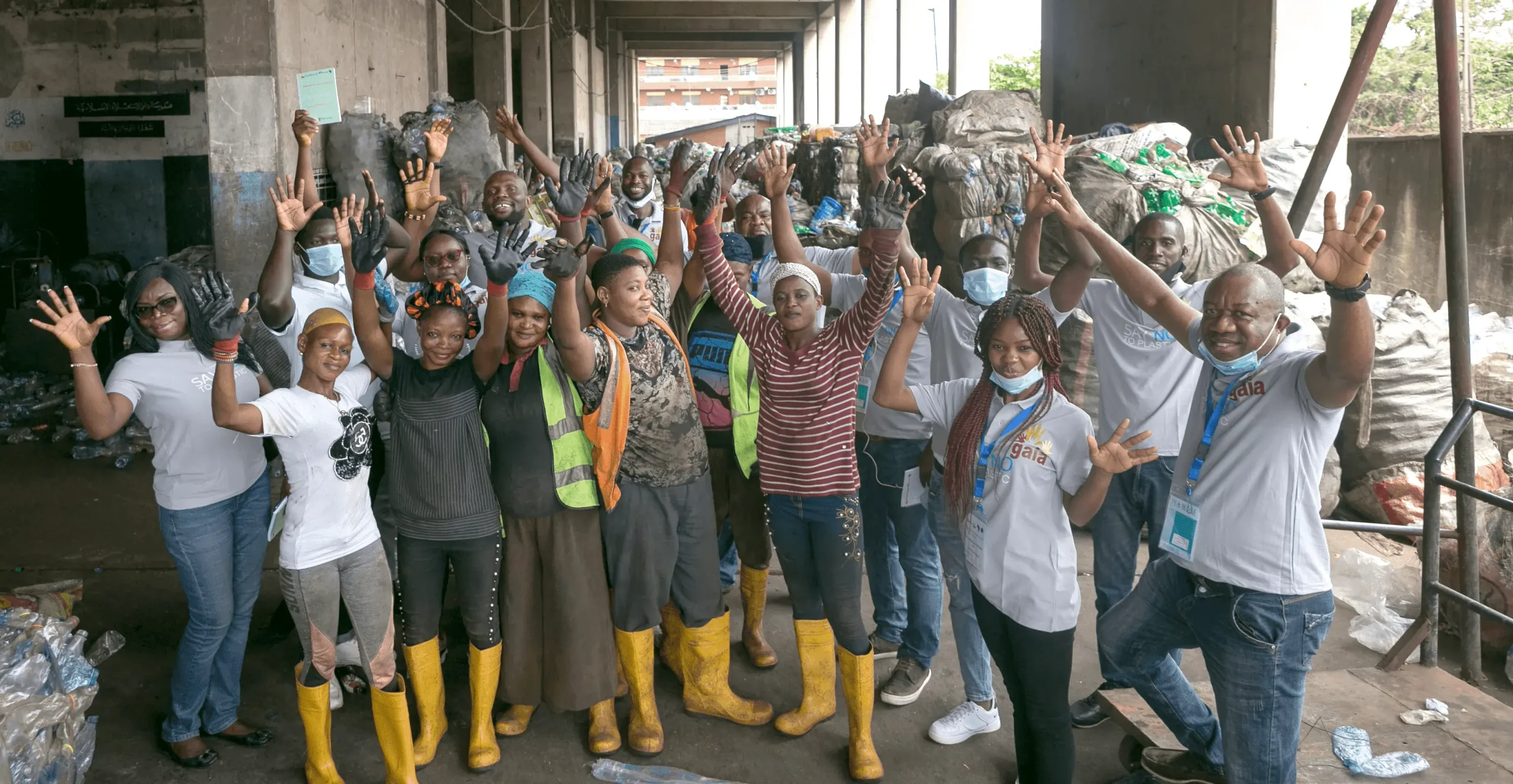
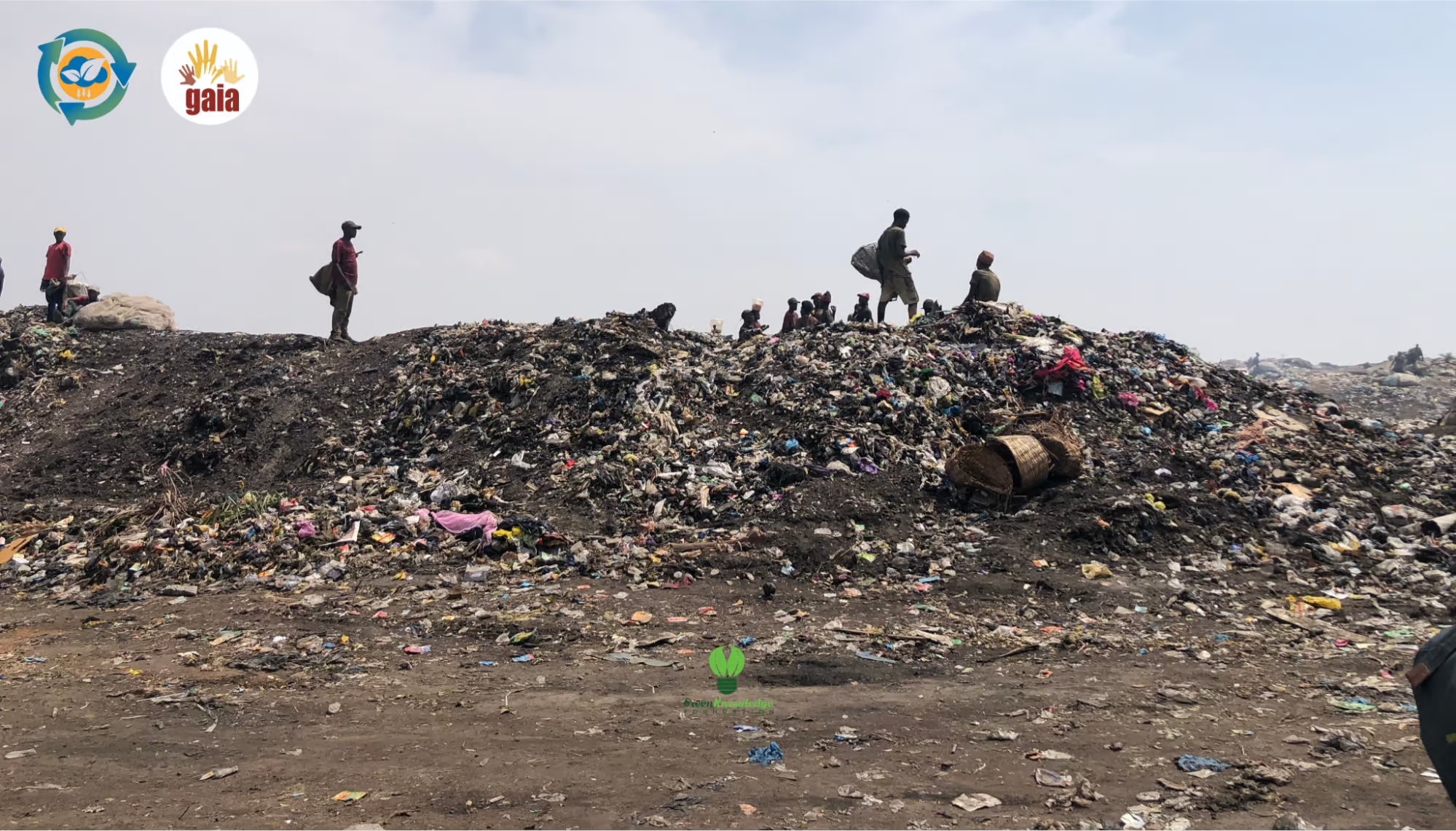
Every morning in Nigeria’s Benin City, before traffic builds up and markets awaken, faint plumes of smoke rise from heaps of waste scattered across open spaces. In Jos, plastic bags cling to drainage channels after heavy rains. On the outskirts of Abuja, government-approved dumpsites quietly ferment under the sun. In Lagos, Africa’s most populous city, towering landfills on the city’s fringes swell daily as trucks unload tons of mixed waste, while clogged canals and lagoons trap floating debris beneath the humid coastal air.

What appears to be ordinary waste is, in reality, an invisible climate threat: Methane.

Across Nigeria’s rapidly growing cities, unmanaged organic waste is releasing one of the most potent greenhouse gases into the atmosphere. The Multi-Solving Action to Methane Reduction in Nigeria (MAMRN) Project was conceived in response to this urgent environmental challenge.

When organic waste, food scraps, green waste, and agricultural residues decompose in oxygen-deprived conditions, such as open dumpsites, they produce methane (CH₄). Methane is not just another greenhouse gas. It is over 80 times more potent than carbon dioxide in the short term, responsible for nearly half of the global warming already experienced, and the second-most-important anthropogenic greenhouse gas after Carbon dioxide (CO₂).

Municipal solid waste landfills globally account for approximately 11% of anthropogenic methane emissions. For every tonne of waste sent to landfill, an estimated 50–100 kg of methane may be released; equivalent to roughly 1,610 kg of Carbon dioxide (CO₂) per tonne due to methane’s high global warming potential.

Nigeria generates over 32 million tons of municipal solid waste annually, yet only about 20–30% is formally collected. More than 90% of waste in many developing regions ends up in open dumpsites, waterways, unused land, or is openly burned. 

Nigeria’s waste composition is particularly significant: approximately 50–60% of municipal solid waste is organic. This means that a large proportion of waste entering dumpsites is actively generating methane. In 2021, methane accounted for 44.6% of Nigeria’s total greenhouse gas emissions, making it one of the country’s most critical climate pollutants.

With Nigeria’s population estimated at over 223 million and projected to rise significantly by 2050, urban centres such as Benin City, Jos, Lagos, and the Federal Capital Territory (FCT) are expanding rapidly. Urbanisation, rising consumption patterns, and limited infrastructure have widened the gap between waste generation and effective management.

Globally, about 2.01 billion metric tonnes of municipal solid waste are produced annually, and this is expected to increase by 70% by 2050. Sub-Saharan Africa alone is projected to reach 269 million tonnes of waste per year by 2030. Nigeria mirrors this trajectory.

Nigeria is already experiencing the effects of climate change, including increased flooding and stormwater runoff, coastal erosion and sea-level rise, rising temperatures and heat waves, agricultural productivity losses, food insecurity and water scarcity, and increased disease outbreaks. Open dumpsites worsen these impacts. During heavy rainfall, flooding dislodges waste, spreading pollutants into homes, schools, and water bodies. Methane buildup within dumpsites also presents explosion hazards.

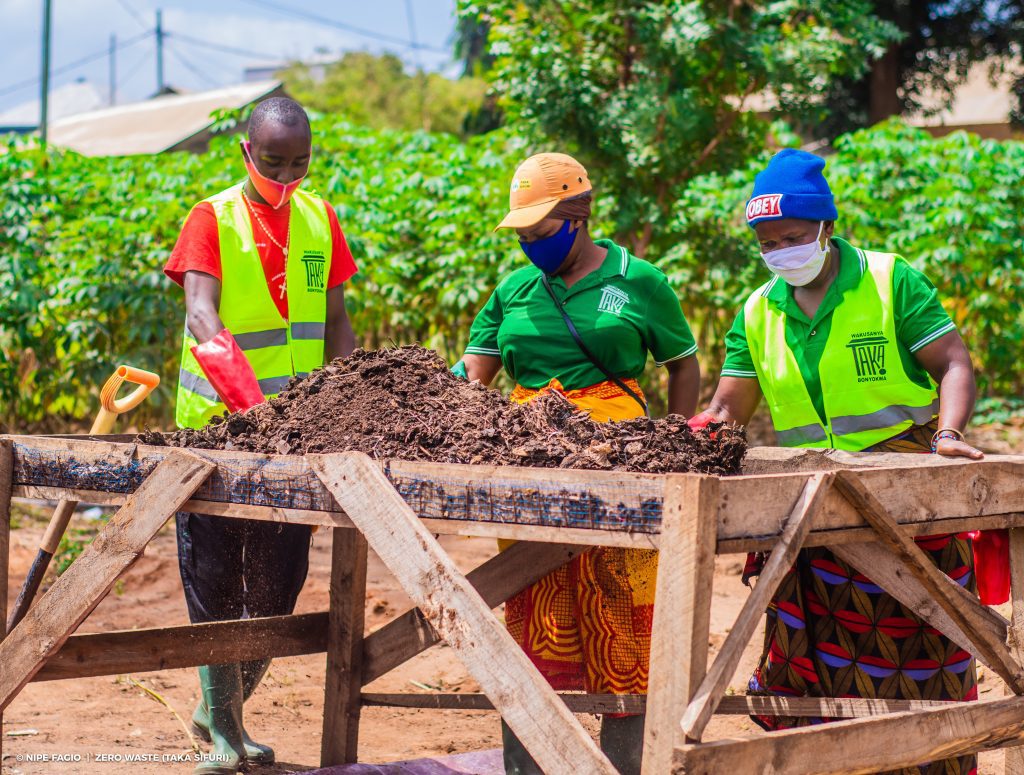
Rather than treating waste as a burden, the MAMRN project reimagines it as a resource. Material Recovery Facilities (MRFs) are being established to divert organic waste from dumpsites, process it into compost, sort recyclables such as plastics, glass, paper, and e-waste, integrate and strengthen the role of waste pickers, and reduce methane emissions at the source. Each facility is initially designed to manage approximately 260 tons of waste annually.

By converting organic waste into compost, the project improves soil health, reduces dependence on petroleum-based fertilisers, supports climate-smart agriculture, and minimises methane emissions from decomposition. Farmers are trained through the My Zero Waste Farm Project, with at least 20 farmers per state serving as trainers to expand adoption across communities. Organic waste is also processed through Black Soldier Fly (BSF) farming to produce high-protein animal feed, organic fertiliser, and new livelihood opportunities. This model strengthens local food systems while reducing methane emissions from landfills.

Methane reduction through improved waste management delivers multiple benefits, including lower greenhouse gas emissions, reduced flooding and pollution, improved public health outcomes, job creation for waste pickers and farmers, strengthened urban food systems, and contributions to SDGs 1, 2, 6, 7, and 13. The project aligns with Nigeria’s long-term low-emission development strategy, aiming to reduce emissions by 50% by 2050 and to transition to a circular economy.

Methane may be invisible, but its impacts are not. The rising temperatures, flooded streets, polluted waterways, and strained agricultural systems across Nigeria tell a visible story of climate vulnerability. The MAMRN Project represents a shift from open dumping to resource recovery, from unmanaged emissions to data-driven reductions, and from environmental degradation to circular-economy solutions.

By diverting organic waste, empowering communities, integrating informal waste workers, and influencing policy, Nigeria takes a practical step toward reducing methane emissions and building climate resilience. The future of Nigerian cities depends not only on how much waste is produced, but on how wisely it is managed. 

The path forward requires action from everyone.  Policymakers can strengthen regulatory frameworks that recognise waste pickers as formal climate workers and prioritise waste-sector investments in national climate plans. Development partners and funders can direct climate finance toward community-led Material Recovery Facilities and methane monitoring infrastructure. 

Businesses can adopt circular procurement practices, reducing organic waste across supply chains and supporting compost markets. Farmers can integrate compost and Black Soldier Fly products into their practices, improving soil health while cutting dependence on chemical fertilisers. And as a reader, you can start where you are: composting at home, supporting local waste initiatives, or simply sharing this blog post to grow awareness. 

In that transformation lies the power to slow global warming, protect communities, and build a cleaner, more sustainable future.

This article is the second in a series on the Methane Reduction in Nigeria (MAMRN) Project, implemented in collaboration with CfEW Jos, SraDev Lagos, Pave Lagos, CODAF Epe Lagos, and SEDI Benin City.

8 de abril, 2026

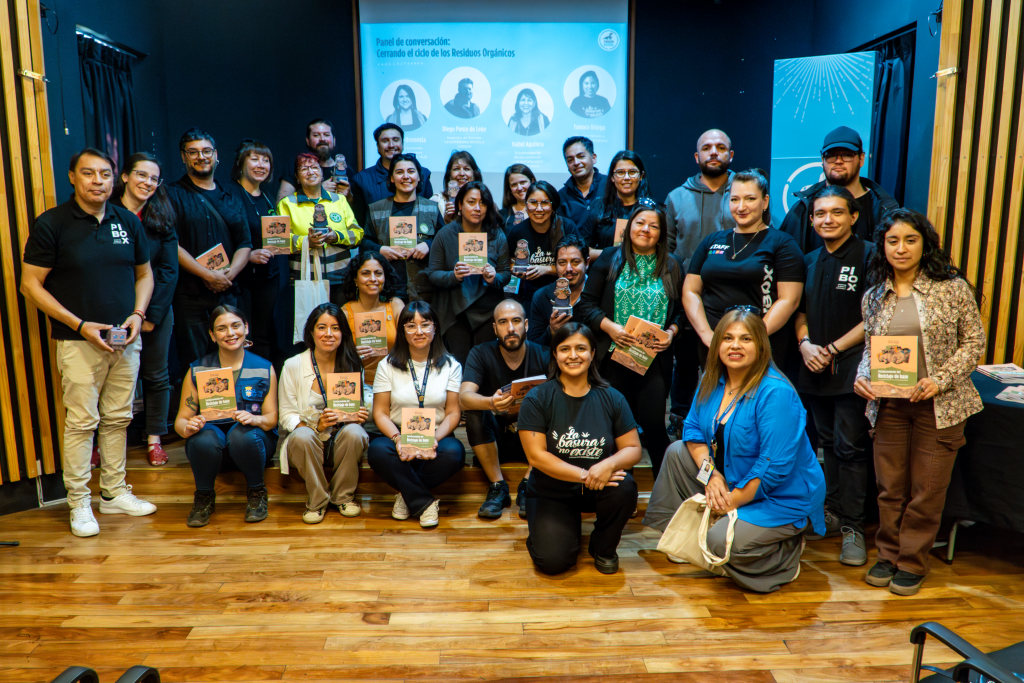
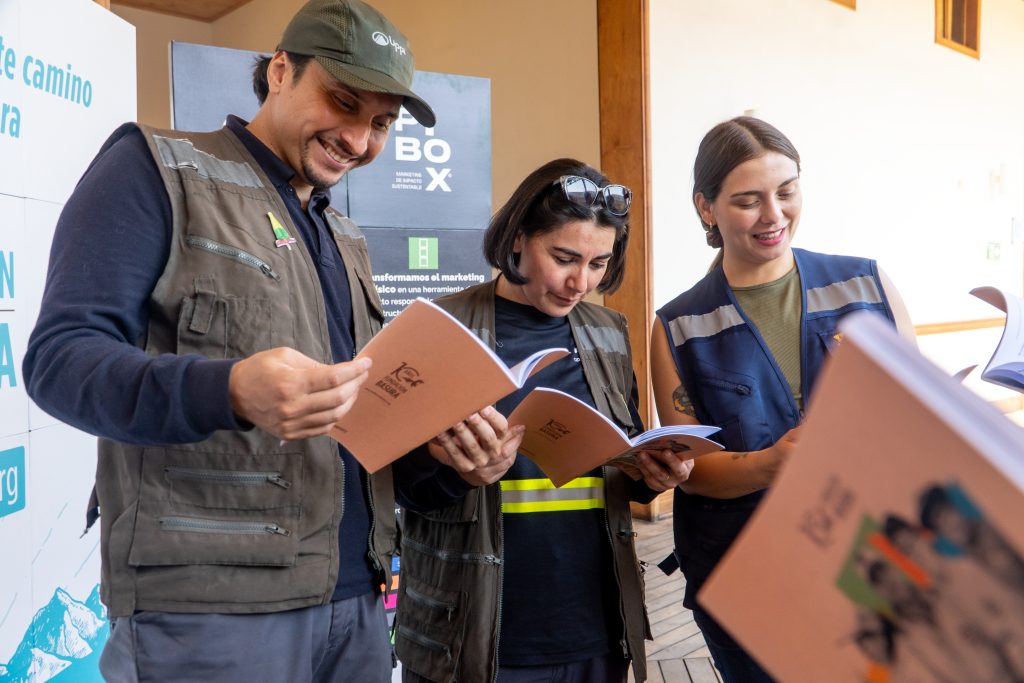
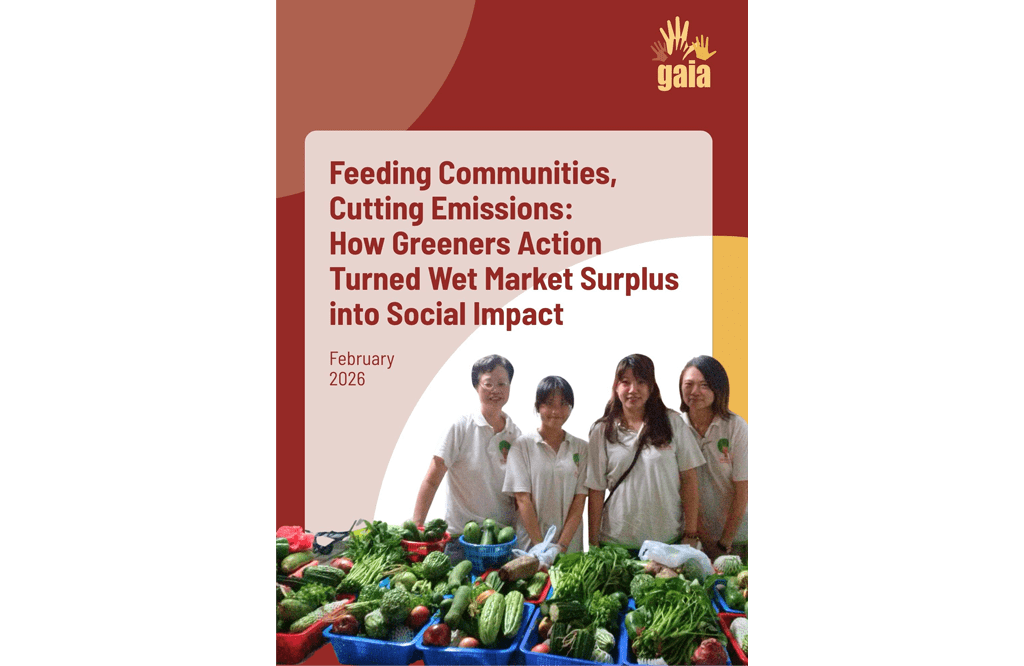
Santiago, Chile – En una jornada marcada por el compromiso con la justicia ambiental, Fundación Basura, en colaboración con la Municipalidad de Santiago, UMI Fund y la Alianza Global para Alternativas a la Incineración (GAIA), presentó oficialmente la publicación: “Fortalecimiento del Reciclaje de base en el modelo Ferias libres Cero desperdicio”.


El evento, realizado tras la conmemoración del Día Internacional Basura Cero, destacó un esfuerzo colectivo por transformar los sistemas alimentarios locales. La iniciativa se centró en el estudio de caso de la Feria Pedro Lagos, en la comuna de Santiago, donde se logró articular el trabajo de feriantes, recicladores de base y voluntarios para evitar que toneladas de residuos orgánicos terminaran en rellenos sanitarios.

El impacto del desperdicio de alimentos

Durante la presentación, se compartieron cifras críticas que sustentan la urgencia de este modelo:


● Se estima que las 425 ferias libres de la Región Metropolitana generan más de 70 mil toneladas de residuos orgánicos anualmente.
● El desperdicio de alimentos es responsable del 10% de las emisiones globales de gases de efecto invernadero, especialmente metano.
● En la implementación del modelo en Santiago, se evitaron más de 3 toneladas de residuos mediante la donación de alimentos aptos para consumo y el compostaje de restos orgánicos.

Justicia ambiental y reciclaje de base

Uno de los hitos principales de la jornada fue el reconocimiento de las y los recicladores de base como gestores clave de la materia orgánica. “Esta es mucho más que una guía; es una hoja de ruta para que municipios, gremios y la sociedad civil puedan replicar este modelo”, señaló Camila Rivero, gestora de proyectos de Fundación Basura.


El evento contó con un panel de expertos integrado por Carolina Urmeneta, Directora de Economía Circular y Residuos del Global Methane Hub, Isabel Aguilera Subdirectora de Medio Ambiente de la I. Municipalidad de Santiago y Diego Ponce de León, Inspector de cuentas y reciclador de base de la Cooperativa Recicla Yungay, quienes discutieron la importancia de formalizar el rol del reciclaje de base en la gestión urbana para alcanzar metas climáticas globales, principalmente el materia de disminución de emisiones de metano.

“Necesitamos eliminar la disposición de orgánicos en rellenos sanitarios, pero cuando tenemos que focalizar esa disposición el modelo de las Ferias libres Cero desperdicio nos permite avanzar en esa solución”, manifestó Carolina Urmeneta.

El evento contó con una destacada convocatoria de figuras del sector público y privado. Entre los asistentes participaron Daniela Potocnjak, Analista de Sustentabilidad y Cambio Climático de la Oficina de Estudios y Políticas Agrarias (ODEPA) del Ministerio de Agricultura; Carolina Rivera, Gerente de Marketing y Asuntos Corporativos de la planta de compostaje Armony Sustentable; Ana María Briceño, presidenta de la Cooperativa Recicla Yungay; Nyssmi Cordero, representante legal de la Cooperativa Responde Verde y Mariela Pino, Campañista en mitigación de metano para América Latina en GAIA. Además, se sumaron equipos municipales de comunas como Maipú, Quinta Normal, Quilpué, San Miguel, La Florida, La Granja y El Bosque, entre otras.

Reconocimiento al compromiso

Para cerrar la actividad, se hizo entrega del Galardón Chungungo, una pieza que simboliza el trabajo colaborativo y el esfuerzo por dignificar un oficio que, hasta ahora, era invisible para muchos, pero vital para el planeta.


Por su parte, Tamara Ortega, Directora Ejecutiva de Fundación Basura concluyó “Cada vez que evitamos que una tonelada de residuos orgánicos termine en un relleno sanitario, estamos haciendo justicia ambiental. En este proyecto vimos que no basta con reciclar; necesitamos reconocer a los y las recicladoras de base como los verdaderos gestores del cambio. Al unir su esfuerzo con el de los feriantes, logramos que lo que era un problema gigante de desperdicio se convierta en una oportunidad para alimentar y cuidar a nuestra comunidad”.

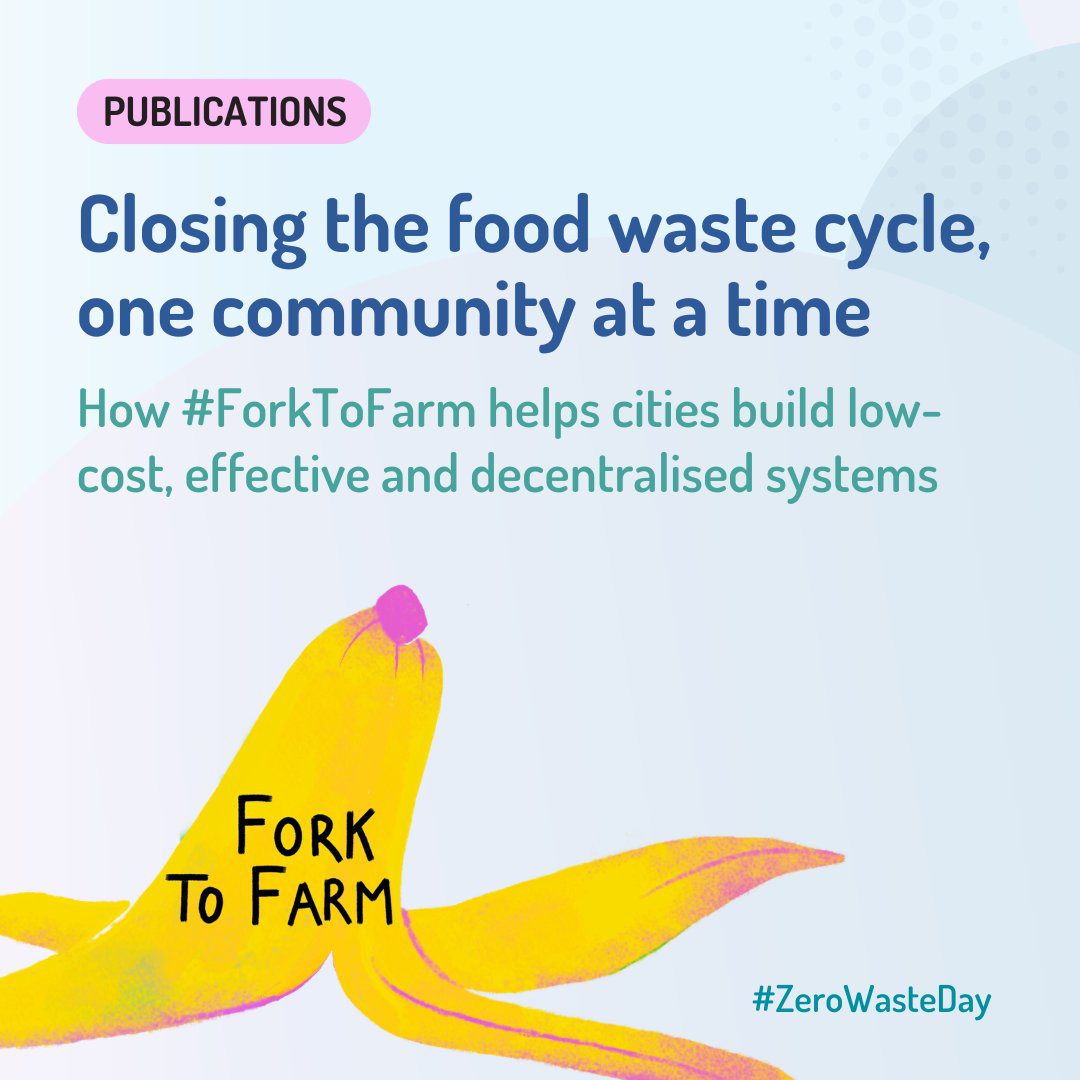
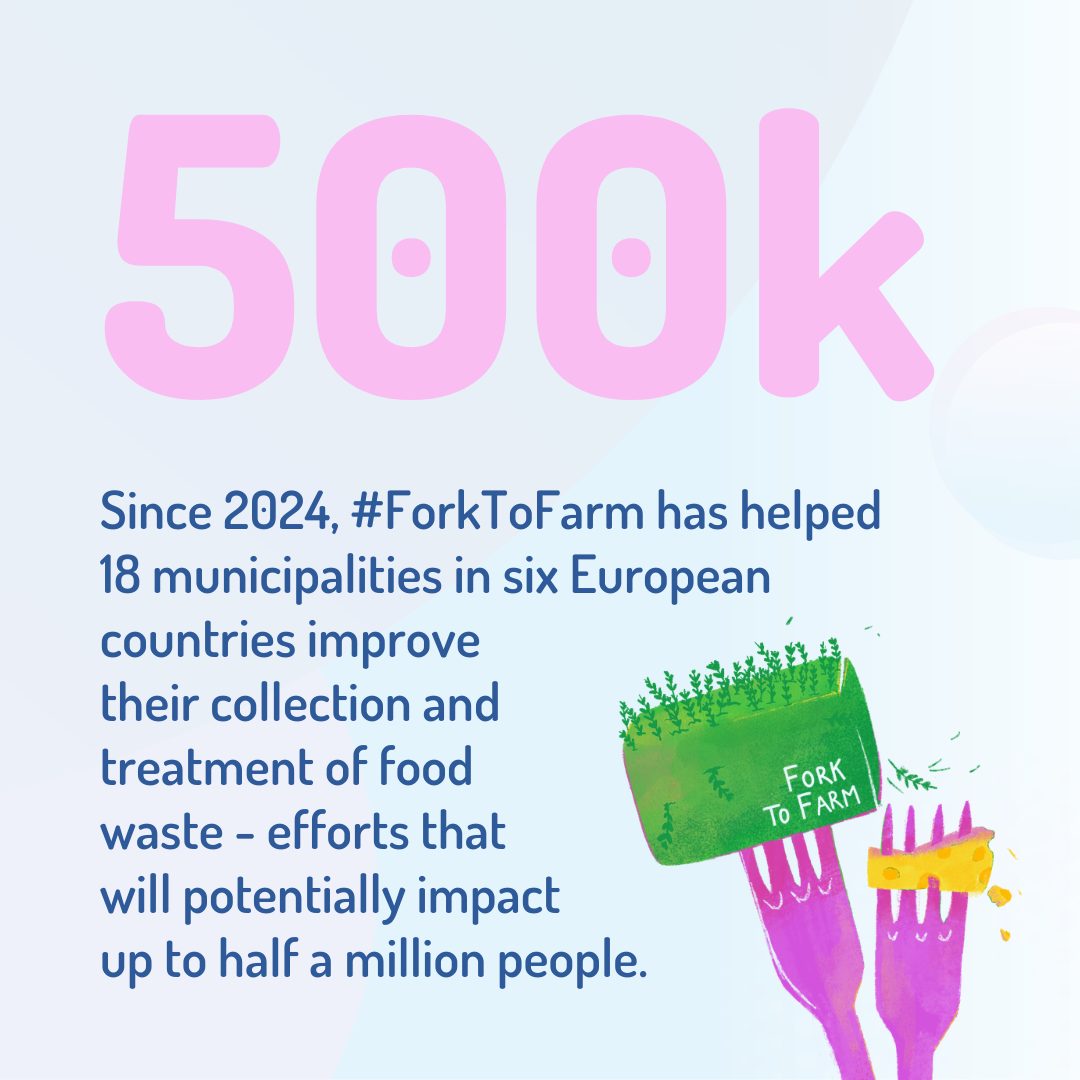
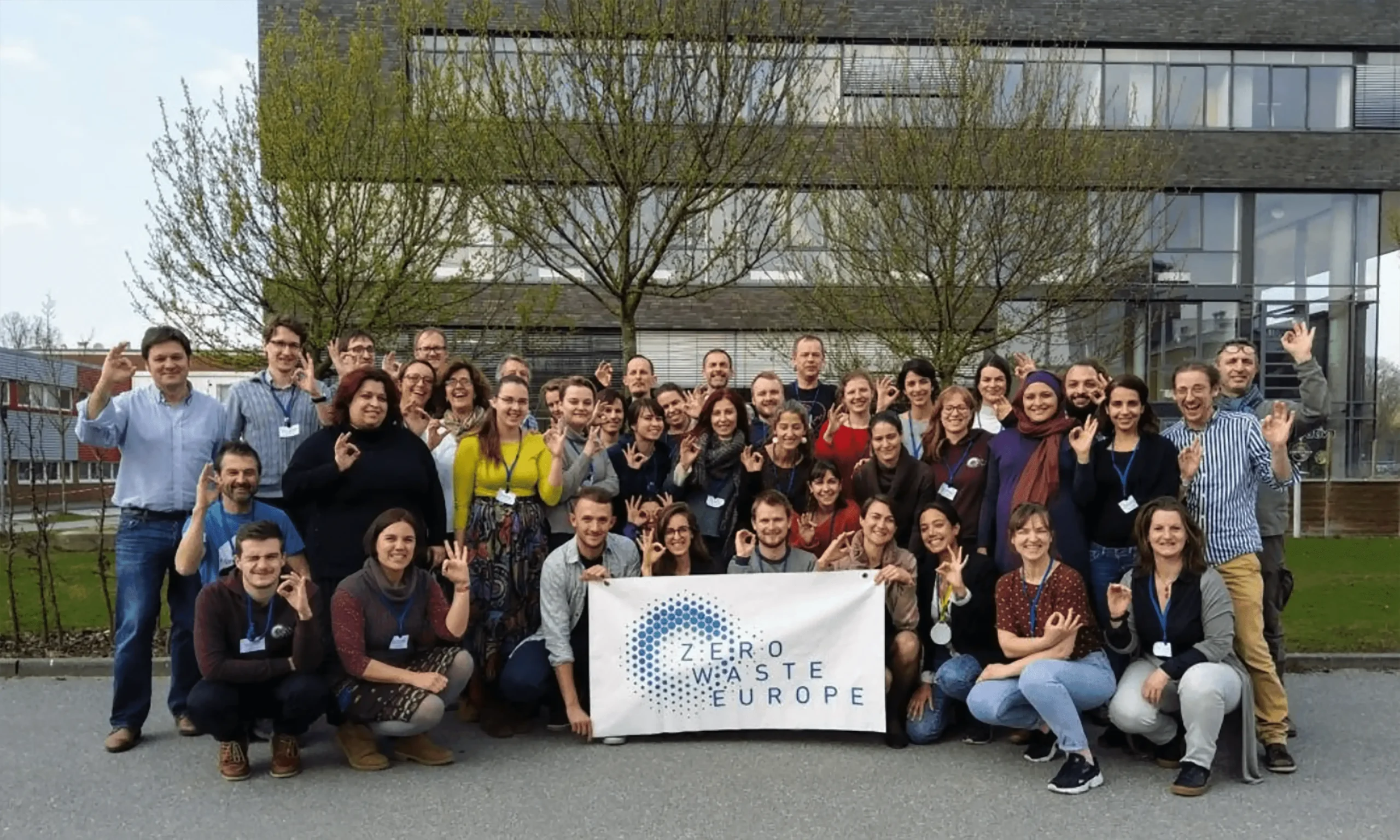
Brussels, Belgium – 30 March 2026 – On the occasion of International Zero Waste Day, the European network Zero Waste Europe is spotlighting how communities in Montenegro are turning food waste into a valuable resource through the #ForkToFarm project. Over the last two years, Montenegrin municipalities have clearly demonstrated how decentralized bio-waste management can help reduce methane emissions, improve soil health, and support local food systems.

Across Europe, research suggests 74% of food waste generated still ends up in landfill or incineration. For a lot of European countries, landfill remains the predominant disposal methods and organic waste ending up here will decompose and release methane – a greenhouse gas far more potent than carbon dioxide in the short term. By separating food and garden waste, and then composting it locally, communities can significantly cut emissions while returning valuable nutrients to the soil.

The #ForkToFarmproject, implemented by Zero Waste Montenegro in municipalities including Danilovgrad, Tuzi, Kotor and Podgorica, promotes practical solutions such as household composting, community composting sites, and awareness campaigns encouraging residents to separate organic waste at source. Through trainings and community engagement, residents learn how to transform food scraps and garden waste into compost that can be used in gardens, farms, and green spaces.

“Organic waste is one of the biggest untapped opportunities to reduce emissions in the waste sector,” said Kristina Joksimovic from Zero Waste Montenegro. “By keeping food waste out of landfills and turning it into compost, for relatively low costs, communities can take immediate climate action while supporting healthier soils and more resilient food systems. However, to unlock this potential at scale, we need significantly more public investment in organic waste management and food waste prevention. This must become a clear priority within climate and waste policies and infrastructure investments.”

The project shows that decentralized solutions can work effectively even in municipalities with limited waste management infrastructure. Participating households have reported reductions in mixed waste, while communities benefit from locally produced compost that can improve soil quality and reduce reliance on chemical fertilizers.

These initiatives also support broader European efforts to strengthen bio-waste collection and reduce the environmental impact of waste management. By empowering local communities and municipalities to manage organic waste more sustainably, the project demonstrates a scalable model that can be replicated across Europe.

“The UN Zero Waste Day reminds us that preventing waste is one of the most effective climate solutions available today,” Jack McQuibban, Head of Local Zero Waste Implementation at Zero Waste Europe,  added. “The experiences from Montenegro show that with the right support, communities can transform food waste into a resource and move closer to a zero waste future.”

By documenting these experiences, the #ForkToFarm case study aims to inspire municipalities and organisations across Europe to adopt decentralized bio-waste systems that keep organic materials in circulation and out of landfills.

GAIA’s 25 Year Leadership on Zero Waste

GAIA is one of the founders of the zero waste movement, with a 25 year history of supporting over 1,000 members to build successful zero waste policies and practices in over 100 countries across the globe. From the Philippines to Brazil, from Senegal to Slovenia, GAIA members are working with cities in their transition to zero waste, reshaping the way waste is conceived. In very diverse contexts, cities moving away from waste management and towards zero waste systems are building resilience, vibrant economies, community empowerment, and achieving high diversion rates. 

The United Nations Environment Programme (UNEP) is funding GAIA through the Climate and Clean Air Coalition (CCAC) to advance key zero waste implementation strategies worldwide. Through this partnership, GAIA is working with CCAC to implement effective zero waste solutions that reduce waste methane emissions and promote community-led approaches within national climate policy agendas across 14 countries — 12 of them in Africa. GAIA is also an active member of CCAC’s Waste Hub Leadership Group and has shared its work and experiences at several CCAC annual gatherings, contributing to global dialogue and collaboration on waste and methane reduction. GAIA and its European branch, Zero Waste Europe, are also affiliates of UN-HABITAT’s WasteWiseCities.  GAIA is also supported by the Global Methane Hub and facilitates a quarterly Global Action Hub on Waste Methane and Environmental Justice to advance dialogue and collaboration on the implementation of waste methane reduction strategies worldwide. 


Learn More

Dive Deeper

Financial Analysis of Solid Waste Management Business Models
Financial Analysis of Waste Management Business Models

A new report by the Climate Policy Initiative (CPI) reveals that community-led decentralized waste management models are not only more cost-efficient but also deliver multiple benefits beyond waste and methane emissions reduction, underscoring the urgent need for greater investment.

Environmental Justice Principles for Fast Action on Waste and Methane
Environmental Justice Principles for fast action on waste and methane

The Environmental Justice (EJ) Principles for Fast Action on Waste and Methane provides guidance to policymakers and key stakeholders on how to integrate community members and waste workers in the design and implementation of waste systems.  The EJ Principles was produced by GAIA in collaboration with environmental justice advocates and zero waste practitioners from 41 different countries.

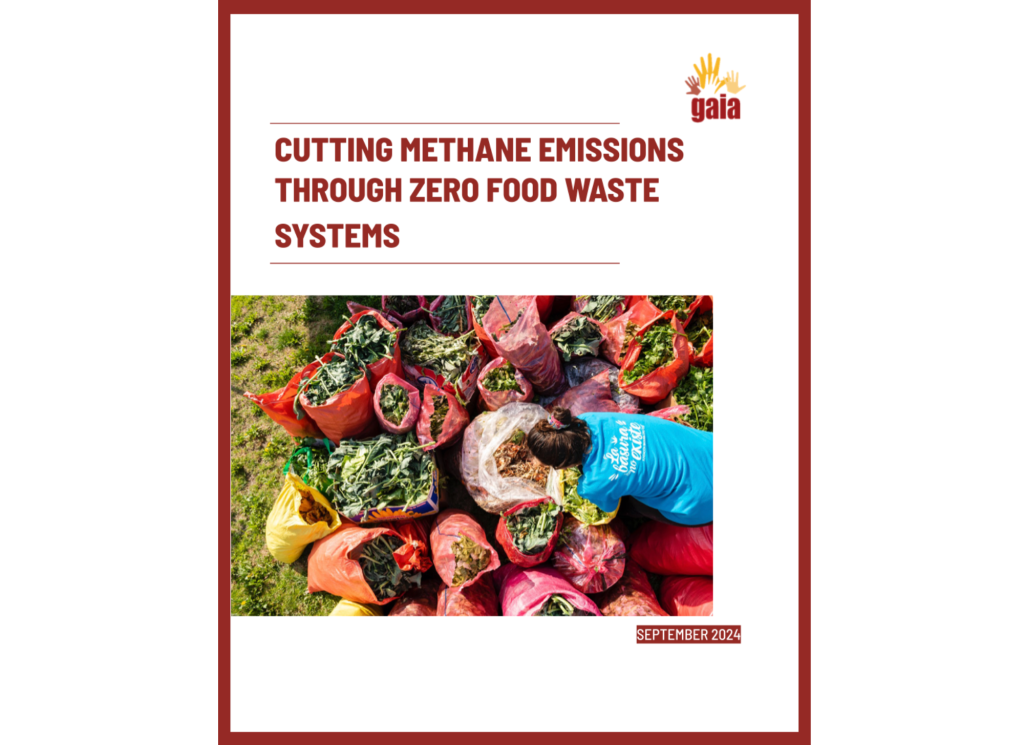
CUTTING METHANE EMISSIONS THROUGH ZERO FOOD WASTE SYSTEMS
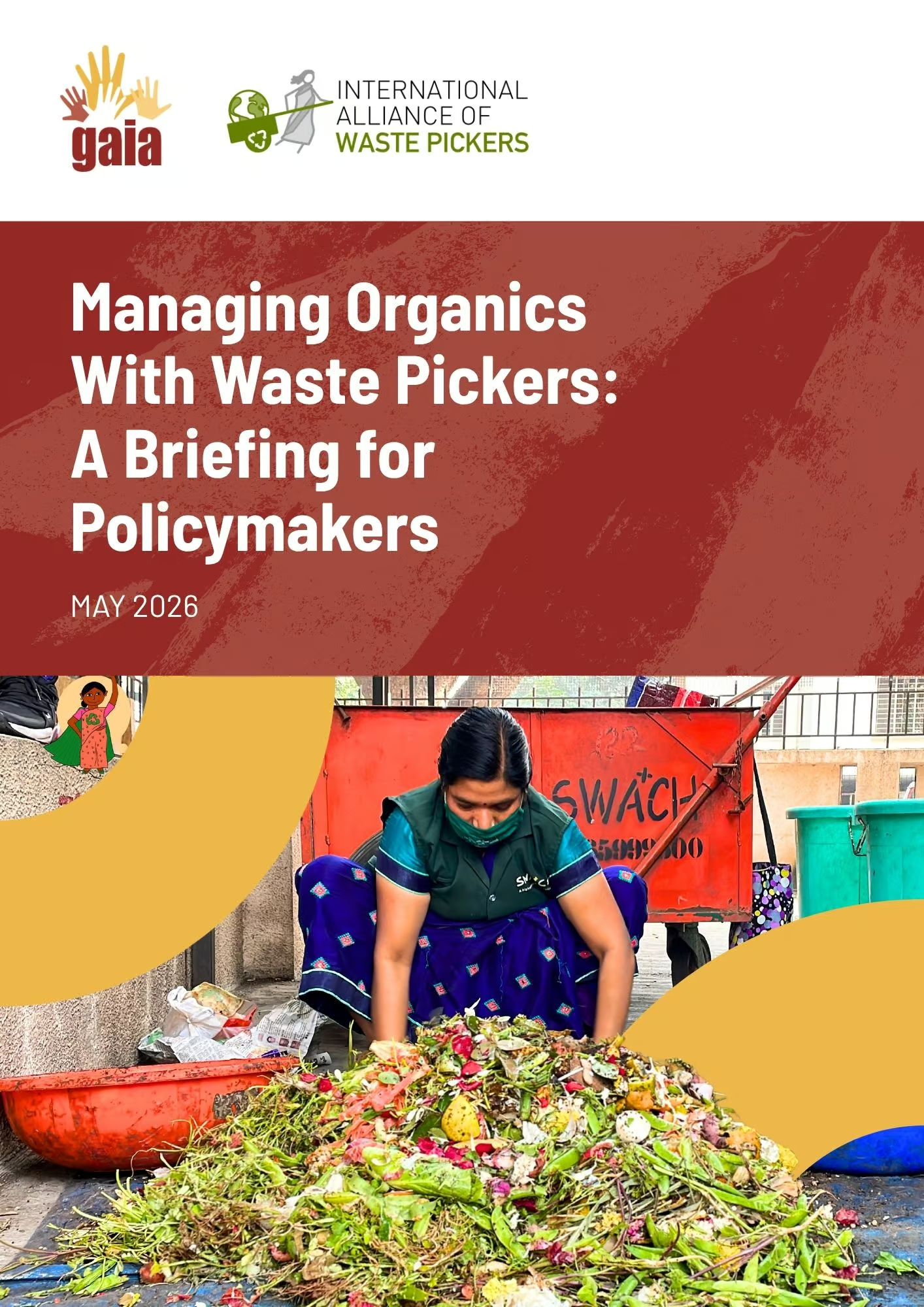
picture of person sorting organic waste

Strong political action is needed to put in motion a pathway to systemically address food loss and waste. Learn how communities work together to prevent food loss and waste through zero waste practices, while reducing methane emissions and keeping global warming below 1.5°C.

In 2022, over 1 billion tonnes of food waste was produced worldwide—equivalent to around 132 kg per person. Food loss and waste is an urgent global issue with significant social, economic, and environmental implications. According to the United Nations Environment Programme, this represents an economic loss of more than 1 trillion dollars, affecting actors throughout the value chain, from small and large producers to vendors, distributors, and consumers. Outrageously, almost 800 million people suffer from hunger and 15 million children under five years old are malnourished. 

Embracing zero waste strategies linked with food systems is not merely an option—it is necessary to achieve significant climate and social benefits for current and future generations. Strong political action is needed to put in motion a pathway to systemically address food loss and waste. The moment to take bold, decisive action is now. Learn how communities work together to prevent food loss and waste through zero waste practices, while reducing methane emissions and keeping global warming below 1.5°C.