¿Necesitamos un tratado sobre el reciclaje deplásticos y puede este poner fin a lacontaminación por plásticos?
- Plástico -
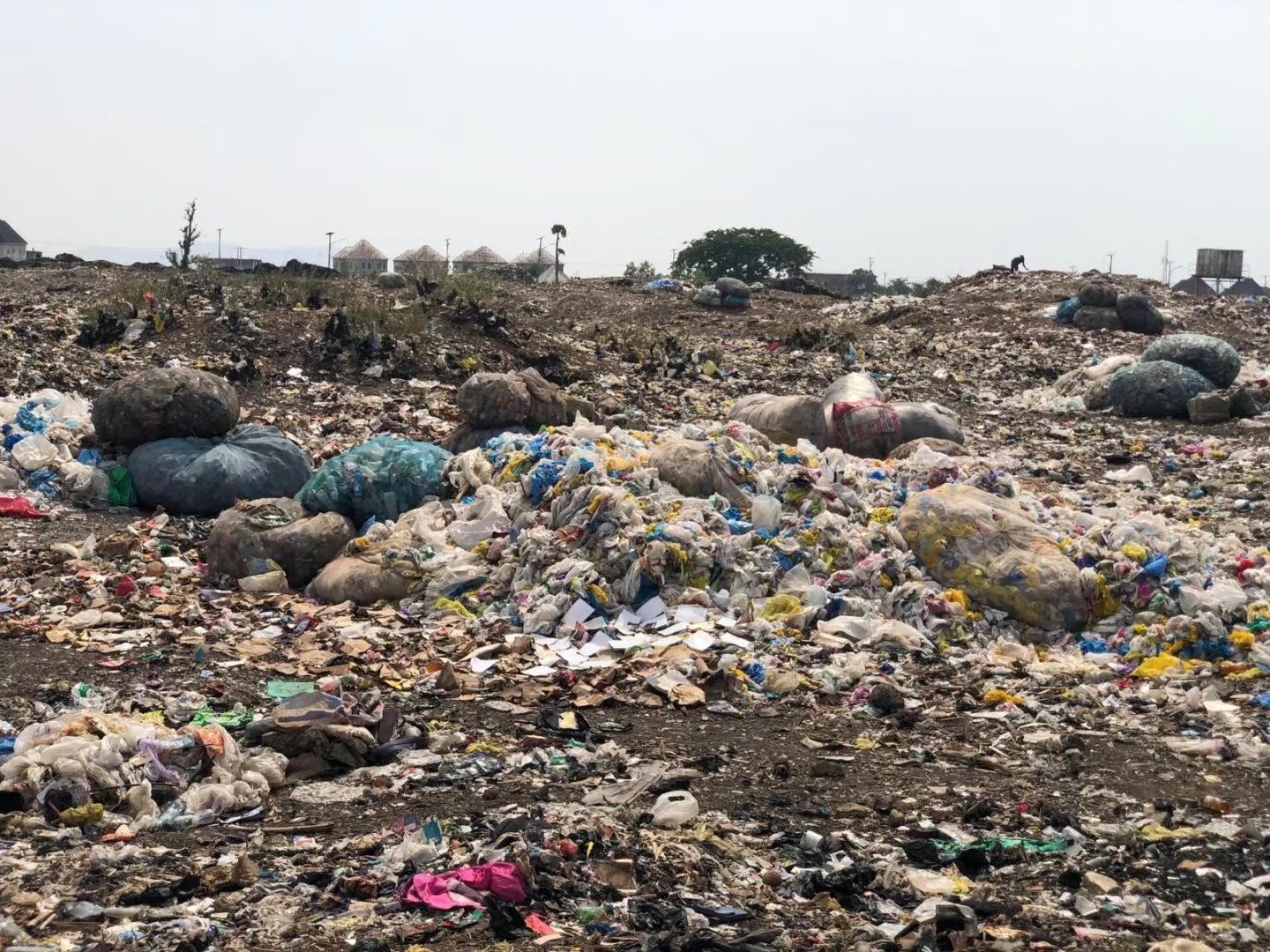
El mundo exigió —y la Resolución 5/14 del PNUMA lo dispuso— un instrumento global para poner fin a la contaminación por plásticos, que incluyera medidas a lo largo de todo el ciclo de vida de los plásticos. ¿Puede cumplir con este objetivo un tratado que evita los controles sobre la producción de plástico y, en cambio, se enfoca únicamente en el reciclaje y la quema de plásticos? ¿Es un enfoque que prioriza el reciclaje serio y efectivo, o es un planteamiento engañoso que perpetúa la sobreproducción de plástico y la contaminación, y destruye nuestro clima?
Related Resources
Nous faut-il un traité sur le recyclage duplastique – et peut-il mettre fin à la pollution plastique ?
- Plastic -
La communauté internationale a réclamé un instrument mondial pour mettre fin à la pollution par les plastique, équipé de mesures couvrant l’ensemble de leur cycle de vie - et la résolution 5/14 du PNUE a ordonné a ordonné sa mise en place. Un traité qui laisse le champ libre à la surproduction, et se focalise uniquement sur le recyclage et l’incinération des plastiques, peut-il être efficace ? L'approche du tout-recyclage est-elle sérieuse et efficace, ou s’agit-il d’un discours trompeur qui perpétue la surproduction de plastique et la pollution, tout en portant atteinte à notre climat?
Related Resources
Do we need a plastic recycling treaty -and can it end plastic pollution?
- Plastic -
The world demanded - and UNEP Resolution 5/14 mandated - a global instrument to end plastic pollution, including measures along the full life cycle of plastics. Can a treaty that avoids controls on plastic production, and instead focuses only on recycling and burning plastics, deliver? Is a recycling-first approach serious and effective, or deceptive framing that perpetuates plastic overproduction and pollution and trashes our climate?
GAIA is engaging with the Zero Waste Forum (taking place in Istanbul, Türkiye June 5-7, 2026) to uplift the vital importance of community-led zero waste solutions that address climate change, reduce reliance on waste disposal, and improve environmental health. These approaches are designed to stop waste before it starts, and move away from relying on waste disposal in landfills and incinerators. This means adhering to the definition of zero waste as set by the Zero Waste International Alliance:
“Zero Waste: The conservation of all resources by means of responsible production, consumption, reuse, and recovery of products, packaging, and materials without burning and with no discharges to land, water, or air that threaten the environment or human health.”
The Global Zero Waste Forum 2026 brings together policymakers, environmental organizations, researchers, and community leaders to advance sustainable waste management solutions. As a global network of organizations working toward a world without incineration, GAIA is showcasing proven zero waste strategies that reduce methane emissions, strengthen local economies, support waste picker livelihoods, and advance climate justice.
When GAIA was founded more than 25 years ago, zero waste was often considered a utopian idea. Since then, GAIA members around the world have demonstrated how zero waste systems can help cities reduce waste, fight climate change, protect public health, and support local economies.
Working alongside city officials and community organizations, GAIA members have helped design and implement successful zero waste projects, including waste prevention programs and policies, composting, and reuse and recycling systems led by waste picker organizations. These community-led solutions have become a model for municipalities worldwide and continue to inspire the rapidly growing global zero waste movement.
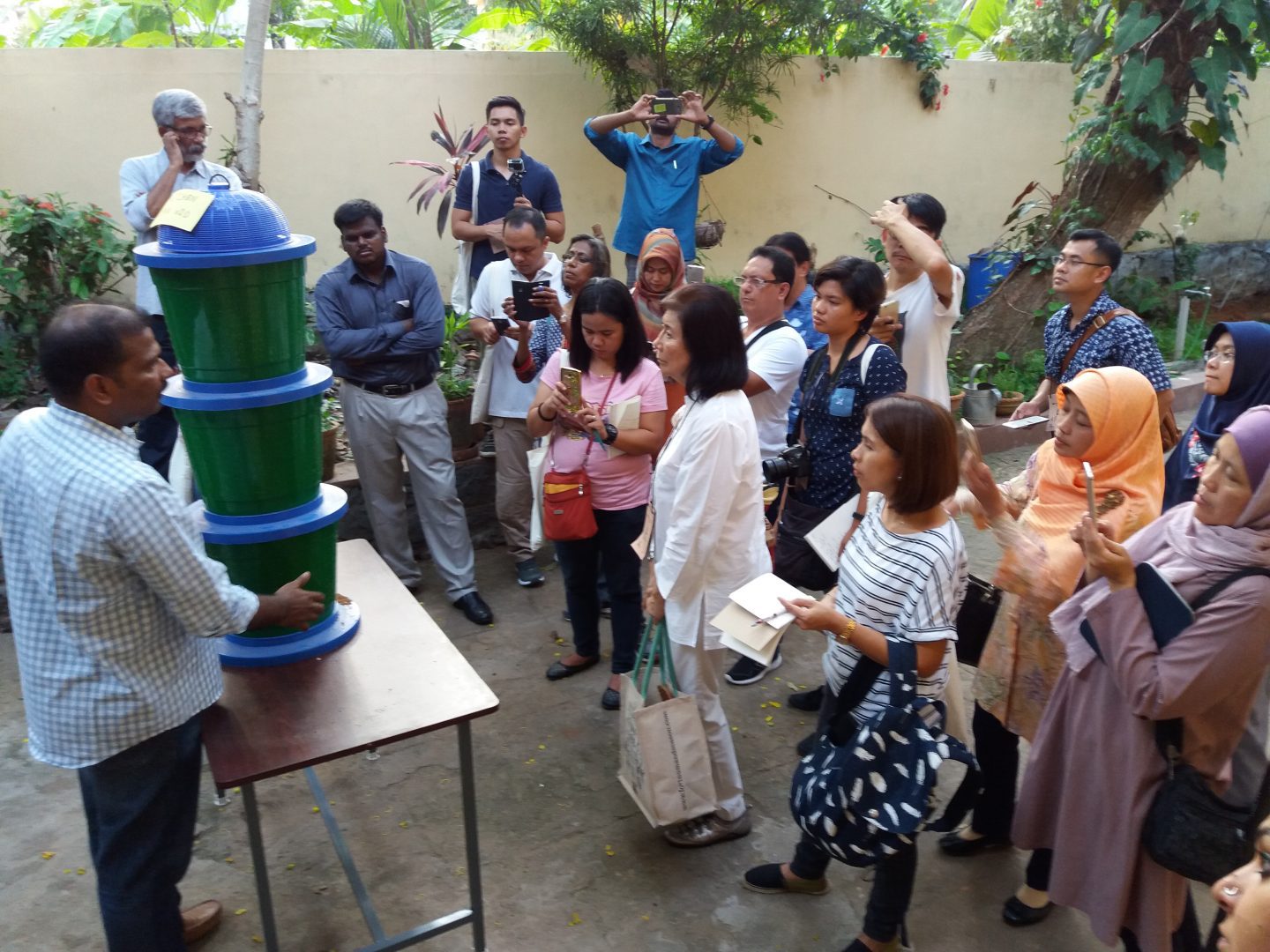
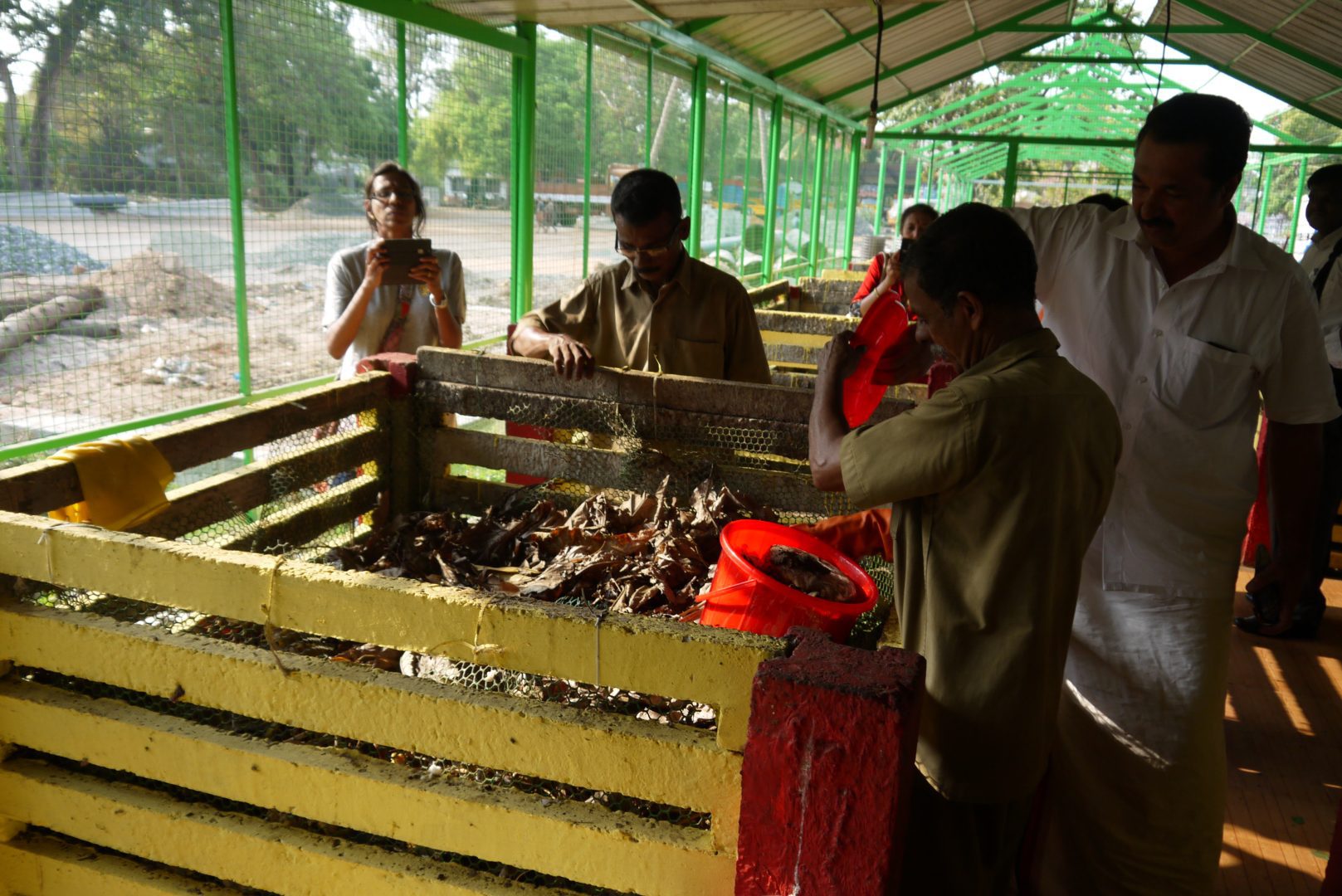
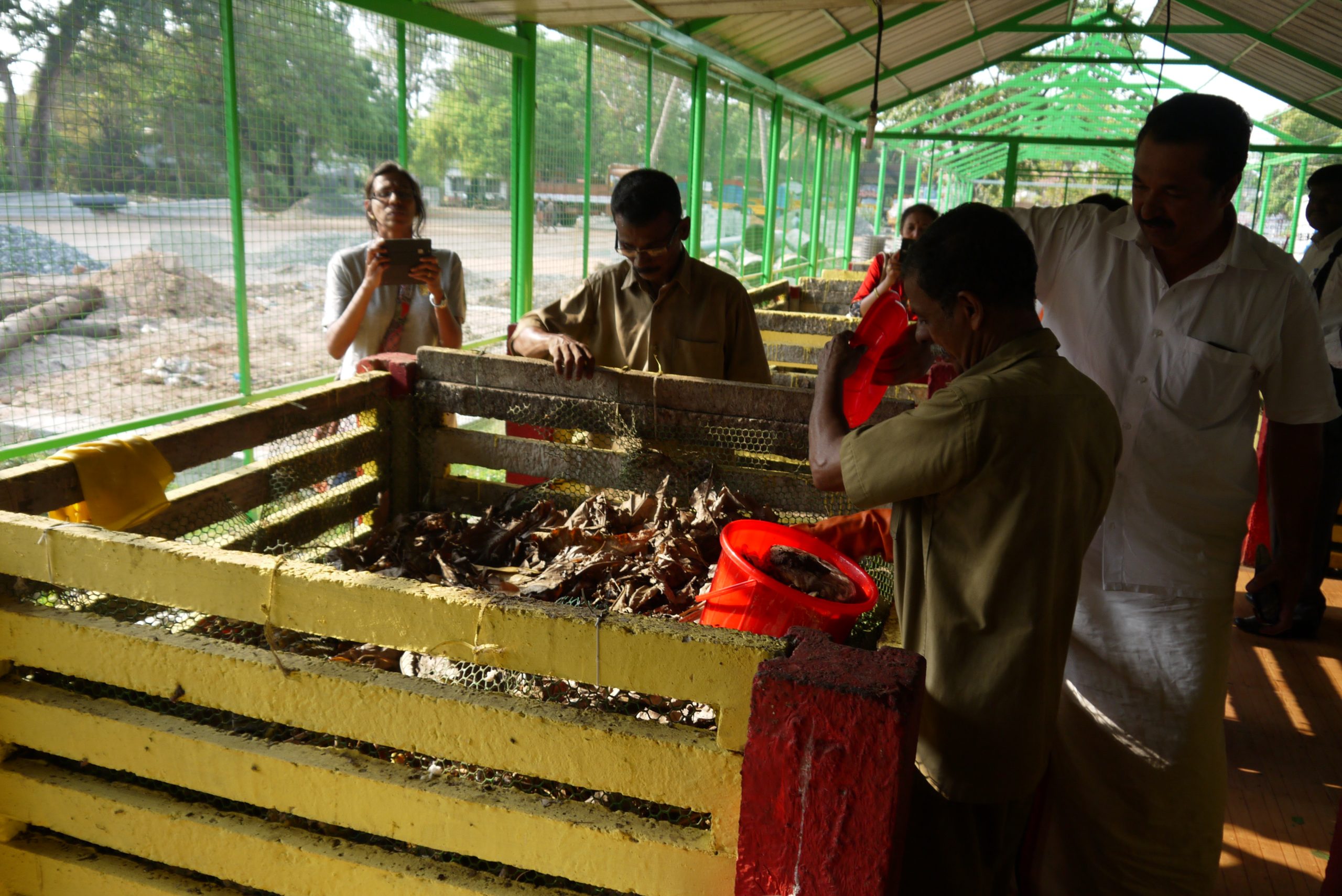
India Organics Study Tour held on April 18 25 2017
GAIA
kmgaia001gmailcom
Zero Waste organics management composting India
Connect With Us!
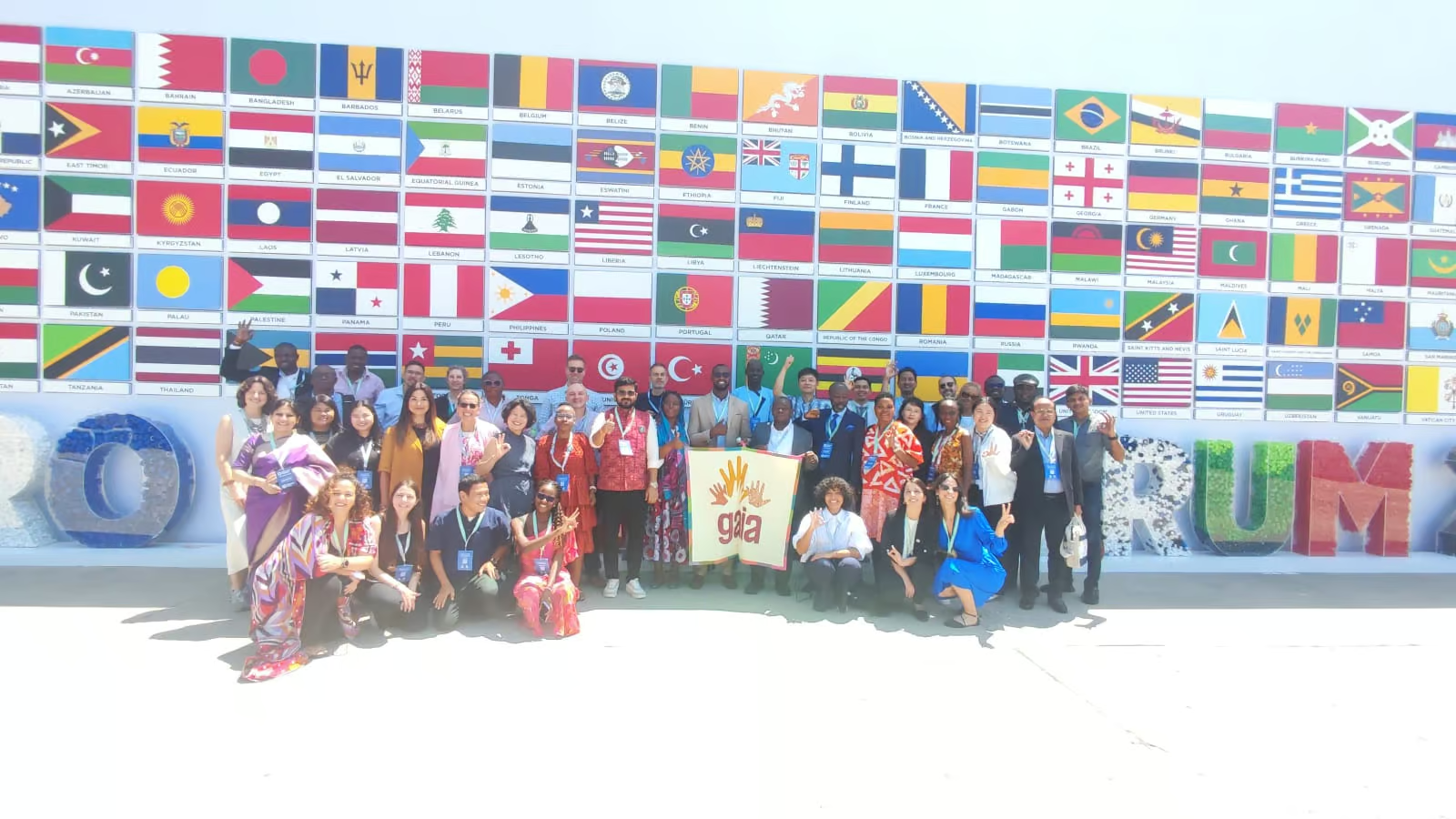
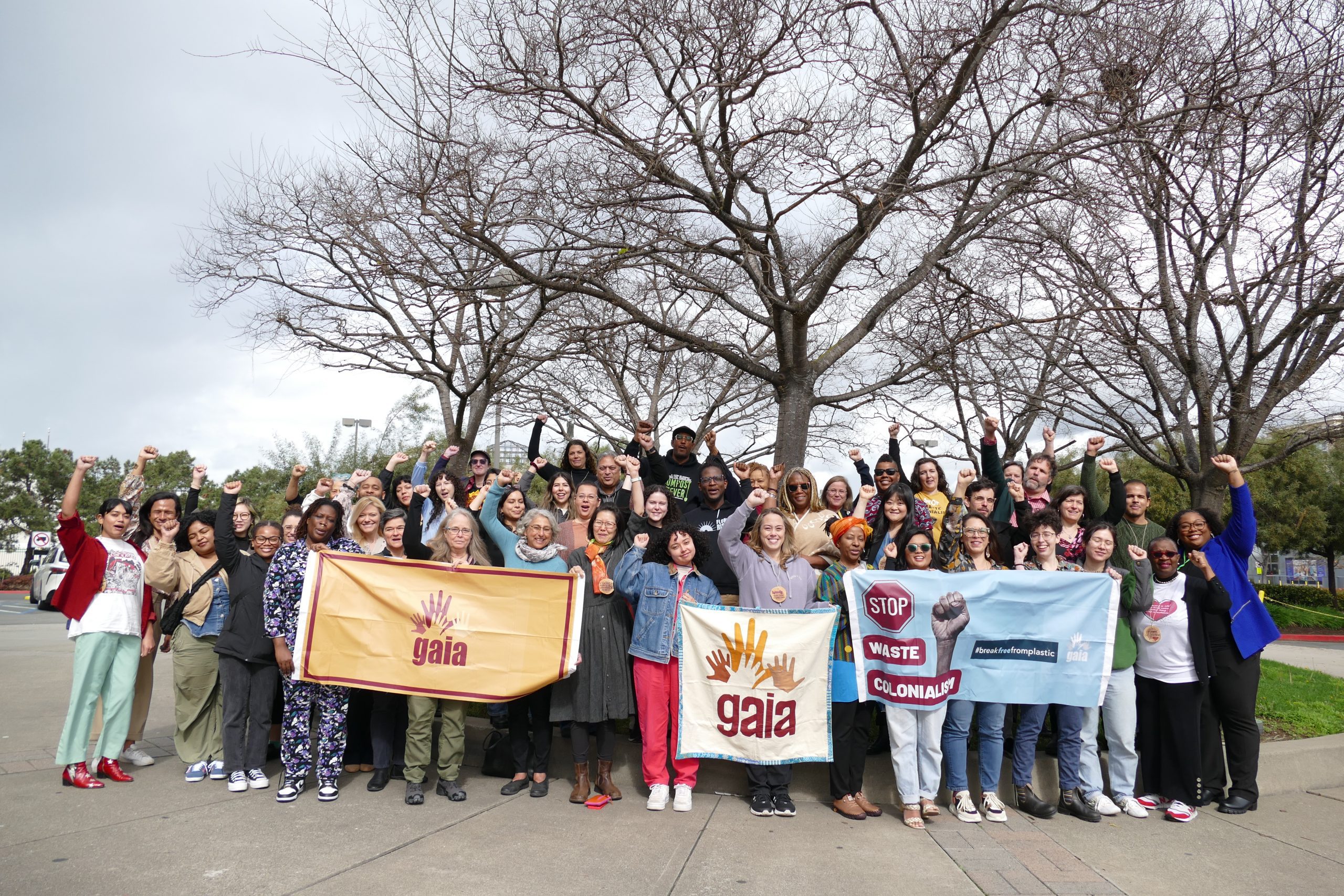
GAIA will have a delegation of over forty members and staff on-the-ground at the Global Zero Waste Forum, both as speakers, moderators, and participants. We would be delighted to meet with you and share our diverse range of zero waste expertise across regions.
Across the world, GAIA members are leading innovative efforts to reduce waste through community-based zero waste solutions. From food recovery programs to reuse systems to outreach and education, these organizations are helping cities save money, improve community health, and reduce climate pollution. The stories below feature GAIA members who will be participating at the forum.
The EU is gradually turning away from Waste-To-Energy (WTE) incineration with major European financial institutions excluding it from financial support, recognizing that the carbon-intensive approach undermines the region’s net neutrality and circular economy goals.
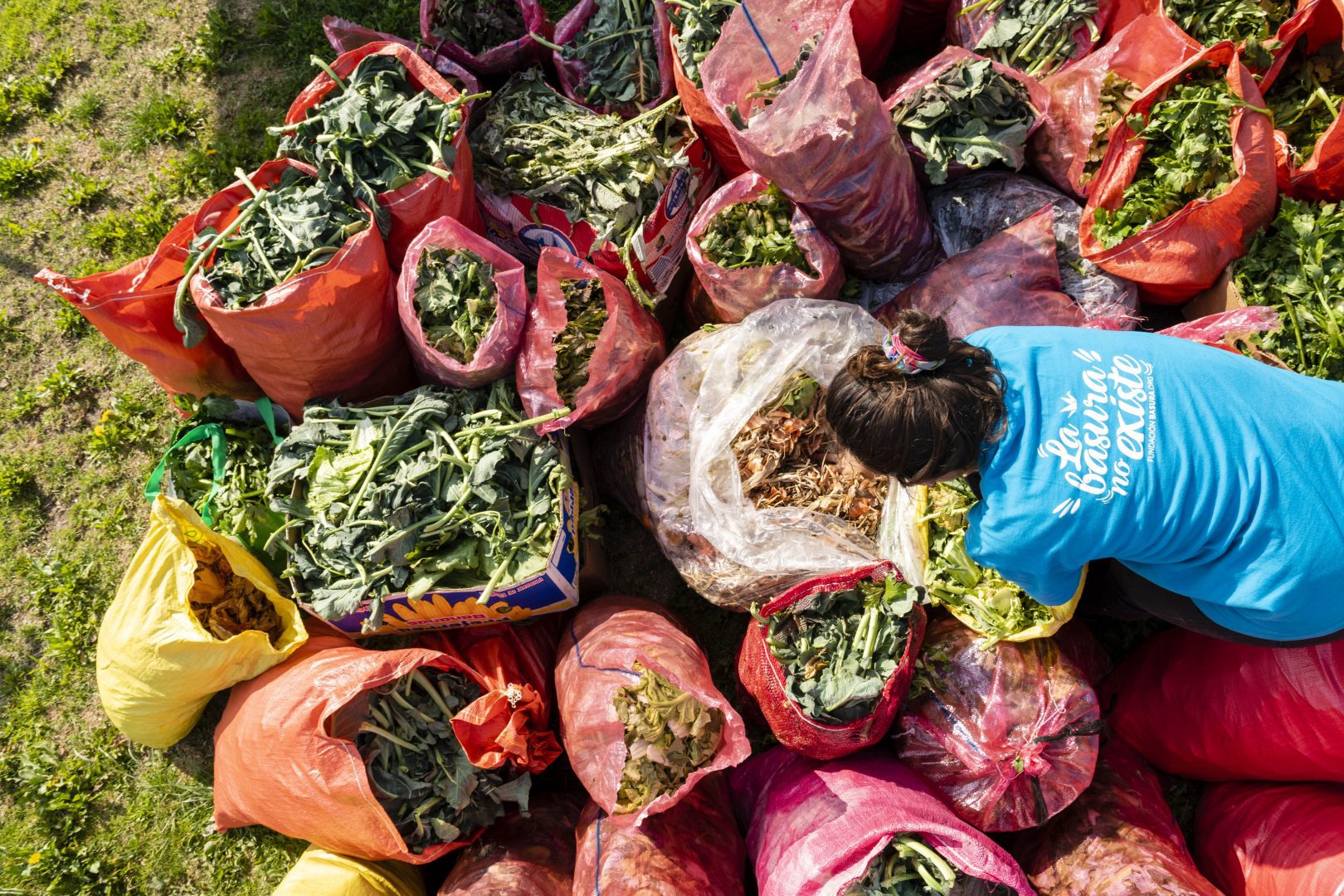
This GAIA member has organized organic waste collection systems in outdoor markets across the Santiago metropolitan region, helping divert food waste from landfills. Over four years, the initiative collected 17.53 tons of food waste, preventing methane emissions equivalent to approximately 1.83 tons of methane while promoting community-based zero waste solutions.
Through its partnership with the community organization Thanal, the city has developed a successful organic waste management program. Within five years, the initiative achieved over 80% compliance in source separation, significantly reducing landfill dependency and environmental pollution while advancing community-based zero waste systems.
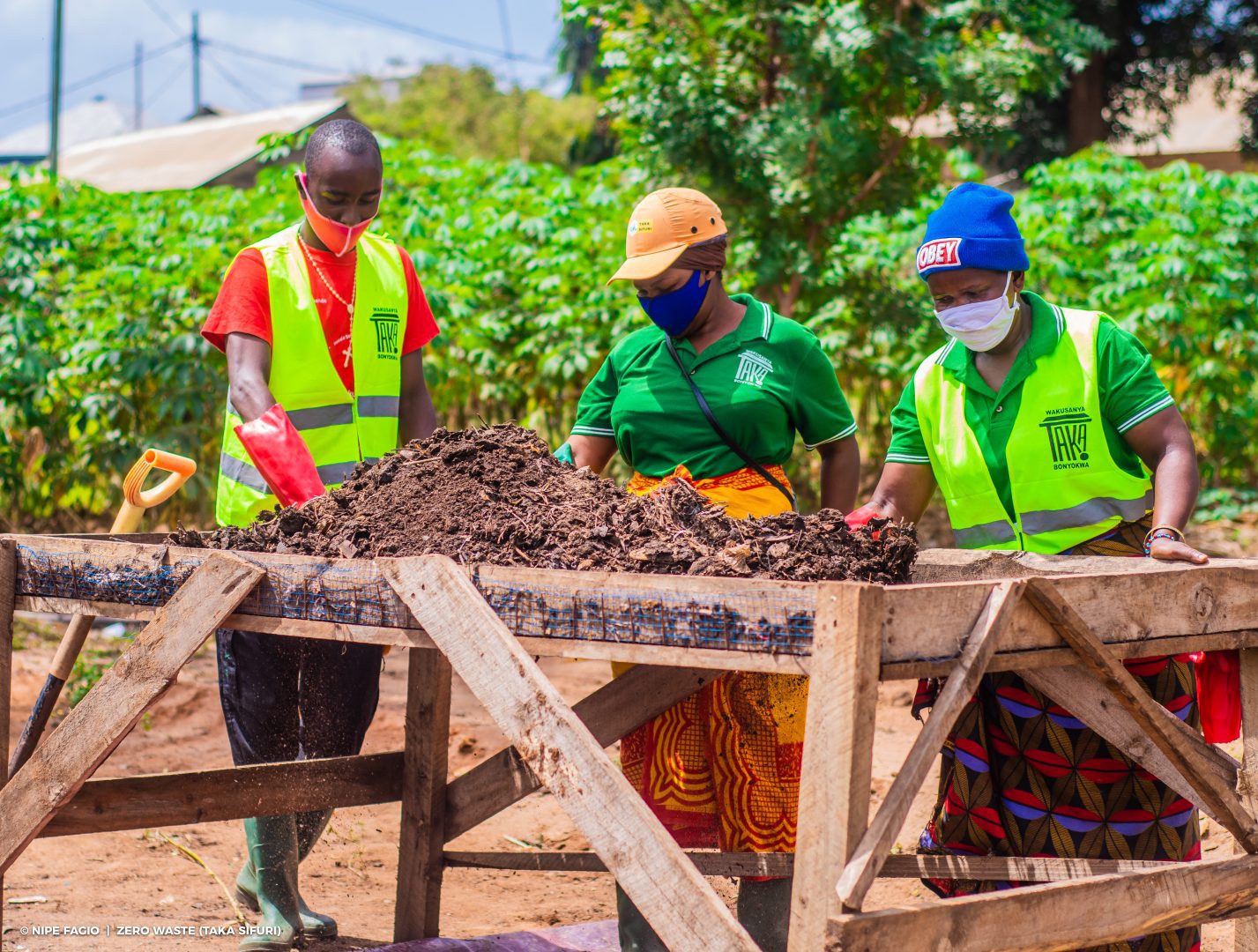
This city’s pioneering community-driven zero waste model, led by Nipe Fagio, integrates waste picker cooperatives and achieves an impressive 95% waste diversion rate. The program significantly reduces methane emissions, strengthens inclusive economic opportunities for waste pickers, and demonstrates how scalable, government-supported zero waste systems can transform urban waste management.
After successfully shutting down a polluting incinerator, neighborhoods most affected by waste burning have transformed their waste systems through community gardens and composting programs. These initiatives help manage organic waste locally, reduce pollution, and demonstrate how community-led zero waste solutions can restore both environmental health and local resilience.
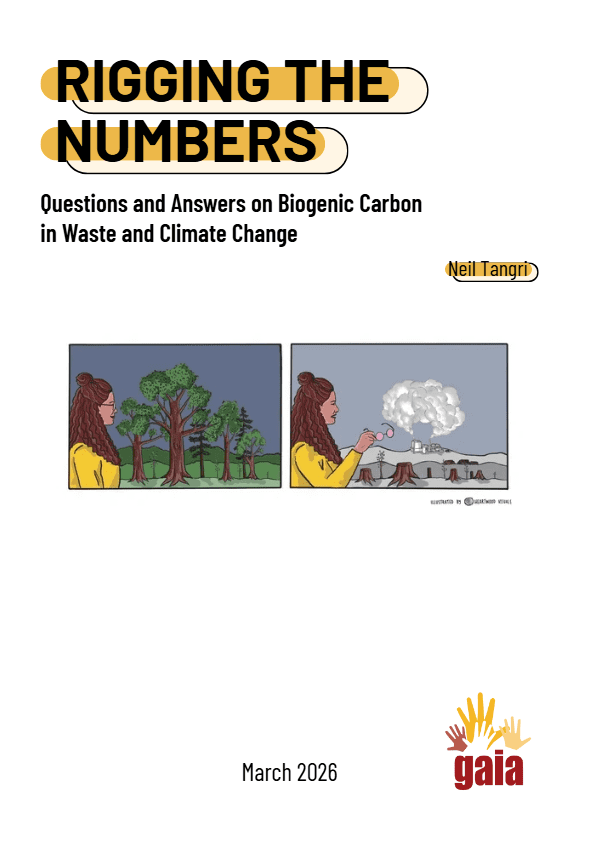
RIGGING THE NUMBERS: Questions and Answers on Biogenic Carbon in Waste and Climate Change
UN Day of ZW 2026 – Climate –
This brief Q&A explains why biogenic CO2 is not inherently climate-neutral, how IPCC inventory guidance is frequently misinterpreted to justify these exclusions, and how waste facilities must report biogenic carbon emissions as well as fossil carbon emissions.
Zero Waste Europe, together with Slow Food created a briefing, aimed at providing support to local municipalities to help reduce food waste through a holistic approach enabling the transition towards a sustainable food system.
The guidance outlines the various actions that a municipality can implement to influence food waste reduction and stimulate its sustainable local food system. The guidance highlights examples of how similar policies have been successfully implemented throughout Europe.
Comprehensive Guidance for effective bio-waste management in the EU
Europe – Food waste –
The LIFE BIOBEST Comprehensive Guidance presents key policy recommendations to strengthen the EU legal framework for bio-waste management. Drawing from extensive research and stakeholder consultation, this document outlines three interconnected areas for improvement: boosting effective models for separate collection and recycling, promoting reliable markets for compost and digestate, and enhancing monitoring and enforcement of bio-waste regulations.
The guidance provides concrete policy measures to help close the gap between current practices and potential capture rates, addressing the fact that only 26% of kitchen waste is currently collected separately in the EU. It proposes specific legally binding targets, economic instruments, and monitoring requirements to support the EU’s transition toward more efficient bio-waste management and healthier soils.
Validated by 21 stakeholders representing 13 entities from across Europe, this document serves as a roadmap for EU policymakers working to improve bio-waste management.
A summary video presenting the key recommendations is available with subtitles in 11 EU languages.
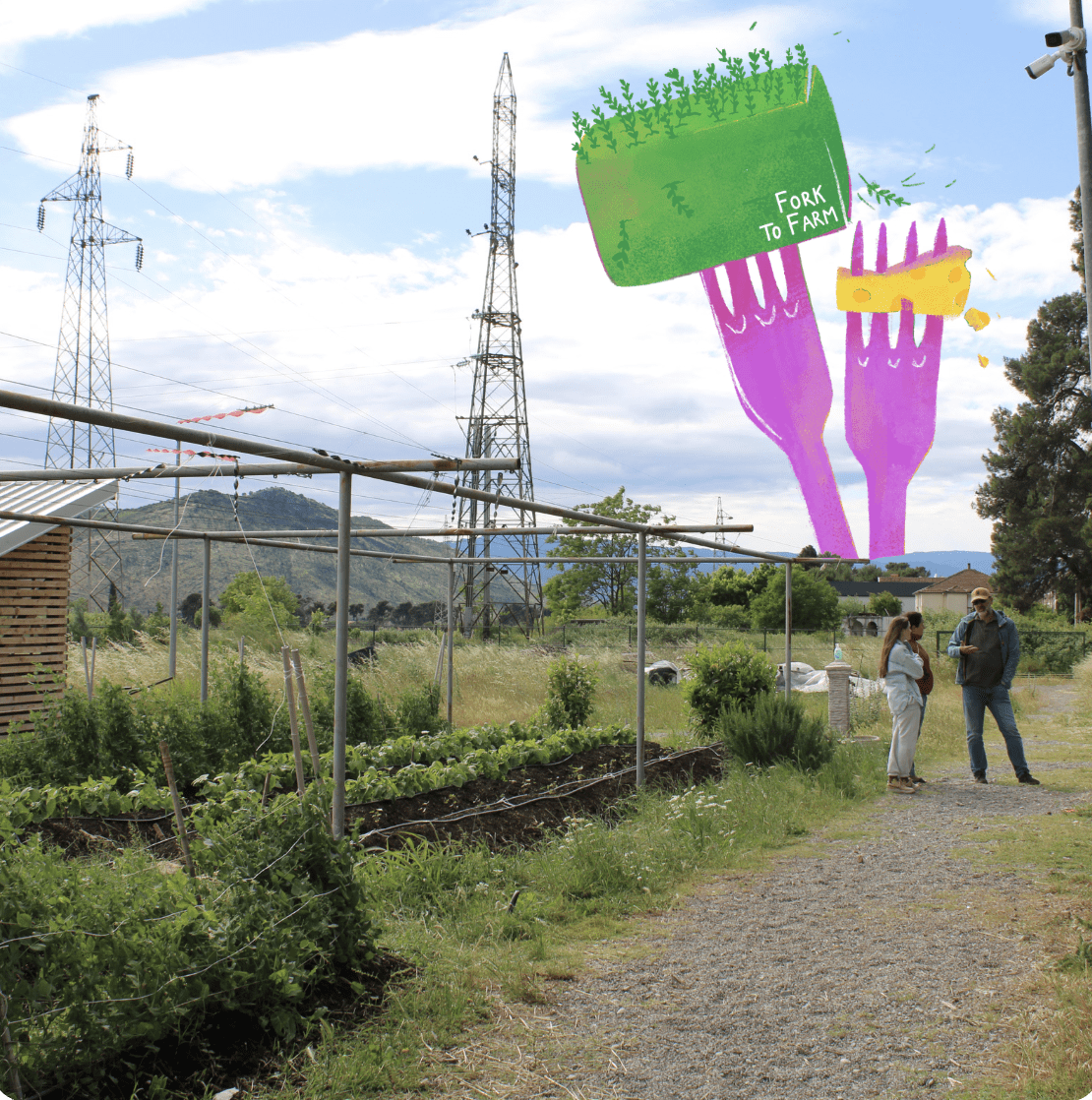
Fighting climate change, one bio-waste bin at a time – how the #ForkToFarm project supports Montenegro’s environmental transition
Europe – Organics –
In this interactive case study, we try to bring to life the work led by our member Zero Waste Montenegro during the #ForkToFarm project between 2024-25.
Montenegro continues to face significant pressure when it comes to its waste management, with organic waste central to this challenge as it represents around 40% of Montenegro’s waste stream. Most municipalities lack operational capacity and sufficient infrastructure for proper organic waste management. But this challenge is also an opportunity, given the speed at which decentralised, community-driven solutions can be implemented at a low cost to local authorities.
This case study combines data and qualitative analysis with visual footage and content of the work done by Zero Waste Montenegro over the last 2 years to improve the amount of organic waste which is composted rather than landfilled in its partner communities, which includes the capital city, Podgorica. It showcases the first working examples of decentralised organic waste solutions and their successful impact, with videos and interviews with the leaders behind these progressive policies.
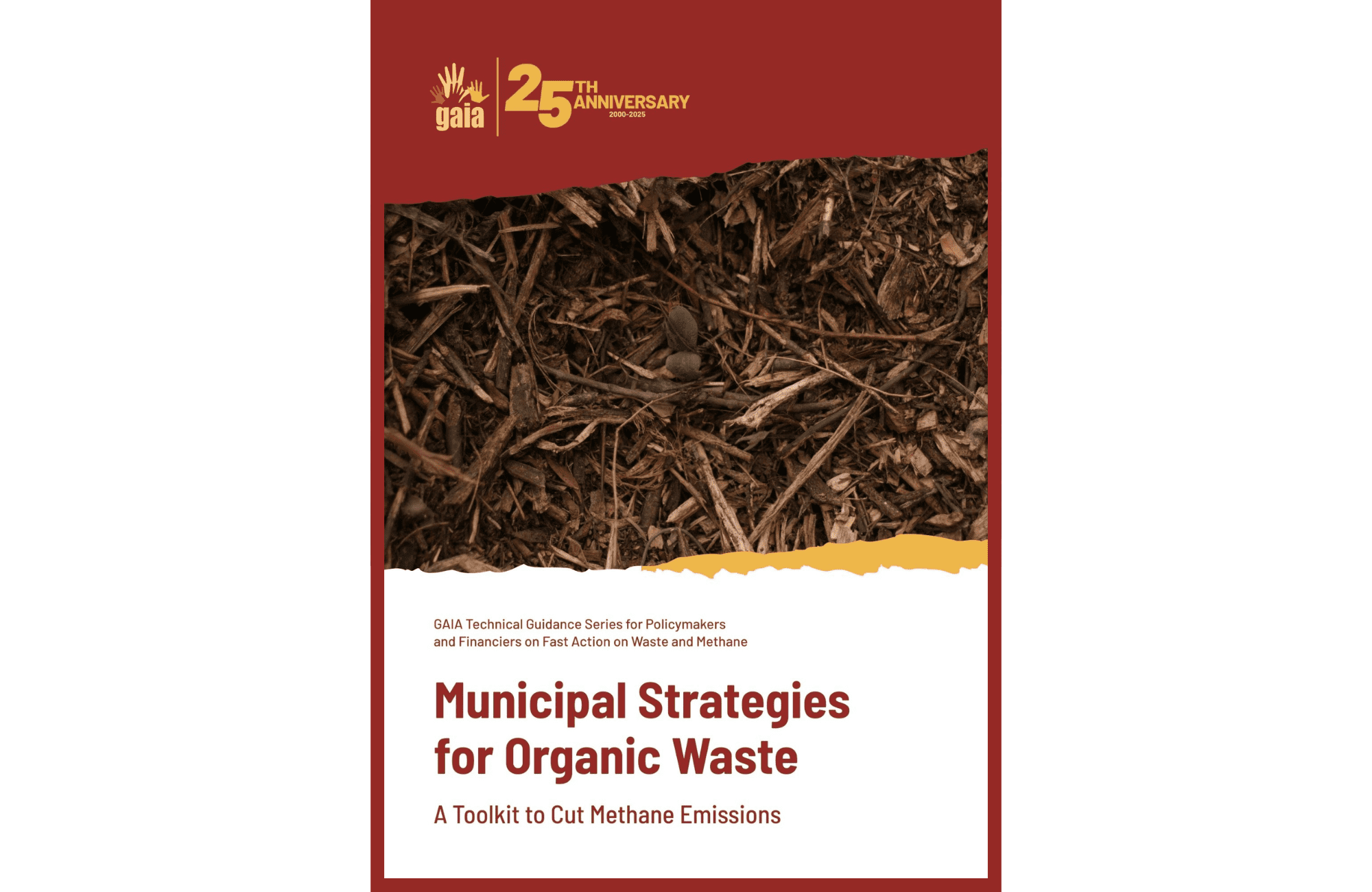
Municipal Strategies for Organic Waste: A Toolkit to Cut Methane Emissions
UN Day of ZW 2026 – Climate –
Municipal Strategies for Organic Waste: A Toolkit to Cut Methane Emissions is the 1st of the GAIA Technical Guidance Series for Policymakers and Financiers on Fast Action on Waste and Methane. Following commitments within the Global Methane Pledge and the COP29 Declaration to Reduce Methane from Organic Waste (ROW declaration), signatory countries have pledged to significantly reduce waste methane emissions by 2030. While this will pose an increase of political and financial resources driven towards the waste sector, there is a need to ensure the implementation of measures to reduce methane emissions is aligned with the Environmental Justice Principles for Fast Action on Waste and Methane.
This toolkit introduces six key strategies to help municipalities reduce methane emissions from organic waste: animal feed, composting, vermicomposting, anaerobic digestion, black soldier fly processing, and landfill biocovers. The primary objective is to prevent organic waste from reaching landfills by prioritizing diversion and resource recovery.
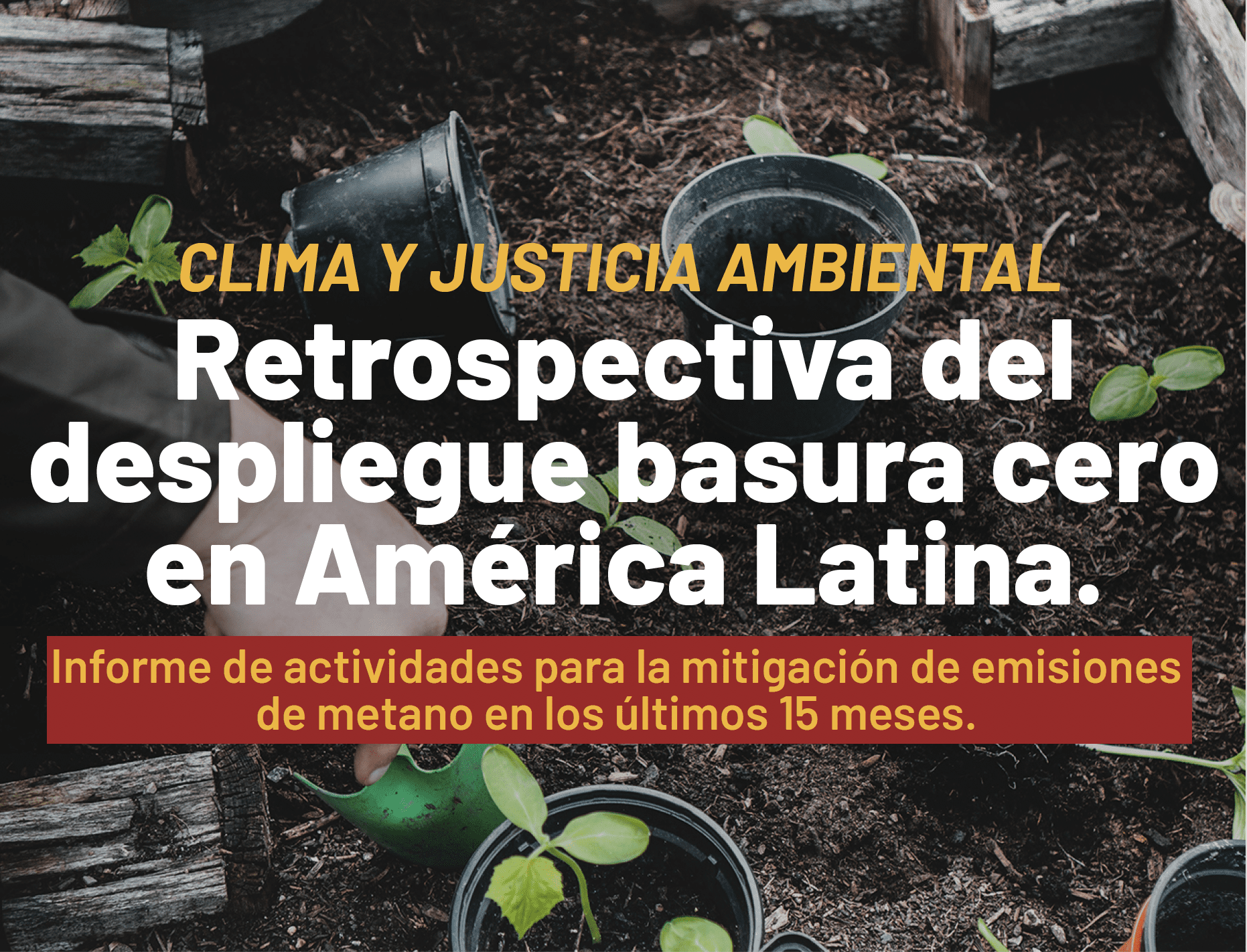
Retrospectiva del despliege basura cero en América Latina
Latin America & the Caribbean – Basura cero –
Informe de actividades para la mitigación de emisionesde metano en los últimos 15 meses.
Si bien GAIA trabaja hace casi 25 años visibilizando, y ayudando a articular proyectos basura cero para poner en vitrina. El lanzamiento de la Global Methane Pledge (el compromiso global del metano) en Glasgow en 2021 cataliza una serie de proyectos y financiamientos en torno a la mitigación de emisiones de metano. Las membresías de GAIA en América Latina han podido concretar proyectos ambiciosos, conectar mejor diversas demandas de gestión de residuos, y en particular definir mejor las pautas por donde deben ir las políticas climáticas para continuar fortaleciendo el movimiento, y de esta manera escalar su implementación.
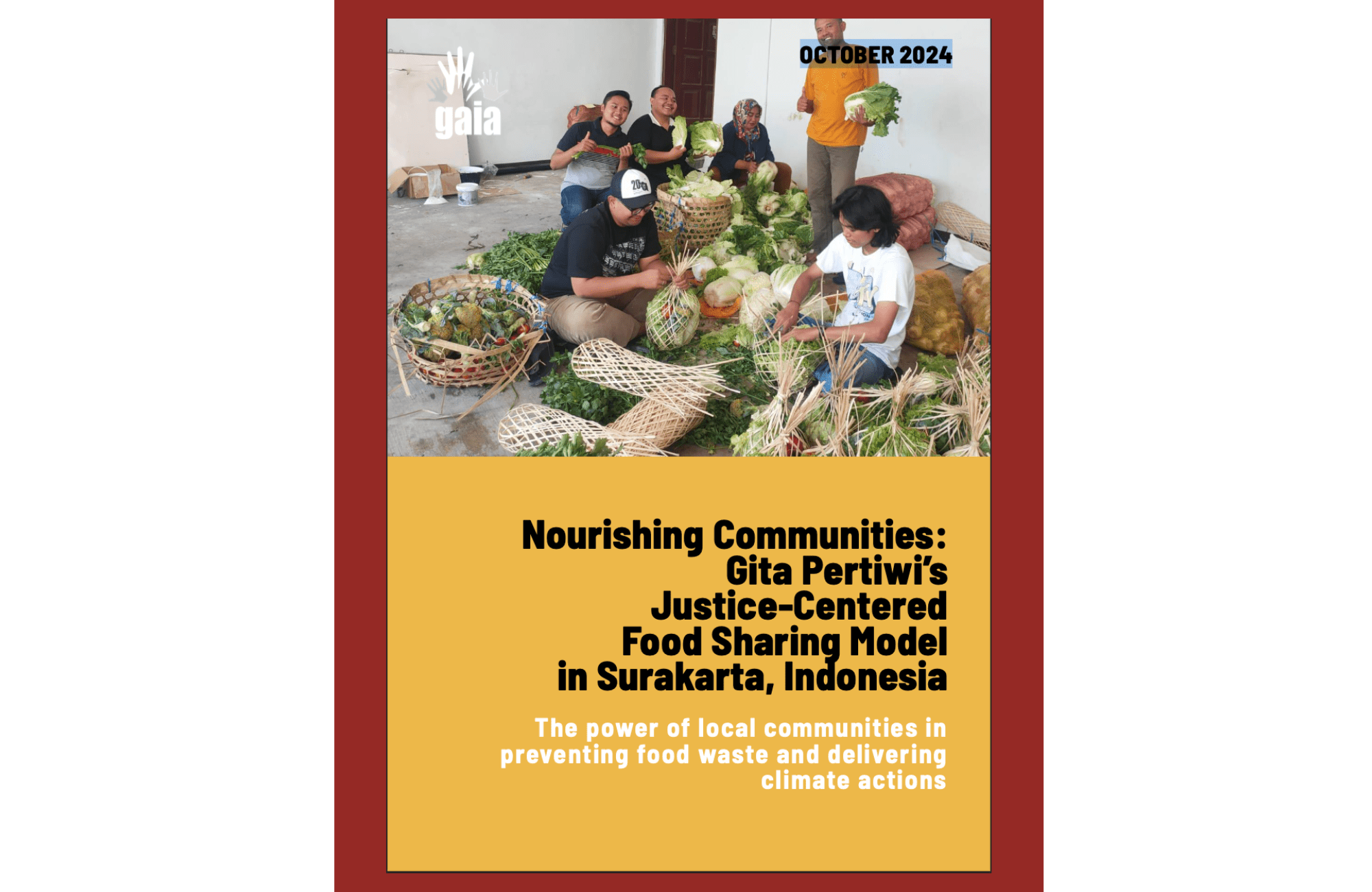
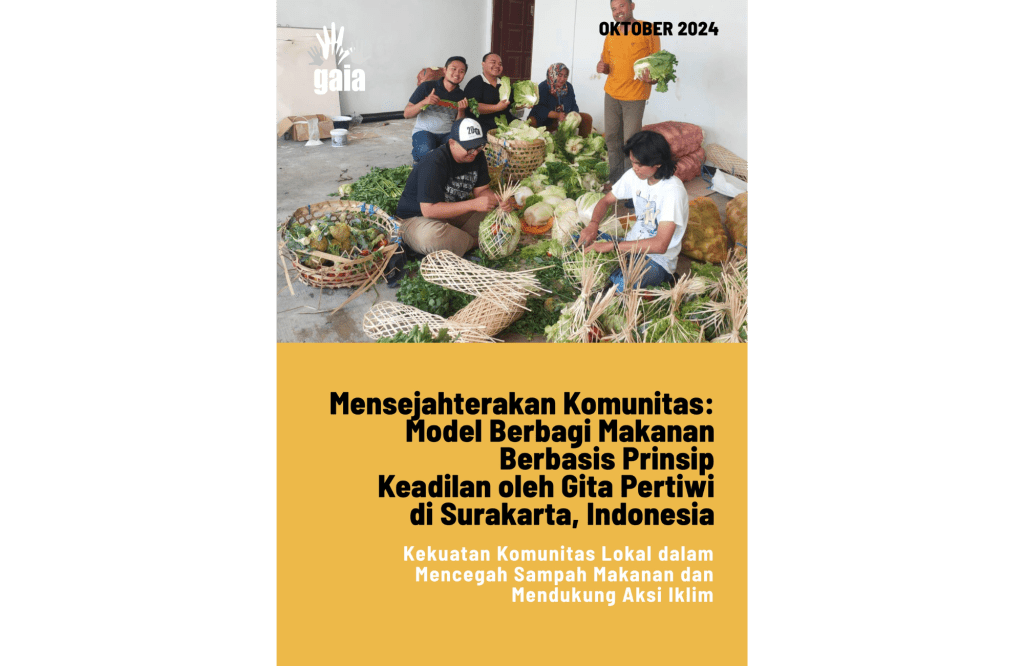
Nourishing Communities: Gita Pertiwi’s Justice-Centered Food Sharing Model in Surakarta, Indonesia
UN Day of ZW 2026 – Climate –
According to the UN Environment Programme’s Food Waste Index Report 2021, Indonesia is the largest food waste producer in Southeast Asia. The report found that around 20.93 million tons of food waste are produced annually in Indonesia. According to data from the Ministry of Environment and Forestry of Indonesia (Kementerian Lingkungan Hidup dan Kehutanan), in 2023, Indonesia’s food waste accounted for 40.73% of the total waste composition, or approximately 13,743,661 tons per year.
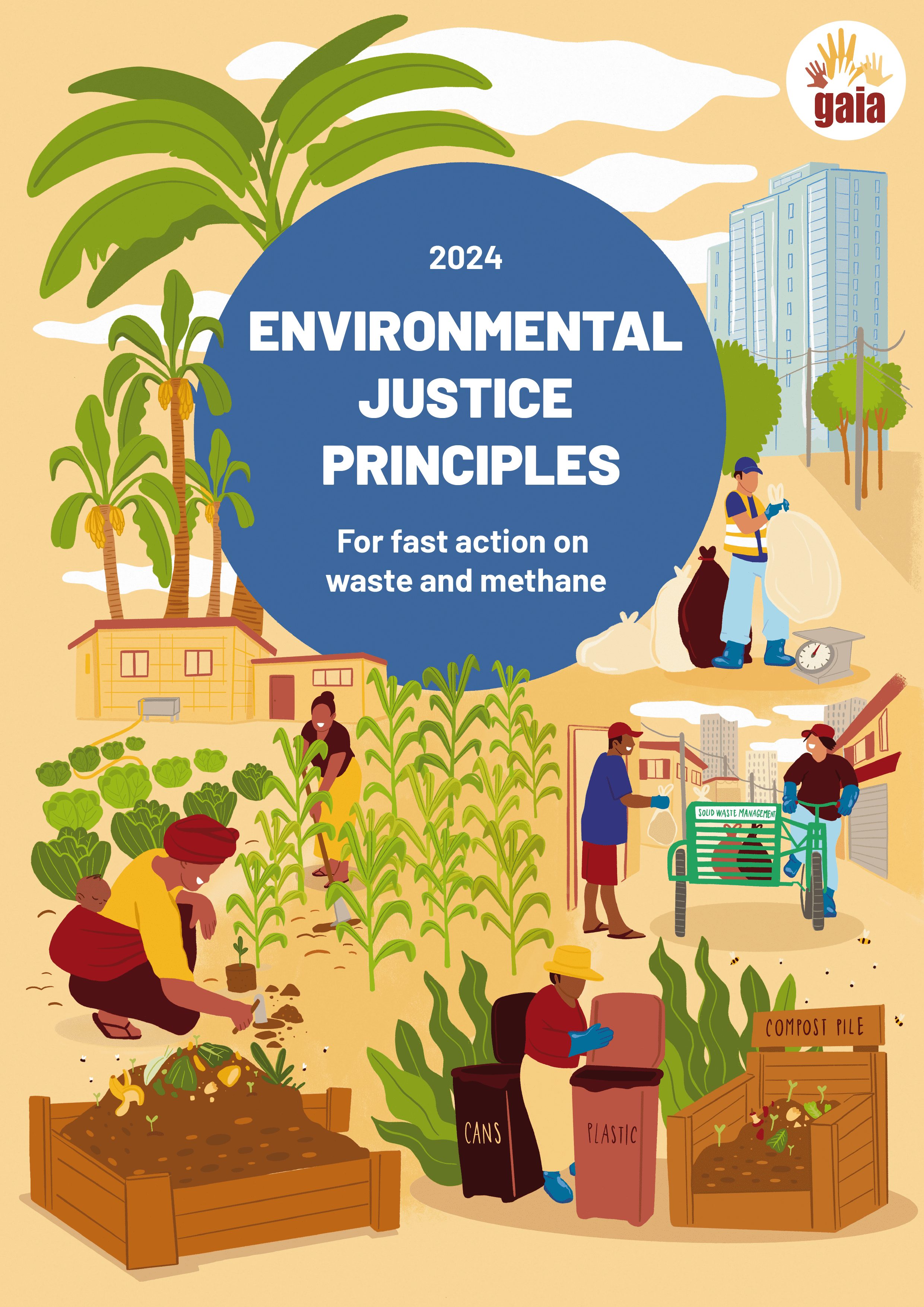
Environmental Justice Principles for Fast Action on Waste and Methane
UN Day of ZW 2026 – Climate –
Environmental justice is key to ensuring climate solutions that are fair, just, and sustainable in the future. Up until now, and despite its importance, there has been no central set of values and principles to guide decision-makers in order to ensure that the right steps are being taken to incorporate justice into national plans for methane reduction. The Framework includes a vision for systems change towards zero waste, climate justice, and quick action on methane reduction. Furthermore, it outlines five EJ principles for the waste sector. It is also complemented with guidance for policymakers and checklists for NDCs that are anchored to the five principles. Successful implementation of organic waste diversion in line with EJ principles builds community, waste worker, and local government buy-in and demonstrates the practical effectiveness of these strategies, including important co-benefits in livelihoods and environmental health.
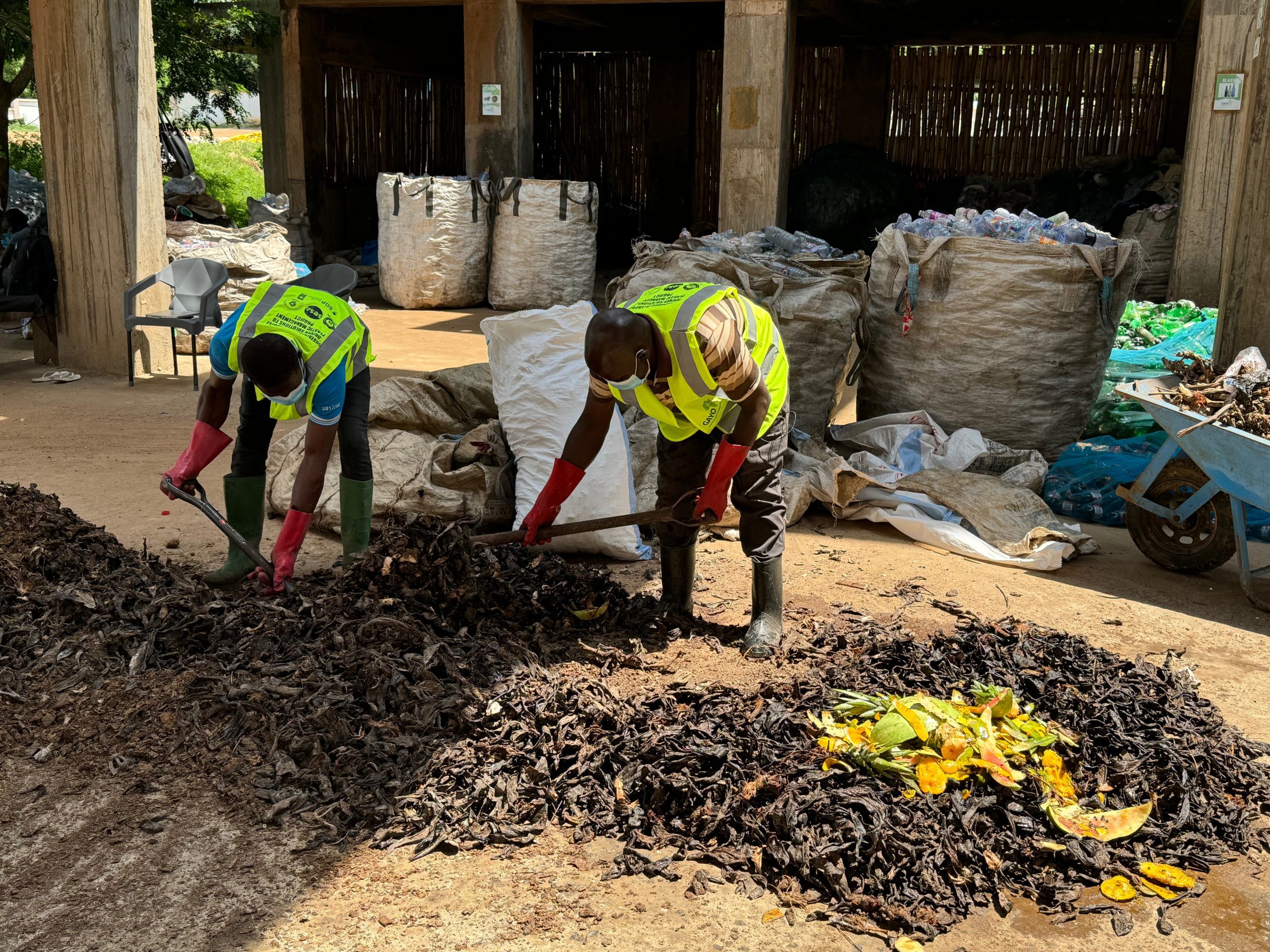
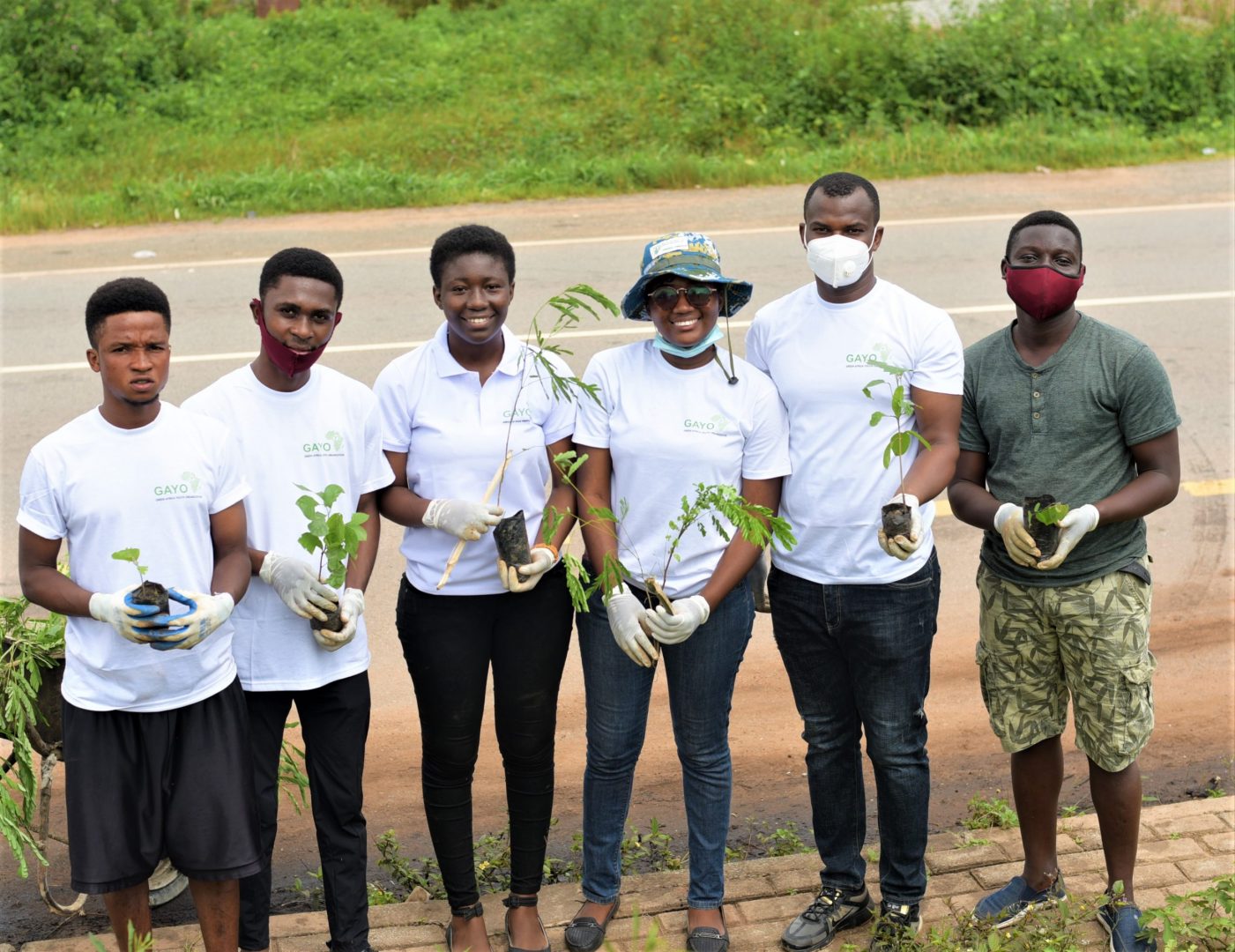
Zero Waste Stories From Africa is a compilation of zero waste case studies from six different African countries. This publication celebrates the grassroots organisations leading these zero waste initiatives by documenting how their zero waste models work, best practices and the milestones in these projects. These organisations include: Association Zéro Déchet Sénégal, Centre for Environment Justice and Development (CEJAD), Environmental Rights Action/ Friends of the Earth, Nigeria (ERA/FOEN), Green Africa Youth Organisation (GAYO), Nipe Fagio, groundWork (gW), Asiye-eTafuleni (AeT), Urban Futures Centre (UFC) from the Durban University of Technology (DUT), Zero Waste Association of South Africa (ZWASA).
Zero Waste to Zero Emissions: How Reducing Waste is a Climate Gamechanger
UN Day of ZW 2026 – Climate –
A new report by the Global Alliance for Incinerator Alternatives (GAIA) provides the clearest and most comprehensive evidence to date of how better waste management is critical to the climate fight, while building resilience, creating jobs, and promoting thriving local economies.
With organics making up more than 50% of solid waste in Asia, managing this waste stream will have a huge impact on waste management and the reduction of methane emissions.
With superb illustrations and easy-to-follow instructions, “Back to Earth” encourages people to explore every facet of composting: whether in a sprawling backyard or in a limited space such as a high-rise apartment, composting can be customized to suit any situation.
The most important message, however, is that composting is a simple and yet effective step anyone can take to help alleviate the burden on our landfills, replenish soil nutrients, and reduce carbon and methane emissions.
GAIA members and staff will be appearing as speakers and moderators at a multitude of events during the Zero Waste Forum, as listed below. We hope attendees will join us for many engaging sessions!