Climate

New assessment urges a climate-smart approach to Indonesia’s waste sector amid landfill crises and growing climate finance opportunities.

Bandung, 03 June 2025 — Composting organic waste and implementing decentralized zero waste strategies could enable Indonesia to meet its climate targets in the municipal solid waste sector while addressing its escalating landfill crisis. A new assessment by Global Alliance for Incinerator Alternatives (GAIA) finds that focusing on source separation, separate waste collection and decentralized organic waste treatment—such as composting, biodigesters, and Black Soldier Fly (BSF) farming—offers the most effective, inclusive, and climate-smart approach to reduce methane emissions, the dominant climate pollutant from Indonesia’s waste sector.

Dwi Sawung, Spatial and Infrastructure Campaign Manager of WALHI comments, “Putting communities and climate at the heart of Indonesia’s climate ambition is a must, particularly with the Indonesia government’s latest plan to close 343 open dumping sites, or simply dumpsites, nationwide. We must ensure that this critical action is paired with a genuine just transition—one that protects the livelihoods of over 600,000 waste pickers and informal workers and equips them for new opportunities in decentralized organic waste treatment.”

He adds,  “By embedding meaningful consultation, targeted support programs, and dedicated financing for community‑ and waste‑picker‑led composting, biodigestion, and black soldier fly initiatives into the closure plan, put them as part of new waste management system, we can close dumpsites without leaving anyone behind—and chart a truly inclusive path to a zero‑waste, zero‑emission future.” 

Indonesia generates over 32 million tonnes of waste annually, with more than 50% made up of organic materials like food and garden waste. Methane from this unmanaged organic waste accounts for 56% of Indonesia’s total methane emissions, making waste the country’s largest methane-emitting sector. Yet, Indonesia’s current climate strategy leans heavily on costly, polluting end-of-pipe technologies such as Waste-to-Energy (WTE) incineration and Refuse-Derived Fuel (RDF), which are poorly suited to Indonesia’s wet waste and risk shifting methane to long-lived CO₂ emissions. These solutions have also triggered public backlash and project failures across the country, including at the Rorotan and Jimbaran RDF facilities.

“Separate waste collection and decentralized organic treatment have proven to be sustainable and resilient strategies in Bandung,” said David Sutasurya, Director of YPBB Bandung. “These decentralized strategies not only cut emissions, but also create green jobs, strengthen the local economy, and support waste workers and small businesses. They even contribute to food security by producing healthy compost that supports local agriculture—improving the citizens quality of life.”

David Sutasurya also highlights that “Even during the waste emergency, districts practicing zero waste were largely unaffected by landfill closures or fires, and continued reducing methane emissions through community-led systems.”

City-level experiences in Bandung, Cimahi, Karawang, Purwakarta, Sumedang, Gianyar, Solo, and Gresik show that this approach is not only technically viable but also resilient—districts implementing zero waste strategies remained operational during recent landfill closures.

The report, Ramping Up Ambitions on Waste Methane and Just Transition in Indonesia, urges Indonesia to update its Second Nationally Determined Contribution with stronger targets and clear, upstream measures that prioritize source-separated collection, decentralized organics processing, and the inclusion of informal waste workers.

Yobel Novian Putra, Global Climate Policy Officer of GAIA stresses, “Indonesia’s Second NDC represents a pivotal moment to shift away from emission‑intensive, highly expensive, downstream-focused technologies —particularly WtE incineration, RDFs and landfill gas capture— that only switches methane emissions to carbon dioxide, undermining long-term climate goals. Instead, the Government of Indonesia should harness the untapped potential of food loss and waste prevention and organic waste treatment.” 

He continues on saying that, “By prioritizing solutions that follow the waste hierarchy, Indonesia can cut landfill methane by over 90%. Such strong ambitions in the Second NDC can unlock vital international and domestic finance to drive implementation and curb waste methane fast, most especially for local governments, community groups and waste pickers who are at the forefront of implementation but also most affected by the recent nation-wide plan of dumpsite closures.”

Importantly, the report reveals that these climate-aligned actions could unlock international climate finance. Global frameworks such as the Global Methane Pledge, Reducing Organic Waste (ROW) Declaration, and the Lowering Organic Waste Methane (LOW-M) Partnership highlight the growing momentum and funding opportunities available for methane reduction strategies rooted in environmental justice. However, Indonesia’s current unconditional (CM1) and conditional (CM2) NDC targets fall short of ambition—missing a key opportunity to scale up proven, community-led organics management.

As Indonesia prepares to submit its updated Second NDC at COP30, the message is clear: addressing the country’s largest methane source—organic waste—through inclusive, simple yet effective solutions will not only fulfill climate commitments but also support a just transition and unlock critical climate finance. This is a once-in-a-decade chance for Indonesia to lead by example and become a climate champion in the waste sector.

DOWNLOAD THE REPORT

###

Media Contacts:

Yaksa Pelestari Bumi Berkelanjutan (YPBB): Emmanuel Marvin Dwidharmawan, Communications Officer | +628111565959 | marvin@ypbb.or.id

Wahana Lingkungan Hidup Indonesia (WALHI): Moriska Pasally, Public Engagement Staff | 085398490395 | Moris@walhi.or.id

Global Alliance for Incinerator Alternatives (GAIA): Sonia Astudillo, Global Climate Communications Officer | +639175968286 | sonia@no-burn.org

Global Alliance for Incinerator Alternatives (GAIA) Asia Pacific: Dan Abril, Communications Officer for Programs | +639174194426 | dan@no-burn.org

About GAIA:

GAIA is a network of grassroots groups as well as national and regional alliances representing more than 1000 organizations from 92 countries. With our work we aim to catalyze a global shift towards environmental justice by strengthening grassroots social movements that advance solutions to waste and pollution. We envision a just, Zero Waste world built on respect for ecological limits and community rights, where people are free from the burden of toxic pollution, and resources are sustainably conserved, not burned or dumped. www.no-burn.org

About Yaksa Pelestari Bumi Berkelanjutan (YPBB)

Yaksa Pelestari Bumi Berkelanjutan (YPBB) is a professional non-profit organization based in Bandung, Indonesia, dedicated to helping society achieve a high quality of life for humanity, through a lifestyle in harmony with nature. Known for its leadership in the zero waste movement, YPBB works through community organizing, education, and support for infrastructure and policy innovation. YPBB is a member of the Global Alliance for Incinerator Alternatives (GAIA) and the Aliansi Zero Waste Indonesia (AZWI). Explore more about YPBB’s programs and vision at our website.

About Wahana Lingkungan Hidup Indonesia (WALHI) 

Wahana Lingkungan Hidup Indonesia (WALHI) is a non-government organisation forum.  WALHI unites more than 504 NGOs and 199 individuals throughout Indonesia’s vast archipelago, with independent offices and grassroot constituencies located in 29 of the nation’s 38 provinces. Since its establishment on October 15, 1980, WALHI has actively promoted efforts to preserve and protect the environment in Indonesia. WALHI works to encourage the realization of recognition of the right to the environment, to protect and fulfill human rights as a form of State responsibility for the fulfillment of people’s livelihoods. WALHI is a member of the Global Alliance for Incinerator Alternatives (GAIA) and the Aliansi Zero Waste Indonesia (AZWI). Explore more program and our vision through our website at www.walhi.or.id

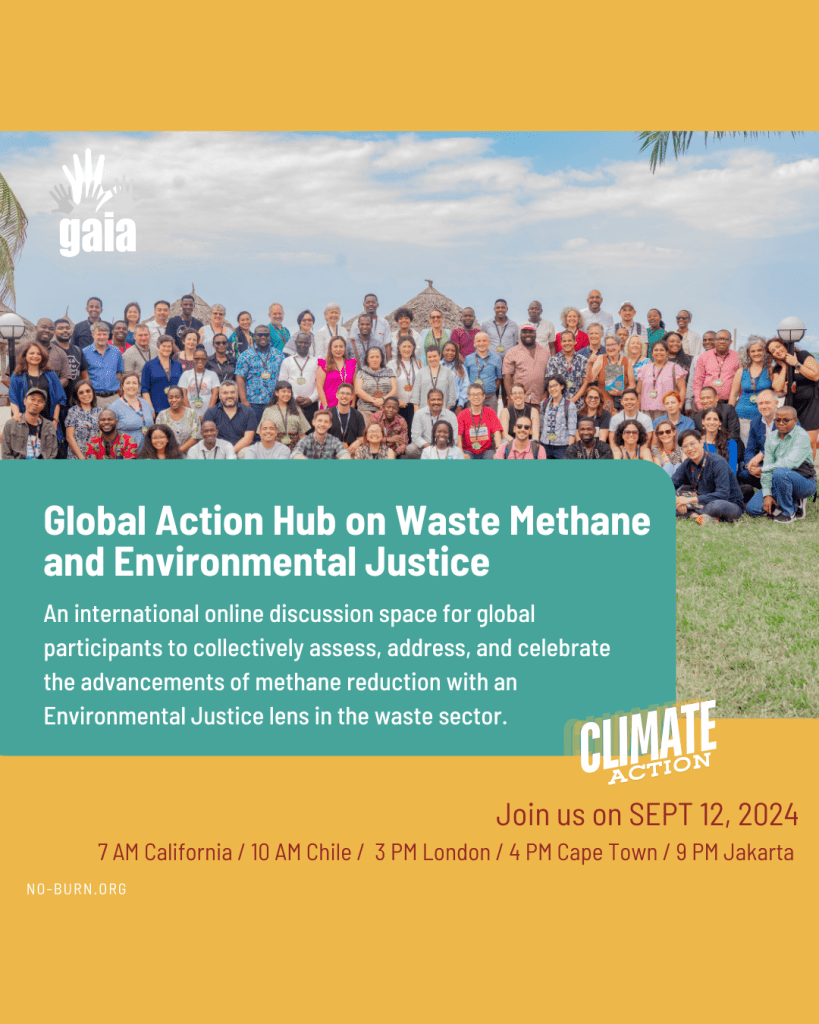
Celebrating methane reduction advancements in the waste sector guided by the Environmental Justice Principles

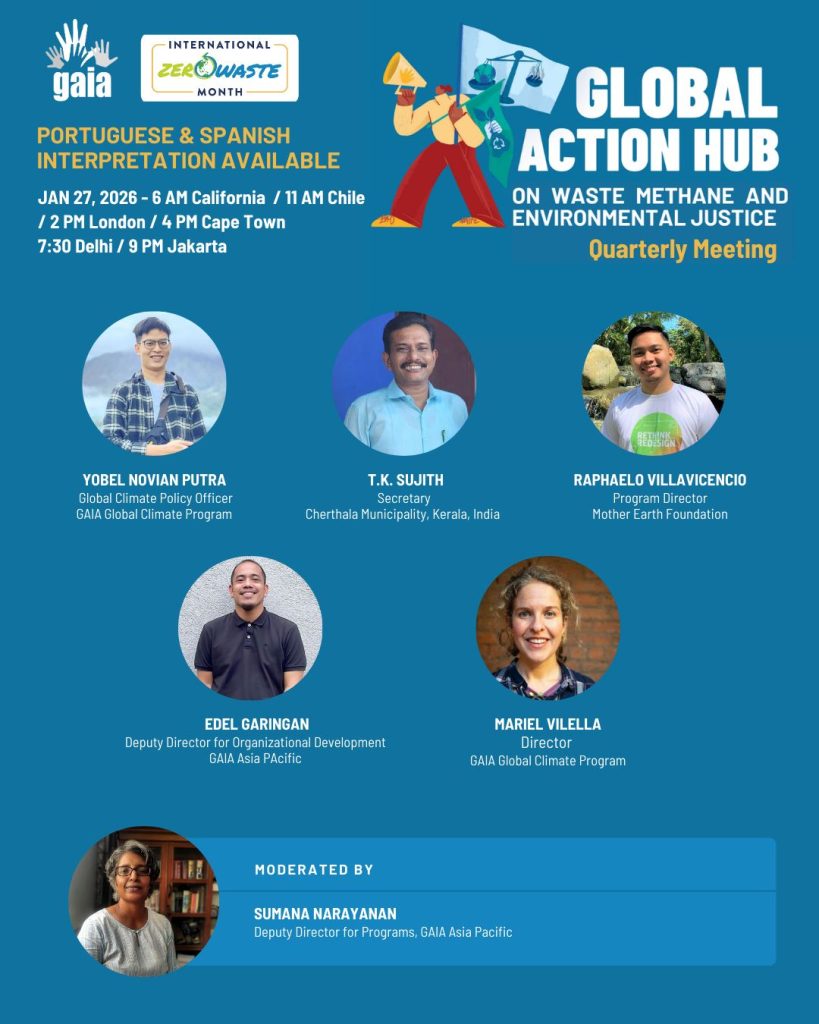
The Global Action Hub on Waste Methane and Environmental Justice is an international online space to collectively assess, address, and celebrate the advancements on this field of climate action and support the implementation of the Global Methane Pledgeand the COP 29 Declaration on Reducing Methane from Organic Waste (ROW Declaration) in alignment with the Environmental Justice Principles

Launched in July 2024 at the Methane Action and Environmental Justice Summit in Tanzania, the GAH is an open space to support all those working to this agenda and share expertise, strategise, celebrate, and ultimately hold an accountability space for environmental justice in the intersection between waste and climate. 

Currently facilitated by GAIA whose members are deeply engaged in promoting and implementing zero waste solutions as climate champions, the GAH is inspired by the great momentum and years of building the intersection between waste and climate, especially since the launch of the Global Methane Pledge at COP26 in 2021. 

Since then, several promising political and financial interests in tackling methane emissions from the waste sector have surfaced, yet it is crucial that those interventions must align with environmental justice principles to ensure methane emissions reduction go hand-in-hand with social and economical benefits for all stakeholders and that no one is left behind.  

JOIN THE GLOBAL ACTION HUB

Join the 7th quarterly meeting. Register here.

This discussion space is relevant especially for:

  • Policy makers and government officials
  • Non-government organizations
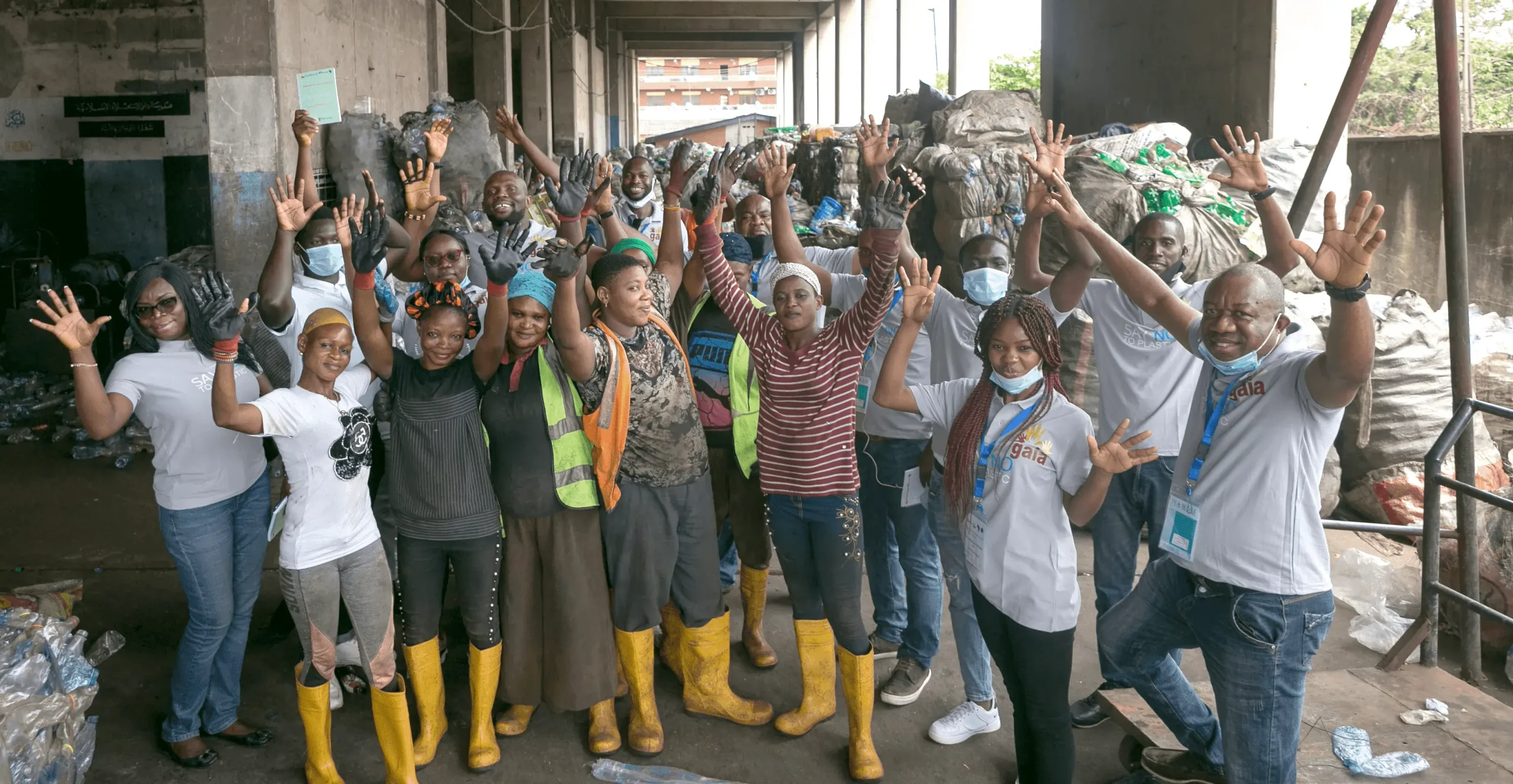
  • Implementers, waste workers,  and wastepickers
  • Think tanks
  • Philanthropists

GLOBAL ACTION HUB WEBINARS

1st Quarterly Meeting (12 Sep 2024)

In this inaugural call, we looked at the State of Play on Waste Methane Reduction and Environmental Justice, as well as some of the best practices from Chile, Ghana, and India. The space also served as a place to celebrate progress and express mutual support towards methane emissions and environmental justice.

Speakers: Harshad Barde (SWACH, India), Tamara Ortega (Fundacion Basura, Chile), Daniel Nkrumah (La Dade Kotopon Municipal Assembly, Ghana)

Link to presentation


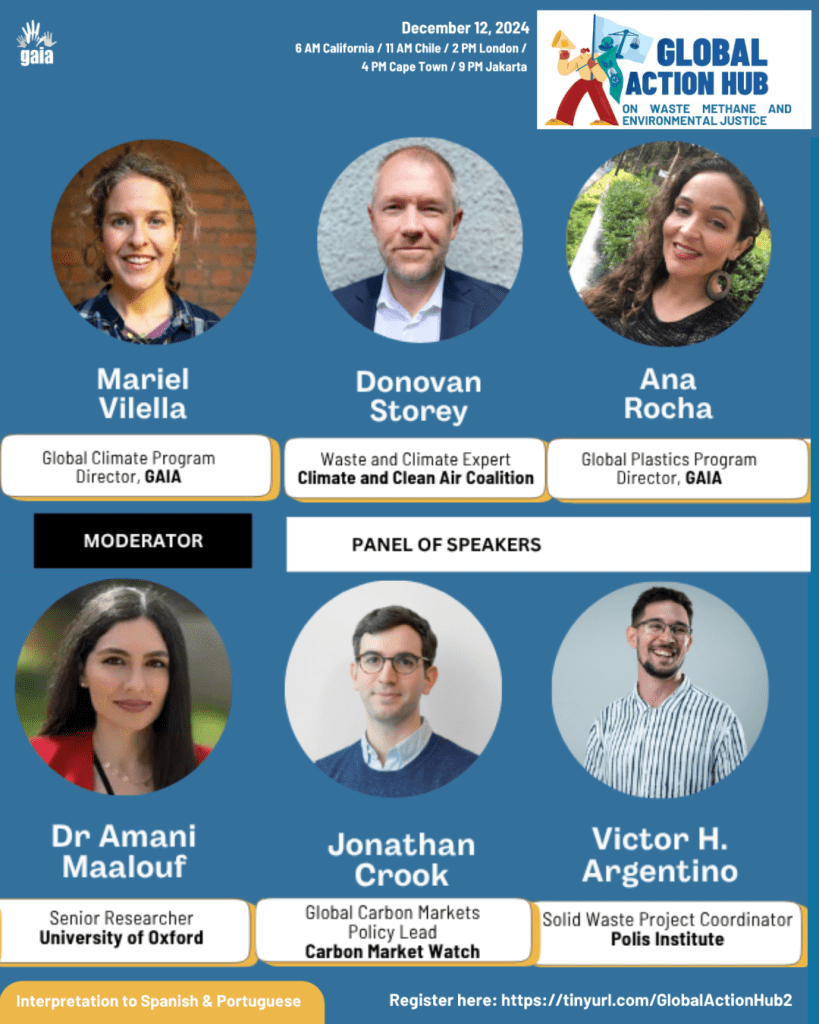
2nd Quarterly Meeting (12 Dec 2024)

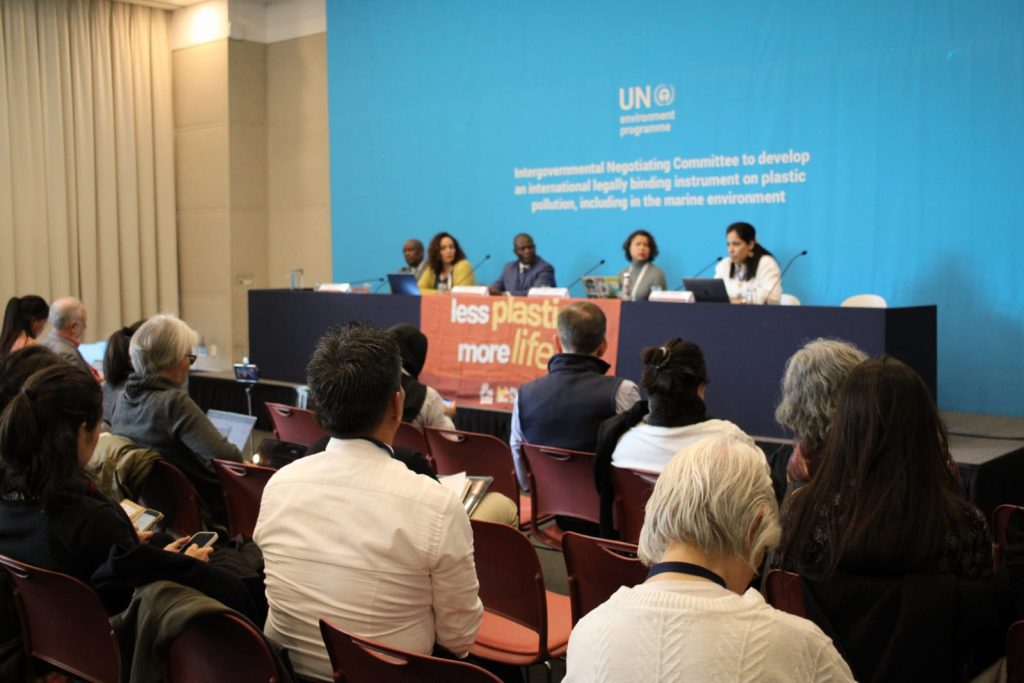
With the recently concluded COP29, the meeting focused on the overall results from COP on waste and methane and a report back from the Global Plastics Treaty negotiations. Recognizing the impacts of Paris Agreement Article 6, we looked at the work that needs to be done to ensure that problematic projects are halted. Global efforts to close dumpsites and landfills and expectations for COP 30 were also on the agenda.

Speakers: Donovan Storey (Climate and Clean Air Coalition), Ana Rocha (GAIA), Jonathan Crok (Carbon Market Watch), Dr. Amani Maalouf (Oxford University), and Victor Argentino (Instituto Polis)

Link to recording

Link to presentation


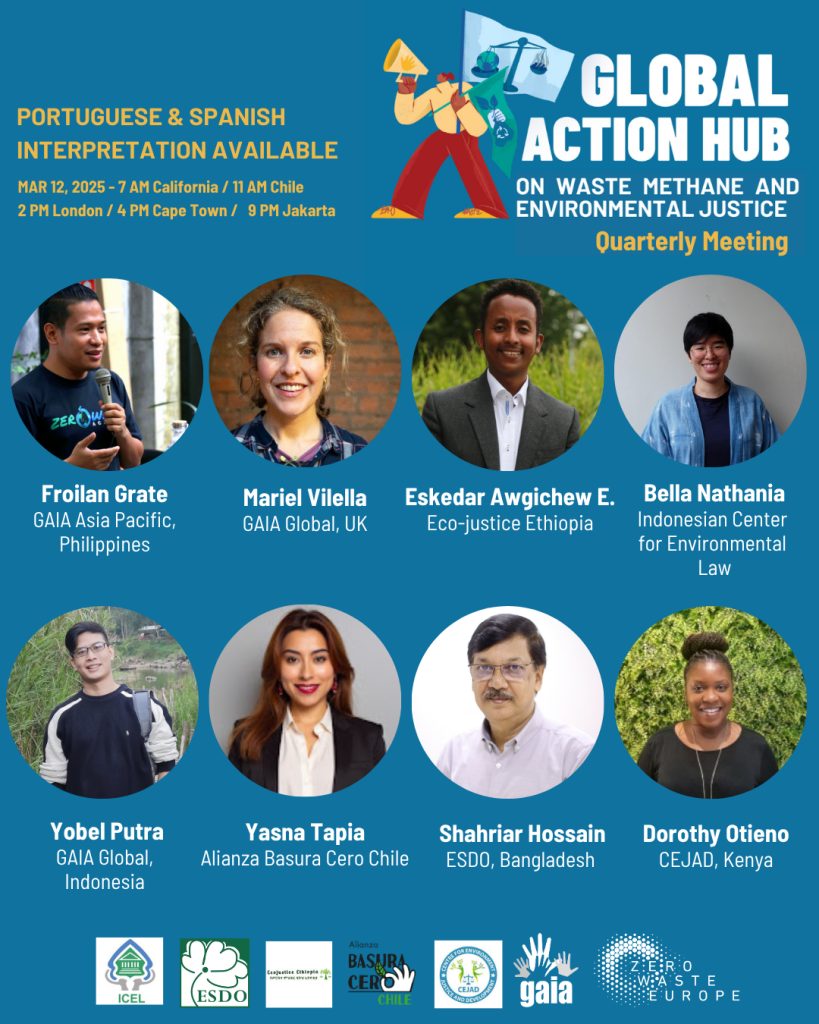
3rd Quarterly (12 Mar 2025)

This meeting focused on CSO’s input to waste methane reduction and EJ in the NDC3.0 and the criteria for climate finance for zero waste. 

Speakers: Mariel Villela (GAIA), Yasna Tapia (Alianza Basura Cero Chile), Dorothy Otieno (Center for Environmental Justice and Development, Kenya), Eskedar Ergete (Eco-justice, Ethiopia), Bella Nathania (Indonesian Center for Environmental Law), Shahriar Hossain (Environment and Social Development Organization, Bangladesh), and Yobel Putra (GAIA)

Link to recording

Link to presentation


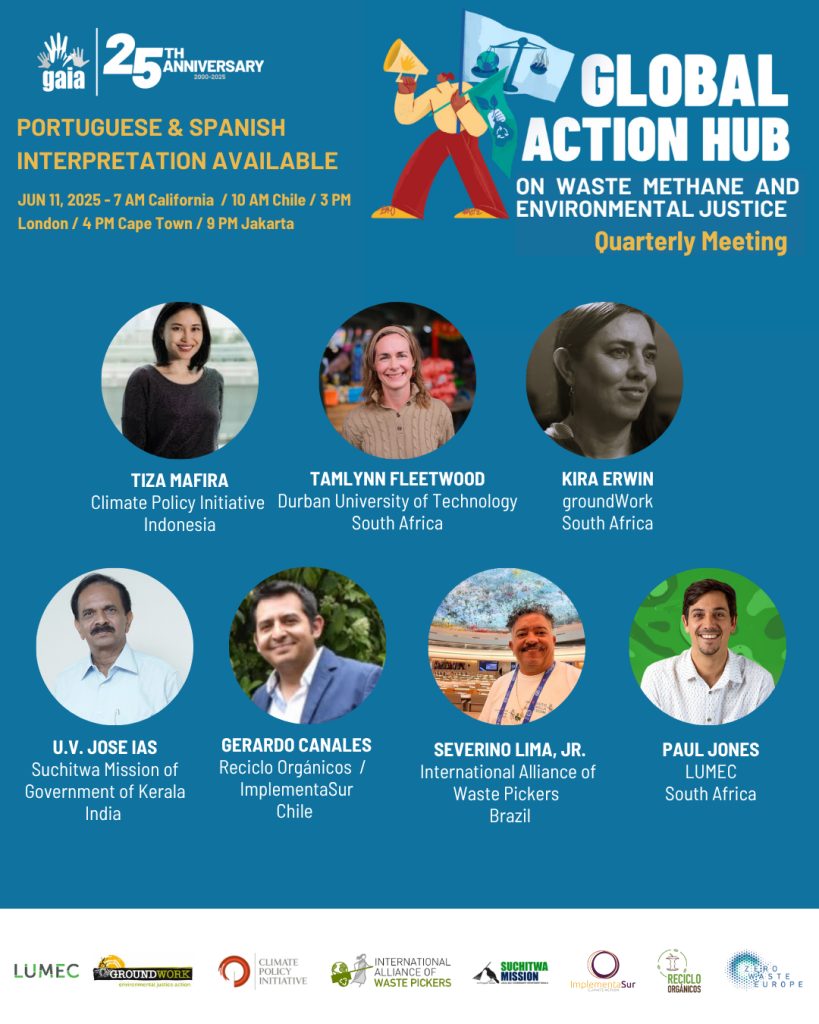
4th Quarterly Meeting (June 11, 2025)

This session focused on the recently released report by the Climate Policy Initiative, Financial Analysis of Solid Waste Management Business Models: Case Studies in Indonesia and Brazil and a cost-benefit analysis of zero waste system in Durban. This was followed by an open discussion on the challenges and opportunities to financing and scaling organic waste management.

Speakers: Tiza Mafira (Climate Policy Initiative, Indonesia), Tammlyn Fleetwood (Durban University of Technology, South Africa), Kira Erwin (groundWork, South Africa), Paul Jones (LUMEC, South Africa), UV Jose IAS (Suchitwa Mission of Government of Kerala, India), Gerardo Canales (Reciclo Orgánicos /ImplementaSur, Chile), and Severino Limo, Jr. (International Alliance of Waste Pickers, Brazil).

Link to recording (English, Spanish subtitle)

Link to presentation


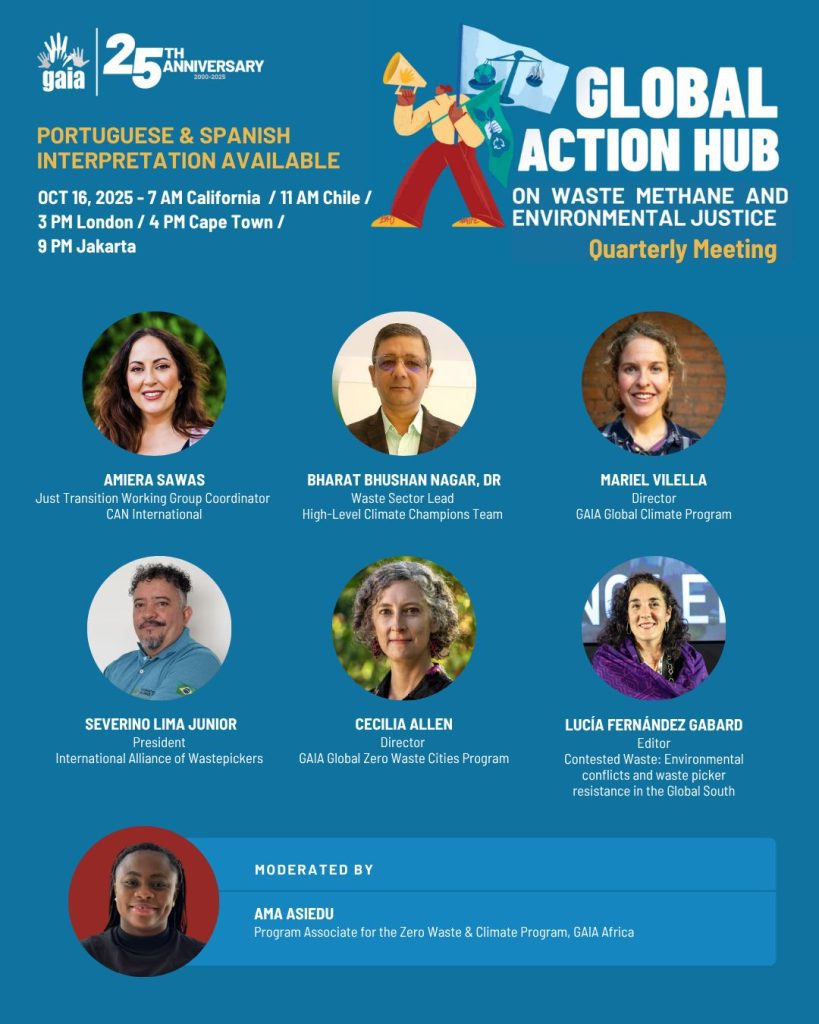
5th Quarterly Meeting (October 16, 2025)

With COP 30 jut around the corner, this session delved into the state of the climate negotiations. It also looked into waste, conflict, and community resistance and new publications and resources from GAIA. There was also a live update from the 1st gathering of the cohort for the U.S. Methane Reduction and Environmental Justice Regrant Program which supports community-based organizations reducing methane through zero waste strategies, centering justice and leadership in the communities most affected by pollution and climate change.
Speakers: Dr. Bharat Bhushan Nagar (High-Level Climate Champions Team), Dr. Amiera Sawas (CAN Just Transition Working Group), Mariel Vilella (GAIA), Severino Lima, Jr. (International Alliance of Wastepickers), Lucia Fernandez Gabard (WIEGO), Cecilia Allen (GAIA), and Denaya Shorter (GAIA US/Canada).

Link to recording (English, Spanish subtitle)

Link to presentation


6th Quarterly Meeting (January 27, 2026)

In this Global Action Hub on Waste Methane and Environmental Justice, titled Financing Zero Waste: Driving Climate Justice, with special focus on Asia, we looked at Lessons from 2025: What Worked, What Didn’t, and Why, Financing and Scaling Community-Led Zero Waste Solutions, and Envisioning Zero Waste in Climate and Finance Agendas for 2026 and Beyond
Speakers: Yobel Putra (GAIA), T.K. Sujith (Cherthala Municipality, Kerala, India), Rap Villavicencio (Mother Earth Foundation, Philippines), Edel Garingan (GAIA Asia Pacific), and Mariel Vilella (GAIA). Moderated by Sumana Narayanan (GAIA Asia Pacific)

Link to recording (EnglishSpanish subtitle, Portuguese subtitle, French subtitle)

Link to presentation


RESOURCES

Practical roadmaps and guidelines on implementing zero waste strategies:

Relevant external reference documents and processes from close and aligned allies:

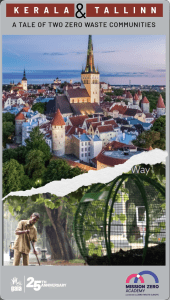
The zero waste movement is gaining momentum from different corners of the globe. Recently, Kerala, a state in India, has been awarded a waste-free status by the country’s Minister for Local Self Government while Tallinn, the capital of Estonia became a candidate for the zero waste certification of the Mission Zero Academy, the world’s first Zero Waste Cities Certification.    

This shows that by empowering the community, working with different stakeholders, putting environmental justice at the center, and a strong commitment to positive change, zero waste as a climate solution is not a far-fetched goal.

May the  experience of Kerala and Tallinn serve as a blueprint for cities and communities working towards managing waste while mitigating the climate crisis. Visit  no-burn.org and https://www.missionzeroacademy.eu/ to know more.

El Bureau del INC se reúne virtualmente hoy para discutir el camino a seguir

Berkeley, CA- Hoy, la Alianza Global para Alternativas a la Incineración (GAIA), una red con más de 1.000 miembros en todas las regiones de las Naciones Unidas, entregó una carta abierta (en es aqui) al Bureau del Comité Internacional de Negociación (INC) – el órgano que coordina las negociaciones del tratado sobre plásticos – pidiendo una mayor responsabilidad y transparencia para el Presidente, Luis Vayas Valvidieso de Ecuador. 

Ana Rocha, Directora de Política Global de Plásticos de GAIA, afirma: «La sociedad civil ha sido excluida de las negociaciones en múltiples ocasiones, desde el trabajo intersesional (entre sesiones) hasta las reuniones clave durante el INC-5, yendo en contra de los procedimientos establecidos, incluso cuando los países miembros declararon su apoyo a la participación de las partes interesadas. Las mismas personas que están siendo excluidas son aquellas cuyas voces son más necesarias: Pueblos Indígenas, científicos independientes, comunidades de primera línea y representantes de los países más afectados por la contaminación plástica. El Presidente debe construir una estructura de negociaciones transparente que garantice la participación de la sociedad civil y cree las condiciones para que un tratado ambicioso llegue a la línea de meta».

La carta de GAIA se une a las demandas de otras importantes organizaciones de la sociedad civil, como la Red Internacional de Eliminación de Contaminantes IPEN (International Pollutants Elimination Network), la Coalición de Científicos por un Tratado Eficaz sobre los Plásticos (Scientists Coalition for an Effective Plastics Treaty), el Grupo Principal de los Pueblos Indígenas y sus Comunidades (Indigenous Peoples and Their Communities Major Group), la Red del Abya Yala por la Reducción de la Producción de Plásticos con Metas Globales Vinculantes, el Grupo Principal de Mujeres (Women’s Major Group), la Alianza contra la Contaminación por Plásticos de Aotearoa (APPA) y la Alianza Internacional de Recicladores (International Alliance of Waste Pickers).

A pesar de los constantes intentos de excluir a la sociedad civil de las negociaciones, GAIA y otros grupos consiguieron tener un impacto significativo en la última ronda de negociaciones en Busan, Corea del Sur (INC-5). Gracias a la presión de la sociedad civil, la mayoría de los países* anunciaron su apoyo a medidas ambiciosas como los objetivos de reducción de plásticos, la eliminación de sustancias químicas preocupantes, una transición justa y un mecanismo financiero equitativo, y lucharon contra un pequeño grupo de países productores de petróleo que pretendían paralizar y debilitar los resultados del tratado.  

Todavía se espera la confirmación de la fecha y el lugar de la ronda ampliada de negociaciones – INC-5.2-.

Nota para el editor:

  • Todas las cartas de la sociedad civil pueden consultarse en el sitio web del Programa de las Naciones Unidas para el Medio Ambiente aquí, bajo el epígrafe «Feedback». Para un análisis en profundidad de los resultados del INC-5 y del clima político que conducirá al INC-5.2, lea el último documento de GAIA.

*Lista de países ambiciosos:

Contactos para los medios

Contactos de prensa globales:
● Claire Arkin | Claire@no-burn.org | +1 (973) 444 4869
Contactos de prensa regionales:
● África: Carissa Marnce | carissa@no-burn.org | +27 76 934 6156
● América Latina: Camila Aguilera | Camila@no-burn.org | +56 9 8913 6198
● Asia y el Pacíco: Robi Kate Miranda robi@no-burn.org | +63 9275854157
● Estados Unidos y Canadá: María Guillén | mariaguillen@no-burn.org | +1 609 553 4569

###

GAIA es una alianza mundial de más de 1.000 grupos de base, organizaciones no gubernamentales e
individuos en más de 90 países. Trabajamos para catalizar un cambio global hacia la justicia
ambiental mediante el fortalecimiento de los movimientos sociales de base que promueven
soluciones a los desechos y la contaminación. Imaginamos un mundo justo, con basura cero,
construido sobre la base del respeto por los límites ecológicos y los derechos comunitarios donde la
gente se encuentre libre de la carga de contaminación por plásticos, y los recursos se conserven en
forma sostenible y no se quemen ni viertan.

Referencias clave
Recursos de GAIA relacionados con el Tratado global de plásticos

INC Bureau Meets Virtually Today to Discuss Way Forward

The very people who are being excluded are the ones whose voices are most needed – Indigenous Peoples, independent scientists, frontline communities, and representatives of the countries most impacted by plastic pollution.

Berkeley, CA – Today, the Global Alliance for Incinerator Alternatives (GAIA), a network with more than 1,000 members in all United Nations regions, delivered an open letter to the International Negotiating Committee (INC)  Bureau– the governing body of the plastics treaty negotiations– calling for greater accountability for the Chair, Luis Vayas Valvidieso of Ecuador. 

Ana Rocha, Director of Global Plastics Policy at GAIA, states: “Civil society has been locked out of the negotiations multiple times, from intersessional work to key meetings during INC-5, going against mandated procedures even when countries stated support for stakeholder participation. The very people who are being excluded are the ones whose voices are most needed – Indigenous Peoples, independent scientists, frontline communities, and representatives of the countries most impacted by plastic pollution. The Chair must build a transparent negotiations structure that ensures mandated civil society participation, and creates the conditions for an ambitious treaty to make it to the finish line.”

GAIA’s letter joins the demands from other major civil society organizations, including IPEN (International Pollutants Elimination Network), the Scientists Coalition for an Effective Plastics Treaty, the Indigenous Peoples and Their Communities Major Group, the Red del Abya Yala por la Reducción de la Producción de Plásticos con Metas Globales Vinculantes, the Women’s Major Group, the Aotearoa Plastic Pollution Alliance (APPA), and the International Alliance of Waste Pickers.

Despite the constant move to shut civil society out of the talks, GAIA and other groups were able to make a significant impact at the last round of negotiations in Busan, South Korea (INC-5). Thanks to civil society pressure, the majority of countries* announced support for ambitious measures like plastic reduction targets, elimination of chemicals of concern, a just transition, and an equitable financial mechanism, and fought back against a small group of petroleum-producing nations seeking to stall and weaken the treaty outcomes.  

The announcement of the date and location of the extended round of negotiations– INC-5.2– is still expected. 

Note to editor:

  • All letters from civil society can be found in the United Nations Environment Programme website here, under the heading, “Feedback.” 
  • For in-depth analysis of the outcomes of INC-5 and the political climate leading into INC-5.2, please read GAIA’s latest paper.

*List of Ambitious Countries:

Contact:

Claire Arkin, Global Communications Lead

claire@no-burn.org | +1 973 444 4869

Carissa Marnce, Africa Communications Coordinator

carissa@no-burn.org

Robi Kate Miranda, Communications Officer, GAIA Asia Pacific

robi@no-burn.org | +63 9275854157

###

GAIA is a worldwide alliance of more than 1,000 grassroots groups, non-governmental organizations, and individuals in over 90 countries. With our work we aim to catalyze a global shift towards environmental justice by strengthening grassroots social movements that advance solutions to waste and pollution. We envision a just, zero waste world built on respect for ecological limits and community rights, where people are free from the burden of toxic pollution, and resources are sustainably conserved, not burned or dumped.

For more information about GAIA’s treaty advocacy, please visit  no-burn.org/unea-plastics-treaty, follow us on LinkedIn, and read our Press kit.

by Zoe Knannlein

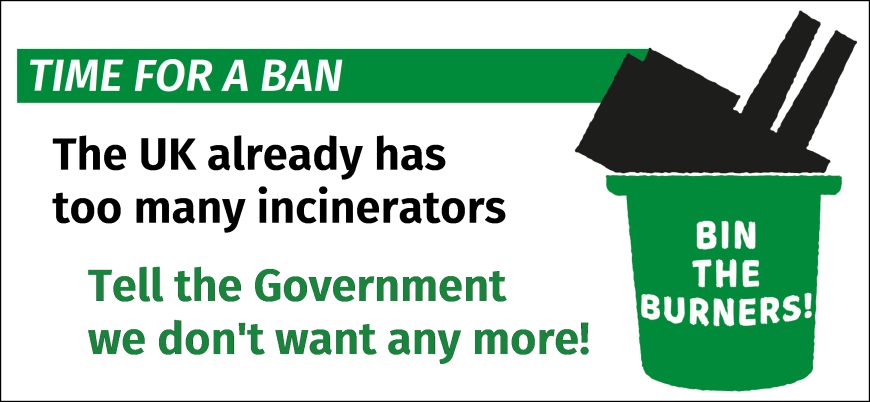
As the UK closed the doors of its last coal power plant in September 2024, the focus has now turned to the UK’s next dirtiest form of energy production: waste incinerators. While waste-to-energy incinerators have been controversial within the waste sector for years, the protest has been recently mainstreamed when the BBC labelled incineration as the UK’s dirtiest way to make power.

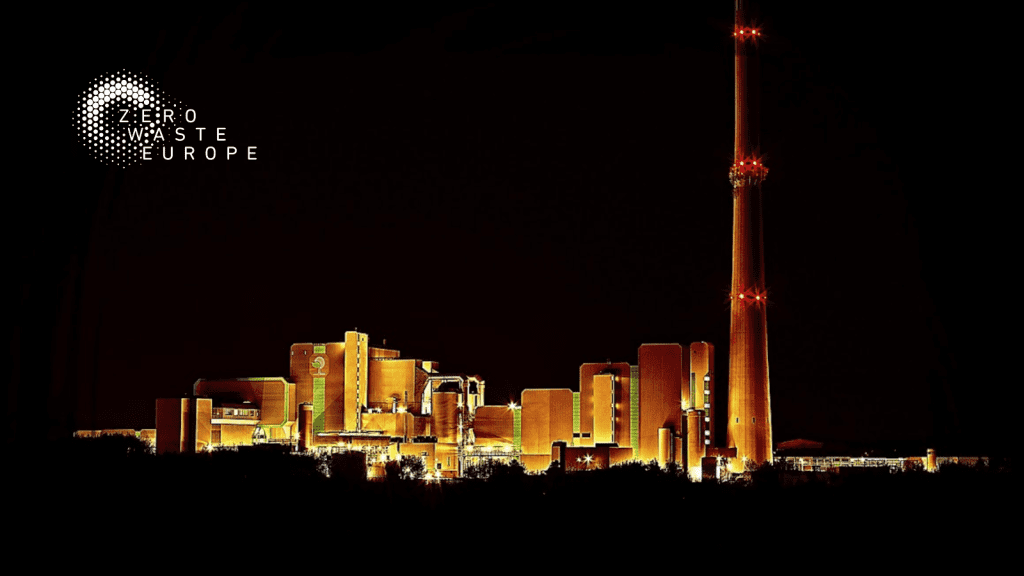
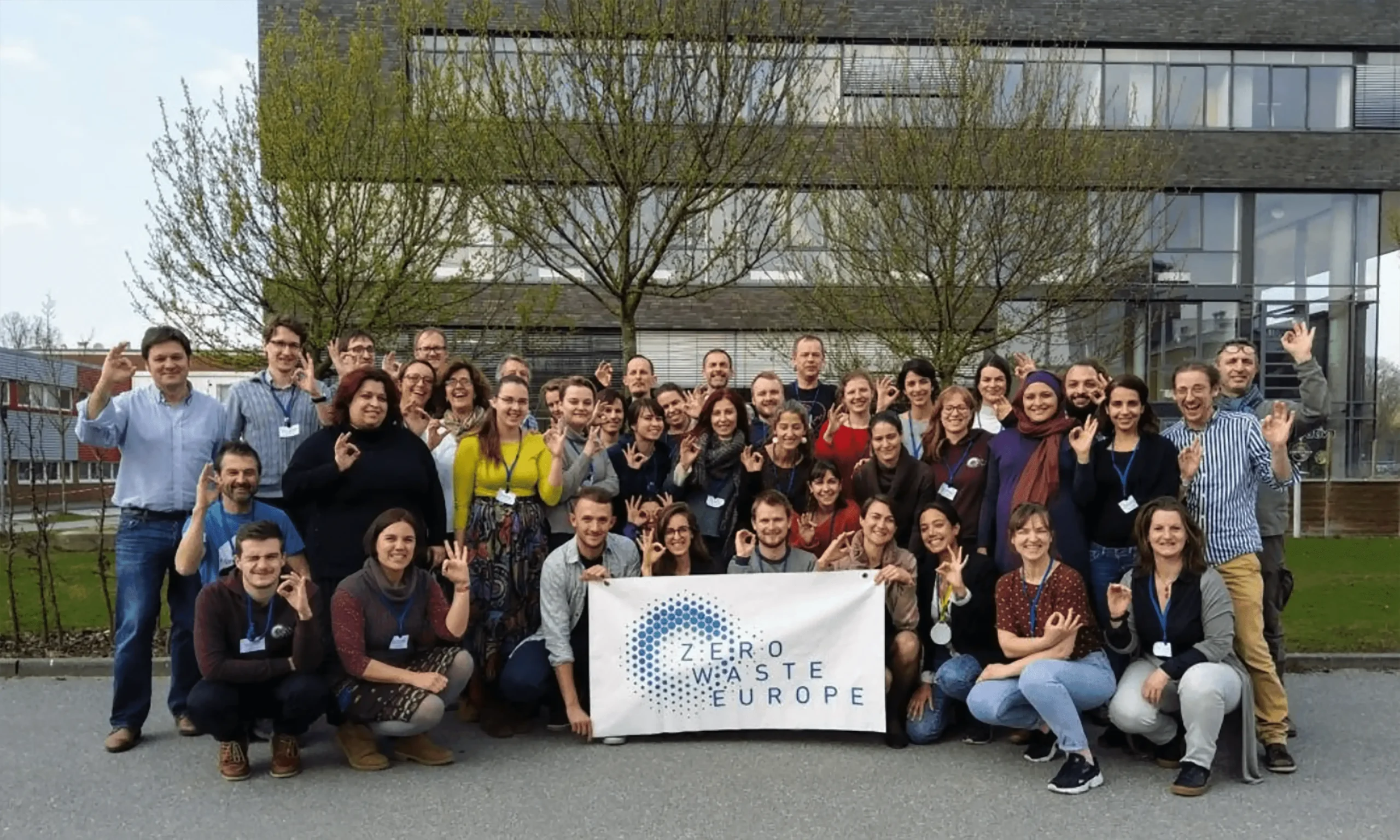
Photo from Zero Waste Europe’s report, Enough is enough: The case for a moratorium on incineration

Waste-to-energy incineration has been heavily confronted all over the world by hundreds of groups and communities for several reasons. In the first place, concerns about health impacts on the local people and the environment have often been the trigger point. Neighbours to incinerators report devastating impact, such as in Runcorn, Cheshire, home to the UK’s largest incinerator, where operator Viridor paid a total of £1m to local families who had complained about noise, smells and other negative effects on their lives.

Air pollution from incinerators includes greenhouse gas emissions contributing to climate change. Shlomo Dowen from the UK Without Incineration Network (UKWIN) stated: “For every tonne of plastic that is incinerated, more than two tonnes of carbon dioxide are being released, as the carbon in the plastic combines with oxygen in the air to produce CO2…[Overprovision of incineration means that] people’s health is being jeopardised for no justifiable reason.”

Moreover, one of the main negative impacts that waste-to-energy incinerators have is that they harm recycling rates to keep their fuel source, seen not just in the UK but globally as well.“ There are already far too many waste incinerators across the UK, meaning that most of what is burned is material that could and should have been recycled or composted,” says Dowen.  

In this sense, the incineration of matter that could have been recycled or composted also harms the UK’s progress towards a circular economy. According to the European Environment Agency: “One of the central pillars of a circular economy is feeding materials back into the economy and avoiding waste being sent to landfill or incinerated, thereby capturing the value of the materials as far as possible and reducing losses.”

As it stands, incinerators are three times more likely to be in the most “deprived and ethnically diverse areas of the UK,” further raising concerns about the impact of pollutants on vulnerable populations.

Despite these threats to the wellbeing of the UK’s people, environment, and economy, there are still currently 41 planned incinerators, 27 of which have obtained environmental permits. In November 2024, Olympic sailing team medallists on the Isle of Portland threatened to quit the site because of plans to build a £150m waste incinerator next to their base. A letter from the athletes to Steve Reed, the UK Government’s Environment Secretary, and Lisa Nandy, the Culture Secretary, reads:

“The plans to build an incinerator raise significant environmental and health concerns, which we believe would harm the quality of Portland’s sailing facilities…We fear that the damage posed by an incinerator could force us to consider leaving Portland altogether.”

Hundreds of protesters gathered to demonstrate against the construction of the incinerator and its adverse effects on the Portland Port. Last October, the Stop Portland Waste Incinerator campaign group started legal efforts against the incinerator. Despite rejection by the Dorset Council, the plans for the Portland incinerator were still approved by the Labour Government in September of 2024.

At Edmonton in North London, redevelopment of the existing outdated incinerator has been halted. The project started in 2022 and was expected to open in 2025, but will reportedly be delayed until 2027. The North London Waste Authority (NLWA), who is leading the project, has blamed global inflation, expensive materials, and rising skilled labour costs as reasons for the project’s delay. 

The new incinerator has been criticised by environmentalists for its increased size, which would increase capacity by 200,000 tonnes. Pressure on the NLWA to stop the scheme has come from members of the Stop the Edmonton Incinerator Now campaign.

Carina Millstone, a spokesperson for the group, said: “It’s not too late for the councils to safeguard their budgets, their climate, air pollution and waste targets, and do the right thing by their taxpayers, by pulling the plug on this outdated, outsized, toxic incinerator.”

The UK’s biggest incinerator at Runcorn in Cheshire is yet another example of an incinerator taking hold of a disadvantaged area. Pollution and disturbances from the incinerator, including flies, rats, smell, and noise, has led to a settlement of £1m ($1.2m) for 180 local residents, or about £4,500 per family after legal costs. The tradeoff? Their acceptance of a strict non-disclosure agreement (NDA) mandating their silence about the adverse effects of the plant.

Viridor, the waste management company that runs the Runcorn plant, refused to comment on the settlement agreement but claimed that the noise and odour of the incinerator remained well within regulations set by the Environment Agency. However, a BBC investigation found breaches of air quality controls increased both at Runcorn and across incinerators in England between 2019 and 2023.

The UK Government is finally starting to wake up to public concerns about there being too many incinerators operating across England. New measures were announced on December 30, 2024 cracking down on incinerators by raising standards. For any new incinerators, developers will have to prove that they will help to lower the amount of non-recyclable waste that’s being sent to landfill and show how the incinerator could be used to deliver heat to homes and/or businesses.

The UK Government has also been shifting focus towards waste that could be recycled but is instead going to landfill or incineration. Recycling rates in England have stagnated as individual households find that keeping track of separate bins is too complicated and that many materials are not being collected for recycling, including food waste and some types of plastic. The continued use of waste-to-energy incinerators threatens the UK’s 2050 net zero emissions goal. With the introduction of several new collection and packaging reforms by the Government to encourage citizens to separate their waste, as well as the transition towards a circular economy, the need for incinerators will be greatly reduced, with only 17.6 million tonnes of non-recyclable waste to be managed by 2042.

Despite the new and stricter regulations, many environmentalists are saying it’s not enough, and still call for a total ban on any new incinerators in England, including Shlomo Dowen from the UK Without Incineration Network (UKWIN).

“Not only do we need a complete ban on new incinerators, I think England needs an incineration exit strategy, like Wales and Scotland. We need to start looking at which incinerators should be decommissioned; those that are least efficient, most polluting, closest to where people live.”

UKWIN continues to advocate for a total ban of new incinerators in the UK, having extended invitations to candidates of both local and national elections to sign a pledge to support recycling by opposing incineration. Nearly 200 local election candidates signed the pledge, followed by 127 Parliamentary candidates, 11 of whom are now MPs.

Per the UKWIN’s findings, the only way to increase recycling rates is to send less to be incinerated. UKWIN has already stopped the construction of 70 proposed incinerators by working together with local anti-incinerator campaigners. For further change and action, they call for policy changes in the form of an immediate moratorium on new waste incineration capacity, a residual waste tax on incineration, and targets to reduce total and residual waste.

1 de diciembre de 2024: Día 7 del INC-5

La mayoría de los Estados miembros, del lado de la ambición

Busan, Corea del Sur – Cuando se agotaba el tiempo para que los negociadores cerraran un tratado sólido sobre plásticos en Busan, la Presidencia y el Programa de las Naciones Unidas para el Medio Ambiente (PNUMA) anunciaron que celebrarán una INC 5.2, para dar a los Estados miembros más tiempo para acordar el texto final. 

Sin embargo, hay pocas garantías de que el próximo INC tenga éxito cuando el INC-5 no lo tuvo. El proyecto de texto del Presidente mantiene la reducción de la producción sobre la mesa, pero también está plagado de concesiones a los Estados petroquímicos en lugar de honrar la voluntad de la gran mayoría de los Estados miembros y la sociedad civil que piden un tratado ambicioso. Sin una acción decisiva, es muy probable que la misma minoría de petroestados continúe con sus tácticas obstruccionistas y ponga aún más en peligro el proceso del tratado sobre plásticos. 

Ana Rocha, Directora de Política Global de Plásticos de la Alianza Global para Alternativas a la Incineración (GAIA), afirma: “Celebramos la voluntad de los Estados miembros de luchar por un acuerdo mejor en lugar de apresurarse a firmar un tratado débil en aras de un plazo arbitrario. Pero no podemos seguir haciendo las cosas de la misma manera y esperar resultados diferentes: esa es la definición de locura. La ambiciosa mayoría tiene que hacer lo que sea necesario para encarrilar de nuevo estas negociaciones y recuperar el espíritu del multilateralismo. No es momento para la timidez. Es hora de luchar por nuestra supervivencia colectiva”. 

Hay muchos caminos a seguir, tanto dentro como fuera del PNUMA. La mayoría podría convocar una votación, o decidir que este proceso deje de estar bajo la inepta tutela del PNUMA.  

Cecilia Bianco, del Taller Ecologista de Argentina, afirma: “Cada minuto que pasa, nuestros ríos, el aire y nuestros cuerpos están más contaminados. Un gran grupo de países está de acuerdo en lo que hay que hacer, pero no es suficiente. Esperamos que el próximo año traiga el ambicioso tratado que la crisis exige”.

En una alentadora muestra de unidad en favor de un tratado ambicioso, Ruanda presentó una declaración en la sesión plenaria de clausura en nombre de más de 85 países de África, América Latina y el Caribe, las islas del Pacífico y Europa, en la que destacaba su compromiso común con un tratado jurídicamente vinculante que consagre objetivos de reducción, la eliminación progresiva de sustancias químicas nocivas, una transición justa y un mecanismo financiero equitativo. 

Esta demostración de poder colectivo fue un cambio bienvenido tras cuatro INC de tibia oposición a la tiranía de la minoría, y el fruto del esfuerzo de años de la sociedad civil para invertir la marea de la contaminación por plástico. Más de 100 países expresaron su apoyo a la propuesta de Panamá de adoptar un objetivo mundial para reducir la producción de plástico. 

La sociedad civil  también ha encendido las alarmas por la falta de transparencia, la desigualdad y la exclusión de la sociedad civil y los titulares de derechos a lo largo de las negociaciones. En el INC-5, la sociedad civil, incluidos los Pueblos Indígenas, los recicladores, las comunidades de primera línea, científicos, mujeres y líderes juveniles, se vieron excluidos del proceso, con un acceso limitado a los grupos de contacto y un bloqueo total durante los dos últimos días de negociaciones, que se desarrollaron a puerta cerrada. Por otro lado, el número récord de grupos de presión de combustibles fósiles y productos químicos eclipsó a todas las delegaciones nacionales

Magdalena Donoso, Coordinadora regional de GAIA América Latina y el Caribe, afirma:  “Un mal proceso no conduce a un buen resultado. Una y otra vez las acciones del PNUMA han demostrado sus intenciones: silenciar las voces de la sociedad civil, mientras se doblegan para tratar de complacer a los pocos países que no tienen un interés real en acabar con la contaminación por plástico.”

Rahyang Nusantara, Director Adjunto de Dietplastik Indonesia y Coordinador del Consorcio de Reutilización de Asia, afirma: “El texto actual ha perdido la oportunidad de avanzar en soluciones reales. El futuro acuerdo debe incluir un artículo específico con ambiciosos objetivos de reutilización financiados por un mecanismo financiero nuevo y específico que permita el establecimiento, las operaciones y la ampliación de los sistemas de reutilización y reparación de materiales no plásticos. Esto es clave para una transición justa, segura y libre de tóxicos que permita abandonar los plásticos y acabar realmente con la contaminación por plásticos.”

Eskedar Awgichew, de Ecojustice Etiopía, afirma: “Para África, este tratado es crucial para abordar los retos únicos a los que nos enfrentamos, incluido el impacto sobre los recicladores, las comunidades de primera línea y nuestro medio ambiente. El viaje continúa, pero la urgencia de una solución integral sigue existiendo.”

Contacto de prensa:

Camila Aguilera | América Latina y el Caribe

camila@no-burn.org | +56 9 8913 619

Claire Arkin | Global

claire@no-burn.org | +1 973 444 4869

Recursos

INC-5 Day 7: December 1, 2024

Majority of Member States on the Side of Ambition

Busan, South Korea – As time ran out for negotiators to clinch a strong plastics treaty in Busan, the Chair and United Nations Environment Programme (UNEP) announced that they will be holding an INC 5.2, to give Member States more time to agree upon the final text. 

However, there is little assurance that the next INC will succeed where INC-5 did not. The Chair’s draft text keeps production reduction on the table, but is also littered with concessions to petrochemical states instead of honoring the will of the vast majority of Member States and civil society calling for an ambitious treaty. Without decisive action, there is a strong probability that the same petro-state minority will continue their obstructionist tactics and further imperil the plastics treaty process. 

Ana Rocha, Global Plastics Policy Director of the Global Alliance for Incinerator Alternatives (GAIA), states, “We welcome Member States’ willingness to fight for a better deal instead of rushing into a weak treaty for the sake of an arbitrary deadline. But we cannot keep doing things the same way and expect different results– that is the definition of insanity. The ambitious majority needs to do whatever it takes to get these negotiations back on track and reclaim the spirit of multilateralism. Now is not the time for timidity. It is time to fight for our collective survival.” 

There are many paths forward, both within and outside of UNEP. The majority could call for a vote, or move to take this process out of UNEP’s inept stewardship entirely.  

Cecilia Bianco of Taller Ecologista, Argentina states, “Every minute that passes, our rivers, our air, and our bodies become more contaminated. A large group of countries are in agreement on what must be done, but it is not enough. We hope that next year will bring the ambitious treaty the crisis demands.”

In a heartening display of unity for an ambitious treaty, Rwanda presented a statement in the closing plenary on behalf of over 85 countries across Africa, Latin America and the Caribbean, the Pacific Islands, and Europe, emphasizing their shared commitment to a legally binding treaty enshrining reduction targets, phase-out of harmful chemicals, a just transition, and an equitable financial mechanism in the treaty. 

This show of collective power was a welcome change after four INCs of lukewarm opposition to the tyranny of the minority, and the fruiting of civil society’s years-long effort to turn the tide of plastic pollution. Over 100 countries expressed support for Panama’s proposal to adopt a global target to reduce plastic production. 

Civil society and rightsholders have also been sounding the alarm about the lack of transparency, inequity, and exclusion of civil society and rights holders throughout the talks. At INC-5, civil society, including Indigenous Peoples, waste pickers, front and fenceline communities, scientists, women, and youth leaders were kept out of the process, with limited access to contact groups and a total lock-out for the last two days of negotiations, which were held behind closed doors. To add insult to injury, record numbers of fossil fuel and chemical lobbyists dwarfed every country delegation

Magdalena Donoso, Regional Coordinator of GAIA Latin America and the Caribbean, states:  “A bad process does not lead to a good outcome. Time and time again UNEP’s actions have shown their intentions: to silence the voices of civil society, while bending over backwards to try to please the few countries who have no real interest in ending plastic pollution.”

Rahyang Nusantara, Deputy Director, Dietplastik Indonesia & Convenor of Asia Reuse Consortium, states: “The current text missed the opportunity to advance real solutions. The prospective agreement must have a dedicated article with ambitious reuse targets financed by a new and dedicated financial mechanism to enable the establishment, operations and scaling up of non-plastic reuse and repair systems. This is key for a safe and toxic-free just transition away from plastics to truly end plastic pollution.”

Eskedar Awgichew of Ecojustice Ethiopia states, “For Africa, this treaty is crucial to address the unique challenges we face, including the impact on waste pickers, frontline communities, and our environment. The journey continues, but the urgency for a comprehensive solution remains.”

Contact:

Claire Arkin, Global Communications Lead

claire@no-burn.org | +1 973 444 4869

Africa: Carissa Marnce, carissa@no-burn.org 

Latin America and the Caribbean: Camila Aguilera, camila@no-burn.org

Asia Pacific: Dan Abril, dan@no-burn.org

References: 

For more information about GAIA’s treaty advocacy, please visit  no-burn.org/unea-plastics-treaty, follow us on LinkedIn, and read our Press kit.

Delegados y expertos reaccionan ante el texto del Tratado propuesto por el Presidente

Delegados y expertos reaccionan ante el texto del Tratado propuesto por el Presidente

Busan, Corea del Sur – Los delegadas/os del Sur Global y líderes de la sociedad civil participaron esta tarde en una conferencia de prensa en el Centro de Convenciones BEXCO para compartir su visión sobre el avance de las negociaciones y lo que significan para el Sur Global. Una hora antes de la rueda de prensa, el Presidente hizo público su último documento, en el que propone un texto para el tratado que servirá de base para el último tramo de las negociaciones. 

Arpita Bhagat, Directora de Plásticos de GAIA Asia Pacífico, afirmó: “El último texto del Presidente es inaceptable para la mayoría de los países del Sur Global y los miles de millones de personas que representan: personas que están luchando por sus vidas por un tratado fuerte. Tampoco es aceptable para las personas perjudicadas por los plásticos en el Norte Global, incluidas las comunidades que luchan por la justicia medioambiental, las que viven en primera línea de playa y los Pueblos Indígenas, que han sido marginados del proceso durante mucho tiempo. No refleja la voluntad de la inmensa mayoría de los Estados miembros, que apoyan la adopción de medidas ambiciosas en un instrumento mundial jurídicamente vinculante. Una vez más, como a lo largo de todo este proceso, el Presidente se ha plegado a la voluntad de los Estados petroquímicos mientras desestima las demandas de la mayoría, en un proceso totalmente carente de transparencia y excluyente. Se trata de una cuestión de vida o muerte, especialmente para las comunidades del Sur Global. Los Estados miembros no se rendirán ni se quedarán de brazos cruzados. Mientras los países ambiciosos se mantengan firmes en sus principios, la sociedad civil tendrá su apoyo.”

Cheikh Ndiaye Sylla, Punto Focal Nacional de Senegal, afirma: “Esta versión del texto es… inaceptable… Para el ciclo de vida, tenemos que negociar esto desde el polímero, es decir, la producción. Es legalmente  vinculante conforme al  título… Ningún texto es mejor que un mal texto.”

El Dr. Sam Adu-Kumi, negociador de Ghana, afirmó: “El mundo entero está esperando algo de nosotros… están esperando algo mejor que proteja el medio ambiente, la salud humana, a nuestros hermanos y hermanas, y a nuestras poblaciones jóvenes… Por lo tanto, no estamos aquí para aceptar nada menos que un tratado ambicioso.”

Estos son elementos del nuevo texto que  son especialmente problemáticos:

Sobre las obligaciones básicas:

  • Producción de plástico (“Suministro”): el texto del Presidente no representa el lenguaje fuerte que Panamá y más de otros 100 países propusieron, incluyendo un objetivo global de reducción de la producción; está lleno de opciones de texto débiles, como referirse a un objetivo de reducción como “aspiracional”. Este artículo crítico debe fortalecerse con objetivos nacionales. 
  • Sustancias químicas preocupantes: El Presidente ha eliminado de este artículo los controles sistemáticos sobre sustancias químicas tóxicas, donde necesitamos las medidas más contundentes para hacer frente a la amenaza fundamental que suponen las sustancias químicas preocupantes. 
  • Gestión de residuos: se ha eliminado la jerarquía de residuos; y se mantiene la “recuperación de energía” -código para las tecnologías de incineración de residuos-.

Sobre los medios de implementación:

  • Mecanismo financiero: Al menos 126 países apoyan un fondo independiente y específico, la disposición más ampliamente respaldada del instrumento, pero el texto del Presidente lo socava con un lenguaje débil y opcional que no proporciona los fondos adecuados, como por ejemplo a través de una tasa de producción de polímeros.

La infraestructura del tratado es débil:

  • No derecho a voto: El texto del Presidente no otorga a los países el derecho a votar, asegurando una mayor parálisis del proceso. Este no es el tratado de “iniciar y fortalecer” que se nos prometió.

La semana en Busan empezó con los Estados petroquímicos amenazando con hacer descarrilar el proceso si los Estados miembros ejercían su derecho a pedir una votación, lo que nos ha llevado a este punto. Continuar el trabajo en un INC 5.2 sólo valdrá la pena con un proceso transparente en el que los Estados pongan fin a la tiranía de una minoría.  

Ante el posible fracaso de las negociaciones, recordamos a los Estados miembros que, como ellos mismos han declarado, ningún acuerdo es mejor que un mal acuerdo.

Contacto de prensa:

Camila Aguilera | América Latina y el Caribe

camila@no-burn.org | +56 9 8913 619

Claire Arkin | Global

claire@no-burn.org | +1 973 444 4869

Recursos