





Tools & Resources
¿Necesitamos un tratado sobre el reciclaje deplásticos y puede este poner fin a lacontaminación por plásticos?


El mundo exigió —y la Resolución 5/14 del PNUMA lo dispuso— un instrumento global para poner fin a la contaminación por plásticos, que incluyera medidas a lo largo de todo el ciclo de vida de los plásticos. ¿Puede cumplir con este objetivo un tratado que evita los controles sobre la producción de plástico y, en cambio, se enfoca únicamente en el reciclaje y la quema de plásticos? ¿Es un enfoque que prioriza el reciclaje serio y efectivo, o es un planteamiento engañoso que perpetúa la sobreproducción de plástico y la contaminación, y destruye nuestro clima?
Download This Resource
Nous faut-il un traité sur le recyclage duplastique – et peut-il mettre fin à la pollution plastique ?
La communauté internationale a réclamé un instrument mondial pour mettre fin à la pollution par les plastique, équipé de mesures couvrant l’ensemble de leur cycle de vie - et la résolution 5/14 du PNUE a ordonné a ordonné sa mise en place. Un traité qui laisse le champ libre à la surproduction, et se focalise uniquement sur le recyclage et l’incinération des plastiques, peut-il être efficace ? L'approche du tout-recyclage est-elle sérieuse et efficace, ou s’agit-il d’un discours trompeur qui perpétue la surproduction de plastique et la pollution, tout en portant atteinte à notre climat?
Download This Resource
Do we need a plastic recycling treaty -and can it end plastic pollution?
The world demanded - and UNEP Resolution 5/14 mandated - a global instrument to end plastic pollution, including measures along the full life cycle of plastics. Can a treaty that avoids controls on plastic production, and instead focuses only on recycling and burning plastics, deliver? Is a recycling-first approach serious and effective, or deceptive framing that perpetuates plastic overproduction and pollution and trashes our climate?
Download This Resource
Financing Zero Waste: A High-Level Synthesis Report
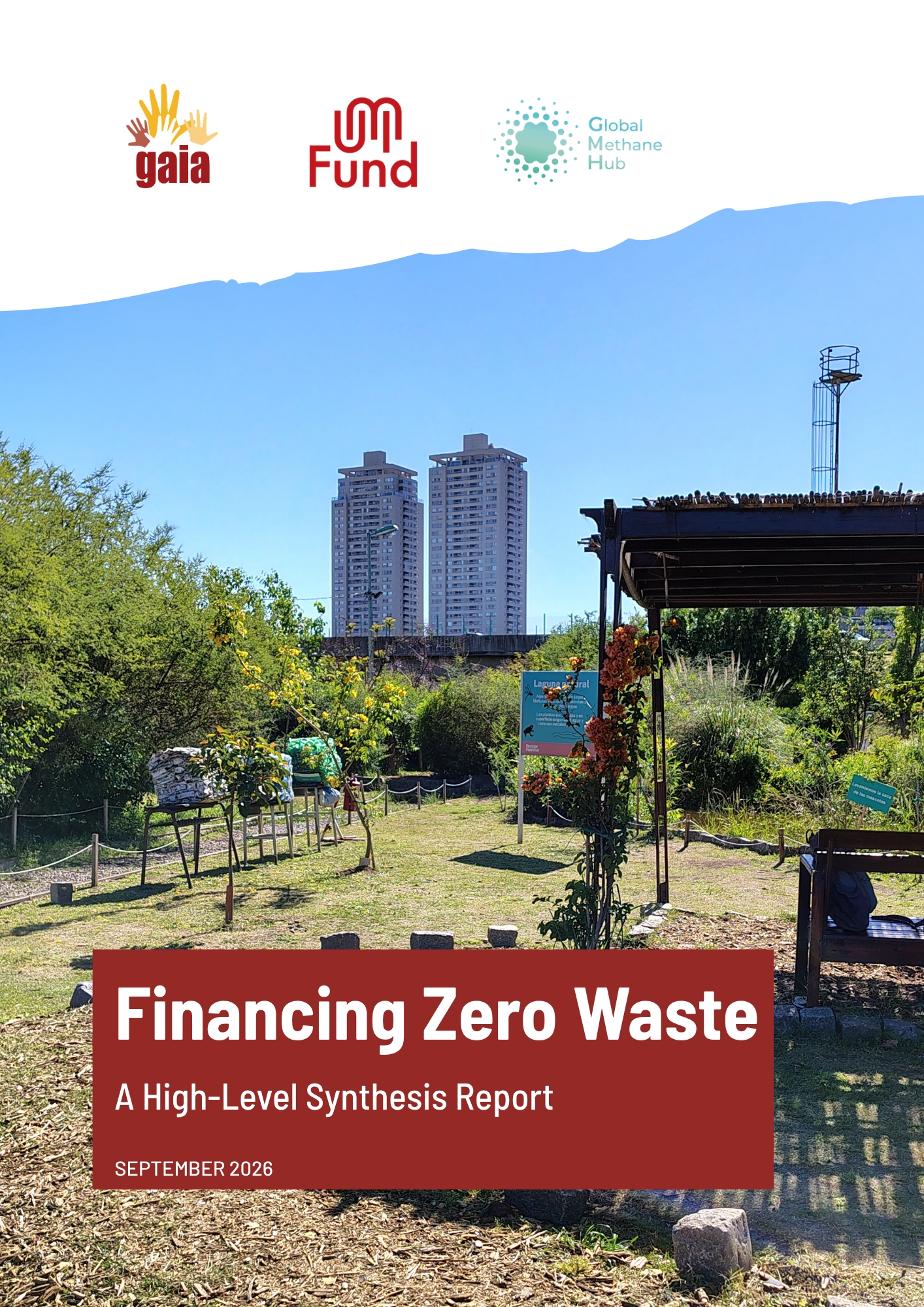
Zero waste is increasingly recognized as a strategic public investment, not a cost burden. This high‑level synthesis distills the core insights from Financing Zero Waste: Practical Guidance for Immediate Action by Local and National Governments, showing how governments can finance zero waste systems by aligning local implementation with national enabling conditions—and by recognizing the broader public value that zero waste generates across climate, health, livelihoods, and resilience.

Download This Resource
Financing Zero Waste: Practical Guidance for Immediate Action by Local and National Governments

Zero waste is emerging as one of the most powerful, immediate climate actions available to governments. This publication provides practical, context‑specific guidance to help local and national governments finance and sustain zero waste systems that cut methane, improve public health, strengthen livelihoods, and build fiscal resilience.
Separation at Source (S@S): 12 Real-World Zero Waste Practices That Work
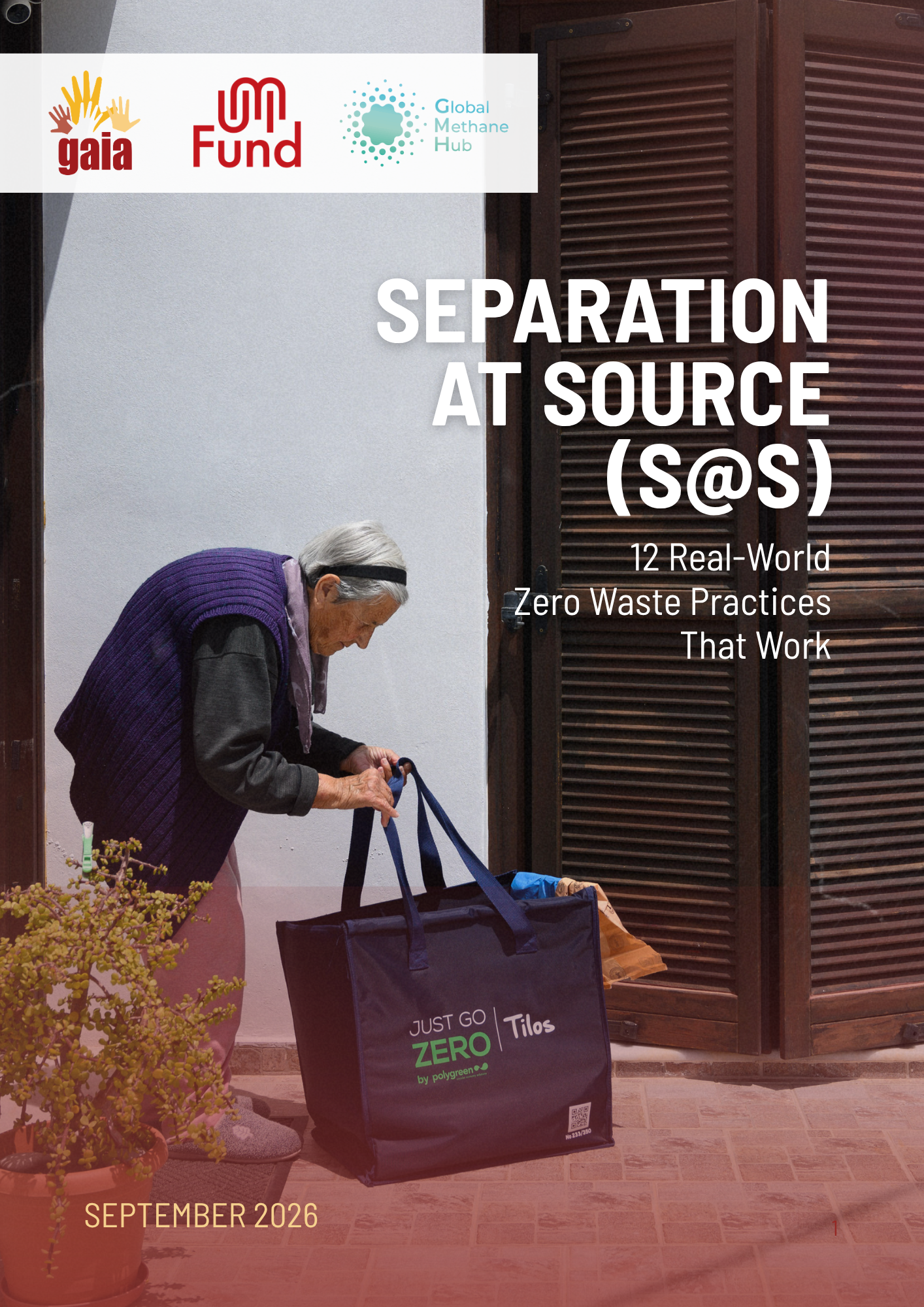
Establishing waste separation at source (S@S) is the foundation of zero waste systems. It means separating different types of waste—such as organic, recyclable, and residual materials—at the point where waste is generated, keeping materials clean and preventing contamination. This publication presents 12 diverse successful cases from five regions: Africa (Tanzania), Asia (India, The Philippines), Europe (Greece, Slovenia, Italy), North America (USA), and Latin America (Costa Rica). The communities featured range in scale, from Tilos Island with a permanent population of 700 residents, to megacities such as Bengaluru, where the zero waste systems reach approximately 2 million people. Across these jurisdictions, source separation rates vary according to local mandates and frameworks, ranging from 30-33% organic waste diversion in Portland to outstanding rates of 80- 95% in places such as Varkala, San Fernando, and Dar es Salaam, and reaching 100% in Tilos Island.
Download This Resource
Building Community Resilience and Green Jobs through Organic Waste: The Case of Durban, South Africa


The Durban Zero Waste Project pilot shows that decentralized organic waste management can deliver powerful environmental and economic outcomes when regarded as a municipal public service rather than a commercial enterprise. The model reduces costs already borne by the municipality through avoided landfill disposal, avoided transport, avoided compost purchases, and reduced greenhouse gas (GHG) emissions.
Building Community Resilience and Green Jobs through Organic Waste: The Case of Bandung, Indonesia
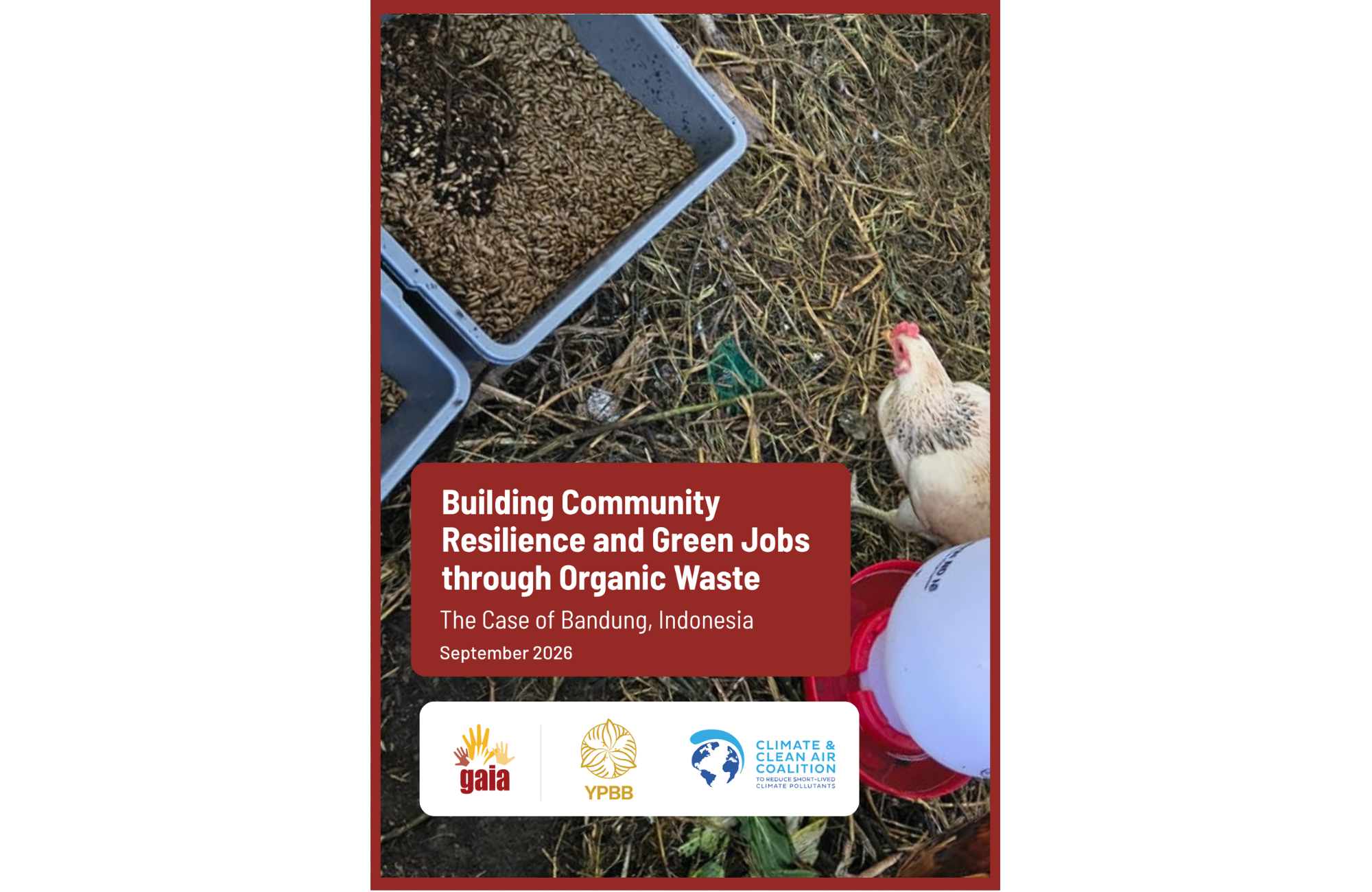
The Neglasari pilot project in Bandung, Indonesia demonstrates that community-based organic waste management can be financially feasible when the government finances the public-service functions that markets do not pay for, particularly land, source-separated organics collection, education, and waste treatment. This model is financially attractive as it generates public goods such as recoverable organic products, local livelihoods, and avoided landfill costs.
Download This Resource
Fiche d’information: Les Bioplastiques

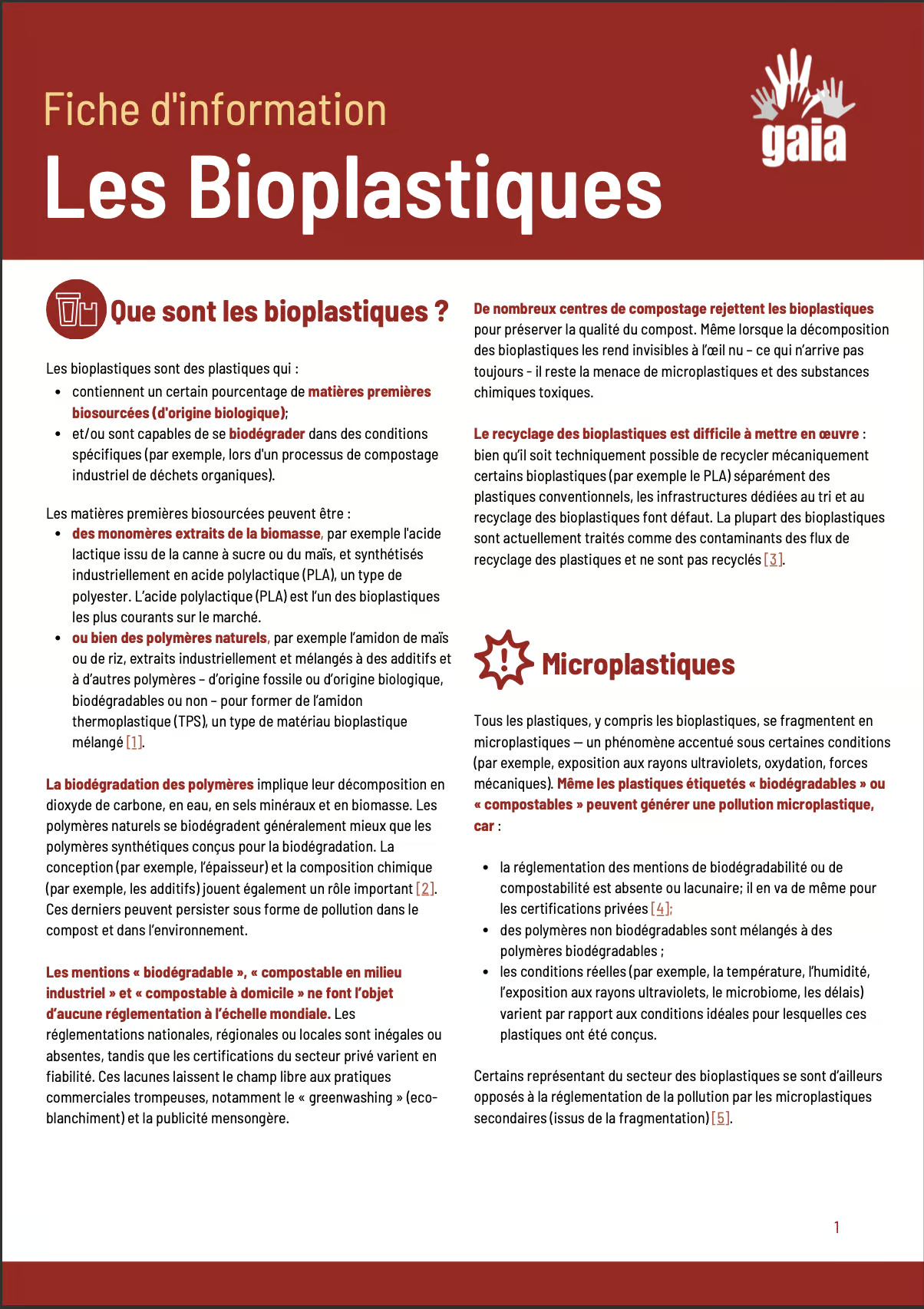
« Bio » ne signifie pas « bon » ou « sans danger ». Trop souvent, l’accent mis sur les bioplastiques sert à masquer la surproduction massive de plastiques jetables ou à usage unique. Les bioplastiques actuels sont, dans leur grande majorité, des substituts regrettables aux plastiques conventionnels, destinés à finir en décharge et à perpétuer la pollution microplastique.
Download This Resource
Discussion Paper: Lithium Ion Overproduction

Definitions, Drivers, and Strategies for Impact
In this discussion paper, GAIA and SOMO synthesise insights from our June 2026 virtual learning circle on lithium-ion battery overproduction. The session brought together more than twenty participants from industry, research, civil society, labour organisations, and affected community advocates — spanning China, Latin America, Europe, and the United States. Global manufacturing capacity for lithium-ion batteries is now estimated at two to five times greater than current demand — a structural gap expected to persist well into the 2030s. This paper asks: what is driving it, who pays the price, and what can we do about it?
Download This Resource
Ficha informativa: bioplásticos
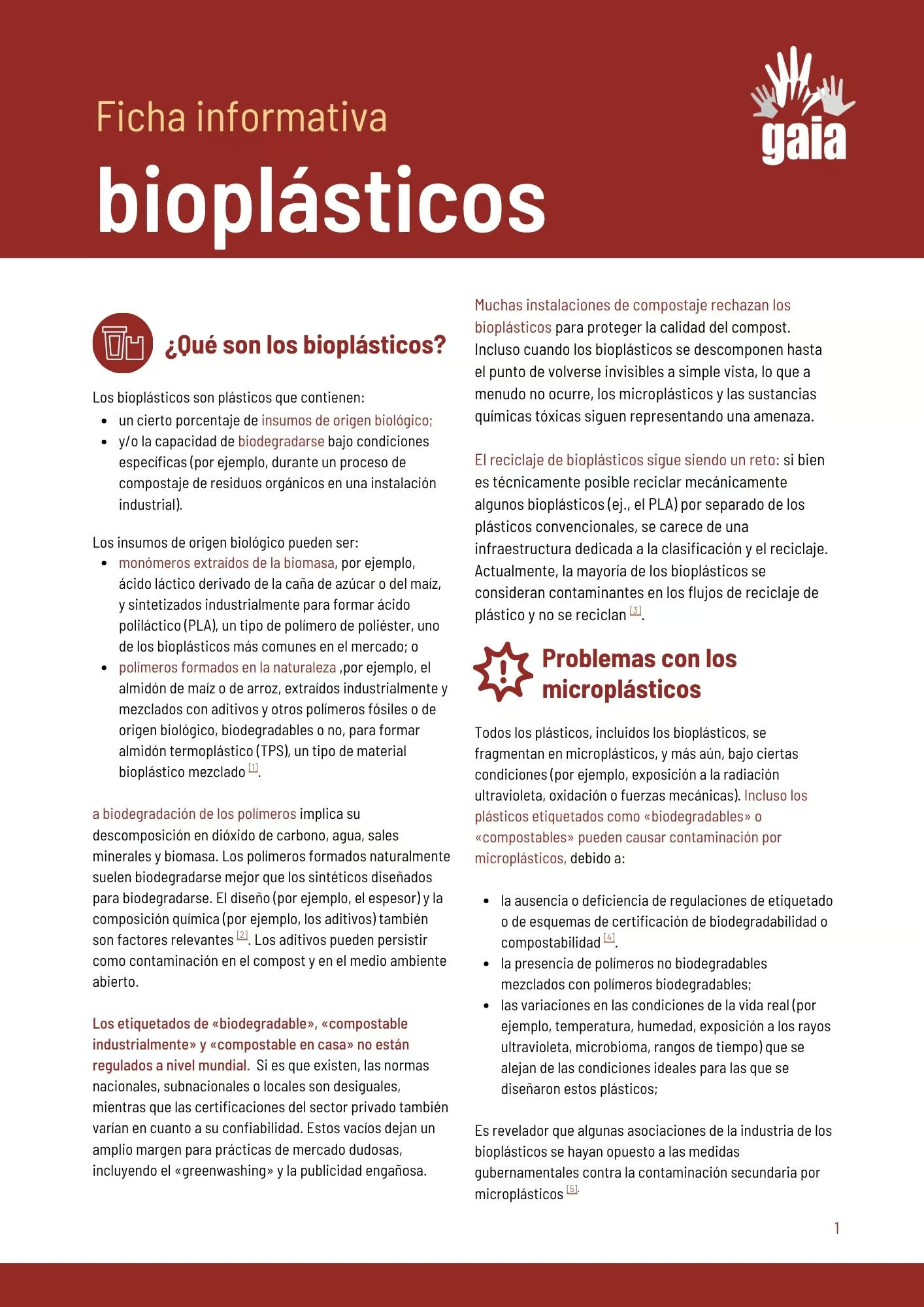
«Bio» no significa que sea bueno o seguro. Con demasiada frecuencia, el énfasis en el uso de los bioplásticos sirve sólo para encubrir con argumentos ecológicos la sobreproducción masiva de plásticos de un solo uso o de corta vida útil. Los bioplásticos actuales son, en su gran mayoría, sustitutos lamentables de los plásticos convencionales de un solo uso, que terminan en los vertederos y perpetúan la contaminación por microplásticos.
Download This Resource
5 Key Takeaways of Case Study: Risks of Lithium-ion Battery Facilities to Workers and Communities in Reno, NV
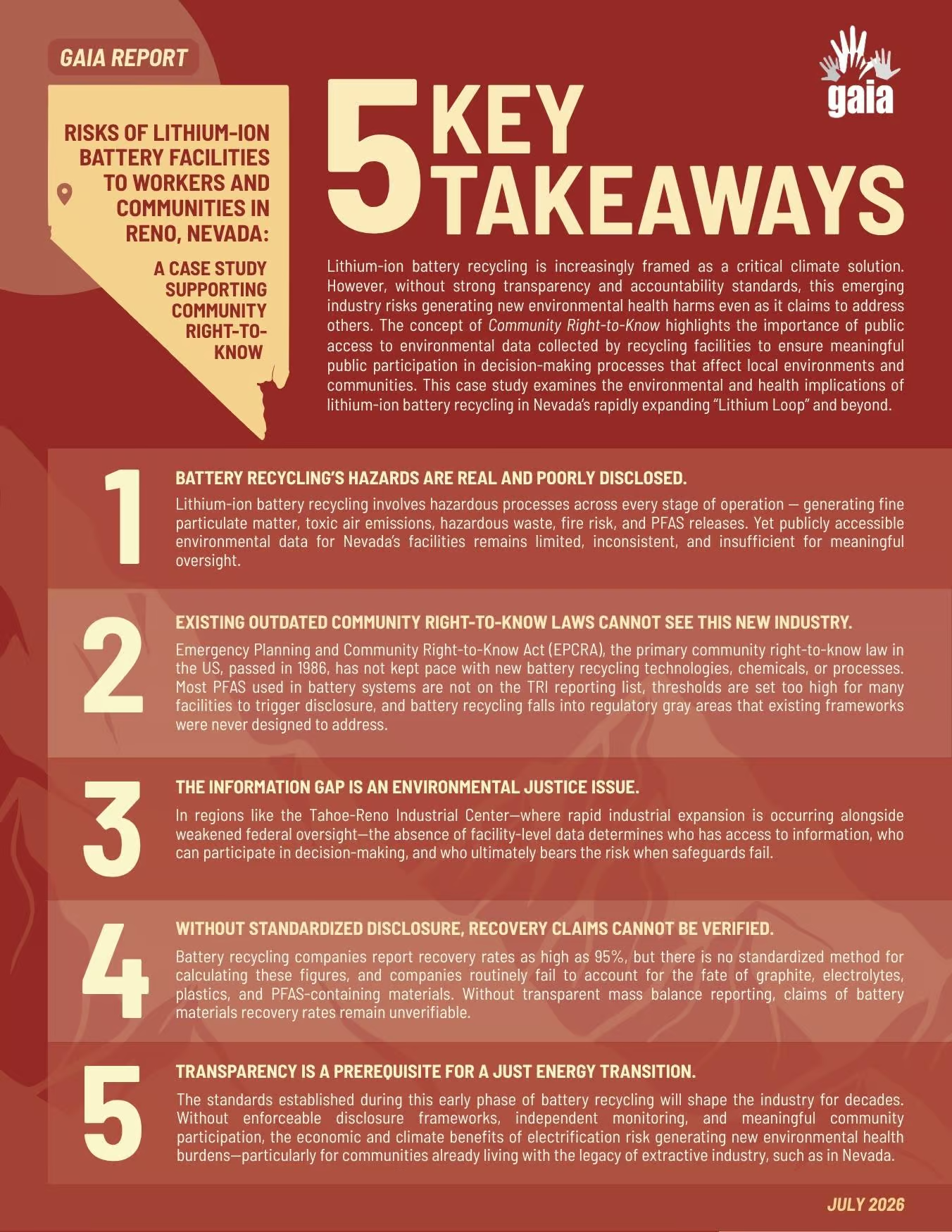
The concept of Community Right-to-Know underscores the importance of public access to environmental data collected by recycling facilities to ensure meaningful public participation in decision-making processes that affect local environments and communities. This fact sheet highlights the five key takeaways of the report, Risks of Lithium-ion Battery Facilities to Workers and Communities in Reno, which examines the environmental and health implications of lithium-ion battery recycling in Nevada’s rapidly expanding “Lithium Loop” and beyond.