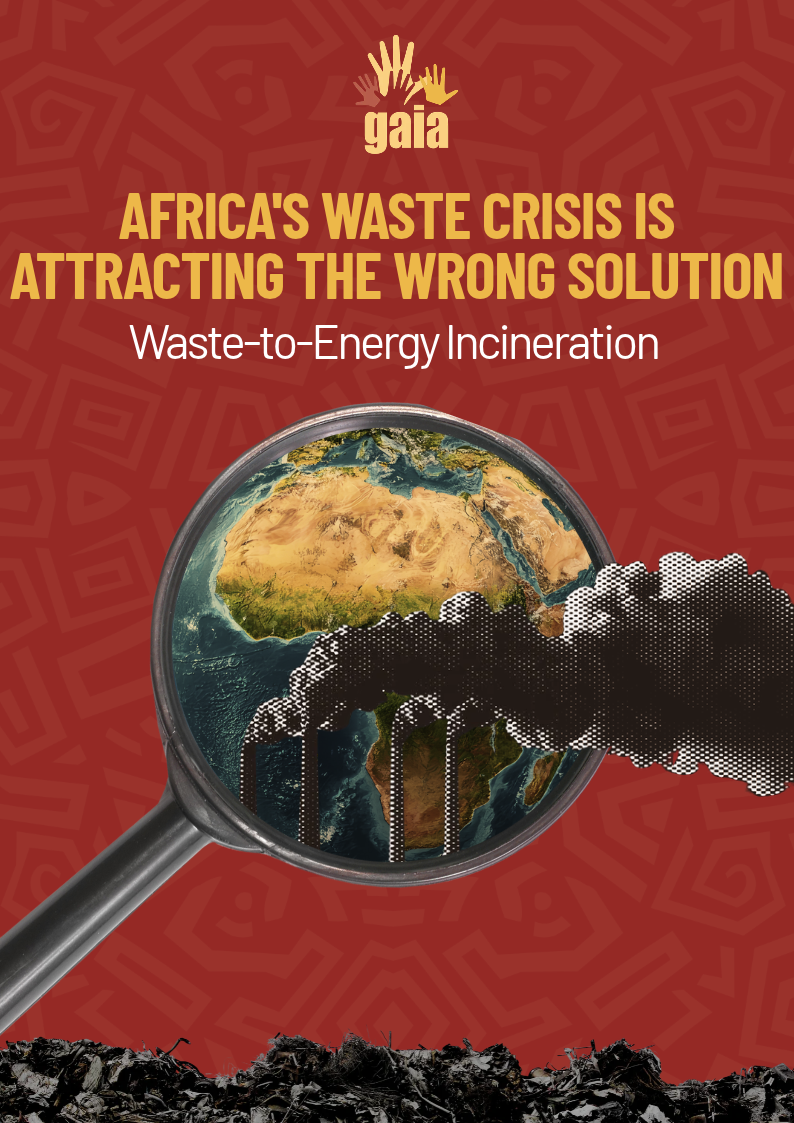





Africa’s Waste Crisis Is Attracting the Wrong Solution: Waste-To-Energy Incineration
Africa - Incineration and cement kilns -As African cities grapple with a growing waste crisis, waste-to-energy incineration is increasingly being promoted as a solution. This new report examines 15 waste-to-energy projects and proposals across 10 African countries, revealing the environmental, public health, and financial risks of pursuing incineration. And makes the case for prioritising zero waste solutions that address the root causes of the crisis rather than locking cities into decades of costly, polluting infrastructure.
Key findings
- 15 projects in 10 countries: one plant is operational (Reppie, Ethiopia), two are under construction and twelve are at the approval, financing, planning or proposal stage.
- Over US$4 billion in combined capital expenditure, for an estimated 520–550 MW of capacity.
- Public money and public risk: African public funds are the largest source of finance, and long contracts can shift economic risk onto the public sector even when projects are described as private.
- Waste pickers lose out: interviews near the Koshe dumpsite found a 50% drop in waste pickers’ earnings linked to the Reppie incinerator.
Frequently asked questions
How many waste-to-energy projects are proposed in Africa?
GAIA’s report tracks 15 waste-to-energy projects and proposals across 10 African countries: Egypt, Ethiopia, Ghana, Kenya, Morocco, Nigeria, Sierra Leone, South Africa, Uganda and Zimbabwe. Only one, the Reppie plant in Ethiopia, is operational.
Why is incineration the wrong solution for Africa’s waste crisis?
Most of Africa’s waste is organic and wet, so it burns poorly and may need fossil fuel support. Incinerators release toxic pollutants and ash, cost hundreds of millions of dollars, and lock cities into 25–30 year contracts that require a constant supply of waste.
What does the report recommend instead?
A moratorium on new incineration agreements until independent assessments are done, public disclosure of contracts and impact assessments, formal integration of waste pickers, and investment in source separation, collection, composting and recycling.
Related resources
The Reppie (Ethiopia) and Pomona (Zimbabwe) incinerators are also documented in GAIA’s Burn Book. Learn more in Waste-to-Energy Incineration: The Facts, Costs & Risks and Waste-Burning 101, join the Global Week of Action to Stop Incineration, and read 20 Inspiring Stories of Victory Against Incinerators.