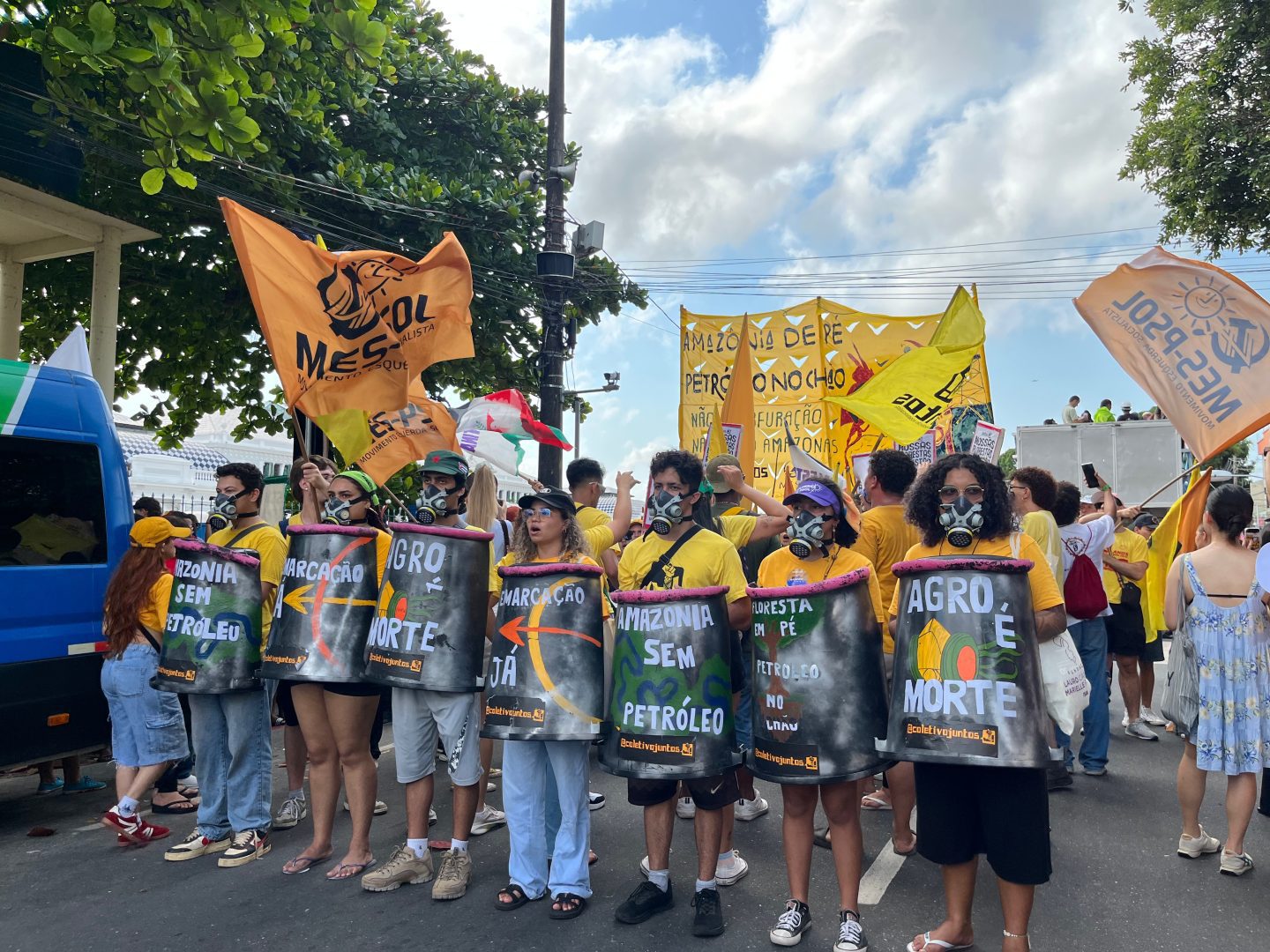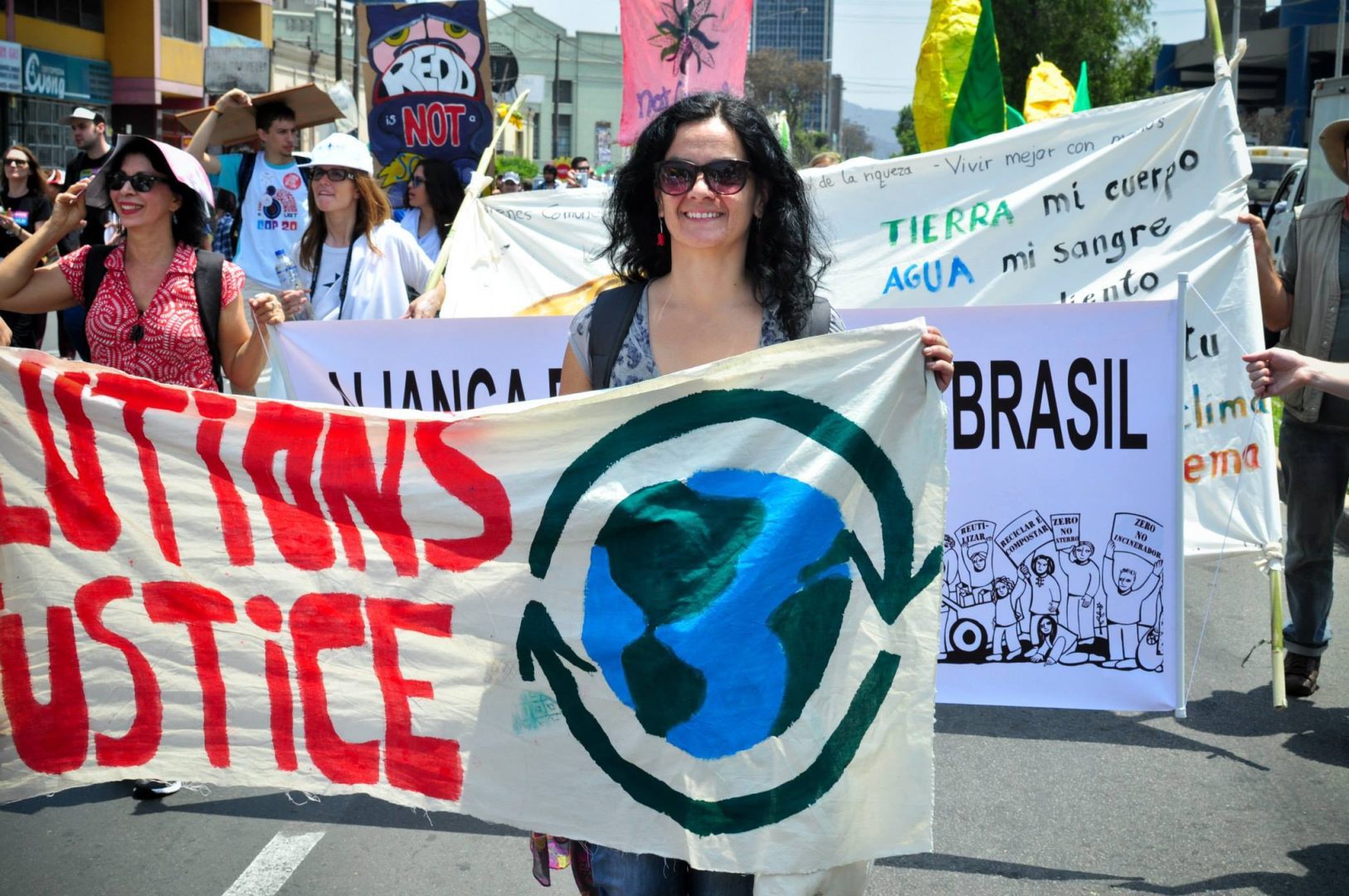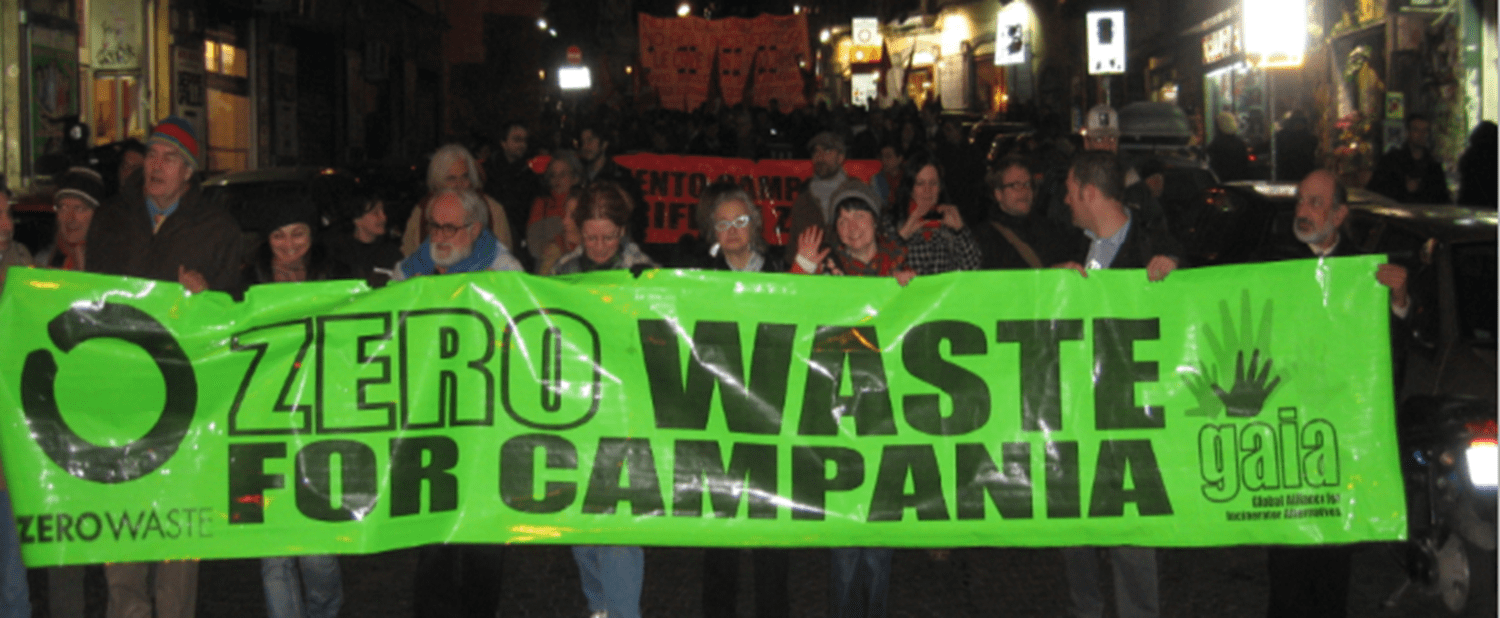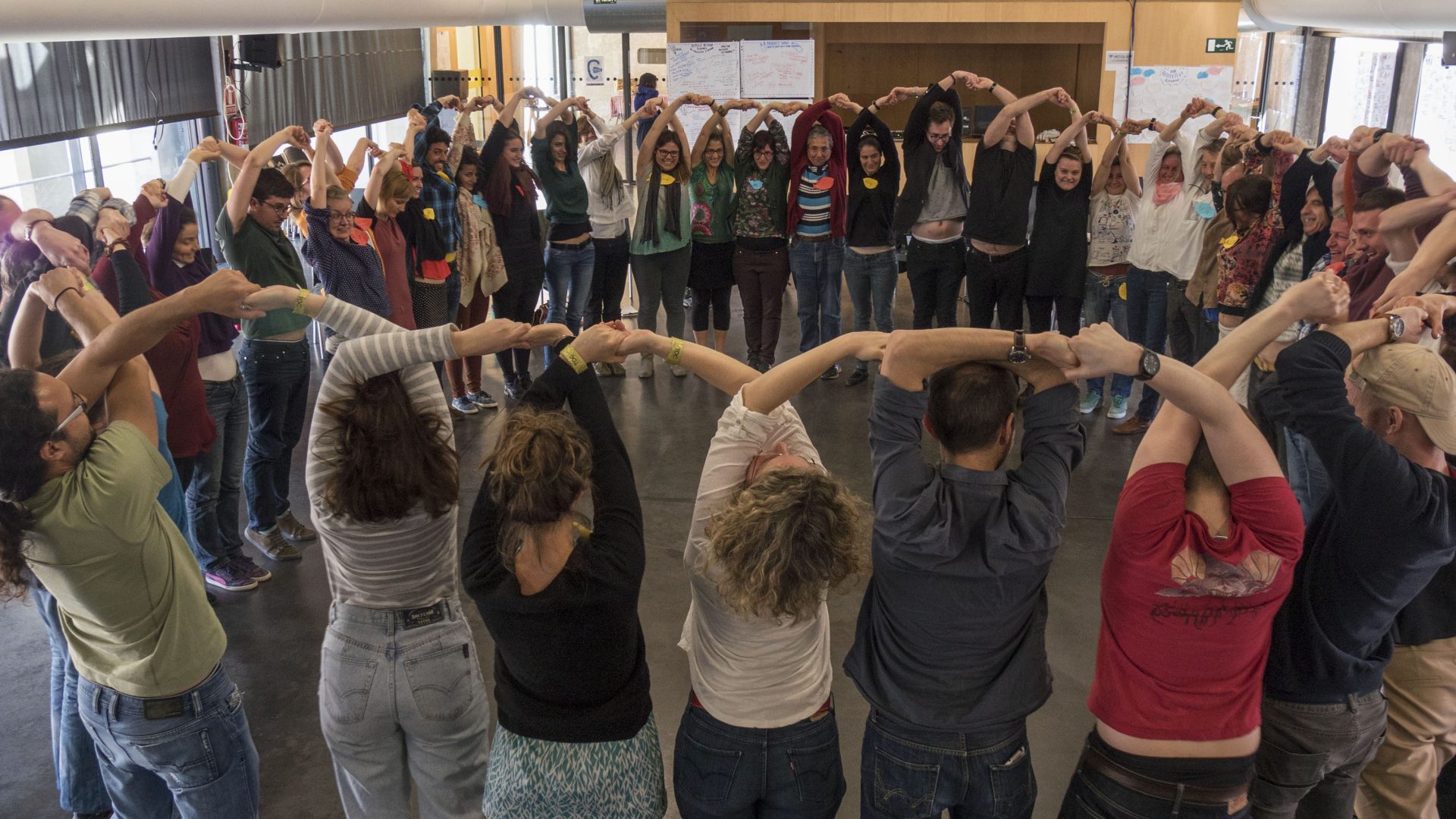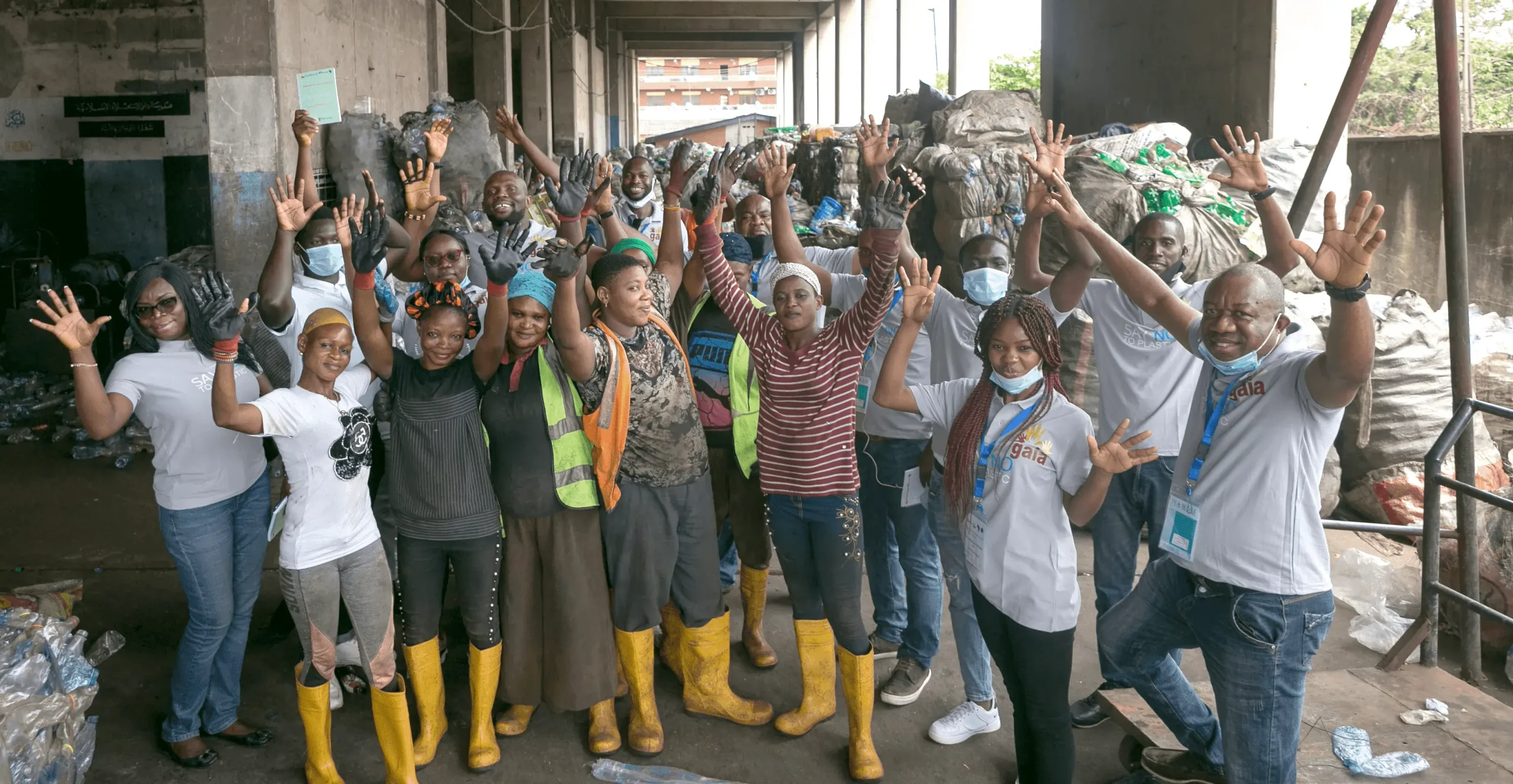
“The waste sector isn’t just about rubbish — it’s about rapid climate action, cleaner air, and social justice” emphasizes Mariel Vilella, Global Climate Program Director at GAIA

When delegates from around the world gathered in Belém, Brazil, for COP30, one thing became clear: the waste sector is no longer a background player in climate policy—it’s central to solving the crisis.

Methane, a potent greenhouse gas responsible for nearly a third of today’s warming, is sometimes called the climate “emergency brake.” Cut it now, and we slow warming fast. At COP30, the Global Methane Status Report 2025 confirmed that solutions exist:  food waste reduction, source separation, composting, biogas and ultimately diverting organic waste from landfills and dumpsites. These approaches could deliver the largest methane decline ever recorded, and much of it is cheap, scalable, and job-creating.

The report was launched at the Global Methane Pledge Ministerial (Global Methane Pledge), showing a clear pathway to emission reductions across energy, agriculture, and waste sectors. Analysis from Climate Action Tracker and Climate Analytics shows that fully implementing pledges to triple renewable energy, double energy efficiency, and cut methane sharply by 2030 could avert nearly 1°C of warming, lowering projected heating from 2.6°C to 1.7°C.

Four key outcomes from COP30 are now shaping the waste and climate agenda; milestones that signal a turning point for methane action, zero-waste solutions, and environmental justice. These developments not only elevate the role of the waste sector in global climate strategy, but also open new pathways for countries, cities, and communities to accelerate real, measurable progress. Here’s what emerged from Belém:

  1. Mitigation Work Programme: Waste Steps Into the Climate Spotlight
    A key outcome of COP30 was the elevation of waste and circular economy solutions within the Mitigation Work Programme. Building on this year’s global dialogue in Addis Ababa—where GAIA’s Neil Tangri presented organic waste best practices—Parties recognized that waste prevention, reduction, and upstream solutions in the waste hierarchy are essential to near-term climate ambition.Building on that, COP30 highlighted the need to cut waste-sector emissions while addressing the social dimensions of waste, including formalizing and protecting informal economy workers. Countries also emphasized the strong co-benefits of zero-waste approaches—from job creation to healthier communities.With a renewed focus on multilevel governance and broad collaboration across reuse, recycling, material separation, and organic waste systems, COP30 marked a clear shift: the waste sector is now firmly on the global climate agenda.
  2. Just Transition: Climate Action that Includes People
    COP30 marked a milestone with the establishment of the Just Transition Mechanism, a first step towards ensuring that climate action supports workers, communities, and vulnerable populations.Combined with new funding streams, COP30 signaled that climate solutions can be fast, fair, and effective, if we include the people who make them work.
  3. The No Organic Initiative
    COP30 also saw the launch of the No Organic Waste Initiative, a bold effort to cut methane from organic waste by two-thirds, avoid 0.1°C warming by 2050, create jobs, reduce costs, and improve resource efficiency.For the first time, waste-pickers were fully included, sending a powerful message: climate solutions must be just and inclusive.With $30 million in funding from the Global Methane Hub, this initiative demonstrates that tackling waste isn’t just about managing trash—it’s about building a cleaner, fairer world.
  4. Black Carbon: Cleaner Air and Climate Wins
    The High-Level Launch of Sectoral Action on Black Carbon, co-hosted by the Clean Air Fund and SLYCAN Trust in consultation with the Climate and Clean Air Coalition (CCAC), highlighted black carbon emissions and their health and climate impacts.Countries including Chile, Madagascar, Costa Rica, Canada, Uganda, Cambodia, Nigeria, the Dominican Republic, Sri Lanka, and Colombia outlined national steps to reduce black carbon from transport, household and commercial energy, and waste and agricultural burning.“Reducing methane and black carbon together improves air quality, health, and climate simultaneously”, said Henrique Bezerra Regional Lead for Latin America at the Global Methane Hub. 
  5. National Methane Programs
    To scale these solutions further, the CCAC launched seven new national methane programs, with ~$25 million committed to multi-year technical teams supporting super-emitter detection, project design, and capacity-building, aiming to reach 30 countries by 2030.

GAIA at COP30: Two Weeks of Climate Action

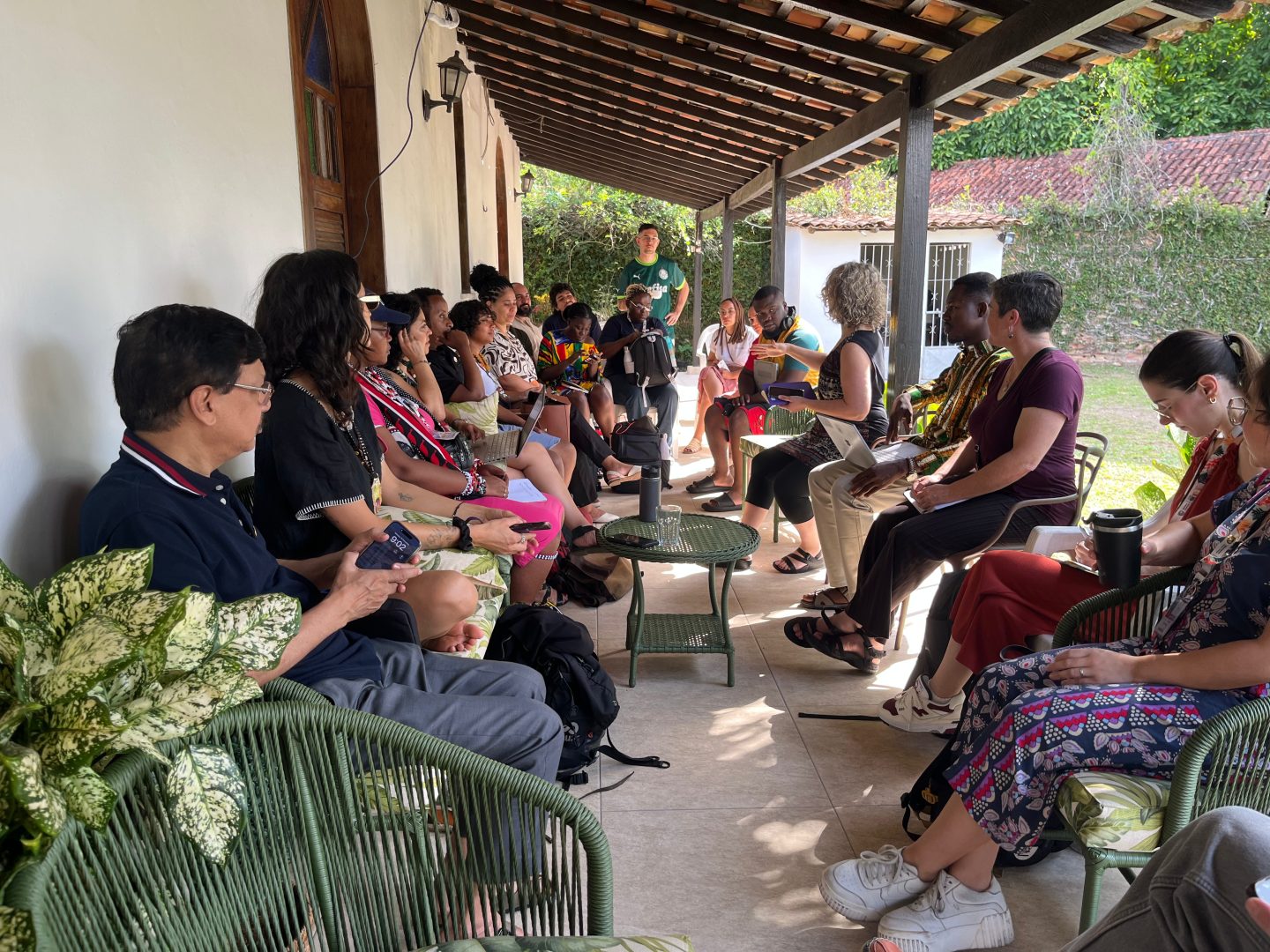
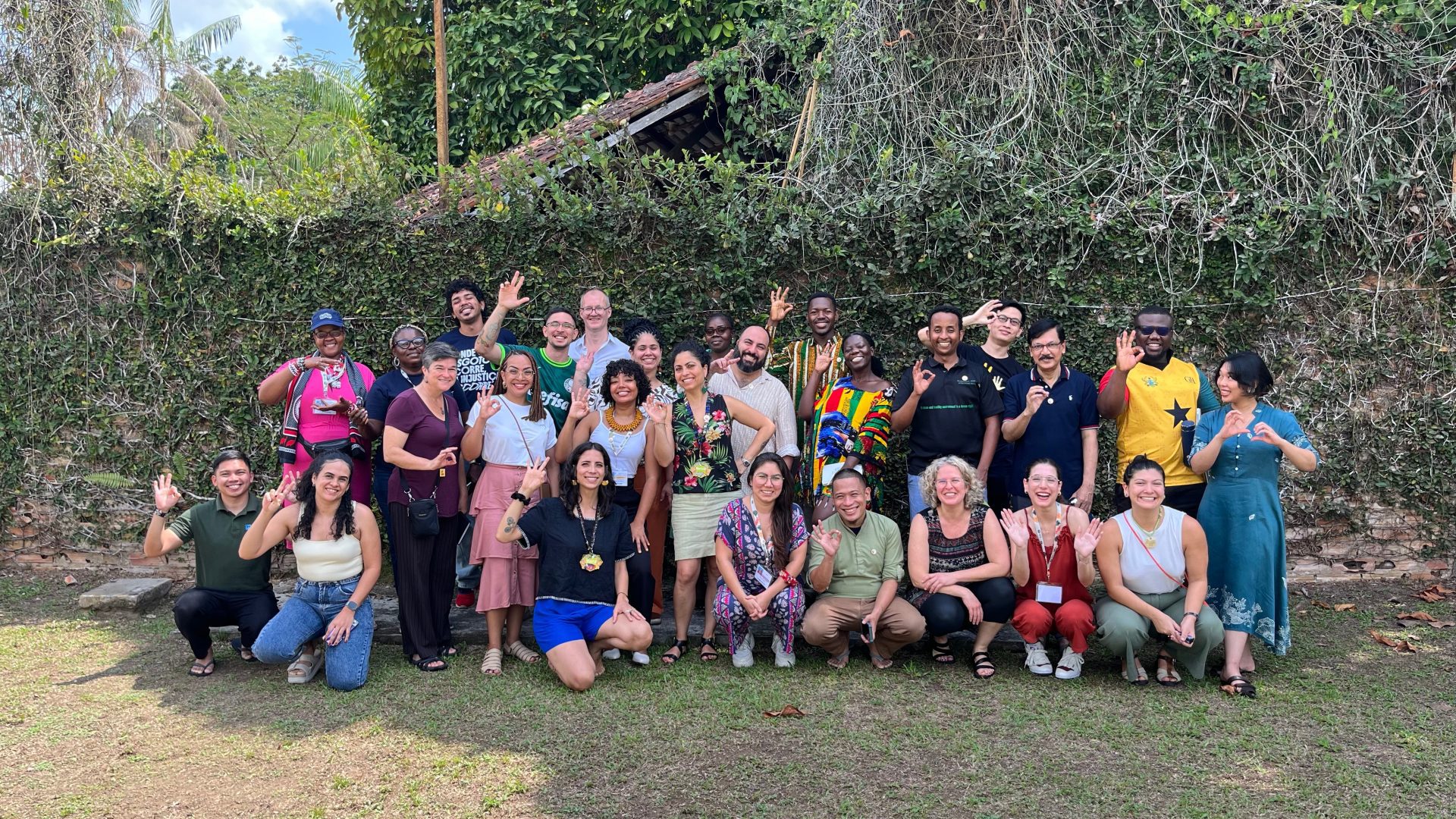
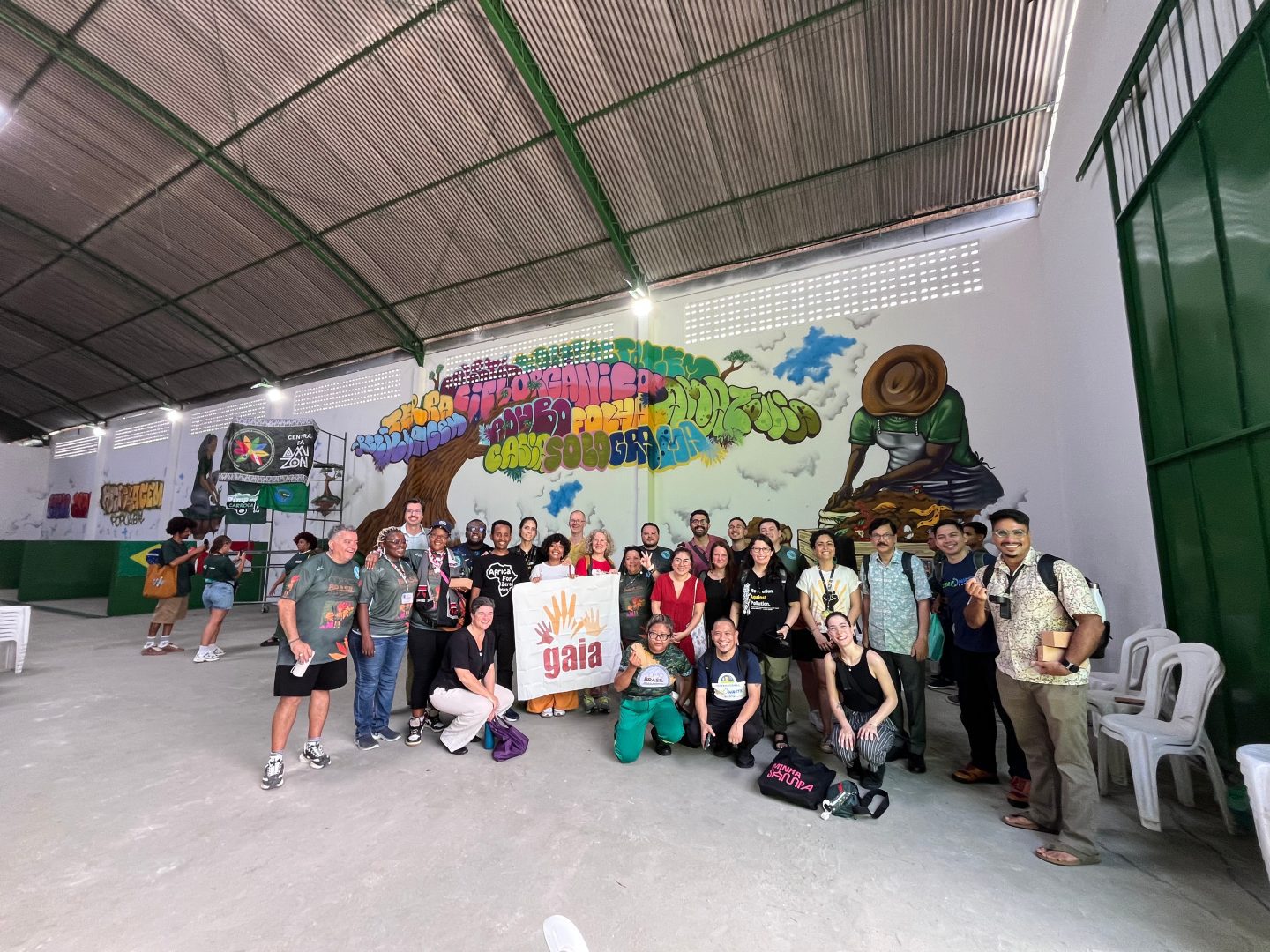
When the GAIA delegation touched down in Belém, we arrived with a clear mission: make waste, zero-waste solutions, and just-transition principles impossible to ignore. Over two weeks, our team turWhen the GAIA delegation touched down in Belém, we arrived with a clear mission: make waste, zero-waste solutions, and just-transition principles impossible to ignore. Over two weeks, our team turned knowledge into action, community-led ideas into policy conversations, and technical expertise into influence.

Explore the full GAIA COP30 delegation and see our GAIA COP30 calendar of events.

A Global Team, A Shared Vision

GAIA brought together 44 people from 30 organizations across 18+ countries—from Ghana and Indonesia to Chile and Brazil. Not everyone could be on-site, but our presence was felt both in the conference halls and online. Our delegation embodied a shared vision: solving the climate crisis starts with inclusive, community-driven solutions.

Week 1: Making Every Voice Heard 

GAIA members spoke at 34 events across 11 pavilions, including the Super Pollutants Pavilion, Children & Youth Pavilion, Amazon Climate Hub, and UNESCO Pavilion. We shared platforms with country pavilions like Brazil, Ethiopia, and Chile–ICCI–Iceland, and participated in UN events, press conferences, and online Climate Newsbreaks.
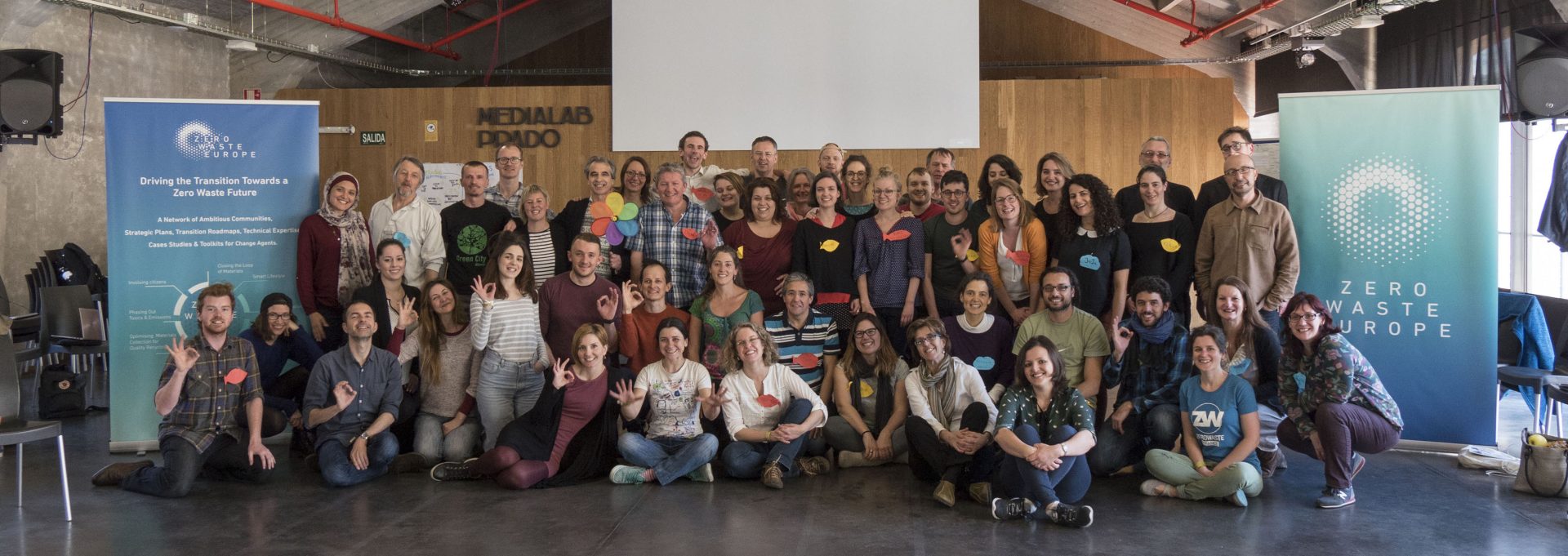
In numbers:

  • 28 GAIA staff and members speaking (including remote contributions)
  • 70 speaking appearances
  • Engagement with 12 funders and 15 policymakers
  • Media coverage: 4 interviews, 5 mentions (a full coverage report still to come)

It was a week defined by visibility and influence. Everywhere we went, GAIA made sure the message was unmistakable: cutting methane, expanding organic waste solutions, and advancing zero-waste strategies are essential to real climate progress. Our voices carried across pavilions, panels, and press rooms, ensuring that these priorities were not just mentioned, but centered in the conversations that matter most.

Week 2: Deepening Connections 

Week two shifted focus to building relationships and cementing impact, with 21 events across 11 pavilions, including the Museu das Amazonias, Food Roots and Routes Pavilion, USA Climate Pavilion, Super Pollutant Solutions Pavilion, and CDR30 Roundtable. Country pavilions included Bangladesh and Indonesia.
Highlights:

  • 20 GAIA members speaking, 32 appearances
  • Direct engagement with 5 funders and 2 policymakers
  • Media visibility: 2 interviews, 1 press release (a full coverage report still to come)
  • Online reach maintained through 5 Climate Newsbreaks.

Week two was all about building bridges — linking grassroots communities with global policymakers, connecting local zero-waste solutions to international funding opportunities, and turning hard-won knowledge into meaningful action. In every conversation and every room, GAIA worked to close the gaps that too often hold climate solutions back, creating pathways where collaboration and impact can truly thrive.

GAIA’s Impact: Turning Ideas into Action 

Across two weeks, GAIA demonstrated the power of connecting grassroots innovation with global policy:

  • Amplifying methane reduction and organic waste solutions
  • Highlighting inclusive, community-led zero-waste strategies
  • Engaging funders and policymakers directly
  • Strengthening solidarity across 30 countries

From high-level panels to targeted pavilion engagements, GAIA ensured zero-waste solutions and just-transition principles were central to COP30.

“Our two weeks in Belém were more than a conference—they were proof that community-driven climate action is not just possible, but essential”, said Froilan Grate, GAIA Asia Pacific Regional Coordinator, Philippines. 

Moving Forward: Opportunities for Zero Waste at COP31

Türkiye will host COP31 in 2026, while Australia takes on the lead negotiating Presidency. For Türkiye, COP31 is a chance to showcase its Zero Waste initiative as a cornerstone of domestic climate action and global leadership.

Launched in 2017, Türkiye’s Zero Waste Project has achieved:

  • Waste Reduction: Millions of tons of paper and plastic diverted from landfills
  • Emission Savings: ~500,000 tons of CO₂e saved annually
  • Resource Conservation: Preserving raw materials, energy, and water
  • Plastic Bag Reduction: 75% drop in usage between 2019–2021

The transition from COP30 to COP31 is a unique opportunity for the zero waste movement. GAIA’s experience in Belém shows how community-driven solutions, technical knowledge, and policy advocacy intersect to create real impact.

Türkiye’s Zero Waste initiative is a tangible example of national action that can be amplified globally, though tackling systemic hurdles like imported plastic waste and landfill reliance will be essential.

We look forward to supporting Türkiye, the Zero Waste Foundation, and the global community as they leverage COP31 to strengthen zero waste and methane mitigation. The next chapter is about turning ambition into action, bridging national initiatives with global climate leadership, and ensuring zero waste becomes a central pillar of the climate agenda.

Explore Key COP30 Initiatives

25 Years of Advancing Beautiful Solutions

Magdalena Donoso, GAIA Latin America and the Caribbean

We find ourselves in a complex era, in which trends and narratives of unlimited consumption, individualism, and hedonism seemingly prevail. Yet there are enduring forces—embodied in individuals, organizations, and communities—that confront this reality by consistently advocating for environmental and social ethics. These forces are the muscle, the mind and the heart of GAIA. Our movement is much more than just a series of organizations coordinating actions for specific purposes. It is a living demonstration that a different world is possible– that community work builds power, inspires creativity, and creates opportunities to work together towards a shared vision.


We have walked this path for 25 years, strengthened by our beliefs, together with organizations that join us day after day in resistance and dedication to systems change . We’ve followed this route hand-in-hand with grassroots waste pickers, with whom we have built an unwavering bond of trust. 

Together, we have stopped incineration proposals across the region, promoted laws and ordinances, implemented solutions, connected with hundreds of local and national decision-makers, and coordinated national partnerships, coalitions, movements, and declarations.

The sum of these efforts sparked a shift from the dominant narrative fueled by corporate propaganda, towards the beliefs that drive us as a movement: the idea of a zero waste world that respects and follows the rhythms of  nature, is rooted in community-built solutions, and promotes a  healthier world for all its inhabitants.

 With the rising threats of climate change, systemic inequality, and rising fascism, more and more people say that the world is burning.  GAIA was founded precisely to fight against burning and reconnect with nature, and our mission is more critical than ever. 

This mission shared by all of us who are a part of GAIA is tremendously inspiring, and as challenging in practice as it is simple in its intent. As we promote this fundamental narrative shift on a daily basis, we understand that to make it come true, we must continue working hard to change institutions, local and national public policies, and global political frameworks.


Maintaining hope and strength is only possible if we remain firmly united on the path we decided to follow 25 years ago. So far, people in the South have refused to be fooled by the false promise of “progress” and “development.” We have etched the imprint of our work across thousands of initiatives—local, national, and beyond—and that mark will never fade. While not so long ago “zero waste” was considered a romantic utopia, today it is universally accepted as an urgent necessity. 


Our community is resilient and creative, and we transform the grays of incinerator of ash and cement into the colour of the clouds in the sky, the sand on the beaches, the worms in compost. We will never waver in our commitment to advancing these beautiful solutions.  Long live GAIA!


[spanish]


Nos encontramos inmersos en una era compleja donde aparentemente dominan tendencias y discursos orientados al consumo ilimitado, al individualismo y al hedonismo. Pero hay fuerzas irreductibles encarnadas en personas, organizaciones y comunidades que hacen frente a esa realidad, empujando las éticas ambientales y sociales día a día. Esas fuerzas son el músculo, la mente y el corazón de GAIA. Nuestro movimiento es mucho más que un número de organizaciones coordinadas para fines específicos. Es la manifestación viva de que otro mundo es posible, de que lo comunitario es fuerza, fuente de inspiración y creatividad, y oportunidad para empujar en conjunto el mundo que queremos, haciendo frente a la criminalización y a la desinformación.


Llevamos 25 años transitando ese camino, fortalecidos en nuestras convicciones, con organizaciones que día a día se suman a este sueño que es resistencia y al mismo tiempo construcción concreta de una realidad distinta. Hemos transitado este camino de la mano de recicladores de base, con quienes hemos construido un espacio de confianza inquebrantable.
Juntos y juntas hemos frenado propuestas de incineración en toda la región, hemos impulsado leyes y ordenanzas, hemos implementado soluciones, hemos conectado con cientos de tomadores de decisión locales y nacionales, hemos articulado alianzas nacionales, coaliciones, movimientos y declaraciones.


La suma de estos esfuerzos ha permitido desviar la narrativa que todo el aparato de propaganda en el mundo quiere imponer, hacia las convicciones que nos mueven como movimiento: la idea de un mundo basura cero que encarne los valores del respeto a la naturaleza, de buscar imitar sus ritmos, de construcción comunitaria de soluciones, de un mundo más saludable para todos quienes lo habitamos, de austeridad.


Dicen que el mundo se está quemando, y es muy simbólico que GAIA haya sido concebido precisamente para enfrentar literalmente lo que hoy es un símbolo: GAIA nació para que el planeta dejara de incinerar y volviera a conectar con la naturaleza para imitarla. Esta misión de quienes somos parte de GAIA es tremendamente inspiradora, y tan desafiante como simple en su cometido. Mientras impulsamos día a día este cambio de narrativa fundamental, vemos con claridad que para hacerlo realidad debemos continuar trabajando arduamente en cambios profundos en la institucionalidad, en las políticas públicas locales y nacionales, y en un marco político global que favorezca dichas acciones.


Sostener la esperanza y la fuerza sólo es posible si continuamos férreamente unidos en el sendero que decidimos transitar hace 25 años. Hasta hoy los pueblos del sur hemos sido irreductibles ante lo que nos venden como progreso y desarrollo. La tinta natural que hemos usado para dejar el sello de nuestras acciones en miles de iniciativas locales, nacionales e internacionales es indeleble. Mientras ayer “Basura Cero” era concebida como una utopía romántica, hoy es transversalmente aceptada como una necesidad urgente.
Nuestra comunidad es resistencia y creatividad, y los grises que vemos en el camino en la forma de cenizas y cemento, los transformamos día a día en los grises de las nubes en el cielo, la arena en las playas, las lombrices en el compost. Nuestro compromiso es seguir construyendo y transitando el camino de esas transformaciones.

¡Larga vida a GAIA!

The Problem

Across the United States and around the world, Black, Brown, Indigenous, and low-wealth communities are disproportionately impacted by climate change and toxic waste infrastructure, despite contributing the least to the problem. These frontline communities often live closest to landfills, incinerators, and other polluting facilities and are frequently excluded from the decision-making processes that shape these systems. This is a clear environmental injustice and one that continues to fuel health disparities, environmental harm, and climate disasters.


While most climate efforts have focused on reducing carbon dioxide (CO₂), methane is a short-lived but extremely potent gas, as it has 82.5 times more warming potential than CO2 over a 20-year timespan. In the U.S., the waste sector is the third-largest source of methane emissions. Landfills alone produce over 17% of the nation’s methane output, mostly from food waste.


This presents both a challenge and a powerful opportunity. Methane has a relatively short lifespan of just 12 years, meaning that reducing emissions now can quickly slow the pace of climate change. Proven zero waste strategies, such as food waste prevention, composting, and community-run organics programs, could reduce methane emissions from the waste sector by up to 95%. But far too often, these solutions are not implemented where they are needed most. Community-led efforts face systemic barriers to funding, support, and recognition, while harmful “false solutions” continue to dominate waste sector investments.


The opportunity lies in shifting power and resources toward the communities most impacted. By investing in grassroots, justice-centered approaches to reducing food waste and cutting methane, we can protect public health, advance climate goals, and ensure that environmental justice is at the core of climate action.

About the Program

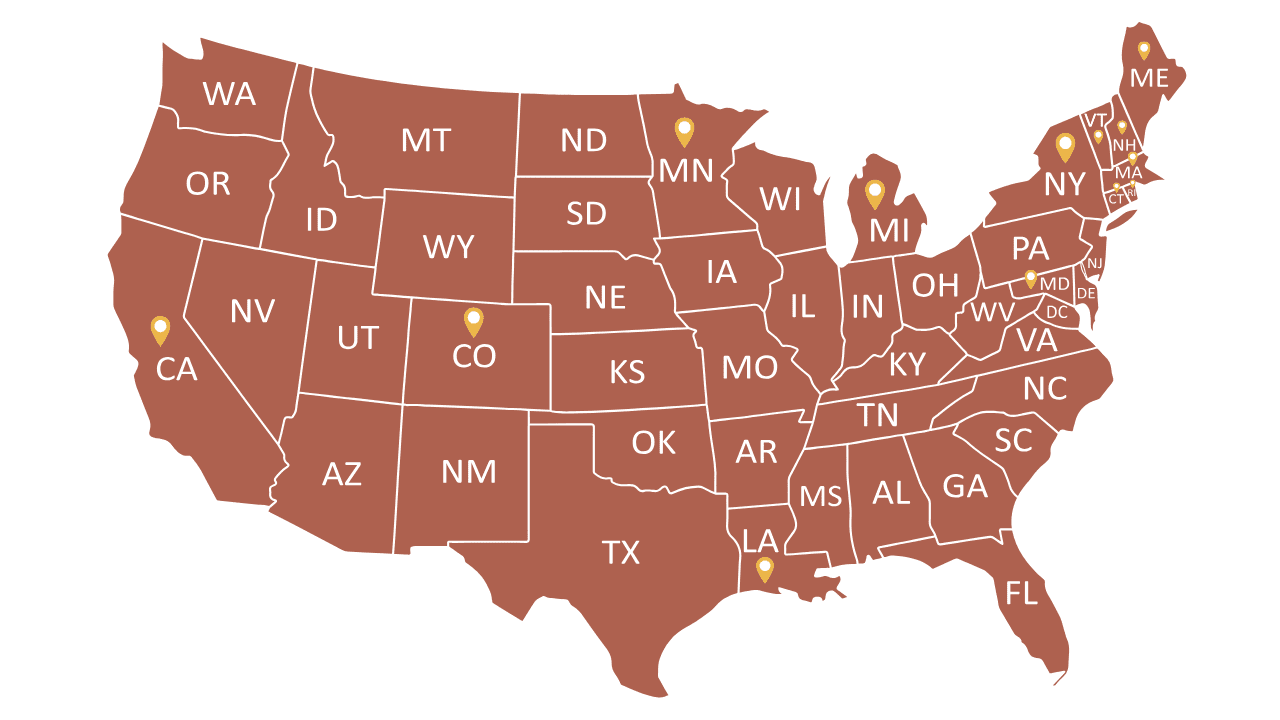
The U.S. Methane Reduction and Environmental Justice Regrant Program supports community-based environmental justice organizations working to reduce methane emissions through zero waste strategies. This initiative is rooted in the belief that true climate solutions must be centered on justice and led by the communities most affected by pollution and climate change. The program aims to build grassroots power to advance local, state, and federal efforts to cut methane emissions in ways that are sustainable, people-powered, and community-driven.


GAIA will support various projects, from organic waste diversion to landfill pollution advocacy and policy engagement, that prioritize frontline leadership and systemic change. Partner organizations will collaborate, share knowledge, and amplify their work as part of a national cohort. Ultimately, this program strives to shift resources and decision-making power to the local level, where the most effective and equitable solutions are already taking root.

Project Partners

Contact information for the U.S. Methane Reduction and Environmental Justice Regrant Program

Marcel Howard, Regional Zero Waste Program Manager, US & Canada (Cohort Lead) – marcel@no-burn.org

Anacláudia Rossbach

United Nations Under-Secretary-General

Executive Director, UN-Habitat

Parklands/Highridge, United Nations Ave.

Nairobi, Kenya


Dear Ms. Rossbach, 


The Global Alliance for Incinerator Alternatives, which represents over 1,000 groups across 92 countries worldwide, is dismayed by UN-HABITAT’s promotion of waste-to-energy incineration (WTE) on its LinkedIn page on March 6, as well as your inclusion of WTE in your zero waste best practices webpage. This contradicts UN-HABITAT’s mission of disseminating proven strategies to promote urban development. Waste-to-energy incineration has been largely discredited worldwide for its capital-intensity, climate emissions, impact on human health and the environment, and threat to waste picker livelihoods. 

WTE incinerators have been shown to be a serious toxic burden on communities surrounding them. Older incinerators lack basic pollution controls or regulatory oversight in many countries, and even the “state-of-the-art” newer WTE incinerators have been shown to release pollutants. A biomonitoring study conducted last year around WTE incinerators in Slovakia, The Netherlands, and Spanish Basque country found dioxin contamination exceeding EU limits, PFAS in the water, and heavy metals in the soil.  As a result of this groundbreaking research, the French Parliament is currently considering a moratorium on incineration

Increasing WTE incineration of waste would be a climate disaster. Every metric ton of plastic burned in a WTE incinerator results in almost one ton of CO2 emissions, even when factoring in energy production from the process. In fact, electricity produced by incinerators is more carbon-intensive than electricity generated through the conventional use of fossil fuels. 

This is why in Europe, where decarbonization of the energy grid is an important policy commitment, countries like Denmark are closing down incinerators, and the European Union funds such as, The EU Cohesion Fund, Just Transition Fund, Recovery and Resilience Fund as well as European Investment Bank all excluded incineration from being eligible for financing. 

There have been countless examples of cities’ recycling rates stagnating because recycling programs are competing with WTE for the same material. Sweden’s recycling rate has been flat-lining since 2006. In a 2021 analysis of the waste stream in five US cities with incinerator contracts, 76% of recyclable plastic was not recycled. 

WTE is also the most expensive form of waste management–three times the costs of landfills and up to five times the cost of recycling and composting and demands a certain volume of flammable waste to burn (plastic, paper, cardboard) in order to remain solvent.  It also creates the least number of jobs of any waste management approach by far. Construction costs of these plants range from USD 600 to USD 1,000/ton of installed capacity for incinerators with high pollution control standards, and they create as few as 1.7 jobs/10,000 tonnes per year

Waste pickers are the first impacted by WTE, as it creates a direct uneven competition for recyclable materials, which must be burned to meet high calorific values for energy production. This is even more acute in global south countries, which have a high percentage of organic waste. 

The promotion of incineration locks communities into a cycle of pollution, resource waste, and health impacts. Therefore, embracing zero waste models can help communities thrive by transforming waste into valuable resources, not only creating more jobs (recycling and repair can generate over 200 times more jobs than landfills and incinerators), but also making communities stronger and more resilient. 

More than 500 cities around the world are transitioning to zero waste through policies or practices. 

In Europe, the world’s first Zero Waste Cities Certification is leading the way on best practices to reduce waste methane at the local level. For example, Salacea, in Romania, a small, rural municipality, installed a door-to-door separate collection model alongside a community education program. In just 3 months, separate collection rose from 1% to 61%, and reduced waste sent to landfill by 40%. 

In the Asia Pacific region, GAIA launched a Zero Waste Cities Network with 37 cities committed to reducing 70% of their methane emissions from waste by 2030. Already municipalities have seen impressive results– the composting system in Tacloban, Philippines saved 27% on waste management costs after implementing zero waste policies. In Dar Es Salaam, Tanzania, the successful zero waste model in Bonyokwa ward has a 95% diversion rate from disposal. 

In Ecuador, Mingas por el Mar, a foundation with over 300 volunteers, launched a public campaign in 2023 to replace disposable cups with reusable ones in beachside restaurants, saving 23,000 disposable cups in the first year and reaching 40 restaurants across three cities.

As a co-convener of UN Day of Zero Waste, it is vitally important that UN-HABITAT draw a line in the sand on what is zero waste, and what is not. We urge UN-HABITAT to remove waste-to-energy from its best practices section and cease further social media promotion, and instead align with innovative, just, and effective zero waste solutions that are rapidly generating positive impact around the world.


Signed,


adansonia.green

AGIR POUR LA SÉCURITÉ ET LA SOUVERAINETÉ ALIMENTAIRE ASSA

Aliança Resíduo Zero Brasil

Almang Market

AMAR Environment Defense Association

Aotearoa Plastic Pollution Alliance

Arnika – Toxics and Waste Programme

Asociacíón Ecologica Santo Tomás, A.C.

Associació Mediambiental Vall del Ges.Net

ASSOCIATION OF SCRAPS AND WASTEPICKERS OF LAGOS STATE) ASWOL) NIGERIA OF LAGOS STATE ( ASWOL) 

Azul

BIOS Argentina

Break Free  From Plastic (BFFP) – global

BYO – US Reduces

Center to Combat Corruption and Cronyism (C4 Center)

Centre for Environment Justice and Development

CESTA AT

Chester Residents Concerned for Quality Living

CHYSTO.DE

Clean Air Action Network of Glens Falls (NY)

Community Development Advocacy Foundation (CODAF)

Consumers’ Association of Penang

Defend Our Health

Društvo Ekologi brez meja

Durham Environment Watch (DEW)

EARTHDAY.ORG

Ecological News

ECOS, Environmental Coalition on Standards

Ecoteca

ECOTECA (Romania)

EcoWaste Coalition

Environment and Social Development Organization-ESDO

Environmental Defence Canada

Environmental Defenders Network (EDEN)

Europe and We, Bulgaria

European Environmental Bureau

FAS PANAMA

Feedback EU

FoCo Trash Mob

FreshWater Accountability Project 

Friends of the Earth Cyprus

Fundación Aguaclara

Fundacion Apaztle 

Fundación Basura 

Fundación El Árbol, Chile

Fundación Rayavidia 

Fundación Reparemos

Fundación Títeres En Red

Fundación Vida Sostenible

GAIA and BFFP Latin America and the Caribbean

Gallifrey Foundation

Global Alliance for Incinerator Alternatives

Green Liberty

Greenaction for Health and Environmental Justice

groundWork

Health and Environment Justice Support

Health Environment and Climate Action Foundation

Health Environment and Climate Action Nepal

Humusz Szövetség

Innolif Group

Instituto Pólis

Keith Roman & Associates

KongoGreen

Korea Zero Waste Movement Network

Miya Ywech 

Mother Earth Foundation

Mwadhini Myanza

NGO Mariupol Zero Waste 

Nipe Fagio

Observatoire du principe pollueur-payeur

Our Zero Waste Future

Pacific Environment Vietnam

Parisar Sanrakshan Sanwardhan Sanstha

Pemba Environment and Sanitation Organisation

Polish Zero Waste Association

Pro Green Shapers

Red de Jovenes de America Latina – Tearfund

RTCH Red de Titiriter@s de Chile (M.R.) 

SAF-TESO 

Sahabat Alam Malaysia (Friends of the Earth)

Society of Native Nations

Solidarité pour la Protection des Droits de l’Enfant( SOPRODE)

South Durban Community Environmental Alliance

Sustainable Environment Development Initiative 

SWMRT

Taller Ecologista

TOXISPHERA Environmental Health Association

United Kingdom Without Incineration Network (UKWIN)

WALHI/Friends of the Earth Indonesia

WECF International (Women Engage for a Common Future)

Women for Green Economy Movement Uganda 

Yaksa Pelestari Bumi Berkelanjutan – Indonesia

YPBB Indonesia

Za Zemiata

Zelena akcija / Friends of the Earth Croatia

Zero Waste 4 Zero Burning

Zero Waste Alliance Ukraine

Zero Waste Aotearoa (NZ)

Zero Waste Association of South Africa (“ZWASA”) CEO

Zero Waste Europe

Zero Waste Italy

Zero Waste Ithaca

Zero Waste Kharkiv

Zero Waste Malaysia

Zero Waste North West

Zero Waste Society

Zero Waste ZP NGO


[español]


Estimada Sra. Rossbach:

La Alianza Global para Alternativas a la Incineración, que representa a más de 1.000 grupos en 92 países de todo el mundo, está consternada por la promoción de la incineración de residuos para la producción de energía (WTE) por parte de ONU-HABITAT en su página de LinkedIn el 6 de marzo, así como por la inclusión de WTE en su página web de mejores prácticas basura cero. Esto contradice la misión de ONU-Hábitat de difundir estrategias probadas para promover el desarrollo urbano. La incineración de residuos para la producción de energía ha sido ampliamente desacreditada en todo el mundo por su su necesidad de grandes inversiones de capital, sus emisiones que contribuyen al cambio climático, impacto en la salud humana y el medio ambiente, y amenaza para los medios de vida de los recolectores de residuos.

Se ha demostrado que los incineradores WTE son una grave carga tóxica para las comunidades que los rodean. Los incineradores más antiguos carecen de controles básicos de contaminación o de supervisión normativa en muchos países, e incluso se ha demostrado que los incineradores WTE más nuevos y «de última generación» liberan contaminantes. Un estudio de biomonitorización realizado el año 2024 en torno a los incineradores WTE en Eslovaquia, Países Bajos y el País Vasco español encontró contaminación por dioxinas que excedía los límites de la Unión Europea, PFAS en el agua y metales pesados en el suelo. Como resultado de esta investigación pionera, el Parlamento francés está considerando actualmente una moratoria sobre la incineración.

Aumentar la incineración de residuos mediante WTE sería un desastre climático. Cada tonelada métrica de plástico quemado en un incinerador WTE da como resultado casi una tonelada de emisiones de CO2, incluso teniendo en cuenta la producción de energía del proceso. De hecho, la electricidad producida por los incineradores tiene una mayor intensidad de carbono que la electricidad generada mediante el uso convencional de combustibles fósiles.

Por eso, en Europa, donde la descarbonización de la red energética es un compromiso político importante, países como Dinamarca están cerrando incineradoras, y el Parlamento de la Unión Europea, la Directiva de Energías Renovables, el Fondo de Cohesión de la UE y el Banco Europeo de Inversiones han excluido la incineración de la financiación sostenible.

Ha habido innumerables ejemplos de ciudades en las que las tasas de reciclaje se han estancado porque los programas de reciclaje compiten con la WTE por el mismo material. En el caso de Suecia, la tasa de reciclaje se ha mantenido estable desde 2006. Así mismo, un análisis de 2021 del flujo de residuos en cinco ciudades estadounidenses con contratos de incineración, el 76% del plástico reciclable no se recicló.

La incineración con recuperación de energía (WTE) es también la forma más cara de gestión de residuos (tres veces más cara que los vertederos y hasta cinco veces más que el reciclaje y el compostaje) y exige un cierto volumen de residuos inflamables (plástico, papel, cartón) para quemar y así seguir siendo rentable. Además, de todas las formas de gestión de residuos, es la que crea el menor número de puestos de trabajo. Además, los costes de construcción de estas plantas oscilan entre 600 y 1.000 dólares estadounidenses por tonelada de capacidad instalada para incineradores con altos estándares de control de la contaminación, y crean tan solo 1,7 puestos de trabajo por cada 10.000 toneladas al año.

Las y los recicladores de base son los primeros afectados por WTE, ya que crea una competencia desigual directa por los materiales reciclables que deben quemarse para alcanzar altos valores caloríficos para la producción de energía. Esto es aún más grave en los países del sur global, que tienen un alto porcentaje de residuos orgánicos.

La promoción de la incineración encierra a las comunidades en un ciclo de contaminación, desperdicio de recursos e impactos en la salud. Por lo tanto, adoptar modelos basura cero puede ayudar a las comunidades a prosperar transformando los residuos en recursos valiosos, no solo creando más puestos de trabajo (el reciclaje y la reparación pueden generar más de 200 veces más puestos de trabajo que los vertederos y las incineradoras), sino también haciendo que las comunidades sean más fuertes y resilientes.

Más de 500 ciudades de todo el mundo están haciendo la transición hacia basura cero a través de políticas o prácticas.

En Europa, la primera Certificación de Ciudades Basura Cero del mundo está liderando las mejores prácticas para reducir el metano de los residuos a nivel local. Por ejemplo, Salacea, en Rumania, un pequeño municipio rural, instaló un modelo de recogida selectiva puerta a puerta junto con un programa de educación comunitaria. En solo 3 meses, la recogida selectiva aumentó del 1% al 61% y se redujeron los residuos enviados al vertedero en un 40%.

En la región de Asia-Pacífico, GAIA lanzó una Red de Ciudades Basura Cero con 37 urbes comprometidas a reducir el 70% de sus emisiones de metano procedentes de los residuos para 2030. Los municipios ya han obtenido resultados impresionantes: el sistema de compostaje de Tacloban (Filipinas) ahorró un 27% en costes de gestión de residuos tras implementar políticas basura cero. En Dar Es Salaam, Tanzania, el exitoso modelo basura cero en el barrio de Bonyokwa tiene una tasa de desviación del 95% de la disposición final.

En Ecuador, Mingas por el Mar, una fundación con más de 300 voluntarias/os, lanzó una campaña pública en 2023 para sustituir los vasos desechables por vasos reutilizables en los restaurantes de la playa, ahorrando 23.000 vasos desechables en el primer año y llegando a 40 restaurantes en tres ciudades.

Como coorganizador del Día Basura Cero de las Naciones Unidas, es de vital importancia que ONU-Hábitat trace una línea clara sobre qué es basura cero y qué no. A partir de lo anterior, es que instamos a ONU-Hábitat a eliminar WTE de su sección de mejores prácticas y cese su promoción en redes sociales y, en su lugar, se alinee con soluciones innovadoras, justas y eficaces basura cero que están generando rápidamente un impacto positivo en todo el mundo.


adansonia.green

AGIR POUR LA SÉCURITÉ ET LA SOUVERAINETÉ ALIMENTAIRE ASSA

Aliança Resíduo Zero Brasil

Almang Market

AMAR Environment Defense Association

Aotearoa Plastic Pollution Alliance

Arnika – Toxics and Waste Programme

Asociacíón Ecologica Santo Tomás, A.C.

Associació Mediambiental Vall del Ges.Net

ASSOCIATION OF SCRAPS AND WASTEPICKERS OF LAGOS STATE) ASWOL) NIGERIA OF LAGOS STATE ( ASWOL) 

Azul

BIOS Argentina

Break Free  From Plastic (BFFP) – global

BYO – US Reduces

Center to Combat Corruption and Cronyism (C4 Center)

Centre for Environment Justice and Development

CESTA AT

Chester Residents Concerned for Quality Living

CHYSTO.DE

Clean Air Action Network of Glens Falls (NY)

Community Development Advocacy Foundation (CODAF)

Consumers’ Association of Penang

Defend Our Health

Društvo Ekologi brez meja

Durham Environment Watch (DEW)

EARTHDAY.ORG

Ecological News

ECOS, Environmental Coalition on Standards

Ecoteca

ECOTECA (Romania)

EcoWaste Coalition

Environment and Social Development Organization-ESDO

Environmental Defence Canada

Environmental Defenders Network (EDEN)

Europe and We, Bulgaria

European Environmental Bureau

FAS PANAMA

Feedback EU

FoCo Trash Mob

FreshWater Accountability Project 

Friends of the Earth Cyprus

Fundación Aguaclara

Fundacion Apaztle 

Fundación Basura 

Fundación El Árbol, Chile

Fundación Rayavidia 

Fundación Reparemos

Fundación Títeres En Red

Fundación Vida Sostenible

GAIA and BFFP Latin America and the Caribbean

Gallifrey Foundation

Global Alliance for Incinerator Alternatives

Green Liberty

Greenaction for Health and Environmental Justice

groundWork

Health and Environment Justice Support

Health Environment and Climate Action Foundation

Health Environment and Climate Action Nepal

Humusz Szövetség

Innolif Group

Instituto Pólis

Keith Roman & Associates

KongoGreen

Korea Zero Waste Movement Network

Miya Ywech 

Mother Earth Foundation

Mwadhini Myanza

NGO Mariupol Zero Waste 

Nipe Fagio

Observatoire du principe pollueur-payeur

Our Zero Waste Future

Pacific Environment Vietnam

Parisar Sanrakshan Sanwardhan Sanstha

Pemba Environment and Sanitation Organisation

Polish Zero Waste Association

Pro Green Shapers

Red de Jovenes de America Latina – Tearfund

RTCH Red de Titiriter@s de Chile (M.R.) 

SAF-TESO 

Sahabat Alam Malaysia (Friends of the Earth)

Society of Native Nations

Solidarité pour la Protection des Droits de l’Enfant( SOPRODE)

South Durban Community Environmental Alliance

Sustainable Environment Development Initiative 

SWMRT

Taller Ecologista

TOXISPHERA Environmental Health Association

United Kingdom Without Incineration Network (UKWIN)

WALHI/Friends of the Earth Indonesia

WECF International (Women Engage for a Common Future)

Women for Green Economy Movement Uganda 

Yaksa Pelestari Bumi Berkelanjutan – Indonesia

YPBB Indonesia

Za Zemiata

Zelena akcija / Friends of the Earth Croatia

Zero Waste 4 Zero Burning

Zero Waste Alliance Ukraine

Zero Waste Aotearoa (NZ)

Zero Waste Association of South Africa (“ZWASA”) CEO

Zero Waste Europe

Zero Waste Italy

Zero Waste Ithaca

Zero Waste Kharkiv

Zero Waste Malaysia

Zero Waste North West

Zero Waste Society

Zero Waste ZP NGO

Esra Tat, Zero Waste Europe

From margins to mainstream: the European Zero Waste movement

Dear members from Europe and beyond,

Today we celebrate the 3rd UN Zero Waste International Day and 2025 marks the remarkable 25th anniversary of our Global Alliance. These milestones invite us to honor not just where we are, but how far we’ve come together. 

My own chapter began just 8 years ago at the Network of Towns conference of Zero Waste Europe (ZWE) in Madrid. For 4 days, I stepped into what felt like an alternate reality– one where communities and municipalities worked hand-in-hand to solve symptoms of our broken system: tackling biowaste management and putting nutrients back into soil, extending product lifespans through repair, and confronting the packaging crisis head-on. 

What struck me wasn’t just the expertise or camaraderie, but a question that kept nagging: How was this small group creating such profound systemic change across Europe? What hidden power fueled these victories against all odds?

The secret recipe revealed itself gradually– connections nurtured over years, hard-earned practical knowledge, and a strong shared commitment to our vision. Those foundations were built brick by brick.

The story of our European network started as early as 2006, when we began connecting and bringing together activists and organisations, as part of GAIA. Some of you were already standing in front of the European Parliament in 2007 and successfully secured our first major policy victory: incorporating recycling targets into the first revision of the Waste Framework Directive and establishing the crucial 5-step hierarchy separating incineration from recycling.

That same year, Capannori became Europe’s first municipality committing to zero waste, under the impetus of Zero Waste Italy, creating a model for others and inspiring actions from the ground up.

In 2011, “Zero Waste Europe” was launched in Brussels, shortly followed by our first annual meeting in Gipuzkoa (Basque Country) signaling the beginning of our growing community.

Victories kept coming. Our breakthrough in EU policymaking came in 2013 with a completely booked out two-day conference at the European Parliament, featuring Commissioner Janez Potocnik and actor Jeremy Irons.

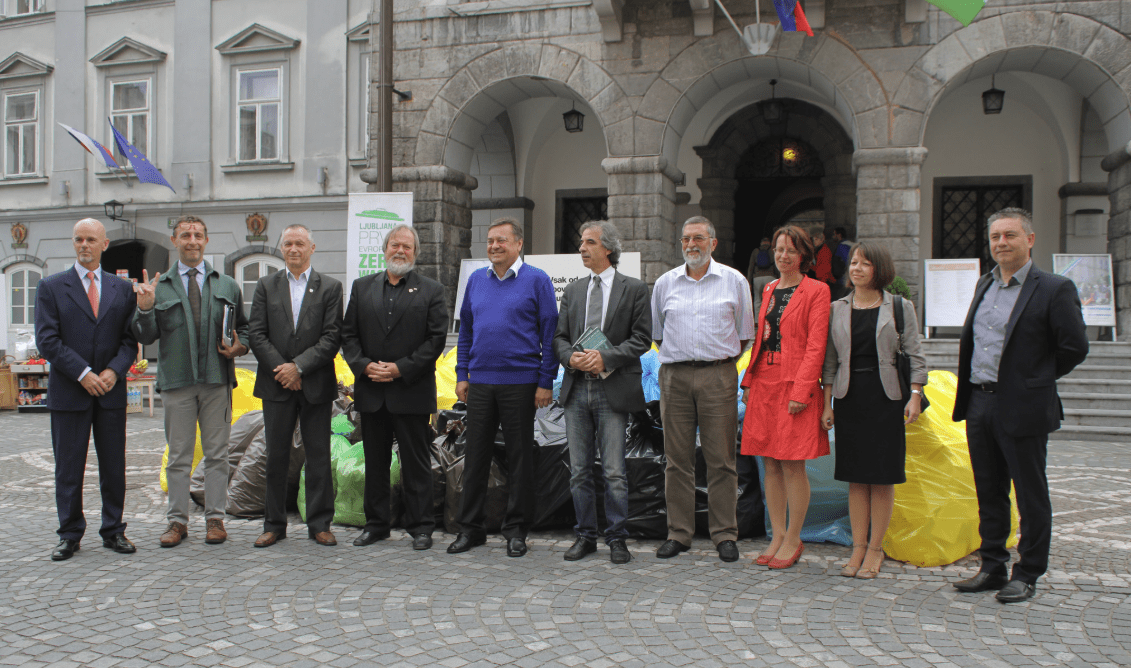
A year later, Ljubljana became the first EU capital to commit to zero waste, and by 2015, the first EU circular economy roadmap was subtitled “a zero waste programme for Europe.” 

In less than a decade, we moved “zero waste” from the margins to center stage.

Ever since, we’ve continued walking in the footsteps of our movement’s early pioneers—Paul Connett, Rossano Ercolini, Joan Marc Simon, Enzo Favoino, and many others—while forging new paths in a decentralised movement now led by countless brilliant activists (many of them women!) that it would be impossible to name them all.

Our network has consistently shown creativity and courage. Our joint Zero Waste Cities and Communities have spread across Europe, shaping some of Europe’s best practices and frontrunner cities. When models are missing, we take on the challenge to build them. For example, on setting up effective reuse systems and prevention strategies, we bring together a wider ecosystem via projects such as RSVP (ReuSe Vanguard Project) or ERIC (Elevating Reuse in Cities). 

Together, we’ve protected the zero waste concept from dilution and greenwashing, by establishing our own certification systems, now operated by our sister organisation, the Mission Zero Academy, turning pioneer municipalities into a European best-in-class standard.  

We strengthened the European policy framework with ambitious measures: moving up the waste hierarchy; ensuring Europe takes responsibility for its waste; reducing single-use and enabling reuse, and disincentivising burning waste.

Across Europe, members have turned our shared vision into reality– securing moratoriums on incineration, winning ambitious national legislation, normalising reuse and repair, and running countless awareness programmes with businesses, youth, and other key stakeholders.

Today, our European network stands stronger than ever. Yet the world has changed significantly since 2006, bringing new challenges that demand fresh thinking. By continuing to unite, share insights, and support each other, I’m confident we can transform Europe’s relationship with resources– moving from extraction to regeneration, and always putting communities first.

The road ahead is tricky, but what matters is not just the journey or the destination, but who you travel with. Happy International Day of Zero Waste, Happy 25th Anniversary, GAIA! 

With gratitude and hope,
Esra Tat


De los márgenes al centro: el movimiento europeo de Basura Cero

Estimados miembros de Europa y del resto del mundo: 

Hoy celebramos el 3er Día Internacional Basura Cero de las Naciones Unidas y, además, 2025 marca todo un acontecimiento, el vigésimo quinto (25º) aniversario de nuestra Alianza global. Estos hitos nos invitan a honrar no sólo el lugar dónde nos encontramos, sino el largo camino que hemos recorrido juntos. 

Mi propio capítulo comenzó hace apenas ocho años en la Conferencia de Redes de Ciudades de Zero Waste Europe (ZWE) en Madrid. Durante 4 días, me adentré en lo que parecía una realidad alternativa: aquella en la que comunidades y municipios trabajaban codo a codo para resolver los síntomas de nuestro sistema fracturado: abordar la gestión de los residuos biológicos y devolver los nutrientes al suelo, extender la vida útil de los productos mediante su reparación, y afrontar de lleno la crisis de los envases. 

Lo que me impresionó no fue sólo la experiencia o la camaradería, sino una pregunta que me seguía rondando: ¿Cómo podía este pequeño grupo generar un cambio sistémico tan profundo en toda Europa? ¿Qué poder oculto impulsó estas victorias contra todos los pronósticos?

La receta secreta se reveló poco a poco: conexiones cultivadas durante años, conocimientos prácticos adquiridos con esfuerzo y un fuerte compromiso compartido con nuestra visión. Esos cimientos se construyeron ladrillo sobre ladrillo.

La historia de nuestra Red Europea comenzó allá por el año 2006, cuando comenzamos a conectar y reunir a activistas y organizaciones, como parte de GAIA. Algunos de ustedes ya estuvieron ante el Parlamento Europeo en 2007 y lograron asegurar nuestra primera gran victoria política: la incorporación de objetivos de reciclaje en la primera revisión de la Directiva Marco sobre residuos. Además, lograron establecer la jerarquía de cinco pasos, un elemento clave para separar la incineración del reciclaje.

Ese mismo año, Capannori se convirtió en el primer municipio de Europa en comprometerse con Basura cero, impulsado por Zero Waste Italia, creando un modelo para otros e inspirando acciones desde la base.

En 2011, se lanzó “Zero Waste Europe” en Bruselas y, poco tiempo después, celebramos nuestra primera reunión anual en Gipuzkoa (País Vasco). Este encuentro marcó el comienzo de nuestra comunidad que no ha dejado de crecer desde entonces.

Y no cesaron las victorias. Nuestro gran avance en la formulación de políticas de la UE se produjo en 2013 con una conferencia de dos días en el Parlamento Europeo, con entradas agotadas, en la que participaron el Comisionado Janez Potocnik y el actor Jeremy Irons.

Un año más tarde, Liubliana se convirtió en la primera capital de la UE en comprometerse con el objetivo de la basura cero, y para 2015, se generó la primera hoja de ruta de la economía circular de la UE que llevó como título “Un programa de basura cero para Europa”. 

En menos de una década, hemos trasladado el concepto de “basura cero” desde los márgenes al centro del escenario.

Desde entonces, hemos seguido los pasos de los pioneros de nuestro movimiento (Paul Connett, Rossano Ercolini, Joan Marc Simon, Enzo Favoino y muchos otros) ¡en tanto forjábamos nuevos caminos en un movimiento que ahora está liderado por tantas mujeres brillantes! 

Nuestra red ha demostrado una creatividad y un coraje constantes. El conjunto de ciudades y comunidades de Cero Residuos se ha extendido por toda Europa, lo que ha dado lugar a algunas de las mejores prácticas en ciudades pioneras del continente. Cuando faltan modelos, asumimos el reto de construirlos. Por ejemplo, a la hora de establecer sistemas de reutilización eficaces y estrategias de prevención, reunimos a un ecosistema más amplio a través de proyectos como RSVP (ReuSe Vanguard Project- Proyecto Vanguard de ReuSe) o ERIC (Elevating Reuse in Cities – cómo aumentar el nivel de reutilización en las ciudades). 

Juntos, hemos protegido el concepto de basura cero para evitar su dilución y un lavado de imagen verde, al establecer nuestros propios sistemas de certificación, ahora operados por nuestra organización hermana, la Academia Misión Cero, convirtiendo a los municipios pioneros en un referente europeo de primer nivel.  

Reforzamos el marco de políticas en Europa con medidas ambiciosas:  ascender en la jerarquía de los residuos; garantizar que Europa asuma la responsabilidad de la basura que genera; reducir los residuos de un solo uso y permitir la reutilización, así como desincentivar la quema de desechos.

En toda Europa, los miembros han hecho realidad nuestra visión compartida: han obtenido moratorias a la incineración, han logrado una legislación nacional ambiciosa, han normalizado la reutilización y la reparación, y han llevado a cabo innumerables programas de concientización con empresas, jóvenes y otros actores clave.

Hoy, nuestra Red Europea es más fuerte que nunca. Sin embargo, el mundo ha cambiado de un modo significativo desde 2006, lo que ha planteado nuevos desafíos que exigen un enfoque renovado. Si continuamos unidos, compartimos conocimientos y nos brindamos apoyo mutuo, confío en que podremos transformar la relación de Europa con los recursos, y pasar de la extracción a la regeneración, con las comunidades siempre como prioridad.

El camino por delante es complicado, pero lo que importa no es sólo el trayecto o el destino, sino quién nos acompaña en ese recorrido. Feliz Día Internacional Basura Cero, ¡Feliz 25° Aniversario, GAIA! 

Con gratitud y esperanza, les saluda,
Esra Tat

Niven Reddy, GAIA Africa

As the year 2000 dawned in South Africa, a new decade brought promise of justice and better political decision-making to address the hangover of lingering social, economic, and environmental challenges apartheid had left on our society. Six years into our new era of democracy, activists from around the world gathered in Johannesburg, South Africa, and it was in this atmosphere of hope and enthusiasm that GAIA was founded. Armed with a wealth of knowledge and experience, our founding members established a community that they would be proud to see 25 years later. 

I joined the team in 2018 as the first GAIA Regional Coordinator for Africa. As the only team member, the early days of organising was no easy task but one which I thoroughly enjoyed. Our members in the region come from diverse social and political contexts across different countries, cities, and towns—each facing significant challenges, from funding constraints to a lack of local African success stories being told and shared across the movement to draw inspiration from, particularly when confronting large corporations practicing waste colonialism

Despite these obstacles, there was no shortage of passion and determination to advocate for change. We have achieved significant victories, such as the successful shutdown of incinerator proposals in South Africa and Mauritius with current ongoing resistance campaigns in  Ghana, Nigeria, and Zimbabwe. In addition to opposing harmful waste management practices, GAIA members in Africa have been actively demonstrating zero waste initiatives, proving that false solutions like incineration are both unnecessary and ineffective.

Prior to joining the GAIA team, I worked locally in South Africa to support the South African Waste PIckers Association (SAWPA) with groundWork, a founding member of GAIA. I remember meeting Simon Mbata, the chairperson of SAWPA, and was left in complete awe of his charismatic and passionate speeches. He was not afraid to call out the government for their lack of support, and was always a source of inspiration and motivation for other local waste pickers, asserting that collective action is what creates system change – the very values that GAIA was founded upon. Not only did he champion the rights of waste pickers in South Africa, he did so at a regional and international level, including supporting the establishment of a national association of waste pickers in Kenya. 

Unfortunately Simon Mbata passed away in 2022, while many of us were in Nairobi at the United Nations Environmental Assembly (UNEA) as we got the mandate to negotiate a legally binding instrument on plastic pollution, which recognized for the first time in a UN treaty process the important contribution of waste pickers. It was a profound moment to commemorate the man who dedicated so much of his life to ensuring that waste picker voices were included in policy processes such as this. The spirit of Simon Mbata lives on within our movement, and we celebrate his life on International Waste Pickers Day today.  

In the 25 years since GAIA’s founding,  our team in Africa has grown from a single member to a dedicated team of 12 people across the region. Our membership has expanded to over 100 member organisations in 31 countries. Our members are leading the transition to zero waste, fighting the plastic production machine and dismantling the systems that seek to oppress us. That is what GAIA is about – justice. No person or community is disposable, and together, collectively, we can do anything. 


Amandla! 


Al comenzar el año 2000 en Sudáfrica, una nueva década traía consigo la promesa de justicia y una mejor toma de decisiones políticas para abordar las secuelas de los persistentes desafíos sociales, económicos y ambientales que el apartheid había legado a nuestra sociedad. Seis años después del inicio de nuestra nueva era democrática, activistas de todo el mundo se reunieron en Johannesburgo, Sudáfrica, y fue en esa atmósfera de esperanza y entusiasmo que se fundó GAIA. Munidos de un acervo de conocimientos y experiencias, nuestros miembros fundadores establecieron una comunidad a la que, 25 años más tarde, mirarían con orgullo. 

Me uní al equipo en 2018 como el primer Coordinador Regional de GAIA para África. Como único miembro del equipo, los primeros días dedicados a la parte organizativa no fueron una tarea fácil, pero disfruté muchísimo de la experiencia. Nuestros miembros en la región provienen de diversos contextos sociales y políticos en diferentes países, ciudades y pueblos, cada uno de los cuales enfrenta desafíos importantes, desde limitaciones en el financiamiento hasta una falta de historias de éxito locales en África que se puedan contar y compartir con todo el movimiento a modo de inspiración, en particular, cuando se enfrentan a grandes corporaciones que ejercen el colonialismo de los residuos. 

A pesar de estos obstáculos, no faltaron la pasión y la determinación de abogar por el cambio. Hemos logrado importantes victorias como, por ejemplo, el éxito en las propuestas de cierre de incineradores en Sudáfrica y Mauricio, con campañas de resistencia actualmente en curso en Ghana, Nigeria y Zimbabue. Además de oponerse a las prácticas nocivas de gestión de residuos, los miembros de GAIA en África han participado de un modo activo a través de iniciativas de basura cero, que demuestran que soluciones falsas como la incineración son innecesarias e ineficaces.

Antes de ser parte del equipo de GAIA, trabajé en Sudáfrica a nivel local en apoyo de la Asociación Sudafricana de Recicladores de Residuos (SAWPA) a través de Groundwork, miembro fundador de GAIA. Recuerdo que cuando conocí a Simon Mbata, presidente de SAWPA, quedé completamente asombrado por sus discursos carismáticos y apasionados. No tenía miedo de denunciar al gobierno por su falta de apoyo, y siempre fue una fuente de inspiración y motivación para otros recicladores locales, afirmando que la acción colectiva es lo que genera el cambio en el sistema, que son los mismos valores sobre los cuales se fundó GAIA. No sólo defendió los derechos de los recicladores en Sudáfrica, sino que también lo hizo en el ámbito regional e internacional, incluso apoyando la creación de una asociación nacional de recicladores en Kenia. 

Lamentablemente, Simon Mbata falleció en 2022, mientras muchos de nosotros estábamos en Nairobi en la Asamblea de las Naciones Unidas para el Medio Ambiente (UNEA) donde recibimos el mandato de negociar un instrumento jurídicamente vinculante sobre la contaminación por plásticos, que reconoció por primera vez en un proceso de tratados de las Naciones Unidas el aporte importante que realizan los recicladores. Fue un momento profundamente significativo para rendir homenaje a quien dedicó gran parte de su vida a garantizar que las voces de los recicladores se incluyeran en procesos políticos como este. El espíritu de Simon Mbata sigue vivo en nuestro movimiento, y hoy celebramos su vida en el Día Internacional de los Recicladores.  

En los 25 años transcurridos desde la fundación de GAIA, nuestro equipo en África ha pasado de tener un solo miembro a un equipo dedicado de 12 personas en toda la región y nuestra membresía se ha expandido a más de 100 organizaciones en 31 países. Nuestros integrantes lideran la transición hacia Basura Cero, a través de su lucha contra la industria de producción del plástico y el desmantelamiento de los sistemas que buscan oprimirnos. De eso se trata GAIA: de la justicia. Ninguna persona ni comunidad es desechable, y juntos, en forma colectiva, podemos lograr lo que nos propongamos.  

¡Fuerza! 

En consonancia con nuestros valores organizativos basados en la justicia medioambiental, nos gustaría garantizar un entorno seguro, respetuoso e inclusivo en nuestras plataformas de redes sociales. Nos comprometemos a mantener una presencia en línea positiva y no toleraremos ninguna forma de intimidación, acoso o insultos.


Tolerancia cero con la intimidación y el trolling

GAIA no tolerará ni participará en ninguna forma de intimidación, acoso o insultos. Esto incluye, pero no se limita a: incitación al odio, amenazas, intimidación y difusión de información falsa.


Respuestas colaborativas para un discurso civil y educativo

Nuestro objetivo es responder a los comentarios en la medida de nuestras posibilidades y fomentar una conversación animada y un debate respetuoso en línea, basado en información verificada.

Promovemos y apreciamos los comentarios que contribuyen a una cultura de respeto e inclusión.

Sin embargo, los comentarios negativos persistentes que entren en la categoría de intimidación, acoso o insulto se ocultarán o eliminarán de acuerdo con nuestra política de redes sociales.

Pedimos a nuestro público que se abstenga de publicar información privada, así como cualquier enlace/información no verificada.


Mecanismos de denuncia

Animamos a nuestra comunidad a denunciar cualquier incidente de acoso o insulto, así como la difusión de información falsa. Por favor, envíen sus denuncias aquí.


Bloqueos y eliminaciones automáticos

Los comentarios de spam, falsos, racistas, culturalmente insensibles y/o discriminatorios serán denunciados y eliminados inmediatamente. 

Los autores de comentarios difamatorios o que inciten al odio serán expulsados de nuestras redes sociales y, si es necesario, se emprenderán acciones legales contra ellos.

In line with our organizational values based on environmental justice, we would like to ensure a safe, respectful, and inclusive environment on our social media platforms. We are committed to maintaining a positive online presence and will not tolerate any form of bullying, harassment, or trolling.

Zero Tolerance for Bullying and Trolling

  • GAIA will not tolerate or engage with any form of bullying, harassment, or trolling. This includes, but is not limited to: hate speech, threats, intimidation, and spreading false information.


Collaborative Responses for a Civil and Educational Discourse

  • We aim to respond to comments to the best of our ability and encourage lively conversation and respectful debate online, based on verified information.
  • We promote and appreciate comments that contribute to a culture of respect and inclusivity.
  • However, persistent negative comments that fall under the category of bullying, harassment, or trolling will be hidden or deleted in accordance with our social media policy.
  • We ask that our audiences please refrain from posting private information, as well as any unverified link/information.


Reporting Mechanisms

  • We encourage our community to report any incidents of bullying or trolling, as well as spreading of false information. Please submit reports here.

Automatic Bans and Deletion

  • Spam, false, racist, culturally insensitive, and/or discriminatory comments will be reported and deleted immediately. 
  • Perpetrators of hateful and defamatory comments will face bans from our social media platforms, and legal action if necessary.

Dearest GAIA members, friends, and supporters,

I grew up in Los Angeles, California. As I have watched the news of the wildfires over the last week, I’ve reflected over and over again on the challenges we face and the pressing need for climate action. I am grateful that my parent’s home is about 20 miles away from the evacuation zone, but not everyone I know has been so lucky, and the stories of disabled elders who were not able to make it out in time have broken my heart.

As we enter our 25th year at GAIA, I want to recognize that these are not easy times, and yet I feel deeply grateful to be part of our network as we turn toward the future. 

Next week, my country is preparing to welcome a new President into office who will most certainly seek to undermine many, if not most, of the environmental and justice protections that movements have fought for and won. In the face of this reality, I remember that GAIA members in other countries have already learned how to stay resilient and organized in the face of government attacks. From the Philippines to India to Belarus to Nicaragua, GAIA’s members are working against great odds to stop climate polluting incinerators and landfills, and are demonstrating the success of zero waste solutions every day. 

Our collective victories are many, and the relationships we form are strong enough to withstand firestorms, hurricanes, and changes in government. I’m heartened to know that we are not alone–in fact, I gain strength every day from the deep relationships that I’ve built through GAIA. 

We can and we will learn from each other, and when national governments fail us, GAIA members will show us what is possible through community action. We are investing as a network in strategies for community care and solidarity, and when a crisis threatens the organizing that our members are doing, we can and we will come together to provide each other with support.

In our last fiscal year GAIA’s US organization redistributed over 40% of our budget to grassroots members and partners from around the world. We are on track to repeat those numbers this year. Our members do a lot with this support. For example, just last month we celebrated the closure of California’s last municipal solid waste incinerator with our member Valley Improvement Projects (VIP). This grassroots environmental justice organization has inspired me since I first became International Coordinator of the GAIA network, when I was lucky enough to meet and learn from the late Emiliano Amor Mataka, a founding member of VIP. He and Bianca Lopez and so many other community members have won a victory for us all, and now they are advocating for a community-led zero waste plan for the county where they live.  

I have seen the power of GAIA’s members in action, and their clarity of vision inspires me. I will never forget a meeting that I had last year with leaders of the Latin American wastepicker movement, the Red LACRE, to discuss our shared vision for the plastic treaty negotiations. The cooperatives and worker unions that form part of their regional labor network earn money from plastic recycling, and yet they are calling for less plastic, as they see how its pollution harms human health and the environment, and how petrochemical corporations prey on economic inequality. They are some of our strongest allies in the fight for zero waste solutions and radically transformative systems, and their advocacy for just transition policies in the shift away from unrecyclable and single-use plastics is an agenda we can all get behind.

GAIA members are changing people’s lives for the better, and reaching across the many borders that aim to divide us. Our members share their skills and their knowledge with each other with great generosity, and the benefits are enormous. The Mother Earth Foundation (MEF) in the Philippines, for example, has hosted annual zero waste academies for advocates from across Asia and around the world. In 2023 they organized an exchange with GAIA members from Detroit after their incinerator was closed down. In 2024 the Green Africa Youth Organization won the Earthshot Prize in recognition of the composting and clean air programs that they set up in Accra based on what they learned from MEF in Manila. The same powerful multiplication effect has been in action in Europe, where grassroots organizing in Capannori, Italy and beyond has given birth to a zero waste city movement that has spread to over 400 municipalities across the continent.  

It is a beautiful thing to see solidarity in action every day, and GAIA is a community where that spirit flourishes.

None of this changes the fact that these are challenging times. But together we will be stronger, and with your support we will continue to show what is possible, and we will organize to win! I invite you to stand with us by signing up as a monthly sustainer and help us reach our goal of 250 new sustainers for our 25th anniversary! 


Thank you for being part of the GAIA community. As we celebrate our 25th anniversary year, the thing that I most want to say is that I am grateful to be here with you.


For justice,

Christie Keith

International Coordinator, GAIA


Queridos miembros, amigos/as y seguidores de GAIA:

Crecí en Los Ángeles, California, y mientras miraba las noticias sobre los incendios forestales de la última semana, no he podido dejar de reflexionar sobre los enormes desafíos que enfrentamos y la imperiosa necesidad de actuar frente al cambio climático. Agradezco que la casa de mis padres esté a unos 32 kilómetros de la zona de evacuación, pero no todos los que conozco han tenido la misma suerte, y las historias de personas mayores con discapacidad que no pudieron salir a tiempo me han roto el corazón. 

Al iniciar el 25º año de existencia de GAIA, debo reconocer que atravesamos tiempos difíciles pero que, sin embargo, me siento profundamente agradecida de ser parte de nuestra red de cara al futuro. 

Mi país se prepara para recibir a un nuevo presidente que, con toda seguridad, intentará socavar muchas, si no la gran mayoría, de las protecciones medioambientales y de justicia que los movimientos han conquistado con enorme esfuerzo. Ante esta realidad, recuerdo que los miembros de GAIA en otros países ya han aprendido a ser resilientes y a estar organizados frente a los ataques del gobierno. Desde Filipinas hasta la India, pasando por Belarús y Nicaragua, los miembros de GAIA trabajan contra viento y marea para detener el uso de incineradores y vertederos que afectan el clima y contaminan el medio ambiente; y sus miembros nos demuestran a diario el éxito de las soluciones de basura cero 

Nuestras victorias colectivas son muchas y los lazos que hemos forjado son lo suficientemente fuertes como para resistir tormentas de fuego, huracanes y cambios de gobierno. Me anima saber que no estamos solos; de hecho, cada día me siento más fuerte gracias a las profundas relaciones que he construido a través de GAIA. 

Podemos y debemos aprender unos de otros. Cuando los gobiernos nacionales nos fallan, los miembros de GAIA nos demostrarán lo que es posible lograr a través de la acción comunitaria. Como red, estamos invirtiendo en estrategias de cuidado comunitario y solidaridad, asegurándonos de que, ante cualquier crisis que amenace el trabajo realizado por nuestros miembros, podamos unirnos, y así lo haremos, para brindarnos apoyo mutuo.

En nuestro último año fiscal, en GAIA Estados Unidos hemos redistribuido más del 40% de nuestro presupuesto entre miembros de organizaciones de base y socios de todo el mundo, y estamos encaminados como para repetir las mismas cifras durante el corriente año. Nuestros miembros logran resultados extraordinarios con este apoyo. Por ejemplo, el mes pasado celebramos el cierre del último incinerador de residuos sólidos municipales de California junto a Valley Improvement Projects (VIP), una organización de base que trabaja en el tema de la justicia ambiental y que me ha inspirado desde que asumí el cargo de Coordinadora Internacional de la red GAIA, cuando tuve la suerte de conocer y aprender del ya fallecido Emiliano Amor Mataka, miembro fundador de VIP.  Él, junto con Bianca López y tantos otros miembros de la comunidad, lograron una victoria que beneficia a todos y ahora, quienes siguen su legado, abogan por un plan comunitario de basura cero para el condado donde residen. 

He sido testigo del poder de acción de los miembros de GAIA y realmente me inspira la claridad de su visión. Nunca olvidaré una reunión que tuve el año pasado con líderes de la Red LACRE, el movimiento latinoamericano de recicladores/as, a fin de debatir sobre nuestra visión compartida para las negociaciones del tratado sobre plásticos. Las cooperativas y sindicatos de trabajadores que forman parte de su red laboral regional generan ingresos a través del reciclaje de plásticos y, aun así, piden una reducción en el uso de plásticos, ya que se dan cuenta de la manera en que esta contaminación afecta la salud humana y el medio ambiente; y han visto la forma en que las empresas petroquímicas se aprovechan de la desigualdad económica.  Los (las) recolectores(as) se encuentran entre nuestros aliados más firmes en la lucha por lograr soluciones de basura cero y sistemas que implican una transformación radical. Su apoyo a las políticas de transición justa en ese proceso de abandonar el uso de los plásticos no reciclables y de un solo uso es una agenda con la que todos podemos comprometernos.

Los miembros de GAIA ayudan a mejorar la vida de las personas y traspasan las numerosas fronteras que pretenden dividirnos. Además, comparten sus habilidades y conocimientos con gran generosidad, lo que conlleva beneficios inmensos.   Por ejemplo, la Fundación Madre Tierra (MEF) de Filipinas, ha organizado seminarios anuales sobre basura cero para los abanderados de nuestra causa en toda Asia y el mundo. En 2023, organizaron un intercambio con miembros de GAIA en Detroit tras el cierre de su incinerador. En 2024 la Organización de Jóvenes de África Verde recibió el Premio Earthshot en reconocimiento a los programas de compostaje y aire limpio que implementaron en Acra, sobre la base de lo que aprendieron de la MEF en Manila. Es inspirador ver la solidaridad en acción día tras día, y GAIA es una comunidad donde ese espíritu florece.

A pesar de lo antedicho, no podemos ignorar que enfrentamos tiempos difíciles. Pero juntos seremos más fuertes y, con vuestro apoyo, seguiremos demostrando lo que es posible y ¡nos organizaremos para ganar! ¡Los invito a unirse a nosotros registrándose como colaboradores mensuales y así ayudarnos a alcanzar nuestra meta de 250 nuevos colaboradores para nuestro 25° aniversario! 

Gracias por ser parte de la comunidad GAIA. Y al celebrar este aniversario, no puedo más que agradecer la posibilidad de estar aquí junto a ustedes.


Por la justicia,


Christie Keith

Coordinadora Internacional, GAIA