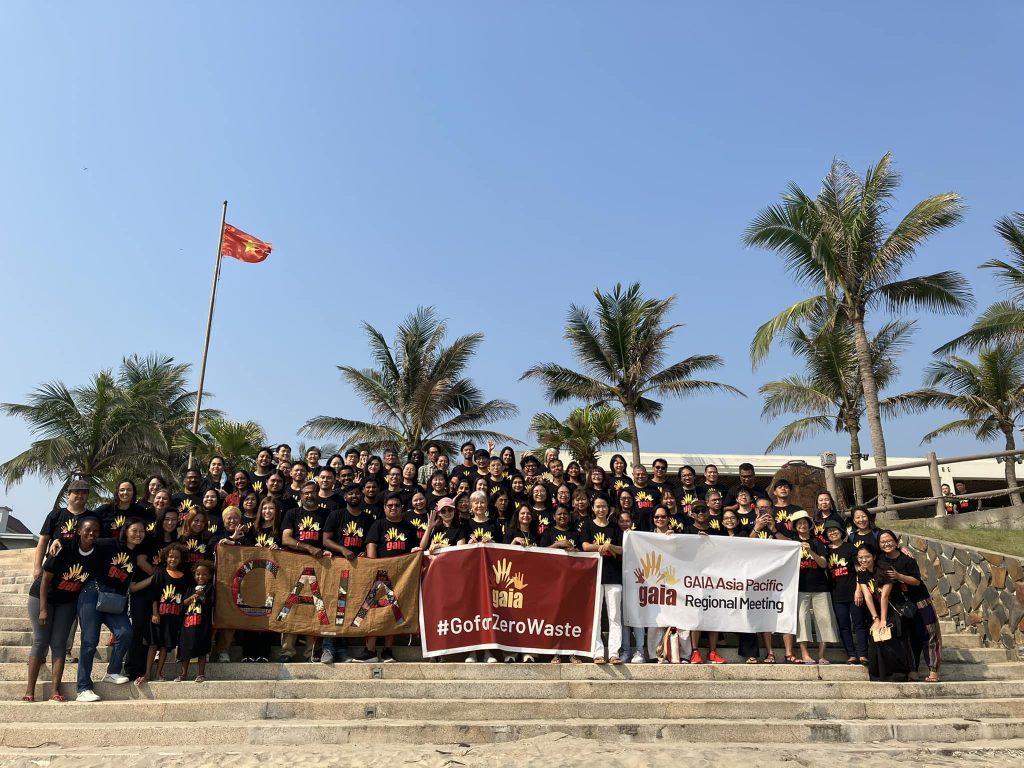
Zero waste

PRESS STATEMENT
Feb 13, 2026

GAIA welcomes the COP31 Presidency’s decision to prioritize zero waste and waste methane reduction—a critical and timely step toward accelerating climate action and advancing a just transition for frontline communities.

Mariel Vilella, Director of GAIA’s Global Climate Program, said:

“Recognizing zero waste as a top climate priority is both urgent and overdue. Waste methane is a super-pollutant driving near-term warming, yet zero waste solutions—like composting, recycling, and organic waste treatment—can reduce methane emissions by up to 95% and cut total waste-sector emissions by more than 1.4 billion tonnes. These solutions deliver cleaner air, jobs, healthier communities, and stronger local economies, while ensuring a just transition for waste workers and marginalized communities.

“Türkiye has a unique opportunity to lead by elevating zero waste as a core climate solution, mobilizing finance toward implementation, and demonstrating scalable, equity-driven models. Across the globe, communities are already showing what works—from Dar es Salaam diverting 100% of organic waste from 4,500 households, to Brazil’s 20+ waste picker organisations supported with USD 70M, and 37 Philippine cities committed to cutting 70% of methane emissions from waste by 2030.

“Climate finance must shift from harmful disposal practices, like waste-to-energy incineration, to community-led zero waste initiatives that deliver results on the ground. Zero waste is not only a climate solution—it is a justice-centred development opportunity. The time to act is now.”

Additional information about zero waste in practice across the world

Across Latin America, Africa, and Asia, local governments and community organizations are demonstrating that zero waste systems can deliver rapid, equitable climate solutions. The cases of Buenos Aires (Argentina), Quezon City (Philippines), and Accra (Ghana) illustrate how decentralized, community-based organic waste management creates green jobs, reduces methane emissions, and strengthens local governance. These examples show that solutions already exist, but scaling them requires supportive policies, networks, and financial backing. (GAIA Zero Waste Business Models)

Additional transformative examples worldwide include:

  • Dar es Salaam, Tanzania: The Bonyokwa ward zero waste model collects 1.74 tonnes daily from 4,500 households, achieving 95% source segregation and 100% organic waste diversion, cutting 16.4 tonnes of methane annually.
  • Brazil: Over 20 waste picker organisations, including in São Paulo and Brasília, are implementing organic waste recycling systems under the National Strategy for Municipal Biowaste, supported with over USD 70M in funding.
  • Philippines: The Zero Waste Cities Network now includes 37 cities committed to cutting 70% of methane emissions from waste by 2030. The Philippine National Waste Workers Alliance (PNWWA) unites 1,000+ workers advocating for labour rights and safe working conditions.
  • Durban, South Africa: Food waste from the Warwick markets is composted for the Durban Botanic Garden, reducing landfill costs (~USD 93/ton) and creating jobs. The project is scaling to three markets and eventually all nine city markets.
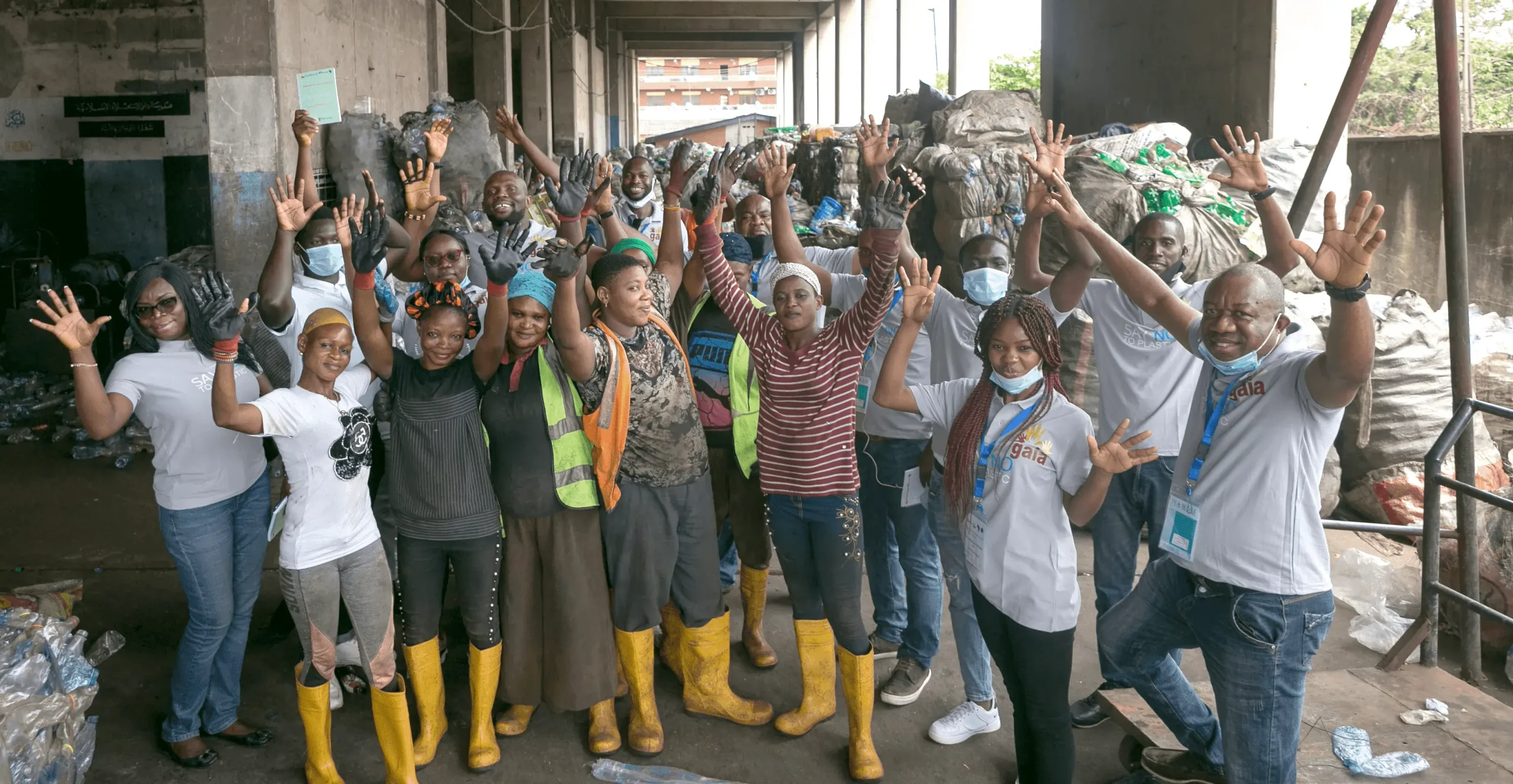
  • Accra, Ghana: Green Youth Africa Organization (GAYO) integrates 600 informal waste workers into municipal waste systems, reducing burning and improving livelihoods.
  • Europe: Nearly 500 municipalities are committed to zero waste under the Zero Waste Cities Certification. Highlights include Milan collecting 95 kg of organics per person annually, Salacea (Romania) increasing separate collection from 1% to 61% in three months, and Partizanske (Slovakia) reducing residual waste by 57 kg per person within a year.

MEDIA CONTACT:

Sonia Astudillo, Global Climate Communications Officer | +639175968286 | sonia@no-burn.org

GAIA is a network of grassroots groups as well as national and regional alliances representing more than 1000 organizations from over 100 countries. With our work we aim to catalyze a global shift towards environmental justice by strengthening grassroots social movements that advance solutions to waste and pollution. We envision a just, Zero Waste world built on respect for ecological limits and community rights, where people are free from the burden of toxic pollution, and resources are sustainably conserved, not burned or dumped. www.no-burn.org

5 de febrero, 2026

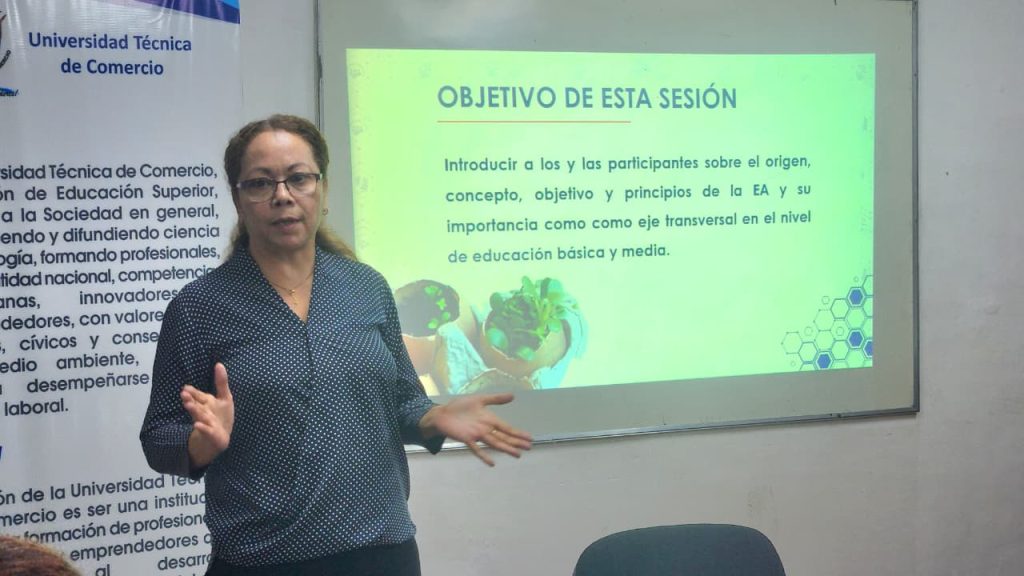
Con una apuesta por la educación como motor de transformación social y ambiental, se desarrolló en Nicaragua un proceso académico de formación en educación ambiental, que culminó con la realización del Primer seminario de educación ambiental y formación docente.

Impulsado por la Universidad Técnica de Comercio, el Centro de Investigación, Capacitación y Formación Ambiental, junto a los miembros de GAIA y Break Free From Plastic, Basura Cero Nicaragua, el proceso incluyó jornadas de formación, un ciclo de seminarios web y espacios de intercambio que permitieron fortalecer capacidades pedagógicas y metodológicas. Como resultado, nueve docentes completaron la certificación y más de 48 personas participaron activamente en las instancias virtuales previas, consolidando una comunidad educativa comprometida con el enfoque basura cero.

Para Karla Escoto, de Basura Cero Nicaragua, este camino respondió a una necesidad urgente. “En Nicaragua, el docente no suele ser considerado protagonista de la educación ambiental”, explica. Sin embargo, la experiencia acumulada en jornadas de trabajo con profesionales de la educación, sumada al involucramiento voluntario de jóvenes que ya desarrollaban acciones en colegios como reciclajes comunitarios, charlas y limpiezas de costa, evidenció que existía una base sólida sobre la cual avanzar.

Ese diagnóstico llevó a Basura Cero Nicaragua a reflexionar sobre la importancia de incorporar durante 2025 un proceso formativo estructurado. “No se trataba solo de sensibilizar, sino de generar herramientas reales para que docentes y líderes juveniles adolescentes lideraran procesos en sus comunidades, usando los centros educativos como base de acción”, señala Karla.

Por otro lado, uno de los momentos más significativos del proceso fue tener la oportunidad de contar con espacios de intercambio regional y escuchar las experiencias que compartieron Alicia Franco, de la Alianza Basura Cero Ecuador, Julia Elena Picado, de la Asociación Defensores del Monumento Natural Zona de los Santos, Costa Rica, y Aliz García, de Bioética, Honduras. “Hablar de basura cero en las escuelas exige partir de la experiencia vivida y sistematizada. Eso fue clave en el intercambio regional”, destaca Escoto.

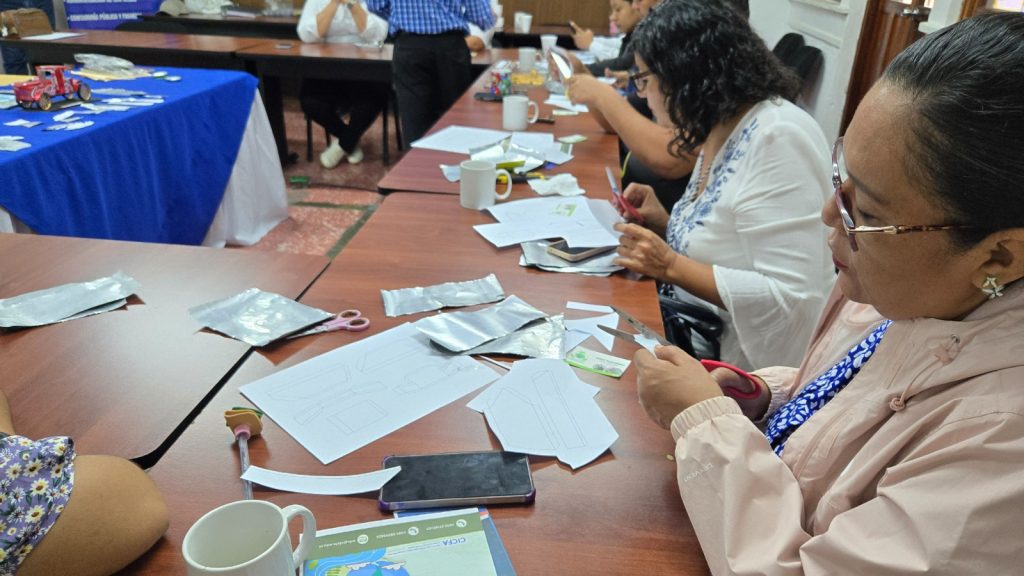
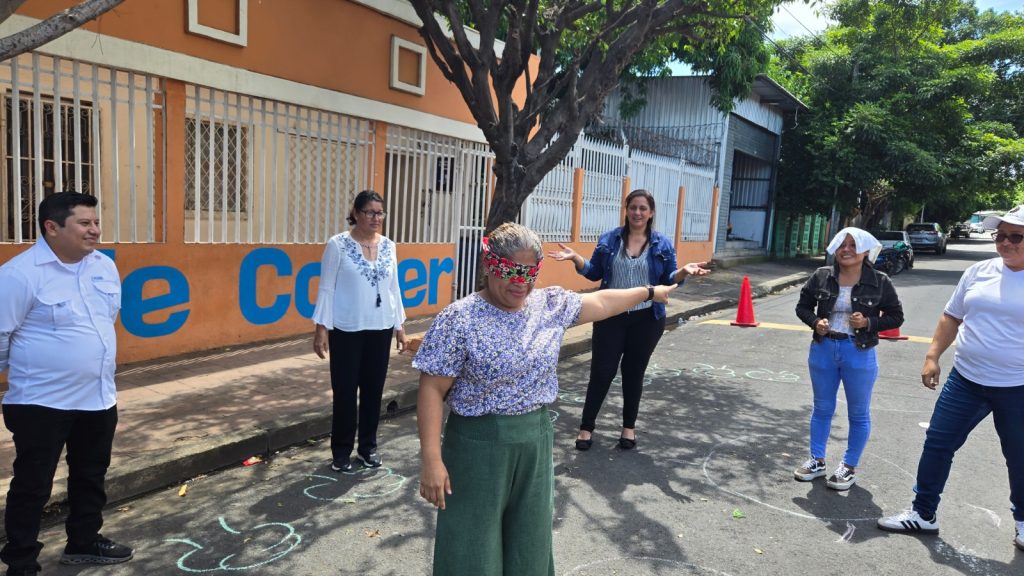
Más allá del intercambio conceptual, el seminario también puso énfasis en el trabajo práctico. Las y los docentes desarrollaron herramientas que pueden aplicarse de inmediato en sus centros educativos como actividades lúdicas vinculadas al buen vivir libre de tóxicos, matrices de planificación, propuestas extracurriculares para reducir plásticos de un solo uso y orientaciones para avanzar hacia colegios basura cero.

Profesora Amalia Angulo Bonilla, Colegio Enrique de Ossó, participante de la formación docente.

Este enfoque, explica Karla, permite evaluar aprendizajes fuera del aula, identificar liderazgos juveniles y fortalecer el vínculo entre escuelas y comunidades, alineándose además con los ejes de la política educativa nacional. “Las actividades prácticas ayudan a que los y las jóvenes se conecten con experiencias reales y se alejen de dinámicas que afectan especialmente a la adolescencia”, agrega.

Más sobre Basura Cero Nicaragua:

#InvestInZeroWaste: Mobilizing resources to support action and accelerate impact

A global celebration of zero waste solutions across Asia and beyond. Join communities, organizations, and changemakers working together for a waste-free future.

collage of GAIA members holding their reusable tumblers for refuse single use day

2026 January 01 – As the world welcomes the New Year, more than 1,000 Civil Society Organizations and Grassroots community groups in over 90 countries are also gearing up for the annual celebration of International Zero Waste Month, amplifying the call for more investment to help cities transition to the zero waste system. This January, GAIA and its members launch International Zero Waste Month 2026, putting a spotlight on the fact that it is increasingly hard for governments and investors to ignore: Zero Waste is not some fringe dream; it’s a tested solution that now needs appropriate financing to scale.

Marking the first IZWM after GAIA’s 25th anniversary, this global month of action celebrates a quarter century of collaboration that has reshaped how cities manage waste, how communities push back against polluting industries, and how real Zero Waste systems can thrive when people lead the charge.

Over the past twenty-five years, GAIA members have demonstrated reuse systems, segregation-at-source programmes, composting schemes, and waste worker integration that have already transformed neighbourhoods and cities.

In the Philippines, San Fernando achieved city-wide compliance through community-led segregation. Bandung, Indonesia, reduced landfill waste by 73–86% via decentralized composting and recycling, while Kerala, India, scaled similar decentralized systems across the entire state. Tallinn, Estonia, became the country’s first Zero Waste Candidate City. Across Latin America, Buenos Aires integrates waste pickers into replicable systems. In Africa, GAIA pilots demonstrate how community projects can defeat incinerator plans. Meanwhile, in North America, groups in Halifax and Nanaimo are steadily advancing their zero waste goals.

Tallinn, Estonia, became the first Estonian Zero Waste Candidate City. In Latin America, Buenos Aires integrates waste pickers into replicable systems. In Africa, GAIA pilots defeat incinerators with community projects. In the US and Canada, groups like Halifax and Nanaimo advance zero waste goals.

From Asia to the rest of the world, Zero Waste systems are building momentum. Yet, far too many of them depend on interim, project-based funding that keeps the solutions small and long-term impact susceptible to political and financial whims. IZWM 2026 puts the spotlight squarely on this gap, calling on partners, donors, and allies to back the systems and communities that are already proving Zero Waste works.

Throughout January, IZWM 2026 will unfold through weekly themes that bring to life the story of the movement, from the barriers communities face to innovations changing whole cities. Each week will be member-led actions, reports, digital campaigns, and stories to lift work happening on the ground and amplify global solidarity.

IZWM 2026 Weekly Themes:

  • Week 1: Launch (Jan 1–5): A global kickoff celebrating the 25-year journey of GAIA, charting a bold path toward long-term Zero Waste investment.
  • Week 2: Barriers to Zero Waste (Jan 6–12): This includes, but is not limited to, single-use dependence and policy loopholes; all of which are underlined by the global #RefuseSingleUse Day.
  • Week 3: Solutions Week (Jan 13–19): We showcase community-led innovations involving reuse systems, segregation-at-source programmes, and composting models.
  • Week 4: False Solutions Week (Jan 20–26): An exposé on misleading approaches: incineration and plastic credits that divert resources away from real climate and waste solutions.
  • Week 5: Humans of Zero Waste (Jan 27–31): Emphasizing the backbone of the movement: waste pickers and others in the informal waste sector,  community leaders, and zero waste champions who, through their labour and leadership, effect system-wide change. 

Objectives of the month-long campaign are clear: positioning zero waste as one of the most effective responses to the global waste crisis; amplifying the work and leadership of member organisations worldwide; strengthening a unified narrative about the change the movement is driving.

By focusing on the people and communities leading this shift, GAIA aims to bring the story of zero waste beyond policy circles into public consciousness. Throughout January, spokespeople, case studies, and grassroots perspectives from GAIA and its members will be made available. As the world faces rising waste volumes, worsening climate impacts, and mounting pressure to move beyond fossil-fuel-driven industries, IZWM 2026 shows that zero waste solutions are already working. What the world needs now is the political will and financial backing to take them mainstream.

For Zero Waste Month activities happening worldwide, check out zwmonth.zerowaste.asia

The International Zero Waste Month is featured in the following partner media outlets: Daily Asia Today Quetta (Pakistan), The Manila Times (The Philippines), Boracay Island News Network (The Philippines), and Pressenza.

“The waste sector isn’t just about rubbish — it’s about rapid climate action, cleaner air, and social justice” emphasizes Mariel Vilella, Global Climate Program Director at GAIA

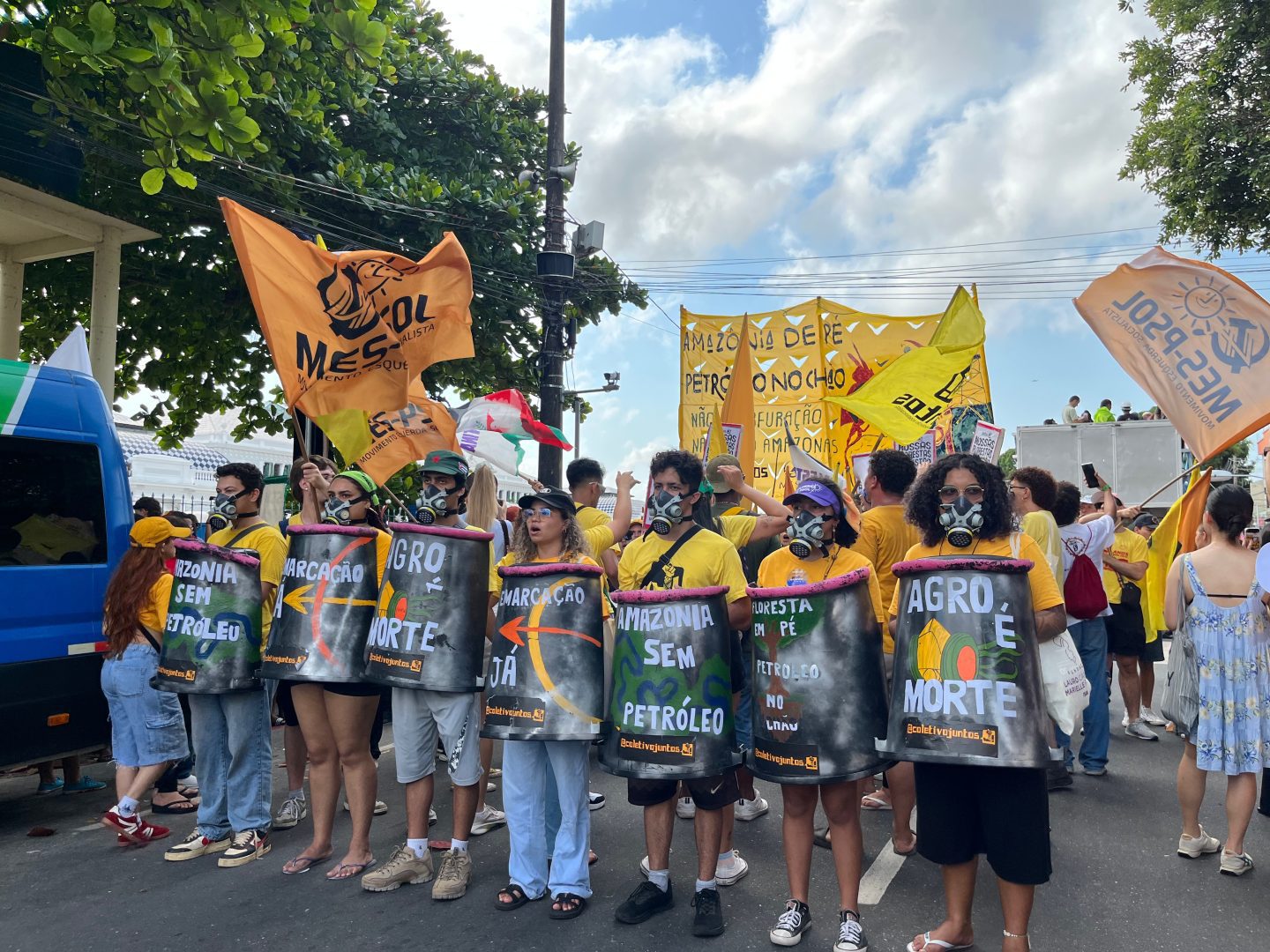
When delegates from around the world gathered in Belém, Brazil, for COP30, one thing became clear: the waste sector is no longer a background player in climate policy—it’s central to solving the crisis.

Methane, a potent greenhouse gas responsible for nearly a third of today’s warming, is sometimes called the climate “emergency brake.” Cut it now, and we slow warming fast. At COP30, the Global Methane Status Report 2025 confirmed that solutions exist:  food waste reduction, source separation, composting, biogas and ultimately diverting organic waste from landfills and dumpsites. These approaches could deliver the largest methane decline ever recorded, and much of it is cheap, scalable, and job-creating.

The report was launched at the Global Methane Pledge Ministerial (Global Methane Pledge), showing a clear pathway to emission reductions across energy, agriculture, and waste sectors. Analysis from Climate Action Tracker and Climate Analytics shows that fully implementing pledges to triple renewable energy, double energy efficiency, and cut methane sharply by 2030 could avert nearly 1°C of warming, lowering projected heating from 2.6°C to 1.7°C.

Four key outcomes from COP30 are now shaping the waste and climate agenda; milestones that signal a turning point for methane action, zero-waste solutions, and environmental justice. These developments not only elevate the role of the waste sector in global climate strategy, but also open new pathways for countries, cities, and communities to accelerate real, measurable progress. Here’s what emerged from Belém:

  1. Mitigation Work Programme: Waste Steps Into the Climate Spotlight
    A key outcome of COP30 was the elevation of waste and circular economy solutions within the Mitigation Work Programme. Building on this year’s global dialogue in Addis Ababa—where GAIA’s Neil Tangri presented organic waste best practices—Parties recognized that waste prevention, reduction, and upstream solutions in the waste hierarchy are essential to near-term climate ambition.Building on that, COP30 highlighted the need to cut waste-sector emissions while addressing the social dimensions of waste, including formalizing and protecting informal economy workers. Countries also emphasized the strong co-benefits of zero-waste approaches—from job creation to healthier communities.With a renewed focus on multilevel governance and broad collaboration across reuse, recycling, material separation, and organic waste systems, COP30 marked a clear shift: the waste sector is now firmly on the global climate agenda.
  2. Just Transition: Climate Action that Includes People
    COP30 marked a milestone with the establishment of the Just Transition Mechanism, a first step towards ensuring that climate action supports workers, communities, and vulnerable populations.Combined with new funding streams, COP30 signaled that climate solutions can be fast, fair, and effective, if we include the people who make them work.
  3. The No Organic Initiative
    COP30 also saw the launch of the No Organic Waste Initiative, a bold effort to cut methane from organic waste by two-thirds, avoid 0.1°C warming by 2050, create jobs, reduce costs, and improve resource efficiency.For the first time, waste-pickers were fully included, sending a powerful message: climate solutions must be just and inclusive.With $30 million in funding from the Global Methane Hub, this initiative demonstrates that tackling waste isn’t just about managing trash—it’s about building a cleaner, fairer world.
  4. Black Carbon: Cleaner Air and Climate Wins
    The High-Level Launch of Sectoral Action on Black Carbon, co-hosted by the Clean Air Fund and SLYCAN Trust in consultation with the Climate and Clean Air Coalition (CCAC), highlighted black carbon emissions and their health and climate impacts.Countries including Chile, Madagascar, Costa Rica, Canada, Uganda, Cambodia, Nigeria, the Dominican Republic, Sri Lanka, and Colombia outlined national steps to reduce black carbon from transport, household and commercial energy, and waste and agricultural burning.“Reducing methane and black carbon together improves air quality, health, and climate simultaneously”, said Henrique Bezerra Regional Lead for Latin America at the Global Methane Hub. 
  5. National Methane Programs
    To scale these solutions further, the CCAC launched seven new national methane programs, with ~$25 million committed to multi-year technical teams supporting super-emitter detection, project design, and capacity-building, aiming to reach 30 countries by 2030.

GAIA at COP30: Two Weeks of Climate Action

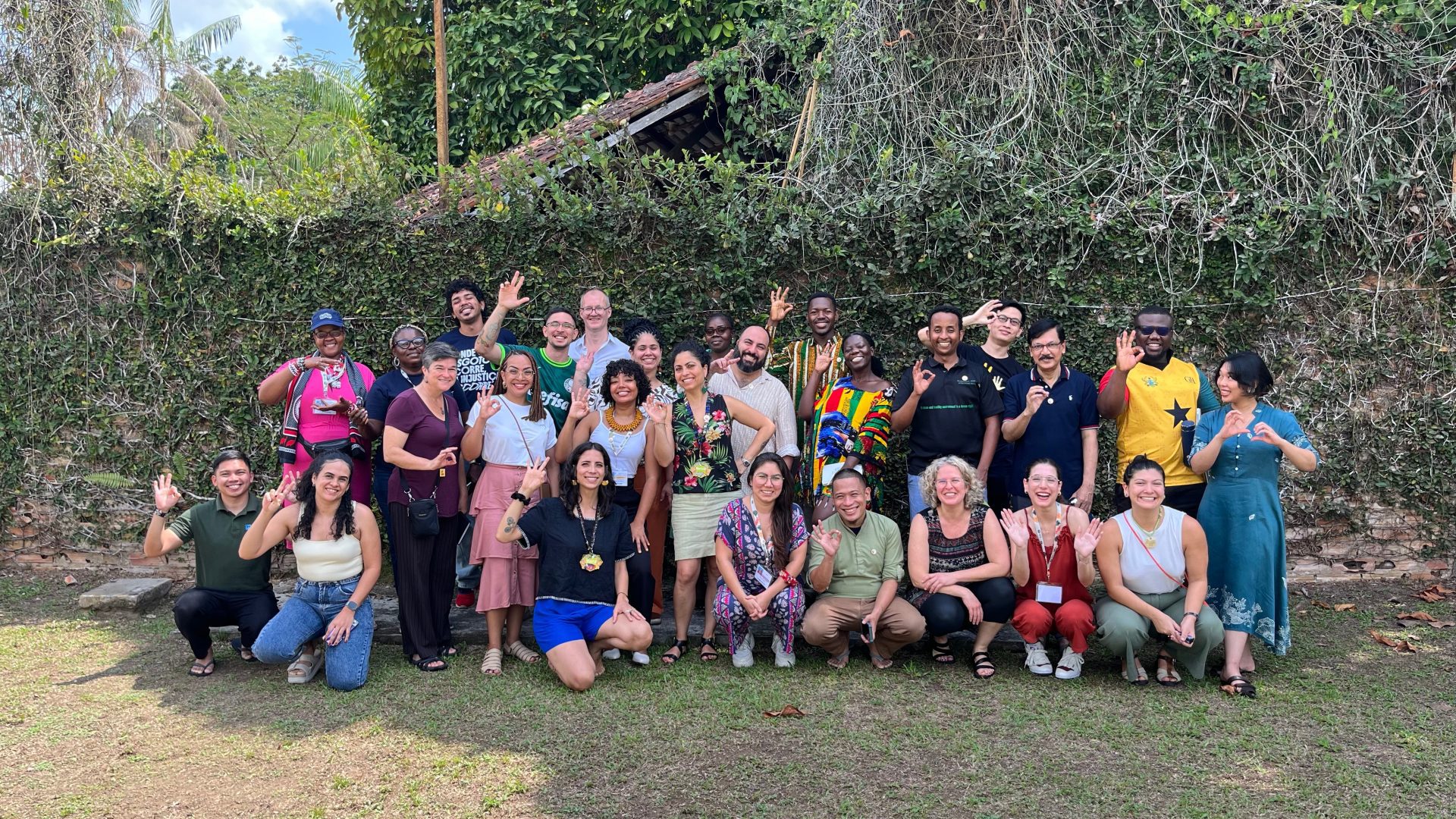
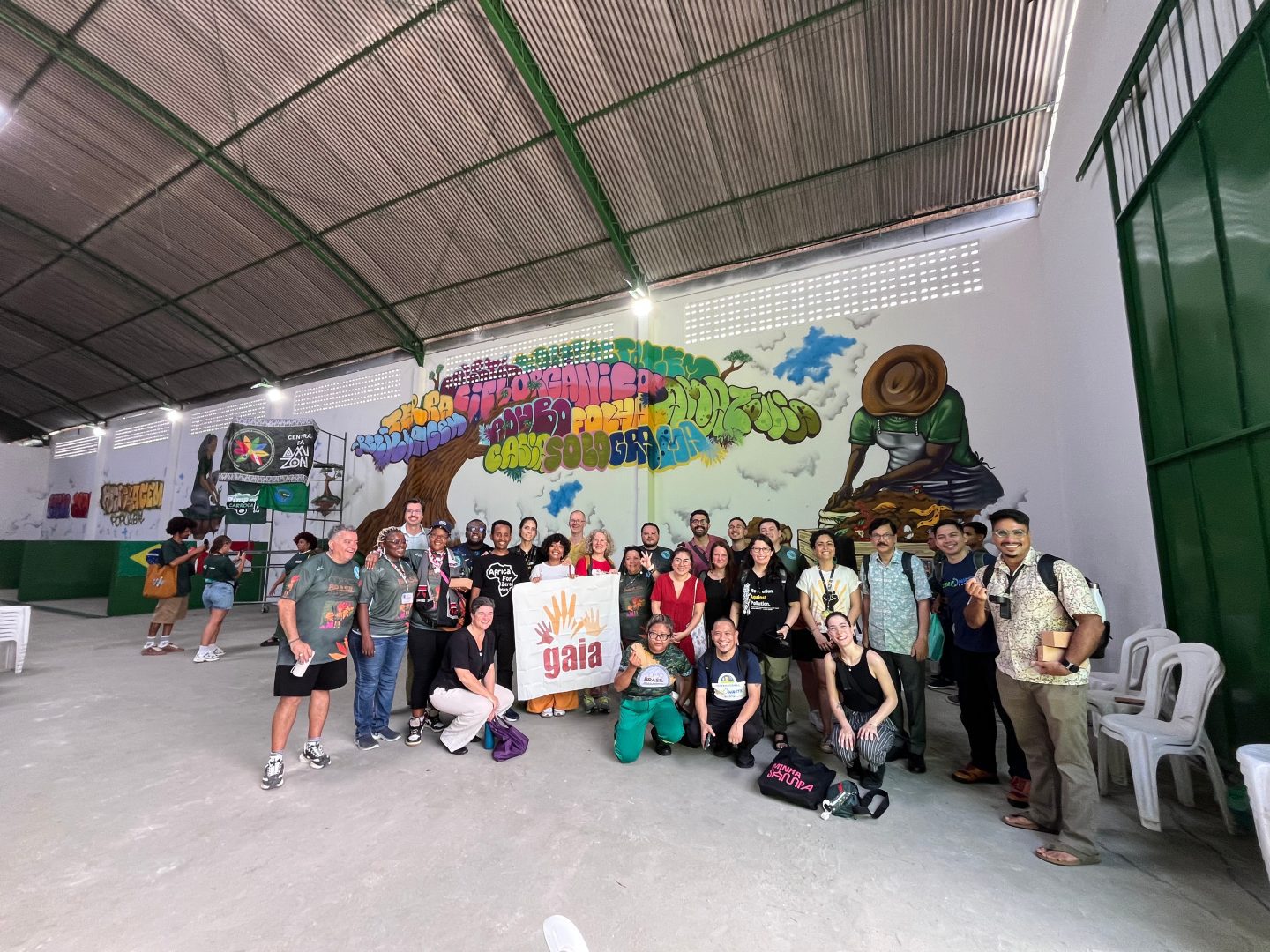
When the GAIA delegation touched down in Belém, we arrived with a clear mission: make waste, zero-waste solutions, and just-transition principles impossible to ignore. Over two weeks, our team turWhen the GAIA delegation touched down in Belém, we arrived with a clear mission: make waste, zero-waste solutions, and just-transition principles impossible to ignore. Over two weeks, our team turned knowledge into action, community-led ideas into policy conversations, and technical expertise into influence.

Explore the full GAIA COP30 delegation and see our GAIA COP30 calendar of events.

A Global Team, A Shared Vision

GAIA brought together 44 people from 30 organizations across 18+ countries—from Ghana and Indonesia to Chile and Brazil. Not everyone could be on-site, but our presence was felt both in the conference halls and online. Our delegation embodied a shared vision: solving the climate crisis starts with inclusive, community-driven solutions.

Week 1: Making Every Voice Heard 

GAIA members spoke at 34 events across 11 pavilions, including the Super Pollutants Pavilion, Children & Youth Pavilion, Amazon Climate Hub, and UNESCO Pavilion. We shared platforms with country pavilions like Brazil, Ethiopia, and Chile–ICCI–Iceland, and participated in UN events, press conferences, and online Climate Newsbreaks.

In numbers:

  • 28 GAIA staff and members speaking (including remote contributions)
  • 70 speaking appearances
  • Engagement with 12 funders and 15 policymakers
  • Media coverage: 4 interviews, 5 mentions (a full coverage report still to come)

It was a week defined by visibility and influence. Everywhere we went, GAIA made sure the message was unmistakable: cutting methane, expanding organic waste solutions, and advancing zero-waste strategies are essential to real climate progress. Our voices carried across pavilions, panels, and press rooms, ensuring that these priorities were not just mentioned, but centered in the conversations that matter most.

Week 2: Deepening Connections 

Week two shifted focus to building relationships and cementing impact, with 21 events across 11 pavilions, including the Museu das Amazonias, Food Roots and Routes Pavilion, USA Climate Pavilion, Super Pollutant Solutions Pavilion, and CDR30 Roundtable. Country pavilions included Bangladesh and Indonesia.

Highlights:

  • 20 GAIA members speaking, 32 appearances
  • Direct engagement with 5 funders and 2 policymakers
  • Media visibility: 2 interviews, 1 press release (a full coverage report still to come)
  • Online reach maintained through 5 Climate Newsbreaks.

Week two was all about building bridges — linking grassroots communities with global policymakers, connecting local zero-waste solutions to international funding opportunities, and turning hard-won knowledge into meaningful action. In every conversation and every room, GAIA worked to close the gaps that too often hold climate solutions back, creating pathways where collaboration and impact can truly thrive.

GAIA’s Impact: Turning Ideas into Action 

Across two weeks, GAIA demonstrated the power of connecting grassroots innovation with global policy:

  • Amplifying methane reduction and organic waste solutions
  • Highlighting inclusive, community-led zero-waste strategies
  • Engaging funders and policymakers directly
  • Strengthening solidarity across 30 countries

From high-level panels to targeted pavilion engagements, GAIA ensured zero-waste solutions and just-transition principles were central to COP30.

“Our two weeks in Belém were more than a conference—they were proof that community-driven climate action is not just possible, but essential”, said Froilan Grate, GAIA Asia Pacific Regional Coordinator, Philippines. 

Moving Forward: Opportunities for Zero Waste at COP31

Türkiye will host COP31 in 2026, while Australia takes on the lead negotiating Presidency. For Türkiye, COP31 is a chance to showcase its Zero Waste initiative as a cornerstone of domestic climate action and global leadership.

Launched in 2017, Türkiye’s Zero Waste Project has achieved:

  • Waste Reduction: Millions of tons of paper and plastic diverted from landfills
  • Emission Savings: ~500,000 tons of CO₂e saved annually
  • Resource Conservation: Preserving raw materials, energy, and water
  • Plastic Bag Reduction: 75% drop in usage between 2019–2021

The transition from COP30 to COP31 is a unique opportunity for the zero waste movement. GAIA’s experience in Belém shows how community-driven solutions, technical knowledge, and policy advocacy intersect to create real impact.

Türkiye’s Zero Waste initiative is a tangible example of national action that can be amplified globally, though tackling systemic hurdles like imported plastic waste and landfill reliance will be essential.

We look forward to supporting Türkiye, the Zero Waste Foundation, and the global community as they leverage COP31 to strengthen zero waste and methane mitigation. The next chapter is about turning ambition into action, bridging national initiatives with global climate leadership, and ensuring zero waste becomes a central pillar of the climate agenda.

Explore Key COP30 Initiatives

As we mark GAIA’s twenty-fifth year, we’re taking a moment to honour the people, movements, and everyday acts of courage that shaped this global community. What began as a shared refusal to accept toxic, extractive systems has grown into a vibrant network pushing for justice, circularity, and care at every level.

To celebrate this milestone, Dr. Shahriar Hossain of the Environment and Social Development Organization (ESDO) in Bangladesh offers a poem that traces the quiet power of collective work from the ground up. It’s a reflection on how far we’ve come and a reminder of the roots that hold us steady as we face the years ahead.

Below is his tribute to the movement and everyone who has carried it forward.

Tide & Root: From Ash to Apples

Shahriar Hossain, Ph.D.

Twenty-five years — GAIA rose like tide and root,

quiet muscle, steady pulse, reclaiming our roots.

We flipped ash into seed; we refused to burn tomorrow;

we taught our children: refuse is not fate, but work to borrow.

Neighbors raised banners, set the kitchen table high —

grandmothers with compost scoops, youth mapping every by way.

We unmasked the smoke with stories, petitions, and hands;

we seized what was wasted and re-domesticated care in our lands.

From alley pots to island sands, our palms learned to sort and heal;

we composted histories and pressed them back into the soil.

Rubble of neglect became rich loam, rivers mended, markets steadied,

incinerators weakened as knowledge walked door to door, ready.

Repair, reuse, refuse — we rewove the small economies of home;

each household a workshop, each neighbor a step toward the comb.

A global choir — elders, youth, frontline keepers — braided practice into law;

this resistance cleared the air, cleaned our memory, demanded circular justice for all.

Twenty-five years of grit and grace: ash to apple, shame to neighborhood power.

Let the next decades be fuller, kinder, rooted in each home and hour.

Whole and together — we commit, we keep, we rise: we are the work, the promise, the morning’s steady prize.

FOR IMMEDIATE RELEASE: November 14, 2025

New Orleans, LA — As world leaders meet at COP30 to address the global climate crisis, community leaders on the frontlines of pollution gathered in one of its most visible epicenters. Less than an hour from Louisiana’s notorious “Cancer Alley,” thirteen grassroots organizations from over a dozen states across the United States convened in New Orleans last month to deepen collaboration, political analysis, and shared strategy on landfill methane as part of GAIA’s Methane Reduction and Environmental Justice Cohort

With an investment from the Global Methane Hub, GAIA regranted $675,000 to grassroots organizations advancing community-led strategies to reduce methane emissions from the waste sector, one of the most significant yet overlooked drivers of climate change. Cohort members are proving that effective, equitable climate action begins at the local level through initiatives such as composting, landfill monitoring, food waste prevention, and zero waste policy advocacy.
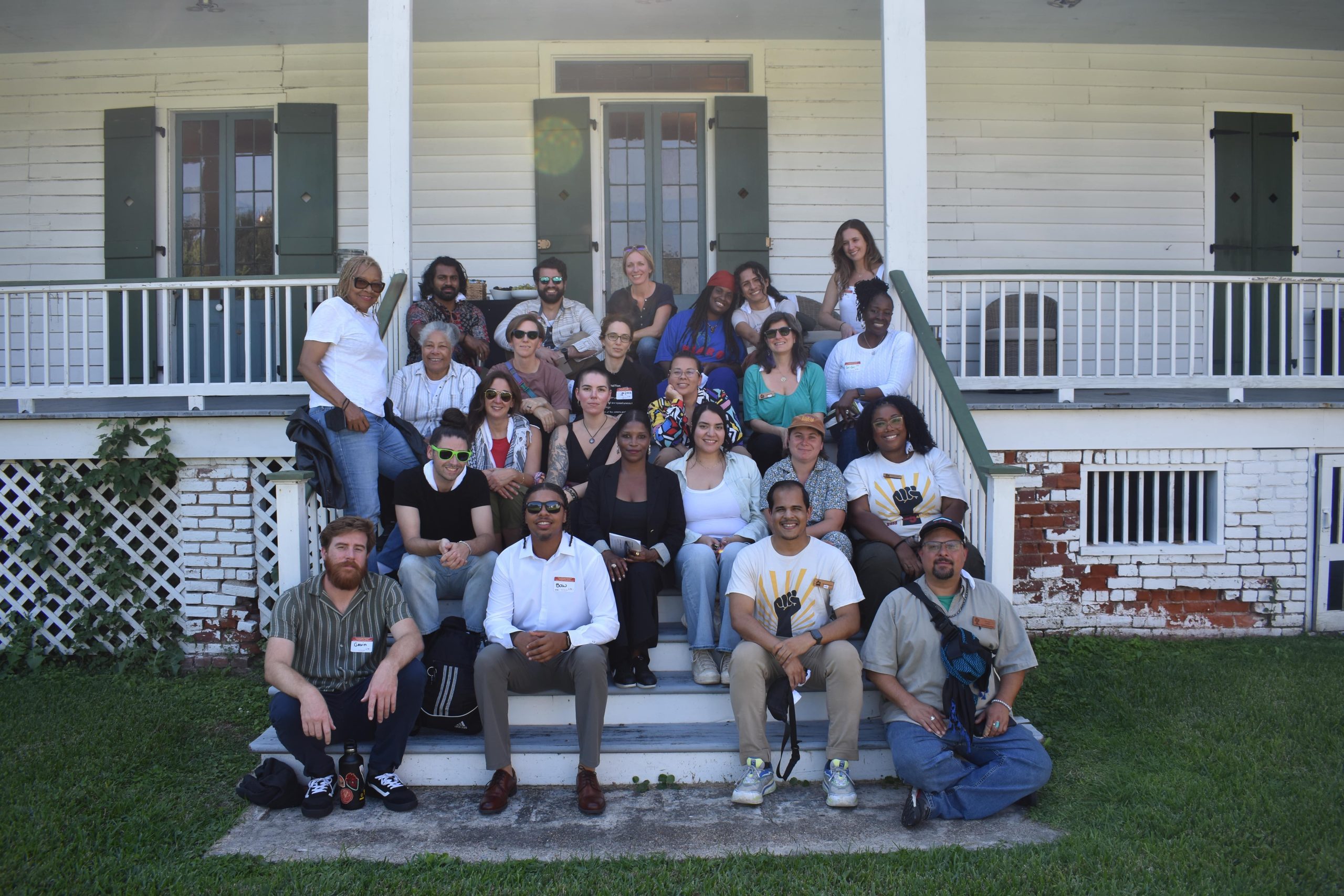
“The convening created an opportunity to bring the cohort together to deepen connections and strengthen alignment within the program. We saw it as critical to host this space in the Gulf Coast Region, as we recognize the interconnectedness of our landfill methane fights and wider environmental injustices that have devastated these communities for generations,” said Marcel Howard, U.S. & Canada Zero Waste Program Manager at GAIA. “By prioritizing the building of solidarity across the supply chain, we — as a movement — gain more power and traction to fight against the very industries working to destroy our communities.”

The convening took place just an hour from “Cancer Alley,” an 85-mile stretch of the Mississippi River between New Orleans and Baton Rouge that hosts roughly 200 fossil fuel and petrochemical plants, which produce a quarter of the nation’s petrochemical products. The cohort visited the region to learn from local leaders confronting generations of industrial pollution and environmental racism.

Participants were welcomed by The Descendants Project at the Woodland Plantation in St. John the Baptist Parish, where efforts to transform a former plantation into a museum and community space highlight the enduring link between plantation economies and today’s petrochemical industry. The visit highlighted the connection between waste, plastic, and pollution — from the extraction of fossil fuels used to make plastics to the methane emissions from landfills, where those plastics often end up.

According to the EPA, landfills accounted for 17.1% of all methane emissions in the country, with food waste accounting for an estimated 58% of fugitive methane emissions (FME). Methane is a highly potent greenhouse gas and short-lived climate pollutant (SLCP), with 82.5 times the warming potential of CO₂ over a 20-year period. Even modest improvements in organic waste collection and composting can reduce landfill methane emissions by more than 60 percent.

GAIA’s U.S. Methane Reduction & Environmental Justice Cohort at the Woodland Plantation in St. John the Baptist Parish, Louisiana.

Across the country, GAIA’s cohort members are implementing on-the-ground solutions that reduce methane and build community power in several states.

“Connecting with other members of the GAIA Cohort to reduce methane created a sense of solidarity and connection that helps sustain this work. I am bringing back lessons to the communities we support in organizing across the northeast,” said Eva Westheimer, Northern Region Lead Organizer at Slingshot. 

As the climate crisis accelerates, the work of these grassroots organizations demonstrates that the path forward is not only possible, it is already being paved by the people most affected. While global leaders debate how to curb methane, these community-based organizations are already demonstrating that a just, zero waste future is possible and underway, and it is rooted in justice and love for our communities. 

“Being kind and thoughtful to this planet should be as intentional as being mean to it,” said Gi-Gi Hagan-Brown, resident and member of Concerned Citizens of Waggaman, Louisiana.

###

GAIA is a worldwide alliance of more than 1,000 grassroots groups, non-governmental organizations, and individuals in over 90 countries. With our work, we aim to catalyze a global shift towards environmental justice by strengthening grassroots social movements that advance solutions to waste and pollution. We envision a just, zero waste world built on respect for ecological limits and community rights, where people are free from the burden of toxic pollution, and resources are sustainably conserved, not burned or dumped. 

Press contact:

María Guillén, Communications & Network Development Manager, U.S. & Canada

mariaguillen@no-burn.org

November 11, 2025, Belem Brazil – Community-based zero waste systems offer a cheap, fast way to cut methane emissions and create good jobs. Yet they are all too often overlooked in favour of capital-intensive, profit-driven infrastructure. At COP30 climate talks in Belem, there is an opportunity to get money flowing to the people getting results on the ground.

In a new brief [LINK], GAIA provides a toolkit for governments and financiers to realign incentives and support zero waste systems as an essential public service. That means:

  • No false solutions. Waste-to-energy (WTE) incineration, refuse-derived fuel, and waste co-firing should be on exclusion lists for investment. These measures harm our climate and public health, and drain limited public funds for reforming the sector.
  • Grants first. Climate finance must not trap developing countries into unsustainable debt. For projects with high social and environmental value but limited monetary return, like closing dumpsites, cleaning up pollution and retraining waste workers, grants are essential. Grants can cover the first 3-5 years of operation for zero waste initiatives while they establish robust long-term funding models. For some revenue-generating activities, concessional loans are appropriate.
  • Polluter pays. A plastic pollution fee, taxes on dumping and burning waste, and reform to harmful subsidies can deter pollution and raise revenues for sustainable solutions.
  • Reinvest savings. Source separation, recycling and community-based decentralized composting waste avoids costs like long-distance hauling and landfill fees. These savings can be reinvested to pay workers and sustain operations over the long term.

“At the ‘Implementation COP’, leaders must back cost-effective climate solutions that make people’s lives better and leave no one behind,” said Yobel Putra, global climate policy officer at GAIA. “Investing in community-based zero waste solutions does just that. Our work shows there are shovel-ready projects that need the right financial framework to scale up and deliver.”

The waste sector accounts for nearly 20% of global methane emissions, yet received less than 1.5% of climate finance in 2023. Of that, 99% went to waste-to-energy projects, which displace jobs, generate expensive electricity and lock in carbon dioxide emissions for decades. Only 1% went to organic waste management.

If implemented at scale, zero waste systems – prevention, reuse, source separation, composting, and recycling – could cut methane emissions from solid waste by up to 95%, GAIA research shows.

Communities in Accra, Buenos Aires and Quezon City are leading the way. Three initiatives profiled by GAIA are offering informal waste pickers a path to formal employment, while preventing pollution. These models can be scaled up with the right access to land and equipment, financial incentives, and policy support.
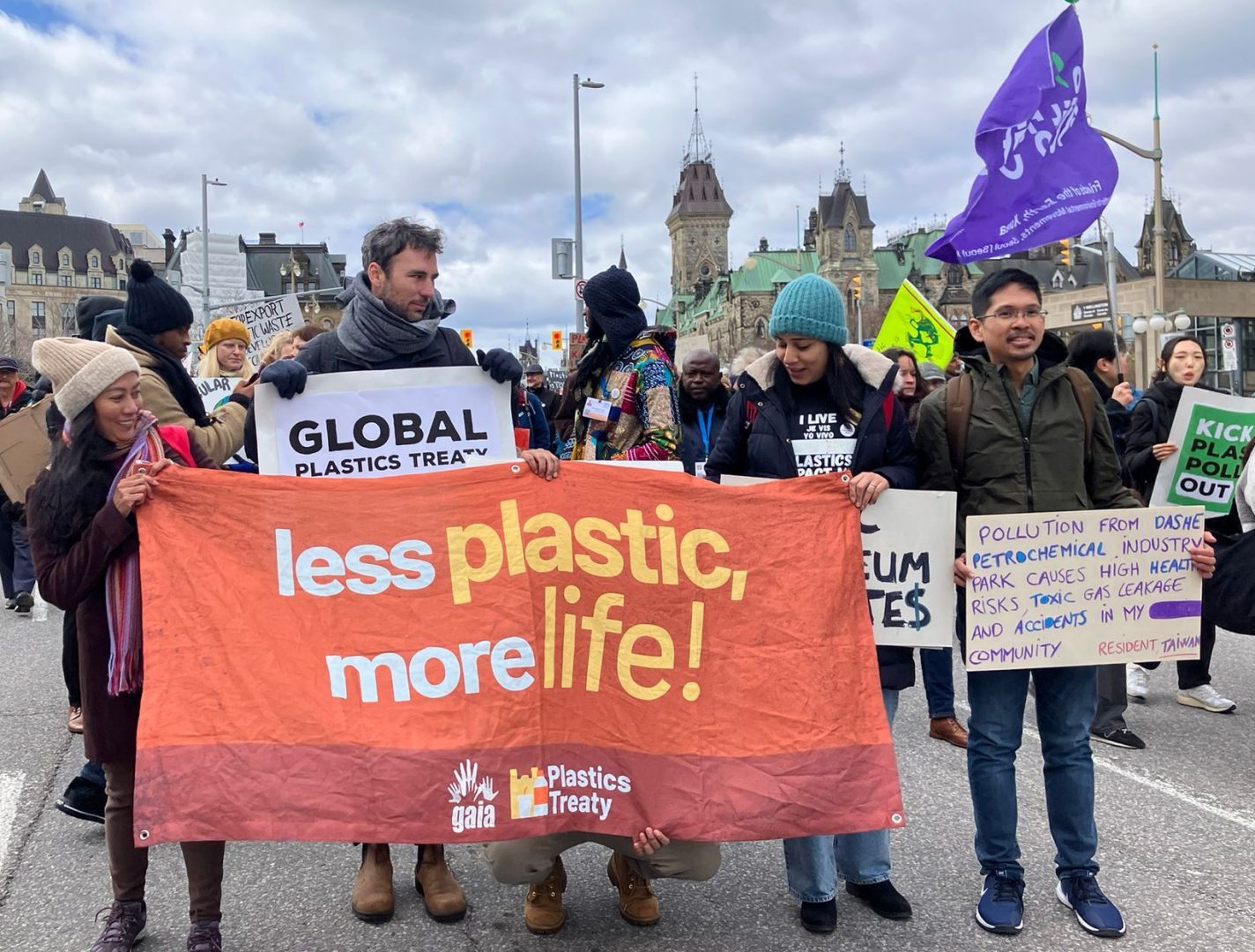
“Community-based zero waste systems not only reduce waste disposal and emissions, but they boost jobs, environmental health, food sovereignty, civic engagement, and local economies,” said Cecilia Allen, GAIA’s Global Zero Waste Cities ProgramDirector. “With public policy support, these benefits could go further.”

Contacts

Yobel Novian Putra, Global Climate Policy Officer at GAIA: yobel@no-burn.org 

Cecilia Allen, Zero Waste Cities Program Director at GAIA: cecilia@no-burn.org 

Sonia Astudillo, Global Climate Comms Officer at GAIA: sonia@no-burn.org 

Resources

  1. Climate Finance for Zero Waste and Just Transition 
  2. Building Community Resilience and Green Jobs through Organic Waste in Accra, Buenos Aires and Quezon City 
  3. Zero Waste to Zero Emissions: How Reducing Waste is a Climate Gamechanger

About GAIA:

GAIA is a network of grassroots groups as well as national and regional alliances representing more than 1,000 organizations from over 100 countries. With our work we aim to catalyze a global shift towards environmental justice by strengthening grassroots social movements that advance solutions to waste and pollution. We envision a just, Zero Waste world built on respect for ecological limits and community rights, where people are free from the burden of toxic pollution, and resources are sustainably conserved, not burned or dumped. www.no-burn.org

29 October 2025 – Residents and waste pickers in the city of Barueri, Sao Paulo state, are fighting Brazil’s first major incinerator project. Proposed in 2010, the plant is now under construction despite fierce opposition. It is set to burn 300,000 tonnes of unsorted household waste a year from Barueri and the surrounding area, and generate electricity. This undermines the national policy to reduce, reuse and recycle waste where possible, leading to worse outcomes for the climate, energy costs and jobs.

  • A zero waste strategy* for Barueri would cut 3 million tonnes CO2e by 2060 compared to incineration, GAIA modelling shows. That’s like taking 650,000 cars off the road for a year. While either scenario cuts methane emissions from landfill sites, burning the waste generates large volumes of carbon dioxide, while composting and recycling do not.
  • As a source of power, incinerators are expensive. Electricity from burning waste in Brazil costs more than three times as much as the average wind or solar farm, public energy auction data shows.
  • Recycling employs more than 800,000 waste pickers organised in cooperatives across the country, while incinerators are automated and generate few jobs.

There are two live lawsuits against the municipality, the companies involved in the Barueri incinerator project, and the environmental licensing agency (CETESB).

A popular action, filed by residents, challenges the validity of the environmental licence and the loosening of state and municipal legislation. Specifically, the change to the city’s urban zoning law permitting the incinerator to be built in a densely populated area.

The second lawsuit, filed by Instituto Futuro, disputes the legality of the ongoing construction works. The installation licence for the Barueri incinerator expired in 2021.

“The implementation of incinerators in Brazil is marked by laxity and disregard for environmental legislation,” says Karoline Santana, lawyer and member of SOS Barueri Collective, “but also by the struggle of organized civil society. We won’t stop fighting.”

Waste is a climate issue. A fifth of human-driven methane emissions come from waste and 70% of total global emissions come from the material economy.

The Barueri project is one of several big, expensive incinerators planned in Brazil and hundreds around the world. Incinerators lock in carbon dioxide emissions, sideline waste pickers and undermine recycling efforts. There is a better way: community-led zero waste initiatives can create good jobs, cut emissions at every step of the value chain and build resilience to climate impacts.
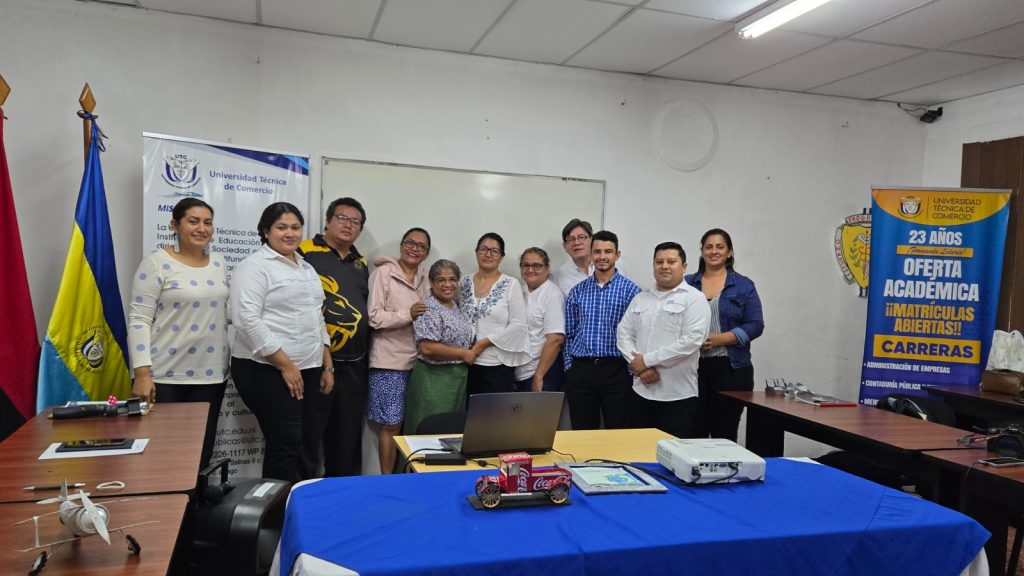
Globally, 94% of finance for cutting methane emissions from waste goes to incinerators like Barueri’s. The upcoming COP30 climate conference in Brazil is an important moment for governments and financiers to back genuine zero waste strategies.

“Zero waste isn’t just the right environmental and climate choice – it’s a smarter investment with lasting benefits for communities,” says Victor Argentino, solid waste expert at Instituto Pólis. “We need to rethink finance for people, not for private profit and outdated technocratic solutions.”

*The zero waste scenario involves composting 80% of organic waste and recycling 48% of recyclables, based on industry best practice and local context.
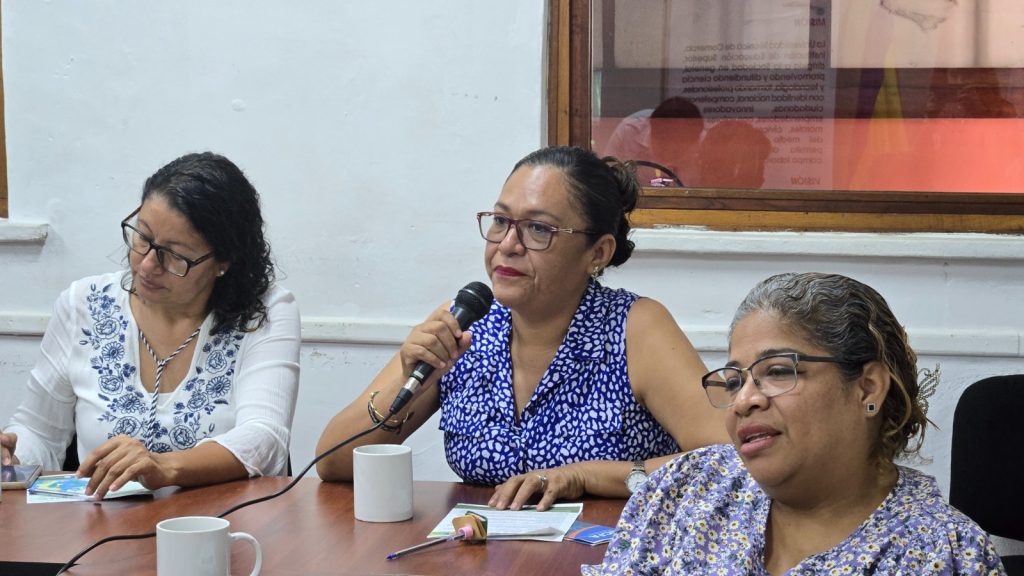
Contacts

Karoline Santana, Lawyer and Member of SOS Barueri Collective (speaks Portuguese, can text in English): +55 11 98379-2013

Tânia Mara Moraes, Environmental Project Manager and Member of the SOS Barueri Collective (speaks Portuguese, can text in English): +55 11 94776-9862

Victor Argentino, Solid Waste Expert at Instituto Pólis (speaks Portuguese, English): victor.argentino@polis.org.br

Neil Tangri, Science and Policy Director at GAIA (speaks English): neil@no-burn.org 

Sonia Astudillo, Global Climate Comms Officer at GAIA: sonia@no-burn.org

Resources

  1. Zero Waste as An Effective Climate Strategy: Avoiding Warming Tradeoffs from Incineration (GAIA modelling for three cities including Barueri)
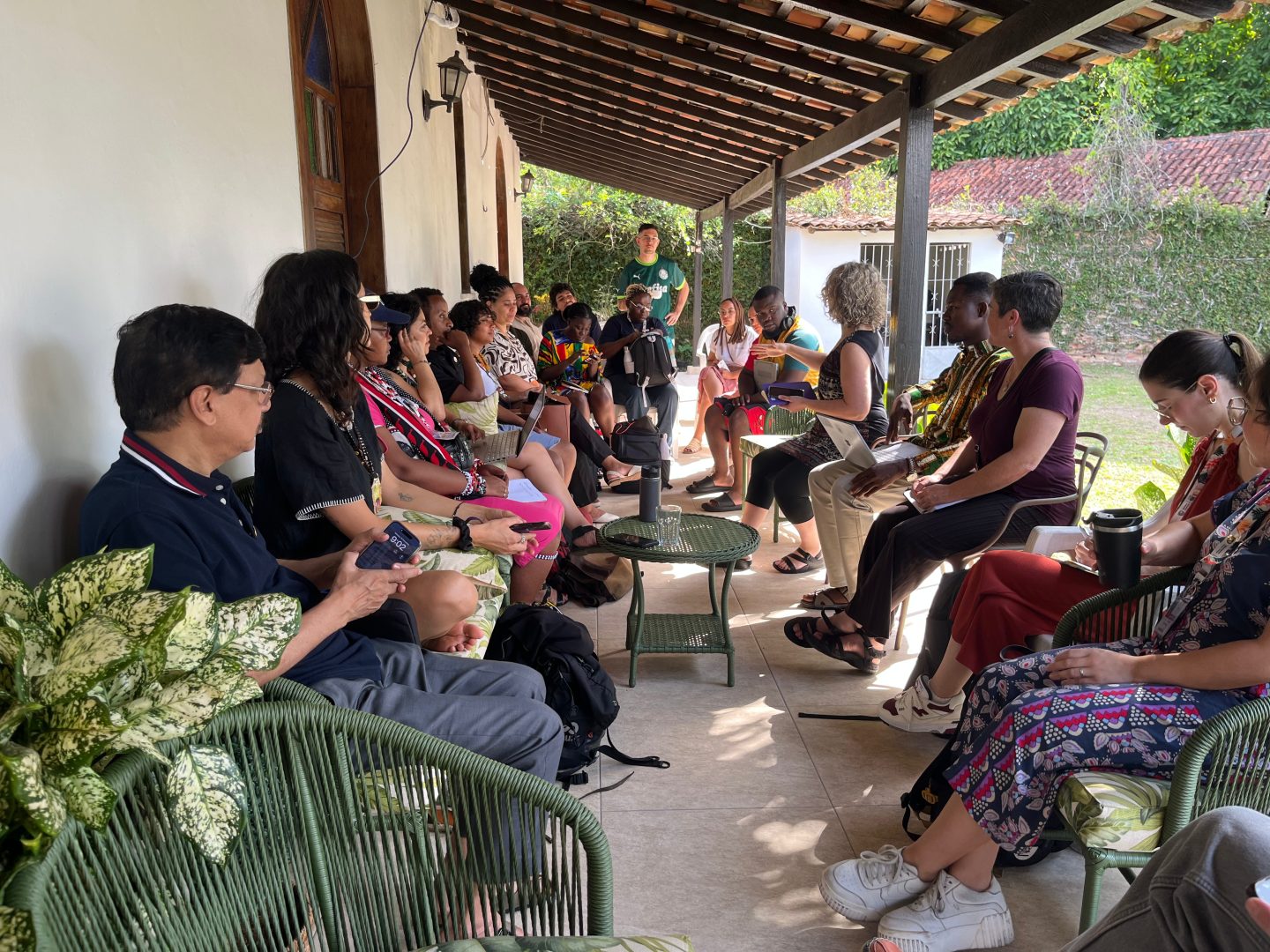
  2. Zero Waste to Zero Emissions: How Reducing Waste is a Climate Gamechanger (GAIA research)
  3. SOS Barueri campaign information (in Portuguese)
  4. Waste not: Time to rapidly scale methane abatement finance in the waste sector (CPI research)

About GAIA:

GAIA is a network of grassroots groups as well as national and regional alliances representing more than 1,000 organizations from over 100 countries. With our work we aim to catalyze a global shift towards environmental justice by strengthening grassroots social movements that advance solutions to waste and pollution. We envision a just, Zero Waste world built on respect for ecological limits and community rights, where people are free from the burden of toxic pollution, and resources are sustainably conserved, not burned or dumped. www.no-burn.org