GAIA Members

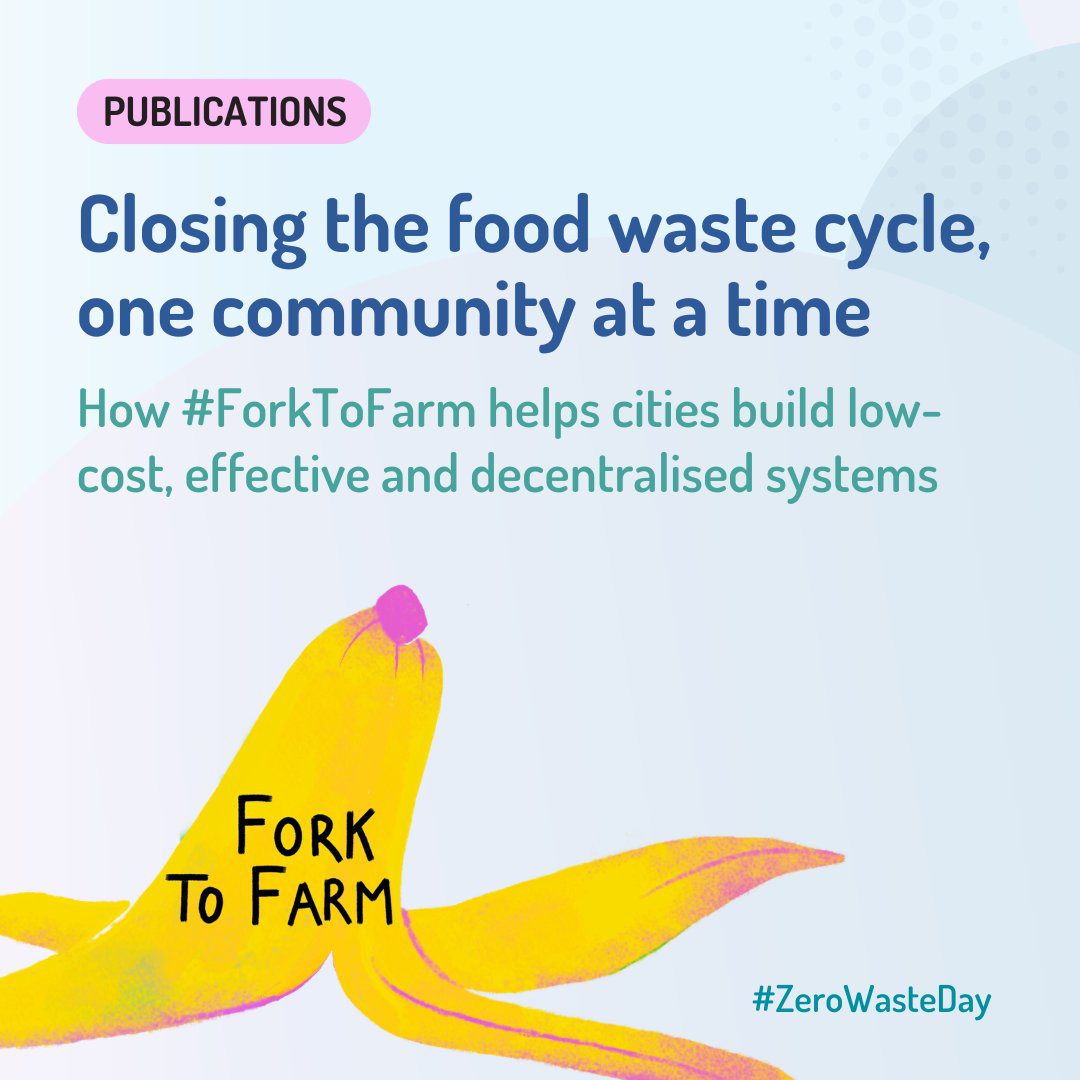
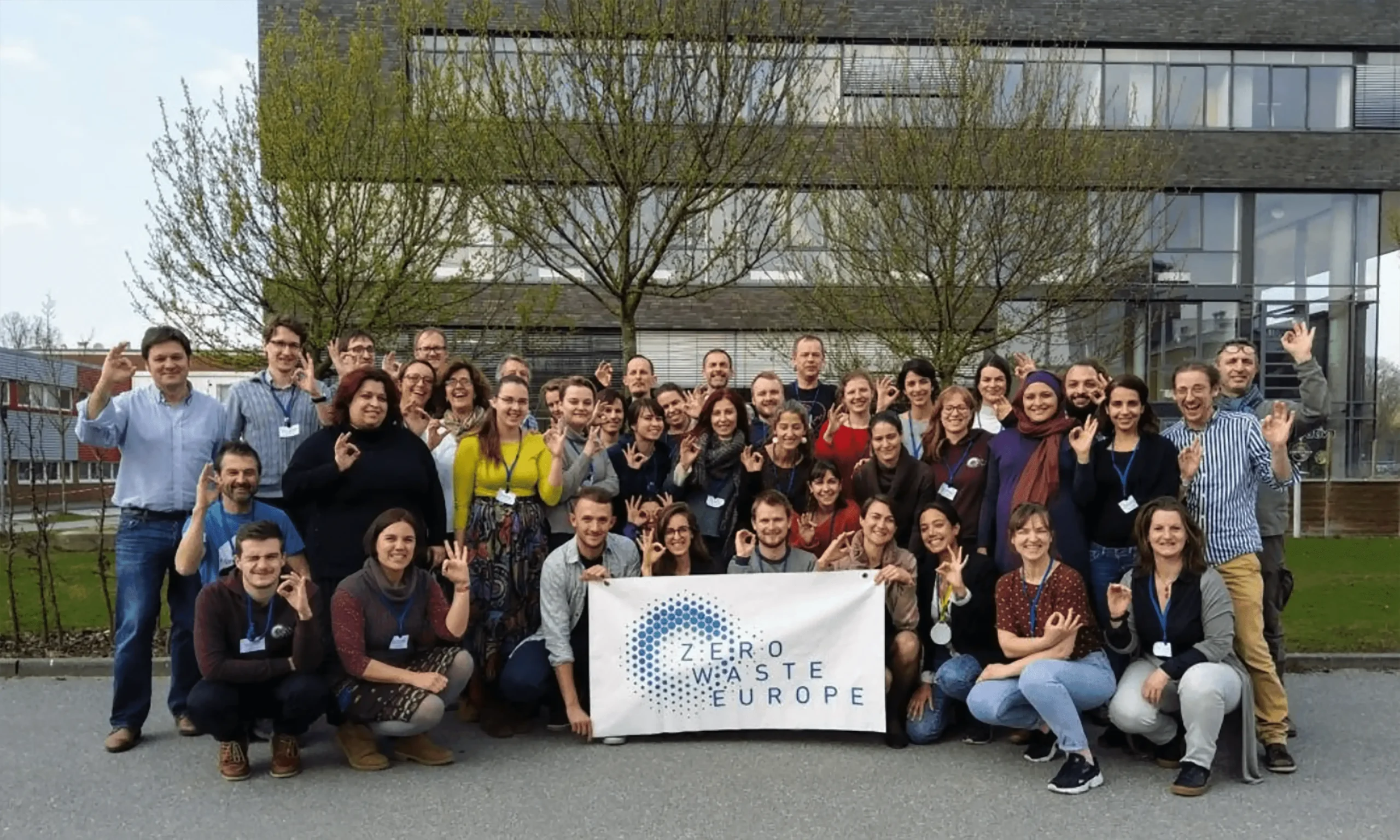
Brussels, Belgium – 30 March 2026 – On the occasion of International Zero Waste Day, the European network Zero Waste Europe is spotlighting how communities in Montenegro are turning food waste into a valuable resource through the #ForkToFarm project. Over the last two years, Montenegrin municipalities have clearly demonstrated how decentralized bio-waste management can help reduce methane emissions, improve soil health, and support local food systems.

Across Europe, research suggests 74% of food waste generated still ends up in landfill or incineration. For a lot of European countries, landfill remains the predominant disposal methods and organic waste ending up here will decompose and release methane – a greenhouse gas far more potent than carbon dioxide in the short term. By separating food and garden waste, and then composting it locally, communities can significantly cut emissions while returning valuable nutrients to the soil.

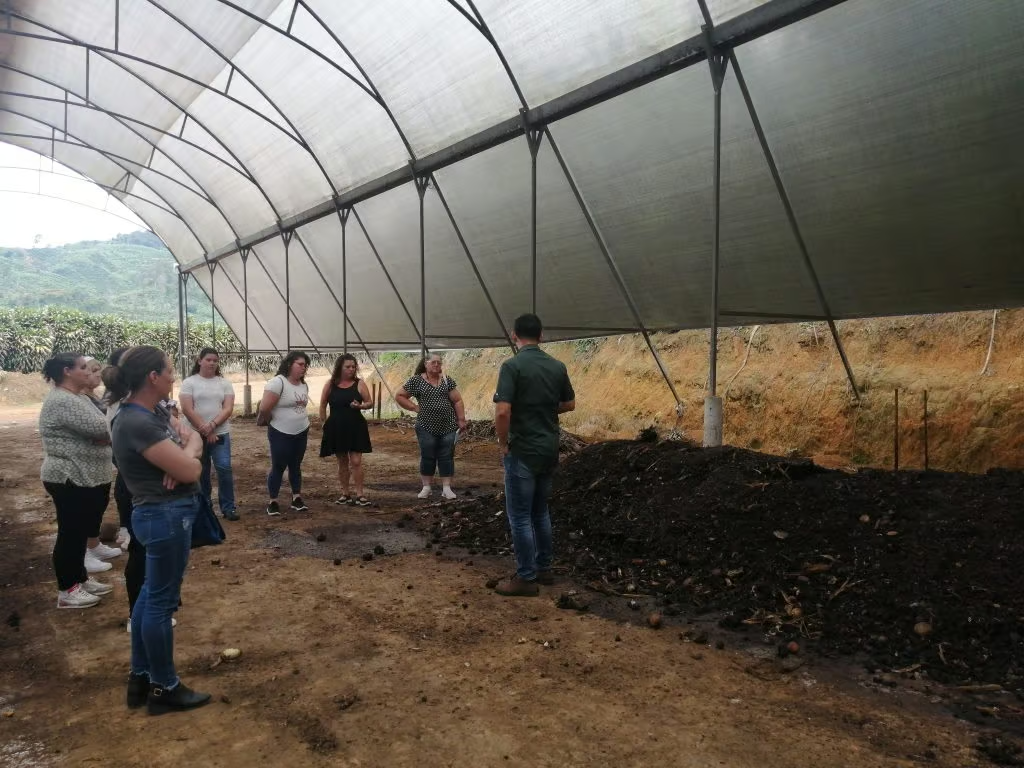
The #ForkToFarmproject, implemented by Zero Waste Montenegro in municipalities including Danilovgrad, Tuzi, Kotor and Podgorica, promotes practical solutions such as household composting, community composting sites, and awareness campaigns encouraging residents to separate organic waste at source. Through trainings and community engagement, residents learn how to transform food scraps and garden waste into compost that can be used in gardens, farms, and green spaces.

“Organic waste is one of the biggest untapped opportunities to reduce emissions in the waste sector,” said Kristina Joksimovic from Zero Waste Montenegro. “By keeping food waste out of landfills and turning it into compost, for relatively low costs, communities can take immediate climate action while supporting healthier soils and more resilient food systems. However, to unlock this potential at scale, we need significantly more public investment in organic waste management and food waste prevention. This must become a clear priority within climate and waste policies and infrastructure investments.”

The project shows that decentralized solutions can work effectively even in municipalities with limited waste management infrastructure. Participating households have reported reductions in mixed waste, while communities benefit from locally produced compost that can improve soil quality and reduce reliance on chemical fertilizers.

These initiatives also support broader European efforts to strengthen bio-waste collection and reduce the environmental impact of waste management. By empowering local communities and municipalities to manage organic waste more sustainably, the project demonstrates a scalable model that can be replicated across Europe.

“The UN Zero Waste Day reminds us that preventing waste is one of the most effective climate solutions available today,” Jack McQuibban, Head of Local Zero Waste Implementation at Zero Waste Europe,  added. “The experiences from Montenegro show that with the right support, communities can transform food waste into a resource and move closer to a zero waste future.”

By documenting these experiences, the #ForkToFarm case study aims to inspire municipalities and organisations across Europe to adopt decentralized bio-waste systems that keep organic materials in circulation and out of landfills.

UN gives global recognition to community-based zero waste systems

The theme for this year’s UN Day of Zero Waste— food waste– could not be more timely. Approximately 1.05 to 1.3 billion tons of food are wasted or lost globally each year, amounting to roughly one-third of all food produced for human consumption. Not only is the amount of wasted food staggering, but it also worsens the climate crisis: the waste sector is the third largest source of human-caused methane emissions–  a short-lived greenhouse gas that traps 82.5 times as much heat as CO2 over a 20-year timespan.

The good news is municipalities across the world have implemented simple, affordable solutions to the food waste crisis, with remarkable results. By simply preventing good food from being thrown away and composting the rest, cities have protected public health, created more and better jobs, and boosted both waste diversion and resilient food systems.  

Today in honor of the United Nations Day of Zero Waste,  the United Nations Environment Program and UN-Habitat have recognized five of our members’ zero waste cities projects in the Global South in their selection of 20 Cities Towards Zero Waste, elevating these programs as a blueprint for other cities around the world to follow. 

So what do these five zero waste programs have in common that made them a globally recognized model? In short– a dedication to social and environmental justice.

Thiruvananthapuram, India: Building the “Green Army”

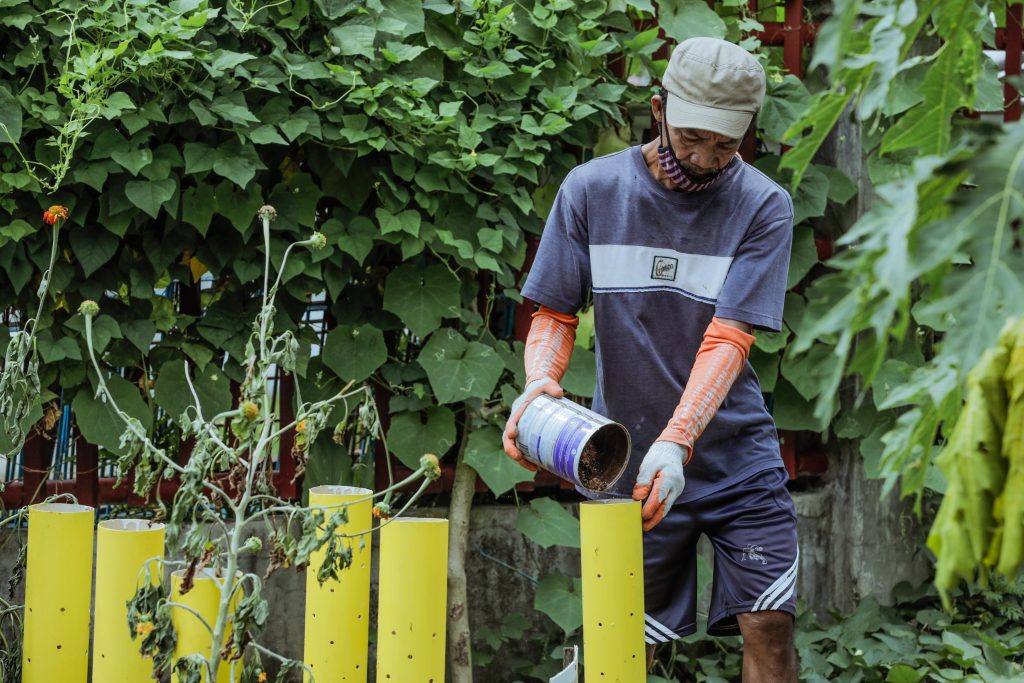
Varkala, a municipality within Thiruvananthapuram (or Trivandrum), the capital of the southern Indian state of Kerala, has been working with the guidance and support of GAIA member Thanal to build out zero waste systems for the past several years. The beauty of its organic waste program is that it employs a range of decentralized technologies that make organic waste management accessible on a household level. This includes kitchen composting bins, pipe composting units, biogas plants, aerobic bins, and community resource recovery centers that together address 72% of the city’s municipal solid waste. The program achieved compliance rates for source separation of 80% in the residential sector and 88% in the commercial sector within just five years, nearly half which is organic waste.

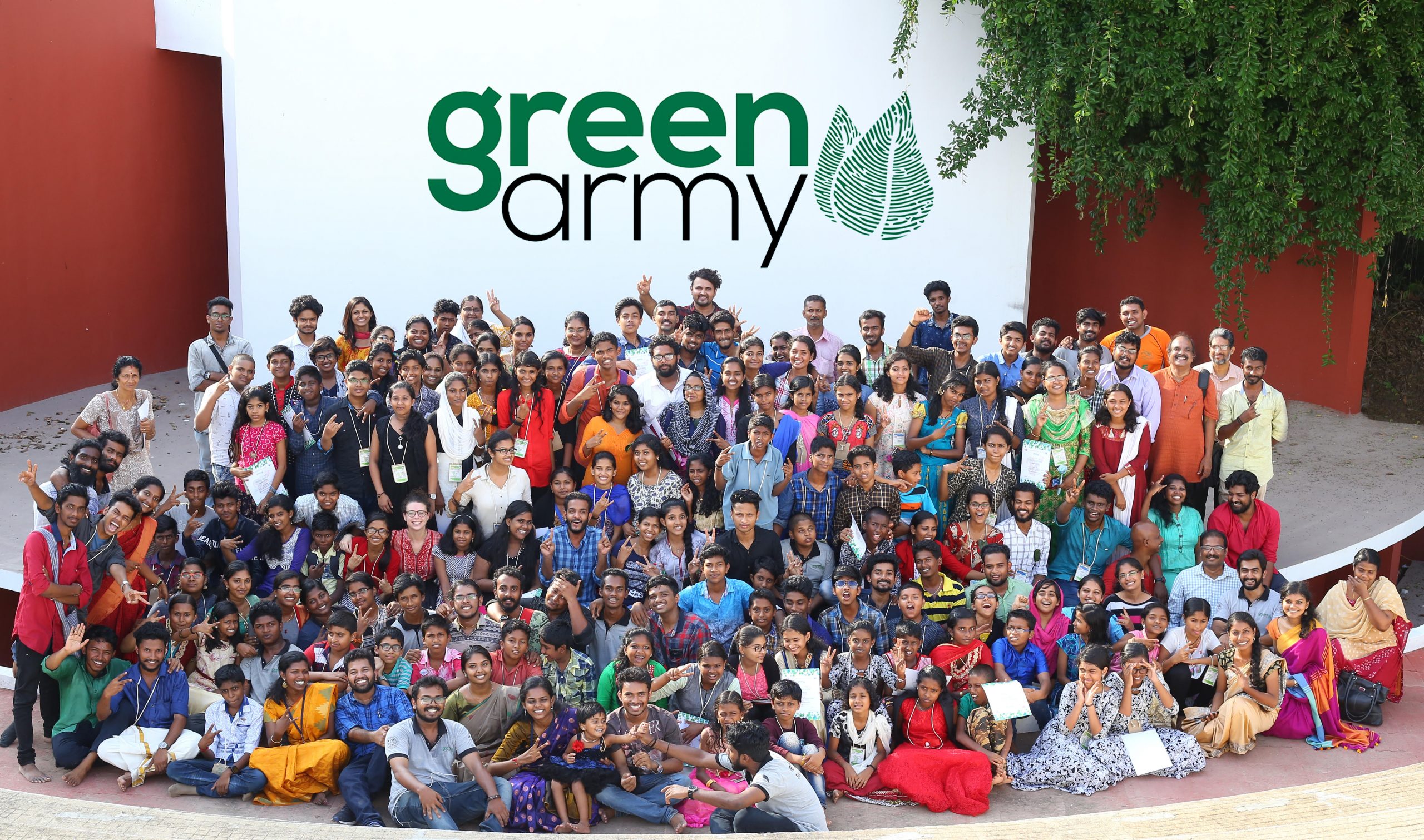
But the secret to Varkala’s success is two-fold: community engagement, and waste picker empowerment. Led by Thanal, the city engages residents through the “Green Army,” a campaign platform educating schoolchildren and neighborhoods on segregation and composting. Thanal also runs a Zero Waste Centre that functions as a resource recovery and training hub, empowering women through sustainable employment and fostering innovation in waste processing near the source. Women-led self-help groups participate actively in waste collection and composting, promoting social inclusion and providing employment opportunities within marginalized communities.

Read the case study

Accra, Ghana: A Masterclass in Community Engagement

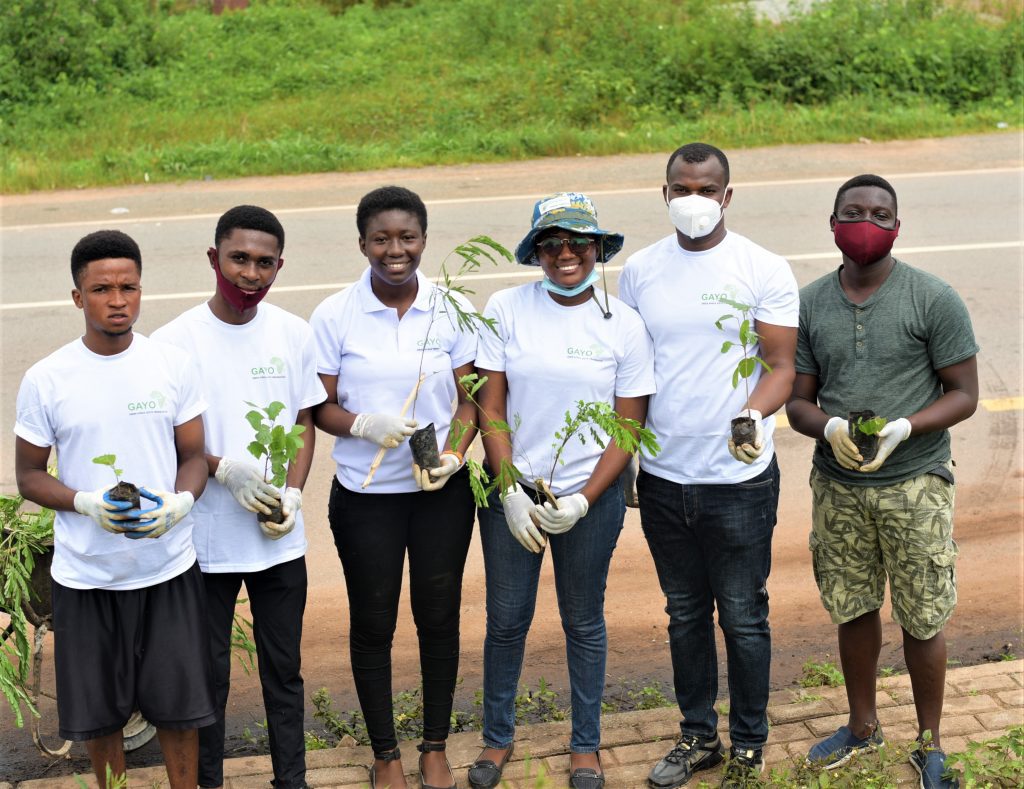
Green Africa Youth Organization (GAYO), in Ghana, launched campus eco-clubs. ©GAYO

Accra deserves recognition for pioneering inclusive and effective waste management solutions through its partnership with the Green Africa Youth Organization (GAYO), empowering informal workers, reducing landfill dependence, and promoting circular economy approaches in a rapidly urbanizing African city. Accra has made significant strides in diverting waste from landfills and is working to go beyond through engaging with the LOW-M Initiative, which supports cities to reduce waste methane emissions and unlock implementation by mobilising partner support. GAYO’s work on methane reduction with organic waste treatment project was named winner of the world’s most prestigious environmental prize in the clean air category, the Earthshot Prize, in 2024. 

The city raises awareness through community campaigns, school engagement, educational workshops, and partnerships that promote source separation and composting. GAYO’s model centers marginalized groups by formally integrating over 600 informal waste workers, including many women and youth, providing training, fair employment, health and safety advocacy, and opportunities to participate as community educators. 

Read the blog

Dar es Salaam, Tanzania: Collaboration is Key 

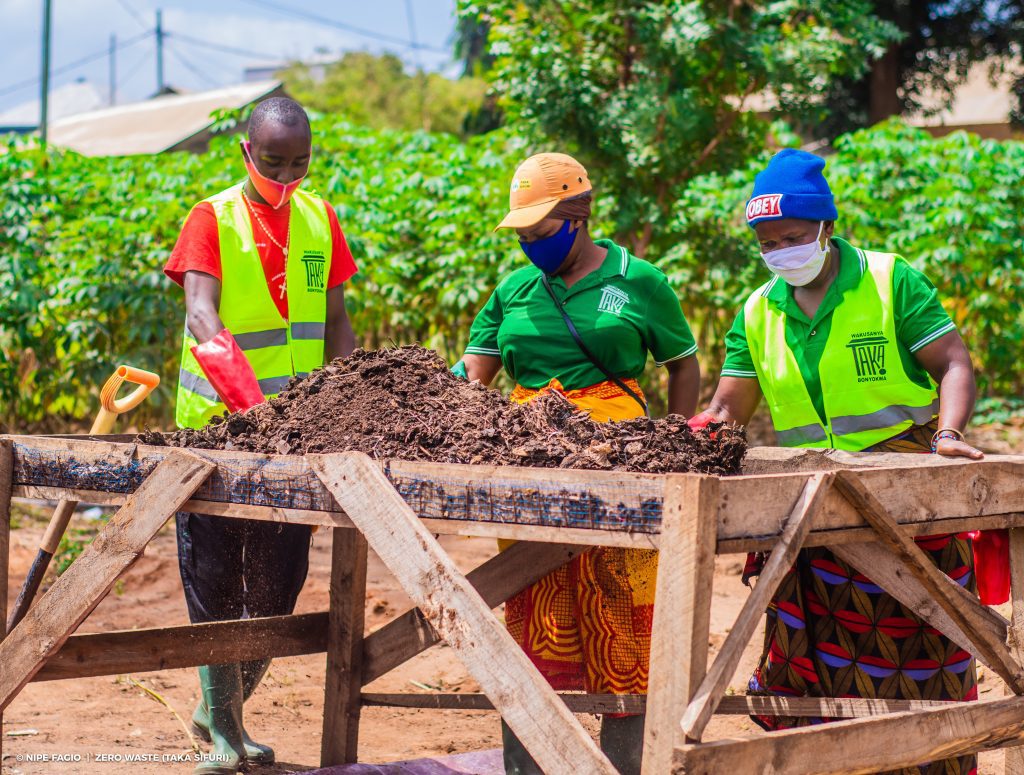
(c) Nipe Fagio

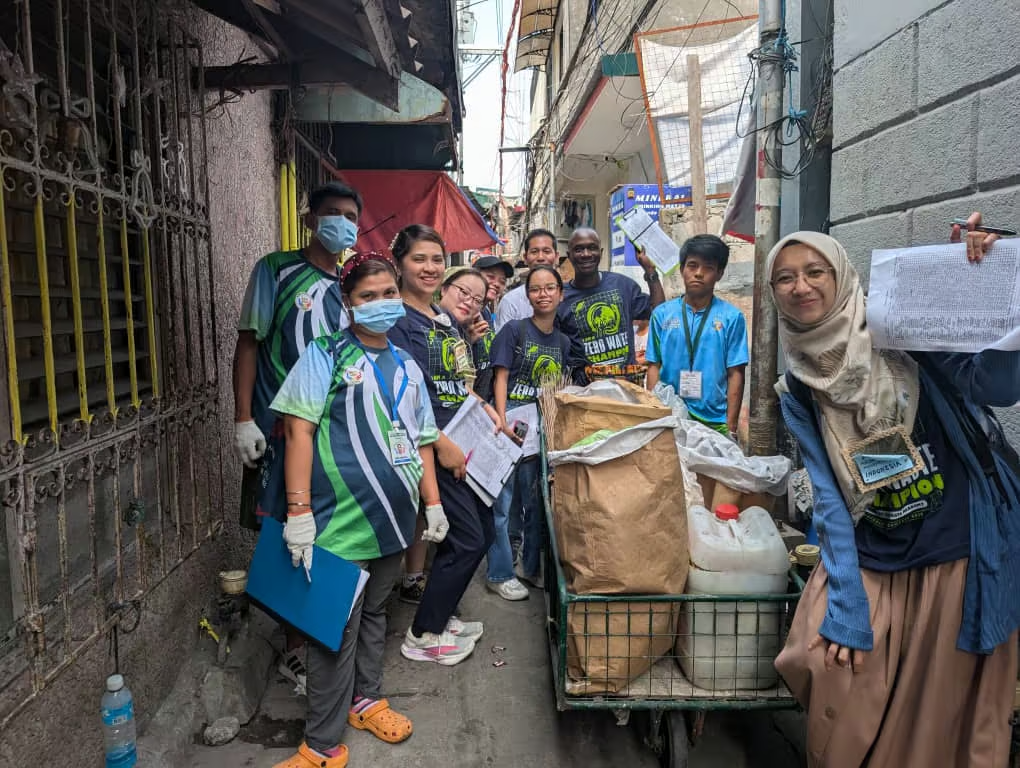
Dar Es Salaam has had incredible success in its zero waste program, collecting 1.74 tonnes of waste daily from 4.500 households (95%), achieving virtually 100% of organic waste diversion from disposal, equivalent to a reduction of 16.4 tonnes of methane emissions per year. GAIA member Nipe Fagio has been supporting the Tanzanian government every step of the way, engaging residents on zero waste through community-based campaigns involving door-to-door visits, and community surveys that motivate behavioral change and proper waste management. 

This community-driven model integrates waste picker cooperatives– supporting the newly launched Tanzania Waste Pickers Association (TAWAPA). This includes formal training programs and support, equipment, skills development, and leadership training that improve their working conditions. The Dar es Salaam model has taken off:  interest generated by word-of-mouth has led to expansion within the city and then to other jurisdictions the country, including Zanzibar, Arusha and Tanga.  There is great interest across Africa for their Zero Waste Academies, which provided microgrants for zero waste implementation in 9 African countries.  

Read the blog

San Fernando, Philippines: Win-Win for All

Waste worker in San Fernando, Philippines, working on the composting area of a Material Recovery Facility. ©VJ Villafranca.

San Fernando has long been heralded as a zero waste model globally, having begun its zero waste journey over a decade ago.  The city improved waste diversion from 12% in 2012 to 80.69% in 2018, with a compliance rate in source separation of 93%. Through its zero waste system, the municipality has been able to reduce disposal costs by nearly half, from USD 1.4M to about USD 677K annually. 

GAIA member Mother Earth Foundation (MEF) provides vital technical, educational, and advocacy support that powers the city’s zero waste systems. One example is an intensive public information, education campaign to encourage residents’ participation, with incentives like a contest for the best-performing neighborhood (called barangay) on a live TV show called “Win-win for All.” MEF also helped organize a 160 person waste workers association that was formalized by the city– enhancing livelihoods, upgrading their working conditions, income, and social recognition while improving waste collection services. 

San Fernando’s success is part of the Zero Waste Cities Network Philippines, which shares replicable strategies, governance models, and advocacy lessons to other cities nationwide. 

Read the case study

Florianópolis

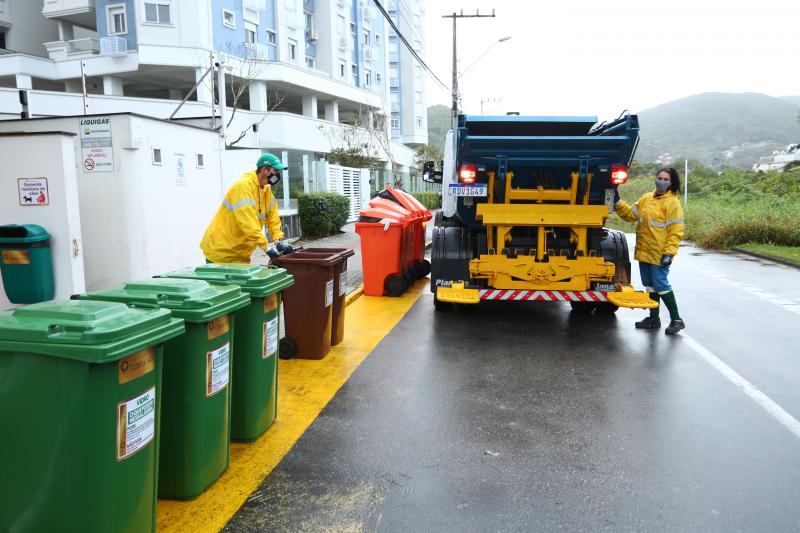
Florianopolis deserves recognition as a top zero waste city for its ambitious and effective Florianópolis Capital Lixo Zero program, alongside pioneering community composting and inclusive waste recovery efforts that have radically reduced organic waste sent to disposal. With the technical support of GAIA member Instituto Pólis, in just three years Florianopolis has more than quadrupled food waste composting from 1,175 tonnes in 2020 to 5,126 tonnes in 2024, and doubled green organic waste collection. 

The city raises awareness of zero waste through education, technical support, and strong community participation. A key example is the “Minhoca na Cabeça” program, which has distributed over 2,000 home composting kits with mandatory training, diverting about 32 kg of organic waste per household monthly, as well as school and community composting programs. Informal waste recyclers are integrated through contracts with Comcap for sorting services, ensuring employment and dignified inclusion. 

The city also puts a strong emphasis on sharing best practices, including hosting two Composting Tours, where leaders of waste pickers and municipal managers from the five Brazilian regions were able to observe in practice how the implemented strategies work and discuss the possibility of replicating them in their own territories.

Read the case study

It Takes a Village to Go Zero Waste 

What these five cities’ stories demonstrate is that in order to have a successful zero waste system, no one can be left behind. It takes deep engagement with the public for municipalities to make zero waste work, hand-in-hand with community-based organizations with the technical expertise and outreach capabilities required. Informal workers must be officially recognized for their vital contribution to zero waste systems, and given the wages, benefits, and protections to be able to work with dignity. And finally, it is critical that these best-practices be shared and supported with financial mechanisms that are suitable for community-based, decentralized systems that prioritize upstream solutions over end-of-pipe interventions. The experience of these five cities provide valuable insights for any municipality considering a zero waste plan. The solutions are out there, now it is up to us to scale them. 

5 de febrero, 2026

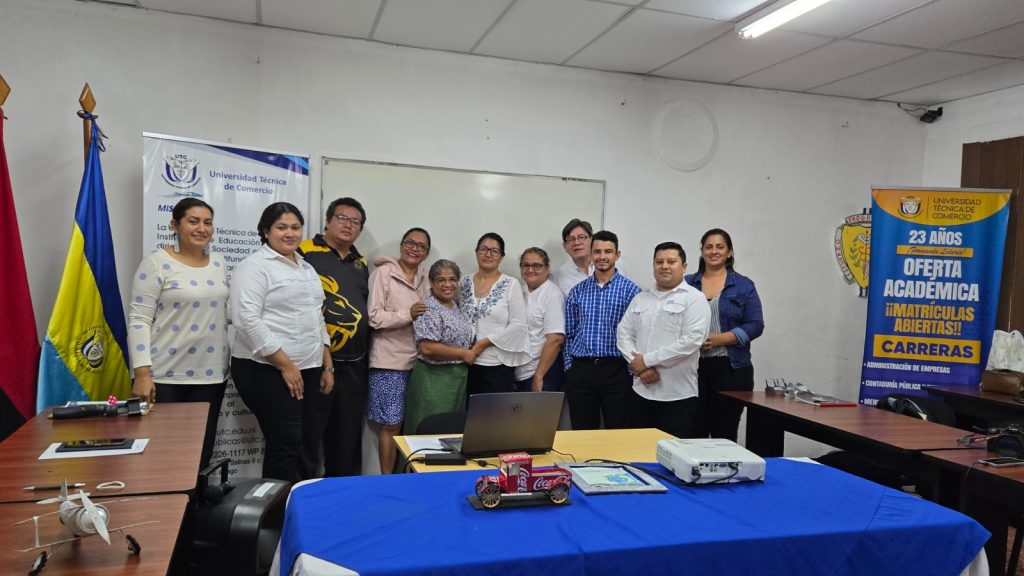
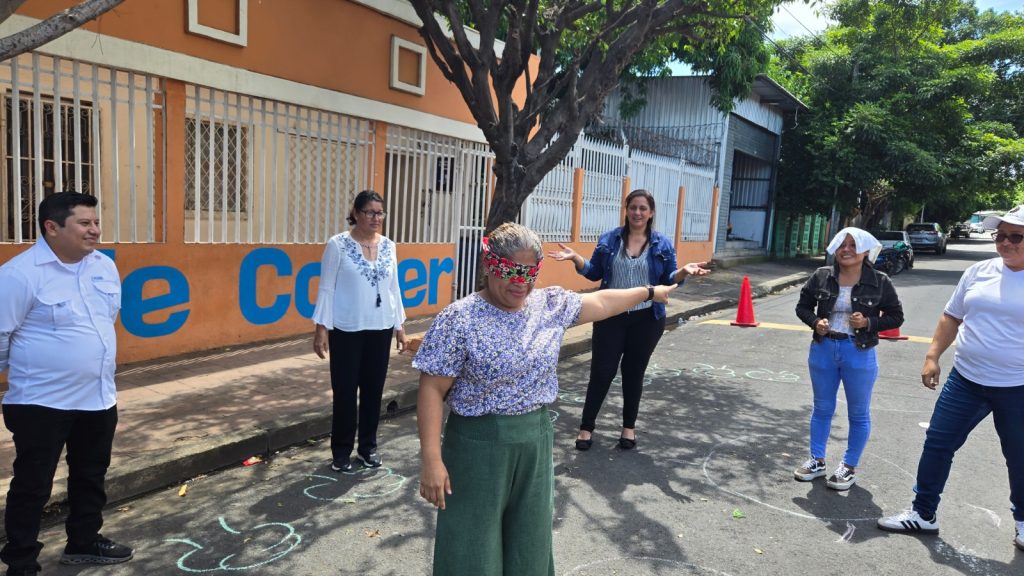
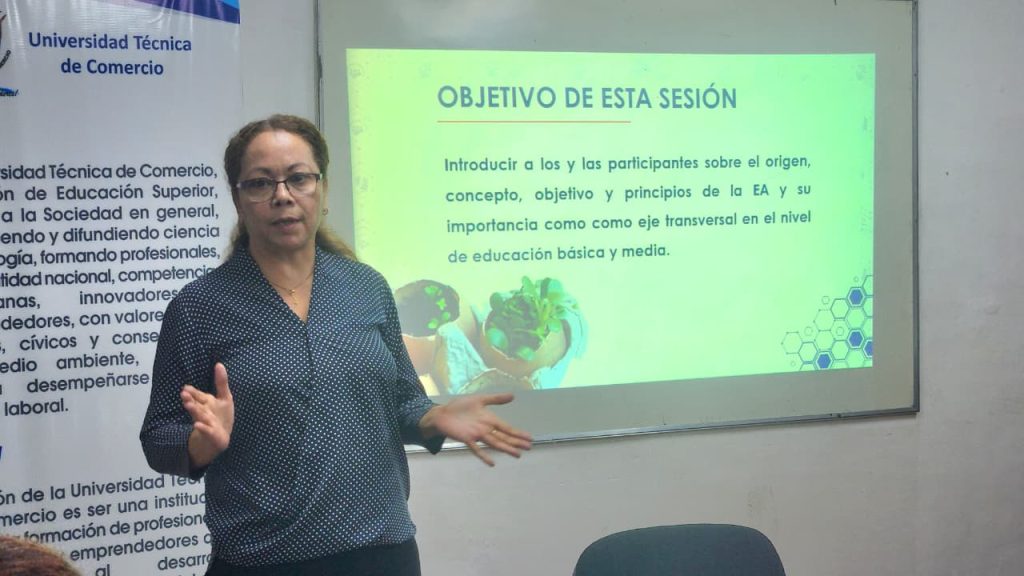
Con una apuesta por la educación como motor de transformación social y ambiental, se desarrolló en Nicaragua un proceso académico de formación en educación ambiental, que culminó con la realización del Primer seminario de educación ambiental y formación docente.

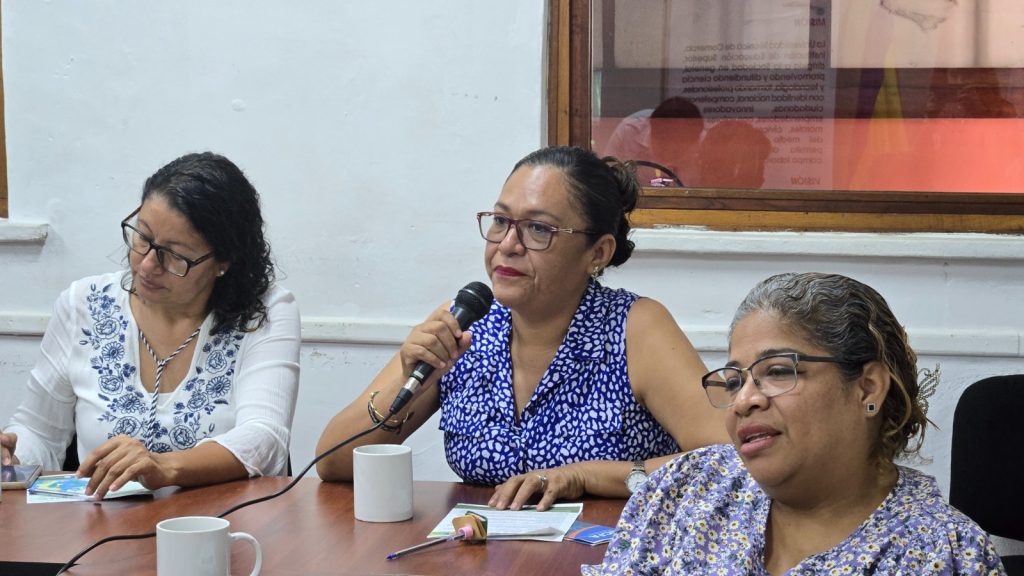
Impulsado por la Universidad Técnica de Comercio, el Centro de Investigación, Capacitación y Formación Ambiental, junto a los miembros de GAIA y Break Free From Plastic, Basura Cero Nicaragua, el proceso incluyó jornadas de formación, un ciclo de seminarios web y espacios de intercambio que permitieron fortalecer capacidades pedagógicas y metodológicas. Como resultado, nueve docentes completaron la certificación y más de 48 personas participaron activamente en las instancias virtuales previas, consolidando una comunidad educativa comprometida con el enfoque basura cero.

Para Karla Escoto, de Basura Cero Nicaragua, este camino respondió a una necesidad urgente. “En Nicaragua, el docente no suele ser considerado protagonista de la educación ambiental”, explica. Sin embargo, la experiencia acumulada en jornadas de trabajo con profesionales de la educación, sumada al involucramiento voluntario de jóvenes que ya desarrollaban acciones en colegios como reciclajes comunitarios, charlas y limpiezas de costa, evidenció que existía una base sólida sobre la cual avanzar.

Ese diagnóstico llevó a  Basura Cero Nicaragua a reflexionar sobre la importancia de incorporar durante 2025 un proceso formativo estructurado. “No se trataba solo de sensibilizar, sino de generar herramientas reales para que docentes y líderes juveniles adolescentes lideraran procesos en sus comunidades, usando los centros educativos como base de acción”, señala Karla. 

Por otro lado, uno de los momentos más significativos del proceso fue tener la oportunidad de contar con espacios de intercambio regional y escuchar las experiencias que compartieron Alicia Franco, de la Alianza Basura Cero Ecuador, Julia Elena Picado, de la Asociación Defensores del Monumento Natural Zona de los Santos, Costa Rica, y Aliz García, de Bioética, Honduras. “Hablar de basura cero en las escuelas exige partir de la experiencia vivida y sistematizada. Eso fue clave en el intercambio regional”, destaca Escoto.

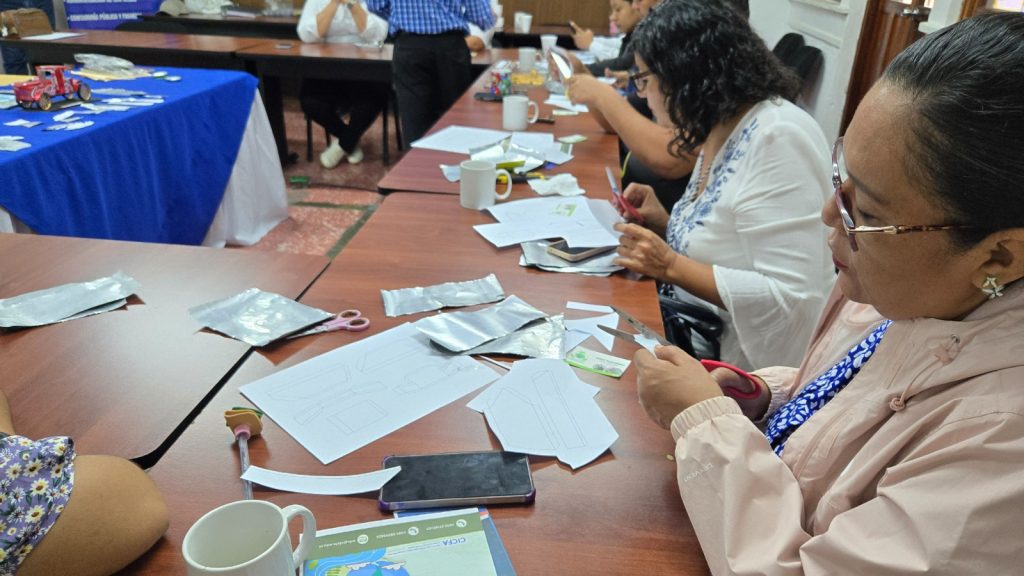
Más allá del intercambio conceptual, el seminario también puso énfasis en el trabajo práctico. Las y los docentes desarrollaron herramientas que pueden aplicarse de inmediato en sus centros educativos como actividades lúdicas vinculadas al buen vivir libre de tóxicos, matrices de planificación, propuestas extracurriculares para reducir plásticos de un solo uso y orientaciones para avanzar hacia colegios basura cero.

Profesora Amalia Angulo Bonilla, Colegio Enrique de Ossó, participante de la formación docente.

Este enfoque, explica Karla, permite evaluar aprendizajes fuera del aula, identificar liderazgos juveniles y fortalecer el vínculo entre escuelas y comunidades, alineándose además con los ejes de la política educativa nacional. “Las actividades prácticas ayudan a que los y las jóvenes se conecten con experiencias reales y se alejen de dinámicas que afectan especialmente a la adolescencia”, agrega.

Más sobre Basura Cero Nicaragua:

#InvestInZeroWaste: Mobilizing resources to support action and accelerate impact

A global celebration of zero waste solutions across Asia and beyond. Join communities, organizations, and changemakers working together for a waste-free future.

collage of GAIA members holding their reusable tumblers for refuse single use day

FOR IMMEDIATE RELEASE: December 1, 2025

Armourdale, Kansas — After months of Armourdale community action, led by RiSE for Environmental Justice (RiSE4EJ), Reworld (formerly Covanta) withdrew its permit application to build a chemical waste processing facility in Armourdale, Kansas. Among other concerns, residents flagged significant deficiencies in the permit filing and raised objections to unpermitted construction. The permit withdrawal comes after residents demanded transparency and accurate information about many key threats to public health, including increased truck traffic, wastewater transport and discharge, and flooding–none of which were addressed in the permit application.

On July 10, 2025, Reworld submitted a Special Use Permit (SUP) application to construct a Materials Processing Facility (MPF) in Armourdale, Kansas, and began construction at the site before any such permit was granted. Led by RiSE4EJ, a local community-based, environmental justice organization, and with support from the Global Alliance for Incinerator Alternatives (GAIA), the Armourdale community spent the past four months organizing community residents–including numerous meetings and trainings, informational sessions, and uplifting community expertise. They have also been working to ensure transparency and to provide information to the boards of commissioners during their evaluation of Reworld’s permit application. This effort turned out community members who provided powerful testimony–some for the first time–at every City Planning Commission permit hearing.

“This win belongs to the people: to every neighbor who showed up, spoke up, translated, shared flyers, gathered signatures, counted trucks, made calls, and refused to be silenced,” said Beto Lugo Martinez, Executive Director of RiSE4EJ. “It’s proof that grassroots power works and that when communities come together, we can protect our health, our air, and our future.”

“When we work together to uplift and center the voices of the most impacted communities, we wield a powerful tool against the corporations trying to build their dirty, toxic infrastructure near our homes,” said Jessica Roff, Plastics & Petrochemicals Program Manager, US/Canada at GAIA. “Industry already overburdens specific communities–mostly Black, Brown, Indigenous, and lower wealth communities–so it is critical that we hold them accountable for truth and transparency, and when they don’t deliver, they don’t get to operate.”

City Planning commissioners recognized the potential threats posed by the MPF and required Reworld to provide studies on the facility’s public health and environmental impacts, as well as to hold numerous meetings to engage and hear from community members. After months of delays and failing to comply with these requirements, Reworld withdrew its SUP application from the Planning and Zoning board.

RiSE4EJ, GAIA, and the Armourdale community will work to ensure that Reworld does not move its toxic proposal to another community down the road.

###

About RiSE 4 Environmental Justice (RiSE4EJ): RiSE4EJ organizes in resistance to chemical exposures, environmental toxins, environmental racism, and ecological destruction to improve and protect the health and well-being of fenceline communities. RiSE4EJ centers on community solutions to dismantle the root causes of injustice through self-determination, affirming the rights of people of color to represent and speak for themselves, and reclaiming a future where our rights to clean air, land, and water are safeguarded.

About the Global Alliance for Incinerator Alternatives (GAIA): GAIA is a worldwide alliance of more than 1,000 grassroots groups, non-governmental organizations, and individuals in over 90 countries. With our work, we aim to catalyze a global shift towards environmental justice by strengthening grassroots social movements that advance solutions to waste and pollution. We envision a just, zero waste world built on respect for ecological limits and community rights, where people are free from the burden of toxic pollution, and resources are sustainably conserved, not burned or dumped.

Press Contacts:
Beto Lugo Martinez: betomtz.lugo@rise4ej.org
Atenas Mena: atenas@rise4ej.org
María Guillén: mariaguillen@no-burn.org

As we mark GAIA’s twenty-fifth year, we’re taking a moment to honour the people, movements, and everyday acts of courage that shaped this global community. What began as a shared refusal to accept toxic, extractive systems has grown into a vibrant network pushing for justice, circularity, and care at every level.

To celebrate this milestone, Dr. Shahriar Hossain of the Environment and Social Development Organization (ESDO) in Bangladesh offers a poem that traces the quiet power of collective work from the ground up. It’s a reflection on how far we’ve come and a reminder of the roots that hold us steady as we face the years ahead.

Below is his tribute to the movement and everyone who has carried it forward.

Tide & Root: From Ash to Apples

Shahriar Hossain, Ph.D.

Twenty-five years — GAIA rose like tide and root,

quiet muscle, steady pulse, reclaiming our roots.

We flipped ash into seed; we refused to burn tomorrow;

we taught our children: refuse is not fate, but work to borrow.

Neighbors raised banners, set the kitchen table high —

grandmothers with compost scoops, youth mapping every by way.

We unmasked the smoke with stories, petitions, and hands;

we seized what was wasted and re-domesticated care in our lands.

From alley pots to island sands, our palms learned to sort and heal;

we composted histories and pressed them back into the soil.

Rubble of neglect became rich loam, rivers mended, markets steadied,

incinerators weakened as knowledge walked door to door, ready.

Repair, reuse, refuse — we rewove the small economies of home;

each household a workshop, each neighbor a step toward the comb.

A global choir — elders, youth, frontline keepers — braided practice into law;

this resistance cleared the air, cleaned our memory, demanded circular justice for all.

Twenty-five years of grit and grace: ash to apple, shame to neighborhood power.

Let the next decades be fuller, kinder, rooted in each home and hour.

Whole and together — we commit, we keep, we rise: we are the work, the promise, the morning’s steady prize.

FOR IMMEDIATE RELEASE: November 14, 2025

New Orleans, LA — As world leaders meet at COP30 to address the global climate crisis, community leaders on the frontlines of pollution gathered in one of its most visible epicenters. Less than an hour from Louisiana’s notorious “Cancer Alley,” thirteen grassroots organizations from over a dozen states across the United States convened in New Orleans last month to deepen collaboration, political analysis, and shared strategy on landfill methane as part of GAIA’s Methane Reduction and Environmental Justice Cohort

With an investment from the Global Methane Hub, GAIA regranted $675,000 to grassroots organizations advancing community-led strategies to reduce methane emissions from the waste sector, one of the most significant yet overlooked drivers of climate change. Cohort members are proving that effective, equitable climate action begins at the local level through initiatives such as composting, landfill monitoring, food waste prevention, and zero waste policy advocacy.

“The convening created an opportunity to bring the cohort together to deepen connections and strengthen alignment within the program. We saw it as critical to host this space in the Gulf Coast Region, as we recognize the interconnectedness of our landfill methane fights and wider environmental injustices that have devastated these communities for generations,” said Marcel Howard, U.S. & Canada Zero Waste Program Manager at GAIA. “By prioritizing the building of solidarity across the supply chain, we — as a movement — gain more power and traction to fight against the very industries working to destroy our communities.”

The convening took place just an hour from “Cancer Alley,” an 85-mile stretch of the Mississippi River between New Orleans and Baton Rouge that hosts roughly 200 fossil fuel and petrochemical plants, which produce a quarter of the nation’s petrochemical products. The cohort visited the region to learn from local leaders confronting generations of industrial pollution and environmental racism.

Participants were welcomed by The Descendants Project at the Woodland Plantation in St. John the Baptist Parish, where efforts to transform a former plantation into a museum and community space highlight the enduring link between plantation economies and today’s petrochemical industry. The visit highlighted the connection between waste, plastic, and pollution — from the extraction of fossil fuels used to make plastics to the methane emissions from landfills, where those plastics often end up.

According to the EPA, landfills accounted for 17.1% of all methane emissions in the country, with food waste accounting for an estimated 58% of fugitive methane emissions (FME). Methane is a highly potent greenhouse gas and short-lived climate pollutant (SLCP), with 82.5 times the warming potential of CO₂ over a 20-year period. Even modest improvements in organic waste collection and composting can reduce landfill methane emissions by more than 60 percent.

GAIA’s U.S. Methane Reduction & Environmental Justice Cohort at the Woodland Plantation in St. John the Baptist Parish, Louisiana.

Across the country, GAIA’s cohort members are implementing on-the-ground solutions that reduce methane and build community power in several states.

“Connecting with other members of the GAIA Cohort to reduce methane created a sense of solidarity and connection that helps sustain this work. I am bringing back lessons to the communities we support in organizing across the northeast,” said Eva Westheimer, Northern Region Lead Organizer at Slingshot. 

As the climate crisis accelerates, the work of these grassroots organizations demonstrates that the path forward is not only possible, it is already being paved by the people most affected. While global leaders debate how to curb methane, these community-based organizations are already demonstrating that a just, zero waste future is possible and underway, and it is rooted in justice and love for our communities. 

“Being kind and thoughtful to this planet should be as intentional as being mean to it,” said Gi-Gi Hagan-Brown, resident and member of Concerned Citizens of Waggaman, Louisiana.

###

GAIA is a worldwide alliance of more than 1,000 grassroots groups, non-governmental organizations, and individuals in over 90 countries. With our work, we aim to catalyze a global shift towards environmental justice by strengthening grassroots social movements that advance solutions to waste and pollution. We envision a just, zero waste world built on respect for ecological limits and community rights, where people are free from the burden of toxic pollution, and resources are sustainably conserved, not burned or dumped. 

Press contact:

María Guillén, Communications & Network Development Manager, U.S. & Canada

mariaguillen@no-burn.org

FOR IMMEDIATE RELEASE: September 30, 2025

Colorado Stands with Communities, Stops Industry’s False Recycling Claims

As explained in a recently released letter describing its position, CDPHE “determined that it is not appropriate to use the mass balance credit method with free allocation – fuel exclusion when calculating [Post-consumer Recycled Content] PCR content” as it “does not verify the actual PCR content contained within a material” in the Producer Responsibility for Paper and Packaging program (HB 22-1355). This momentous Colorado decision can be an example for other states and countries to disallow ‘free allocation’ mass balance accounting — a type of greenwashing accounting method and false advertising corporations use to increase their profit margins and mislead consumers about the actual recycled content of the products they purchase.

The Colorado State Advisory Board deliberated for months over the question of whether to allow this controversial accounting method, ultimately issuing a statement of concern. CDPHE subsequently made an official determination that “free allocation” isn’t compliant with state law.

“We are elated by this decision to remove greenwashing from recycling methods. All communities must be protected from hazardous and toxic industries that pollute our environment,” said Brian Loma, Hazardous Materials and Waste Diversion Advocate at GreenLatinos Colorado. “GreenLatinos, along with our partner organizations, are excited to celebrate this significant decision by the Colorado Department of Public Health and Environment and hope that this decision will have a positive impact on communities nationwide and around the world. We continue to do everything we can to educate our members, partners, and other consumers about the dangers corporations cause when intentionally using greenwashing methods to deceive consumers.”

“Colorado just took an important step towards ending a little-known but highly consequential corporate greenwashing scheme for recycled plastic. While there is still more that needs to be done, communities and consumers throughout the state will breathe easier because of this decision,” said Renée Sharp, Director of Plastics and Petrochemical Advocacy, Natural Resources Defense Council (NRDC).

“People have an understanding of what recycling plastic looks like and what recycled content means. Free allocation mass balance uses opaque accounting methods that mislead consumers,” said Jessica Roff, Plastics and Petrochemicals Program Manager at GAIA.

“Colorado listened to environmental justice groups, residents, and experts, and made the right decision to stop industry from using this method of greenwashing harmful practices that are not actually recycling. This is a great first step, and we hope other municipalities will follow suit and then all will keep improving.”

“As a mission-based recycling organization, we see this decision as a win for transparent and reliable recycling. The public made it clear that unverifiable accounting practices have no place in our system. By rejecting these approaches, the State helps ensure that Colorado’s recycling system remains something people can trust,” said Rachel Setzke, Senior Policy Advisor at Eco-Cycle.

“I was thrilled with this important decision by CDPHE,” said State Senator Lisa Cutter, sponsor of HB22-1355. “Burning plastics for fuel is an inefficient and unproven method of recycling plastics, exposing the communities where these plants are located to extremely hazardous air quality. We must not leave the door open for the continued perpetuation of these toxic plastics, and this is a great step in that direction.”

Link to Press release: https://www.greenlatinos.org/colorado-stands-with-communities-stops-industrys-false-recycling-claims/

Press contacts:

María Guillén, Communications & Network Development Manager, GAIA

mariaguillen@no-burn.org 

Edder DÍaz-MartÍnez, Communications Director, GreenLatinos

edderdiazmartinez@greenlatinos.com

###

About GreenLatinos

GreenLatinos (NOTE: GreenLatinos is ONE WORD) is an active comunidad of Latino/a/e leaders, emboldened by the power and wisdom of our culture, united to demand equity and dismantle racism, resourced to win our environmental, conservation, and climate justice battles, and driven to secure our political, economic, cultural, and environmental liberation.

About Eco-Cycle
Founded in 1976, Eco-Cycle is one of the nation’s oldest and largest nonprofit recyclers and advocates for Zero Waste solutions, and is a founding member of the Alliance for Mission-Based Recycling (AMBR).

About GAIA
The Global Alliance for Incinerator Alternatives (GAIA) is a member-based, environmental justice network working at the intersection of waste, climate, and justice. In the United States and Canada, GAIA supports grassroots organizations that advance zero waste solutions, challenge the plastics and petrochemical industries, reduce methane emissions, and promote safe, sustainable practices for electric vehicle battery production and recycling.

Way Forward for Treaty Negotiations Left Unclear

Civil Society Stands with Countries Choosing People Over Politics

FOR IMMEDIATE RELEASE: 15 August 2025

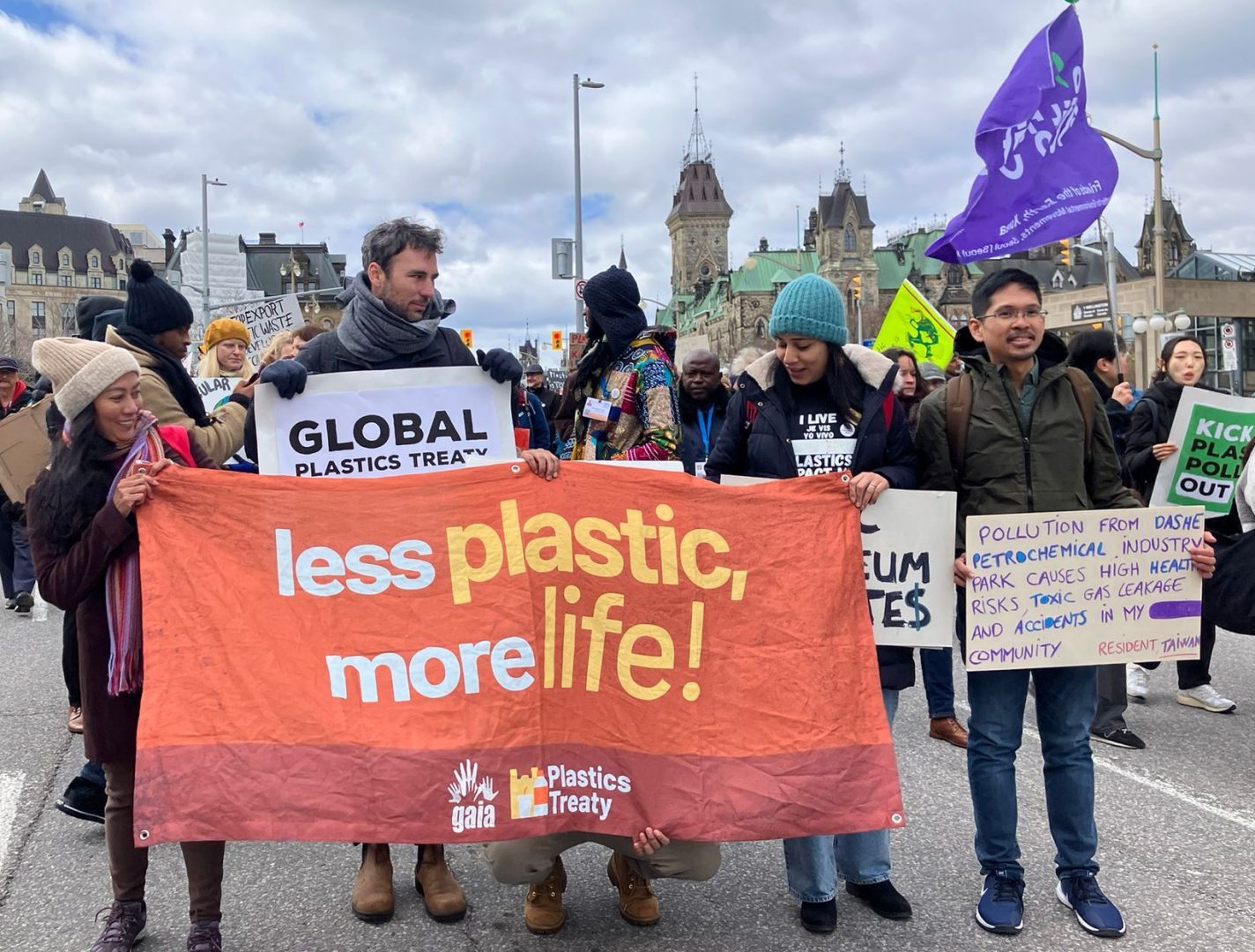
Geneva, Switzerland– At the close of the plastics treaty negotiations (INC-5.2), ambitious Member States held strong under immense pressure and a broken process, and refused to end INC-5.2 with a weak treaty that would have failed to address the existential threat of plastic and repeated the fatal errors of the Paris climate negotiations. 

Ana Rocha, Global Plastics Policy Director at the Global Alliance for Incinerator Alternatives (GAIA) states, “No treaty is better than a bad treaty. We stand with the ambitious majority who refused to back down and accept a treaty that disrespects the countries that are truly committed to this process and betrays our communities and our planet. Once again, negotiations collapsed, derailed by a chaotic and biased process that left even the most engaged countries struggling to be heard. A broken, non-transparent process will never deliver a just outcome. It’s time to fix it—so people and the planet can finally have a fighting chance.”

Despite the fact that the vast majority of countries agreed on the need to cut plastic production, phase out harmful chemicals, ensure a Just Transition especially for waste pickers, establish a new dedicated fund, and make decisions through a 2/3 majority voting when consensus cannot be reached, among other ambitious measures, a small group of petro-states calling themselves the “like-minded countries” sabotaged each round of talks by insisting on consensus to block ambition, and threatening to trap negotiations in procedural debate if Member States ever called for a vote. 

The Chair and the United Nations Environment Programme (UNEP) failed to set the table for equitable and effective negotiations. Huge numbers of fossil fuel and petrochemical lobbyists swamped the talks while civil society was frequently shut out. The Chair played favorites with the low-ambition minority, while frequently ignoring high ambition countries from the Global South. When powerful countries wielded their money, political muscle, and influence to bully these nations into retreat, the silence from the podium was deafening. This is not the spirit of multilateralism —it was coercion.

“We cannot confuse procedural agreement with meaningful ambition. For years, the Global South has been the driving force behind the most ambitious proposals, but the consensus paralysis has prevented us from delivering the treaty the world urgently needs,” states Eskedar Awgichew Ergete of Eco-Justice Ethiopia.

INC-5.2 left ambitious countries lost in process: surprising changes in schedule, blatant lack of transparency, overnight meetings starting as late as 2 am, and a final plenary that started with 40 minute notice at 5.30 am—less than four hours after the Chair’s final draft was released and more than 14 hours after its scheduled time.

“The content is already difficult to agree on, but the broken process makes it worse. Two and a half years in, the rules of procedure are still not agreed upon, and the voting mechanism is still in brackets. Another round of negotiation is welcome, but it won’t help if we don’t fix the process,” said Salisa Traipipitsiriwat of Environmental Justice Foundation (EJF) Thailand.

The momentum that civil society and Indigenous Peoples built over the course of the plastics treaty process is undeniable. Not too long ago plastic pollution was seen as a largely waste management problem. Now, the science is clearer than ever on what it will take to solve this crisis, public awareness and alarm is at an all-time high, and over 100 countries have declared their support for plastic production cuts–all because of a strong, global movement to stop plastic pollution from extraction to final disposal. 

Now more than ever, the conditions are set for deep transformative change, with or without a plastics treaty. Strong relationships forged between Member States and environmental justice groups will provide countries with the expertise to follow through on their commitments. Business models will be mandated to shift and align with reuse systems.The science is clear, the health impacts are indisputable, the path forward well-defined—and denial is no longer an option.

Thais Carvajal, Alianza Basura Cero Ecuador, “There was no conclusion for the treaty, but we are not backing down: the process and its challenges have made us stronger. We have changed the narrative and will keep fighting plastic pollution.”

Press contacts:

Global: Claire Arkin | Claire@no-burn.org | +1 (973) 444 4869

Regional:

Africa: Carissa Marnce | carissa@no-burn.org | +27 76 934 6156

Latin America: Camila Aguilera | Camila@no-burn.org | +56 9 8913 6198

Asia & the Pacific: Robi Kate Miranda  | robi@no-burn.org I +63 927 585 4157

###

GAIA is a worldwide alliance of more than 1,000 grassroots groups, non-governmental organizations, and individuals in over 90 countries. With our work we aim to catalyze a global shift towards environmental justice by strengthening grassroots social movements that advance solutions to waste and pollution. We envision a just, zero waste world built on respect for ecological limits and community rights, where people are free from the burden of toxic pollution, and resources are sustainably conserved, not burned or dumped.