




Contributed by IDIS Davao
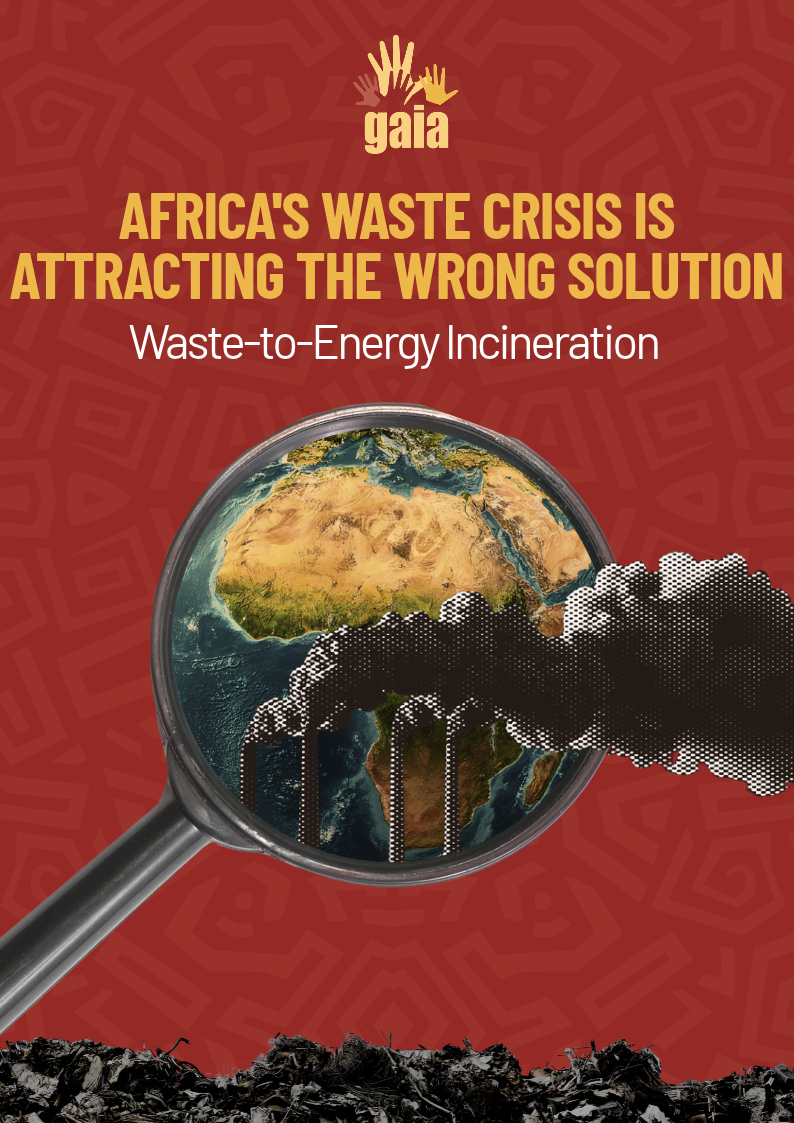
As the Philippines grapples with pressing environmental challenges, the Interfacing Development Interventions for Sustainability, Inc. (IDIS) stands at the forefront of advocating for sustainable development in the Philippines. We advocate for a just transition and the adoption of sustainable methods that prioritize the well-being of both the environment and the Filipino people, and firmly oppose the adoption of the Waste-to-Energy Incineration (WTE) project in Davao City.
IDIS consistently asserts that the Waste-to-Energy Incinerator project is a detrimental band-aid solution that does not effectively address our country’s waste management challenges. The Ecological Solid Waste Management Act of 2000 and the “No to Single-Use Plastics Ordinance” in Davao City are existing policies meant to catapult a green transition, yet they continue to be neglected or ineffectively enforced.
The present condition of the Sanitary Landfill (SLF) in Brgy. New Carmen clearly demonstrates this predicament, as it has already exceeded its maximum capacity. This is primarily attributed to the indiscriminate disposal of unsegregated biodegradable waste, which further increases methane production. This is a clear violation of the legal requirement that such waste shall not be disposed of in the aforementioned Sanitary Landfill.
WTE: an environmental threat that poses great risks to the Davao’s future
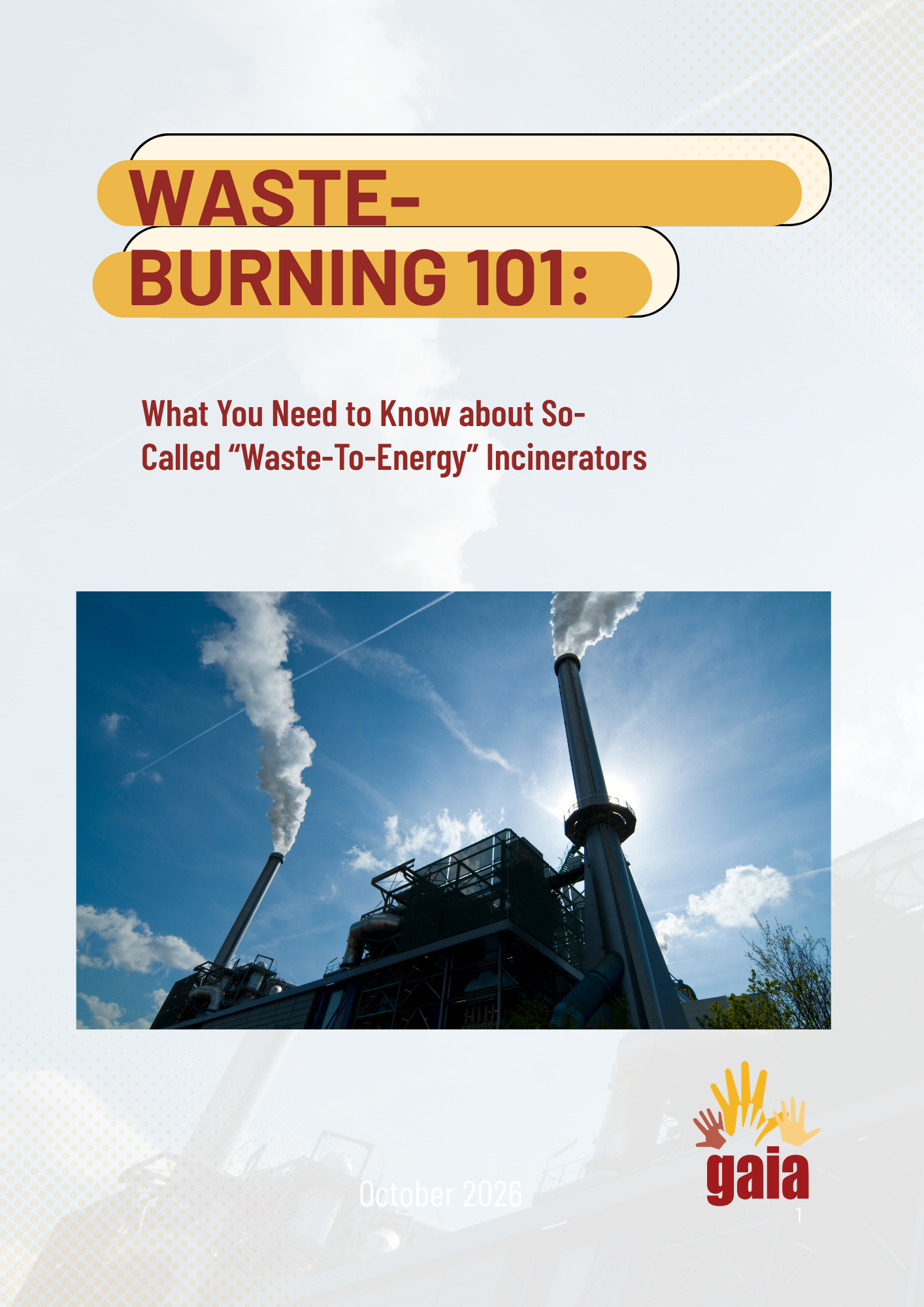
A study published by Dr. Jorge Emmanuel, an Environmental Science and Engineering Professor at Silliman University in Negros Oriental, unveiled that Waste-to-Energy (WTE) incinerators emit significant amounts of toxic compounds known as dioxins and furans. The inhalation of such harmful substances is linked with the development of tumors, cancer, asthma, and several other life-threatening diseases. Moreover, the by-products of incineration also exhibit limited dissipation, persisting in the environment for extended periods of time. The persistence of these hazardous compounds is estimated to be around 500 years, potentially exerting adverse effects on 10 to 40 successive generations.
Furthermore, under the “Philippine Clean Air Act of 1999”, incinerating municipal, bio-medical, and hazardous wastes is prohibited due to the poisonous and toxic fumes they emit.
Safeguarding tomorrow: a just and equitable transition within reach
Refusing investments in environmentally harmful energy sources is not just an ecological position, it is also a commitment to safeguarding the health and welfare of the general public. The implementation of a Waste-to-Energy (WTE) Incinerator is a flawed and destructive “solution,” with detrimental health implications on the local population and environment. The preservation of clean air, unpolluted water, and a flourishing environment are not mere luxuries; they are essential rights that demand the active protection and oversight of the government.
As Davao City finds itself at a pivotal crossroad, where the actions of its current administration can have far-reaching implications, IDIS continues to call on the government to serve as a paradigmatic model of sustainable development. By adopting proactive measures that embrace sustainable alternatives and strongly reject financial support for dirty energies such as the Waste-to-Energy Incineration Project, sustainable development becomes a feasible reality that facilitates a just and equitable transition.
Advocating for REAL solutions: Zero Waste