Incineration and cement kilns

Interview with Yunchia Luo and Yichun Lin by Dan Abril

In a small café in Taipei, a movement was born. In 1998, six individuals, primarily from academia, met to discuss a shared concern: the burgeoning issue of waste. Led by George Cheng, a finance specialist with a passion for environmental sustainability, the group embarked on a journey that would lead to the establishment of the Taiwan Watch Institute (TWI)

Inspired by anti-incinerator movements abroad and fueled by collaborations with international bodies like GAIA, Cheng, despite limited resources, began his crusade against waste incineration primarily using radio broadcasts to raise awareness.

From these modest beginnings, TWI forged partnerships and lobbied tirelessly to reshape waste policies in Taiwan. Teaming up with the Worldwatch Institute in Washington D.C., TWI translated annual reports while advocating for a paradigm shift towards zero waste across sectors.

Today, TWI remains steadfast in its commitment to its founding ideals, employing translation, research, and policy advocacy to realize the vision of a waste-free world. We had the chance to talk with TWI’s Editor Yunchia Luo and Researcher Yichun Lin. They shared that despite TWI’s initial limitations, the organization has made significant strides by engaging with local community leaders, grassroots activists, and educators.

What are TWI’s top priorities?

Our top priority at TWI is achieving zero waste, as we believe it to be the foundation of all our endeavors. This commitment drives us to advocate for source reduction, waste separation, and composting initiatives. We’re particularly passionate about promoting volume-based waste fees to incentivize waste reduction, drawing inspiration from the success seen in cities where such policies are in place. 

Additionally, we’re dedicated to promoting clean production practices, especially in industries like petrochemicals and electronics. We constantly urge these industries to transition to eco-friendly methods and reduce the use of hazardous chemicals. It’s a challenge, as we often face resistance, but we continue to advocate for legislative reforms to support a circular economy. We consistently pressure the government to prioritize eco-friendly policies and reduce energy and water consumption in industries such as petrochemicals, steel, and electronics. However, we’re also aware of our limitations in influencing industry practices due to economic interests, but we remain steadfast in our pursuit of a waste-free future.
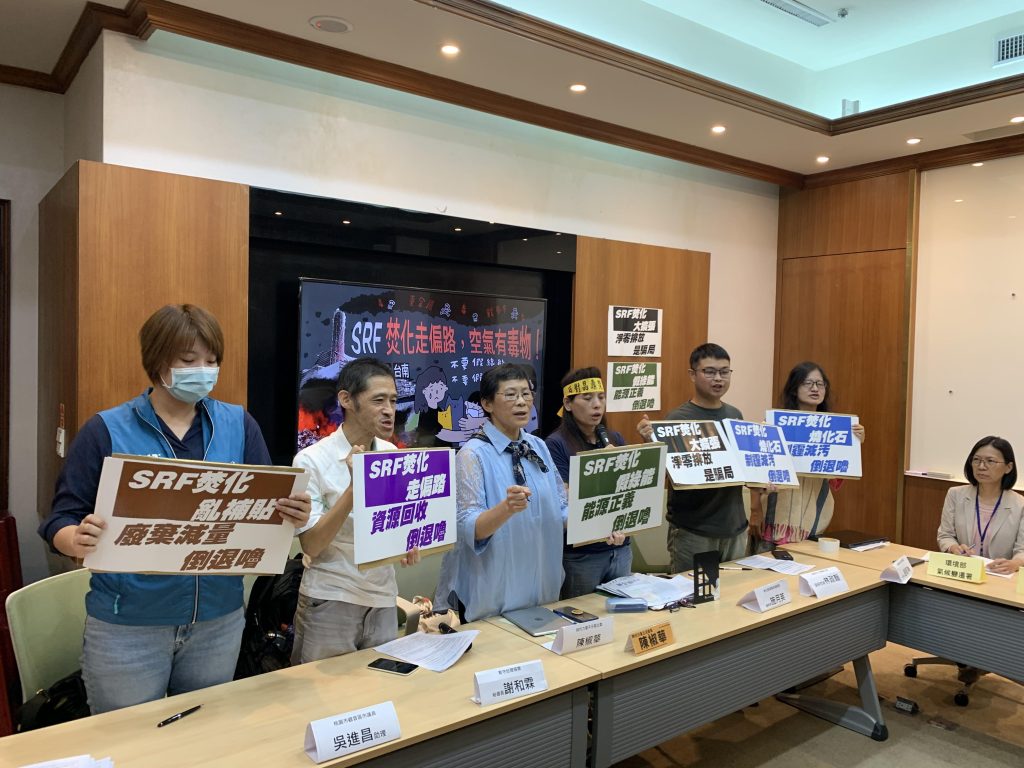
Group of people holding up signs.
Photo courtesy of Taiwan Watch Institute

What are the main ongoing campaigns of TWI?

For over two decades, TWI has led the anti-incineration movement in the country, persistently mobilizing communities by raising awareness about the harmful effects of incinerators despite government support for the practice. Moreover, TWI has played a key role in calling for legislation promoting sustainable resource management, emphasizing principles such as extended producer responsibility and at source reduction.

Lately, TWI has redirected its attention towards addressing PFAS, commonly referred to as “forever chemicals” which are associated with various illnesses, including cancer and thyroid disorders, as well as contamination in food packaging. The use of PFAS remains an overlooked global concern in Taiwan but we’re aiming to change that through testing and awareness initiatives, we seek to advocate for regulations governing PFAS substances, with the ultimate goal of eradicating their usage in food packaging.
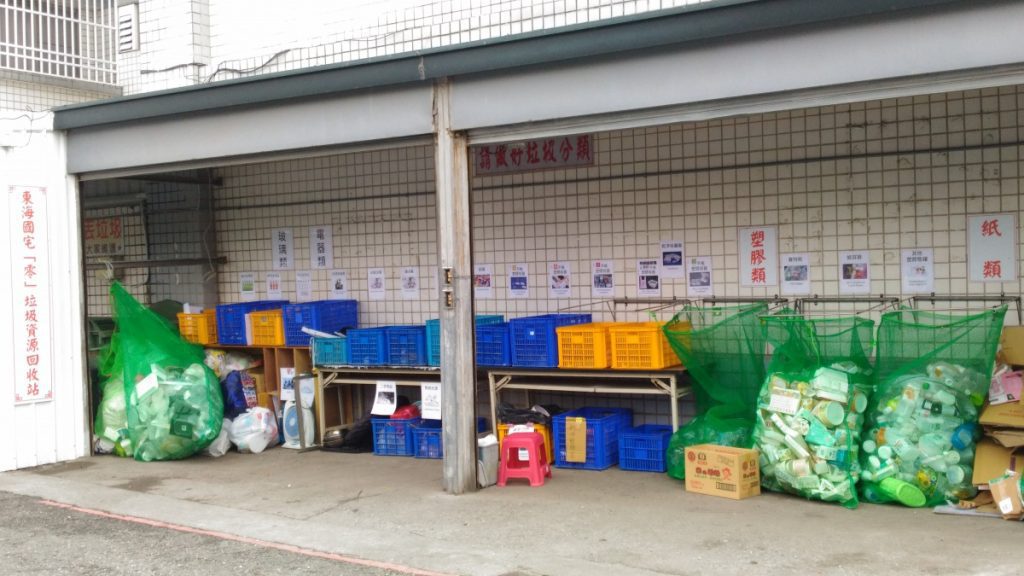
Waste segregated into several bins and bags
Photo courtesy of Taiwan Watch Institute

What are your biggest accomplishments/achievements?

Our progress, though gradual, holds significant weight. Firstly, over decades, our efforts to educate citizens about the hazards of incineration policies have spurred a shift in waste management practices, favoring recycling systems over additional incinerators. Secondly, our initiatives in plastic education have heightened public awareness of plastic reduction and improved understanding of the plastic lifecycle. We’ve advocated for the government to phase out the use of polyvinyl chloride (PVC) in food packaging while promoting the development and adoption of alternative materials. Lastly, our community engagement efforts have encouraged citizens to participate in closely sorting waste for recycling, both in neighborhoods and schools. These achievements serve as catalysts for further sustainable development objectives.

What challenges are you facing? 

Our biggest challenge comes from society’s focus on economic growth over environmental protection. When an economy grows, environmental concerns often take a backseat. This shouldn’t be the case. We believe that the government could and should set limits on how resources are used and waste are generated, such as how much water and electricity a company can use and how they manage their waste. We’re teaming up with other environmental groups to push for laws that promote recycling and sustainability, but it’s an ongoing effort. Plus, we rely on donations from people like you to keep our work going.

What are the main environmental issues that your country/region is facing?

In Taiwan, our environmental challenges are deeply rooted in the relentless pursuit of economic growth. Our primary goal is to establish boundaries to address this core issue. We’ve made strides in waste management and in advocating for solutions. Our focus now is on refining legislation to strengthen the initiatives we introduced. Another concern is food safety, particularly regarding harmful chemicals in processed foods. We’re dedicated to raising awareness about these dangers and promoting safer consumption practices.  Finally, we’re championing a transition to cleaner energy sources and restoring ecosystems; environmental groups across the country share these key priorities.

Group of people holding up signs with Chinese text
Photo courtesy of Taiwan Watch Institute

How do you see your organization’s work evolving in the next few years?

Looking ahead, our organization is focused on several key initiatives to guide our future path. First, we will persist in translating international data, news, reports, and scientific findings to Mandarin to enrich our domestic knowledge base. This ensures that our efforts are well-informed and firmly grounded in robust evidence. Moreover, we are committed to cultivating stronger partnerships with international organizations and local NGOs, with a particular emphasis on addressing PFAS restrictions and promoting plastic reduction. Through close collaboration with like-minded entities, we can combine our expertise and resources to drive meaningful change on a global scale. Lastly, we maintain our dedication to collaborating closely with local schools and communities to implement environmental action projects, such as organizing closely-sorted collections for recycling. Through direct engagement with educational institutions and grassroots communities, we empower individuals to take proactive steps toward sustainability.

What are your thoughts on the waste crisis that many countries in your region (and in the world) are living in right now?

The waste crisis boils down to two main issues: the staggering amount of waste produced and then how we manage it. To tackle the first problem, we need to focus on source reduction, phase out the use of unnecessary, single-use products or packages with reusable or refillable ones, and to call on the government to set a cap on the amount of industrial waste generated.

In Taiwan, many people have benefited from efficient regular door-to-door waste collection services for years, leading people to overlook the severity of the waste crisis. However, relying heavily on incineration as a quick fix only masks the true harm of waste, hiding its toxicity in emissions and ash. This shortsighted approach fails to address the root cause of the issue.

Ultimately, the waste crisis is a symptom of the linear material economy, serving as a warning sign that we must address. While recycling plays a crucial role, source reduction remains the most effective solution, as outlined in the Waste Hierarchy.

Do you collaborate with partners in other regions? If so, how?

In our early years, our focus was primarily on translation work, with a particular emphasis on reports from the WorldWatch Institute. While the Institute may no longer be as active, we’ve maintained our commitment to translating important reports and studies, now sourcing them from organizations like GAIA or the International Pollutants Elimination Network (IPEN). We also assist in promoting webinars hosted by these organizations and occasionally participate as responders. Further, we collaborate on projects with GAIA and IPEN, helping to gather data from Taiwan, such as the recent PFAS in food packaging project. In the past, our partners from IPEN even visited Taiwan to collect samples from our incinerators’ bottom ash, while GAIA helped us track waste flow imported into Taiwan in 2015, leading to the exposure of illegal operations by recycling companies.

Adult and two kids segregating waste
Photo courtesy of Taiwan Watch Institute

How does your work on waste relate to social justice?

The injustice within our waste recycling system is glaring, particularly evident in how grassroots collectors and waste pickers struggle to carry out a living. In a recent incident in 2023, a small collection business was forced to shut down due to an anonymous report, highlighting the prevalent “not-in-my-backyard” (NIMBY) mentality. This business had been a lifeline for many informal waste pickers, offering a place for collecting and distributing recyclables. With its closure, the waste pickers, often elderly and frail, are now forced to trek long distances to alternative collection sites across the city, underscoring the discriminatory nature of our legal system.

The recycling market further perpetuates significant injustices against collectors. The government or processors (like paper mills), set baseline prices for recyclables that are underestimated which could not cover the cost of collection and separation, thereby squeezing the earnings of collectors. This system, informed by government funds and policy, favors centralized and automatized materials recovery facilities, marginalizes disadvantaged groups, and hinders social justice efforts.

To amplify the voices of waste collectors in our advocacy work, we collaborate with NGOs and groups dedicated to supporting informal waste workers. We, recognizing that existing regulations often work against them,  evaluate the cost of waste collection, separation, and storage, advocate for higher recycling fees to provide financial incentives for their crucial work, and call on the government to provide suitable spaces for the waste collectors in the cities, seeking to address the systemic barriers they face within the current legal framework. Despite their limited numbers, informal collectors play a vital role in waste management, and it’s high time that their contributions are acknowledged and valued by society.

Photo courtesy of Taiwan Watch Institute

Who do you admire most in environmental work?

Indigenous peoples are the backbone of environmental movements against harmful developments like incinerators and landfills. These brave individuals, deeply connected to their land, stand up against big corporations and authorities to protect their homeland. In one remarkable story from 2020, a group of villagers fought against a new landfill for nearly 20 years. Led by the village head and later his son, took extraordinary measures to stall the landfill company, including blocking the entrance with cement blocks and maintaining a 24/7 vigil for almost two years, despite most protesters being elderly. With support from NGOs like TWI and through public awareness, they successfully halted the landfill’s operation as the company’s permission expired. This stands as a monumental achievement in Taiwan’s environmental history.

Call for funding

Small regular donations are greatly appreciated to support the environmental advocacy efforts of the Taiwan Watch Institute. Donations of just NT$ 200.00 or 300.00 a month, equivalent to reducing the consumption of a cup of bubble tea per week or a bucket of fried chicken per month, can make a significant impact. If you’re interested in contributing and supporting their initiatives, visit Taiwan Watch Institute for more info.

a group of people holding a banner with the text that says, "Reject ADB's Dismantling of Safeguards".
CSOs unfurl banner during the session on safeguards (Photo courtesy of NGO Forum on ADB)

Tbilisi, Georgia – On Sunday (May 5), civil society groups from different regions collectively raised their objections over the Asian Development Bank’s (ADB) regressive safeguards policy which aims to avoid, protect, and mitigate environmental and social harms from its operations.  As soon as the banner was unfurled at the end of the Safeguards Session on May 5, other civil society groups and representatives of affected communities stood with their protest shirts stating  “Protect people and planet over profits”. 

The Bank prepared the draft Environmental and Social Framework with 10 standards for public consultation in light of the ongoing review and update of ADB’s 2009 Safeguard Policy Statement . GAIA has participated in the process of raising their recommendations and critical  analysis on the proposed safeguards policy. 

Since the beginning of the consultations last year, GAIA and other civil society movements have objected to the weakening of the safeguards by failing to recognize international environmental and social conventions and the minimum standards for protecting people and the environment. From the beginning of the review process, GAIA has raised that persistent organic pollutants known to be a byproduct of incinerators and hazardous waste are already being governed for bans and phaseouts but ADB has omitted these sparsely mentioned conventions from the 2009 Safeguards Policy in the draft. 

“The Basel, Rotterdam, Stockholm, and Minamata Conventions need to be in the draft policy to guide both the Bank and borrowers on how to ensure that no harm will be done from its project. ADB must show that it is a responsible international development actor upholding the highest standards of environmental and social protection and not an institution playing above international law”, Mayang Azurin, GAIA Asia Pacific Deputy Director said. 

Groups also dissented over the lack of guidance for meaningful consultations and guidance on addressing reprisals given that ADB’s high-risk projects are often invested in countries with limited safe spaces for civic participation. 

GAIA also objected to the use of pollution and carbon offsets in the draft as a license for polluters to continue with its harmful projects while on the other hand, has not given priority and the right of communities to say no to harmful projects. 

“A weakened safeguards mean more harm to the community and the environment. Local communities, indigenous peoples, and local civil society organizations have raised evidence of the harms of burn technologies on waste. ADB’s safeguards are unable to avoid these impacts because it has just been paperwork without truly consulting the grievances of impacted communities. The triple planetary crisis of biodiversity loss, pollution, and climate change must push the ADB to avoid delays in global commitments in addressing these issues.”, stated Abdul Ghofar, Pollution and Urban Justice Campaigner from WALHI Indonesia, during a session organized by the ADB’s Accountability Mechanism

Safeguards policy has been a critical tool for communities to hold the ADB accountable for its harmful projects. GAIA has monitored billions of dollars invested by the Bank through loans, technical assistance, and grants on waste-to-energy (WtE) incinerators, refuse-derived fuel (RDF), co-firing coal with wastes, carbon capture storage (CSC)  technologies, harmful and exclusionary waste management projects in the Philippines, Indonesia, Bangladesh, India, Thailand, Malaysia, Cambodia, Maldives, Vietnam, Myanmar, Uzbekistan, Marshall Islands, Mongolia, and China. The application and implementation of safeguards in these projects have been unsatisfactory. 

Azurin, who spoke in a panel on community voices on just energy transition, stressed that ADB proposals to use either biomass or plastic waste to co-fire with plants perpetuate the use of coal as fuel while creating new problems.  “These technologies create new problems and require government support and subsidies which are better spent for real renewable energy and zero waste solutions,” she said. 

We, the undersigned members of the Global Alliance for Incinerator Alternatives – Asia Pacific and its allies, call on the ADB’s  Board of Directors to reject the diluted, regressive, and dangerous draft ADB Environmental and Social Framework (“draft ESF”), which is currently being presented without meaningful consultations with affected communities and civil society organizations.

What has been set in 2009 as a forward-looking safeguard policy for people and the planet is turning into an unbreakable shield of protection for industry polluters in a time of deep and intersecting crises of biodiversity, climate, pollution, and social inequalities.

While science, community experiences, and global policy agenda point to bans, phase-outs, and restrictions on the manufacturing, trade, transport, and use of globally known hazardous substances and materials such as persistent organic pollutants and mercury which are known to have adverse impacts on human health, ecosystem, or have potential for depletion of the ozone layer – ADB’s draft ESF has glaringly dropped key multilateral environmental agreements (MEA) governing these harmful and toxic substances and materials.  

Instead of keeping at pace with the recent amendments of these MEAs on the standards and targets to curb the most harmful pollutants to guide the Bank and its borrowers, the draft ESF has omitted previous references in the 2009 Safeguards Policy on the Stockholm Convention on Persistent Organic Pollutants,  the Montreal Protocol on Substances that Deplete the Ozone Layer and the Basel Convention on the Control of Transboundary Movements of Hazardous Waste and their Disposal. Moreover, it also has ignored the Minamata Convention that governs mercury which is a known byproduct of waste-to-energy incinerators. 

In the heart of ignoring global consensus on the need for international standards, targets and cross-border cooperation on the management of hazardous wastes is ADB’s direction towards continued support for industries known to be using toxic wastes as inputs or producing hazardous emissions such as waste-to-energy incinerators, co-incineration of waste with coal and cement plants, refuse-derived fuel, fly ash “recycling”, among others. 

Not only does the draft ESF enable the Bank and its borrowers to circumvent obligations to these MEAs, but it also encourages the use of poor or non-existent national mechanisms to under-capacitated developing countries in governing hazardous wastes or rely on the World Bank’s equally inadequate environment and health standards (EHS) instead of supporting developing member-states in the region achieve the objectives of international law. 

The undermining of MEAs poses risks to significant long-term impacts on communities in developing countries that are already challenged with shrinking civic spaces, democratic backsliding, and being unjustly blamed for causing pollution and destroying ecosystems. 

Moreover, the draft ESF allows continued pollution through offsetting mechanisms that have been repeatedly offered as a default option in the draft ESF for borrowers should their projects create “unavoidable” pollution instead of avoiding damage in the first place. The truth is, that MEAs are telling us that hazardous waste must be restricted and ultimately eliminated in the immediate horizon. 

Real safeguarding of the Earth’s resources and preventing pollution starts with redesigning production systems and goods, reducing unwanted extraction, and developing safe and just reuse of waste materials. However, it is alarming that the draft ESF has not placed the proper safeguards to ensure that circular economy activities achieve a just and safe future for everyone, especially the most marginalized players in the conservation of material resources. 

Despite the critical roles of informal workers in material resource recovery, the draft ESF has not recognized and protected their rights as provided for by the International Labour Organisation (ILO) Recommendations 193, 204, and 205 which guide member-states on ensuring a just transition. 

If adopted, the current draft ESF risks reversing global efforts in addressing pollution and conserving material resources in a just and safe manner. 

We reject the draft ESF until the ADB moves toward upward harmonization with international consensus, including in emerging processes like the Global Plastics Treaty. 

We demand a progressive ESF policy with avoidance to harm and human rights at the center that empowers communities to say no to rights-violating, climate and debt-inducing projects, and toxic technologies that keep the region as markets for false solutions.

Read: Comments on the draft ADB Environmental and Social Framework

SIGN-ON FORM

Ahead of the ADB’s Annual Meeting next month, civil society groups are firmly calling on the Asian Development Bank (ADB) to go back to the drawing board and overhaul the draft Environmental and Social Framework (ESF) as written in its current form. To demonstrate their grave concerns that the policy provisions will undermine project-affected people and their allies abilities to hold ADB to account when social and environmental harms and damages occur, they intend to deliver a statement to the ADB Headquarters in Manila this morning.

The draft ESF, aimed at updating ADB’s safeguards policies, is being met with opposition from civil society groups due to a wide range of critical shortcomings, including:

  • Lack of Clear Lines of Accountability 
  • Lack of Clarity Related to the Stakeholder Engagement 
  • Lack of Human Rights Approach 
  • Weakened Environmental and Social Protections 
  • Gender Consideration Dilution 
  • Climate Change standards that fail to stand up to climate science 
  • Opaque Financial Intermediary Lending 

In light of these grave concerns, the NGO Forum on ADB and the Asian Peoples Movement on Debt and Development (APMDD) together with the Philippine Movement for Climate Justice (PMCJ), 350.org, Bukluran ng Manggagawang Pilipino (BMP), Freedom from Debt Coalition, Sanlakas, Oriang, K4K-QC, Zone One Tondo Organization (ZOTO), Center for Energy, Ecology and Development (CEED), Global Alliance for Incinerator Alternatives (GAIA), Legal Rights and Natural Resources Center (LRC-KSK), EcoWaste Coalition, Coalition for Human Rights in Development (CHRD), Recourse and International Accountability Project (IAP)  urge the ADB to overhaul the draft ESF, revising the language to instead reflect a set of forward-looking safeguards applicable to its entire portfolio, grounded in international human rights and environmental standards.

Quotes from Civil Society Organizations (CSOs)

  1. ⁠”The ADB’s safeguards should be the backbone of the bank’s commitment to people and the ecosystem’s well-being. Prioritizing community consultation and consent in all energy projects is paramount, ensuring that local communities are empowered in decision-making, safeguarding their rights and livelihoods. For us, the well-being of people and planet are non-negotiable.” 

– Chuck Baclagon, Finance Campaigner 350.org Asia

  1. The ADB continues to subject people and planet to further harm. The latest draft of ADB’s Environmental and Social Framework (ESF) further dilutes already weak safeguards provisions for affected communities. Even worse, the Bank continues to  ignore opposition by communities and persists in pushing climate-exacerbating  programs and policies and debt-creating finance in many Asian countries.

The ADB should walk the talk of eradicating poverty. Heed peoples’ demand for debt cancellation, reparations for past and continuing harms, an end to financing of planet-warming fossil fuels, and a  rapid, equitable, and just energy transition.

  • Lidy Nacpil, Coordinator, Asian Peoples Movement on Debt and Development (APMDD) 
  1. As a bank with a legacy of dirty energy and harm, the least that ADB could do in the face of worsening climate crisis and environmental degradation is to produce and implement a most stringent ESF. Instead, the draft allows financing of projects whose risks are not yet fully assessed, problematically allows offsets, and neglects the need to fully stop new financing for coal or gas with no exceptions. Glaring loopholes essentially render the ESF useless in truly responding to climate and environmental imperatives. We are one in calling on ADB to thoroughly improve the ESF draft, and ensure that finance is instead channeled to genuine solutions such as distributed renewables.
  • Avril De Torres, Deputy Executive Director, Center for Energy, Ecology and Development (CEED)
  1. “The EcoWaste Coalition is troubled by the provision of the ESF that allows borrowers or clients to propose less stringent measures. This opens a door to potential abuses, where economic or political pressures could dilute the rigor of environmental and social protections.

If ADB is genuine in their stance to promote sustainable and responsible development, they should put stronger oversight, clearer criteria for exceptions, and more robust accountability in the ESF to uphold rigorous environmental and social standards.”

-Glory Rose Manatad, Legal and Policy Officer

Ecowaste Coalition

  1. ⁠“The failure of the ADB to accept any semblance of accountability for its past role in pushing policies that dismantled mechanisms and structures that protected people from corporate abuse or anti-people projects has again reared its ugly head. 

The weakening and dilution of existing safeguards is proof that ADB has not learned any lesson and remains more concerned with ensuring the profitability of the private sector rather than protecting the welfare of people or the future of the planet.”

-Rovik Obanil, Secretary General, Freedom from Debt Coalition (FDC)

  1. ADB has to recognize that we are already feeling the impacts of climate change, biodiversity loss and pollution. It has to stop giving corporations continued license to pollute and to burn our planet through hideous carbon and pollution offsets. The false solutions they promote trapping us into dirty debts and are severely impacting the environment and communities – most especially the poor and marginalized. It’s time for the Bank to wake up to the facts and finally align with international socio-environmental and human rights instruments!

-Brex Arevalo, GAIA AP Climate and Anti-Incineration Campaigner 

  1. “The ADB has an opportunity to ensure that governments uphold the right to self-determination of indigenous peoples. It should mandate the securing of the free, prior and informed consent (FPIC) of indigenous peoples within their ancestral domains. More importantly, the ADB must begin to subscribe to the framework of the “Right to Say No” of indigenous peoples and move beyond “meaningful consultation,” which the FPIC process has sadly become. The reverse of the Right to Say No is the community’s Right to Say Yes to their own model of development.” 

-Maya Quirino, Advocacy Coordinator, Legal Rights and Natural Resources Center-Kasama sa Kalikasan/Friends of the Earth Philippines (LRC-KsK/FoE Phils.)

  1. The ESF W Paper, after two years of consultations, regrettably fails to integrate any of the comments provided by civil society, which have consistently demanded stringent requirements for ADB borrowers to adhere to environmental and social compliance principles, committed to “Do No Harm.” The mitigating hierarchy approach promoted by the ADB in this draft ESF poses a direct threat to communities and the environment globally. It undermines all prerequisites for environmental and social risk assessment and compliance prior to loan approval, granting borrowers absolute freedom to disregard environmental and social risks. This constitutes a dismantling of the fundamental notion of safeguards.

We strongly condemn the ADB’s current ESF draft at its 57th annual meeting and demand a complete overhaul to ensure mandatory risk assessment requirements before loan approval, with language compliant with independent investigations for all ADB borrowers. Anything less than this poses a direct threat to communities and the environment.

-Rayyan Hassan, Executive Director, NGO Forum on ADB

  1. “As it stands, the ESF allows for the continuation of projects that worsen climate change. Fossil fuel use should have stopped by 2025. This should be reflected by the ESF, with stringent policies barring the financing of any more fossil fuel projects. If not, it fails to safeguard the environment or any community.”

-Ian Rivera, National Coordinator of the Philippine Movement for Climate Justice

  1. “This draft safeguards policy does little to rectify the black hole that is ADB’s financial intermediary lending. Communities harmed by ADB investments have a right to seek remedy, but there can be no accountability if we can’t see where the money is really coming from. The Bank’s safeguards for intermediary lending need drastic improvement, to ensure full transparency about its involvement in all projects it funds – including clear disclosure of ADB financing at project sites and in community consultations.”

-Kate Geary, Co-Director, Recourse

A Success Story from the Markets of Warwick

Written by Lily Nobel

Over the last 3 years, the Warwick zero waste composting project has taken food waste from the Early Morning Market (EMM) in the Markets of Warwick (a neighborhood in Durban, South Africa) and transformed it into nutrient-rich compost at the Durban Botanic Gardens. As landfills in South Africa are rapidly filling up, this project showcases the power of utilizing small spaces and limited resources to reduce methane emissions from the waste sector — a greenhouse gas 86 times more potent than carbon dioxide. According to the UNEP’s Global Methane Assessment, reducing methane is a crucial step to keep global warming under 1.5°C, the threshold established by the Paris Agreement.

Currently, this project is being upscaled across the eThekwini Metropolitan Municipality and revolutionizing organic waste management in the area–unlocking resources through saving public funds and creating locally accessible jobs. Empowered by strong partnerships among local organizations, and fueled by effective data collection, this pilot successfully demonstrates the potential of decentralized, environmental justice-centered composting that not only brings climate benefits but also promotes social interests.

Team members from groundWork, the Durban University of Technology (DUT) Horticulture Department, the eThekwini Municipality Parks, Recreation and Culture Unit (PRC), the Cleansing and Solid Waste Unit (CSW), and the Business Support, Markets, Tourism and Agribusiness Unit (BSMTAU) pose together at the Durban Botanic Garden where the composting is done.
Collaboration at the Warwick Zero Waste Project. Photo credit: Lunga Benghu

Easily replicable decentralized composting model

In 2022, groundWork, the Durban University of Technology (DUT) Horticulture Department, the eThekwini Municipality Parks, Recreation and Culture Unit (PRC), the Cleansing and Solid Waste Unit (CSW), and the Business Support, Markets, Tourism and Agribusiness Unit (BSMTAU) partnered to launch a composting pilot project in the Durban Botanic Gardens’ permaculture site. It quickly evolved from composting a weekly 240 liter bin of food and vegetable waste to building 12 large compost windrows that are currently maintained to mature compost in a 3-month cycle.

Before zero waste: Organic waste from the EMM goes to the nearest landfills – Buffelsdraai and Illovu landfills – over 35 km away from the city. Photo credit: Lunga Benghu

As of March 2024, the pilot has diverted over 72 tonnes of organic waste from landfills by collecting approximately 1.5 tonnes of organic waste from the EMM weekly in two separate collection points and combining this with approximately 1 tonne of garden waste. Since July 2023, the project has supplied over 41 tonnes of compost to the city’s PRC Unit, free of charge, for use in parks and community gardens across the municipality. Samples of the compost undergo regular testing —such as full nutrient analysis, pot trails, and microbial analysis— to refine the ‘recipe’ and to ensure quality control. These tests demonstrate the high quality of the compost produced.

Cost-saving public funds for waste management

While many waste projects often seek investment from external actors, this project utilizes existing resources to unlock significant savings from public funds. By diverting organic waste from landfills, the city reduces the costs associated with landfilling and landfill airspace, which in Durban is estimated to be approximately R1,774 (93 USD) per tonne of waste. The Buffelsdraai and Illovu landfills, the only two operating landfills in Durban, are both located 35 kilometers or more from the city center, leading to high transportation costs. Findings from a cost-benefit analysis report on the project show how the various city departments have the potential to save money from reduced waste management costs and access to free compost. To date, the parks department alone has saved R23,600 (1,250 USD) from compost received through the project. As the project scales up, the savings can be used to sustainably cover the salary of the staff who manage the composters. Unlike waste incineration projects, which require huge capital and operational costs and lock cities in a put-or-pay scheme for decades, this composting model saves the city money, which is then reinvested to rapidly scale the composting model, leading to even bigger savings and opportunities to scale, in a virtuous circle. 

Job creation through zero waste

This environmental justice-centered model composting project improves social realities in the area by providing local jobs. On a tonne-for-tonne basis, composting can create three times as many jobs as landfill and incineration. In South Africa, 42.2% of people aged 15-34 years are neither employed, nor enrolled in formal education or training programs as of the last quarter of 2023. As this project is scaled up, composting is estimated to create four jobs per 400 tons of waste processed. The project also improves the working conditions and social protections of the informal market traders, waste collectors, and composters. Moreover, the Warwick zero waste project prioritizes the employment of people from the market and local communities, rather than using machines that often require external experts. In contrast, incineration creates the least amount of jobs and requires workers with highly specialized skills that are not accessible to the local population.

The delivery of Early Morning Market organics to the compost site and windrow preparations. Photo credit: Lunga Benghu

Waste methane reduction for South Africa

Meanwhile, source-separated organic collection with composting demonstrates significantly higher climate mitigation and adaptation benefits. Composting alone can prevent as much as 99% of methane emissions that would otherwise come from landfills. When the finished compost is utilized in place of synthetic fertilizer, further GHG emissions are saved by reducing emissions of nitrous oxide, not to mention avoiding the fossil fuel emissions from creating fertilizer. The application of compost to the soil also boosts flood and drought resistance and increases carbon sequestration capacity.

Although South Africa’s Nationally Determined Contributions (NDCs) provide neither specific targets nor roadmaps for the waste sector, the Warwick zero waste project paves a crucial pathway to help the country improve its national climate goals. By proving the efficacy of decentralized composting projects, the Warwick site can be used as a model for the nation and other countries on how to invest in empowering and inclusive organic management projects powered by local organizations and communities, thereby maximizing municipal resources and local knowledge.

Zero waste markets in Durban and beyond

Currently, the project team and city partners are working on expanding waste collection from the EMM to compost all 400 tonnes of waste generated by the market every year. Alongside this expansion, the team plans to replicate the model in a second market, the Bangladesh Market. In the longer term, the project team is targeting all nine fresh fruit and vegetable markets in Durban, proving the model’s feasibility and efficacy on a larger scale. The project has drawn an increasing interest among other municipalities in South Africa, and the team is actively engaging with government officials across the country and region.

map of markets in Durban, South Africa. Aside from The Early Morning Market where the project is currently ongoing, 8 other fresh produce markets are highlighted in the map. eThekwini municipal markets targeted for scale up and in relation to the Buffelsdraai landfill. We are currently at the Early Morning Market and will be moving to the Bangladesh Market this year. Credit: Ayanda Mnyandu
Growing the zero waste composting model in all the markets in Durban starting with Early Morning Market then moving on to Bangladesh Market this year. Credit: Ayanda Mnyandu

No to incineration, go for zero waste

The cost-saving model demonstrated by the Warwick zero waste project can be upscaled rapidly with the right flow of capacity and resource support. This also means ceasing support for inflexible, costly, and carbon-intensive infrastructures, particularly waste incineration. Policymakers and financiers must ensure that investment in organic waste management projects must be aligned with Environmental Justice principles and inclusive of local organizations and knowledge to build lasting environmental and societal impact. 

Controversy on Waste: To Burn or Not to Burn?

Canada in the Spotlight as Host of Plastics Treaty Negotiations

FOR IMMEDIATE RELEASE: APRIL 4, 2024

While Canada is set to host the next round of the Global Plastics Treaty negotiations April 23-29, Canadian groups are raising an alarm about the expansion of waste incineration across the country. Dubbed “waste-to-energy” (WTE) by industry, burning waste through methods like incineration, gasification and pyrolysis is a practice that would undermine federal climate, plastics, and waste management policies.

“Canada has goals to end plastic pollution and stop climate change. That means we must close the door to polluting and wasteful garbage incineration,” said Karen Wirsig, Plastics Senior Program Manager at Environmental Defence. “Incineration poses real risks to the environment and human health. Plus, garbage is not a clean or ‘renewable’ energy source and incinerators have been found to emit more greenhouse gasses per unit of electricity than fossil fuels.”

The Town of Pontiac, Quebec, is fighting a proposal for a new waste incinerator to burn garbage from the City of Ottawa, where the treaty negotiations will take place. Other incinerator proposals are surfacing in Brampton, Ontario, and Edmonton, Alberta, among others.

The rise in incinerator proposals follows a report released last year by the federal government and shared with municipal officials that suggests incineration is a climate-friendly approach to waste management. That federal report was recently debunked by research commissioned by Zero Waste BC and GAIA.

Incineration threatens efforts to establish Canada as a leader in tackling plastic pollution, climate change and diversion of organics.

Analysis by the Canadian Zero Waste Coalition shows that:

Report author and environmental engineer Belinda Li, noted, “it is very important that our government supports real solutions like waste prevention and reduction and not costly distractions such as WTE. If we prevent waste from being generated in the first place, we can extend the life of our landfills and make the best use of our existing infrastructure.”

The floundering of experimental WTE plants offers cautionary tales to other communities. “Across Canada incinerators have proven to be costly failures that waste millions of dollars in taxpayer funding, exceed emission limits, never meet operational targets, and delay municipalities from taking actions that would actually reduce and divert organics and post-consumer goods,” says Liz Benneian, founder of the Ontario Zero Waste Coalition. 

For instance, from its inauguration in 2008, until it declared bankruptcy in 2015, the Plasco incinerator in Ottawa burned through $13.5 million in federal and provincial funding plus $8 million per year in municipal subsidies. The plant had numerous operational issues, processed only one third of the waste it promised and racked up 25 records of noncompliance with emission regulations.

More than three-quarters of waste disposed in Canada could have been avoided, recycled, or composted. “Local governments are setting ambitious zero waste targets, but when we burn waste, those goals go up in smoke,” said Sue Maxwell, chair of Zero Waste BC and former municipal councillor. “Proactive municipalities are reducing their waste through zero waste policies and programs.”

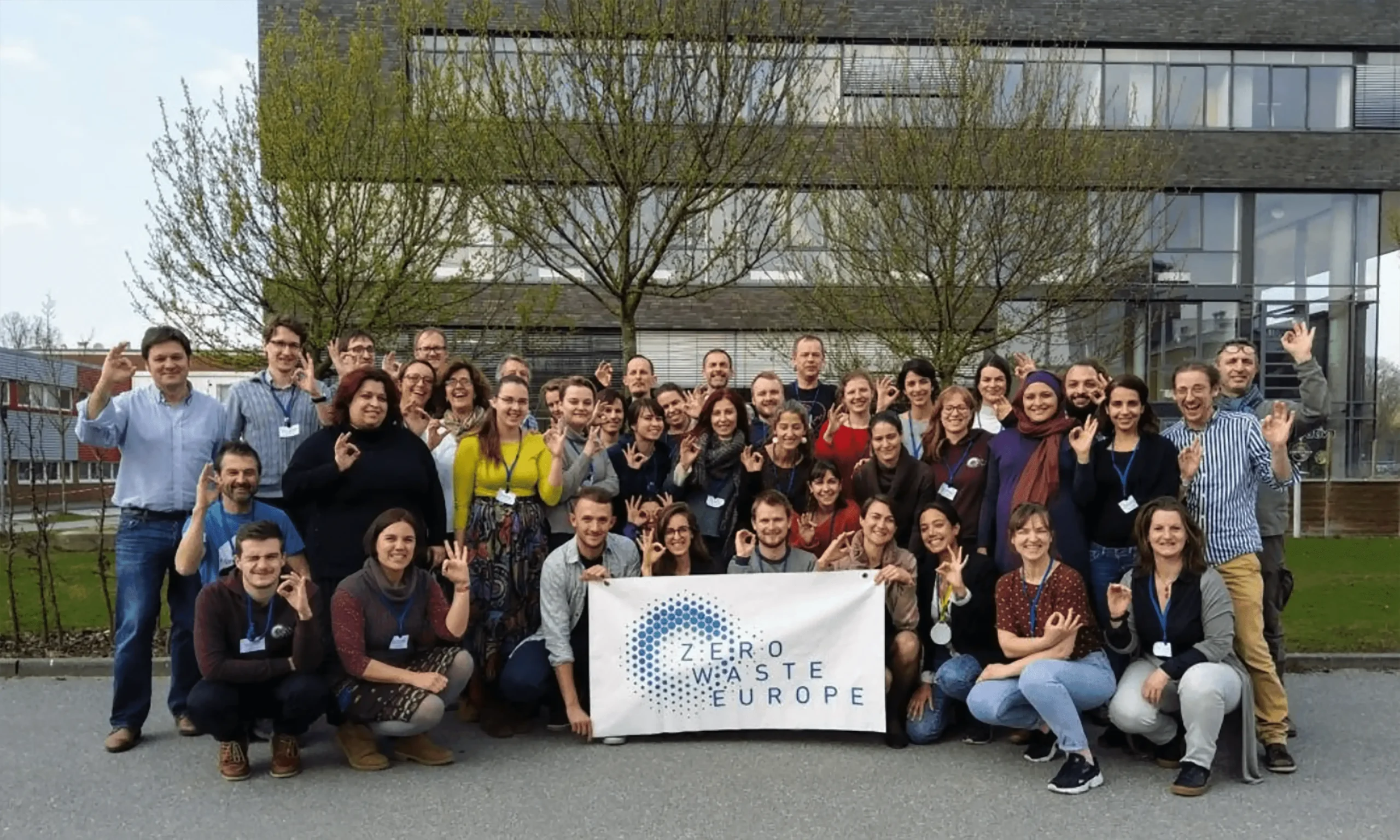
“Europe is often cited as a model for WTE but the European Union is turning away from WTE and major European financial institutions have pulled funding from WTE projects,” notes Janek Vähk, Zero Pollution Policy Manager for Zero Waste Europe. “Meanwhile, the EU has established an ambitious target of halving total residual waste by 2030 and WTE would lock in generation of waste over time to keep the incinerators running.”

WTE facilities are often particularly harmful to environmental justice communities. 

“Fenceline communities are badly impacted by particulates and other hazardous air emissions, in addition to truck traffic” noted Dr. Neil Tangri, Science and Policy Director at GAIA,  “Some of the worst impacts are felt in the far north, where First Nations bear extremely high body burdens of persistent organic pollutants such as dioxins from incinerators that biomagnify in the food chain.” 

As all eyes look to Canada later this month, over 40 environmental groups across the country implore the country to be a true leader and reject WTE in favor of zero waste solutions. (link to action page)

For more information about this campaign and to access the coalition’s publications, please visit https://www.no-burn.org/stopping-waste-to-energy-in-canada/ 

CONTACT

Claire Arkin, Global Communications Lead: claire@no-burn.org | +1 973 444 4869

About the Coalition:

The Canadian Zero Waste Coalition is a coalition of environmental groups including the Ontario Zero Waste Coalition, Zero Waste BC, GAIA, Environmental Defence, Zero Waste Canada, Toronto Environmental Alliance, Durham Environment Watch, Waste Watch Ottawa, and Citizens of the Pontiac.

####

A significant step to comply with the Global Methane Pledge

Contributed by YPBB

In a significant and forward-thinking move, the West Java provincial government officially prohibited the disposal of organic waste in the Sarimukti landfill, located in the West Bandung Regency, effective January 1, 2024. This comes as a response to the  August 2023 Sarimukti landfill fires. The policy has the potential to divert 228,855 tons of organic waste per year from Bandung alone — preventing 575,428 tonnes CO2eq of methane emissions per year from the landfill. The West Java Provincial government has targeted a reduction of 754,154 tonnes CO2eq from all the landfills in West Java by 2030. This means that Bandung, the capital of the province, can contribute 75% of the set target.

Apart from reducing methane, this policy has the potential to contribute to environmental justice by significantly reducing river pollution caused by the landfill’s leachate, which is a water source for more than 6,000 people. If implemented in parallel with separate organic waste collection and treatment, cities could save significant costs, particularly on transportation, and it could also contribute to the local economy, creating 6 jobs per tonnes of waste managed, double the current system.

A fireman aims the water hose at a fire at a landfill in Sarimukti
The Sarimukti Landfill catches fire. source: Sindonews

Methane, a greenhouse gas 86 times more potent than carbon dioxide, is an increasingly significant global concern to deliver climate action. According to the UNEP’s Global Methane Assessment, reducing methane is a crucial step to keep global warming under 1´5ºC, the threshold established by the Paris Agreement. Interestingly, the Climate Transparency Report (2022) highlights that Indonesia’s waste sector is the country’s largest methane emitter.

In 2023, Sarimukti landfill, a regional landfill serving four cities in West Java, was projected to surpass its capacity. Landfill fires got out of control – AZWI reported 38 landfill fire occurrences in 2023,  attributing methane from organic waste as its root cause. Responding to this critical situation, the Bandung Zero Waste Forum and grassroots groups, particularly Friends of The Earth Indonesia (WALHI) and Yaksa Pelestari Bumi Berkelanjutan (YPBB) —members of Alliance for Zero Waste Indonesia (AZWI)— initiated intensive advocacy efforts, targeting the ban of organic waste landfilling and incineration, emphasizing how the air pollution was affecting waste pickers and the community around the landfill. By August 2023, provincial and local governments declared a waste emergency status, and soon after, the organic waste ban to landfill was sealed.

A waste worker in Bandung, Indonesia collects segregated at-source waste, he is seen transferring organic waste from a resident's trash bin to his collection cart.
An informal waste collector conducts separate collection in a neighborhood in Bandung. source: YPBB

Incinerator Threat Looms

However, while this policy is a critical milestone for the Metro Bandung area, the provincial government is risking this achievement with a Waste-to-Energy incinerator project proposal in Legok Nangka, a newly built regional landfill to replace Sarimukti. In opposition, WALHI has continuously warned the government about the hidden risks of incineration, emphasizing the risk of methane-to-carbon swapping, the obstacle it will pose to cities to achieve its climate and waste reduction targets, and its adverse impacts to local communities. Accordingly, YPBB and Bandung Zero Waste Forum advocate for coherent policies through alternative policy scenarios that do not rely on incineration. 

Furthermore, the organic waste ban to landfill should be implemented carefully. The government must not allow pitfalls as experienced by the European “zero waste to landfill” policy, which has resulted in an excess of incineration capacity in this region. The policy should be more ambitious by including a mandatory source separation, separate collection, and treatment of organic waste, and a ban on landfilling ‘untreated organic waste’.

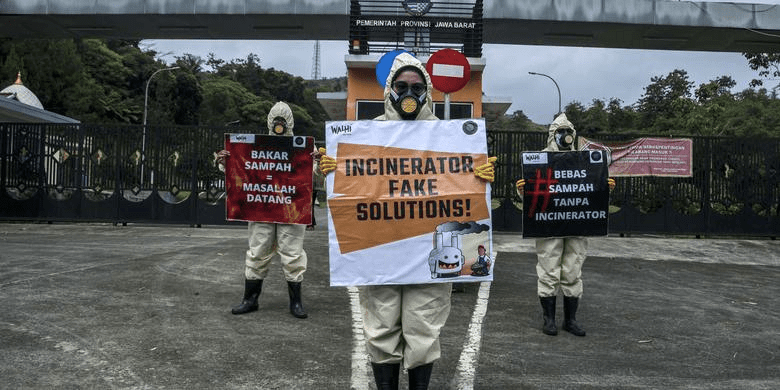
Three protesters wearing complete PPEs protest the incinerator plans in Indonesia. On the left, the protester holds a placard that says in Bahasa Indonesia "Bakar Sampah Masalah Datang", the middle one's placard reads "Incinerator: Fake Solutions!"; and the protester on the right holds a placard that can only be partially seen
Local groups protest incinerator plans in Indonesia. source: WALHI

Zero Waste is Already Happening

It is critical that the organic waste ban to landfill policy drives and scales up the existing zero waste models. Nine zero-waste city models throughout Indonesia (Bandung City, Bandung Regency, Cimahi, Sumedang, Purwakarta, Karawang, Gresik, Denpasar and Gianyar) organized by AZWI cover a population of more than 478,000 people with an average of 40% waste segregation compliance rate, up to an 88% in the best cases, which is by far the highest in the country. In total, these zero waste models have the potential to reduce organic waste sent to landfill by 6,500 tons per year. In a recent report, YPBB and GAIA found that a city-scale zero waste implementation in Bandung is four times more climate-effective than incineration. The success of these zero waste initiatives has relied on two strategic pillars:

  1. implementation of waste prevention measures, source separation and separate collection of various waste streams, including organic waste; and
  2. strong community engagement with a clear priority for inclusion of informal waste collectors. Ultimately, local stakeholders have played a pivotal role in implementing the zero waste models that started with minimal government support.
Nine members of AZWI and DLH sit around a concrete table at an open public space in Bandung.
Aliansi Zero Waste Indonesia (AZWI) and Dyan Prasetyangningtyas (DLH Kota Surabaya) conduct a stakeholders meeting in Bandung. source: YPBB

In conclusion,  the level of ambition required in achieving Indonesia’s climate commitments, and the political momentum in West Java should be harnessed to drive systemic change. This can happen now thanks to decades of collective and dedicated work of local groups like YPBB, Bandung Zero Waste Forum, WALHI, and AZWI. To make the most of this, governments and financial institutions must create the right flow of resources and capacity — aligned with Environmental Justice principles — making the inclusion of local organizations a clear priority for a lasting impact.

About the Campaign

Canada is among the most wasteful countries in the world and most of the waste could be avoided, recycled or composted. Canada has goals to decrease waste by 30% by 2030 and 50% by 2040, to end plastic waste by 2040, and to reduce landfill methane emissions by 50% by 2030. , Reaching even these goals will require ambitious and immediate actions to reduce waste. 

Waste to Energy (WTE) (sometimes called energy from waste) includes different technologies for disposing waste through a high-temperature process such as mass burn incineration, gasification, and pyrolysis. WTE is portrayed as a “climate-friendly” solution for waste management because of the avoided methane emission from landfilling and energy generation potential, however it emits more greenhouse gases than modern landfills when a full accounting of all GHGs is made. Waste minimization is a far better choice for the climate than either landfills or WTE.

Many communities are approached by incineration/thermal technology companies with proposals to build Waste to Energy (WTE) facilities for waste disposal. Local government staff and elected officials, who review these proposals, may not have comprehensive knowledge about WTE or the expertise to thoroughly evaluate these proposals. 

Recently, Environment and Climate Change Canada (ECCC) commissioned a report on Waste to Energy, meant for local governments to use as a guide. This report painted WTE in a favourable light due to a narrow focus. In response to the federal paper, research was conducted for a coalition of environmental non-profit groups using a broader lens to better understand alternatives. 

This webpage is intended to support better actions to tackle waste that reduce the climate, biodiversity, toxics and cost impacts. Further tools and opportunities to take action will be added as they are developed. For more information, please email Denaya Shorter, Senior Director US/Canada Region, at denaya@no-burn.org.

Call to Action

Join 40+ organizations from across Canada and sign our petition calling on the Government of Canada, provinces and territories, and local governments to end waste incineration in Canada. 


Resources

Climate Impacts from Waste to Energy – the Whole Picture

A more fulsome climate analysis of the federal study shows that not only are waste minimization strategies far better for the environment, but cost less as well. Properly managed landfills have lower greenhouse gas (GHG) emissions than the total GHG emissions from WTE, but waste minimization has the most benefits.

Cautionary Tales: Examples from Across Canada 

The federal study also mentioned several examples of thermal treatment of waste. It did not show the many cases where pursuit of these technologies was unsuccessful or resulted in financial, environmental and social issues for the communities. Communities need to understand the risks.

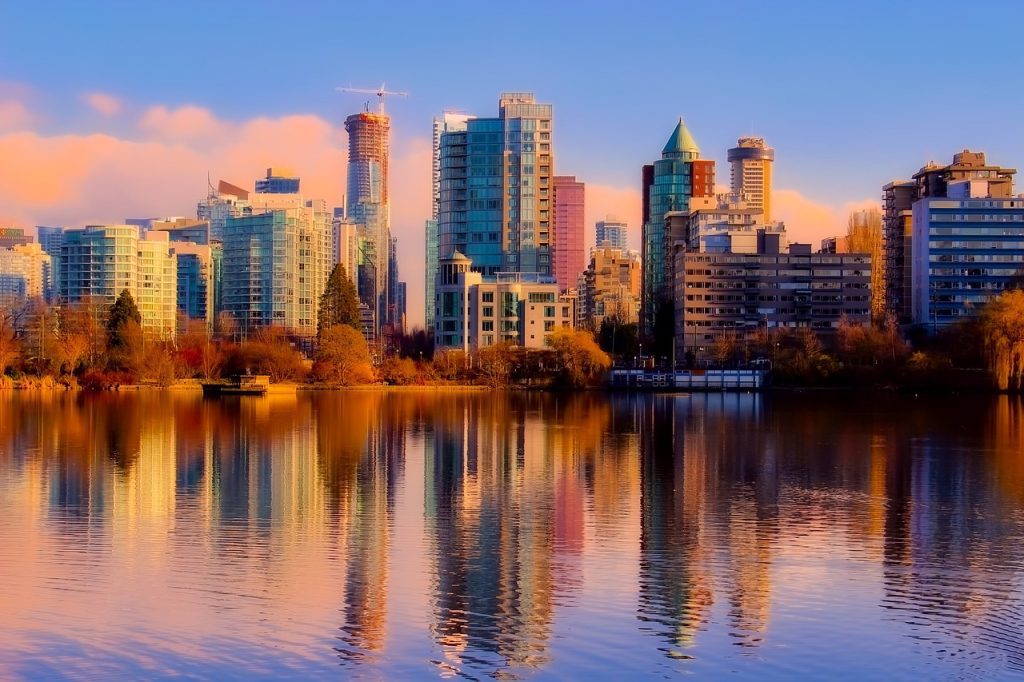
Metro Vancouver – a Case Study 

An analysis of Metro Vancouver’s waste management over the duration of its last solid waste management plan was conducted, looking at waste volumes, costs and GHGs. Results show that a focus on zero waste strategies were successful and cost-effective while incineration was costly with high GHG emissions.

Waste Incineration – What It Is, Why It Is Practiced, Implications and Zero Waste Alternatives

There are many reasons beyond GHGs, cost and effectiveness why WTE is not a solution. These are outlined here, along with an alternative solutions.

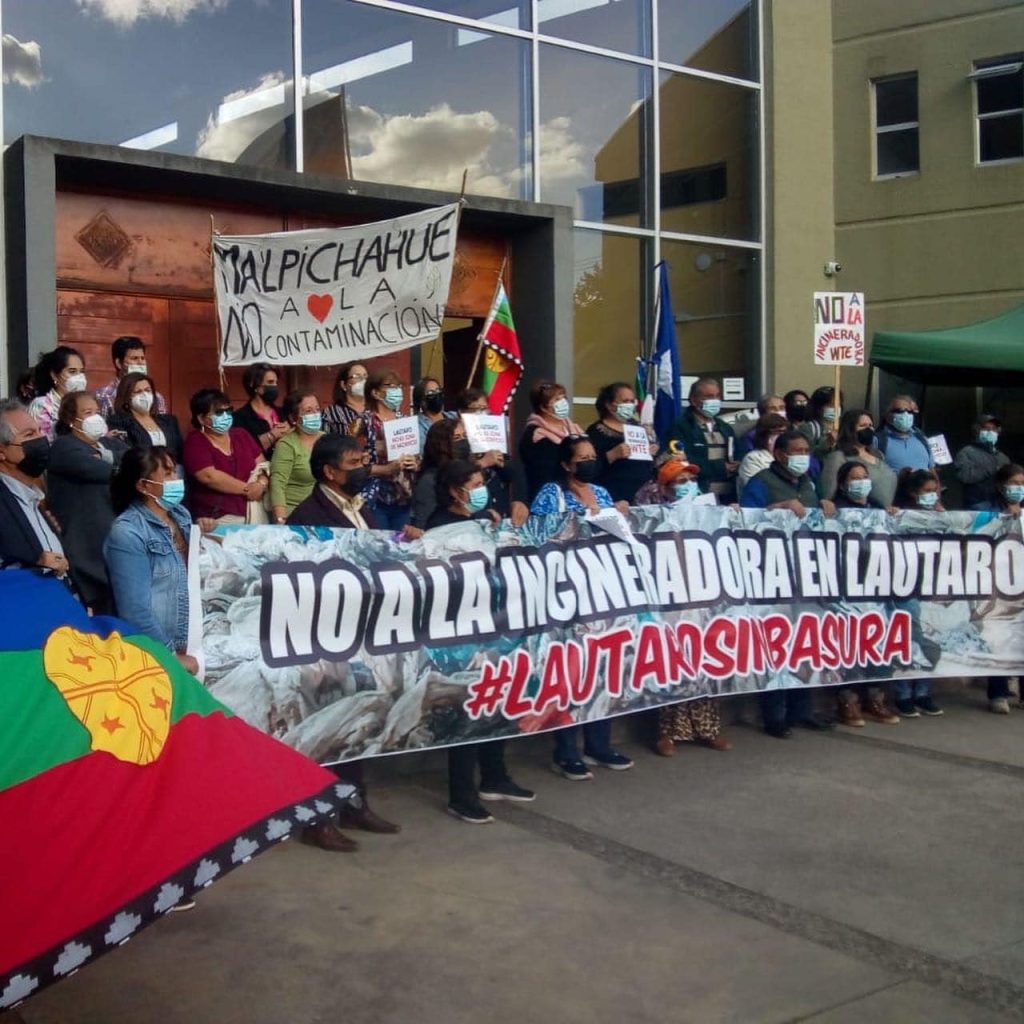
La comunidad de Lautaro y la Red de Acción por la Defensa de los Derechos Ambientales, RADA,  expresaron su satisfacción por el rechazo del Comité de Ministros a la instalación de una planta incineradora de residuos en la ciudad de Lautaro, región de La Araucanía, Chile. Esta decisión fue vista como un triunfo para la defensa del medio ambiente, la protección del territorio del Pueblo Indígena mapuche, y para la salud de las personas y de la naturaleza local.

La propuesta de la planta incineradora en Lautaro de WTE Araucanía, que pretendía instalar una incineradora de basura en el radio urbano de la ciudad de Lautaro, se había presentado como una solución para el problema de la gestión de residuos en la región. Sin embargo, desde el comienzo se enfrentó al rechazo de la comunidad local, y fue cuestionada por ser una falsa solución a un problema que según expresaron en la Red de Acción por los Derechos Ambientales, RADA, “requiere una solución de fondo y con la altura de miras necesaria para enfrentar la triple crisis planetaria que hoy sufrimos: la crisis climática, de pérdida de biodiversidad, y de contaminación.”

Este rechazo corresponde al resultado de una apelación interpuesta por la empresa, ya que el proyecto ya había sido rechazado en marzo de 2022, por la Comisión Evaluadora Ambiental con votación unánime, instancia en la que además, se presentaron más de 17.000 observaciones ciudadanos que ingresaron contra el proyecto. Una cifra histórica para este tipo de proceso.

Las razones del rechazo se deben a la falta de consulta indígena, la ubicación del proyecto que no cumplía con el plano regulador de la comuna de Lautaro, además de los impactos que un proyecto de esta envergadura generaría en la salud de la ciudad y en las zonas aledañas a la planta de incineración, Debido a esto, la comunidad local y la Municipalidad de Lautaro rechazaron el proyecto desde que ingresó por primera vez en el año 2016 a través de una Declaración de Impacto, pero que no fue admitida a tramitación. 

En la declaración hecha por la RADA, agradecieron a quienes dentro del gobierno apoyaron las posiciones de las organizaciones y comunidades que defienden la naturaleza y los derechos ambientales, “Tenemos que reconocer la resistencia del Ministerio del Medio Ambiente a través de la figura de la Ministra Maisa Rojas que sabemos ha debido enfrentarse a un discurso que contrapone el desarrollo económico frente a la defensa del medio ambiente.”- señalaron.