





Controversy on Waste: To Burn or Not to Burn?
Canada in the Spotlight as Host of Plastics Treaty Negotiations
FOR IMMEDIATE RELEASE: APRIL 4, 2024
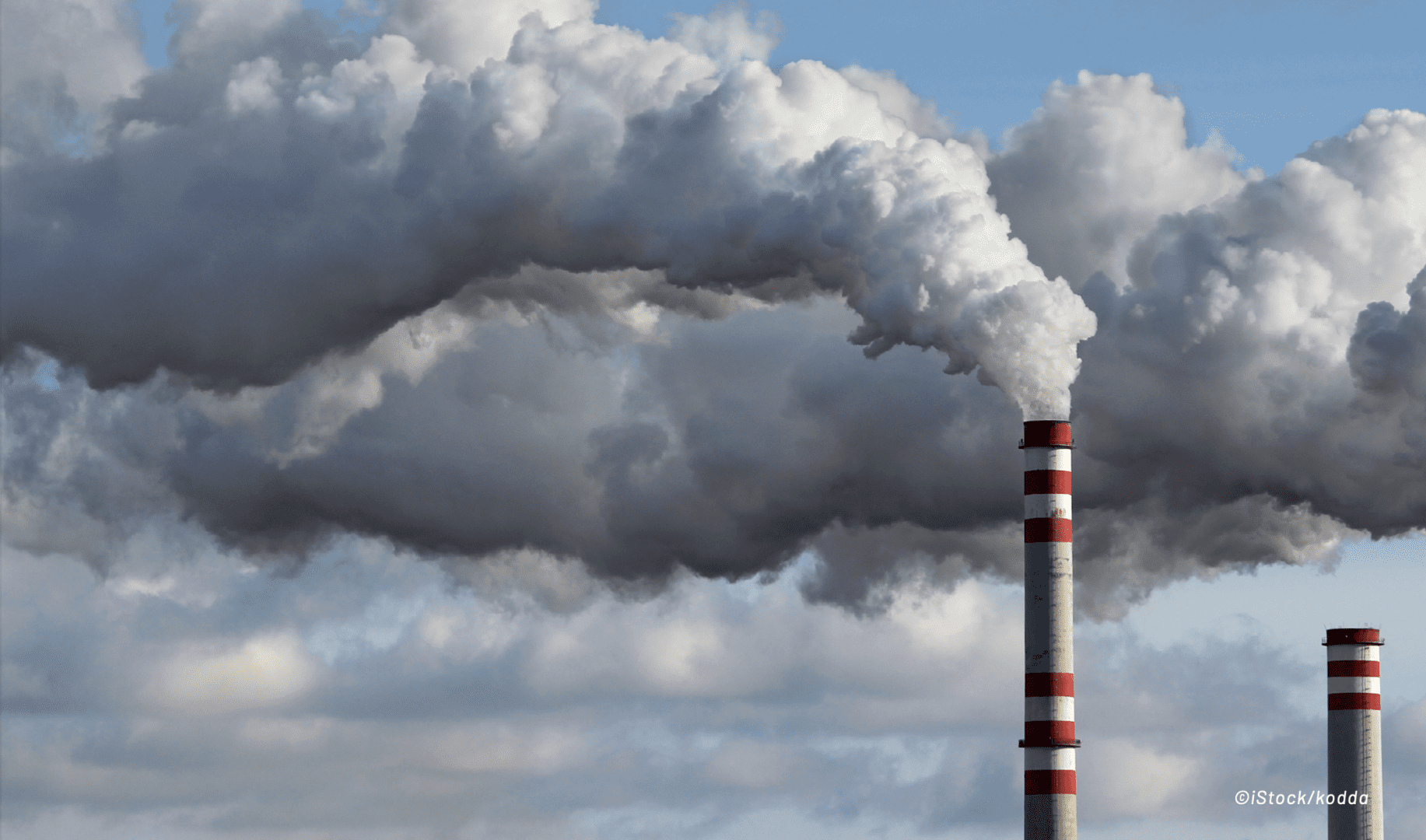
While Canada is set to host the next round of the Global Plastics Treaty negotiations April 23-29, Canadian groups are raising an alarm about the expansion of waste incineration across the country. Dubbed “waste-to-energy” (WTE) by industry, burning waste through methods like incineration, gasification and pyrolysis is a practice that would undermine federal climate, plastics, and waste management policies.
“Canada has goals to end plastic pollution and stop climate change. That means we must close the door to polluting and wasteful garbage incineration,” said Karen Wirsig, Plastics Senior Program Manager at Environmental Defence. “Incineration poses real risks to the environment and human health. Plus, garbage is not a clean or ‘renewable’ energy source and incinerators have been found to emit more greenhouse gasses per unit of electricity than fossil fuels.”
The Town of Pontiac, Quebec, is fighting a proposal for a new waste incinerator to burn garbage from the City of Ottawa, where the treaty negotiations will take place. Other incinerator proposals are surfacing in Brampton, Ontario, and Edmonton, Alberta, among others.
The rise in incinerator proposals follows a report released last year by the federal government and shared with municipal officials that suggests incineration is a climate-friendly approach to waste management. That federal report was recently debunked by research commissioned by Zero Waste BC and GAIA.
Incineration threatens efforts to establish Canada as a leader in tackling plastic pollution, climate change and diversion of organics.
Analysis by the Canadian Zero Waste Coalition shows that:
- Waste-to-energy is the most climate-polluting of any waste management approach (including landfilling) (The Whole Picture: Climate Impacts from Waste to Energy)
- Case studies on communities that pursued WTE found that the systems failed to deliver as promised, polluted, resulted in years of delays, wasted huge sums of public funding, and undermined meaningful action on waste reduction (Cautionary Tales: Examples from Across Canada )
- Actions to reduce waste were the most cost-effective and environmentally sound approach. (Metro Vancouver – a Case Study)
Report author and environmental engineer Belinda Li, noted, “it is very important that our government supports real solutions like waste prevention and reduction and not costly distractions such as WTE. If we prevent waste from being generated in the first place, we can extend the life of our landfills and make the best use of our existing infrastructure.”
The floundering of experimental WTE plants offers cautionary tales to other communities. “Across Canada incinerators have proven to be costly failures that waste millions of dollars in taxpayer funding, exceed emission limits, never meet operational targets, and delay municipalities from taking actions that would actually reduce and divert organics and post-consumer goods,” says Liz Benneian, founder of the Ontario Zero Waste Coalition.
For instance, from its inauguration in 2008, until it declared bankruptcy in 2015, the Plasco incinerator in Ottawa burned through $13.5 million in federal and provincial funding plus $8 million per year in municipal subsidies. The plant had numerous operational issues, processed only one third of the waste it promised and racked up 25 records of noncompliance with emission regulations.
More than three-quarters of waste disposed in Canada could have been avoided, recycled, or composted. “Local governments are setting ambitious zero waste targets, but when we burn waste, those goals go up in smoke,” said Sue Maxwell, chair of Zero Waste BC and former municipal councillor. “Proactive municipalities are reducing their waste through zero waste policies and programs.”
“Europe is often cited as a model for WTE but the European Union is turning away from WTE and major European financial institutions have pulled funding from WTE projects,” notes Janek Vähk, Zero Pollution Policy Manager for Zero Waste Europe. “Meanwhile, the EU has established an ambitious target of halving total residual waste by 2030 and WTE would lock in generation of waste over time to keep the incinerators running.”
WTE facilities are often particularly harmful to environmental justice communities.
“Fenceline communities are badly impacted by particulates and other hazardous air emissions, in addition to truck traffic” noted Dr. Neil Tangri, Science and Policy Director at GAIA, “Some of the worst impacts are felt in the far north, where First Nations bear extremely high body burdens of persistent organic pollutants such as dioxins from incinerators that biomagnify in the food chain.”
As all eyes look to Canada later this month, over 40 environmental groups across the country implore the country to be a true leader and reject WTE in favor of zero waste solutions. (link to action page)
For more information about this campaign and to access the coalition’s publications, please visit https://www.no-burn.org/stopping-waste-to-energy-in-canada/
CONTACT
Claire Arkin, Global Communications Lead: claire@no-burn.org | +1 973 444 4869
About the Coalition:
The Canadian Zero Waste Coalition is a coalition of environmental groups including the Ontario Zero Waste Coalition, Zero Waste BC, GAIA, Environmental Defence, Zero Waste Canada, Toronto Environmental Alliance, Durham Environment Watch, Waste Watch Ottawa, and Citizens of the Pontiac.
####