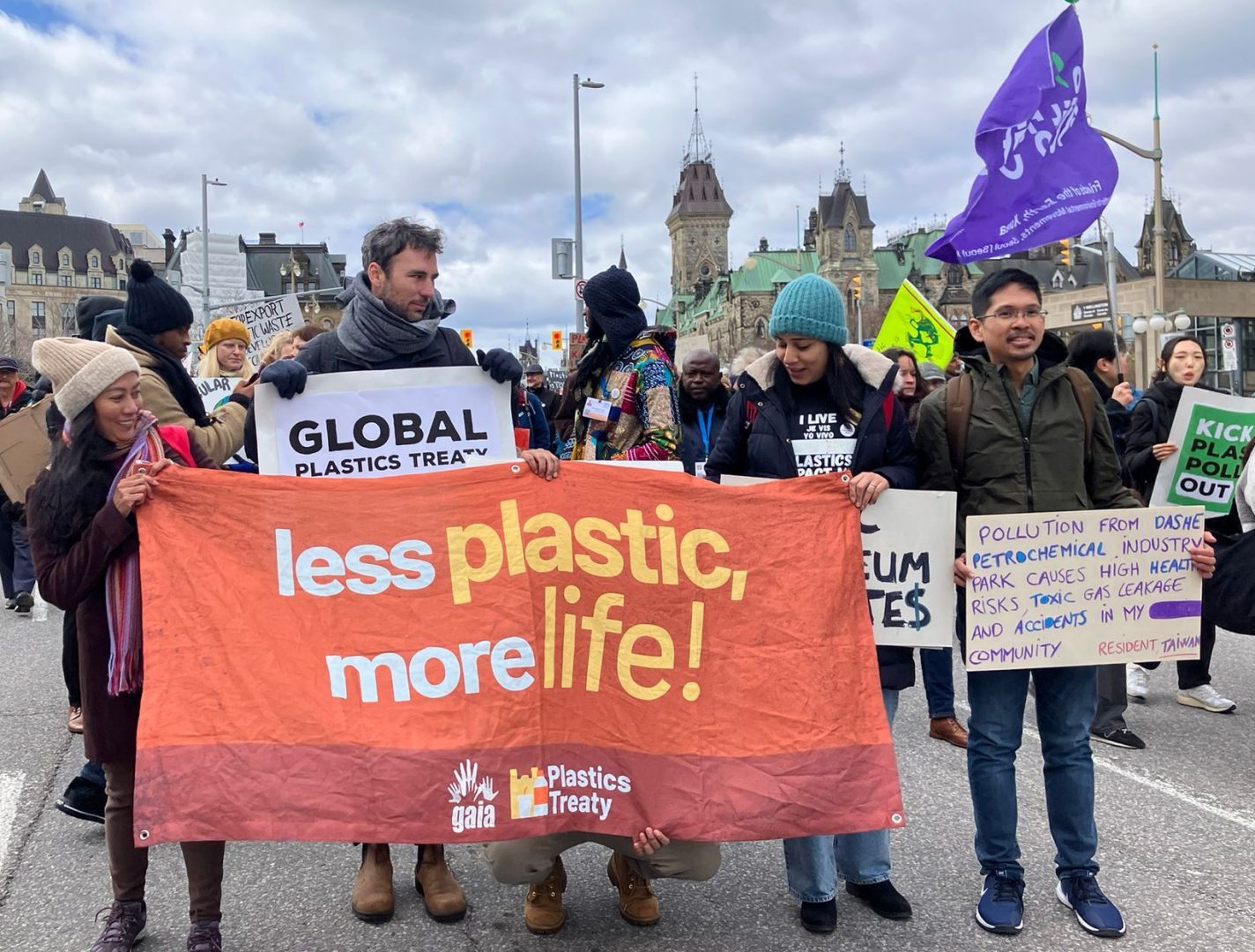
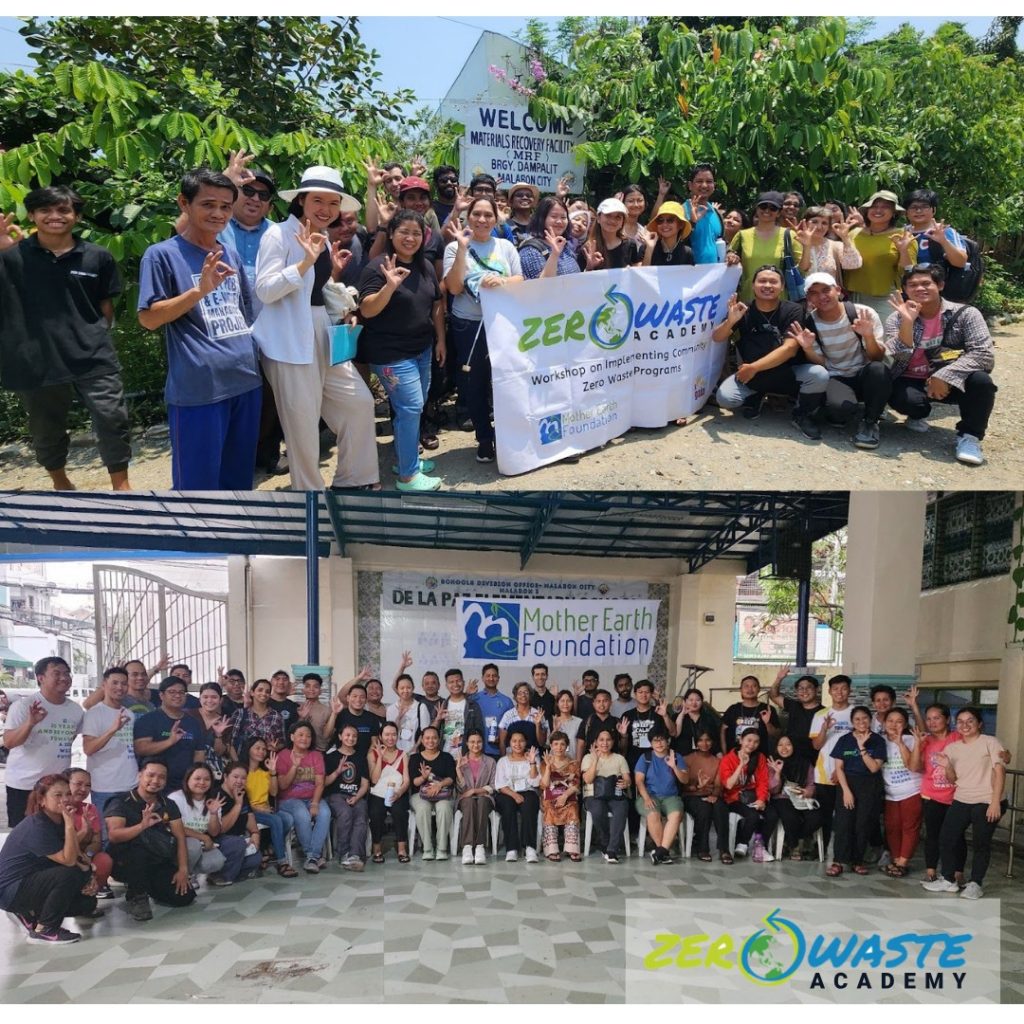
When left unmanaged, organic waste releases methane, a potent greenhouse gas that traps 82.5 times more heat than carbon dioxide. Uncontrolled, it degrades the environment, poses serious public health risks, and accelerates climate change.

Cities Can Combat Climate Change

Managing organic waste is one of the simplest yet most powerful ways for cities to fight climate change. By reducing methane emissions from organic waste by 70%, cities can play a pivotal role in limiting global warming to 1.5°C.

The Cities Methane Pledge

We stand at a critical juncture. Recent years have tested communities globally, leaving them more vulnerable to climate change. The escalating pace of production and consumption has intensified greenhouse gas emissions, warming the planet and amplifying extreme weather events that threaten ecosystems, economies, and human life.

Cities, local governments, and countries committed to the United Nations Framework Convention on Climate Change (UNFCCC) goals from COP21, including limiting global warming to 1.5°C, recognize the urgent need for a swift and equitable transition. According to the Intergovernmental Panel on Climate Change (IPCC), global greenhouse gas emissions must fall by 45% by 2030 to meet this target.

Methane, the second-largest greenhouse gas after carbon dioxide, contributes nearly 30% of global emissions and is 82.5 times more heat-trapping than carbon dioxide over 20 years. Research shows that cutting human-caused methane emissions by 45% within this decade could prevent nearly 0.3°C of warming by 2045. Through Zero Waste initiatives, cities can achieve up to a 95% reduction in methane emissions from solid waste by 2030.

In regions where municipal solid waste generates 20% of human-made methane emissions, organic waste comprises 50-80% of the total. This offers cities a dual opportunity to tackle domestic waste while significantly lowering methane emissions. By implementing proper waste management practices, cities can lead the charge against climate change.

A Call to Action: Join the Methane Pledge

Join the global climate action movement by committing your city to:

  • Prioritize waste reduction, particularly food waste, throughout the supply chain.
  • Design and enforce waste segregation systems targeting 70% safe and effective recovery of organics by 2030, focusing on decentralized management.
  • Support infrastructure, institutions, and funding mechanisms for optimal organic waste recovery through anaerobic digestion or composting.
  • Partner with farmers, businesses, community organizations, NGOs, educational institutions, and R&D bodies to foster knowledge-sharing and develop value-added waste recovery solutions.
  • Integrate waste pickers and workers into waste management for a fair, just transition.
  • Learn and use methane quantification tools to measure emissions in your city.
  • Encourage other local governments to join the Methane Pledge.

Take action now to protect our environment, support vulnerable communities, and create green jobs. Together, we can turn the tide on climate change—one city at a time.

The First Regional Congress on Organics and Climate

Held from September 25-28, 2024 in Bengaluru, India, the First Regional Congress on Organics and Climate convened zero waste practitioners from governments and civil society across Asia-Pacific to develop a joint strategy for reducing food waste and improving organic waste recovery. Key discussions covered the links between organics, methane, and climate change, policies and just transition principles, and innovative technologies. The event also featured an exhibition of successful waste management models, a trade fair for technology vendors, and a study tour of organic waste initiatives in Bengaluru and Mysuru for city officials and delegates.

The Zero Waste Academy

The Zero Waste Academy (ZWA), developed by GAIA Asia Pacific and Mother Earth Foundation in the Philippines, is an accessible online learning platform offering targeted courses to empower community leaders, government officials, and individuals in implementing Zero Waste initiatives. With practical, hands-on strategies, ZWA equips participants to drive sustainable waste management in their cities, fostering cleaner communities and advancing public health. By joining, officials gain the knowledge and tools needed to lead impactful waste reduction efforts, making lasting contributions to environmental sustainability and community well-being.

Bengaluru Declaration Unites Leaders and Communities for Innovative Organic Waste Management Strategies

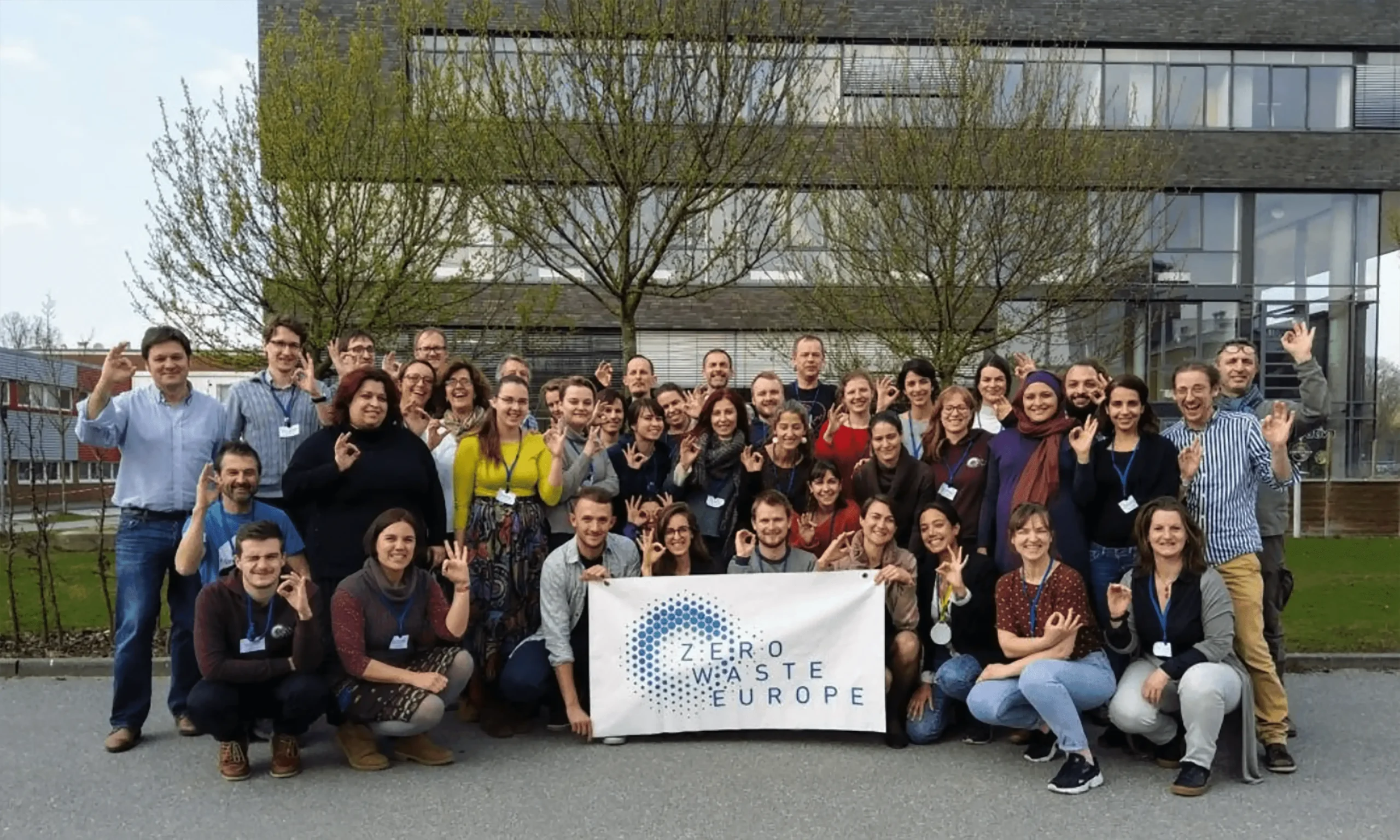
Over a hundred people posing with a banner

Bangalore, India08 October 2024 – At the First Congress on Organics and Climate, an ambitious vision for the future of climate action and waste management took root, culminating in the unanimous adoption of the Bengaluru Declaration on Organics and Climate. This gathering highlighted the multitude of solutions to managing organic waste that exist in Asia. 

With over 200 participants attending in person and more than 1,400 joining online, the Congress featured representatives from 13 countries representing 70 organizations. This included 98 participants from Bengaluru, 75 delegates from the rest of India, and 45 delegates from Africa and across Asia (other than India.), The group included government officials, civil society organizations, waste picker organizations, farmers, academia, think tanks, research institutions, businesses, and media. More than 20 businesses showcased innovative and practical solutions in organics management, highlighting the latest advancements in the field.

As conversations unfolded, it was emphasized that for countries to meet their sustainable development goals (SDGs) and transition to a sustainable future, the safety, well-being, and justice for waste pickers is a key lens through which waste management must be viewed. “We are the backbone of waste management in our cities. Our voices must be heard in every decision that affects our lives and livelihoods,” asserted Indumathi, a waste picker representing grassroots perspectives. “When we work together with governments and organizations, we can create real change.”

The diversity of proven organic waste management practices was seen at the Congress with the city of San Fernando (Philippines) sharing their effective implementation of source segregation and collection, decentralized composting complemented with a central composting facility, and sorting of recyclables has resulted in a reduction of waste sent to the landfill by 90%. At a more local scale, the Solid Waste Management Round Table (SWMRT) in Bengaluru shared their use of a variety of small composting methods (home, lane, microshed composting) based on the local context of space, socio-economics, etc. These contrasting models underscore the importance of tailoring strategies to local contexts and integrating diverse community experiences to address the global challenge of waste management effectively. Nalini Shekar, Co-Founder of Hasiru Dala, remarked, “Empowering local communities and weaving their knowledge into waste management practices isn’t just smart; it’s essential for sustainable development. Only by collaborating can we build systems that genuinely serve everyone.”

Uma Mahadevan, Additional Chief Secretary and Development Commissioner, Government of Karnataka, spoke about the state government’s efforts to upskill rural women to handle trucks, making them the face of effective waste management in their villages. She pointed out, “When women are empowered to manage waste, we not only contribute to climate solutions but also uplift our communities and families.”

These local initiatives align with broader global challenges, such as the staggering 931 million tonnes of food wasted each year, contributing nearly 10% of global greenhouse gas emissions. The Organics Congress highlighted efforts across Asia to address this critical issue. Panelists spoke of the efforts in countries like Indonesia and Vietnam to divert excess food to feed those in need through community-led food banks while putting in place protocols for food safety and hygiene. The second benefit of diverting edible food is the reduction in the quantity of organic waste produced and therefore ensuring resources invested in food production are not wasted.  Shibu Nair, Global Alliance for Incinerator Alternatives (GAIA) Asia Pacific’s Regional Campaigner on Organics, stated, “Addressing food loss and waste is integral to combating climate change. By promoting composting and organic waste recycling, we can turn a problem into a resource that benefits our communities and the environment.”

Froilan Grate, Regional Director of GAIA Asia Pacific, underscored the urgency of tackling methane emissions, stating, “20% of methane, which is more potent than CO2, comes from landfills. And this can be addressed by making sure we divert organic wastes out of landfills – and we have the tools and examples to show that this is doable.” He emphasized that Asia is the home of solutions, showcasing successful examples of organic waste management from cities like Seoul, South Korea and Bandung, Indonesia as evidence of effective, zero waste strategies. The Organics Congress exemplifies this potential, demonstrating that while solutions exist, we need to cross-learn and scale up these initiatives across the region.

Galih Raditya, founder of 1000 Kebun (Garden Group) from Indonesia echoed the dangers of unchecked waste management, recalling a tragedy that highlighted the stakes: “In 2005, the Sarimukti landfill disaster killed 157 people due to a methane explosion. It showed us the dangers of unchecked waste management.”  This harrowing example illustrates why responsible waste management must be a priority for all nations.

A pivotal moment arrived with the reading of the Bengaluru Declaration on Organics and Climate, where participants united in their resolve to combat climate change through innovative waste management strategies. The declaration calls for immediate action to reduce greenhouse gas emissions linked to organic waste, firmly rejecting waste incineration as a viable solution. “Effective climate action will not only reduce greenhouse gas emissions but also improve the fundamental ways in which society functions,” it states, framing the fight against climate change as a complex challenge intertwined with social, economic, and political factors.

Manoj CN, Director of the Pelican Foundation and a member of the India Zero Waste Alliance, added, “The path to sustainable waste management lies in collaboration and innovation. By uniting our efforts, we can unlock the potential of organic waste as a valuable resource, transforming challenges into opportunities for our communities.”

As the Organics Congress wraps up, the Bengaluru Declaration stands as a guiding light for future climate action initiatives, reinforcing the plethora of solutions across Asia and communities’ commitments to environmental sustainability and social equity. This gathering marks the first of its kind, with plans already underway to host the next organics congress in Indonesia with Aliansi Zero Waste Indonesia taking the lead. The Organics Congress will continue to build momentum for effective organic waste management and climate solutions across the region.

In a world increasingly grappling with environmental crises, the leaders and advocates present are now tasked with translating the spirit of this declaration into meaningful actions, ensuring their collective efforts foster positive change for communities and ecosystems alike.

###

The Regional Congress on Organics and Climate in Bengaluru, India was hosted by Hasiru Dala and the India Zero Waste Alliance with support from GAIA Asia Pacific, powered by the HLL Management Academy (HMA) and the Urban Movement Innovation (UMI) Fund.

August 23, 2024 – A collective letter written by the Centre for Financial Accountability,  International Accountability Project, National Hawkers Federation, GAIA-Asia Pacific, and Break Free From Plastics and endorsed by 174 civil society organizations, regional and global networks and activists, is calling upon the World Bank board of directors to reject the financing of the 4 Waste-to-Energy (WTE) incineration projects proposed to be built in in Gujarat, India by Abellon Clean Energy Limited (ACEL).

Abellon Clean Energy Limited (ACEL) is a Waste to Energy (WTE) incineration developer based out of Gujarat, India, which is developing 4 WTE incineration plants in Rajkot, Vadodara, Ahmedabad, and Jamnagar with a cumulative capacity of 52.20 MW. The letter highlights the projects’ negative impacts on communities, including air and water pollution, health issues, climate impacts, and undermining sustainable waste management practices. 

ACEL’s operational WTE incineration plant in Jamnagar has already demonstrated significant negative impacts on the 25,000 people living in its vicinity and suffering from air pollution, noise pollution, and health problems such as skin ailments, asthma, eye irritation etc. The local communities are thus concerned about the expansion of the incinerator plant through this project. “Initially we were told that all the waste would be converted into electricity but after the operations started there was a lot of pollution and bad odor from the plant. We have complained to the Gujarat Pollution Control Board, the Municipal Commissioner, and the District Collector but still, the communities continue to suffer. A further expansion of the plant will only increase the pollution and is unacceptable to us,” shared Ker Jayendrasinh, who has been supporting the local communities in Jamnagar.

Seeing the harmful effects of the WTE incinerator plants in Jamnagar and the lack of proper consultations held by IFC and ACEL with affected communities in the other project areas, local Civil Society Organisations and activists are concerned about the construction of the proposed WTE incinerators in the other locations. “There is a lot of ambiguity surrounding the technology, impacts, displacement, and compensation of the project by Abellon and repeated queries regarding the same have not been answered by the company,” said Advocate Shailendrasinh R Jadeja, Rajkot.

Additionally, there are major flaws in the project’s Environmental and Social Impact Assessments, in violation of both IFC Performance Standards and Indian environmental laws. To circumvent the Government of India’s (GOI’s) environmental norms, the WTE incineration project size was deliberately kept at 14.9 MW instead of 15 MW, to escape the Environmental Clearance (EC) mandated by the Environment Impact Assessment (EIA) rules 2006. Despite being considered a “red category” project in India for its massive environmental and social risks, this project has been given a lower risk rating of “Category B” by the IFC. Vaishnavi Varadarajan, International Accountability Project articulates the lack of proper due diligence for this project. “The diluted and flawed environment and social impact assessment by IFC for these toxic WTE incinerators that contribute to excessive pollution and are linked to fossil fuels indicates that IFC has not been compliant to its safeguards and also to the Paris Agreement,” she says.

These WTE incinerator plants also threaten the livelihood of waste workers as large quantities of waste in the project sites will get directed to the incinerators, thus affecting the informal economy of waste picking and recycling. Jay Vyas, National Hawkers Federation shared, “the situation in Jamnagar where there are no waste workers at the dump sites confirms that waste workers who belong to vulnerable indigenous and dalit communities will lose their livelihood because of these incinerators. Also, waste worker unions in Gujarat confirmed to us that waste workers were not consulted at the project sites by the company.” 

Besides the community impacts and environmental and social concerns, the poor financial performance of WTE incineration plants in India also casts a shadow over the viability of ACEL’s projects and their potential economic burden on local governments. A report by the Centre for Financial Accountability revealed how despite strong policy and financial support, WTE incinerators in India have failed. Chythenyen D Kulasekaran, Centre for Financial Accountability says, “WTEs make profits on the shoulder of the public funds in the form of subsidies and grants they receive. Yet, WTEs produce the costliest form of electricity at about 7 rupees per unit, which the government pays. There is a double burden on the state exchequer.”

WTE incinerators are a “false solution”, contributing to pollution that exacerbates the climate crisis. The proposed WTE incineration plants will cumulatively burn about 3,750 tons of garbage every day and generate CO2 equivalent to the emissions from about 18,75,000 carsWTE incinerators are poised to become the most carbon-intensive power source once coal is phased out. Burning a tonne of plastic waste alone results in the release of around 1.43 tonnes of CO2. It destroys recycling, reuse, and refill options and disincentives reduction of producing new materials so less will have to be managed as wastes,”  says Miriam Mayang Azurin, GAIA.

In light of these findings, we urge the World Bank to not only reject this project but to cease all funding for waste-to-energy initiatives, prioritizing environmental protection and community well-being over unsustainable energy solutions.

Press Contact: 

Vaishnavi Varadarajan, +91 96867 69504, vaishnavi@accountabilityproject.org

Chythenyen DK, +91 9600329935, chythenyen@cenfa.org

In a significant triumph for the residents of Baguio and its neighboring town of Sablan, Mayor Benjamin Magalong announced his decision on July 31 to abandon the planned Waste-to-Energy (WTE).  incineration project. This decision followed a crucial forum organized by Zero Waste Baguio, EcoWaste Coalition, and GAIA Asia Pacific, where Dr. Jorge Emmanuel highlighted the adverse environmental and health impacts of the WTE plant.

“Incineration, including all thermal Waste-to-Energy technologies, emits many toxic fumes, including some of the most poisonous substances known as dioxins. If you live near an incinerator plant, you will get dioxins in the food you eat—eggs, meat, and fish (soil and water get contaminated). This will impact your health and can cause cancer, affect reproductive organs of both males and females, cause birth defects and miscarriages, delayed motor skills, and asthma.”, Dr Emmanuel added. 

Based on Dr Emmanuel’s data, Mayor Magalong formally stated, “After careful consideration and listening to the concerns raised during the forum, I would like to officially declare that Baguio City will be abandoning its Waste-to-Energy project.”

Baguio City is grappling with a severe waste management crisis. Each day, the city generates approximately 400 tons of waste, which includes both residential and commercial trash. With a population of 366,358 and an influx of up to 500,000 visitors during peak seasons, the volume of waste consistently spikes. The city spends around PHP 200 million annually to transport this waste to landfills outside its borders. In December 2023 alone, the waste generated by visitors added approximately 140 tons to the city’s daily waste output.

Moving forward, Mayor Magalong said, “Our focus will now shift to sustainable waste management solutions that are more aligned with our environmental goals. Priorities will include composting with black soldier flies and implementing a new garbage collection system. These measures are designed to reduce waste and minimize environmental impact.”

The decision was also celebrated by green groups from across the world. “This decision represents a landmark achievement for Baguio city residents demonstrating the power and impact of grassroots advocacy in influencing waste management practices. By rejecting the project and embracing more sustainable alternatives, Baguio City sets a precedent for effective environmental stewardship and local climate action”, Christie Keith, International Coordinator of GAIA, said. 

GAIA is a network of grassroots groups, as well as national and regional alliances, representing more than 1,000 organizations from 92 countries committed to fighting incineration and building regenerative solutions in cities through local campaigns, shifts in policy and finance, research, and communication initiatives.

“We applaud Baguio City for its commitment to making #PlasticFreePilipinas a reality! We hope more LGUs will follow this example and support their communities in transitioning to more environmentally sustainable alternatives,” shared by Ecowaste Coalition in a post.

As of 2022, according to GAIA Asia Pacific’s monitoring of WTE plants, around 13 WTE plants have been registered with the Department of Energy, six of which are already operating with a combined installed capacity of 9.69 megawatts. Another three have become operational since then, bringing the total number of known WTE plants to 12. At least another 29 have been proposed or are under construction in different cities and municipalities in Cebu, Pangasinan, Laguna, Pampanga, Batangas, and other areas. At the national level, a proposed WTE bill is being criticized by green groups as a measure violating standing bans on incinerators and policy trends across the world shifting away from incineration.

GAIA Asia Pacific Regional Coordinator Froilan Grate urged leaders to protect the national safeguard from incineration as stated in the Ecological Solid Waste Management Act and the Clean Air Act. 

“The Mayor’s decision upholds that safeguard for both public health and the environment. We urge other city leaders and Congress to heed science, evidence and voices of their constituents on the harms of WTE incineration”. He added that the Mayor has set a powerful example for other cities to consider and adopt Zero Waste solutions. 

“The collective effort of cities and champions give us hope. Embracing Zero Waste principles contributes to global sustainability goals, paving the way for resilient and thriving communities nationwide. We would like to invite the Mayor, his councilors, waste managers and barangay captains to see examples of Zero Waste efforts in the country including Malabon City and San Fernando City in Pampanga,” Sonia Mendoza Chair, Mother Earth Foundation (MEF)  also shared.

MEF has been leading the establishment of Zero Waste systems in various cities in the country.  

Dr Emmanuel elaborated that “We do have an alternative path.  Either we conserve earth’s precious resources for the future generation. We work towards zero waste towards a climate neutral economy, and a safe, sustainable circular economy. We also need to work for a just transition so that the waste workers will benefit from it instead of suffering from the shift.  We need to look at the impact to make sure indigenous people also benefit, growing companies, but let everybody benefit from a zero waste system. It needs to start with each of us. We need to walk the talk.” 

Zero Waste Baguio, Inc also shared “We are proud that Baguio City and our community are leading by example, rejecting incinerators and choosing sustainable solutions that safeguard our environment and enhance everyone’s health. Our commitment inspires other communities to join us in making a positive impact on our planet and well-being.” 

Mobilizing Asia-Pacific for Rapid Methane Reduction and Sustainable Waste Management

15 August 2024 — As the climate crisis escalates, the spotlight is on a potent but often overlooked greenhouse gas: methane. With approximately 1.3 billion tonnes of food wasted annually and 2.6 million tonnes of organic waste per day globally,  organic waste contributes to methane emissions. This issue is particularly urgent for Asia and the Pacific, where more than 50% of municipal solid waste is organic, and where proven solutions exist in Asia which need to be scaled up.

Methane is 82.5 times more potent than carbon dioxide over a 20-year period, making it the second largest component of greenhouse gasses and responsible for 30% of global emissions. The Intergovernmental Panel on Climate Change (IPCC) underscores the necessity of reducing greenhouse gas emissions by 45% by 2030 to limit global warming to 1.5°C. Immediate and substantial reductions in methane emissions could achieve a significant impact, reducing expected global warming by nearly 20% by 2045. 

The Global Alliance for Incinerator Alternatives (GAIA) Asia Pacific is leading a campaign to mobilize local governments in the region, aiming for at least 70% recovery of organic waste from municipal waste streams by 2030. The campaign has already secured commitments from 50 local governments, all dedicated to developing the necessary policies, infrastructure, and institutional mechanisms.

Composting and organic waste management are crucial strategies for mitigating methane emissions. The Organic Waste Working Group of the India Zero Waste Alliance highlights the potential of decentralized systems to capture organic waste and achieve significant greenhouse gas savings.

Shibu Nair, GAIA Asia Pacific’s Regional Organics Campaigner, emphasized the urgent need to scale up the many proven solutions existing in Asia, “Asia-Pacific has a unique opportunity to lead in organic waste management as a climate solution. By implementing decentralized management systems, and forward linking it with farming, we not only reduce methane emissions but also create enduring, community-based solutions that benefit both the environment and the economy.”

Recognizing the critical role of waste pickers, the Indian Alliance of Waste Pickers has been working to ensure their integration into waste solutions and systems. Nalini Shekar, co-founder and Executive Director of Hasiru Dala, points out, “For a solution to be truly effective and just, it must be sustainable in every way – ecologically, financially, and socially. Decentralized waste management is a powerful tool that meets all of these requirements. By being cost-effective and acknowledging and supporting the vital work of waste pickers, we can  improve organic waste recovery and significantly cut methane emissions.” 

India’s innovative approaches to organic waste management further illustrate the potential for effective waste strategies. The history of evolution of municipal waste composting in India begins from the Indore composting model in the 1920s to the Bangalore methods of the 1930s and the Coimbatore model in the late 60s, India has led in utilizing organic discards productively. The Nirmal Bharat Abhiyaan and  Swachh Bharat Mission have integrated solid waste management with the total sanitation movement and accelerated  these efforts with policy, standards, guidelines, and financing for scientific solid waste management across the country.

The upcoming Organics Congress, scheduled for September 25-28 in Bengaluru, India, will bring together zero waste practitioners from governments and civil society across the Asia-Pacific region. The event aims to develop a shared strategy and action plan for reducing food waste and enhancing organic waste recovery. Key topics will include the connection between organics, methane, and climate change; policies and legal frameworks; just transition principles; and innovative technologies.

Photo by Engelbert Paculanang © and GAIA Asia Pacific

Additionally, the Organics Congress will feature an exhibition of successful organic waste management models and a trade fair showcasing technology vendors and service providers. A guided study tour of organic waste management models in Bengaluru and Mysuru will also be conducted for city officials and delegates.

Join us in tackling climate change with innovative waste management solutions. Register now to be part of the change at the Organics Congress: REGISTER HERE.

Hosted by Hasiru Dala and in collaboration with GAIA Asia Pacific and the India Zero Waste Alliance. 

###

Media Contacts:

Shahid Afrid, Communications Officer, Hasiru Dala | shahid@hasirudala.in  | +91 63600 23136

Shibu Nair, Regional Organics Campaigner, GAIA Asia Pacific | shibu@no-burn.org  |  

+91 98462 82067 

Dan Abril, Communications Associate, GAIA Asia Pacific | dan@no-burn.org | +63 917 419 4426

Prospective donors may reach out to:  

Anthony Fernandez, Resource Mobilization Officer, GAIA Asia Pacific  | anthony@no-burn.org  | +63 960 431 1608

Edel Garingan, Deputy Director for Organizational Development, GAIA Asia Pacific | edel@no-burn.org

About GAIA:

GAIA is a network of grassroots groups as well as national and regional alliances representing more than 1000 organizations from 92 countries. With our work we aim to catalyze a global shift towards environmental justice by strengthening grassroots social movements that advance solutions to waste and pollution. We envision a just, Zero Waste world built on respect for ecological limits and community rights, where people are free from the burden of toxic pollution, and resources are sustainably conserved, not burned or dumped. www.no-burn.org

About Hasiru Dala:

Hasiru Dala, meaning “Green Force,” is a social impact organization dedicated to improving the lives of waste pickers and other waste workers with dignity and respect. By harnessing community knowledge and leadership, Hasiru Dala drives transformative change through collaborative action research and data-driven strategies. The organization works closely with waste pickers to co-create effective waste management solutions and partners with local, state, national, and global entities to promote  inclusion of waste pickers in solid waste management frameworks. Their efforts have led to significant advancements in the rights and conditions of waste pickers, reflecting their commitment to community-driven progress and systemic change. https://hasirudala.in/

About the Indian Zero Waste Alliance: 

Founded in January 2024, the India Zero Waste Alliance is a collective of over 20 GAIA Asia Pacific member organizations. The Alliance’s mission is to advance zero waste solutions and challenge misleading claims about waste management. The Indian Zero Waste Alliance  is committed to driving meaningful change and fostering an environmentally and socially just future. 

July 23, 2024 – In a groundbreaking move, the Zero Waste Cities Network (ZWCN) has formally launched its Philippine chapter, uniting local government officials and zero waste advocates in a collaborative effort to advance sustainable waste management nationwide. Supported by GAIA Asia Pacific, Mother Earth Foundation, Urban Movement Innovation (UMI), and the Global Methane Hub (GMH), this initiative aims to embed Zero Waste principles across communities, fostering environmental awareness and equitable progress.

The ZWCN-Ph, comprising government officials from  Zero Waste Cities sites across the Philippines, including San Fernando in Pampanga, the cities of Malabon and San Juan in Metro Manila, Brgy. Tanza in Navotas City, and Pilar in Bataan, along with Roxas City in Capiz, Siquijor Province and Brgy. Apo Island in Dauin, and Negros Oriental, is part of a global campaign to mainstream Zero Waste practices as the optimal solution to waste management problems such as the plastic crisis, debunking the misconstrued idea that trash incineration helps eliminate waste. 

Vice Governor Mei-Ling Quezon, Siquijor Island

“The Philippine Zero Waste Cities Network aims to foster a supportive community, share stories, and advocate for sustainable solutions. With emphasis on good governance, we can ensure that the rights of our communities are protected and that our environment is preserved for future generations,” said Hon. Mei-Ling Quezon, Vice Governor of Siquijor and elected chair of ZWCN-Ph.

The launch of the Philippine network comes at a critical juncture as the country generates at least 61,000 metric tonnes of waste daily, with only a fraction of it being properly disposed of. In response to this, waste-to-energy (WtE) solutions are being proposed, despite the standing incineration ban in the country and the health risks and social and economic costs associated with these problematic technologies. 

Success stories from the very communities of these leaders show that strict implementation of the country’s Ecological Solid Waste Management law and the banning of single-use plastic can drastically reduce the country’s waste problems. Places like the islands of Siquijor and Apo, and the City of San Fernando, Pampanga, among others, demonstrate the transformative power of Zero Waste strategies. Siquijor, the Philippines’ first Zero Waste province, has implemented innovative measures such as banning small plastic bottles and creating a glass bottle-refill system, serving as a model for other regions. Meanwhile, San Fernando has achieved a 90% diversion rate, saving valuable resources from landfills.

Building on these successes, the newly formalized ZWCN-Ph has adopted  Environmental Justice principles as guiding values to reflect the network’s commitment to sustainable practices and upholding people’s rights. Zero Waste principles prioritize efficient waste management, ensuring resources are reintegrated into productive cycles rather than squandered through landfilling or incineration, offering long-term environmental and economic benefits.

At their inaugural Board meeting, the network made pivotal decisions, including urging the Philippines Climate Change Commission (CCC) to integrate Zero Waste into the National Climate Action Plan (NCAP) and Nationally Determined Contributions (NDC), support for the Magna Carta for Waste Workers, the institutionalization of the environment and natural resources offices (ENROs) in every local government, and calling for collaboration to develop training programs for local governments to integrate zero waste strategies into their local Climate Action Plans (CAP).

Vice Mayor Benedict Jasper Lagman, San Fernando, Pampanga

The network’s President and Vice Mayor of San Fernando, Pampanga, Hon. Benedict Jasper Lagman invites cities and local governments to join the initiative. “Together, we will work to enhance national policies for practical, equitable implementation and advocate for statutory funding to ensure all regions are on equal footing. We will share best practices and experiences to tackle environmental issues collectively, empowering communities to overcome challenges,” he said.

Founding members of the network see its formalization as an important step to empowering local communities and strengthening institutional support for a Zero Waste agenda, marking a significant stride toward a sustainable and inclusive future for Philippine cities. 

Sonia Mendoza, Chair of Mother Earth Foundation congratulates the pioneers. “Leaders from Zero Waste model communities across the country are coming together to emphasize that beyond waste management – they are building a movement. The collective effort of cities and champions gives us hope. Through their example and experience, we can mitigate the climate crisis, reduce methane emissions, and empower Philippine cities and municipalities to address environmental challenges. Embracing Zero Waste principles contributes to global sustainability goals, paving the way for resilient and thriving communities nationwide,” she said.

Quezon City, Philippines – As the Philippines approaches its 126th year of independence, the newly established Philippine National Waste Workers Alliance (PNWWA) urges lawmakers to enact a Magna Carta for Waste Workers to secure vital legislative protection. This significant move seeks to recognize the indispensable work of waste workers and waste pickers and address the social and economic challenges they face daily.

Formed in February 2024, PNWWA is a coalition of 12 waste worker organizations representing over a thousand members across the archipelago. Their unified voice underscores the need for legislative action to improve the working conditions and safeguard the rights of waste workers and waste pickers nationwide. 

“We are calling for, among others, just compensation and social benefits and protection because we provide essential services to society. We are as deserving of such benefits and protection as any other worker, perhaps even more so. Without us, society will not function efficiently,” said Aloja Santos, Dumaguete Women Waste Workers Association (DWWWA) president and PNWWA founding president. 

In February, during a national consultation with waste workers organized by Mother Earth Foundation (MEF) with the support of the Global Alliance for Incinerator Alternatives (GAIA) Asia Pacific, which resulted in the establishment of PNWWA, participants formulated 10 priority demands that must be reflected in a draft Magna Carta. These demands were shaped by extensive consultations with waste workers conducted by MEF over the years.

The demands are: 

  1. Enforcement of Labor Standards (Pagpapatupad ng mga Pamantayan ng Paggawa) 
  2. Hazard Pay (Bayad sa Panganib)
  3. Health Insurance and Services (Seguro at Serbisyong Pangkalusugan)
  4. Humane and Safe Working Conditions (Makatao at Ligtas na Kalagayan sa Pagtatrabaho)
  5. Job Security (Seguridad sa Trabaho)
  6. Just Compensation  (Tamang Pasahod)
  7. Meaningful Participation in Policy Spaces (Makabuluhang Pakikilahok sa mga Usaping Pampolisiya)
  8. Right to Organize (Karapatang Mag-organisa)
  9. Social Benefits and Protection (Kapakinabangan at Proteksyong Panlipunan)
  10. Training (Pagsasanay)

Following the consultation, a Magna Carta for Waste Workers was drafted and PNWWA presented it to Senator Loren Legarda. As the author and principal sponsor of the Ecological Solid Waste Management Act, Senator Legarda with her legal team immediately studied the proposed legislation and filed the bill on April 17, 2024, which is now pending in the Committee on Labor, Employment and Human Resources Development.

“I acknowledge the validity of the demands of the waste workers — their call for fair treatment, job security, and access to essential services resonates deeply with the principles of justice and equity. These are valid concerns that warrant attention and action, and I am committed to working collaboratively in finding solutions that ensure a just transition for all,” Senator Legarda said.

Atty. Christopher John C. Menguito, Managing Trustee of the Philippine Earth Justice Center explained the importance of integrating these solutions into the law through magna carta as he said, “The purpose of the law is to make the lives of the people better.”

As the world faces multiple environmental crises and ecological collapse, the contribution of waste workers and waste pickers as frontliners in combating waste pollution is needed now more than ever. Data reveals that methane, a potent greenhouse gas, accounts for about 30% of the rise in global temperature since pre-industrial times, and in 2021, anthropogenic waste is among the major sources of methane emissions. In Metro Manila alone, waste generation contributes 22.2%, 24.5%, and 26.7% to the Philippines’ solid waste in 2010, 2014 and 2020, respectively. This underscores the power waste workers wield towards ensuring a sustainable and waste-free future. From composting to diverting reusable materials away from landfills, they play a vital part in waste management and recycling, offering practical and cost-effective solutions to address both waste and climate issues. 

“This moment underscores the importance of recognizing waste workers and waste pickers as frontline environmental defenders. We must prioritize their rights and ensure they have full labor protections under the law. This commitment sets the foundation for collaborative advocacy, fostering a truly inclusive and just transition, said Sonia Mendoza, Chair of Mother Earth Foundation. 

“The Magna Carta for Waste Workers is a powerful tool in fostering significant change not only in the Philippines but for the whole Southeast Asian region. Waste workers and waste pickers are claiming their rights, making their voices heard and their presence felt. Their desire and determination to be part of the process are crucial in the shift towards a sustainable waste management system. Together, we are forging a future where we do not leave anyone behind,” Froilan Grate, Regional Coordinator of the Global Alliance for Incinerator Alternatives (GAIA) Asia Pacific, emphasized. 

Additional quotes below:

From the Members of the Philippine National Waste Workers Alliance (PNWWA)

The members of the PNWWA shared their clarion call during the Press Conference for the Magna Carta of Waste Workers, acting for their independence, as they cried in unison “Kalayaan mula sa polusyon, kahirapan, at basurang sistema! Itaguyod ang pantay na karapatan para sa manggagawa sa basura! (Freedom from pollution, poverty, and wasteful systems! Uphold equal rights for waste workers!)” The call came as waste workers aim to break free from the cycle of poverty and take charge of their dignity and rights.

From the EcoWaste Coalition

While the EPR law holds promise for including waste workers, especially the informal waste sector by integrating them into formal waste management systems by encouraging their participation in the ‘product waste recovery programs aimed at effectively preventing waste from leaking to the environment’ as stated in Sec. 6, Article 1 B.6 of the law, its success depends on the proper implementation by the different stakeholders. 

We encourage obliged enterprises or large enterprises and LGUs implementing the EPR Law to include the waste workers organization, in the following: 

1. Under Section 4, composition of the National Solid Waste Management Commission

2. Under Section 6 Article 2.B: in the creation of Producer Responsibility Organizations by the obliged enterprises. 

The EPR Law should align with RA 9003 and the National Framework Plan for the Informal Waste Sector that fully integrates the waste workers to safeguard their rights and well-being.

Efforts made by duty bearers and obliged enterprises should support the inclusion of waste workers at all levels of decision-making: from the Barangay Ecological Solid Waste Management Committee up to the National Solid Waste Management Commission. They must ensure inclusivity, collaboration, and fair compensation for the waste workers that are reflective of their responsibilities, skills, and the hazardous nature of their work, accompanied by comprehensive benefits that prioritize their health and safety. 

From Secretary, Maria Antonia Yulo-Loyzaga, Department of Environment and Natural Resources (DENR) 

In the global response to climate change and environmental pollution, the green transition will have gainers and losers with new (green) jobs being created and other jobs being lost. For the informal waste sector, this presents an opportunity to enhance worker agility and competitiveness to undertake new occupations and respond to the changing nature of jobs towards a circular economy, just transition, and resilience for the future of work.

The Department of Environment and Natural Resources (DENR) recognizes the significant contribution of workers in the informal waste sector in delivering better environmental outcomes. As we strengthen the implementation of the Ecological Solid Waste Management Act and the Extended Producer Responsibility (EPR) Act, we make sure that we do not leave the waste workers behind. We aim to integrate the informal waste sector into the value chain, including transforming the collection and sorting of waste into formal activities and enterprises that are supported under the EPR system. We advocate for the reskilling and upskilling of waste workers so they can benefit in the transition to a low-carbon economy.

We welcome the Magna Carta of Waste Workers bill since DENR supports the formalization of waste workers’ rights and benefits, and the professionalization of the sector. The inclusion of the waste sector in the enforcement of labor laws, and the creation of supporting policies that are responsive to the needs of waste workers are key to enhancing their socioeconomic well-being allowing them to benefit and contribute better to our shared goals. By supporting this bill, we make them partners in sustainable development in our commitment to a just, inclusive, and resilient future for all.

From Mayor Vilma B. Caluag, City of San Fernando, Pampanga

The City Government of San Fernando, Pampanga, under our leadership, is supporting—with complete pride—the creation and submission of the Magna Carta of Philippine Waste Workers, spearheaded by the Philippine National Waste Workers’ Association (PNWWA) and various non-government organizations. 

Our support for PNWWA strongly speaks to our drive to help our waste workers move and fight for their rights, and this is anchored on our call for inclusivity and protection across all sectors. 

In our local government unit, we make sure that our waste workers, from our garbage collectors down to our segregators, get their rights, including the provision of personal protective gear, just compensation and benefits, health and wellness programs, and fair treatment, along with various privileges such as additional allowances and recreational activities. 

These actions were made possible out of our belief that no one should be left behind, and with the help of the NGO partners of our City Environment and Natural Resources Office across Asia Pacific, we hope that these practices may also inspire other localities to take a move towards the protection of waste workers.

The City of San Fernando is extending its utmost gratitude to the people and groups behind this movement, and rest assured that we are one with you in this measure heading to the realization of labor rights and environmental justice and protection. 

 In fighting for our waste workers’ dignity and rights, Kayabe yu kami.

Discover more about our waste pickers and waste workers and their advocacy towards a just transition

———

PHILIPPINE NATIONAL WASTE WORKERS ALLIANCE (PNWWA) is an alliance composed of 12 waste workers groups representing over a thousand waste workers across the Philippines. Established in February 2024, the Alliance is working for the recognition and protection of their rights and welfare.

MOTHER EARTH FOUNDATION PH is a non-stock, non-profit organization actively engaged in addressing waste and toxic pollution, climate change, and other health and environmental justice issues. It is best known for its advocacy of Zero Waste through the systematic reduction and proper management of waste. 

GLOBAL ALLIANCE FOR INCINERATOR ALTERNATIVES (GAIA) is a network of grassroots groups as well as national and regional alliances representing more than 1,000 organizations from 92 countries. With our work, we aim to catalyze a global shift towards environmental justice by strengthening grassroots social movements that advance solutions to waste and pollution. Through our members, we support waste picker and waste worker groups in implementing Zero Waste solutions, and in their fight for a just transition towards a Zero Waste future. 

PHILIPPINE EARTH JUSTICE CENTER  (PEJC) is a group of environmental lawyers advocating for environmental justice and a balanced ecology through legal assistance, policy research, policy reforms, and strengthening the capabilities of local communities.

ECOWASTE COALITION is a network of more than 150 groups advocating for a Zero Waste society in the Philippines. They aim to address issues related to waste, climate, and chemicals through research, information dissemination, training, and advocacy.

MANILA, June 6, 2024 — A hundred activists gathered in front of the Asian Development Bank (ADB) headquarters here urging the bank to “flip the switch to renewables”, towards a fast and equitable clean energy transition that prioritizes people and the environment. 

The creative action was staged by civil society groups and affected communities to challenge the ADB to not only fast-track the shift to renewable energy but also ensure transparent and equitable investments, prioritize community consultation, provide grants over loans in financing energy transition projects, and reject harmful energy solutions as the bank is holding its annual Asia Clean Energy Forum (ACEF) this week.

Activists from 350 Pilipinas, NGO Forum on ADB,  GAIA Asia Pacific, Legal Rights and Natural Resources Center, and Freedom from Debt Coalition carried a globe effigy that showed dirty energy projects and climate impacts on one side and renewable energy and its benefits on the other. A switch in the middle made the globe spin, highlighting the role of ADB in the global switch to renewable energy.
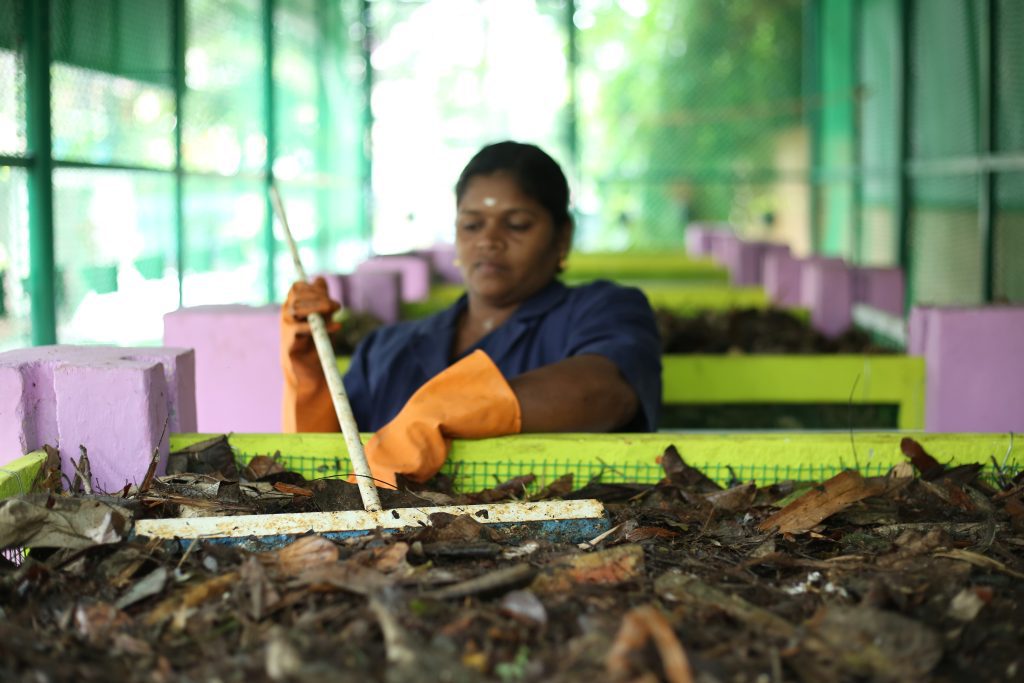
The ACEF plays a crucial role towards transitioning from fossil fuels to renewables in the Asia-Pacific to combat climate change and ensure energy security. It convenes policymakers, industry leaders, and civil society to devise sustainable energy strategies and advocate for the shift to renewables.

However, affected communities and civil society groups have stressed that prioritizing corporate interests and technological fixes exacerbates environmental and social crises. Meanwhile, existing mechanisms promoted by the ADB at ACEF often fail to provide real energy solutions, including what many experts consider false solutions, such as carbon capture and storage, waste-to-energy, hydropower, and fossil fuel mixes. 

“Real energy solutions must prioritize community needs, uphold environmental and human rights, and ensure a just transition from fossil fuels. The Asian Development Bank must uphold not only the Paris climate agreement but also the long-term development plans of ADB member countries.

Yet the current agenda of its Asia Clean Energy Forum falls short, which is why we call on the bank to reevaluate its strategies and commit to sustainable energy practices,” said the activists.

###

“As climate change impacts intensify, ADB and other global financial institutions must be held accountable for past and ongoing environmental and social harms. Forum networks and allies demand a complete overhaul of key policy initiatives at ACEF 2024. With the upcoming ADB Mid Term Energy Policy Review, the NGO Forum on ADB and its allies call for an end to ADB’s false solutions for a Just Transition and demand a full phase-out of fossil fuels, especially gas, and all forms of coal financing.”- Rayyan Hassan, Executive Director, NGO Forum on ADB

“As 2030 approaches, balancing equity, urgency, and ambition in energy transformation is crucial. We must exclude harmful energy solutions, prioritize equitable renewable energy investment, and ensure transparency, accountability, and community consultation. Climate action isn’t just about hitting Paris Agreement targets—it’s about transforming our development pathway to thrive amid climate change. This journey demands that climate and development progress be mutually reinforcing, with robust community ownership at its core.” – Chuck Baclagon, Finance Campaigner, 350.org Asia

“Addressing the climate crisis requires reimagining energy production and distribution to prioritize people and the environment. We need a rapid and fair shift to a clean energy economy that empowers communities and curbs profit-driven decisions that harm the planet. The Asian Development Bank’s commitment to sustainable development and renewable energy is crucial for reshaping Asia and the Pacific’s energy landscape and driving us towards a fossil-free future.” – Fread De Mesa, Coordinator, 350 Pilipinas

“We are urging ADB to stop supporting the institutionalization in regional and national climate policies and financing of the same dirty industries including waste-to-energy incineration which communities around the world have averted from entering and operating because of their environmental and social consequences. At the same light, we reject the use of new technologies such as carbon capture utilization storage and failed mechanisms such as carbon credits which merely delay and derail real climate action..We urge ADB to funnel much needed resources to proven and empowering community solutions to ensure that scarce resources work for people and the environment and not climate perpetrators” – Mayang Azurin, Deputy Director for Campaigns, GAIA Asia Pacific

“ADB must urgently strengthen its community consultation and consent mechanisms in regulating its growing clean energy transition portfolio. With an anticipated 500% increase in global renewable energy and energy transition mineral production by 2050, communities facing these projects bear immense risks of resource grabbing, displacement, and violence if no sufficient guardrails are implemented. 

The right to free, prior, and informed consent (FPIC) of Indigenous peoples must especially be guaranteed, as an estimated 42% of global spatial conflicts with Indigenous territories involve renewable energy, and 60%of global mineral deposits are situated within Indigenous territories.”- Leon Dulce, Campaigns Support and Linkages Coordinator, Legal Rights and Natural Resources Center (LRC)

“We from the Freedom from Debt Coalition (FDC) believe that it is completely unacceptable that the organizers of the ACEF 2024 led by the Asian Development Bank (ADB) continue to promote financing mechanisms that not only distract us from our goal of transitioning to fully renewable energy but also add to the country’s already mounting debt burden. Schemes like the Energy Transition Mechanism (ETM) can leverage blended finance, including public funds, to allow coal investments to “re-purpose” operations, shifting from one fossil fuel to another. This will, in effect, delay, rather than accelerate the shift to RE systems and lead us away from the pathway to keeping global temperature changes within the goal of 1.5 C.” – Rovik Obanil, Secretary General, Freedom From Debt Coalition

Manila, 3 June 2024  – The Asia Clean Energy Forum (ACEF) 2024 hosted by the Asian Development Bank (ADB) is underway amid escalating climate challenges and economic pressures across low- and middle-income countries in the region. This year’s forum, however, is drawing significant criticism from NGO Forum on ADB, Alyansa Tigil Mina (ATM), Asian Peoples Movement on Debt and Development (APMDD), Center for Energy, Ecology and Development (CEED), Coalition for Human Rights in Development (CHRD), EcoWaste Coalition, Freedom from Debt Coalition, Global Alliance for Incinerator Alternatives (GAIA), Legal Rights and Natural Resources Center (LRC-KSK), Philippine Legislators’ Committee on Population and Development, Philippine Movement for Climate Justice (PMCJ), Recourse, 350.org, and together with other organizations of the Philippine Working Group, argue that the event is more focused on advancing corporate interests than addressing the urgent need for equitable and sustainable climate solutions.

The Asia Pacific region has faced unprecedented heat waves and severe economic strain in 2024, exacerbated by the lingering effects of the pandemic and ongoing geopolitical conflicts. Communities, respected leaders, and advocates from various sectors have been steadfastly opposing the expansion of fossil gas infrastructure, the damming of rivers, destructive geothermal drilling, and waste incineration. They emphasize the intergenerational harms and losses these projects entail.

Despite the critical need for climate responsibility and affordable renewable energy access, the ACEF 2024 program appears to prioritize the interests of private companies historically responsible for greenhouse gas emissions and environmental damage. Notably, the forum’s opening plenary will feature senior management from Japan’s Marubeni and representatives from Keppel, both known for their support of fossil fuel projects.

ADB’s call for “quick win” solutions seems designed to benefit corporations rather than addressing the realities of planetary boundaries and the needs of marginalized communities. The absence of discussions on environmental and social governance further highlights the neglect of human and environmental rights in ADB’s energy investments, particularly in authoritarian and restrictive regimes.

ACEF 2024’s promotion of carbon removal technologies such as Carbon Capture, Utilization, and Storage (CCUS) and emerging fuel mixes like green hydrogen has raised alarms. These technologies, often touted as solutions, have failed to deliver substantial reductions in carbon emissions and pose significant risks to local communities and ecosystems.

The forum also spotlights large hydropower projects and waste-to-energy incineration, both of which have been criticized for their environmental impact and unsustainable nature. Civil society groups argue that these approaches divert attention from genuinely sustainable solutions like decentralized, non-fossil fuel energy.

Concerns extend to ADB’s policy-based loans and sessions promoting reliance on liquefied natural gas (LNG), ammonia, hydrogen, and CCUS. These sessions, in partnership with Japan’s Ministry of Economy, Trade and Industry, and the Korea Energy Agency, are seen as further entrenching dirty energy futures in Asia.

For the first time, ACEF 2024 will spotlight the critical minerals sector. Rather than addressing the human and environmental rights violations associated with mining, the forum paints an overly positive picture of countries like the Philippines, Indonesia, Mongolia, and Kazakhstan as key players in global value chains. Civil society groups warn against expanding mining operations that threaten local communities’ survival.

For nearly two decades, ACEF has facilitated a contentious consensus-building among private sector entities in the regional energy landscape. The promises of clean and affordable energy often mask the challenges of achieving a robust, just, equitable, and rights-based energy transition. Civil society groups urge ADB and other financial institutions to shift focus towards genuinely sustainable renewable energy solutions, rather than profit-driven technofixes.

As the impacts of climate change intensify, it is imperative that ADB and other global financial institutions are held accountable for historical and ongoing environmental and social harms. Forum network and allies call for an overhaul of the key policy initiatives discussed at ACEF 2024. With the upcoming Mid Term Energy Policy Review of the ADB, the CSOs call for an end to ADBs false solutions towards Just Transition and demand a full phase out from fossil fuels especially gas, and all forms of financing for coal. 

###

Alyansa Tigil Mina (ATM)

  1. We maintain that the ADB’s “climate-smart mining” ignores the negative impacts in mining-affected communities and that supply chains are not properly assessed. For instance, while the Green Climate Fund is investing heavily in e-mobility, sources of EV batteries are causing widespread destruction. On a more practical level, there is an urgent need to develop and implement a robust and expanded cost-benefit analysis (CBA)  of mining projects. These should incorporate the social and environmental costs as well as the impact to health and human rights brought about by the extractives industry. Unless these are determined and the impacts to the communities are considered more than the interests of profiteering corporations, there will only be more false solutions to the climate crisis.  We ask the public to join us in rejecting ADB’s techno fixes and their attempts to greenwash destructive mining operations.Jaybee Garganera, National Coordinator, Alyansa Tigil Mina (ATM)
  1. We call on ACEF delegates to push for the implementation of policies for rapid, equitable, and just transition to 100% renewable sources of power by 2050 and do away with false solutions and technologies. Fossil fuel corporations and other ACEF participants are still putting false solutions on the table, such as hydrogen, carbon capture utilization and storage, ammonia, and promoting gas as a transition fuel. These are dirty sources of energy that only serve to entrench fossil fuels and continue to profit from them, ultimately delaying the clean energy transition.  – Lidy Nacpil, Coordinator, Asian Peoples Movement on Debt and Development (APMDD)
  1.  It is deeply disturbing that the organizers of the ACEF 2024 led by the Asian Development Bank (ADB) continue to promote energy sector investments that will not only delay our transition to renewable energy systems, but also mire our countries even deeper into debt. At this point, the idea of leveraging public funds to support continued investment in projects that only sidetrack us from our goal of a full transition away from fossil fuels is completely unacceptable.  In a country such as the Philippines, which is at the frontlines of climate change impacts, while also suffering from record levels of debt, to have these concerns completely ignored by a gathering that is held here every year, is nothing less than a slap in the face.Rovik Obanil, Secretary General, Freedom from Debt Coalition
  1. The clean energy transition must not be justice-blind to the impacts of dirty technologies to people and the environment. We call on the ADB, international financial institutions, government agencies, and all energy investors to stop funding waste-to-energy incineration, refuse-derived fuel, carbon capture utilization and storage, coal co-firing, and other false solutions to waste and climate change. The fact that affected communities, informal sector workers, public transport workers, and civil society organizations are not identified as target participants in the ACEF is very telling of where investment priorities lie. A true clean and just energy transition must be inclusive, and recognize the solutions led by people and communities that are already producing positive impacts.Miriam Azurin, Asia Pacific Deputy Director, Global Alliance for Incinerator Alternatives (GAIA) Asia Pacific
  1. The current corporate-led approach to clean energy may exacerbate inequalities, as Indigenous communities often suffer the most from environmental damage, such as the exploitation of ancestral land, natural resources and water and lack of access to clean energy solutions.It is crucial to ensure fair access to clean energy for a smooth transition.  Decision- making process should involve Indigenous peoples’ more. Empowering IPs can result in more inclusive and sustainable energy solutions. A comprehensive approach that combines technology, social and policy measures is crucial. There is a need for a comprehensive strategy that tackles the root causes of climate change and promotes sustainable development. Indira Shreesh, Founding member and Chairperson,  Indigenous Women Legal Awareness Group (INWOLAG)
  1. Clean energy could very well leave a huge negative environmental and social footprint. Renewable energy projects must always have a sustainability dimension, so as to avoid further harms to the environment and communities. Crucially, where these projects can be found in ancestral lands, the right to self-determination of indigenous peoples must be upheld and not be sacrificed to the transition. We are sounding off the exponential demand for energy transition minerals, half of which reserves are projected to be mined in ancestral lands. It will be the supreme irony that the energy transition shall also result in unabated mining, which often has irreversible deleterious effects on people and nature.Maya Quirino, Advocacy Coordinator, Legal Rights and Natural Resources Center (LRC-KSK)
  1. As the impacts of climate change intensify, it is imperative that ADB and other global financial institutions are held accountable for historical and ongoing environmental and social harms. Forum network and allies call for an overhaul of the key policy initiatives discussed at ACEF 2024. With the upcoming Mid Term Energy Policy Review of the ADB, the NGO Forum on ADB and its allies call for an end to ADBs false solutions towards Just Transition and demand a full phase out from fossil fuels especially gas and all forms of financing for coal. Rayyan Hassan, Executive Director, NGO Forum on ADB
  1. We don’t have any more time for false solutions that tie us to fossil fuels. We call on the ADB to withdraw financing of all fossil fuel projects, and instead invest in a just–not only clean–transition to renewable energy. We need enough resources to ensure that people and the environment can recover, and will be put front and center as we shift to renewables. This means that polluter countries also need to pay climate reparations to countries bearing the brunt of the climate crisis, like us. ADB is accountable for this, too, for funding coal projects in the Philippines. We need concrete solutions now, starting with the payment of this huge historical debt.Erwin Puhawan, Luzon Coordinator, Philippine Movement for Climate Justice (PMCJ)
  1. There is no room for false solutions such as carbon capture, usage and storage (CCUS) and co-firing of power stations which further extends the use of fossil fuels if we are to keep global temperature rise within the 1.5C trajectory.  Extreme caution must be exercised by MDBs in supporting green hydrogen as its production can lead to displacement of communities from their lands and livelihoods, and can compete with freshwater needs.The energy transition should be designed with and aim to benefit the communities who had done least to cause climate change, including women and indigenous peoples. Alison Doig, Senior Advisor, Recourse
  1. Heading into 2030, balancing equity, urgency, and ambition in our energy transformation is essential. It’s time to ditch harmful energy, invest in renewables, and ensure transparency and community involvement. This isn’t just about hitting Paris Agreement targets—it’s about redefining our development pathway for a thriving future. The climate movement must lead the charge, using bold actions to expose the myth that fossil fuels are necessary for progress. Decarbonization is not only possible; it’s the key to justice and sustainability. Let’s redirect resources towards a clean energy economy that empowers communities and prioritizes the planet over profits. The Asian Development Bank’s commitment to renewables is crucial for reshaping Asia’s energy landscape and driving us towards a fossil-free future.Chuck Baclagon, Finance Campaigner 350.org Asia