De los datos a la acción: Guía para usar la base de datos anti-incineración
Latin America & the Caribbean - Incineración y cementeras -
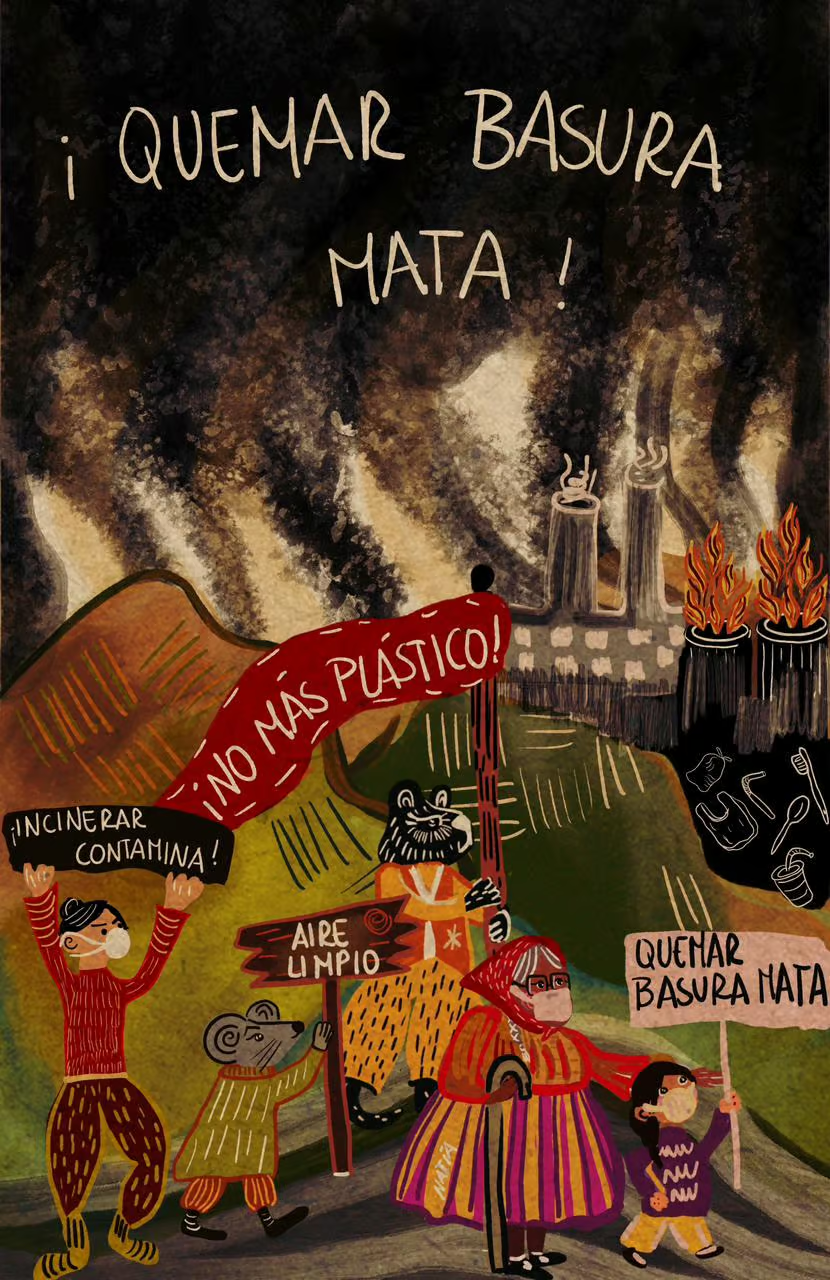
Esta base de datos nace como una respuesta colectiva frente a la creciente ola de proyectos que promueven falsas soluciones para la gestión de residuos en América Latina y otras regiones del Sur Global. Incineradoras, plantas de "waste to energy", co-procesamiento en cementeras o reciclaje químico, se presentan como respuestas técnicas modernas, pero en la práctica reproducen impactos profundos y desiguales sobre los territorios, las comunidades y los sistemas públicos de gestión de residuos.
En este contexto, las organizaciones sociales, ambientales y comunitarias no pueden enfrentar estos proyectos únicamente desde la indignación o la urgencia del conflicto, por más legítimas que estas emociones sean. La experiencia en los territorios ha demostrado que quienes impulsan estas tecnologías se amparan en lenguajes técnicos, estudios fragmentados y marcos regulatorios complejos que buscan desplazar el debate hacia terrenos donde las comunidades o siempre cuentan con herramientas suficientes para responder.
Esta base de datos surge, entonces, para equilibrar esa asimetría, poniendo al alcance de las organizaciones evidencia científica, académica y técnica que permita sostener las luchas desde argumentos sólidos, verificables y contextualizados.
El objetivo no es reemplazar la experiencia territorial ni despolitizar los conflictos, sino articular el conocimiento técnico con la realidad vivida. La quema de residuos no es solo un problema ambiental, tiene impactos económicos, sociales, sanitarios y políticos que se entrecruzan. Afectan presupuestos públicos, redefine modelos de desarrollo local, afectan la salud de las comunidades, debilitan el trabajo del movimiento reciclador y consolidan decisiones tomadas sin participación real.
Esta base de datos busca ofrecer una mirada integral de estos impactos, demostrando que las falsas soluciones no pueden evaluarse de forma aislada, sino como parte de un modelo que profundiza desigualdades y sacrifica territorios en nombre de la eficiencia.
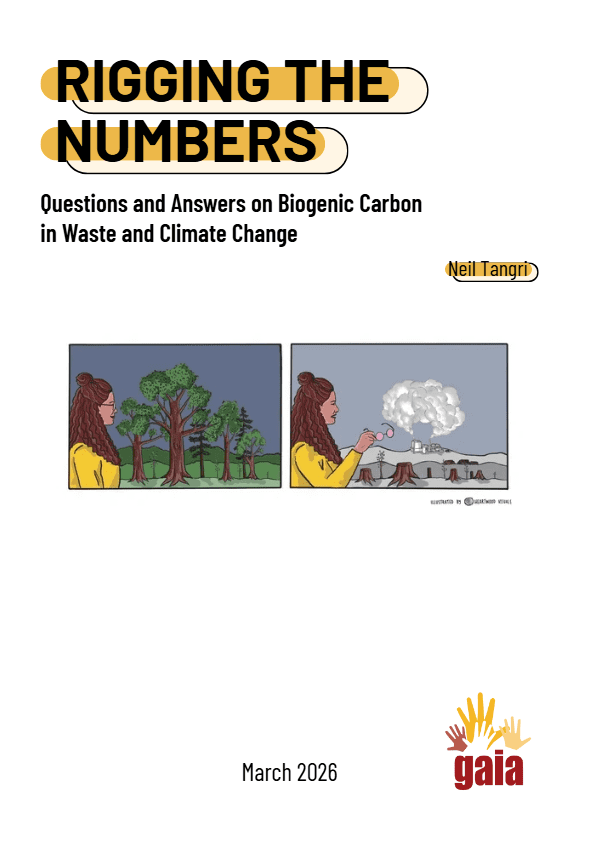
RIGGING THE NUMBERS: Questions and Answers on Biogenic Carbon in Waste and Climate Change
UN Day of ZW 2026 - Climate -
This brief Q&A explains why biogenic CO2 is not inherently climate-neutral, how IPCC inventory guidance is frequently misinterpreted to justify these exclusions, and how waste facilities must report biogenic carbon emissions as well as fossil carbon emissions.
Lutter contre les émissions de méthane des décharges grâce à la justice environnementale
- Climate -
Le présent rapport décrit les risques liés aux approches habituelles (« Business As Usual » ou BAU) en matière de réduction des émissions de méthane provenant des décharges et plaide en faveur d'une réponse durable et axée sur la justice. Il s'appuie sur des données internationales, sur les tendances politiques actuelles et sur l'expérience des communautés pour identifier les solutions efficaces et inefficaces en matière de fermeture des décharges et de gestion des déchets organiques.
06 January 2026– #RefuseSingleUseDay shines a light on a simple idea that feels almost old-fashioned: stop treating things as throwaways in the first place. From plastic sachets to paper cups to misleading bio-based packaging, single-use items continue to strain ecosystems and local budgets. The campaign demands a systemic shift away from the “take-make-waste” economy that has led us into the throes of a triple planetary crisis of pollution, biodiversity loss, and climate change.
Reuse offers a far more grounded approach, and many communities are proving that it works. Reuse systems rely on durable products and toxic-free packaging designed for repeated cycles of use. This cuts waste at the source, reduces reliance on costly disposal systems, preserves natural resources, and supports the local economy with green jobs. Around the world, local initiatives show how reuse can work in practice. In Asia, the Kuha sa Tingi (take by small amounts) refill system in the Philippines, crockery rental banks in India, reusable tableware services in Hong Kong, and Vietnam’s Refillables Dong Day demonstrate that reuse can fit many cultural and economic contexts.
In much of the Global South, reuse and refill are hardly radical ideas. Not long before companies brought single-use to our homes, people topped up their containers at neighborhood shops, borrowed shared items for gatherings, and passed along used objects for generations. These long-standing habits prove that reuse is practical, shaped by local knowledge, and protects cultural identity. The recent influx of investment and policy support is simply helping scale models that have worked for generations.
While these practices never disappeared in many parts of the world, Europe is now showing how policy and investment can bring reuse to a city-wide scale: municipal policies, shared infrastructure, and programs like the Elevating Reuse in Cities (ERIC) and the RSVP Reuse Blueprint are turning pilots into city-wide solutions with deposit-and-return schemes and public procurement strategies that create local green jobs.
Reports such as The Economics of Reuse Systems and Unpacking Reuse in Asia outline the social and economic case for reuse. Citing business initiatives, the reports recommend stronger policies that include Extended Producer Responsibility fees that help fund reuse infrastructure and place clear responsibility on producers and public authorities.
” Reuse cannot be treated merely as a pilot—it must become the new norm within production and consumption systems. Moreover, several Southeast Asian countries have already established national roadmaps, which can serve as a strong foundation aligned with the waste-reduction ambitions of the Global Plastic Treaty,” stresses Rahyang Nusantara of Dietplastik Indonesia, a co-convenor of the Asia Reuse Consortium – a collaborative network of CSOs, businesses, and government officials dedicated to promoting reuse as a sustainable alternative to single-use packaging.
This January 6 marks Refuse Single-Use Day, a global initiative launched in 2023 to push back against our throwaway culture. The campaign unites businesses, governments, civil society organizations, and young people to challenge the norms of disposability. Rather than swapping one waste stream for another, it calls for reducing reliance on all single-use materials, whether plastic, paper, or bio-based alternatives. By championing real, scalable reuse systems, the movement advocates for a shift from the ‘take-make-waste’ economy to a future built on genuine reuse and zero waste. This year also marks a milestone: the second anniversary of the Asia Reuse Consortium, a key force in driving reuse collaboration across the region.
A cleaner path forward starts with funding reuse infrastructure, aligning on shared standards, and scaling local solutions that are already proving their worth. Done well, reuse doesn’t just trim waste; it protects ecosystems and creates green jobs with actual staying power. A healthier future isn’t wishful thinking; it’s practical, it’s doable, and it’s sitting in a tote bag near you. Remember—always #ChooseReuse.
Media Contacts:
Dan Abril, Communications Officer for Programs, GAIA Asia Pacific | dan@no-burn.org | +639174194426
Robi Kate Miranda, Communications Officer for Campaigns, GAIA Asia Pacific | robi@no-burn.org | +63927 585 4157
2026 January 01 – As the world welcomes the New Year, more than 1,000 Civil Society Organizations and Grassroots community groups in over 90 countries are also gearing up for the annual celebration of International Zero Waste Month, amplifying the call for more investment to help cities transition to the zero waste system. This January, GAIA and its members launch International Zero Waste Month 2026, putting a spotlight on the fact that it is increasingly hard for governments and investors to ignore: Zero Waste is not some fringe dream; it’s a tested solution that now needs appropriate financing to scale.
Marking the first IZWM after GAIA’s 25th anniversary, this global month of action celebrates a quarter century of collaboration that has reshaped how cities manage waste, how communities push back against polluting industries, and how real Zero Waste systems can thrive when people lead the charge.
Over the past twenty-five years, GAIA members have demonstrated reuse systems, segregation-at-source programmes, composting schemes, and waste worker integration that have already transformed neighbourhoods and cities.
In the Philippines, San Fernando achieved city-wide compliance through community-led segregation. Bandung, Indonesia, reduced landfill waste by 73–86% via decentralized composting and recycling, while Kerala, India, scaled similar decentralized systems across the entire state. Tallinn, Estonia, became the country’s first Zero Waste Candidate City. Across Latin America, Buenos Aires integrates waste pickers into replicable systems. In Africa, GAIA pilots demonstrate how community projects can defeat incinerator plans. Meanwhile, in North America, groups in Halifax and Nanaimo are steadily advancing their zero waste goals.
Tallinn, Estonia, became the first Estonian Zero Waste Candidate City. In Latin America, Buenos Aires integrates waste pickers into replicable systems. In Africa, GAIA pilots defeat incinerators with community projects. In the US and Canada, groups like Halifax and Nanaimo advance zero waste goals.
From Asia to the rest of the world, Zero Waste systems are building momentum. Yet, far too many of them depend on interim, project-based funding that keeps the solutions small and long-term impact susceptible to political and financial whims. IZWM 2026 puts the spotlight squarely on this gap, calling on partners, donors, and allies to back the systems and communities that are already proving Zero Waste works.
Throughout January, IZWM 2026 will unfold through weekly themes that bring to life the story of the movement, from the barriers communities face to innovations changing whole cities. Each week will be member-led actions, reports, digital campaigns, and stories to lift work happening on the ground and amplify global solidarity.
IZWM 2026 Weekly Themes:
Week 1: Launch (Jan 1–5): A global kickoff celebrating the 25-year journey of GAIA, charting a bold path toward long-term Zero Waste investment.
Week 2: Barriers to Zero Waste (Jan 6–12): This includes, but is not limited to, single-use dependence and policy loopholes; all of which are underlined by the global #RefuseSingleUse Day.
Week 3: Solutions Week (Jan 13–19): We showcase community-led innovations involving reuse systems, segregation-at-source programmes, and composting models.
Week 4: False Solutions Week (Jan 20–26): An exposé on misleading approaches: incineration and plastic credits that divert resources away from real climate and waste solutions.
Week 5: Humans of Zero Waste (Jan 27–31): Emphasizing the backbone of the movement: waste pickers and others in the informal waste sector, community leaders, and zero waste champions who, through their labour and leadership, effect system-wide change.
Objectives of the month-long campaign are clear: positioning zero waste as one of the most effective responses to the global waste crisis; amplifying the work and leadership of member organisations worldwide; strengthening a unified narrative about the change the movement is driving.
By focusing on the people and communities leading this shift, GAIA aims to bring the story of zero waste beyond policy circles into public consciousness. Throughout January, spokespeople, case studies, and grassroots perspectives from GAIA and its members will be made available. As the world faces rising waste volumes, worsening climate impacts, and mounting pressure to move beyond fossil-fuel-driven industries, IZWM 2026 shows that zero waste solutions are already working. What the world needs now is the political will and financial backing to take them mainstream.
The International Zero Waste Month is featured in the following partner media outlets: Daily Asia Today Quetta (Pakistan), The Manila Times (The Philippines), Boracay Island News Network (The Philippines), and Pressenza.
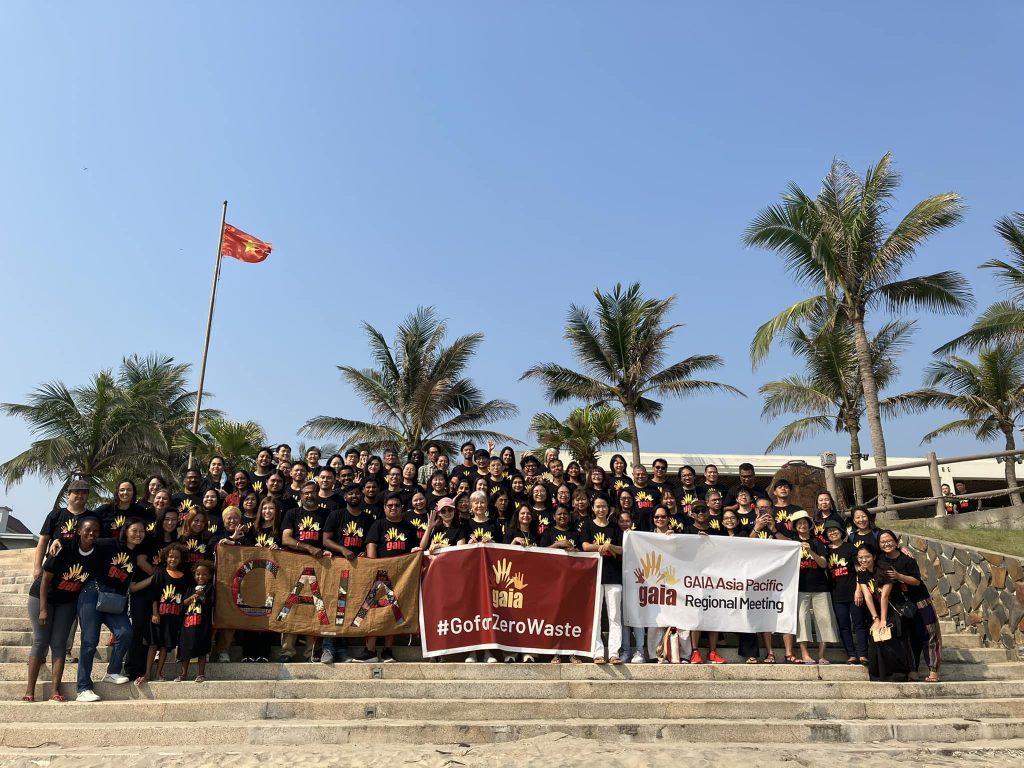
As we mark GAIA’s twenty-fifth year, we’re taking a moment to honour the people, movements, and everyday acts of courage that shaped this global community. What began as a shared refusal to accept toxic, extractive systems has grown into a vibrant network pushing for justice, circularity, and care at every level.
To celebrate this milestone, Dr. Shahriar Hossain of the Environment and Social Development Organization (ESDO) in Bangladesh offers a poem that traces the quiet power of collective work from the ground up. It’s a reflection on how far we’ve come and a reminder of the roots that hold us steady as we face the years ahead.
Below is his tribute to the movement and everyone who has carried it forward.
Tide & Root: From Ash to Apples
Shahriar Hossain, Ph.D.
Twenty-five years — GAIA rose like tide and root,
quiet muscle, steady pulse, reclaiming our roots.
We flipped ash into seed; we refused to burn tomorrow;
we taught our children: refuse is not fate, but work to borrow.
Neighbors raised banners, set the kitchen table high —
grandmothers with compost scoops, youth mapping every by way.
We unmasked the smoke with stories, petitions, and hands;
we seized what was wasted and re-domesticated care in our lands.
From alley pots to island sands, our palms learned to sort and heal;
we composted histories and pressed them back into the soil.
Rubble of neglect became rich loam, rivers mended, markets steadied,
incinerators weakened as knowledge walked door to door, ready.
Repair, reuse, refuse — we rewove the small economies of home;
each household a workshop, each neighbor a step toward the comb.
A global choir — elders, youth, frontline keepers — braided practice into law;
this resistance cleared the air, cleaned our memory, demanded circular justice for all.
Twenty-five years of grit and grace: ash to apple, shame to neighborhood power.
Let the next decades be fuller, kinder, rooted in each home and hour.
Whole and together — we commit, we keep, we rise: we are the work, the promise, the morning’s steady prize.
Photo: NGO Forum on ADB
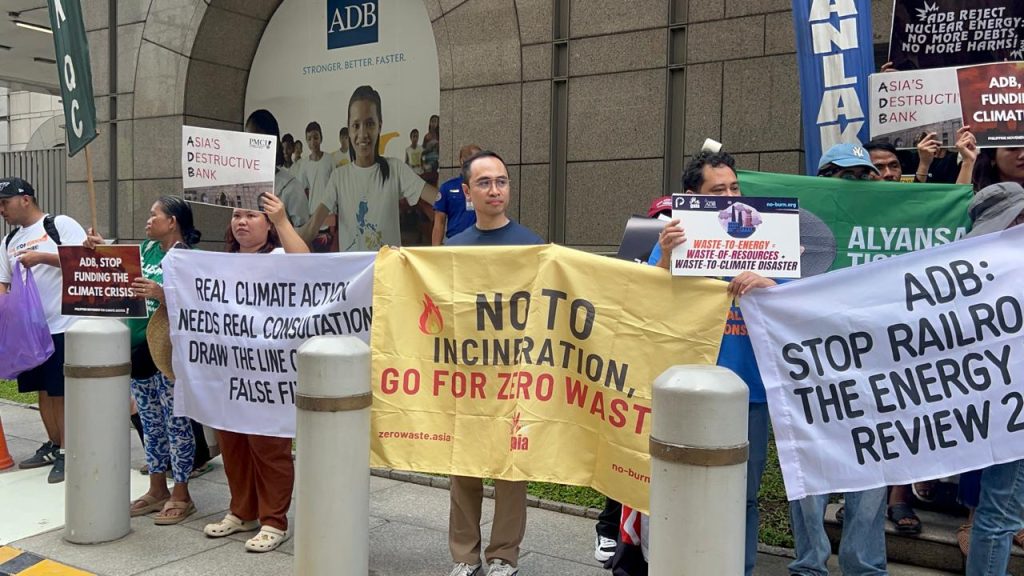
Mandaluyong City, Philippines – 14 August 2025 – Today, environmental advocates and community members gathered outside the Asian Development Bank (ADB) headquarters to oppose the Bank’s proposed revisions to its Energy Policy. The changes are being introduced in a railroaded process and could lead to increased funding for waste incineration, mining, and nuclear power development, and other contentious energy projects across Asia.
The ADB is in the final stages of its midterm Energy Policy review, with the Board expected to vote on the updated policy in October 2025. Apart from failing to prioritize waste reduction, reuse, and recycling before burning waste for energy development as committed in the Bank’s Energy Policy, it is even expanding waste-to-energy (WTE) incineration. The Bank proposes to burn a fraction of waste in power plants called co-firing biofuels. GAIA says it delays the much-needed termination of coal plants, generates more greenhouse gases (GHG) and other toxic emissions, and disincentivizes efforts towards environmentally preferred methods in the waste hierarchy.
“We looked to the ADB to set an example in climate leadership and clean energy investment — not take us backward,” said Brex Arevalo, GAIA Asia Pacific’s Climate and Anti-incineration Campaigner. “The Bank’s willingness to support these false solutions shows a shocking disregard for resource conservation, health, and climate change. How many more resources will the ADB burn on a dying planet?”
The Bank also proposes repurposing coal plants into municipal WTE incineration facilities or to burn fully with biomass materials. “Given that even problematic waste streams with toxic content like processed plastic wastes and spent tires are now being considered as biomass, the Bank is wasting scarce public funds on prolonging the agony of coal-impacted communities by turning them into WTE plants ”, Arevalo said.
Attaching carbon capture storage facilities to WTE plants is also being proposed by the Bank. Another expensive and untested technology that only delays much-needed closure of high carbon-emitting technologies, according to Zero Waste Europe.
Community concerns aren’t just unfounded fears— they are supported by hard evidence. A recent citizen-led air quality study in Surabaya, Indonesia, Ogijo, Nigeria, and Dumaguete, Philippines, found particulate matter pollution near waste-burning plants reaching up to eight times above WHO safety limits. In Dumaguete, experts estimate shutting down a local pyrolysis-gasification plant could prevent nearly 180 premature deaths annually.
“These numbers represent people’s lives—children with breathing difficulties, farmers exposed to dangerous air, waste workers in the facility, and elders living in unsafe conditions,” said Merci Ferrer, Co-convenor of War on Waste-Break Free From Plastic (WoW-BFFP) Negros Oriental. “Communities have been ignored for too long, and the time for empty promises is over.” As a result of the study of WoW-BFFP Negros Oriental, the newly elected Dumaguete Mayor, Manuel Sagarbarria, has ordered the facility to stop its operations.
And, beyond air pollution, the health risks of waste incineration extend into the escalating climate crisis. Heatwaves — periods of unusually high temperatures — are becoming more frequent and deadly, especially in densely populated areas like Delhi, India. Between 2013 and 2022, over 10,600 deaths in India were attributed to heat-related causes, disproportionately affecting vulnerable groups such as the elderly, children, and outdoor workers. WTE incinerators themselves contribute to this problem by releasing large amounts of heat during their high-temperature processes.
Protesters demanded that the ADB immediately phase out its support for WTE incineration and other false solutions and instead back proven, community-centered approaches: reducing waste before it’s created, composting organic waste to cut methane emissions, and investing in clean, renewable energy that protects both people and the environment.
In the past year alone, other international financial institutions like the World Bank and the Asian Infrastructure Investment Bank (AIIB) had terminated several proposed WTE incineration projects due to their high risks from community resistance to lack of financial viability.
“Energy Policy Review for this year, rushed by the ADB, only shows how corporate interests are being put on the pedestal over people and the planet,” said Nazareth Del Pilar of NGO Forum on ADB. “Instead of closing gaps in its policy, the Bank is slipping in dangerous provisions that deepen debt, sideline human rights, and abandon justice-centered solutions.”
Brex Arevalo, Climate and Anti-incineration Campaigner, GAIA Asia Pacific | albrecht@no-burn.org | +639983510912Dan Abril, Communications Associate, GAIA Asia Pacific | dan@no-burn.org | +639174194426
New assessment urges a climate-smart approach to Indonesia’s waste sector amid landfill crises and growing climate finance opportunities.
Bandung, 03 June 2025 — Composting organic waste and implementing decentralized zero waste strategies could enable Indonesia to meet its climate targets in the municipal solid waste sector while addressing its escalating landfill crisis. A new assessment by Global Alliance for Incinerator Alternatives (GAIA) finds that focusing on source separation, separate waste collection and decentralized organic waste treatment—such as composting, biodigesters, and Black Soldier Fly (BSF) farming—offers the most effective, inclusive, and climate-smart approach to reduce methane emissions, the dominant climate pollutant from Indonesia’s waste sector.
Dwi Sawung, Spatial and Infrastructure Campaign Manager of WALHI comments, “Putting communities and climate at the heart of Indonesia’s climate ambition is a must, particularly with the Indonesia government’s latest plan to close 343 open dumping sites, or simply dumpsites, nationwide. We must ensure that this critical action is paired with a genuine just transition—one that protects the livelihoods of over 600,000 waste pickers and informal workers and equips them for new opportunities in decentralized organic waste treatment.”
He adds, “By embedding meaningful consultation, targeted support programs, and dedicated financing for community‑ and waste‑picker‑led composting, biodigestion, and black soldier fly initiatives into the closure plan, put them as part of new waste management system, we can close dumpsites without leaving anyone behind—and chart a truly inclusive path to a zero‑waste, zero‑emission future.”
Indonesia generates over 32 million tonnes of waste annually, with more than 50% made up of organic materials like food and garden waste. Methane from this unmanaged organic waste accounts for 56% of Indonesia’s total methane emissions, making waste the country’s largest methane-emitting sector. Yet, Indonesia’s current climate strategy leans heavily on costly, polluting end-of-pipe technologies such as Waste-to-Energy (WTE) incineration and Refuse-Derived Fuel (RDF), which are poorly suited to Indonesia’s wet waste and risk shifting methane to long-lived CO₂ emissions. These solutions have also triggered public backlash and project failures across the country, including at the Rorotan and Jimbaran RDF facilities.
“Separate waste collection and decentralized organic treatment have proven to be sustainable and resilient strategies in Bandung,” said David Sutasurya, Director of YPBB Bandung. “These decentralized strategies not only cut emissions, but also create green jobs, strengthen the local economy, and support waste workers and small businesses. They even contribute to food security by producing healthy compost that supports local agriculture—improving the citizens quality of life.”
David Sutasurya also highlights that “Even during the waste emergency, districts practicing zero waste were largely unaffected by landfill closures or fires, and continued reducing methane emissions through community-led systems.”
City-level experiences in Bandung, Cimahi, Karawang, Purwakarta, Sumedang, Gianyar, Solo, and Gresik show that this approach is not only technically viable but also resilient—districts implementing zero waste strategies remained operational during recent landfill closures.
The report, Ramping Up Ambitions on Waste Methane and Just Transition in Indonesia, urges Indonesia to update its Second Nationally Determined Contribution with stronger targets and clear, upstream measures that prioritize source-separated collection, decentralized organics processing, and the inclusion of informal waste workers.
Yobel Novian Putra, Global Climate Policy Officer of GAIA stresses, “Indonesia’s Second NDC represents a pivotal moment to shift away from emission‑intensive, highly expensive, downstream-focused technologies —particularly WtE incineration, RDFs and landfill gas capture— that only switches methane emissions to carbon dioxide, undermining long-term climate goals. Instead, the Government of Indonesia should harness the untapped potential of food loss and waste prevention and organic waste treatment.”
He continues on saying that, “By prioritizing solutions that follow the waste hierarchy, Indonesia can cut landfill methane by over 90%. Such strong ambitions in the Second NDC can unlock vital international and domestic finance to drive implementation and curb waste methane fast, most especially for local governments, community groups and waste pickers who are at the forefront of implementation but also most affected by the recent nation-wide plan of dumpsite closures.”
Importantly, the report reveals that these climate-aligned actions could unlock international climate finance. Global frameworks such as the Global Methane Pledge, Reducing Organic Waste (ROW) Declaration, and the Lowering Organic Waste Methane (LOW-M) Partnership highlight the growing momentum and funding opportunities available for methane reduction strategies rooted in environmental justice. However, Indonesia’s current unconditional (CM1) and conditional (CM2) NDC targets fall short of ambition—missing a key opportunity to scale up proven, community-led organics management.
As Indonesia prepares to submit its updated Second NDC at COP30, the message is clear: addressing the country’s largest methane source—organic waste—through inclusive, simple yet effective solutions will not only fulfill climate commitments but also support a just transition and unlock critical climate finance. This is a once-in-a-decade chance for Indonesia to lead by example and become a climate champion in the waste sector.
Wahana Lingkungan Hidup Indonesia (WALHI): Moriska Pasally, Public Engagement Staff | 085398490395 | Moris@walhi.or.id
Global Alliance for Incinerator Alternatives (GAIA): Sonia Astudillo, Global Climate Communications Officer | +639175968286 | sonia@no-burn.org
Global Alliance for Incinerator Alternatives (GAIA) Asia Pacific: Dan Abril, Communications Officer for Programs | +639174194426 | dan@no-burn.org
About GAIA:
GAIA is a network of grassroots groups as well as national and regional alliances representing more than 1000 organizations from 92 countries. With our work we aim to catalyze a global shift towards environmental justice by strengthening grassroots social movements that advance solutions to waste and pollution. We envision a just, Zero Waste world built on respect for ecological limits and community rights, where people are free from the burden of toxic pollution, and resources are sustainably conserved, not burned or dumped. www.no-burn.org
Yaksa Pelestari Bumi Berkelanjutan (YPBB) is a professional non-profit organization based in Bandung, Indonesia, dedicated to helping society achieve a high quality of life for humanity, through a lifestyle in harmony with nature. Known for its leadership in the zero waste movement, YPBB works through community organizing, education, and support for infrastructure and policy innovation. YPBB is a member of the Global Alliance for Incinerator Alternatives (GAIA) and the Aliansi Zero Waste Indonesia (AZWI). Explore more about YPBB’s programs and vision at our website.
About Wahana Lingkungan Hidup Indonesia (WALHI)
Wahana Lingkungan Hidup Indonesia (WALHI) is a non-government organisation forum. WALHI unites more than 504 NGOs and 199 individuals throughout Indonesia’s vast archipelago, with independent offices and grassroot constituencies located in 29 of the nation’s 38 provinces. Since its establishment on October 15, 1980, WALHI has actively promoted efforts to preserve and protect the environment in Indonesia. WALHI works to encourage the realization of recognition of the right to the environment, to protect and fulfill human rights as a form of State responsibility for the fulfillment of people’s livelihoods. WALHI is a member of the Global Alliance for Incinerator Alternatives (GAIA) and the Aliansi Zero Waste Indonesia (AZWI). Explore more program and our vision through our website at www.walhi.or.id
Environmental Groups Expose Lack of Transparency, Cite Health and Climate Risks of WtE Project
Environment groups in Iloilo City, Philippines call for transparency in city government’s WtE agreement
ILOILO CITY, ILOILO, PHILIPPINES — April 1, 2025 – A proposed Waste-to-Energy (WTE) plant in Iloilo has sparked fierce opposition from a coalition of environmental groups, who warn that the project could do more harm than good. The newly-formed group, “Green-Empowered Movement,” is calling on the local government to come clean about the project’s environmental and health risks, decrying the lack of transparency surrounding its approval process.
Despite mounting concerns, city officials have failed to disclose critical information about the Integrated Solid Waste Management Facility (ISWMF) and its WTE component. The coalition, composed of Green Forum Panay-Guimaras, ILIG Batiano, Greenpeace Iloilo Volunteers, People Against False Solutions, Green EcoWarriors, and Youth Voices Count, Inc., issued a strong statement at today’s Multi-sectoral Environmental Forum and Press Conference at the UP Visayas Little Theater, demanding full transparency and public accountability.
In an open letter addressed to Iloilo City Mayor Jerry Treñas, the group underscored that since March 2024, when reports surfaced that the Iloilo City government had signed a joint venture agreement (JVA) with Metro Pacific Water Investments Corp for the WtE plant, requests for project details have been met with silence.
“We REITERATE our call to the Iloilo City Government for absolute transparency on the ISWMF/WtE project and the health and environmental harms of waste incineration. The city must inform Ilonggos how they decided on such hazardous technology, whether people have been told the risks, and what the city’s plan is to protect the community from health impacts and pollution of waste-to-energy. The city should stop promoting false solutions and make decisions that protect people.” – Romela Gianan, Greenpeace Iloilo Volunteers Coordinator
The coalition criticized the city government’s February 2025 public consultation, arguing that such discussions should have taken place before signing agreements. According to the 2023 guidelines set by the National Development and Economic Authority, stakeholders must be informed of the key terms of a Joint Venture Agreement (JVA) within seven days of negotiation. This did not happen, instead, residents were left in the dark until the consultation, where many voiced their strong opposition.
Further highlighting the transparency issue, Barangay Ingore officials revealed in June 2024 that they were unaware of the WtE project when coalition members visited the site. That same month, the city government was invited to discuss the project at a public forum organized by civil society organizations. Despite confirming attendance, city officials failed to appear, missing a critical opportunity to address public concerns.
“Elected leaders should prioritize the safety of their communities. We want a future – a healthy future for all. Let’s not be greenwashed. A bane is a bane. Let’s protect our communities and the next generations to come.” – Kyla Balibagoso, Lead Convenor of Green EcoWarriors
The ISWMF will be built next to an existing coal plant and will house facilities for anaerobic digestion, refuse-derived fuel (RDF) processing, desalination, and materials recovery. The coalition’s primary concern is the WtE plant and the RDF, which essentially repackages waste as fuel. Both processes emit harmful air pollutants, greenhouse gases, and toxic by-products like ash, which even advanced filtration technologies cannot fully contain. Ash disposal has already been a longstanding environmental issue for Iloilo communities, and the proposed WtE facility will only worsen the issue.
If these facilities proceed, the coalition warns of severe environmental and health consequences. According to the Iloilo Provincial Health Office, respiratory tract infections are among the leading health concerns in the city. The proximity of WtE plants and RDF co-processing in coal plants can heighten these risks, increasing the likelihood of respiratory illnesses, cancers, and other health complications. Additionally, the ISWMF’s location, less than 50 meters from residential areas, raises concerns about the forced displacement of residents to accommodate the daily transport of waste.
“With Iloilo City considered as among the walkable and progressive cities in the country, these projects defeat the purpose of truly achieving a “green” city. A true green city is one where communities are not only protected but also its resources; this ensures long – term sustainability at the core of true “development”, and not just “industrialization” with no nature – based solutions.” – Queenie Agdalipe, Coordinator of People Against False Solutions
“Climate change affects everyone, but its impacts are not equally distributed, with marginalized groups often bearing the brunt. We, the youth of Iloilo City, support efforts to build a greener city while urging the local government to ensure an equitable climate justice response that includes and uplifts diverse voices, especially young people of varying SOGIESC. A truly green city must embrace and recognize all the colors of the rainbow.” – Toni Lopez, Executive Director of Youth Voices Count
Beyond environmental and health risks, the coalition fears that Iloilo’s vision of becoming a model green city and a champion of good governance is at stake. By sidelining public participation, transparency, and accountability, the city government is undermining its people and aspirations.
“There is a need to highlight a green environmental agenda in the coming local elections to elect officials who will stand for the people’s welfare and sustainable development.” – Melvin Purzuelo, Executive Director of Green Forum
A Call for Sustainable Waste Solutions
The Green-Empowered Movement argues that WtE incineration and RDF co-processing are dangerous distractions to real solutions. Instead of addressing waste at its source, these perpetuate harmful wasteful production and consumption patterns. The coalition emphasizes that real climate action should focus on waste prevention, sustainable product design, and zero waste systems that empower communities and waste workers.
“Real-world evidence of the failures of WtE incineration and RDF co-processing must not be ignored. Ilonggos do not deserve false solutions that are imposed on them like the pollution-heavy Panay coal plant which seeks to benefit from the current ISWMF proposal by using RDF as feedstock. We are confident that Iloilo City will not be blinded by false promises and will ultimately choose a zero waste path that is just, inclusive, and addresses the root causes of waste through reduction, reuse, and safe recycling. But first, the city government must readily disclose all information about the project, including environmental and social impact assessments, terms of the joint venture agreement, and other pertinent documents.” Brex Arevalo, Climate and Anti-Incineration Campaigner, GAIA Asia Pacific “The issue of waste management is a rather broad field, which might be motivating many, but it’s also an area that must be met with responsible management and science-based solutions because of its impacts. A lot of data on WtE incineration having risk hazards, which stays for years, are already out there. The reason for shut down of these facilities in the Global North — notably in 2023, where French health authorities raised concerns about chicken egg contamination near WtE incinerators in Paris, specifically due to elevated levels of persistent organic pollutants (POPs) and PFAS — is a testimony of the adverse health and and environmental risks that comes with them. With Asia being its new market, environmental organizations must be at the forefront of putting a stop to this while ensuring knowledge management and information dissemination among communities, especially stakeholders involved. “ Queenie Agdalipe, Coordinator of People Against False Solutions: an EcoWaste Coalition Movement for Iloilo
“Cities need real solutions that address the waste problem at the source with measures to reduce waste generation and cut plastic production and use. What they don’t need is yet another problem in the form of incineration or WtE – harmful processes that produce pollution and health threats. Instead of compromising the safety of citizens, the Iloilo City government and other LGUs must enact single-use plastic bans and mandate the adoption of reuse systems. Ilonggos and all Filipinos deserve safe and just solutions that put people and planet first.” Marian Ledesma, Zero Waste Campaigner, Greenpeace Philippines
###
Green-Empowered Movement: Melvin Purzuelo, Green Forum Representative | +63 9162507401 | mbpurz@gmail.com
GAIA Asia Pacific: Robi Kate Miranda, Communications Officer for Campaigns | +63 9275854157 | robi@no-burn.org
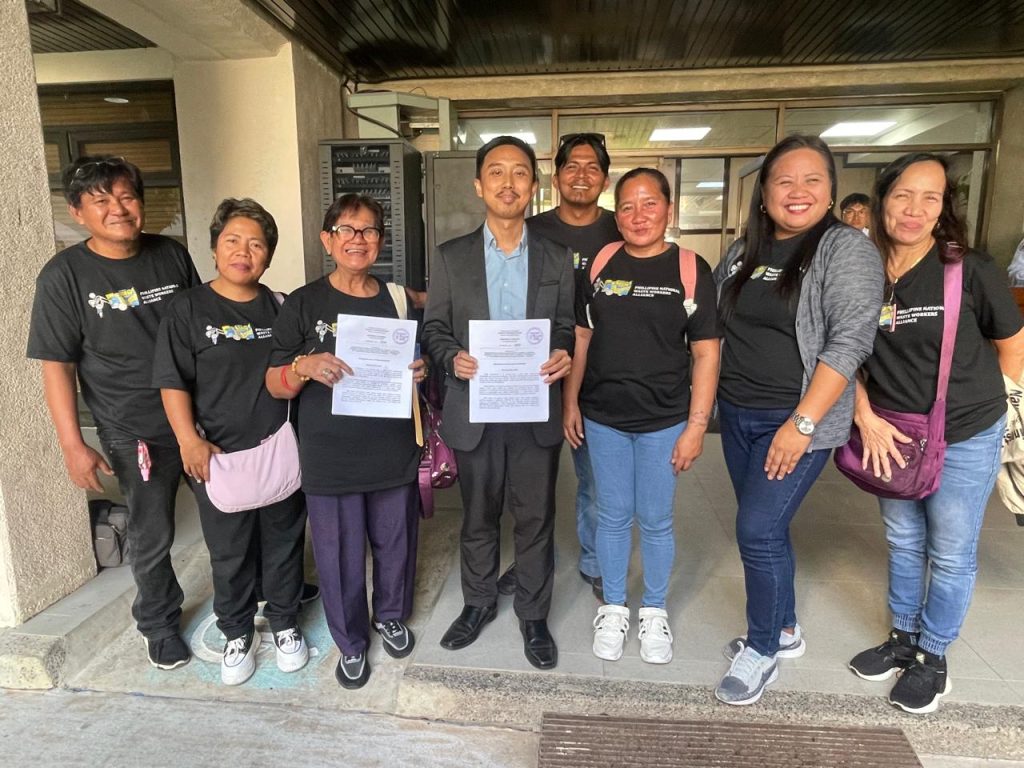
Manila, Philippines, 27 February 2025 — For decades, waste workers have kept Philippine cities clean, yet their labor remains invisible, their rights ignored, and their welfare neglected. Now, they are making their voices heard where it matters most—bringing their fight to the halls of power. The Philippine National Waste Workers Alliance (PNWWA) is taking its call for justice and recognition to the Senate and House of Representatives, demanding urgent legislative action to protect and uplift the country’s waste workers.
Established in February 2024, PNWWA brings together 12 waste worker organizations, representing over a thousand members nationwide,. The alliance is at the forefront of the push for legislative measures to safeguard the rights, dignity, and livelihoods of waste workers and pickers across the Philippines.
In a recent series of engagements, PNWWA, alongside Mother Earth Foundation and the Global Alliance for Incinerator Alternatives (GAIA) Asia Pacific, visited the offices of 22 senators to press for the effective implementation of the Magna Carta of Waste Workers. The Magna Carta, prepared by waste workers and for waste workers, underscores the urgent need for fair wages, social protection, and improved working conditions, highlighting the indispensable role of waste workers in environmental sustainability and waste management. It was filed by Senator Loren Legarda as Senate Bill 2636 in April 2024 and is currently pending at the committee level. The waste worker leaders also met with the legislative staff of Senator Pia Cayetano, who acknowledged these pressing concerns and expressed a willingness to collaborate on strengthening policies for waste workers.
PNWWA also visited the House of Representatives, engaging with key legislators to push for the formal recognition of waste workers in national policies. Among the offices visited was the Kabataan Partylist, a Committee on Labor and Employment member, which has historically supported labor rights and progressive policies. The alliance is urging lawmakers to prioritize their inclusion in labor protections, ensuring that the people who keep communities clean and contribute to the country’s circular economy are no longer left behind.
Despite their critical role in waste management and environmental conservation, many waste workers continue to endure hazardous conditions, substandard wages, and a lack of government support. PNWWA seeks to dismantle these systemic injustices by advocating for:
Policy Advocacy – Working with lawmakers to secure legal recognition, fair wages, and labor protections for waste workers.
Capacity Building – Providing education, training, and financial programs to enhance workers’ economic opportunities.
Health & Safety Protections – Ensuring access to healthcare, proper safety standards, and protective measures in their workplaces.
Public Awareness & Mobilization – Elevating the visibility of waste workers’ contributions and rallying support for their rights.
“Naniniwala kami dahil sa batas na aming isusulong kami ay kanilang tutulungan para sa aming mga karapatan, bigyan ng hustisya para sa serbisyo, kilalanin at ituring na tao na may puso na nasasaktan. Kami ay nagkakaisa sa aming layunin at adhikain nawa’y kami ay kanilang pakinggan hindi madali ang aming trabaho, kung wala kami paano na bansa natin. May dagat o ilog pa bang malalanguyan, malinis na hangin pa bang lalanghapin. Bigyan kami ng alaga dahil kami ay mahalaga,” said PNWWA founding president Aloja Santos.
[Translation: “We believe that through the law we are advocating for, they will help us uphold our rights, provide justice for our service, and recognize us as human beings with hearts that can be hurt. We stand united in our mission and aspirations—may they listen to us. Our work is not easy, and without us, what will happen to our country? Will there still be seas or rivers to swim in? Will there still be clean air to breathe? Take care of us because we are important.”]
PNWWA Vice President Welma Fernandez also emphasized the necessity of their demands, stating, “Hindi luho ang aming hinihingi, kundi ang aming mga karapatan at mga pangangailangan.”
[Translation: “We are not asking for luxury, but for our rights and our needs.”]
Mother Earth Foundation and GAIA Asia Pacific echoed the call, stressing that proper implementation of waste management laws must include the just treatment of those who work on the frontlines of waste collection and recycling. They urged policymakers to prioritize waste workers’ inclusion in decision-making processes and secure their access to government programs and support systems. The organizations also reaffirmed its commitment to push for meaningful legislative action that upholds the dignity and welfare of waste workers across the country.
Rap Villavicencio, Mother Earth Foundation’s Deputy Director for Programs emphasizes, “Waste workers are the unsung heroes of our communities, tirelessly keeping our cities clean while their hard work often goes unnoticed. They deserve to be recognized not just for their labor, but for their contribution to global sustainability and help mitigate climate change. Through PNWWA, we are standing together to demand fair treatment, safe working conditions, and a voice in the policies that affect our lives. Let’s acknowledge their sacrifices, support the passage of Magna Carta for Waste Workers, and the vital role they play in creating a healthier, more zero waste Philippines.”
“While waste workers keep our communities clean, it is unfortunate that they have to demand protections that should have been theirs long ago. The Magna Carta for Waste Workers is a necessary step toward ensuring fair wages, social security, and basic workplace safety. Without it, waste workers remain trapped in dangerous, low-paying conditions, despite their crucial role in keeping our cities livable and our environment sustainable. We need lawmakers to act now—because every day of delay is another day of injustice.”, Froilan Grate, Regional Coordinator of the Global Alliance for Incinerator Alternatives (GAIA) Asia Pacific, mentioned.
PNWWA calls on government agencies, non-governmental organizations, the private sector, and the public to stand with waste in their fight for dignity, fairness, and justice. It is time to move beyond token recognition and translate words into action—because a just society does not discard the very people who sustain it.
###
Media Contacts:
Philippine National Waste Workers Alliance (PNWWA): Aloja Santos, President | +63 9066593323
Mother Earth Foundation (MEF): Khrisna Nañola, Communication Officer | +63 9953114273 | khrisnan.mef@gmail.com
GAIA Asia Pacific: Robi Kate Miranda, Communications Officer for Campaigns | +63 9275854157 | robi@no-burn.org
About PNWWA: PHILIPPINE NATIONAL WASTE WORKERS ALLIANCE (PNWWA) is an alliance composed of 12 waste workers groups representing over a thousand waste workers across the Philippines. Established in February 2024, the Alliance is working for the recognition and protection of their rights and welfare.
About MEF: MOTHER EARTH FOUNDATION PH is a non-stock, non-profit organization actively engaged in addressing waste and toxic pollution, climate change, and other health and environmental justice issues. It is best known for its advocacy of Zero Waste through the systematic reduction and proper management of waste.
About GAIA: GAIA is a network of grassroots groups and national and regional alliances representing more than 1000 organizations from 92 countries. With our work, we aim to catalyze a global shift towards environmental justice by strengthening grassroots social movements that advance solutions to waste and pollution. We envision a just, zero-waste world built on respect for ecological limits and community rights, where people are free from the burden of toxic pollution, and resources are sustainably conserved, not burned or dumped. www.no-burn.org
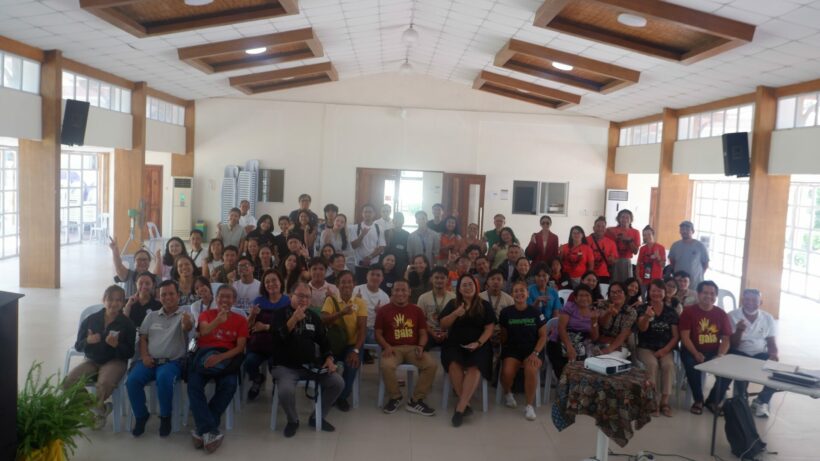
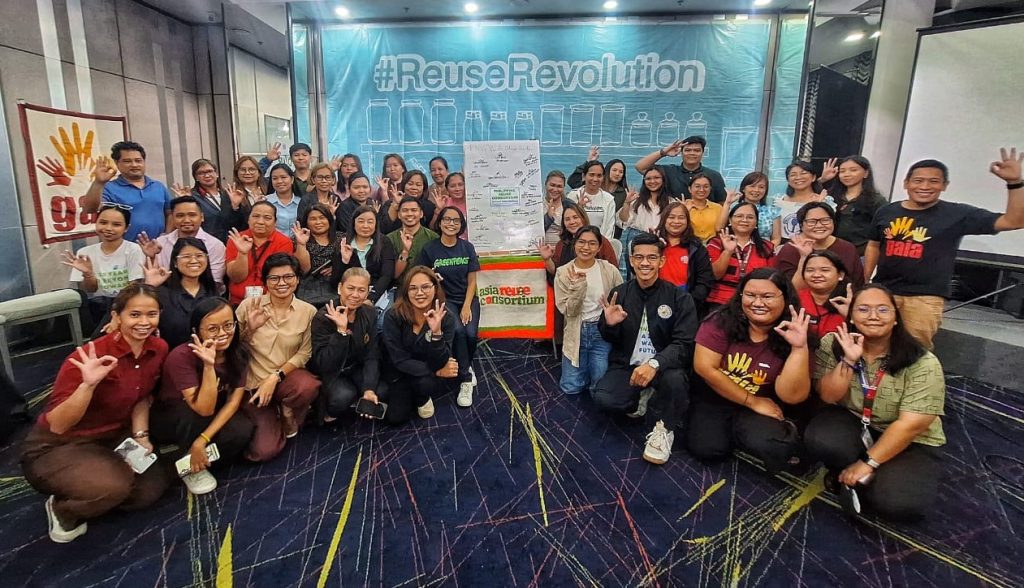
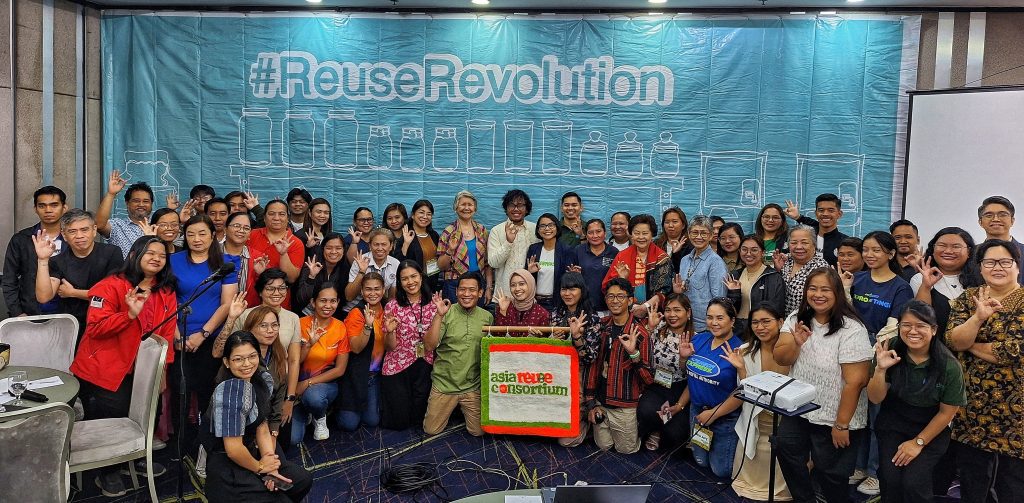
The Philippine Reuse Consortium. (Photo by Albert Lozada, Greenpeace Philippines)
Quezon City, 27 January 2025 – In celebration of International Zero Waste Month, the Philippine Reuse Consortium, the Philippine Chapter of the Asia Reuse Consortium, was officially launched this month. This marks a significant step forward in the fight against single-use plastics (SUPs) through innovative reuse solutions. The Consortium unites representatives from civil society organizations (CSOs), government agencies, and businesses in a shared mission to develop sustainable, community-driven solutions to plastic pollution.
The launch culminates the three-day workshop and stakeholder consultations on mainstreaming reuse and refill solutions in the country. The event which was organized by Greenpeace Philippines and the Mother Earth Foundation, with the support of Plasticdiet Indonesia, GAIA Asia Pacific, and the Break Free From Plastic movement, highlights scalable local initiatives, including zero waste sari-sari stores (small-scale convenience stores) carinderias (neighborhood eateries), and local reuse-and-refill stores such as Back-to-Basics and Sabon Express. These case studies offer valuable insights into adapting reuse systems to the Philippine context.
The consortium’s launch paves the way for developing a Philippine reuse roadmap, inspired by other examples in the country such as those initiated by Back-to-Basics and Sabon Express. Such a roadmap could chart a path on transitioning away from SUPs and towards scaling reuse and refill models designed to extend product life cycles, significantly reducing the environmental and social harms caused by SUPs. Research shows that reuse systems have the potential to cut plastic pollution by 30% and lower greenhouse gas emissions from packaging production by up to 80% by 2040.
As part of its efforts, the Consortium emphasizes collaboration among policymakers, businesses, and communities to institutionalize reuse systems and drive lasting environmental and economic benefits. By fostering partnerships and advancing reuse innovations, the PRC and the Asia Reuse Consortium are paving the way for a sustainable transformation in the Asia Pacific region.
The Consortium unveiled a five-year roadmap to mainstream and prioritize reuse, anchored on 10 key action points:
Advocating for progressive laws and policies. Prioritize lobbying efforts to establish and strengthen laws that support reuse systems with clear and measurable targets.
Strategic communications and public engagement. Amplify messages through media partnerships and public campaigns by disseminating PSAs and Information, Education, and Communication (IEC) materials.
Championing Role Models to Develop Champions. Identify and spotlight the work of individuals, communities, and organizations that successfully implement reuse systems.
Build Capacities of Stakeholders. Develop and offer training and resources to stakeholders, including government units, grassroots organizations, and businesses to implement effective reuse systems. The focus will be given to capacitating/empowering waste workers through education and skill-building opportunities
Promoting a Just Transition for Waste Workers and Waste Pickers. Advocate and implement frameworks that ensure waste workers are not left behind in the shift toward reuse systems.
Scaling Reuse Models. Expand and replicate reuse models, and encourage businesses to integrate reuse systems into their operations.
Expand and Strengthen Networks. Reach out and build partnerships with other sectors to foster a robust, multi-sectoral network.
Drive Innovation through Research and Development. Invest in research and development to develop reuse systems.
Secure Financial Support and Investments. Advocate for financial mechanisms to support local initiatives and ensure resources are available for scaling reuse systems.
Establish Standards and Guidelines. Develop clear guidelines for reuse systems to ensure safety and environmental integrity.
These action points address critical gaps in policies and mechanisms supporting local initiatives, ensure the inclusion of waste workers, and push big businesses to integrate reuse systems into their operations.
Quotes from consortium convenors:
“A reuse-based economy in which every Filipino has access to reuse systems and affordable alternatives to single-use plastics is possible. Communities and cities are leading the shift to reuse, but we also need businesses and the national government to act to mainstream reuse and refill solutions. Businesses must transition to reuse, while policymakers must enact a law setting targets and driving a shift to reuse and a fair regulatory framework for these systems. With the launch of the Philippine Reuse Consortium, we hope to make reuse the norm again for all socioeconomic sectors.” – Marian Ledesma, Zero Waste Campaigner, Greenpeace Philippines
“The reintroduction and mainstreaming of Zero Waste businesses, such as sari-sari stores and carinderias, have shown potential in driving a sociocultural shift toward reuse. However, achieving systemic change requires strong support through enabling policies and technologies. Engaging more sectors—such as key government agencies, waste workers and pickers, fast-moving consumer goods (FMCGs), and NGOs—will be crucial in advancing reuse practices and systems in the Philippines.” – Rap Villavicencio, Deputy Director for Programs, Mother Earth Foundation
“Local initiatives and small businesses in the Philippines—from carinderia, to sari-sari stores and reuse-and-refill zero waste stores— have shown that reuse and refill practices are still very much alive in our communities and with the right and adequate support, it is possible to scale these reuse and refill solutions not only to end plastic pollution but also to address climate concerns. It is high time that different sectors come together to play a part in creating enabling environments for these solutions and zero waste systems to thrive and become the norm again. Sound policies, standards, investments, and corporate accountability could pave the way for a complete shift from single-use throw-away plastics to a reuse economy that benefits all sectors.” –Faye Ferrer, Network Organizer, Break Free From Plastic
“Frontline communities and waste workers are crucial to building effective reuse systems. The Philippine Reuse Consortium’s 10-point action plan integrates training and fair compensation for these groups, while also drawing from local reuse models that are already working. By leveraging these existing solutions, we can reduce plastic waste and scale up sustainable practices.” – Froilan Grate, Regional Coordinator, GAIA Asia Pacific
“Malaking tulong ang reuse saming mga waste workers, mababawasan ang mga kalat na walang pakinabang saming mga waste workers tulad ng single use plastics at mga sachets. Sa pagsali sa PRC, madami kaming matututunan at maitutulong. Kami ang mag sisilbing modelo sa mga komunidad sa pamamagitan ng IEC at paghikayat sa kanila sa Reuse system. Makakatulong din kami sa pag aaral dahil kami din ang unang makakakita at maapektuhan kapag nabawasan na ang mga plastic.” (“Reuse is a great help for us waste workers, as it reduces useless trash like single-use plastics and sachets. By joining the PRC, we will gain knowledge and be able to contribute more. We will serve as models in our communities through information and education campaigns (IEC) and encourage them to adopt reuse systems. We can also contribute to research, as we are the first to see and be affected by the reduction in plastic waste.”) – Aloja Santos, President, Philippine National Waste Workers Association
“Back to Basics Ecostore is honored to be a member of the newly-formed Philippine Reuse Consortium. We look forward to contributing to the development of the Philippine Reuse Roadmap. The collective actions of diverse stakeholders bring hope that we can make real and attainable solutions readily accessible to the public to help address the plastic pollution problem at its core.” –Laarni Cancio, Owner, Back-to-Basics (BTB) Ecostore
“It was amazing to see the different reuse and refill solutions that are already existing and working in the Philippines. It helped me think of ways to apply it in our own barangay. Especially if you are a sari-sari store/carinderia owner, REUSE IS POSSIBLE. Government officials can make this happen if we support the transition of these businesses while creating and implementing policies that would ban single-use plastics.” – Khate Nolasco, Barangay Kagawad Potrero, Philippine Zero Waste Cities Network
About the Asia Reuse Consortium— Launched in 2024, the Asia Reuse Consortium (ARC) is composed of civil society organizations, businesses, and local governments from Indonesia, the Philippines, Vietnam, Thailand, and India whose aim is to encourage the development of reuse ecosystems as a solution to tackle plastic pollution in Asia. The consortium aims to promote reuse systems through joint development of reuse standards, capacity building for reuse entrepreneurs, and strengthening countries’ stance on reuse systems in the Global Plastic Treaty. Asia Reuse Consortium was initiated by Plastic Diet Indonesia, GAIA Asia Pacific, and Break Free From Plastic, with the support of PR3-The Global Alliance To Advance Reuse.
GAIA Asia Pacific: Dan Abril, Communications Officer for Programs, dan@no-burn.org | +639174194426
20 January 2025, Manila — In celebration of Zero Waste Month, plastic waste reduction advocates kicked-off the “Philippine Reuse Study Tour and Conference” today in a bid to amplify the viability of reuse and refill solutions, as a way to address the scourge of plastic pollution.
The three-day event, consisting of a conference with reuse practitioners and other multi-sectoral stakeholders alongside site visits to reuse and refill programs across Metro Manila, was held at Hive Hotel in Quezon from January 20 to 22 and is co-organized by Mother Earth Foundation, Greenpeace Philippines, GAIA, Break Free from Plastic and Plasticdiet Indonesia.
The study tour aims to address existing challenges and opportunities around reuse and refill systems, and show attending LGU and government agency officials as well as private sector representatives that reuse and refill are not just sustainable and necessary, but also practical and doable.
Over 164 million sachets, 57 million shopping bags and 45.2 million plastic labo bags are used on a daily basis in the Philippines,[1] with prevailing e-commerce and food delivery practices worsening the crisis. Environmental groups have long called for reuse and refill solutions alongside bans on single-use plastics, particularly sachets, as these not only create litter and exacerbate floods but also pollute water sources and break down into harmful microplastics that find their way into our food and bodies.
Reuse and refill systems[2] are upstream solutions that enable people to reuse packaging, eliminating the need for wasteful sachets and other throwaway containers. When adopted at scale, reuse and refill can replace disposables and effectively reduce plastic waste. Reuse systems, together with the right policies to cut down plastic production and use, can address the plastic crisis at the root of the problem.
Refill and reuse are feasible and easy to implement. Initiatives such as Kuha sa Tingi, Juana Zero Express, Back to Basics Ecostore and a zero waste carinderia in Manila, prove that these are viable sustainable business models, something that can be done alongside city-wide plastic bans. Groups believe that these could all be replicated and scaled at the national level.
The groups are calling on legislators and national government agencies such as the Department of Environment and Natural Resources (DENR), Department of Trade and Industry (DTI), and the Food and Drug Administration (FDA) to advance policies to institutionalize and mainstream reuse and refill systems, including ensuring:
the targets are set for the transition to refill systems for frequently purchased food, cosmetic, and household products packaged in single-use plastics becomes mandatory;
large-scale enterprises and medium-scale enterprises that manufacture the aforementioned products should be required to transition to refilling as a product delivery system, and mandatory targets for the transition are set;
reuse and refill systems are made more competitive compared to single-use packaging such as sachets to enable producers and consumers to easily shift to reuse and refill;
large-scale retailers should establish refilling stations in their establishments to accommodate the producers’ refillable or unpackaged products;
proper guidelines that support reuse and refill are issued by the Food and Drug Administration (FDA) to advance the transition to reuse; and
enterprises and consumers are incentivized with support mechanisms to overcome challenges, such as capital investment, time constraints and inconvenience.
With local government units and communities leading the charge in the campaign, green groups believe that it’s about time for lawmakers and businesses to act.
“Plastics last practically forever, but the plastic crisis doesn’t have to, because solutions like reduction, reuse, and refill do exist. We’ve seen how reuse and refill models were successful in reducing plastic use, while providing environmental and economic benefits to local communities and businesses. It’s about time that these solutions, which have been around before single-use plastics were introduced by companies, are backed by businesses and the government to become the Filipino norm again.” — Marian Ledesma, Zero Waste Campaigner, Greenpeace Philippines
“Reuse and refill practices are an integral part of our culture in the Philippines but seem to have been forgotten in the fast-paced tempo of modern time especially in the urban areas. This needs to be placed again in our consciousness, strengthened by reuse systems and policies. Reuse, such as MEF’s zero waste sari-sari stores and carinderias, enables consumers to buy affordable items that otherwise would be too expensive and perpetuates the linear-sachet economy. Above all, reuse and refill systems reduce plastic pollution, a “monster” in ecological solid waste management and in our Zero Waste Cities work. Moving forward, with the success and momentum of our community partners, we urge the National Government, LGUs, FMCGs, and other key stakeholders to join and support the transition into a more sustainable system, and enable policies that institutionalize and help reuse systems in the Philippines.” — Sonia Mendoza, Chairman, Mother Earth Foundation
“Reuse presents an opportunity for us to scale up our Zero Waste Cities work in the Philippines. The City of San Fernando in Pampanga has achieved 87% waste diversion via segregated collection, composting and recycling, and reuse coupled with policies that target problematic single-use plastics would allow the city to achieve real zero waste.
And when we talk about zero waste policies, it’s essential to engage with all impacted sectors – especially waste workers and waste pickers. By intentionally integrating waste pickers and waste workers in designing our reuse systems, we ensure that their jobs are protected and our systems are fit for purpose. Their roles in collecting and recovering materials are indispensable – and as such should be compensated for their service and not only for the materials they collect.” — Froilan Grate, Regional Coordinator, GAIA Asia Pacific
“Local initiatives and small businesses in the Philippines—from carinderia, to sari-sari stores and reuse-and-refill zero waste stores— have shown that reuse and refill practices are still very much alive in our communities and with the right and adequate support, it is possible to scale these reuse and refill solutions not only to end plastic pollution but also to address climate concerns. It is high time that different sectors come together to play a part in creating enabling environments for these solutions and zero waste systems to thrive and become the norm again. Sound policies, standards, investments, and corporate accountability could pave the way for a complete shift from single-use throw away plastics to a reuse economy that benefits all sectors.” —Faye Ferrer, Network Organizer, Break Free From Plastic
“Indonesia has recently initiated a preliminary study[3] to develop a reuse roadmap, aligning with its national target to ban several single-use plastics by 2030. This roadmap is designed for manufacturers, retailers, and the food and beverage service industry. It outlines the definition of reuse, various reuse systems that producers can adopt, and the essential requirements for their implementation. The development of reuse systems in Indonesia is further supported by regulations from the National Food and Drug Administration, which oversees refill systems for certain cosmetic products and is currently formulating refill guidelines for processed food products. Through this roadmap, there is significant potential to strengthen regulations for reuse systems, particularly at the local government level, as they hold the authority to manage and handle waste within their jurisdictions.” — Rahyang Nusantara, Deputy Director, Plasticdiet Indonesia