
GAIA@COP30
Climate finance must empower communities and waste pickers–delivering fast, fair, and effective zero waste solutions that protect the people, the planet, and the future generations everywhere.
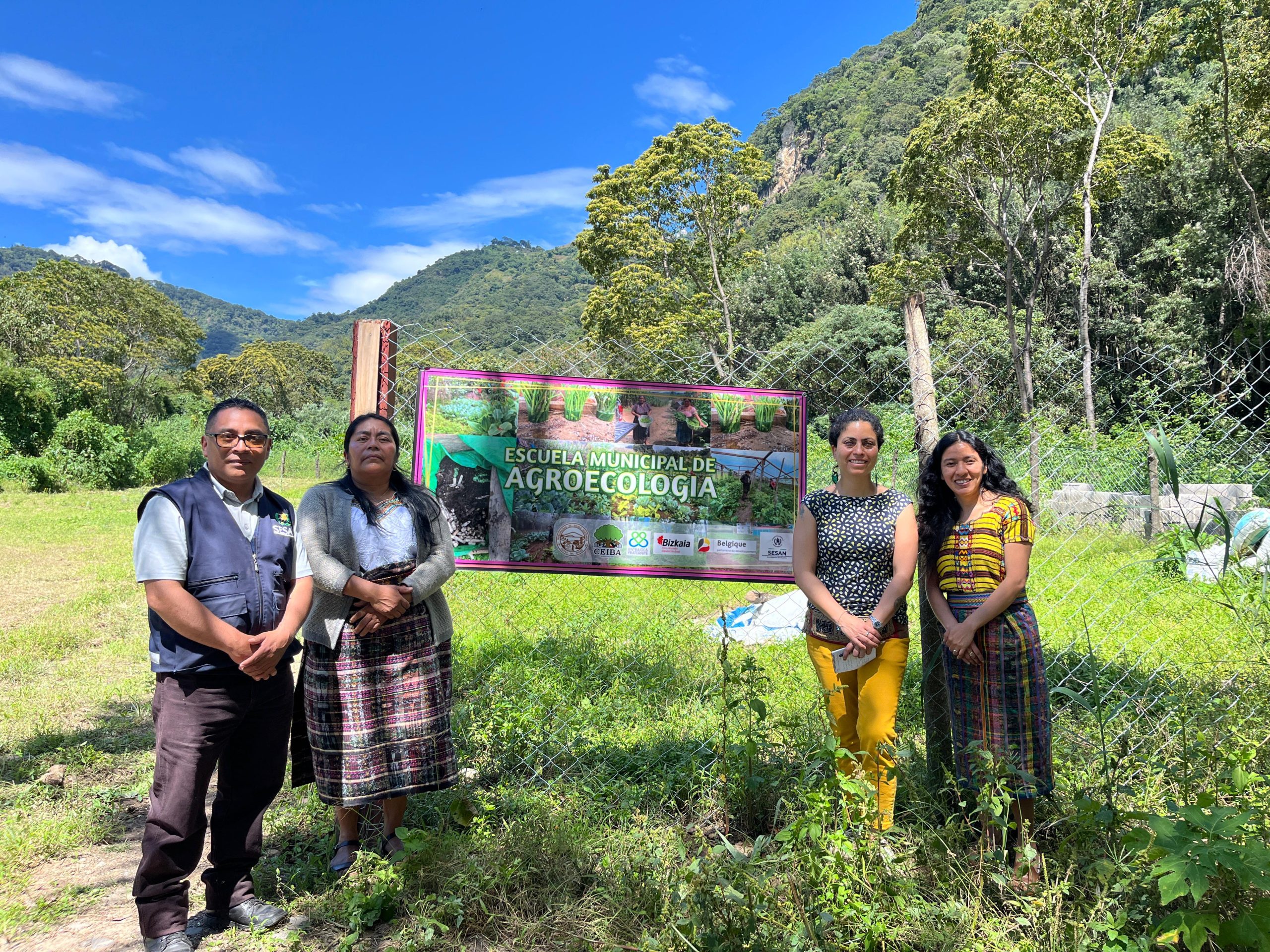
Zero Waste Academy
The ZWA is a regionally grounded, movement-led training program that equips citizens, policymakers, and organizations with practical tools, scientific knowledge, and political frameworks.
GAIA at the Plastics Treaty Negotiations
GAIA members are pushing for a strong plastics treaty that prioritizes plastic reduction and a just transition.
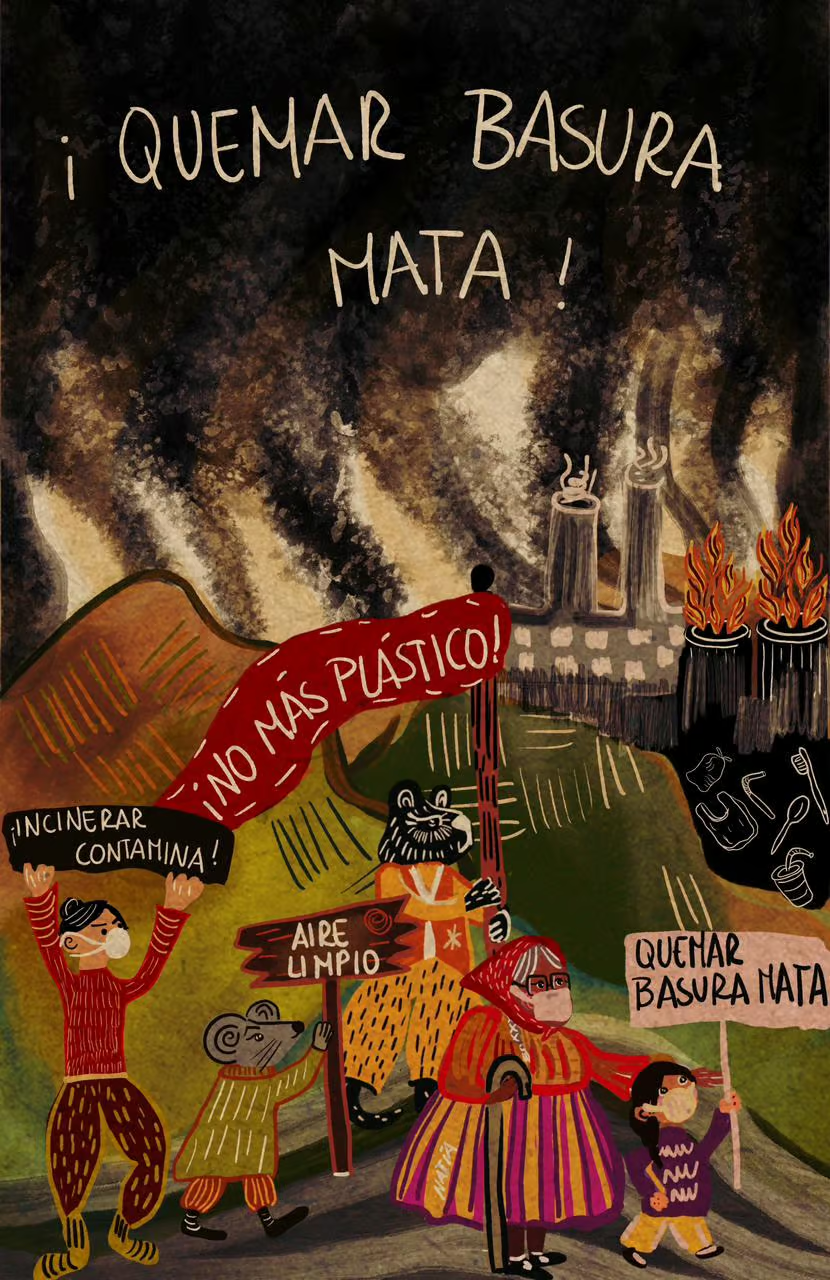
Clearing the Air: The Truth Behind Waste Incineration
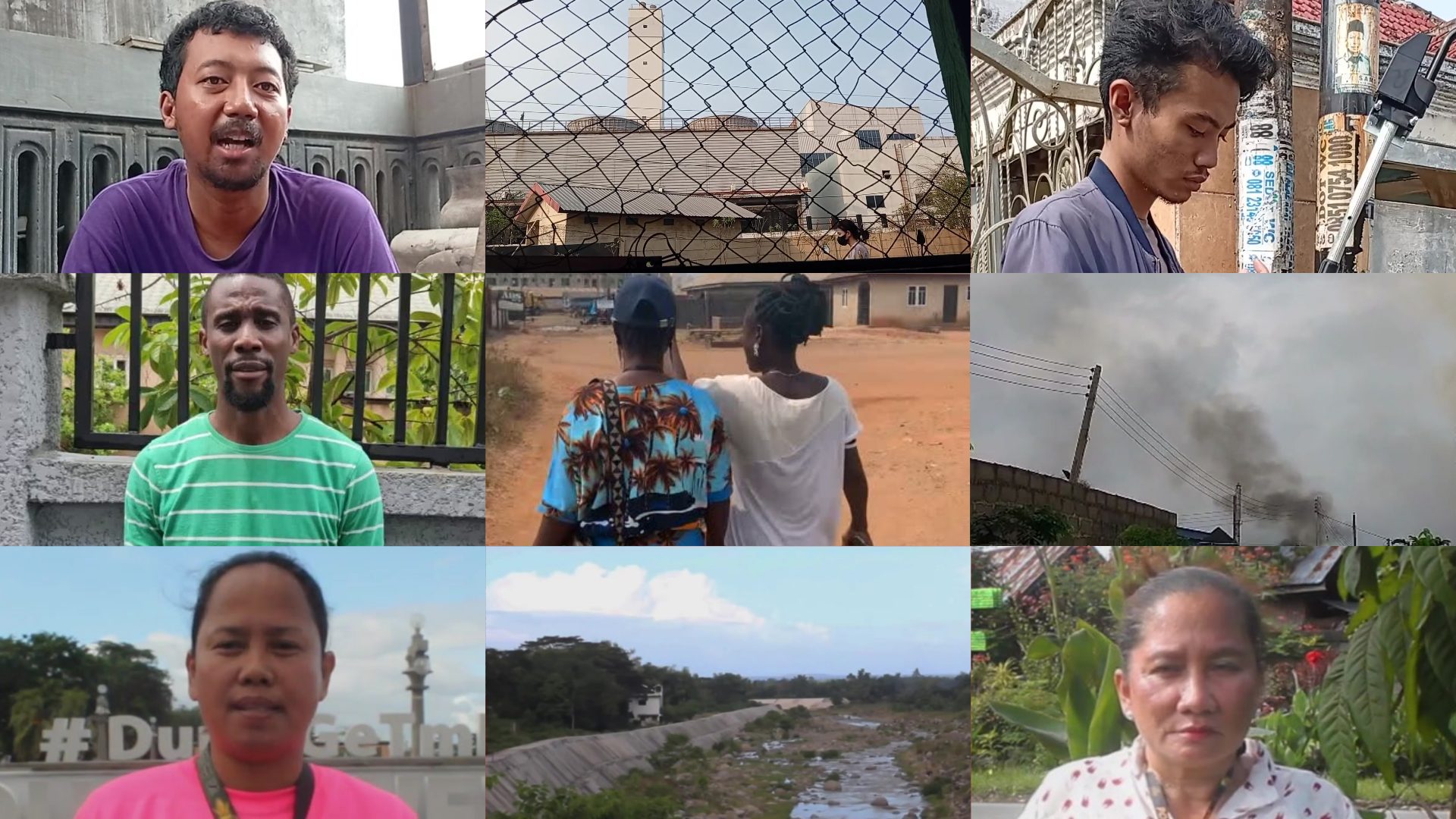
All too often, local governments and regulatory agencies charged with protecting community health have failed to properly monitor incinerator facilities’ pollution levels, allowing them to continue unchecked. In three such communities, GAIA members decided to take matters into their own hands, using air quality monitors.
Nothing and no one should be disposable
GAIA is a global network working towards a just and waste-free world without incineration
Zero Waste to Zero Emissions
Our new report provides the clearest and most comprehensive evidence to date of how better waste management is critical to the climate fight.
down
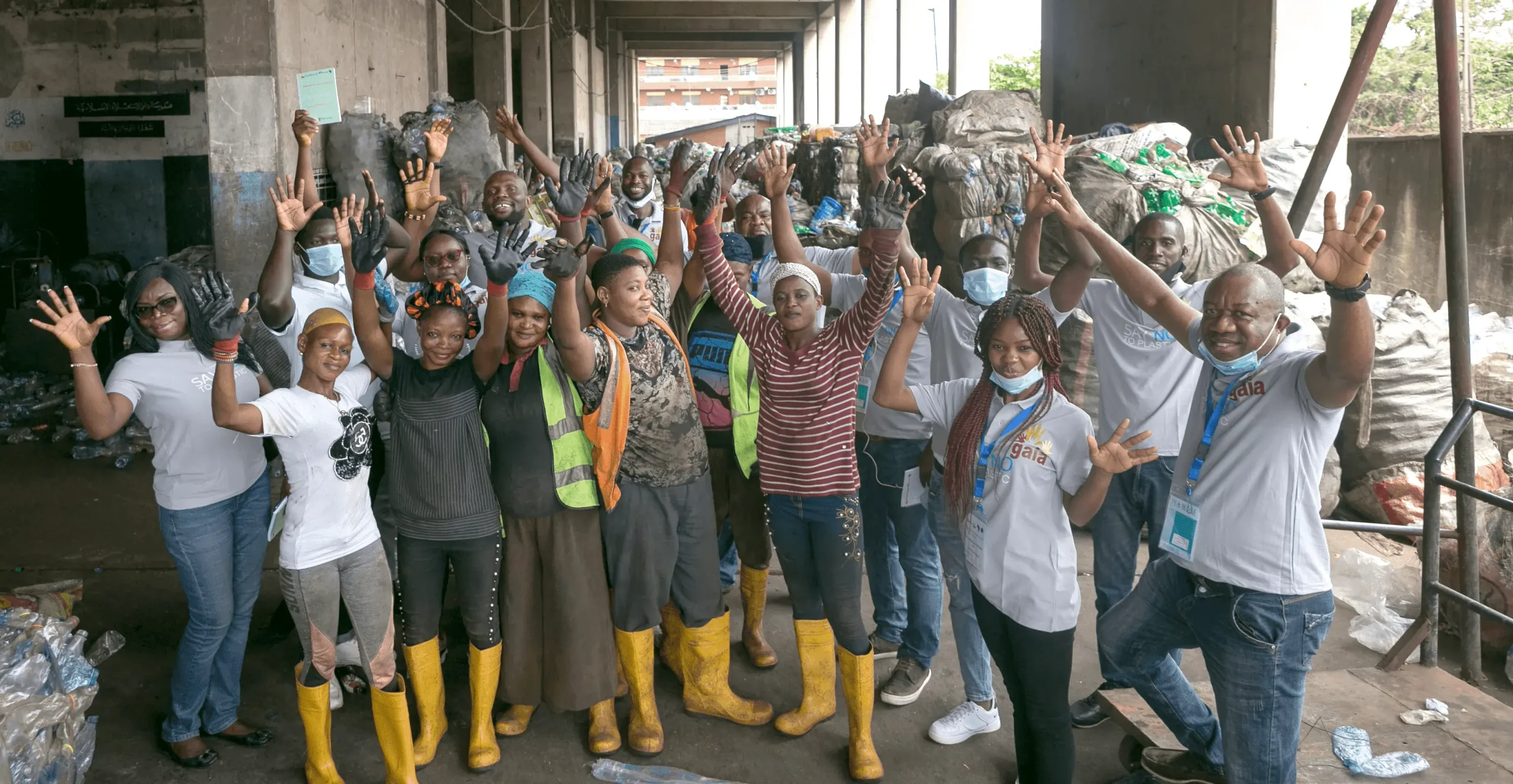
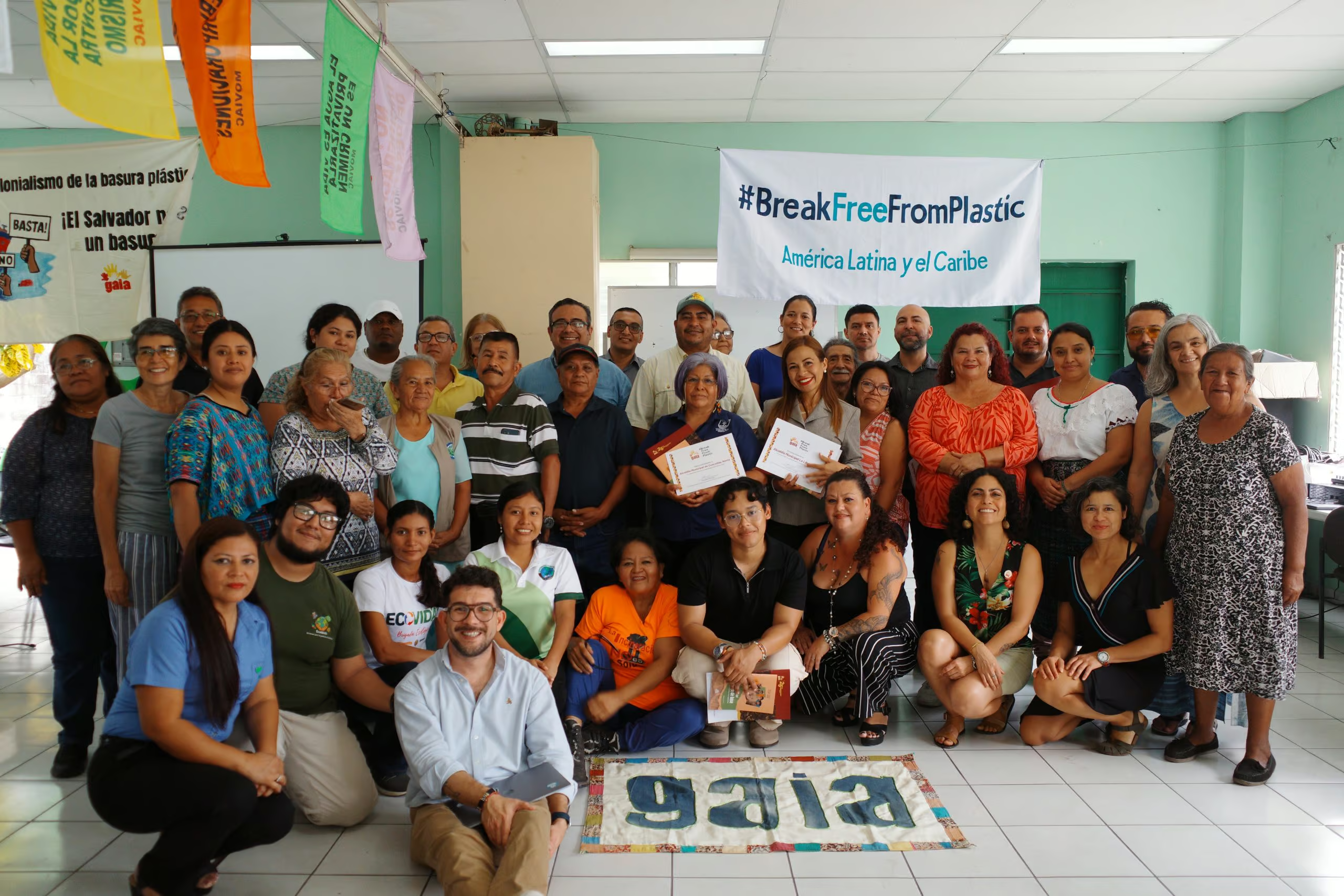
From community organizers to frontline waste pickers to policymakers, GAIA unites and supports local environmental justice efforts around the world to end waste pollution and implement regenerative zero waste solutions.
Going Zero Waste
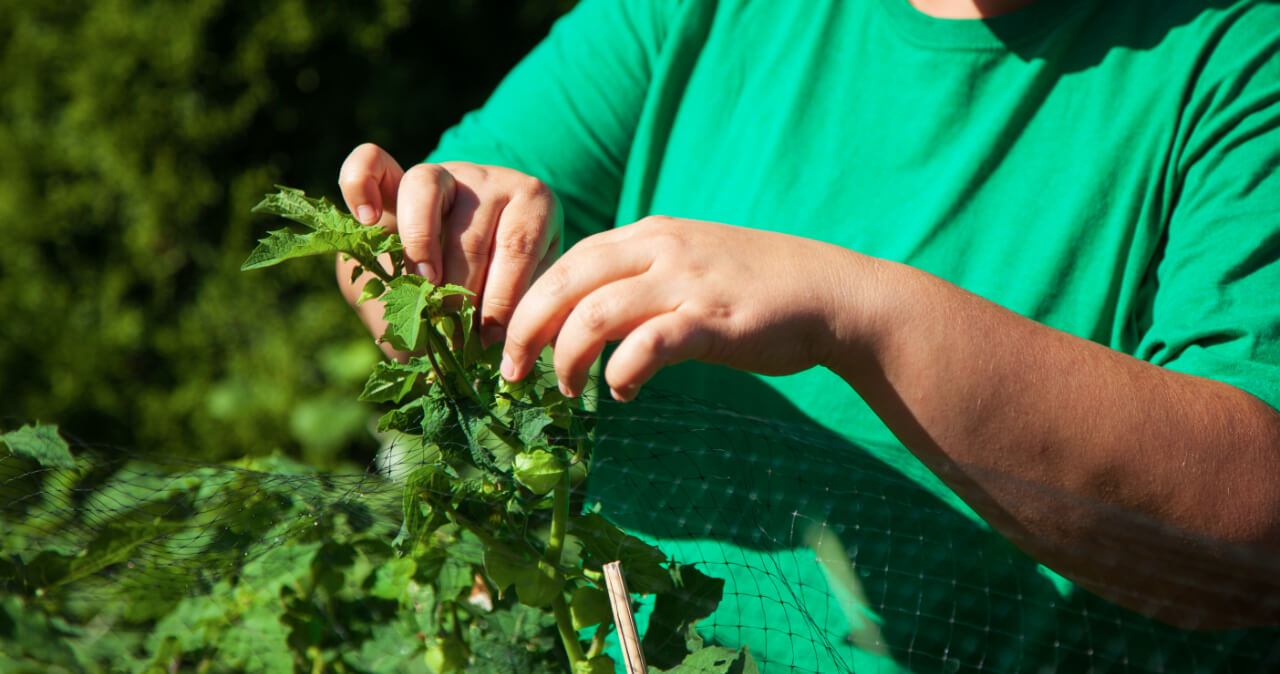
Going Zero Waste — fundamentally restructuring a system that sends billions of tons of waste a year into our land, oceans, and air — is about regeneration, respect for nature, and environmental and social justice. Implementing zero waste strategies such as waste reduction, composting, recycling, and industrial redesign leads to more resilient cities and communities, social equity, and healthier environments.
A Global community
Our Impact
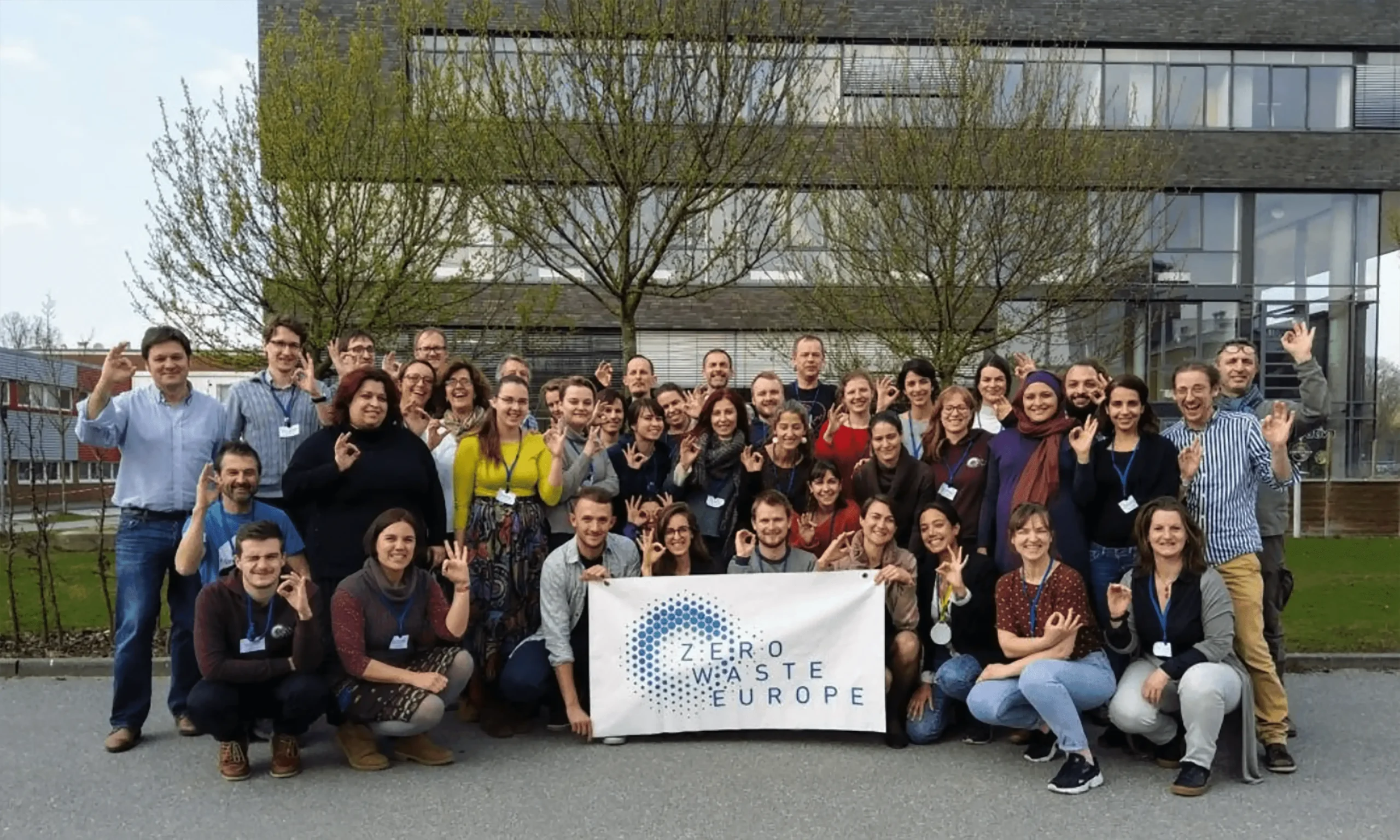
From our founding meeting in 2000 that brought together 83 participants from 23 countries, GAIA has grown into an organization that unites hundreds of members in 90 different countries. Together, we have played a leadership role in influencing climate policy, building a world free from plastic, and supporting cities in their transition to zero waste.
million people live in cities with zero waste commitments
incinerators prevented or shut down
advisory board members from 27 countries
distributed to member organizations annually, and growing
OUR LATEST RESOURCES
Lutter contre les émissions de méthane des décharges grâce à la justice environnementale
Le présent rapport décrit les risques liés aux approches habituelles (« Business As Usual » ou BAU) en matière de réduction des émissions de méthane provenant des décharges et plaide en faveur d’une réponse durable et axée sur la justice. Il s’appuie sur des données internationales, sur les tendances politiques actuelles et sur l’expérience des communautés pour identifier les solutions efficaces et inefficaces en matière de fermeture des décharges et de gestion des déchets organiques.
Download This Resource
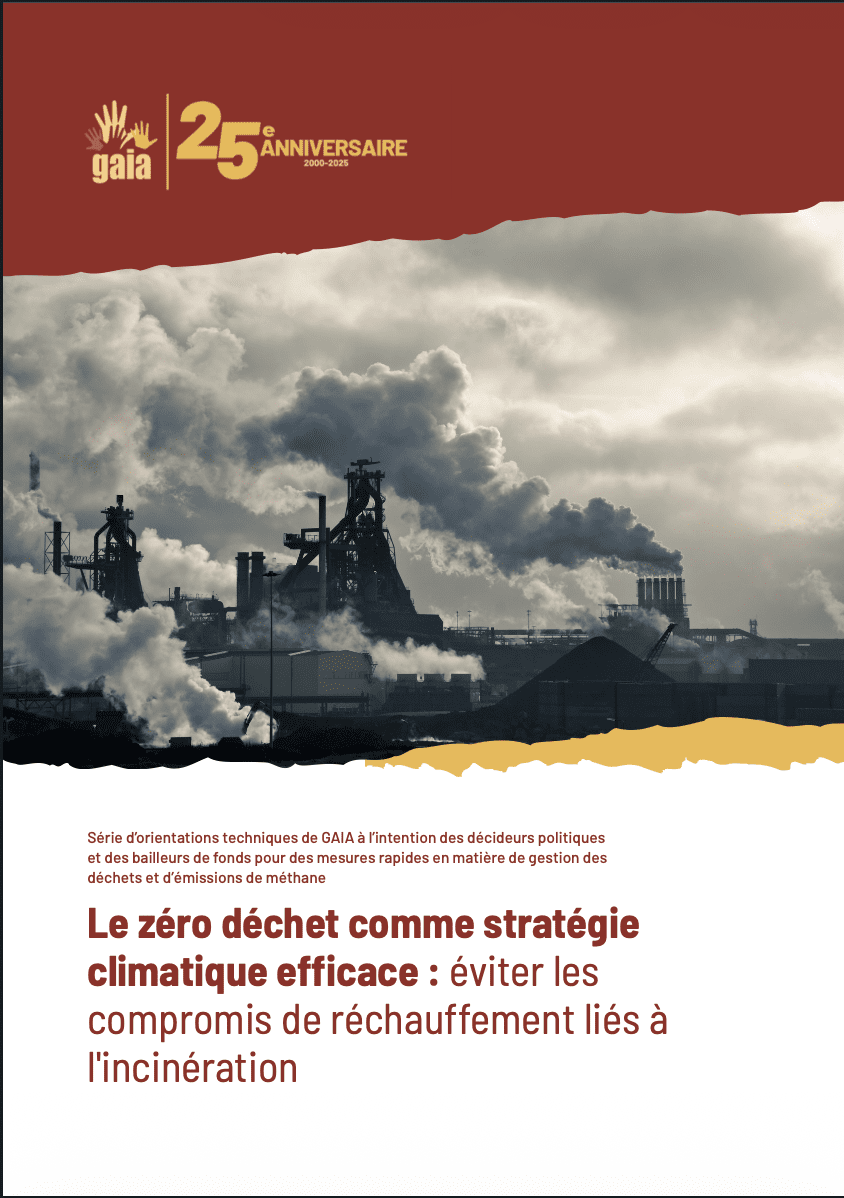
Le zéro déchet comme stratégie climatique efficace : éviter les compromis de réchauffement liés à l’incinération
Le présent rapport évalue les impacts à long terme sur le réchauffement climatique de trois stratégies de gestion des déchets : les pratiques basées sur l’élimination classique (« Business As Usual » ou BAU) comme la mise en dépotoir ou en décharge, l’incinération et les pratiques zéro déchet comme le tri à la source ou le traitement des déchets organiques et des déchets recyclables. L’analyse se concentre sur trois contextes urbains, à savoir Lagos (Nigeria), Barueri (Brésil) et Quezon City (Philippines), et calcule les impacts prévus sur la température pour chacune des stratégies jusqu’en 2060 à l’aide de l’outil d’estimation des émissions des déchets solides (SWEET) et du modèle climatique FaIR (Finite Amplitude Impulse Response).
Reducing food waste at the local level
Zero Waste Europe, together with Slow Food created a briefing, aimed at providing support to local municipalities to help reduce food waste through a holistic approach enabling the transition towards a sustainable food system.
The guidance outlines the various actions that a municipality can implement to influence food waste reduction and stimulate its sustainable local food system. The guidance highlights examples of how similar policies have been successfully implemented throughout Europe.
Download This Resource
Comprehensive Guidance for effective bio-waste management in the EU
The LIFE BIOBEST Comprehensive Guidance presents key policy recommendations to strengthen the EU legal framework for bio-waste management. Drawing from extensive research and stakeholder consultation, this document outlines three interconnected areas for improvement: boosting effective models for separate collection and recycling, promoting reliable markets for compost and digestate, and enhancing monitoring and enforcement of bio-waste regulations.
The guidance provides concrete policy measures to help close the gap between current practices and potential capture rates, addressing the fact that only 26% of kitchen waste is currently collected separately in the EU. It proposes specific legally binding targets, economic instruments, and monitoring requirements to support the EU’s transition toward more efficient bio-waste management and healthier soils.
Validated by 21 stakeholders representing 13 entities from across Europe, this document serves as a roadmap for EU policymakers working to improve bio-waste management.
A summary video presenting the key recommendations is available with subtitles in 11 EU languages.
Download This Resource
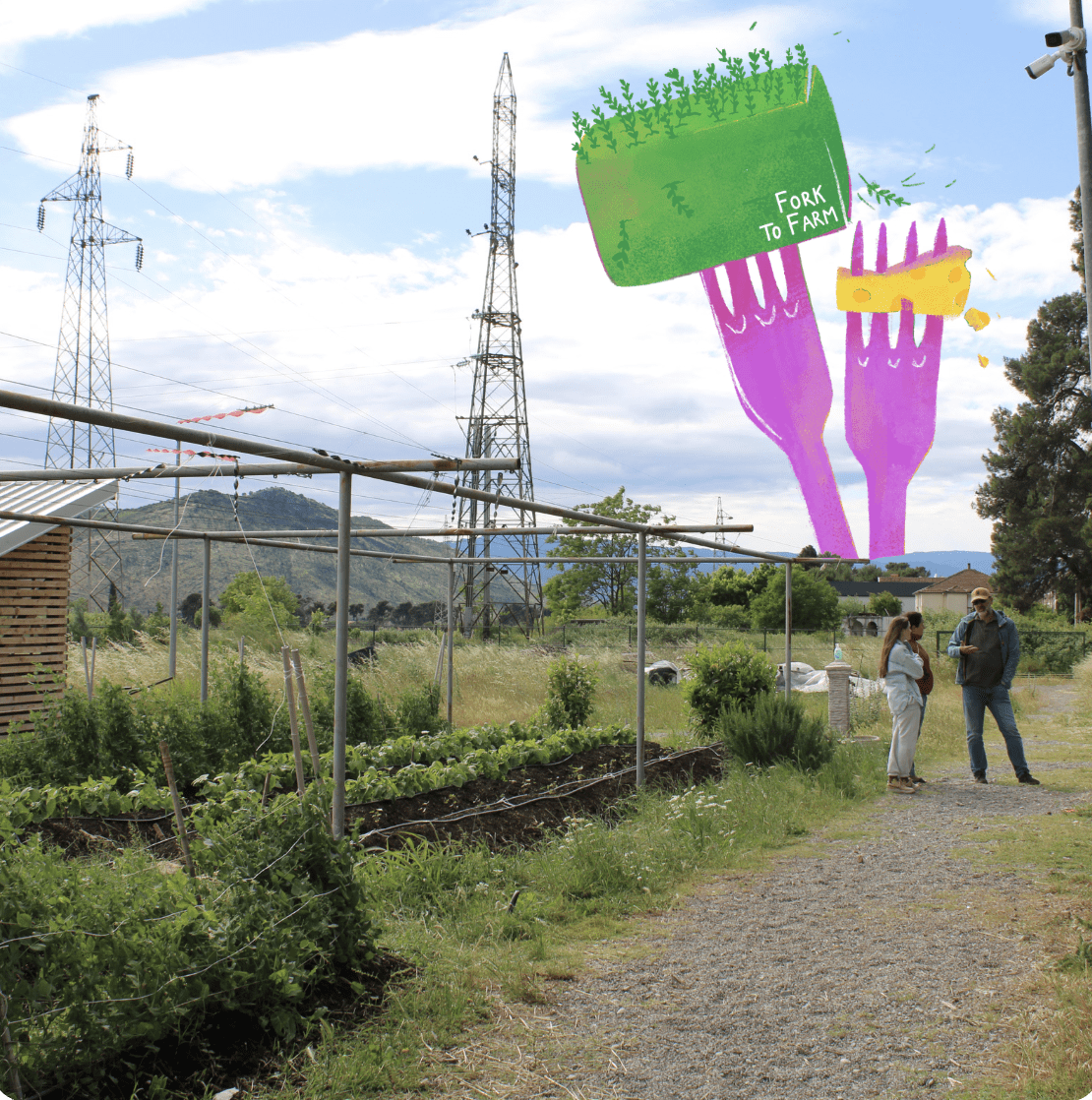
Fighting climate change, one bio-waste bin at a time – how the #ForkToFarm project supports Montenegro’s environmental transition
In this interactive case study, we try to bring to life the work led by our member Zero Waste Montenegro during the #ForkToFarm project between 2024-25.
Montenegro continues to face significant pressure when it comes to its waste management, with organic waste central to this challenge as it represents around 40% of Montenegro’s waste stream. Most municipalities lack operational capacity and sufficient infrastructure for proper organic waste management. But this challenge is also an opportunity, given the speed at which decentralised, community-driven solutions can be implemented at a low cost to local authorities.
This case study combines data and qualitative analysis with visual footage and content of the work done by Zero Waste Montenegro over the last 2 years to improve the amount of organic waste which is composted rather than landfilled in its partner communities, which includes the capital city, Podgorica. It showcases the first working examples of decentralised organic waste solutions and their successful impact, with videos and interviews with the leaders behind these progressive policies.
Download This Resource
Alimentar comunidades, reducir emisiones: cómo Greeners Action convirtió el excedente de los mercados de productos frescos en impacto social
Hong Kong, con una población de 7 millones de habitantes, genera aproximadamente 3500 toneladas de residuos alimentarios al día, lo que constituye alrededor del 35% del total de los residuos sólidos municipales (RSU) de la ciudad.
Para abordar esta situación, Greeners Action (GA), una organización no gubernamental (ONG) local, desarrolló un proyecto de donación de alimentos centrado en los mercados de productos frescos, una importante fuente de frutas y verduras. Debido a la falta de espacio y de equipos de refrigeración de los vendedores, en estos mercados a menudo se desechan productos en buen estado.
Feeding Communities, Cutting Emissions: How Greeners Action Turned Wet Market Surplus into Social Impact
Hong Kong generates around 3,500 tonnes of food waste daily—about 35% of its municipal solid waste—and much of this comes from wet markets, where space and refrigeration limitations force vendors to discard perfectly good produce. From 2013 to 2023, Greeners Action piloted a food donation program at Cheung Sha Wan market, collecting unsold fruits, vegetables, baked goods, and canned foods from 20 participating vendors each night and distributing them to low-income communities. Over nine years, the initiative diverted 439,734 kg of edible food from landfills, supported 343,843 people, and cut emissions by 1,602.43 tonnes of CO2 equivalent, all while providing improved nutrition to vulnerable households. The program highlights the enormous potential for food rescue across Hong Kong’s 126 markets and underscores the importance of developing sustainable models for food donation, addressing food safety concerns, and formalizing food rescue as a public service.

NDC Tracker
GAIA’s NDC Tracker aims to provide quick data and country profiles through the lens of the Environmental Justice Principles for Fast Action on Waste and Methane, which guides policymakers on how to craft programs and policies for tackling methane that can also help address interconnected equity issues. With this tracker, we hope to support communities with monitoring country-level commitments and progress, identifying gaps and opportunities to advance this critical agenda.
Download This Resource
Infografía | Mosca soldado negra: una alternativa poco conocida en América Latina
La larva de la mosca soldado negra es una alternativa poco conocida en América Latina, pero con un enorme potencial. Usada de forma controlada, convierte residuos orgánicos en proteína para alimentación animal y en biomasa que mejora los suelos.
Impulsar sistemas comunitarios de cría es una oportunidad ambiental, social y económica.
Fuente: Black Soldier Fly Biowaste Processing, Eawag – Swiss Federal Institute of Aquatic Science and Technology, 2021.
Download This Resource
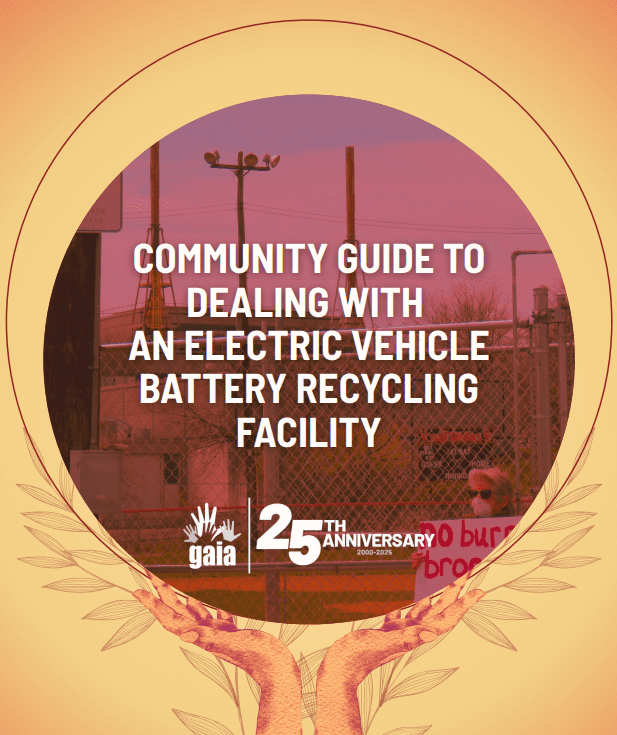
Community Guide to Dealing with an Electric Vehicle Battery Recycling Facility
This new community guide offers practical steps to empower frontline communities and workers in navigating the complexities of battery recycling, understanding the health implications, and questions to ask for participating in decision-making processes. This guide is intended to support communities across the globe that are facing a new battery recycling facility proposal or dealing with impacts of an existing project.
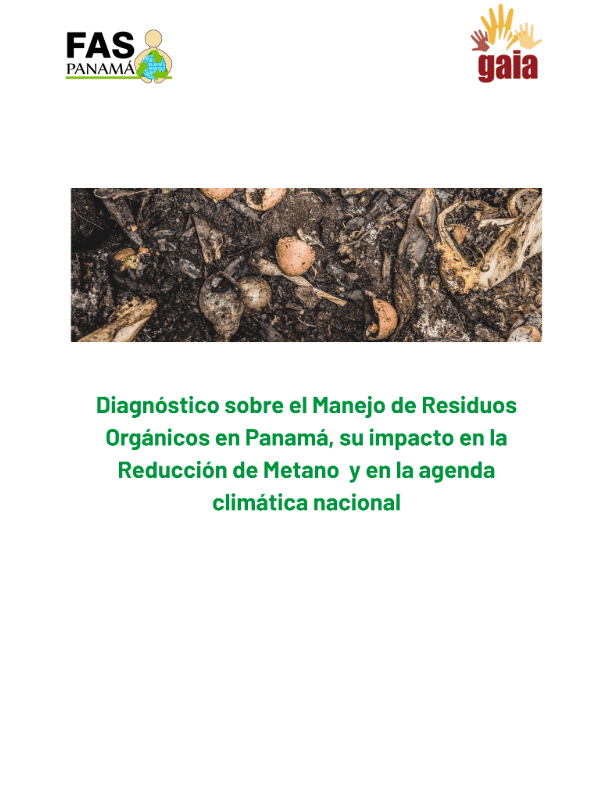
Diagnóstico sobre el manejo de residuos orgánicos en Panamá
El Diagnóstico sobre el Manejo de residuos orgánicos en Panamá, su impacto en la reducción de metano y en la agenda climática nacional establece la línea base nacional sobre la gestión de residuos orgánicos en Panamá, conecta compromisos internacionales (París, GMP, ROW, ODS) con marcos legales y planes (Ley 33/2018, Ley 276/2021, PNAC, Hoja de Ruta de Economía Circular) y propone una hoja de ruta para mitigar metano, escalar la valorización y acelerar la economía circular, incorporando además la jerarquía de usos alimentarios para reducir la pérdida y desperdicio de alimentos y contribuir a la seguridad alimentaria.
This study establishes Panama’s national baseline on organic waste management, links international commitments (Paris Agreement, GMP, ROW, SDGs) with legal frameworks and national plans (Law 33/2018, Law 276/2021, PNAC, Circular Economy Roadmap), and proposes a roadmap to reduce methane emissions, scale up valorization, and accelerate the circular economy. It also incorporates the food-use hierarchy to reduce food loss and waste and contribute to food security.
Blending More Problems: Co-firing Biomass with Power Plants
Co-firing biomass is a technology that burns biomass alongside other fuels, typically coal, in existing power plants. This technology presents a different set of complexities and harms. In the context of ADB’s policy to support the early retirement of coal-based power plants—including decommissioning of coal-fired power plants and site redevelopment for new economic activity—co-firing of biomass with power plants, whether from energy crops or biomass waste, poses risks with long-term harms to air quality, local communities, ecosystems and efforts to address the triple planetary crisis of climate change, pollution, and biodiversity loss in a region most vulnerable to these interlinked threats.

Download This Resource
Our Latest News
Read the most pressing stories on environmental protection, sustainable development, and human rights.
Our Latest News
Read the most pressing stories on environmental protection, sustainable development, and human rights.
Stay Connected
Sign up for our Global Newsletter to stay up today on our cross regional work.