Zero waste

Contributed by Dr. Shahriar Hossain, Environmental and Social Development Organization


Empowering Communities: A Tale of Methane Reduction through Zero Waste Approaches

In a world grappling with the consequences of climate change, it is imperative to celebrate the success stories that pave the way toward a sustainable and toxic-free future. Today, we share a remarkable journey of environmental stewardship and community empowerment, spearheaded by the Environmental and Social Development Organization – ESDO. This story illuminates the transformative power of zero-waste approaches, demonstrating how they not only reduce methane emissions but also exemplify the core principles of Environmental Justice.

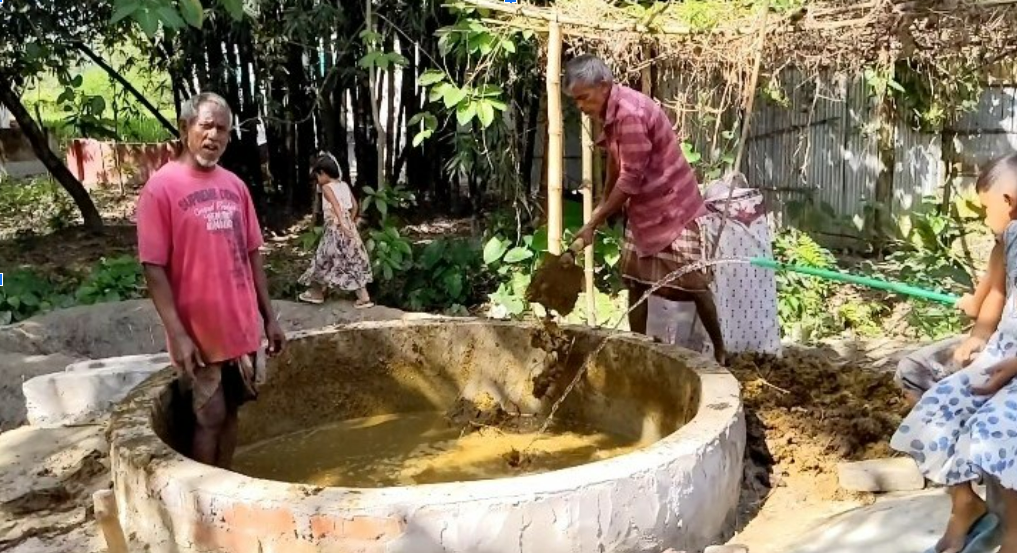
Distributing bin and composters for organic farming to local people in Rangpur, Bangladesh

A Vision Turned Reality: Zero Waste Community at Rangpur, Bangladesh

We, at ESDO, envision zero waste as a solution to reduce food loss, as well as waste management, and as a strategy to build an organic, eco-friendly and sustainable future. Therefore, we embarked on visionary initiatives, establishing a biogas plant and educating people of organic food production and sustainable soil management, ensuring soil and environmental health and ultimately, public health in Rangpur, Bangladesh. This approach utilized a proper waste management system to support two families. By converting organic waste into biogas, this project not only provided energy but also significantly contributed to reducing methane emissions, a potent greenhouse gas responsible for climate change. Furthermore, ESDO encouraged 300 families (150 families in Betgari Union and 150 in Rangpur) to use ‘Twin Pit Earth Composter’ to manage waste effectively for organic food production, and soil health management, while ensuring sustainable agricultural practices. We aimed to make the rural people in Bangladesh aware of the necessity of waste segregation through the 4R strategy (Refuse, Reduce, Reuse, Refill). We also set out to inform the communities on how they can mitigate environmental pollution impact through their daily activities, and build their adaptation potential in the emerging changing climate situation the world is facing. 

‘Twin Pit Earth Composter’ at Betgari Union, Rangpur, Bangladesh

Uplifting Environmental Justice Values

Equity, democracy, sustainability and community empowerment – these are the foundational pillars of environmental justice that our project embodies. By building zero waste communities in Rangpur District, we champion the idea that every individual, regardless of socio-economic status, can actively contribute to mitigating climate change and act as a change-making agent. This project fosters equitable access to resources and opportunities, ensuring that vulnerable communities are not left behind in the fight against the climate crisis. They can potentially participate in climate change action and significantly contribute to a single step in organic crop production through composting, changing the food production system and preventing food loss with the burgeoning population in Bangladesh.


Positive Impact and Success Metrics

Global methane emissions have increased by roughly 25 percent since 1990 to almost nine billion metric tons of CO₂ equivalent. During this period, the average annual atmospheric methane abundance has increased by 11 percent and reached a record high of 1,895 parts per billion (ppb) in 2021.[1] In this case, the impact of ESDO’s zero waste initiatives is tangible and far-reaching. Apparently, 47 percent of Dhaka’s methane emission is caused by waste. The study identifies 13 dumps where garbage is left in the open to decompose leading to methane emissions.[2] Through the implementation of the biogas plant and waste management programs, an impressive amount of organic waste can be diverted from landfills, thereby reducing methane emissions substantially. Moreover, our zero waste project in the Rangpur District has not only reduced greenhouse gas emissions but has also created job opportunities within the community. By providing employment, zero waste projects empowered individuals, fostered economic resilience and enhanced overall community well-being. If sufficient funds are available, ESDO will establish biogas plants in every possible district in Bangladesh to send a message to world environment leaders that positive change is possible if we work together, cultivating a pollution-free tomorrow for posterity.

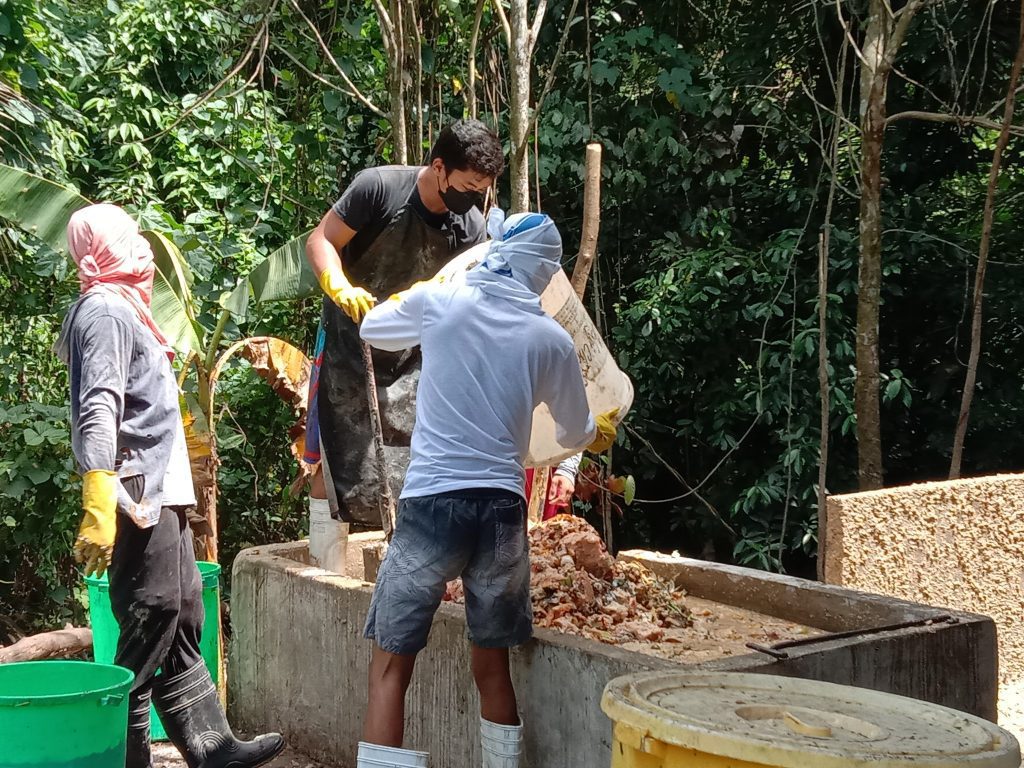
Biogas Plant at Betgari Union, Rangpur, Bangladesh


Inspiring Change, Building More Zero Waste Communities

The success of ESDO’s initiatives serves as a beacon of hope, inspiring not only the communities directly involved but also national governments, local authorities and decision-makers worldwide. These stories are not just tales of environmental triumph but also testimonials of the efficacy of Environmental Justice Values and Principles in action.

By building zero waste communities, ESDO showcases the transformative potential of grassroots initiatives. These endeavors emphasize the importance of inclusive, participatory approaches in mitigating climate change. As we approach COP 28, it is crucial for all stakeholders – governments, funders, practitioners, and think tanks – to recognize and adopt similar principles in their methane reduction plans.


[1] https://www.statista.com/topics/10289/methane-emissions-worldwide/#topicOverview

[2] https://www.thedailystar.net/opinion/editorial/news/beware-methane-leaks-3281241

Contributed by IDIS Davao

As the Philippines grapples with pressing environmental challenges, the Interfacing Development Interventions for Sustainability, Inc. (IDIS) stands at the forefront of advocating for sustainable development in the Philippines. We advocate for a just transition and the adoption of sustainable methods that prioritize the well-being of both the environment and the Filipino people, and firmly oppose the adoption of the Waste-to-Energy Incineration (WTE) project in Davao City.

IDIS consistently asserts that the Waste-to-Energy Incinerator project is a detrimental band-aid solution that does not effectively address our country’s waste management challenges. The Ecological Solid Waste Management Act of 2000 and the “No to Single-Use Plastics Ordinance” in Davao City are existing policies meant to catapult a green transition, yet they continue to be neglected or ineffectively enforced. 

The present condition of the Sanitary Landfill (SLF) in Brgy. New Carmen clearly demonstrates this predicament, as it has already exceeded its maximum capacity. This is primarily attributed to the indiscriminate disposal of unsegregated biodegradable waste, which further increases methane production. This is a clear violation of the legal requirement that such waste shall not be disposed of in the aforementioned Sanitary Landfill.


WTE: an environmental threat that poses great risks to the Davao’s future

A study published by Dr. Jorge Emmanuel, an Environmental Science and Engineering Professor at Silliman University in Negros Oriental, unveiled that Waste-to-Energy (WTE) incinerators emit significant amounts of toxic compounds known as dioxins and furans. The inhalation of such harmful substances is linked with the development of tumors, cancer, asthma, and several other life-threatening diseases. Moreover, the by-products of incineration also exhibit limited dissipation, persisting in the environment for extended periods of time. The persistence of these hazardous compounds is estimated to be around 500 years, potentially exerting adverse effects on 10 to 40 successive generations. 

Furthermore, under the “Philippine Clean Air Act of 1999”, incinerating municipal, bio-medical, and hazardous wastes is prohibited due to the poisonous and toxic fumes they emit. 


Safeguarding tomorrow: a just and equitable transition within reach

Refusing investments in environmentally harmful energy sources is not just an ecological position, it is also a commitment to safeguarding the health and welfare of the general public. The implementation of a Waste-to-Energy (WTE) Incinerator is a flawed and destructive “solution,” with detrimental health implications on the local population and environment. The preservation of clean air, unpolluted water, and a flourishing environment are not mere luxuries; they are essential rights that demand the active protection and oversight of the government.

As Davao City finds itself at a pivotal crossroad, where the actions of its current administration can have far-reaching implications, IDIS continues to call on the government to serve as a paradigmatic model of sustainable development. By adopting proactive measures that embrace sustainable alternatives and strongly reject financial support for dirty energies such as the Waste-to-Energy Incineration Project, sustainable development becomes a feasible reality that facilitates a just and equitable transition.


Advocating for REAL solutions: Zero Waste

Contributed by Victor Hugo Argentino, Instituto Polis

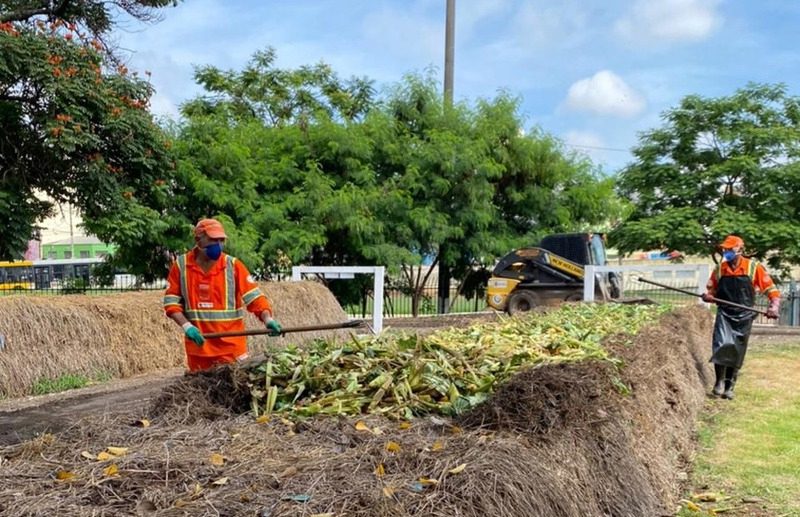
As the world wakes up to the critical importance of reducing methane emissions to stabilize the climate, all eyes are on Brazil. The country emits 5.5% of global methane emissions, making it the 5th largest emitter globally. The waste sector is the second largest source of methane in Brazil, at 16%, and while 65.6 million tons of municipal solid waste is collected yearly, 45.6% of which is organic, only 0.6% is composted: landfills receive 71.6% and dumps 26.4%.

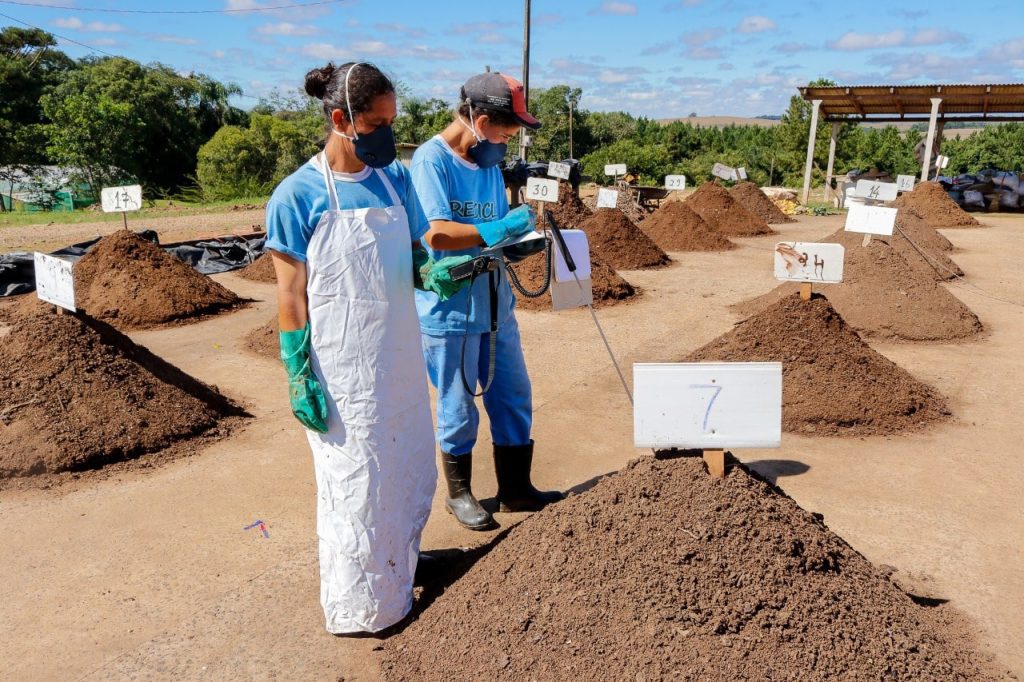
Sao Paulo composting site. Source: Sao Paulo City Hall

In the past, composting projects in Brazil’s big cities were unsuccessful, largely because they disregarded local contexts and inappropriately handled the waste. This led to an overall distrust in composting and similar technologies for organic waste management. Therefore, to engage society and decision makers and build capacity and public support to shift this situation, in 2020, the non-profit organization and GAIA member Instituto Pólis launched the São Paulo Compost, Cultivate campaign. The campaign is supported by 58 international, national and local partners in the biggest city of Brazil, São Paulo. 

In 2023, the movement escalated to the national level, with more than 200 organizations penning a letter for the Ministry of Environment and Climate Change of Brazil demanding organic waste management and climate mitigation in the waste sector. As a result, in recognition of Polis’ expertise, the Ministry signed a technical cooperation agreement with the NGO to advance organic waste recycling, waste picker integration, and greenhouse gas mitigation country-wide.

ACAMARTI waste pickers. Source: Tibagi City Hall

In the past, composting projects in Brazil’s big cities were unsuccessful, largely because they disregarded local contexts and inappropriately handled the waste. This led to an overall distrust in composting and similar technologies for organic waste management. Therefore, to engage society and decision makers and build capacity and public support to shift this situation, in 2020, the non-profit organization and GAIA member Instituto Pólis launched the São Paulo Compost, Cultivate campaign. The campaign is supported by 58 international, national and local partners in the biggest city of Brazil, São Paulo. 

In 2023, the movement escalated to the national level, with more than 200 organizations penning a letter for the Ministry of Environment and Climate Change of Brazil demanding organic waste management and climate mitigation in the waste sector. As a result, in recognition of Polis’ expertise, the Ministry signed a technical cooperation agreement with the NGO to advance organic waste recycling, waste picker integration, and greenhouse gas mitigation country-wide.

Farmers participate in the Poe No Balde Project. Source: Aline Sousa

Brazilian institutions lack the practical and theoretical knowledge to properly address methane emissions from the waste sector at the scale needed to meet global climate pledges. In order to accelerate the capacity-building needed,  Instituto Pólis has launched the initiative, “Brazil Compost and Cultivate.” The program is supported by the Global Methane Hub, which aims to reduce methane emissions in the waste sector by increasing organic waste diversion from disposal. The project is based on three frameworks: implementation and technical assistance; capacity building, and research.

This initiative identifies, strengthens, and accelerates existing food loss and waste prevention and recycling projects to understand their barriers, limitations, and potential to develop a national strategy for organic waste composting with key stakeholders and the  Brazilian Ministry of Environment and Climate Change. Meanwhile, Pólis promotes locally-based novel approaches, such as employing waste pickers in organic waste management and composting.

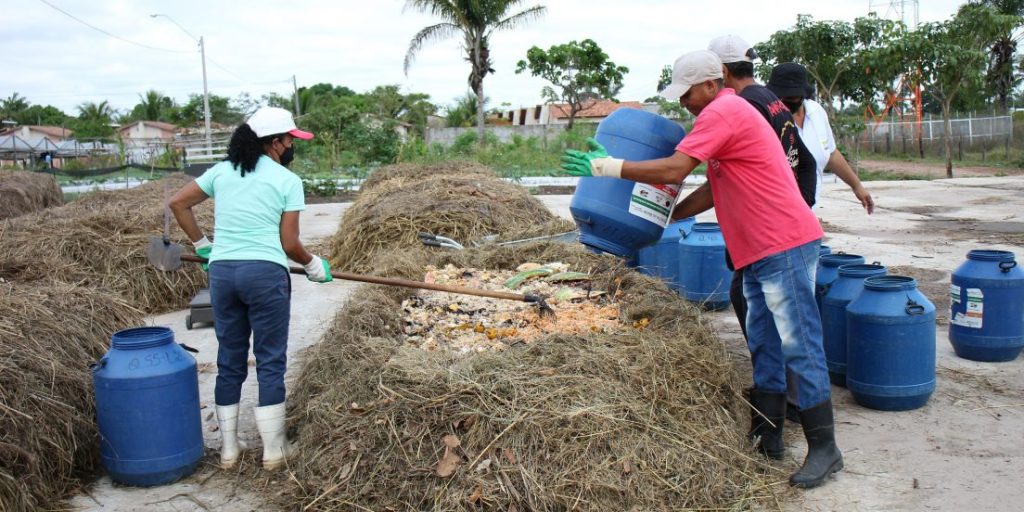
Local governments, companies, waste pickers and community leaders are also being trained and encouraged to develop local projects. All lessons learned are being systematized into an open knowledge hub to democratize the access of information, in order to instrumentalize local communities to build solutions based on local knowledge. For example, the Bucket Revolution in Florianópolis solved a rat infestation problem that had led to the death of 2 children, by implementing an efficient organic waste collection and composting system, demonstrating the importance of empowering local communities to lead.

Neighborhood bucket revolution. Source: CEPAGRO

The first project that Pólis embarked upon was a study  of novel models of composting in cities: integrating recycling, agriculture and housing. These systems represent what a just transition would look in the waste sector, integrating waste pickers, farmers and citizens. In this case studies, not only was organic waste diverted from landfills, but the projects also led to cost-savings and fair jobs with higher wages. 

The study observed two waste pickers cooperatives: VerdeCoop (Entre Rios City) composts 180 tonnes per month with only 12% contamination in separate collection, despite the lack of support from local governments. CooperCicla works with 21 municipalities, composting 250 tonnes per month. 

The study shows that composting with waste pickers generates around 19 jobs (10 to 28) per 10,000 treated tonnes, more than private composting  (10 jobs) and around 11 times more than landfills and incinerators. These two waste picker-run systems were also found to be cheaper than linear solutions like landfilling and incineration, and the most viable option to end dumps in Brazil.

Other cities have developed composting systems with local and urban farmers, such as Põe no Balde project (Marabá city) and Santiago City. The latter developed a local currency to exchange organic waste for food in farmer-run local street markets. The study served as the main reference for the national government to launch a 1.5 million dollar fund to subsidize other municipalities to replicate this novel system.

Source: Santiago Prefecture

Instituto Polis’s work building capacity for organics management in accordance with environmental justice principles has remarkable momentum. The unrivaled success of existing organics management projects demonstrates that with further resources and governmental support, the country can achieve a just transition for methane action in the waste sector, with waste pickers and front-line communities leading the charge.

At a time when environmental injustices like the disproportionate siting of incinerators in marginalized areas continue to undermine the well-being of vulnerable communities, grassroots organizations play a pivotal role in galvanizing local efforts to fuel a larger movement. Driven by education, youth engagement, and alliance-building, these groups dismantle injustices and build on a broader movement toward climate justice. These organizations are often led by those directly affected by injustice who have leveraged their knowledge of the local community to enact real change. With our planet’s many interconnected challenges, grassroots organizations are the backbone of transformative efforts. They go beyond their environmental focus to engage in cross-movement building, fostering a web of collaborations that extends their impact into other spaces like housing and human rights. Collectively, they reshape narratives, challenge systemic disparities, and collaboratively bring about lasting transformation in the realm of environmental justice.

One example of cross-movement building is the work of KT Morelli, Organizer at Breathe Free Detroit, who is involved in anti-gentrification efforts to ensure that community members are not pushed out of their homes. Successful environmental justice campaigns, such as shutting down the Detroit Incinerator in 2019, can also lead to “environmental gentrification,” in which a neighborhood becomes more attractive to developers. In collaboration with local housing groups, Breathe Free Detroit developed “Rooted We Rise: A Resource Guide to Help Detroiters Stay in our Homes and Strengthen our Neighborhoods,” an anti-gentrification guide with resources distributed through door-to-door outreach in areas near the incinerator. 

Similarly, the South Baltimore Community Land Trust spearheads efforts to halt evictions, establish affordable housing, and introduce sustainable waste practices through Community Land Trusts (CLTs). With the second-highest eviction rate in the US and burdened by long-standing racial and economic inequalities, Baltimore’s vacant lots bring over 10,000 tons of illegally dumped trash annually. Though the city has committed $20 million into a trust fund for CLTs, residents are already taking proactive steps such as reclaiming lots, initiating community composting, and drawing up plans for affordable housing units. As noted in GAIA’s Zero Waste Master Plan: “Anti-displacement efforts are key to making sure those who successfully fought against environmental injustices are able to remain in their homes, reap the benefits of their victory, and continue growing power in their communities.”

The essence of movement building lies in uniting individuals and communities to strengthen their collective power, a principle embodied by initiatives like the Failing Incinerators Project (FIP). Through FIP, grassroots organizations from all over the country coalesce to share insights and practical strategies to shut down their respective incinerators and make a just transition to zero waste. GAIA offers these organizations capacity-building support, including communications, research, and technical assistance. By forging these collaborative bonds, frontline organizations in the FIP cohort reinforce each other’s campaigns, build shared momentum, and strengthen the larger environmental justice movement.

In Newark, the New Jersey Environmental Justice Alliance (NJEJA) and Ironbound Community Corporation (ICC) synergize their efforts to shut down incinerators in the Garden State. As a result of their collaboration, both organizations engage and educate legislators and public officials who may not be familiar with the language and policy concepts related to “chemical recycling” and Extended Producer Responsibility. Both organizations have deepened their collaboration through the continuation of Incineration 101 workshops for communities in Newark and for ICC’s staff. Last year, NJEJA held its Second Annual Waste Justice Assembly, which brought together many EJ groups from around the state to discuss a just transition to a waste-free New Jersey. In collaboration with EJ Communities Against Incineration Coalition and the National Caucus of Environmental Legislators, the event explored topics such as the impacts of waste in EJ communities, the harms from the petrochemical industry and their responsibility for the plastic crisis, and organizing tools and advocacy to support communities in a just transition towards healthier waste management systems. 

NJEJA brings grassroots perspectives to the forefront of every plastic reduction policy proposal through its work with the NJ Plastic Coalition. NJEJA has held firm to prohibiting “chemical recycling” or other false solutions within a proposed Extended Producer Responsibility state bill. Most recently, NJEJA has been involved in state-wide advocacy and creating a space to include the engagement and participation of informal waste workers in the discussions, development, and proposal for a New Jersey Bottle Bill. Building powerful movements requires the tireless work of strong leaders who bring an authentic perspective to these conversations informed by the lived experience of those most affected. All of this involvement working alongside other EJ groups in New Jersey, NJEJA’s Statewide EJ Organizer Chris Tandazo was able to bring all of those perspectives to Washington, DC, where they testified before the Subcommittee on Chemical Safety, Waste Management, Environmental Justice, and Regulatory Oversight. In this hearing, Tandazo advocated for implementing laws to reduce plastic use. Such regulations would play a critical role in minimizing the volume of plastic waste potentially destined for disposal in any of New Jersey’s three incineration facilities, all situated within marginalized communities.

Moreover, community involvement is a cornerstone of effective movement building, particularly in the transition toward sustainable zero waste practices. ICC uses “Toxic Tours” to effectively raise community awareness within their community and educate residents on sustainable alternatives, serving as a compelling method for spotlighting the practical implementation of decentralized zero waste systems. Composting at ICC’s urban farm has been the organization’s most tangible zero waste education effort during these Toxic Tours, and staff work with youth and adults to develop composting programs that divert waste from the nearby Covanta incinerator. It has also proven effective for engaging policymakers, advocates, and journalists to explore zero waste solutions that move away from waste incineration.

South Baltimore Community Land Trust has also achieved remarkable success by engaging youth in tackling climate and waste issues by collaborating closely with students, including potential summer hires. The organization has partnered with Clean Water Action to build significant momentum for reintroducing the Reclaim Renewable Energy Act, which would remove trash incineration, factory farm gas, and woody biomass from qualification in the state’s renewable portfolio standard. Notably, this collaboration extends to impactful campaigns to advocate against incineration subsidies and rally various associations and groups to endorse the bill in the upcoming legislative session. Shashawnda Campbell, an organizer of the South Baltimore Community Land Trust, is a prime example of a young activist leader who became involved in her community as a high school student. She notes that seeing these students’ impressive growth and advancement, from their initial involvement to their current proactive initiatives, underlines the tremendous impact of involving youth in movement building.

The Minnesota Environmental Justice Table (MNEJT) has exemplified the power of cross-movement collaboration by forging dynamic partnerships with various organizations. MNEJT Environmental Justice Organizer Akira Yano emphasizes that their collaboration with local unions, including the Teamsters Union and Service Employees International Union (SEIU), in a concerted effort toward zero waste initiatives has proven to be mutually beneficial — creating a solid working relationship between MNEJT and these labor groups. The ability to stand in solidarity for each other’s causes strengthens their respective movements, helping them achieve comprehensive and lasting change.

Similarly, MNEJT and CURE have worked in tandem to shut down the Hennepin Energy Recovery Center (HERC) incinerator. With MNEJT at the forefront of the campaign and CURE as a supporting ally, their organizing efforts gained traction when the incinerator lost its renewable energy designation after passing a recent law that represented a major win for the city’s environmental justice movement. Now, MNEJT, alongside community members and organizational allies, is pushing for the incinerator’s closure by 2025. CURE and MNEJT are also partnering to build on the success of the HERC campaign to build opposition to Minnesota’s other large garbage burners. Additionally, a GAIA member, Florida Rising, is working with MNEJT and CURE to bring awareness to the renewable energy credits (RECs) generated by Florida’s Pinellas County incinerator and being purchased by Great River Energy (GRE)—a Minnesota-based rural utility. In essence, this scheme allows GRE to offset dirty megawatt-hours generated from fossil fuels by using RECs coming from the polluting “renewable” energy from Pinellas. The latest law passed during the state’s last legislative session prohibits Minnesota’s HERC incinerator from generating and selling RECs. However, it still allows Minnesota utilities to use RECs from other incinerators like Pinellas to meet their renewable energy obligations.

Across movements and state lines, Breathe Free Detroit demonstrates how thoughtful collaborations can also lead to global movement building. Three years ago, GAIA connected Breathe Free Detroit with the Mother Earth Foundation, a GAIA member in the Philippines. Both organizations formed a collaborative relationship over regular virtual meetings as the Mother Earth Foundation shared their expertise on composting systems. Detroit Composting for Community Health launched a multi-scale citywide composting policy and program development in Detroit due to the success of three community composting pilots. Their ongoing partnership brought Breathe Free Detroit’s KT Morelli to the Philippines in January to see these systems up close and share her story with decision-makers on the decades-long effects incinerators can have on a community. In April, Rap Villavicencio, Program Manager, and Zen Borlongan, National Coordinator from the Mother Earth Foundation, visited Detroit to see first-hand how an incinerator can have lasting damage on a community as residents work to rebuild it. During their visit, they also shared their knowledge of the success of decentralized composting systems in the Philippines with the Detroit City Council’s Green Task Force. Having learned from Detroit’s experience, this partnership comes full circle as the Mother Earth Foundation organizes against an incinerator from being built in Metro Manila.

The journey to rectify environmental injustices demands a multifaceted approach that involves education, alliance-building, and meaningful engagement with the youth. Education and awareness campaigns, vividly demonstrated by activists in the FIP cohort and environmental justice organizers, cast a spotlight on the struggles faced by marginalized communities. As seen with ICC and the South Baltimore Community Land Trust, the growth of young activists from initial involvement to proactive leadership underscores the potency of involving youth in the battle for a cleaner future. Initiatives such as toxic tours and student collaborations educate and empower the next generation to champion environmental justice. Finally, developing collaborative relationships between grassroots organizations is equally important since these groups can inform and build on each other’s movements by sharing strategies. 

The Failing Incinerators Project connects geographically diverse grassroots movements, all sharing a common goal. By strengthening connections across people and organizations, investing in movement building supports local-level campaigning and helps local organizing transcend one community to bolster other movements nationally and abroad.

Interview with Sue Coutts by Dan Abril

Zero Waste Network Aotearoa’s Hui (Annual Meeting) in 2022. (Photo Courtesy of Zero Waste Network Aotearoa)

In pursuing a greener and more sustainable future, Zero Waste Network Aotearoa (ZWNA) has emerged as a pioneering force. They opened the first community recycling center in Kaitaia in 1989, then in the late 1990s ZWNA pioneers Warren Snow and Gerry Gillespie built the Zero Waste movement in New Zealand. Since then the network of Zero Waste hubs has grown steadily over the last 20 years. 

Today, there are 1400 employees in member organizations across the network and with its Zero Waste roadmap, ZWNA is tirelessly advocating for practical projects across the country. We recently had a chat with Sue Coutts, environment advocate and ZWNA’s External Affairs Officer, who shared insights into the organization’s mission and ongoing initiatives.

What are ZWNA’s top priorities?

We wear two hats. One is a Zero Waste promotion hat and the other hat is for assisting the local scale businesses that make up the network. We also work closely with communities and provide support through social enterprises. It’s like building a network that operates as a collaborative club where everyone helps one another. This mutual support is essential because we can collectively achieve our goals by supporting each other’s causes. 

As a network, our services encompass behavior change repair, composting, recycling, and reuse.  Our approach is not about preaching or imposing a Zero Waste philosophy; instead, it’s about encouraging a domino effect and sharing knowledge. Additionally, our sister organization, Para Kore, is an organization focused on Indigenous Peoples (IPs) and they provide opportunities for IPs across the nation to promote Zero Waste and Māori culture. Taking these steps becomes more manageable when we collectively maximize our skill sets to make a meaningful difference in our communities.

Community March against an incinerator proposal in Te Awamutu, 07 October 2023. (Photo courtesy of Zero Waste Network Aotearoa)

What are the main ongoing campaigns? 

Over the past two decades, we’ve diligently advocated for implementing a  Container Return Scheme and put in a significant amount of effort to persuade the public. Our mission is to provide the necessary information for individuals to make well-informed decisions. This same approach guides our interactions with government officials.

Currently, we do not have waste-to-energy (WtE) facilities in the country but there are ongoing proposals for incinerators. Out of the three proposals, the pyrolysis project in Fielding has been withdrawn after undergoing an extensive evaluation process. Whether waste is buried or burned, we believe it still contributes to the same underlying issue. Our commitment lies in assisting both government and local communities to understand the implications of these proposals. With the coming general elections, we are hoping that the elected government will be more receptive to our cause. 

What are your biggest accomplishments/achievements?

For nearly three decades, we’ve been advocating for sustainability. In those early days, our efforts were often met with skepticism, but today, it’s heartening to see that nearly half the country is fully committed to sustainable practices. One example of this growing support is the Container Return Scheme, with an astounding 89% of the population backing its implementation. 

Our journey has been a lengthy process that involves a great deal of groundwork. We take pride in the fact that over the past 30 years, New Zealand has witnessed a significant shift towards a Zero Waste lifestyle, with a growing number of people opting to buy second-hand items and supporting Zero Waste stores. 

What challenges are you facing?  How is your work impacted by the COVID crisis?

While the COVID crisis did not have a massive impact and is not a major factor in our current situation, it did bring about some concerns. At the height of the pandemic, driven by fear, we witnessed a surge in single-use masks and containers. 

Today, our challenges are more towards the implementation of effective product stewardship like the Container Return Scheme and the ongoing mission to persuade individuals to reduce their waste. These efforts, however, face formidable opposition from various corporate interests. For example, there is a push by the glass industry to exempt glass bottles from specific regulations.

What are the main environmental issues that your country/region is facing?

Water is becoming a concern now with issues related to both water pressure and quality. The demand for water resources is further worsened by intensive farming practices, leading to waste entering streams and the loss of valuable agricultural soil. The recent torrent of heavy rains has also triggered erosion, which is a considerable challenge for a country heavily reliant on agriculture.

Some areas rely on snowfall for their water supply, but much of it flows out to the sea due to a lack of proper storage. As such, many cities and towns face water scarcity issues, with more frequent droughts and hot, windy weather patterns. Additionally, the situation is intensified by varying opinions on how to strike a delicate balance between development and environmental protection. 

How do you see your organization’s work evolving in the next few years? 

We see ourselves as strengthening our network extensively. We believe in the importance of sharing and learning and we are dedicated to building strong relationships with other organizations such as GAIA Asia Pacific and Zero Waste Europe. With these networks, we look forward to connecting local sustainability groups with others worldwide. 

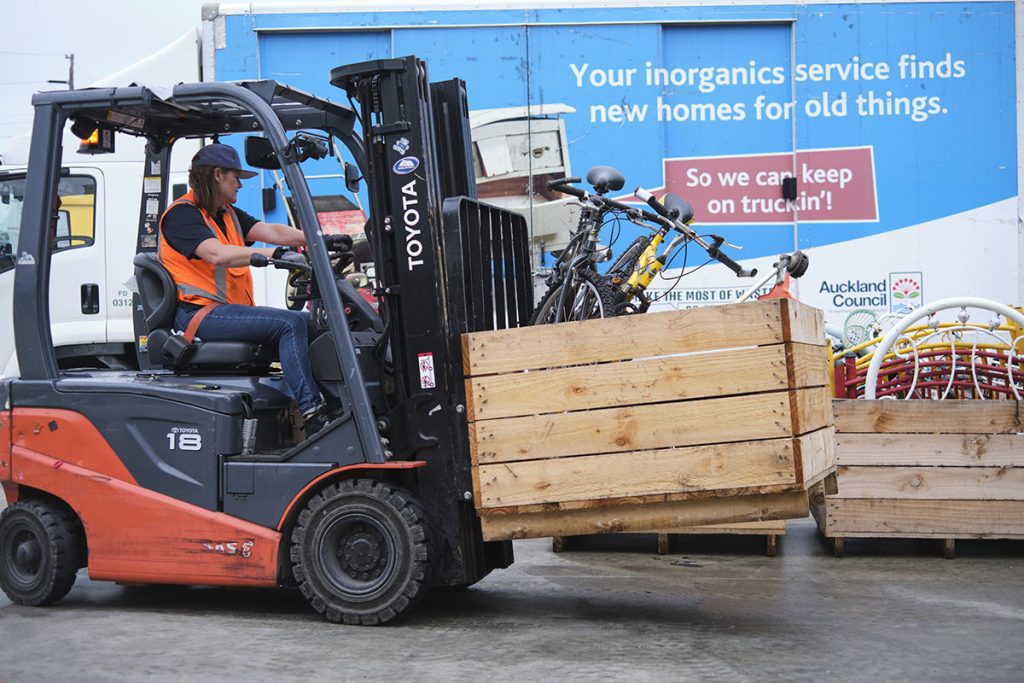
Unloading reusable goods at one of Auckland’s Zero Waste Hubs. (Photo courtesy of Zero Waste Network Aotearoa)

How does your work relate to social justice? 

If you can empower people to tackle problems within their own communities it can have a ripple effect and allow them to address various issues. By fostering collaboration and building a resource base focused on local initiatives, community empowerment becomes a powerful force for positive change.

In Auckland, there’s a plan to establish more material recovery centers, and we’re actively connecting with individuals to make this a reality. This initiative not only generates jobs but also provides support to those undertaking this work, creating opportunities for both employment and resource development. This was already realized with the establishment of 10 centers including the Onehunga Community Recycling Centre, operated by Onehunga Zero Waste (OZW). Through this joint project between two social enterprises, Synergy Projects Trust and Localized Limited, OZW aims to inspire local communities to embrace a Zero Waste lifestyle, with a primary focus on practices like reuse, repair, repurposing, and upcycling. The project also seeks to generate local job opportunities and provide valuable training prospects for the community

This approach effectively bridges the gap between business models and community needs, opening doors for job opportunities and resource utilization. The commercial aspect of our work often involves collaborative ventures with communities and this integration of business and community efforts is vital for achieving sustainable change.

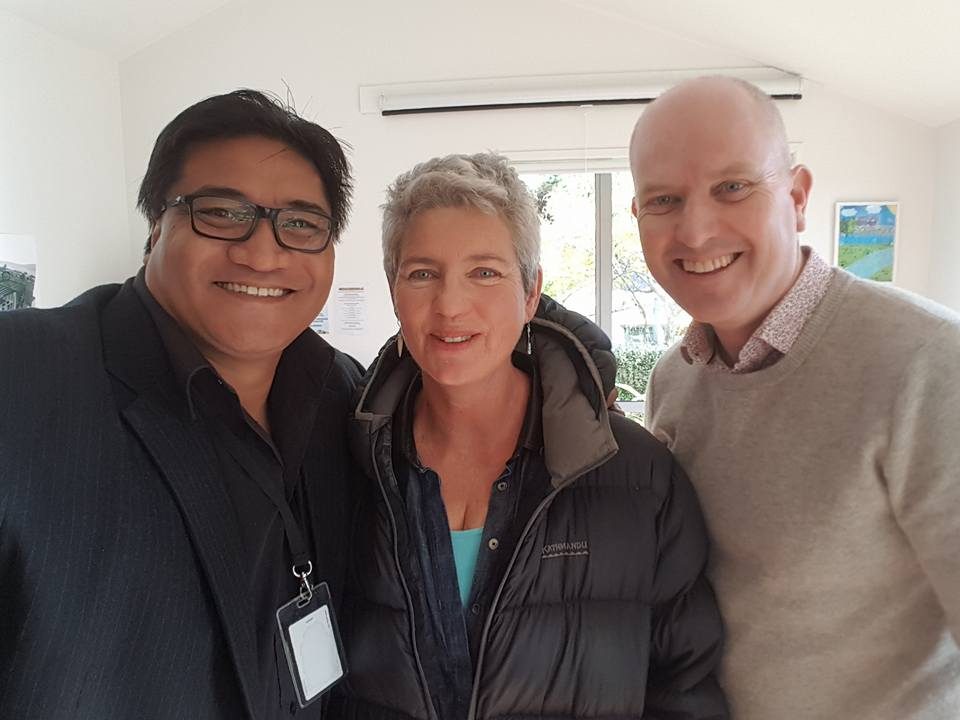
(L-R) Sei Brown, Zero Waste Network Aotearoa and Localised, Sue Coutts, Zero Waste Network Aotearoa, and Matthew Luxon, Localised. (Photo courtesy of Zero Waste Network Aotearoa)

Who do you admire most in environmental work?

Today, I want to give a special shoutout to our General Manager, Dorte Wray, who plays a crucial role in keeping our collective efforts running smoothly. Nevertheless, it is incredible how I encounter new heroes within environment work.

Environmental organizations are hard at work in every country and discovering what each of them is doing is a constant source of inspiration. I feel fortunate in my job as every day brings an opportunity to meet a new hero and that is a testament to the power of our shared mission. 

****

Discover more about Zero Waste Network Aotearoa and their initiatives at https://zerowaste.co.nz/. Support their mission to promote Zero Waste practices and sustainability in Aotearoa (New Zealand) by becoming a member or by participating in their online and offline trainings and events. Visit their Facebook page: Zero Waste Network Aotearoa or connect with them through this link.

The Inflation Reduction Act (IRA) channels $270 billion in tax credits for climate investments but raises concerns about incineration—a false solution to waste disposal that could generate 637.7 million tonnes of CO2e emissions over two decades, further harming the environment and disadvantaged communities.

By: Marcel Howard (Zero Waste Program Manager, US/Canada) and Jessica Roff (Plastics & Petrochemicals Program Manager, US/Canada)

Key Highlights

  • The Inflation Reduction Act (IRA) is primarily a tax bill. Of the promised $369 billion in climate investments, $270 billion will come in the form of tax credits1
  • Incineration is one of the most polluting and expensive waste disposal systems. Industry2 often greenwashes incineration as  “waste-to-energy”3 despite producing minimal amounts of usable energy and massive energy input
  • By measuring the lifecycle climate impacts of incineration accurately, the Department of the Treasury can deny polluting facilities billions in tax credits intended for actual sustainable energy solutions and ultimately delay or block their construction or expansion
  • If industry succeeds in propping up incinerators for 20 years, they will produce 637.7 million tonnes of climate-change-inducing CO2e emissions and further exacerbate toxic pollution and environmental racism4
  • Pairing new subsidies for incinerators with incentives for EVs is perverse
  • Turning waste, including fossil fuel-derived plastics, into jet fuel is dangerous and does not decarbonize air travel 
  • Two-thirds of US incinerators are located in states that include incineration in their renewable energy portfolio
  • The IRA allocated billions of dollars in lending subsidies specifically meant to drive reinvestment in low-wealth and environmental justice communities. Environmental justice, frontline, and fenceline groups should consider applying for these IRA lending programs

Background

The United States (US) has a waste problem compounded by a plastic problem. For decades, we have been handling our waste in ways that harm communities, our climate, and the natural world. Federal, state, and municipal governments continue to site waste incinerators of all forms in Black, brown, indigenous, and lower-wealth communities — plaguing them with decades of harmful air emissions, high levels of greenhouse gasses, toxic waste, accidents, and other health and safety-related concerns. From fossil fuel extraction to final waste product disposal, the entire production process damages these communities and numerous others. Across the board, incineration is one of the most polluting and expensive waste disposal systems.

Industry often greenwashes incineration as  “waste-to-energy” despite producing minimal amounts of usable energy and leverages this greenwashing to access billions of dollars in federal, state, and local green, renewable, and sustainable energy subsidies and tax breaks.
Against this backdrop, the Biden Administration signed the Inflation Reduction Act (IRA) into law on August 16, 2022. Many agencies are already approving and funding false solutions under the IRA. The Department of Energy (DOE) is funding new carbon capture programs at nearly $3.5 billion and allocating $1.2 billion of Justice40 money to develop direct air capture facilities. We are in a pivotal moment where the US must decide if it will take critical steps to lower greenhouse gas and toxic emissions and move toward a truly sustainable future or will continue to subsidize the dirtiest industries to annually emit millions of tonnes of new CO2 and other dangerous air pollutants.

IRA Overview

The Biden Administration claims its 755-page IRA is the most comprehensive climate bill in US history that is supposed to “make a historic commitment to build a new clean energy economy.” Its provisions on climate change mitigation, clean energy, and energy innovation dominate headlines, as it raises nearly $800 billion from multiple sources. President Biden said, “With this law, the American people won and the special interests lost.” To ensure this is true and stop the incinerator lobby and other special interests from cashing in on a new pool of taxpayer money, the federal government must implement critical changes to its business-as-usual model.

The IRA is primarily a tax bill. Of the promised $369 billion in climate investments, $270 billion will come in the form of tax credits. Before the IRA, Congress awarded tax credits to specific technologies (including incinerators) regardless of greenhouse gas emissions or community harm. Beginning in 2025, however, their eligibility will depend entirely on the Department of Treasury (Treasury) determining that they are zero-emission technologies. By measuring the lifecycle climate impacts of incineration accurately, Treasury can deny polluting facilities billions in tax credits intended for actual sustainable energy solutions and ultimately delay or block their construction or expansion.

Threats & False Solutions

Lifelines to Old, Failing Incinerators

Corporate polluters are corrupting the IRA, lobbying to weaken its rules and definitions to qualify for billions in new subsidies to expand and retrofit existing incinerators, most of which have been operating for an average of 32 years. It is nearly impossible to construct new conventional incinerators due to cost and community opposition, so industry is focused on expansion and modification. If industry succeeds in propping up incinerators for 20 years, they will produce 637.7 million tonnes of climate-change-inducing CO2e emissions and further exacerbate toxic pollution and environmental racism. 

Codifying False and Greenwashed Definitions

The incinerator lobby’s goal is to maximize subsidies, profits, and expansion and to use the IRA and other climate bills as a subsidized path to an undeserved sustainable image upgrade. In the context of the IRA, federal agencies such as the Treasury, the Department of Energy (DOE), and the Environmental Protection Agency (EPA) can either categorize incineration as the dirty, expensive, polluting process it is or bolster industry’s claims that incineration produces sustainable energy. If the federal government supports industry’s definitions in the earliest stages of IRA implementation, they will frame agency action and provide billions in tax credits, likely being codified for many climate laws, including the IRA.

IRA Breakdown & Opportunities for the Incinerator Lobby 

The incinerator lobby is working to undermine all aspects of the IRA, specifically focusing on (1) the Renewable Fuel Standard (RFS), (2) Sustainable Aviation Fuel (SAF), and (3) IRA lending programs. 

Renewable Fuel Standard (RFS)

In consultation with the Department of Agriculture and DOE, EPA implements the Renewable Fuel Standard (RFS) program. The RFS program is a “national policy that requires a certain volume of renewable fuel to replace or reduce the quantity of petroleum-based transportation fuel, heating oil, or jet fuel.” The four renewable fuel categories under the RFS are biomass-based diesel, cellulosic biofuel, advanced biofuel, and total renewable fuel. Although long limited to liquid fuels like ethanol, Biden’s EPA is in the process of allowing electricity from certain types of bioenergy to generate eligible credits. Under the current proposal, electric vehicle manufacturers would contract with power producers to generate highly profitable RFS credits.

Pairing new subsidies for incinerators with incentives for EVs is perverse. While support for electric vehicles is vital, it must not be fueled by dirty energy nor sacrifice frontline and fenceline communities. Incinerator interests recently launched a lobbying campaign to secure these incentives. Fortunately, EPA is not required to allow incinerator electricity into the program and has recently tabled an industry-backed eligibility proposal. But, only public pressure on Biden’s EPA and key Administration climate deciders will ensure they don’t approve such proposals.

Sustainable Aviation Fuel (SAF) 

As one of the most generous IRA incentives, the Sustainable Aviation Fuel Tax Credit (SAF) poses an urgent environmental justice concern. The credit increases in value for lower lifecycle emissions fuels. Treasury’s implementation will determine if this approach succeeds or fails. Industry interests are pushing to make the credit friendlier– and more lucrative–to a new generation of incinerators masquerading behind greenwashing like “pyrolysis,”  “chemical or advanced recycling,” and “plastic-to-fuel.” Turning waste, including fossil fuel-derived plastics, into jet fuel is dangerous and does not decarbonize air travel. 

Although the new aviation production tax credit theoretically excludes petroleum-based feedstocks like plastic, industry is pressuring the Administration to interpret the law to maximize benefits for incineration-based aviation fuels. President Biden and Treasury must decisively determine that plastic-derived fuel — including that derived from pyrolysis oil or any other product of chemical recycling/pyrolysis/gasification — is ineligible for these tax credits.

Lending Programs

The IRA allocated billions of new dollars to EPA and DOE, in particular, to expand existing lending programs and launch entirely new ones. Like the rest of the IRA, these programs’ climate and justice benefits depend on implementation. EPA is in charge of the new Greenhouse Gas Reduction Fund (GGRF), arguably the most important non-tax provision of the IRA. Worth $37 billion, it will be divided into three separate programs. EPA released broad, unenforceable guidelines in April 2023, suggesting they will focus lending on distributed generation, building decarbonization, and transport. These guidelines will not ensure the money is appropriately allocated, so EPA must prioritize applicants working on proven zero waste approaches. 

DOE is in charge of The Energy Infrastructure Reinvestment (EIR) Program, a new loan guarantee program with $250 billion that must be spent before 2026. It can fund energy infrastructure upgrades and the reopening of defunct energy infrastructure, both of which industry could coopt to support their ongoing incineration and chemical recycling plans. DOE must refuse to consider any incinerator applications to guarantee industry does not use loopholes to access clean energy tax credits. 

In July, the Republican-led House Appropriations Committee passed the Interior, Environment, and Related Agencies budget for Fiscal Year 2024. Their budget supports chemical recycling while cutting massive amounts from EPA’s budget and the IRA’s environmental justice efforts, including a nearly $4 billion EPA budget cut (a 39% reduction over 2023), reneging on the IRA’s $1.35 billion promised in environmental and climate justice grants.

Call to Action 

The incinerator lobby is so desperate for money and a government-greenwashed reputation that they launched a new, big-money–astroturf5 network, including DC power brokers and local government enablers. The combined movements6 for climate justice don’t have industry money, but we have people power, the truth, and a prime opportunity to fight against this industry push. There are three key areas in which to counter industry’s agenda: (1) Treasury engagement, (2) state-level renewable portfolio standards, and (3)  IRA lending subsidies. 

Treasury Engagement

As the Washington Post exposed in May 2023, the incinerator industry is among polluting industries racing to position themselves as green to access billions in subsidies and tax credits. In the last year alone, industry launched two trade groups to push their message: the Waste-to-Energy Association and the Circular Economy Coalition. Both have made comments to access benefits for incinerators under the Inflation Reduction Act, or considered prioritizing it. Industry is dedicated to getting Treasury to qualify incinerators as renewable, despite overwhelming evidence that incinerators are extremely polluting. 

It is critical to engage with Treasury as it develops policies, rules, regulations, and procedures to implement the IRA. If Treasury determines this most costly and polluting form of energy is zero emission, it will set an appallingly low bar within the IRA that will exacerbate rather than address the climate crisis, perpetuating and compounding the issues we currently face, and permanently scarring the Biden Administration legacy.

State-level Renewable Portfolio Standards 

The IRA has broad implications, reaching far beyond the federal level of government. Defeating federal government incinerator giveaways in the IRA and other federal climate initiatives will strengthen communities fighting state and local government incinerator giveaways. Currently, different states provide a patchwork of policies and incentives related to incineration. Perhaps most notable are state Renewable Portfolio Standards (RPS). Twenty-nine states, the District of Columbia, and four US territories have an RPS. Each RPS has its own renewable electricity targets, defines what technologies qualify as renewable, designates particular technologies as higher or lower tier within the mix, and enables the trading or sale of renewable energy credits. Two-thirds of US incinerators are located in the 26 US states and territories that include incineration in their renewable energy portfolio. Showing industry’s power, scope, and connections at both the federal and state levels of government. It also shows an entrenched mentality that incineration is a clean energy solution. It is imperative that the IRA does not follow suit.

IRA Lending Subsidies

Along with Treasury engagement, environmental justice, frontline, and fenceline groups should consider applying to IRA lending programs. The Greenhouse Gas Reduction Fund (GGRF) and DOE’s Energy Infrastructure Reinvestment (EIR) Program offers billions of dollars for projects specifically meant to drive reinvestment in low-wealth and environmental justice communities. Both programs provide an opportunity to fund proven zero waste solutions that push back against false solutions, like incineration. 

The Greenhouse Gas Reduction Fund (GGRF): The GGRFis a $27 billion investment program designed to achieve the following: “ (1) Reduce greenhouse gas emissions and other air pollutants;  (2) deliver benefits of greenhouse gas, and air pollution-reducing projects specifically to low-wealth and disadvantaged communities; and (3)  mobilize financing and private capital to stimulate additional deployment of greenhouse gas and air pollution reducing projects.” The GGRF is being implemented via three grant competitions, which include: (1) the National Clean Investment Fund, (2) the Clean Communities Investment Accelerator, and (3) the Solar for All Fund.”7 

The National Clean Investment Fund: “The National Clean Investment Fund competition will provide grants to 2-3 national nonprofit clean financing institutions7 capable of partnering with the private sector to provide accessible, affordable financing for tens of thousands of clean technology projects across the country.To learn more about the program and how to apply, visit Grants.gov. Application packages must be submitted on or before October 12, 2023, at 11:59 PM (Eastern Time) through Grants.gov.

The Clean Communities Investment Accelerator: “The Clean Communities Investment Accelerator competition will provide grants to 2-7 hub nonprofits that will, in turn, deliver funding and technical assistance to build the clean financing capacity of local community lenders working in low-wealth and disadvantaged communities so that underinvested communities have the capital they need to deploy clean technology projects.” To learn more about the program and how to apply, visit Grants.gov. Application packages must be submitted on or before October 12, 2023, at 11:59 PM (Eastern Time) through Grants.gov. 

DOE Energy Infrastructure Reinvestment (EIR) Program: “The EIR Program provides $250 billion for projects that retool, repower, repurpose, or replace energy infrastructure that has ceased operations or enable operating energy infrastructure to avoid, reduce, utilize, or sequester air pollutants or greenhouse gas emissions.” To learn more about the program and how to apply, visit Energy.gov. Individuals interested in applying should request a no-cost pre-application consultation with a member from DOE’s Loan Programs Office. 

USDA Empowering Rural America (New ERA) Program: “The ERA program provides $9.7 billion for projects that help rural Americans transition to clean, affordable, and reliable energy intending to improve health outcomes and lower energy costs for people in rural communities.” To learn more about the program and how to apply, visit USDA.gov. Individuals interested in applying should submit a Letter of Interest (LOI) by September 15, 2023.  

Conclusion 

On paper, the Biden Administration’s IRA may be the most comprehensive climate legislation in history, but it also has the immense potential to be a climate destroyer. We are at a crossroads where the Administration and all other levels of government have the power to use the IRA for its stated purpose to “confront the existential threat of the climate crisis and set forth a new era of American innovation and ingenuity to lower consumer costs and drive the global clean energy economy forward.” To make the promise a reality, the Administration — including all the executive agencies, particularly Treasury, Energy, and EPA — cannot succumb to industry greenwashing lobbying.

The Biden Administration must accurately measure the lifecycle climate and health impacts of all forms of incineration and its products (including pyrolysis and gasification) and unequivocally determine that it is not a source of clean energy or a safe way to make jet fuel. It will be up to our ever-expanding movement to hold the Administration accountable to the ideal of the IRA and ensure it is not another greenwashed handout to industry — and that its tax credits and funding go to sustainable solutions that benefit the Black, brown, indigenous, and low wealth communities as it initially intended. 

For more information on the Inflation Reduction Act and its lending programs, visit our fact sheet here.


Resources 
  1. As a tax bill, the categories and definitions of processes are critical because they will determine if a process is covered under it. Historically, there have been some good and some bad determinative definitions (including currently for chemical recycling). ↩︎
  2.  Industry refers to the plastics, incinerator, fossil fuel, and chemical industries who are all perpetuating the plastic waste problem ↩︎
  3.  Industry labels waste-to-energy (WTE) a number of different ways including: plastic-to-fuel (PTF), plastic-to-energy (PTE), refuse-derived-fuel, etc. ↩︎
  4.  This is entirely dependent on if the federal government places incinerators into favorable categories for purposes of massive amounts of tax credits and de facto subsidies. ↩︎
  5.  Astroturfing is the practice of hiding the sponsors of a message or organization (e.g., political, advertising, religious, or public relations) to make it appear as though it originates from, and is supported by, grassroots participants. ↩︎
  6.  The movement includes, but is not limited to – and is always open to expand – the environmental justice movement, climate movement, conservation movement, public health movement, plastics movement, etc. ↩︎
  7. The deadline for the Solar for All Competition has recently been extended to October 12, 2023. Please review this link for additional information: https://www.epa.gov/newsreleases/biden-harris-administration-launches-7-billion-solar-all-grant-competition-fund#:~:text=The%20Solar%20for%20All%20competition,%2C%20Tribal%20governments%2C%20municipalities%2C%20and ↩︎

Interview with Mahesh Nakarmi by Dan Abril

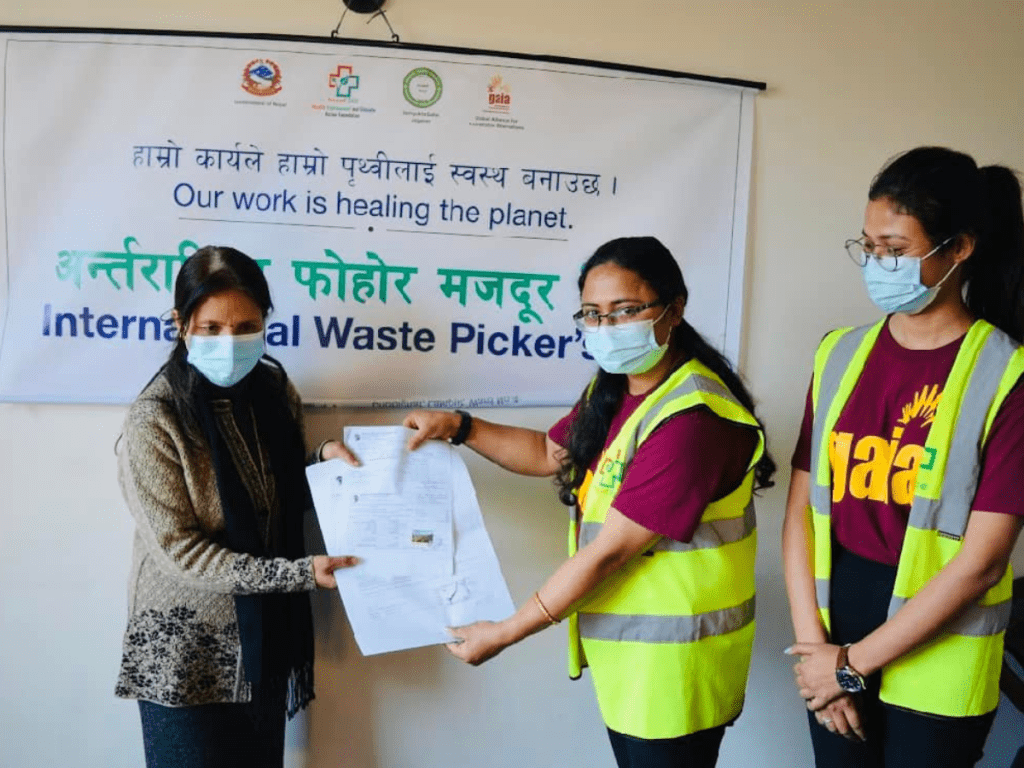
Mahesh Nakarmi, professionally a Disaster Risk Management Specialist, with a qualification of Masters degree in Civil Engineering  underwent a transformative experience that led him to embrace Zero Waste. While as a co-founder of the National Kidney Center, he personally encountered the improper disposal of hazardous waste, posing significant risks to communities and waste workers. Witnessing this first hand, he felt an urgent need to take action and promote improved methods for health care waste management which was neglected during those days.

He co-founded Health Care Foundation Nepal (HECAF) in 1994 to address this and ultimately, Mahesh’s efforts in advocating for proper health care waste management prevailed. In 1999, through his efforts, the NKC became the first hospital in Nepal to disinfect the waste generated during care of the kidney patients by using autoclave as a non burn technology. So when he developed a complete health care waste management system at the center, it ultimately  resulted in the reduced quantity of waste  being sent to the landfill. His path took another turn upon meeting GAIA Asia Pacific and Health Care Without Harm. Through these organizations, Mahesh learned about non-burn and no harm approaches including Zero Waste principles and realized that what he was doing is already  Zero Waste. 

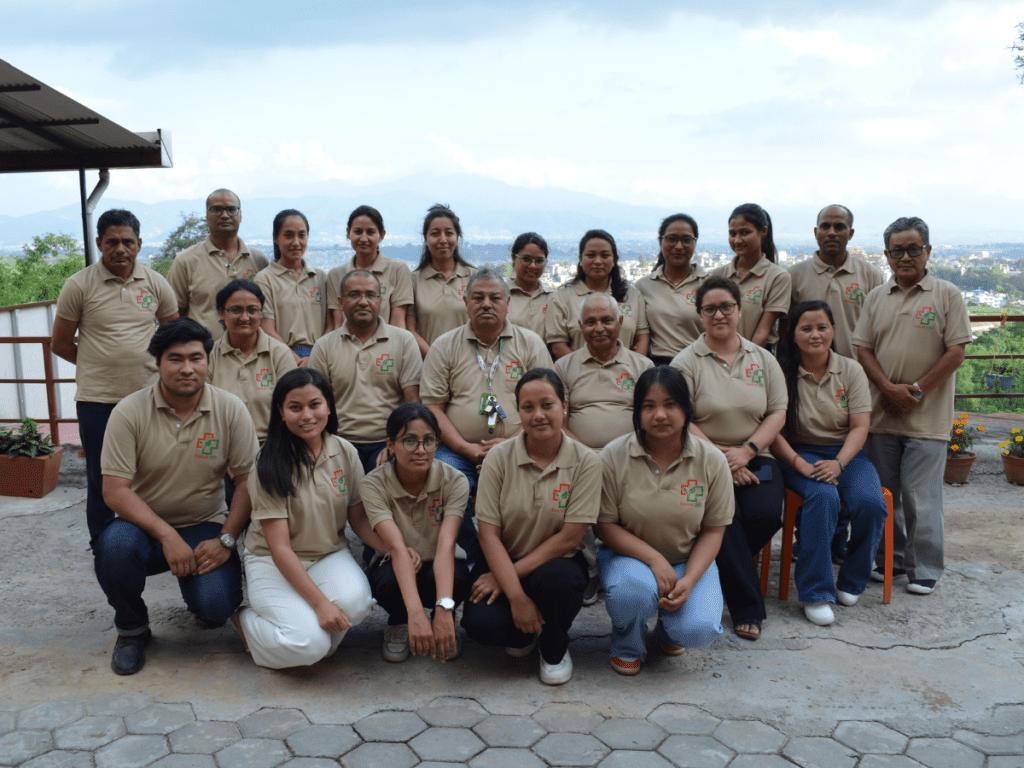
In 2020, HECAF became the Health Environment and Climate Action Foundation (HECAF360) and today has a team of 20 people coming from diverse backgrounds such as engineering, environmental science, environmental engineering, biomedical engineering, nursing, public health, and healthcare. 

We had the opportunity to chat with Mahesh and we discussed HECAF360’s journey in becoming a Zero Waste pioneer in Nepal. 

The HECAF360 Team. (Photo courtesy of HECAF360)

What are HECAF 360’s top priorities?

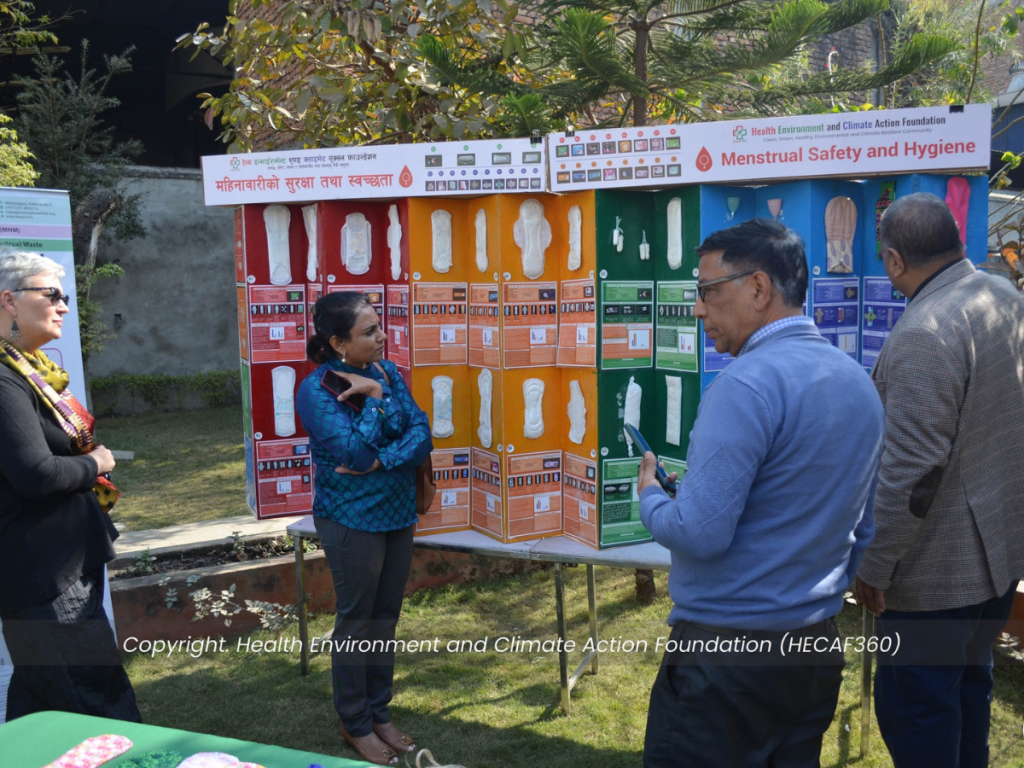
We work on a lot of areas and we address the gaps. These include Zero Waste, healthcare waste, hygiene, and climate resilience. It’s all interrelated. When we talk about menstrual hygiene management, we talk about women’s health and also talk about waste management. But mainly it’s all about Zero Waste and advocating for zero toxins and zero burn approaches to waste management. 

We understand that waste management is a long-term process that cannot be resolved within a short period but by adopting a Zero Waste approach we will achieve our ultimate goal of not having to send any waste to landfills. To realize our objectives, we are trying to define the role of individual citizens in the management of the waste that they generate daily, so we are exploring smart waste management solutions. Through this, we ensure that different types of waste are appropriately handled: recycling is directed to designated recycling centers, landfill waste is appropriately disposed of in landfills, and food waste is routed to food processing facilities to be converted into compost. 

An essential aspect of this system is it provides employment opportunities to waste pickers and integrates them into the waste management process.

Photo courtesy of HECAF360

What are HECAF360’s ongoing campaigns?

We have campaigns on plastic waste and water-related campaigns but everything leads to Zero Waste. You simply cannot advocate for Zero Waste without taking these issues into account. When we conduct our education campaigns in hospitals and government offices, we talk about Zero Waste and we talk at all levels from kindergarten and up, as well as from municipality to federal ministries.

What are HECAF360’s biggest accomplishments/achievements?

We have a lot of stories to share! We’re proud to have introduced Zero Waste not only in hospitals but to the rest of Nepal. We are continuously creating Zero Waste coalitions. We do not only collaborate with hospitals but through coalitions, we also bring together schools, businesses, INGOs, the government, and those working on recycling and upcycling. 

Photo courtesy of HECAF360

What challenges are you currently facing and how is the organization impacted by the COVID crisis?

In 2020, we only had a staff of about 6 to 8 people. At that time, Nepal had not yet experienced the impact of COVID-19. Then, the Minister of Health reached out to us for assistance during the evacuation of 175 students studying in Wuhan, where the pandemic began.

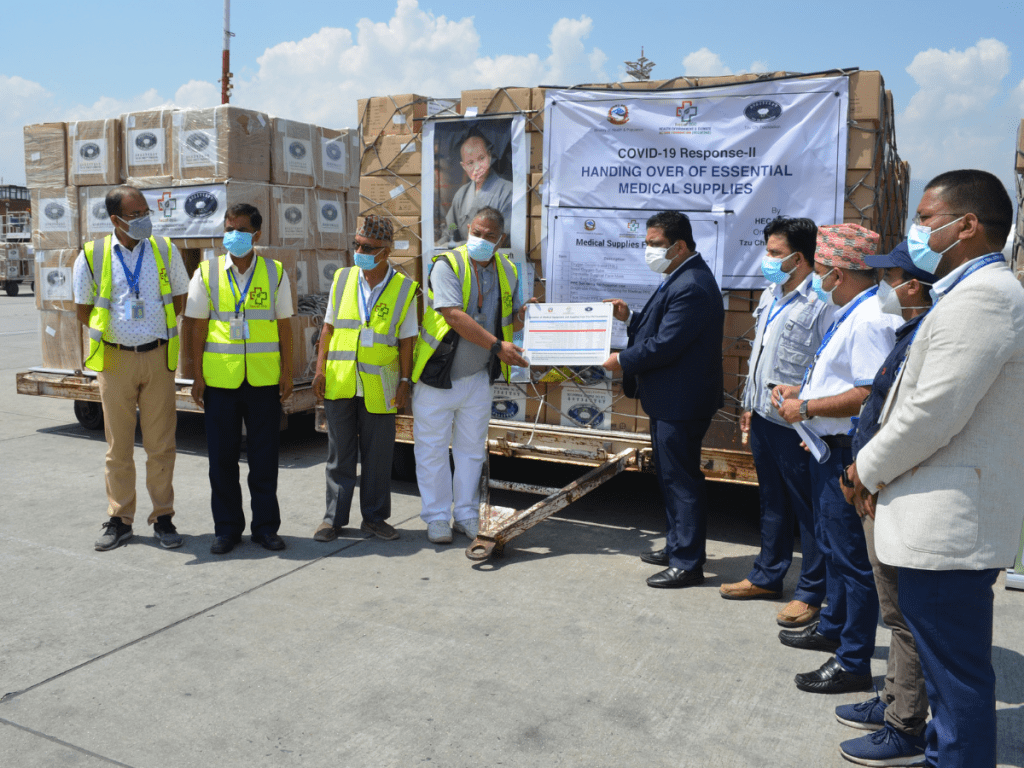
We responded to the call and we took on the challenge and designed a comprehensive waste management system in collaboration with the army, police, the civil aviation authority, and airlines. Our efforts extended from managing waste at airports and handling quarantine centers. 

In this endeavor, we partnered with the Tzu Chi Foundation in Taiwan to facilitate the donations, which involved 10 charter flights. However, there are several challenges in the process. To provide support for waste management in hospitals and donate essential items like ventilators, oxygen concentrators, High Flow Nasal Cannula, and personal protective equipment (PPEs), we were required to have special permission from the government. Though it was a significant challenge, we persevered, and worked closely with authorities and handed over all these items to the Ministry of Health and Population.

With the leadership of the Ministry of Health and Population and with the support of the World Health Organisation (WHO) in Nepal, GiZ Nepal, and the Swiss Government; the HECAF360 team worked at the government health facilities around the clock to improve waste management systems.  Working around these challenges not only strengthened our resolve but also made life more interesting. Despite the risks brought by the pandemic, our staff felt a sense of fulfillment in being able to contribute to the community by providing food relief for needy people in different communities. It provided an opportunity to learn and collaborate with our waste pickers. We were successful in providing a little support to the waste pickers.

Overall, the experience of managing waste during the COVID-19 crisis offered unique learning experiences as we worked closely with both government offices and local communities.

Photo courtesy of HECAF360

What are the main environmental issues your country or region is facing?

The current waste management situation is connected with various environmental issues, including landfills, air pollution, and river pollution, these are related to the broader problem in waste management. Our specific concern now are the chemicals leaching out of Nepal’s landfills, this has worsened the waste management issue. This has directly impacted the public health of the people residing in surrounding communities near the landfill sites. So we need to find a better solution to minimize the quantity of waste to be disposed of at the landfill by integrating waste into a circular economy through the Zero Waste Cities program. And we are actively collaborating with the local, provincial, and federal governments in search of solutions.

How do you see your HECAF360’s work evolving in the next years? 

We have identified numerous areas to focus on, and we still have many plans in progress, including improving the way we communicate our work. Our goal is to be more proactive in implementing Zero Waste systems throughout the country.

Recently, the Ministry of Health began discouraging the use of incinerators in hospitals and encouraged the use of non-burn technologies. This indicates a growing awareness and commitment to the Zero Waste approach. As such, in the coming years, we look forward to Nepal becoming more Zero Waste.

Do you collaborate with partners in other regions? If so, how?

We establish partnerships wherever we go. We want to learn from partners and they want to learn from us. One example is when we went to Penang in Malaysia. At the Tzu Chi Dialysis Center in Penang,  Tzu Chi Foundation Volunteers run a waste recycling program  and the income from this program supports the operation of center and their outreach to communities in need. 

How does your work on waste relate to social justice?

We call on our right to health and a clean environment and we are also advocating for a just transition for waste pickers. Despite the challenges, we continue to push for the government to act. 

Who do you admire most in the environmental work (in your country or in the world)?

There is a lot of good environmental work being done in other countries. I have a lot of admiration for environmental groups in the Philippines for succeeding in banning incineration. There is also a lot of work being done in reclaiming rivers and bringing them to life again. That is commendable. 

HECAF360 always believes in action. That’s why we have action in our name. We don’t do a lot of writing or publishing. We don’t post a lot on social media but we have action. We have zeal for what we want to do and we will continue to do so until we bring the smile back. 

Call for funding: 

Currently, HECAF360 lacks the necessary resources to fund their policy work. Support HECAF360 and their goal of achieving a Zero Waste Nepal, email HECAF360 at management@hecaf360.org or visit their website at https://www.hecaf.info/
Interview with  Chong Tek Lee and Lam Choong  Wah by Dan Abril

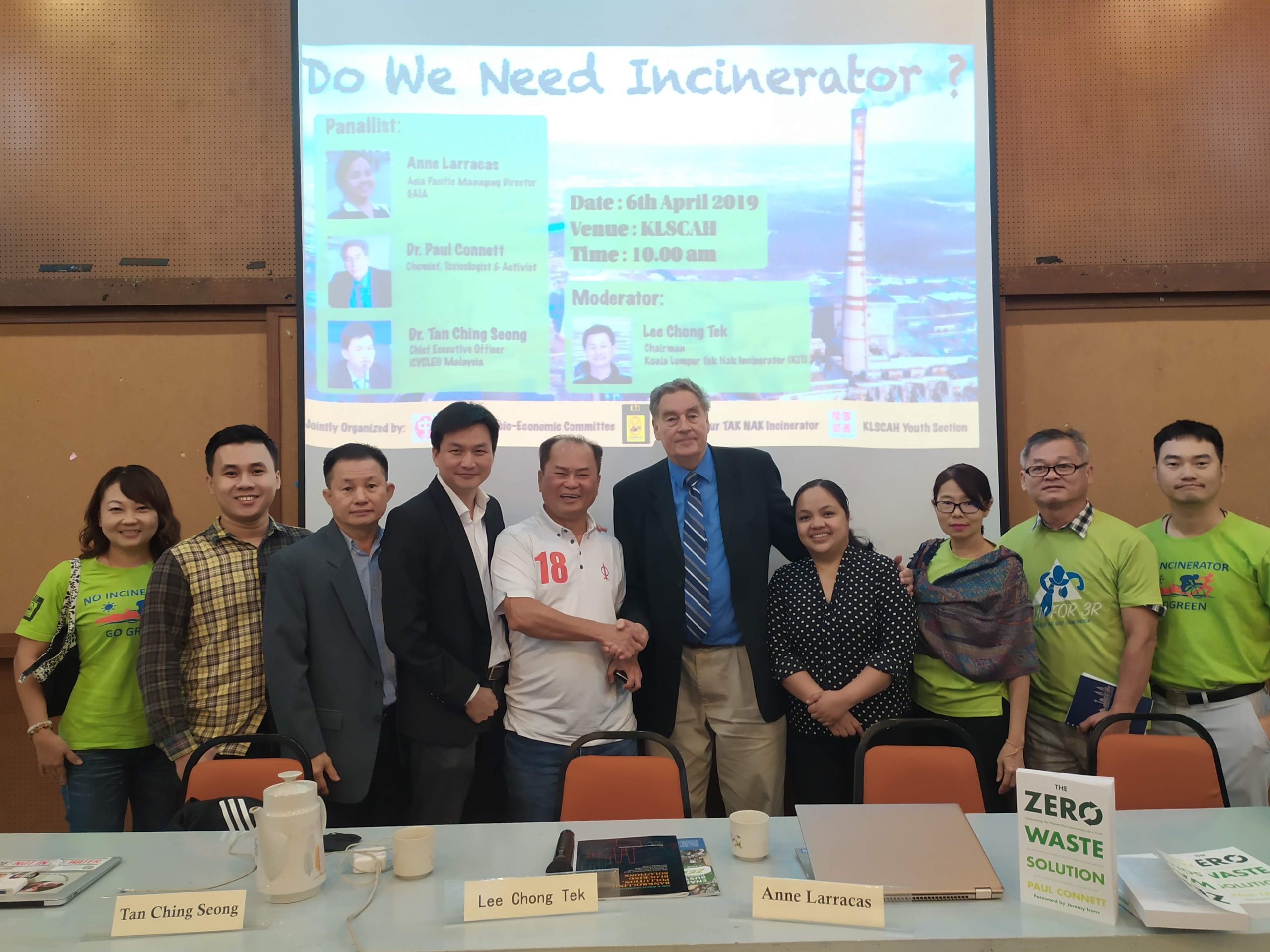
Established in 2014, Gabungan Anti-Insinerator Kebangsaan (GAIK) is the result of different organizations uniting to oppose the construction of waste-to-energy (WtE) incinerators across Malaysia. 

These four organizations: Selamatkan Bukit Payong, Gabungan Anti Insinerator Cameron Highlands, Jawatankuasa Anti Insinerator Tanah Merah, and Jawatankuasa Bertindak Kuala Lumpur Tak Nak Insinerator (KTI) joined hands determined to convince the Malaysian Government to put an immediate halt to the development of WtE facilities and to instead adopt a more effective and sustainable waste management strategy: Zero Waste.

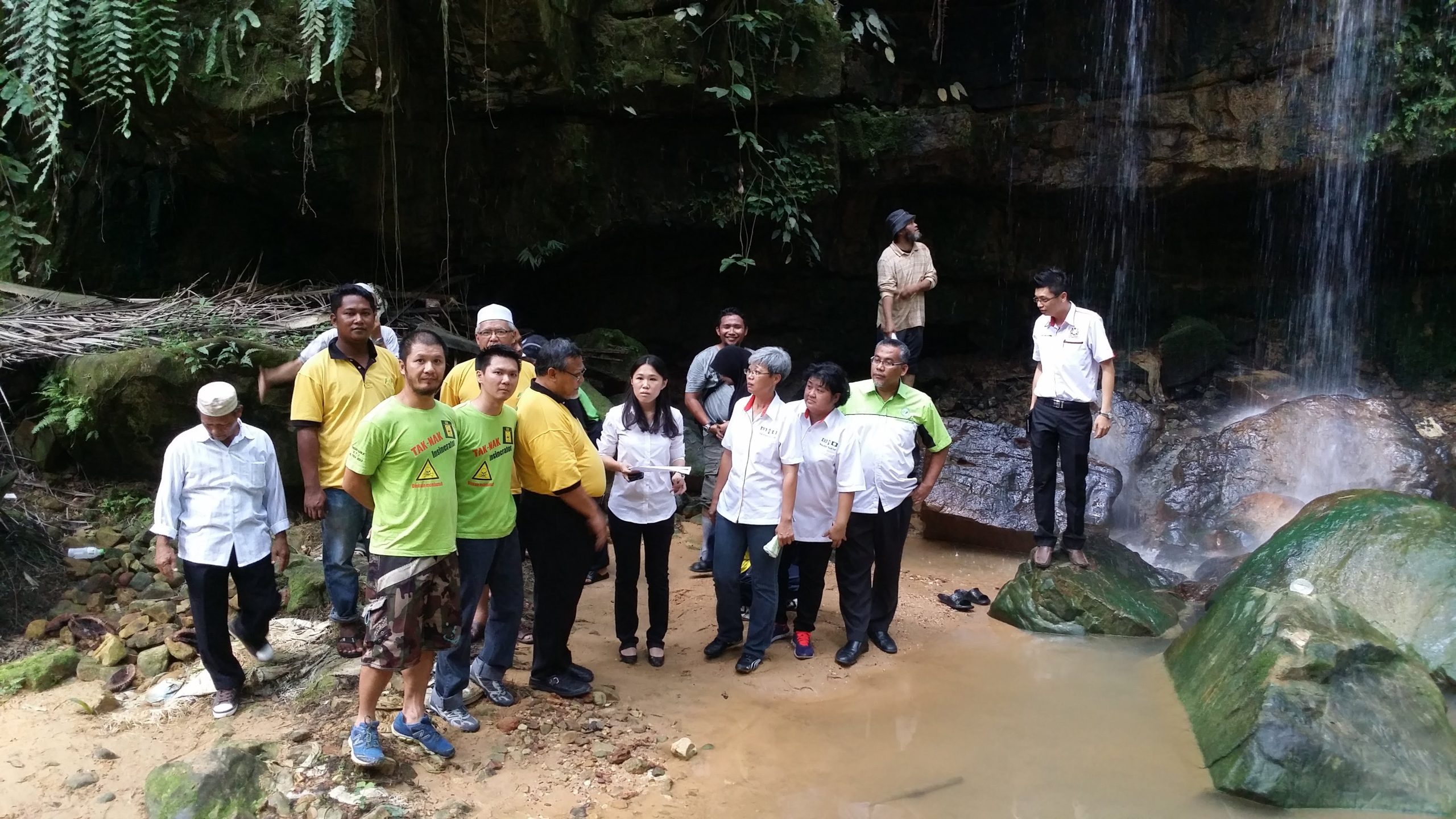
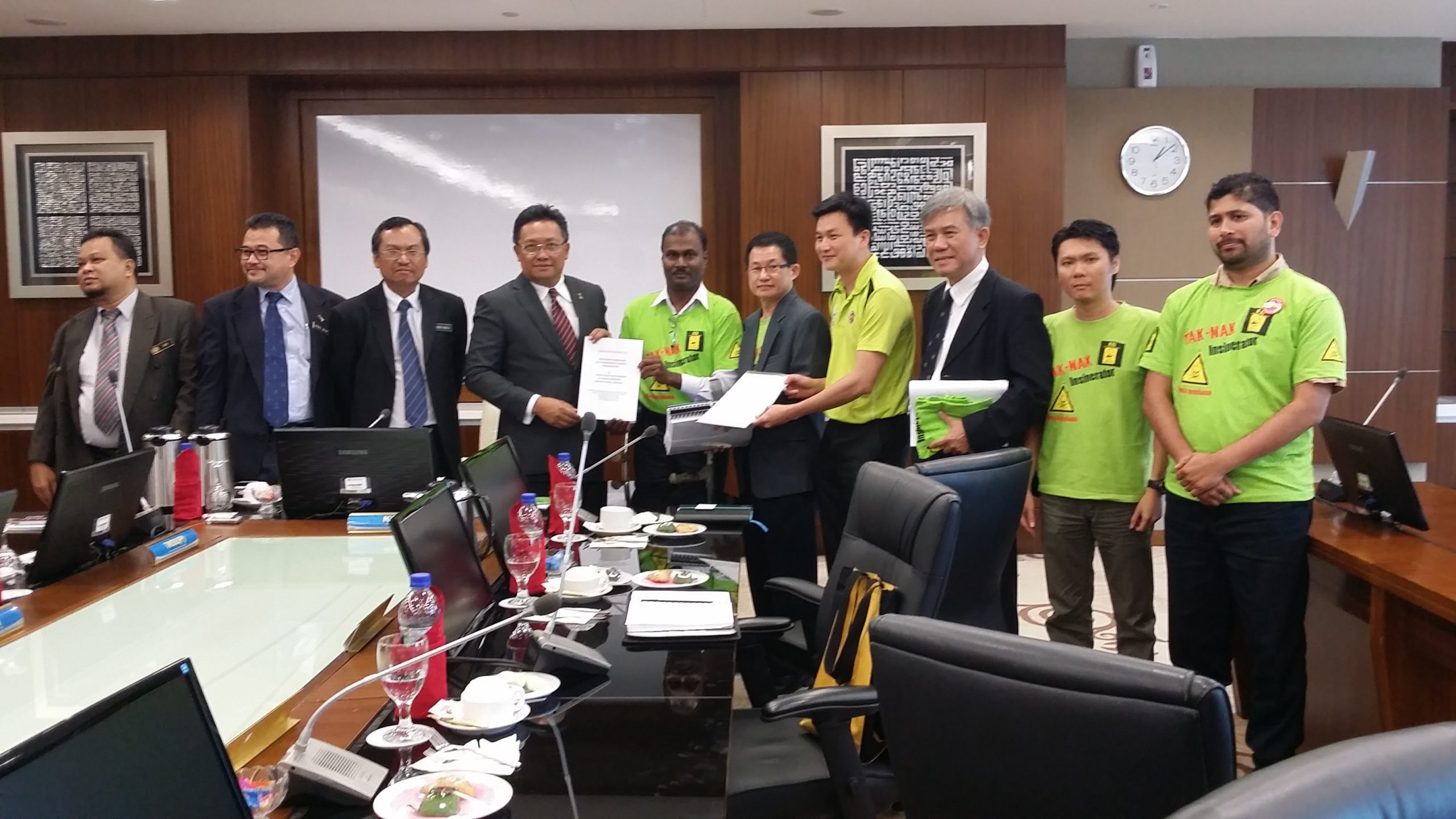
At the time it was founded, GAIK faced three mega-incinerators. The group managed to succeed  in halting the construction of one  of these incinerators. However, the Malaysian government hasn’t stopped pushing for WtE incineration and has plans to construct at least one mega- incinerator per state. Today, GAIK is an alliance of 10 individuals and 5 non-government organizations (NGOs) still united in their fight against incinerators. 

Photo courtesy of GAIK

We had the chance to sit down with GAIK Committee Member, Lam Choong Wah and one of GAIK’s founders, Chong Tek Lee and  during our discussion, we explored GAIK’s beginnings, their current actions, the difficulties they face,  and their goals and visions for the future. 

What are GAIK’s main campaigns?

We are primarily focused on anti-incineration campaigns and Zero Waste. 

We are still a small organization and there’s only one partner organization,  which is also a GAIA member, Zero Waste Malaysia, that works on Zero Waste so we’re also working on getting more non-government organizations (NGOs) and concerned individuals to get involved.

Since WtE incinerator proposals mostly happen in densely populated areas, we approach residents and help them mobilize against these “monsters”. For the Malaysian government, burning waste is the fastest solution to waste and people should oppose it – as much as we can. 

What are GAIK’s biggest achievements and accomplishments?

We successfully lobbied against the construction of a WtE incinerator in one state. In Kepong, Kuala Lumpur, after a series of protests, we managed to convince the authorities to not move forward with the project and  then in Johor, the authorities are still carrying on with but we lodged a report at the Malaysian Anti-Corruption Commission (MACC) and urged the commission to probe the Urban Wellbeing, Housing and Local Government over their awarding of contracts for incinerator projects. Then in 2019, We also organized a large forum focused on Zero Waste and anti-incineration and planned to have more similar events after. 

What challenges are you facing and how was your work impacted by the COVID crisis?

Since we are a very small organization, our resources are very limited. It can also be difficult to locate WtE proposals in the country. Currently, there are at least 13 WtE proposals – one for each region. When one proposal is rejected by residents, the government only moves to another location. 

Right now there is one being proposed in Selangor State and is planned to accept garbage from neighboring regions. 

It is not always easy to go against these proposals. People are not always ready to fight these “monsters”. People can be scared as authorities take the identification numbers of residents. 

The pandemic made it more difficult for us, all our activities were put on hold and so our targets were not met. It is only now – after three years – that we have become fully active again.

Photo courtesy of GAIK

What are the main environmental issues that your country/region is facing? 

We have a significant problem with single-use plastics (SUPs). We try not to use SUPs such as straws or plastic bags but some tourists and non-Malaysians still need to be aware about the immensity of plastic pollution. Yes, SUPs are used everywhere but you have to lose things to gain better things. There will be a ban on SUPs by 2025 but it needs to be developed further and we need to work with the government on that.  

Another issue is that the waste trade is still happening. We often receive news from WhatsApp groups but these are not widely publicized. Malaysia should put a stop to this practice because we pay a lot more in terms of environmental damage. A lot of these waste exports end up in landfills. Some activists are trying to put a stop to it but owners of facilities accepting waste exports can have so much power and be able to prevent people from even entering their area. 

How do you see your organization’s work evolving in the next few years?

We need to increase the number of people and organizations joining us. There are a lot of people practicing Zero Waste but they are not organized. Currently, GAIA members The Center to Combat Corruption and Cronyism (C4), Zero Waste Malaysia, and the Consumers Association of Penang (CAP)  are potential GAIK  members. We need to be united to be strong since  it is not easy to go against authorities. That is the solution that we would like to achieve: for GAIK to be a show of force. 

We are praying that the Malaysian government will listen to the people and work with them. You cannot go far if your government does not cooperate. 

What are your thoughts on the waste crisis that many countries in your region (and in the world) are living in right now? 

What goes on in another country affects us. Like in Singapore, they burn waste and the smoke from their incinerator goes to Malaysia. Unfortunately, there are no organizations in Singapore to oppose incinerators – the government is too harsh. 

In some countries, people are too poor and are too worried about their bread and butter that they cannot think about environmental issues. We are hoping that soon, we can all work together as a region and address our persistent environmental issues. 

Photo courtesy of GAIK

Do you collaborate with partners in other regions? If so, how?

We work with organizations such as GAIA. We joined GAIA’s Regional Meeting in Vietnam last April.  We met up with a lot of GAIA members and saw we can build a coalition with other Southeast Asian countries to launch Zero Waste or anti-incineration campaigns. We believe that there is power in numbers and alliances such as GAIA are important. If you want to learn, you need to learn hand-in-hand with other people. 
How does your work on waste relate to social justice? 
This is really hard for me to answer but then also remember that rubbish is collected and transported to other areas. This is not healthy for receiving communities and so are the working conditions for those involved. Change cannot happen overnight and we think we are helping with our Zero Waste strategies. 
Who do you admire most in environmental work (in your country or in the world)?

We admire Greenpeace Malaysia. They work really hard! Mr. Heng Kiah Chun of Greenpeace is particularly admirable. If something comes up, it takes only one message to our group and all NGOs are quick to respond. 

To know more about GAIK and their campaigns, you can visit the We Anti Kepong Incinerator on Facebook. The group is actively engaged in campaigns and initiatives to oppose the construction of the incinerator and raise awareness about its potential environmental and health impacts.

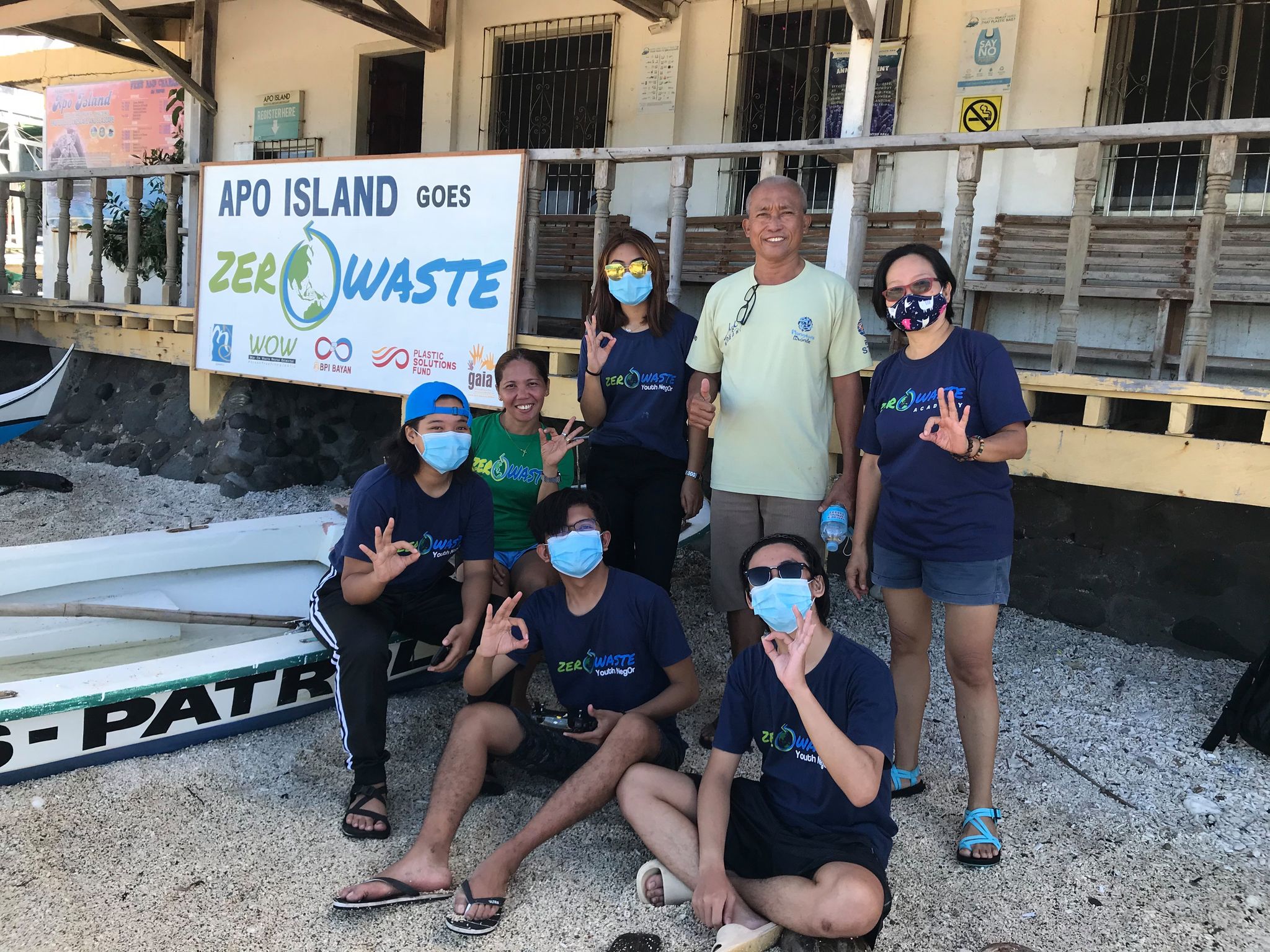
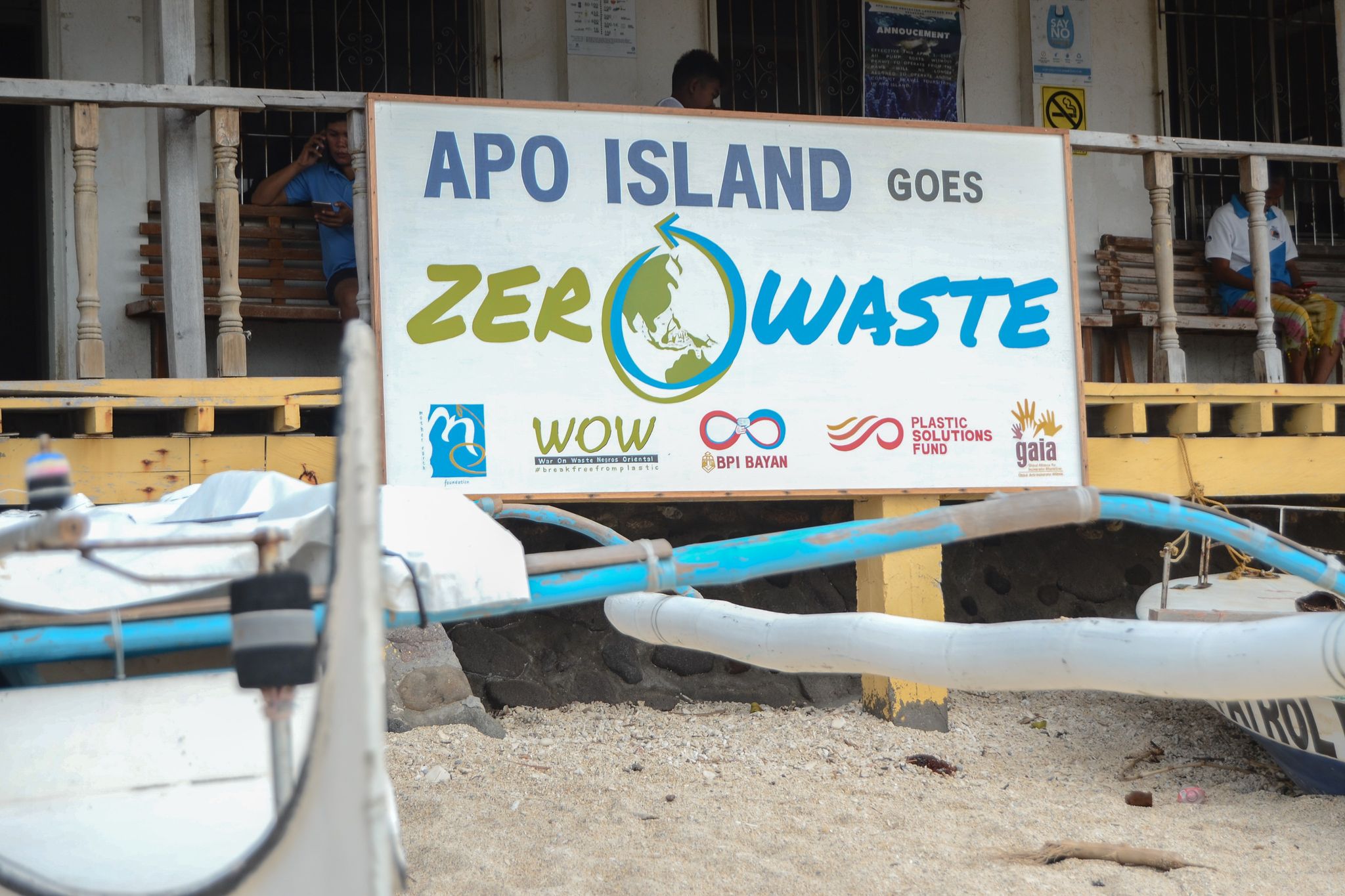
18 September 2021, Philippines–After a year of successfully sustaining its Zero Waste efforts, Apo Island—a barangay (village) in Dauin municipality in Negros Oriental, Philippines—is now tagged as the county’s 1st Zero Waste Island Barangay. 

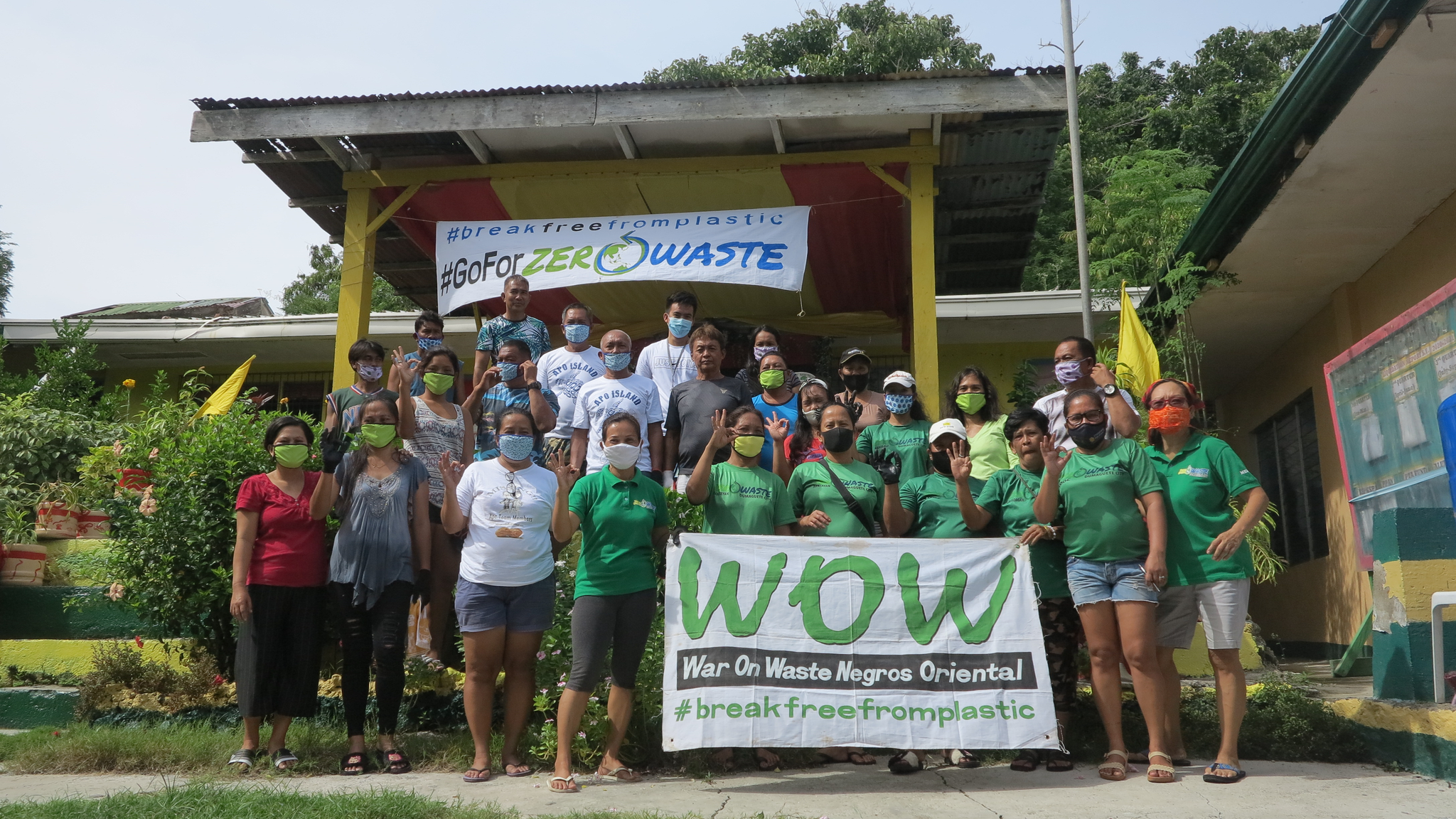
“The community is proud of what they have achieved in their first year of adopting Zero Waste system and practices,” said Merci Ferrer of War On Waste (WOW) Negros Oriental-Zero Waste Cities Project Manager. She hopes that a better normal will be on the horizon soon, to better celebrate both small and big victories in the war on wastes. 

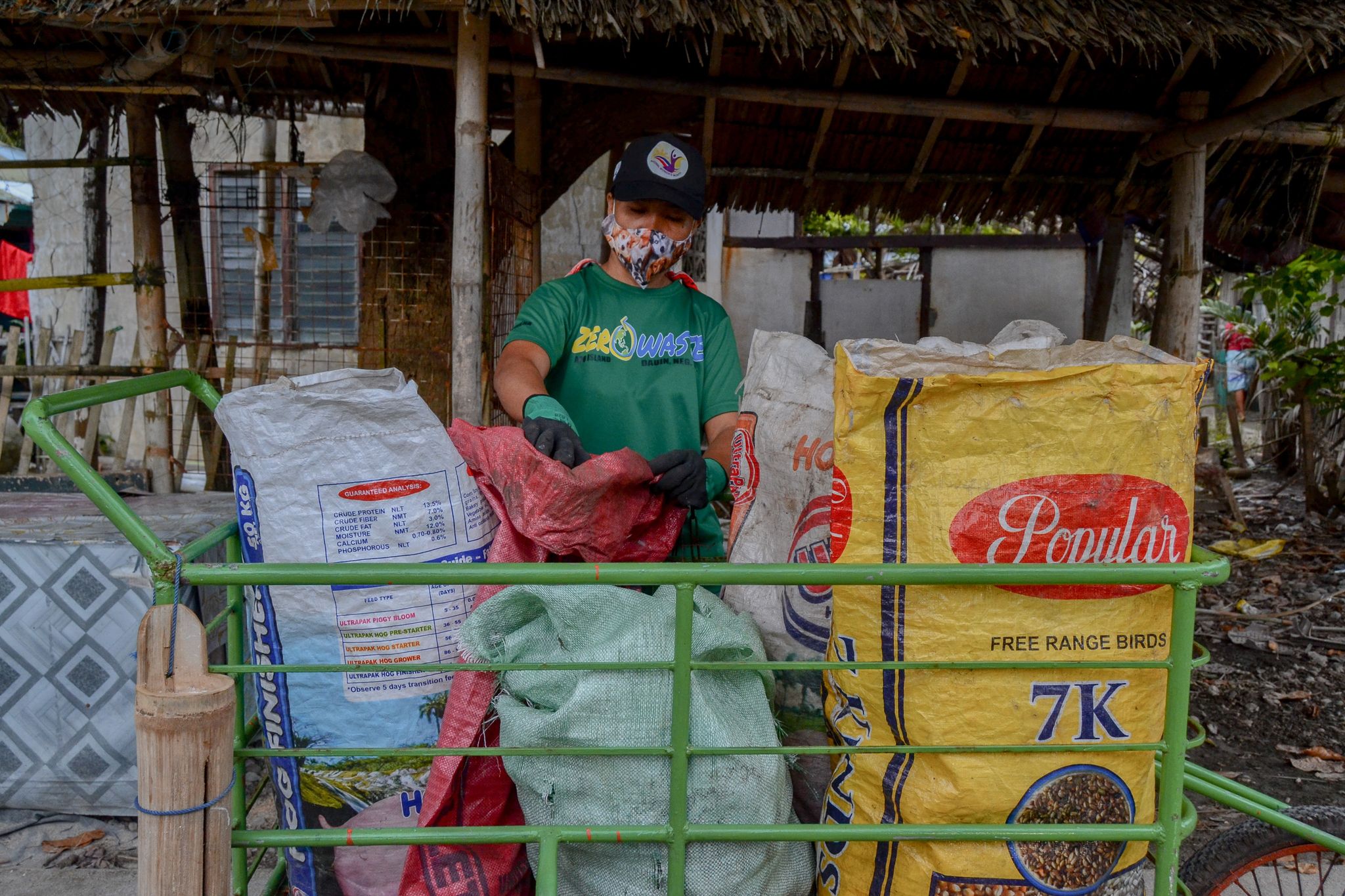
In 2020, Apo Island adopted waste management systems and practices introduced by WOW Negros Oriental in their community. These systems and practices include the conduct of information campaigns to inform households about proper waste segregation at source, implementation of door-to-door segregated waste collection system, use of composting methods, establishment of a decentralized Materials Recovery Facility (MRF) where organic wastes are composted and recyclables are aggregated for junk shop sale, and community members training on waste assessment and brand audits to identify waste composition to help design a waste management system that will work for the island.

“We want to recognize Apo Island for their amazing work on their Zero Waste journey. We want to acknowledge their hard work and to encourage them to sustain it and do more. This is unique: Apo Island is the first Zero Waste Island Barangay  in the Philippines,” said Froilan Grate, GAIA’s Asia Pacific Regional Coordinator.  

To date, Apo Island has seven waste workers, four MRFs, and an ordinance regulating single-use plastics in the island. Moreover, residents in the island now rinse and dry out their plastic bottles, food cans, and other recyclables before throwing them away. Further, residents in Apo Island, including waste collectors and barangay  leaders, expressed their steady support for the Zero Waste Cities Project (ZWCP).

However, despite the consistent efforts of Apo Island, its residents continue to face challenges caused by the inaction of its neighboring communities. “Even if we keep the surroundings clean, because we live on an island, there are times when the strong winds and waves bring the trash from our neighboring towns and communities  onto our shores. This is because our current comes from the northeast of the island; sometimes, the garbage from those areas end up in our shoreline,” said Mario Pascobello, a village leader from Apo Island.  

This 2021, WOW – ZWCP is working to have at least one Zero Waste store and Zero Waste Elementary and High Schools. WOW Negros Oriental also continues to support  Apo women through its livelihood project which uses discarded clothing.

The ZWCP is an initiative of GAIA Asia Pacific and 10 member collaborators from India, Indonesia, and the Philippines and is funded by the Plastic Solutions Fund. The project was brought in Apo Island by WOW Negros Oriental in their village in 2020. It is aimed at promoting decentralized solid waste management, enabling waste reduction policies, identifying and reducing wastes, and creating jobs in collecting and handling recyclable materials and processing at local recyclers, waste depots, and compost facilities.

Apo Island is a tourist destination in the Philippines known for its white beaches, dive spots, and marine sanctuary. It also serves as a living marine laboratory to several universities inside and outside of the country. 

[All photos courtesy of War on Waste – Break Free From Plastic Negros Oriental]

Check out Apo Island Goes Zero Waste video.

Media Contacts:

Sonia Astudillo, Communications Officer, Global Alliance for Incinerator Alternatives (GAIA) Asia Pacific  I sonia@no-burn.org I +63 917 5969286

Merci Ferrer,  Co-convenor, War on Waste Break Free From Plastic Negros Oriental – Philippines, Zero Waste Cities Project- Dumaguete – Negros Oriental, Philippines I merci.ferrer@gmail.com I +63 917 6553498

About GAIA  |  Global Alliance for Incinerator Alternatives is a worldwide alliance of more than 800 grassroots groups, non-governmental organizations, and individuals in over 90 countries whose ultimate vision is a just, toxic-free world without incineration. www.no-burn.org and www.zerowasteworld.org

About War on Waste – Negros Oriental  | WOW is a collective of NGOs, academics and individuals brought together by our passion to help solve waste management challenges in Dumaguete and Negros Oriental.