







By Dr. Neil Tangri, GAIA Science and Policy Director

The third round of negotiations toward a global treaty to tackle the scourge of plastic did not advance as activists had hoped, but in fact went backwards. The week in Nairobi started well– countries were presented with a concise, balanced zero draft that nevertheless included the full range of positions they had expressed in the previous two rounds. The idea of a zero draft is that it gives countries a menu of options from which to choose and negotiate. These included strong provisions that would make the treaty truly ambitious – reductions in plastic polymer production, bans on toxic additives and chemicals, complete transparency in plastic constituents and restrictions on trade. It also contained weak, voluntary provisions that would have made the treaty more ornamental than effective. The task ahead was for countries to choose their own adventure, through negotiation.
But it was not to be. While the majority of national governments wanted to make progress – there are precious few negotiating days left before the deadline to finalize the treaty by the end of 2024 – a handful preferred to derail the process. A newly-announced group of “like minded countries” – too ashamed to even reveal who they are – spent seven days attacking the process rather than negotiating. They complained that their options were not included in the zero draft (they were), nor in the reports from contact groups (they were), and that the committee chairs were ignoring them (they weren’t). The strategy was obstructionist and thoroughly disingenuous.
However, the bright spot on the horizon were the courageous, forthright statements by several countries–particularly from the African Bloc and Small Island Developing States– including Samoa, Palau,Angola and Rwanda. These countries showed unwavering ambition for a strong treaty that covered the full lifespan of plastics, all the way from extraction to disposal. It is notable that, just as in the climate negotiations, these Global South and tiny island nations are the voice of the collective conscience, and the only ones with the spine to stand up to naked bullying and bad faith obstructionism.
Finally, things came to a head late on Sunday, after seven solid days of negotiating. A contact group chair announced dolorously that the contact group had been unable to reach an agreement around the scope and format for intersessional work, which are critical to keeping the world on track to get a treaty text by late next year. In the arcane world of international negotiations, this signaled a major rupture. In case of disagreement, standard protocol calls for more negotiation – through the night if necessary – narrowing differences millimeter by millimeter until a compromise is found that all parties can live with. The failure of this process indicated that trust was so badly broken that parties were not even willing to negotiate. It also meant that the high-ambition countries may have reached a limit on compromising ambition seeking agreement while oil-producing countries shamelessly continue to obstruct the process.
The failure of the contact group ignited a quiet frenzy to try to rescue the negotiations. The United States made a last-minute maneuver to restart the contact group, only to be blocked by Saudi Arabia and Russia. There would be no compromise, no agreement. Shocked delegates poured out of the negotiation hall, hot from fury despite the tropical rain. Six precious months of negotiating time had vanished in a single parliamentary maneuver.
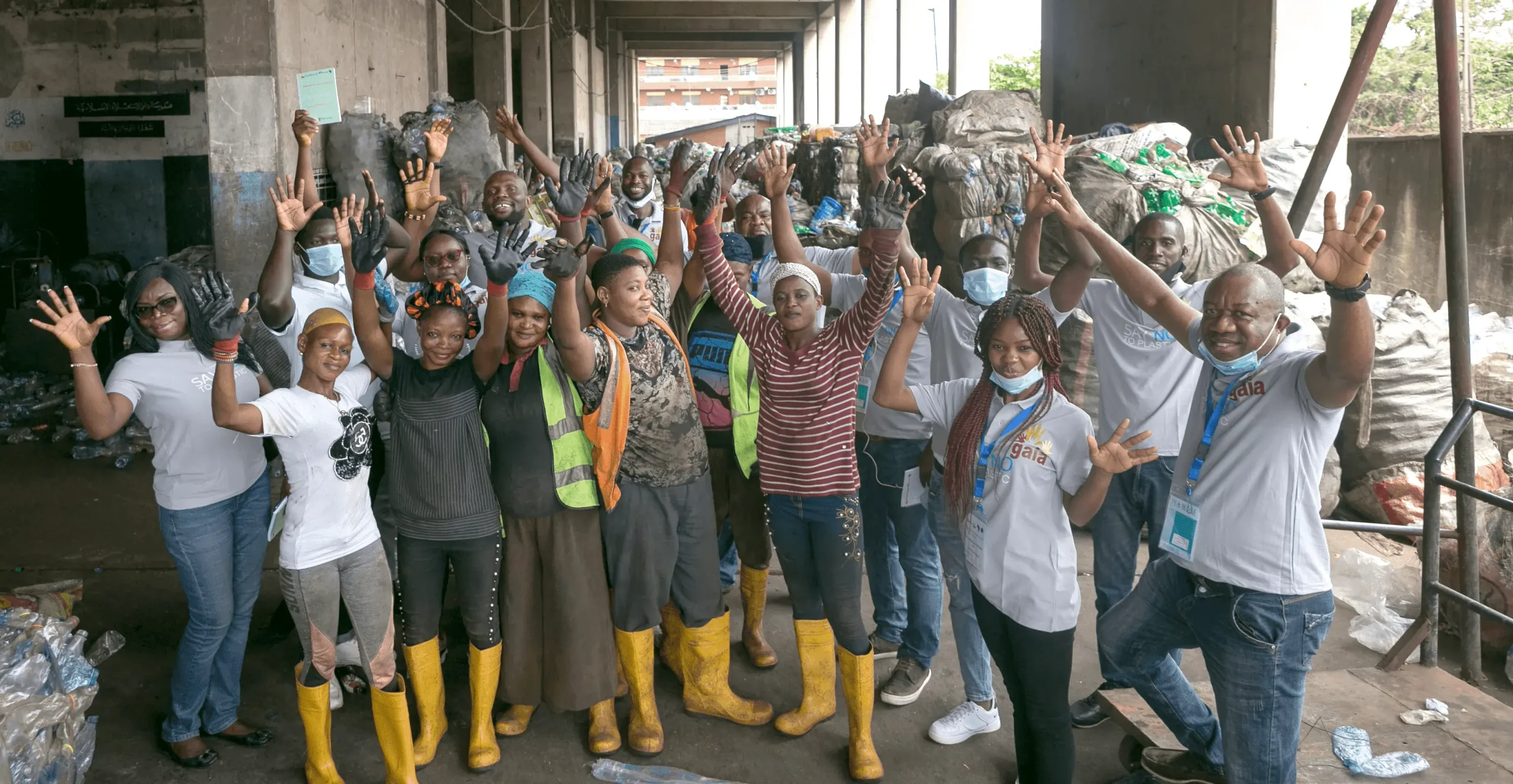
While the talks ended in disarray, not all was lost during the week. Many countries have been won over to the concept of “Just Transition” by the assiduous advocacy of waste pickers and indigenous peoples. Initially viewed with suspicion in some quarters, the waste pickers’ clear demands for recognition, inclusion, and a well-supported transition have won over many nations, which now champion their cause as their own.
In March 2022, when the mandate for the negotiations was unanimously adopted, it was close to a diplomatic miracle: it signaled a universal commitment to end plastic pollution across its entire lifecycle. Many wondered why oil and gas producing countries, who were betting billions of dollars on showering the world with ever-increasing quantities of plastic, would agree to a process that would undercut their growing petrochemical industries. Now we know – they never intended to honor that promise. Finally, the pretense is over. A handful of countries are determined to drown the world in more and more plastic, and they are wrecking the one international process that could stop them.
The question now is, what of the rest? The vast majority of countries represented in Nairobi truly wish to end the plastic menace – to keep it out of our oceans, our food, our air, and our bodies. Will they stand up to the bullying of a handful of nameless bullies who refuse to even give their names? Now that the obstructionists have been revealed as bad-faith negotiators, will the rest of the world stop coddling them? It is time to take off the kid gloves. The “like minded group” must be isolated – ejected from the process, if necessary – for progress to be made. Will the so-called “High ambition coalition” live up to its name? Or will we continue to have to rely on the smallest countries on earth for moral leadership in times of crisis?
Although our leaders have so far failed to advance the process towards a strong plastics treaty, GAIA members from across the Global South were in Nairobi in full-force, making powerful interventions in the halls of negotiations, exposing false solutions, urging higher ambition, and advocating their Member States on the movement’s key priorities for an effective treaty. While the battle is far from over, GAIA members made sure country delegations knew that the world was watching, and that we will not stop until we see justice for our communities and the environment.