GAIA’S WORK IN LATIN AMERICA & THE CARIBBEAN
A beautiful and diverse region, Latin America and the Caribbean is also highly urbanized, with 80% of its population living in cities and a sharp increase in waste production annually. The inadequate disposal of waste in marginal communities is one of the multiple expressions of environmental injustice. Our work aims to both address the current inadequate waste management in the region that results in inequality, abuses and exploitation, and implement zero waste solutions that help overcome these injustices.
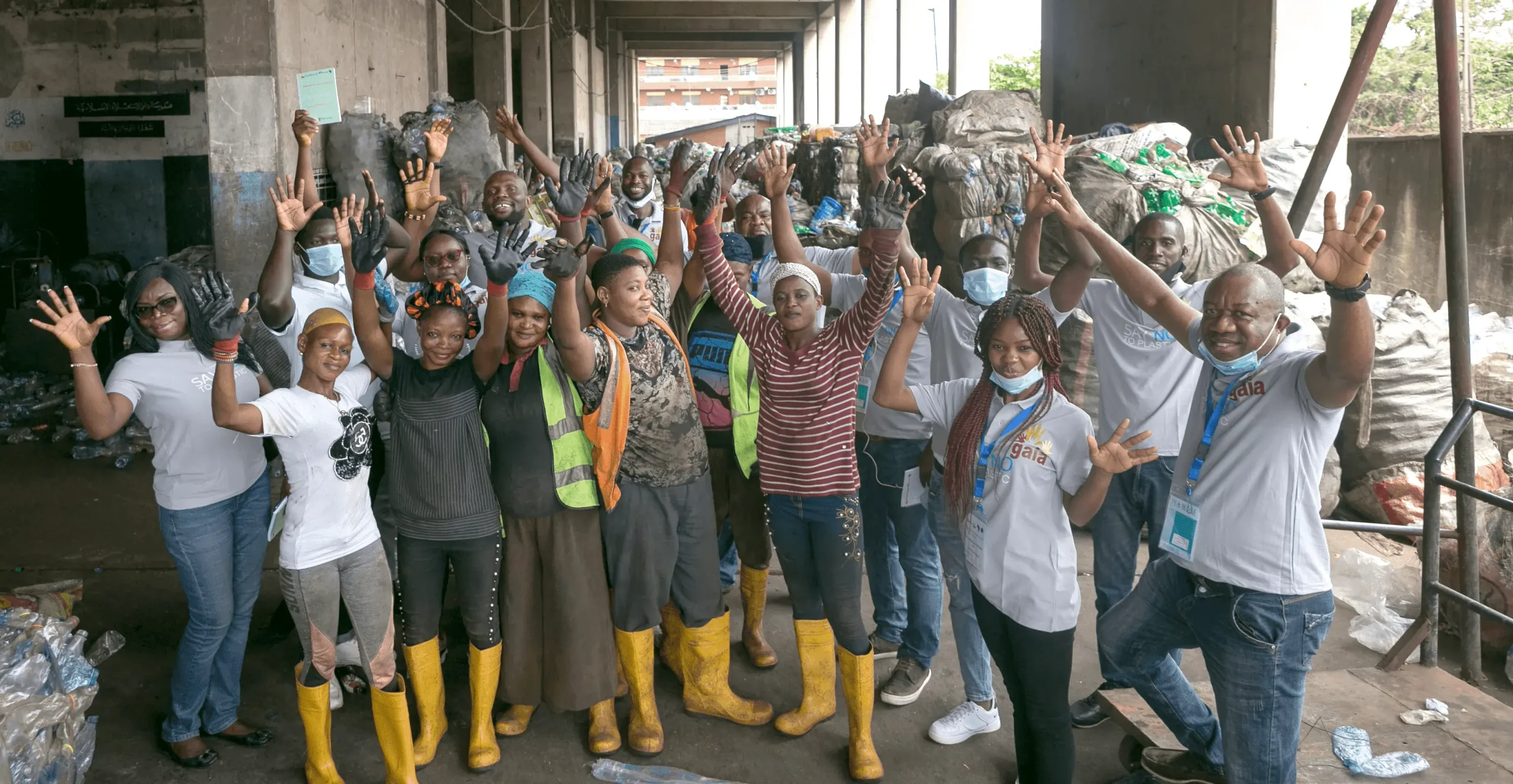
Promoting and supporting zero waste strategies and changes in legislation presents an opportunity to enhance the role of waste pickers and affected communities, safeguarding traditions that survive in the region. Today, GAIA counts 15 waste picker groups from 11 countries as part of national alliances and projects led by our members. Over the last 10 years, we’ve stopped dozens of incinerator proposals and continue to resist privatized processes that rely on end-of-pipe solutions such as landfills, incineration and co-incineration.
LATEST NEWS IN LATIN AMERICA & THE CARIBBEAN
De los datos a la acción: Guía para usar la base de datos anti-incineración
Esta base de datos nace como una respuesta colectiva frente a la creciente ola de proyectos que promueven falsas soluciones para la gestión de residuos en América Latina y otras regiones del Sur Global. Incineradoras, plantas de “waste to energy”, co-procesamiento en cementeras o reciclaje químico, se presentan como respuestas técnicas modernas, pero en la práctica reproducen impactos profundos y desiguales sobre los territorios, las comunidades y los sistemas públicos de gestión de residuos.
En este contexto, las organizaciones sociales, ambientales y comunitarias no pueden enfrentar estos proyectos únicamente desde la indignación o la urgencia del conflicto, por más legítimas que estas emociones sean. La experiencia en los territorios ha demostrado que quienes impulsan estas tecnologías se amparan en lenguajes técnicos, estudios fragmentados y marcos regulatorios complejos que buscan desplazar el debate hacia terrenos donde las comunidades o siempre cuentan con herramientas suficientes para responder.
Esta base de datos surge, entonces, para equilibrar esa asimetría, poniendo al alcance de las organizaciones evidencia científica, académica y técnica que permita sostener las luchas desde argumentos sólidos, verificables y contextualizados.
El objetivo no es reemplazar la experiencia territorial ni despolitizar los conflictos, sino articular el conocimiento técnico con la realidad vivida. La quema de residuos no es solo un problema ambiental, tiene impactos económicos, sociales, sanitarios y políticos que se entrecruzan. Afectan presupuestos públicos, redefine modelos de desarrollo local, afectan la salud de las comunidades, debilitan el trabajo del movimiento reciclador y consolidan decisiones tomadas sin participación real.
Esta base de datos busca ofrecer una mirada integral de estos impactos, demostrando que las falsas soluciones no pueden evaluarse de forma aislada, sino como parte de un modelo que profundiza desigualdades y sacrifica territorios en nombre de la eficiencia.
Download This Resource
Infografía | Mosca soldado negra: una alternativa poco conocida en América Latina
La larva de la mosca soldado negra es una alternativa poco conocida en América Latina, pero con un enorme potencial. Usada de forma controlada, convierte residuos orgánicos en proteína para alimentación animal y en biomasa que mejora los suelos.
Impulsar sistemas comunitarios de cría es una oportunidad ambiental, social y económica.
Fuente: Black Soldier Fly Biowaste Processing, Eawag – Swiss Federal Institute of Aquatic Science and Technology, 2021.
Download This Resource
Diagnóstico sobre el manejo de residuos orgánicos en Panamá
El Diagnóstico sobre el Manejo de residuos orgánicos en Panamá, su impacto en la reducción de metano y en la agenda climática nacional establece la línea base nacional sobre la gestión de residuos orgánicos en Panamá, conecta compromisos internacionales (París, GMP, ROW, ODS) con marcos legales y planes (Ley 33/2018, Ley 276/2021, PNAC, Hoja de Ruta de Economía Circular) y propone una hoja de ruta para mitigar metano, escalar la valorización y acelerar la economía circular, incorporando además la jerarquía de usos alimentarios para reducir la pérdida y desperdicio de alimentos y contribuir a la seguridad alimentaria.
This study establishes Panama’s national baseline on organic waste management, links international commitments (Paris Agreement, GMP, ROW, SDGs) with legal frameworks and national plans (Law 33/2018, Law 276/2021, PNAC, Circular Economy Roadmap), and proposes a roadmap to reduce methane emissions, scale up valorization, and accelerate the circular economy. It also incorporates the food-use hierarchy to reduce food loss and waste and contribute to food security.
Download This Resource
Construyendo resiliencia comunitaria y empleos verdes a través de los residuos orgánicos: Beneficios climáticos y modelo económico de la gestión justa de los residuos orgánicos en la ciudad de Buenos Aires
El trabajo de la cooperativa de recicladores de base (cartoneros), Recuperadores Urbanos del Oeste (RUO) es un ejemplo de cómo un sistema de manejo de residuos liderado por recicladores de base puede generar empleos verdes, mejorar la resiliencia climática y fortalecer el tejido social, y a su vez contribuir al cumplimiento de los ambiciosos objetivos de reducción de la disposición de residuos y metas climáticas.
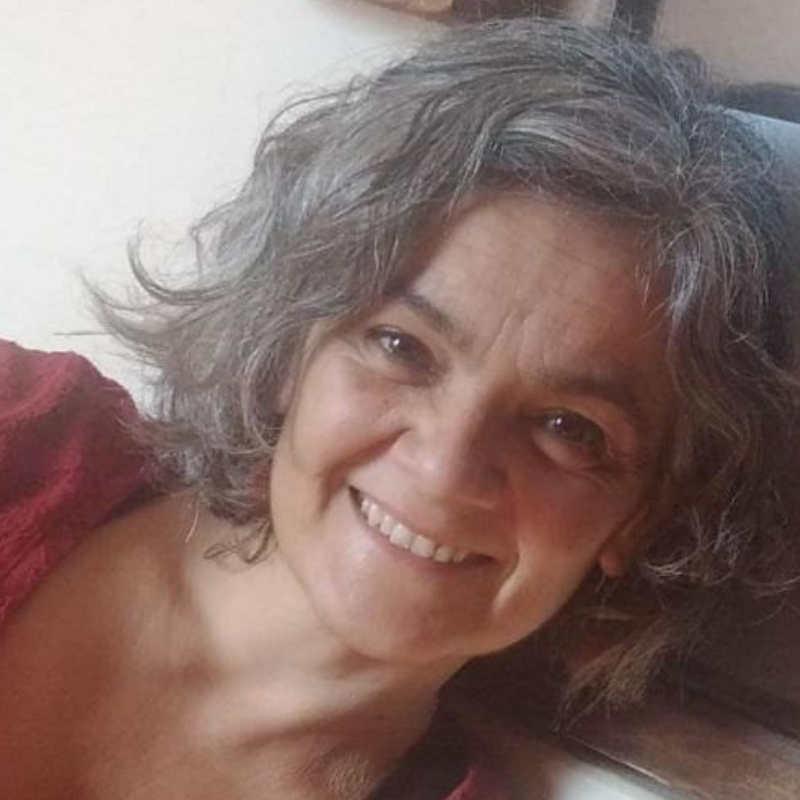
GAIA CONTACTS IN LATIN AMERICA & THE CARIBBEAN
Yanina Rullo
Yanina works on Just Transition & EV Batteries with GAIA Latin America & the Caribbean. She considers herself a nature lover. Her interests have always been linked with the protection of the environment. She has professionally worked in different areas of institutional management. She has extensive experience in the world of civil society organizations, as well as in public management. Her expertise also includes the coordination and management of international, regional and national projects. Her personal vision has always been joined to create also awareness in the care and respect for nature. Currently she is also a Yoga Instructor and seeks to cultivate a greater awareness and well-being towards life.
Fabián Pérez Tencio
Fabián is a Graphic Designer with a Master’s degree in Illustration and Animation. As a Costa Rican, he was raised in a country that strives to protect and preserve nature, fostering in him a profound interest in the environment. Throughout most of his professional career, he has been dedicated to environmental and social impact work, both within various organizations and as freelance. During his leisure time, you’ll often find him outdoors exploring new places.
Natalia Dulcey
Natalia is an Architect, and has worked for years on projects that promote community development. She has a specialization in Technology and Resource Management, and has specialized in bioconstruction with bamboo and natural materials, having worked in several countries. Natalia has explored methods to develop sustainable habitats that strengthen the native knowledge and cultures and that allow individual and collective growth. Currently, she lives in Cali, Colombia.
Mariela Pino
After seven years of study and work on biodigesters in three different continents, Mariela went back to Chile and focused her energies on consolidating the Latin American Network of Biodigesters. Through her work in the management of rural and urban biodegradable waste, and her involvement with Zero Waste Alliance Chile Mariela confirmed her drive to seek real paradigm changes. She has been focusing on projects with social impact, particularly environmental justice work. She loves hiking, gardening, and fermenting food.
Alejandra Parra
Alejandra is a Biologist specialist in Natural Resource Management and holds a Masters’ Degree in Planning. She is a co-founding member of the Chilean organization RADA (Red de Acción por los Derechos Ambientales). Alejandra is an environmental activist with more than 20 years of experience. She has also implemented citizen environmental education programs, zero waste strategies at the local level, and developed advocacy actions aiming to impact public policies a the regional, national, and international levels.
María Esther Briz
María Esther is a Biologist, MSc. in Environmental Management Systems, a specialist in urban solid waste management, and a researcher focused on marine pollution by plastics. She has worked as an independent advisor on issues related to sustainability, and in NGOs as coordinator of socio-environmental development projects for more than 15 years.
Camila Aguilera
Camila’s interest in nature led her to hold a Diploma in Socio-Environmental Studies, which she hopes will become her subject of specialization. Previous to joining GAIA, she volunteered for different environmental initiatives, being the most significant a project she developed with local recyclers in the city of Concepción, Chile. Camila is also the co-founder of the local NGO Fundación El Árbol. In her spare time, she enjoys riding her bike, hiking, and reading.
Magdalena Donoso
Magda has worked in communications and networking with several Chilean NGOs and in Television Trust for the Environment (UK), supporting educational and activism programs in forestry and biodiversity for 15 years. For the last fourteen years she has worked on waste issues with cities in Latin America, particularly defending the rights of recyclers and promoting zero waste. She is based in Concepción, Chile.
GAIA AT WORK IN LATIN AMERICA & THE CARIBBEAN
REGIONAL NEWSLETTER
Sign up for our GAIA Latin America & the Caribbean Regional Newsletter
to stay up today on our regional work.