







PRESS STATEMENT
Feb 13, 2026
GAIA welcomes the COP31 Presidency’s decision to prioritize zero waste and waste methane reduction—a critical and timely step toward accelerating climate action and advancing a just transition for frontline communities.
Mariel Vilella, Director of GAIA’s Global Climate Program, said:
“Recognizing zero waste as a top climate priority is both urgent and overdue. Waste methane is a super-pollutant driving near-term warming, yet zero waste solutions—like composting, recycling, and organic waste treatment—can reduce methane emissions by up to 95% and cut total waste-sector emissions by more than 1.4 billion tonnes. These solutions deliver cleaner air, jobs, healthier communities, and stronger local economies, while ensuring a just transition for waste workers and marginalized communities.
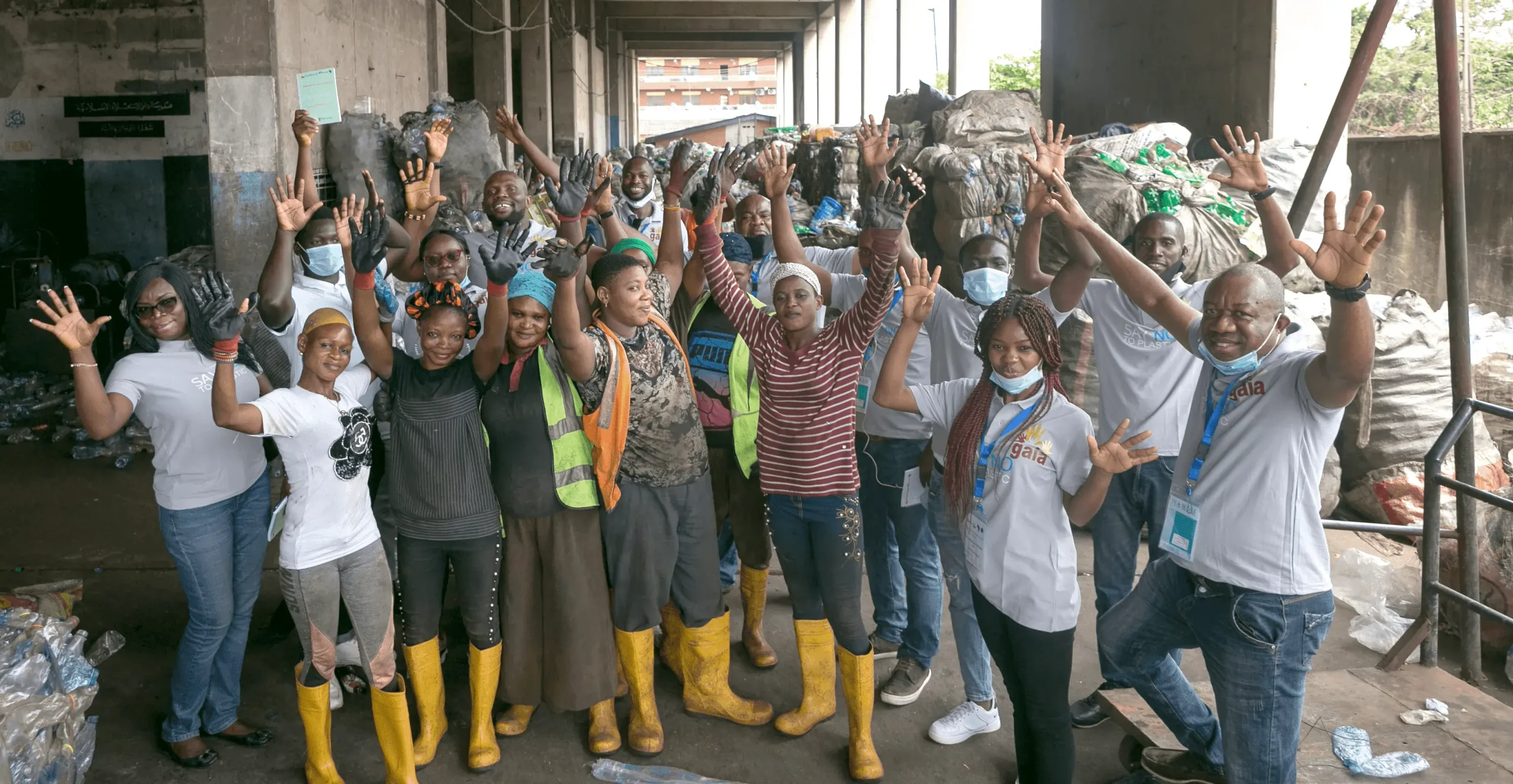
“Türkiye has a unique opportunity to lead by elevating zero waste as a core climate solution, mobilizing finance toward implementation, and demonstrating scalable, equity-driven models. Across the globe, communities are already showing what works—from Dar es Salaam diverting 100% of organic waste from 4,500 households, to Brazil’s 20+ waste picker organisations supported with USD 70M, and 37 Philippine cities committed to cutting 70% of methane emissions from waste by 2030.
“Climate finance must shift from harmful disposal practices, like waste-to-energy incineration, to community-led zero waste initiatives that deliver results on the ground. Zero waste is not only a climate solution—it is a justice-centred development opportunity. The time to act is now.”
Additional information about zero waste in practice across the world
Across Latin America, Africa, and Asia, local governments and community organizations are demonstrating that zero waste systems can deliver rapid, equitable climate solutions. The cases of Buenos Aires (Argentina), Quezon City (Philippines), and Accra (Ghana) illustrate how decentralized, community-based organic waste management creates green jobs, reduces methane emissions, and strengthens local governance. These examples show that solutions already exist, but scaling them requires supportive policies, networks, and financial backing. (GAIA Zero Waste Business Models)
Additional transformative examples worldwide include:
- Dar es Salaam, Tanzania: The Bonyokwa ward zero waste model collects 1.74 tonnes daily from 4,500 households, achieving 95% source segregation and 100% organic waste diversion, cutting 16.4 tonnes of methane annually.
- Brazil: Over 20 waste picker organisations, including in São Paulo and Brasília, are implementing organic waste recycling systems under the National Strategy for Municipal Biowaste, supported with over USD 70M in funding.
- Philippines: The Zero Waste Cities Network now includes 37 cities committed to cutting 70% of methane emissions from waste by 2030. The Philippine National Waste Workers Alliance (PNWWA) unites 1,000+ workers advocating for labour rights and safe working conditions.
- Durban, South Africa: Food waste from the Warwick markets is composted for the Durban Botanic Garden, reducing landfill costs (~USD 93/ton) and creating jobs. The project is scaling to three markets and eventually all nine city markets.
- Accra, Ghana: Green Youth Africa Organization (GAYO) integrates 600 informal waste workers into municipal waste systems, reducing burning and improving livelihoods.
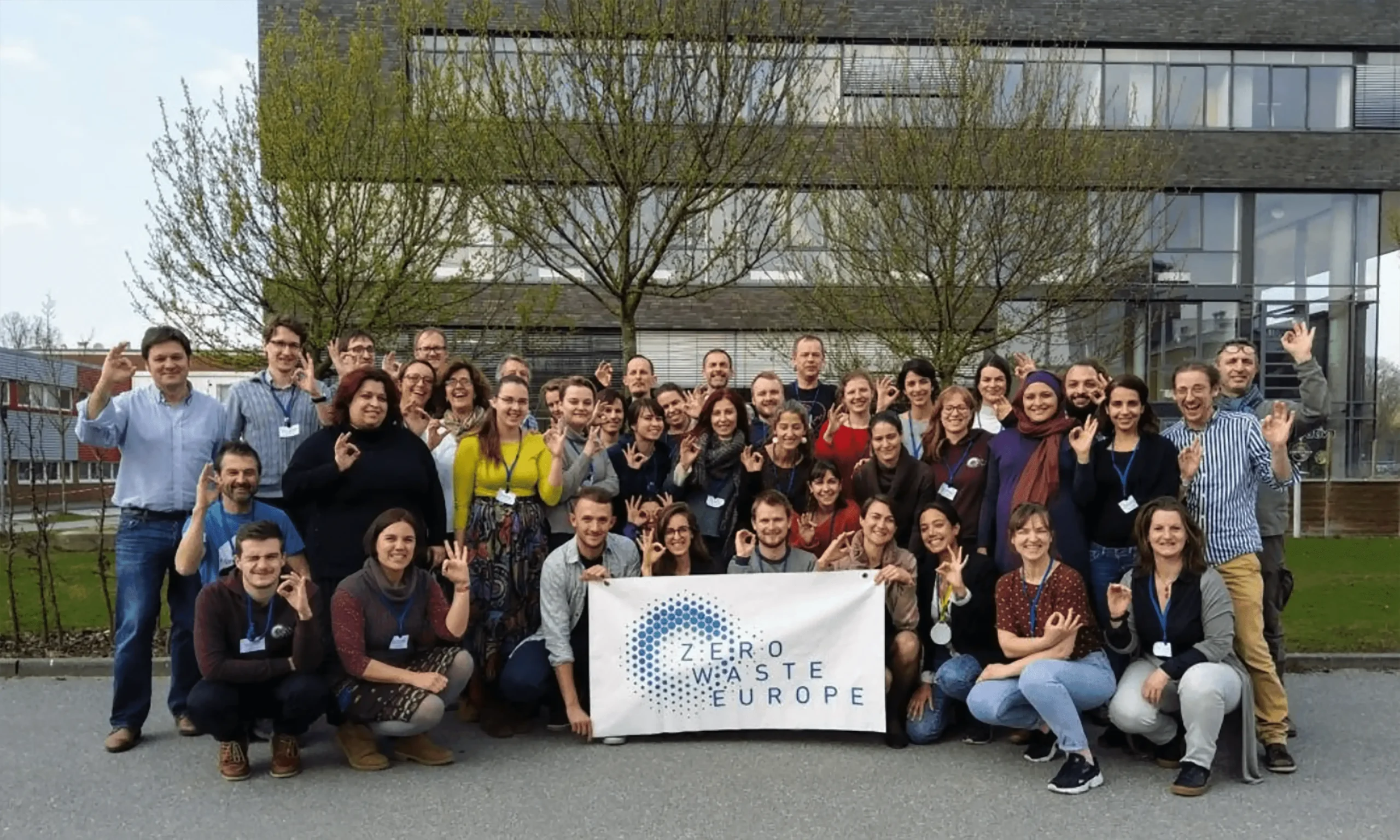
- Europe: Nearly 500 municipalities are committed to zero waste under the Zero Waste Cities Certification. Highlights include Milan collecting 95 kg of organics per person annually, Salacea (Romania) increasing separate collection from 1% to 61% in three months, and Partizanske (Slovakia) reducing residual waste by 57 kg per person within a year.
MEDIA CONTACT:
Sonia Astudillo, Global Climate Communications Officer | +639175968286 | sonia@no-burn.org
GAIA is a network of grassroots groups as well as national and regional alliances representing more than 1000 organizations from over 100 countries. With our work we aim to catalyze a global shift towards environmental justice by strengthening grassroots social movements that advance solutions to waste and pollution. We envision a just, Zero Waste world built on respect for ecological limits and community rights, where people are free from the burden of toxic pollution, and resources are sustainably conserved, not burned or dumped. www.no-burn.org