





By Mariel Vilella, February 13, 2026
GAIA (Global Alliance for Incineration Alternatives) today welcomed the COP31 Presidency’s decision to make zero waste and waste methane reduction a top climate priority. The announcement underscores the urgent need to tackle methane—a super-pollutant over 80 times more potent than CO₂ over 20 years—and accelerate near-term climate action under the Paris Agreement, while ensuring a just transition for frontline communities.
“Zero waste is a practical, fast, and equitable climate solution”
Waste methane is one of the fastest and most cost-effective emissions sources to address. Proven solutions—like composting, recycling, waste separation, and biological treatment—can reduce methane emissions by up to 95% and cut total waste-sector emissions by more than 1.4 billion tonnes, while delivering cleaner air, jobs, healthier communities, and stronger local economies. Crucially, these solutions must be implemented in ways that ensure a just transition for waste workers and marginalized communities.
Türkiye has a unique opportunity to lead
Türkiye can elevate zero waste as a core climate solution, mobilizing finance toward local implementation, demonstrating scalable models, and integrating equity and community-led approaches. This sets a powerful precedent for global ambition, practical delivery, and a just transition.
Local communities are already showing what works
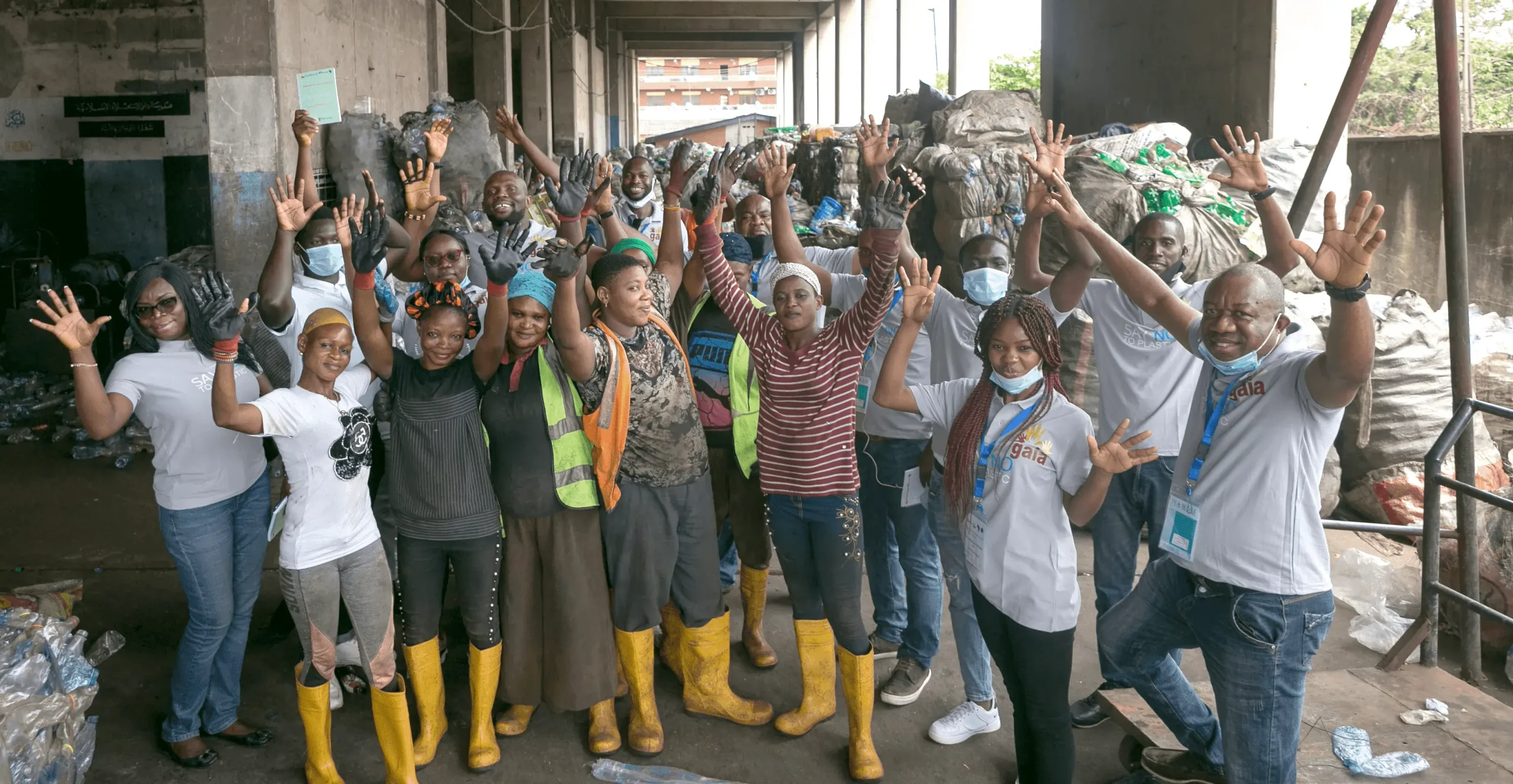
Across Latin America, Africa, and Asia, local governments and community organizations are demonstrating that zero waste systems can deliver rapid, equitable climate action. Key examples include:
- Dar es Salaam, Tanzania: 4,500 households in Bonyokwa ward divert 100% of organic waste, cutting 16.4 tonnes of methane annually. World Bank funding supports scaling, led by local GAIA member, Nipe Fagio.
- Brazil: 20+ waste picker organisations in São Paulo and Brasília implement organic waste recycling under the National Strategy for Municipal Biowaste, supported by over US$ 70M.
- Philippines: The Zero Waste Cities Network includes 37 cities committed to reducing 70% of methane from waste by 2030. The Philippine National Waste Workers Alliance (PNWWA) unites 1,000+ workers advocating for safe working conditions.
- Durban, South Africa: Food waste from Warwick markets is composted for the Durban Botanic Garden, reducing landfill costs (~US$ 93/tonne) and creating jobs. The project is expanding to three markets and eventually all nine city markets.
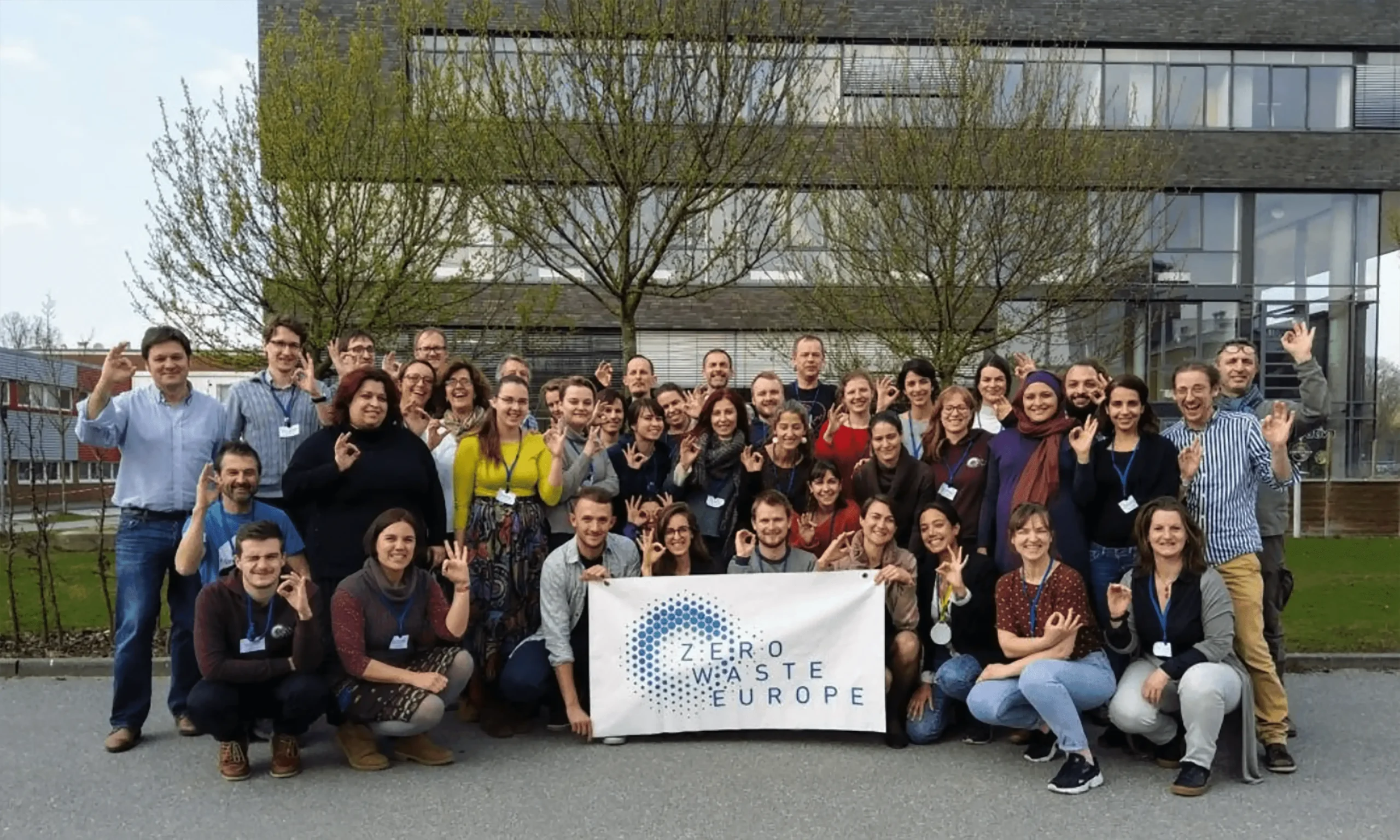
Accra, Ghana: Green Youth Africa Organization (GAYO) integrates 600 informal waste workers into municipal systems, reducing burning and improving livelihoods. - Europe: Nearly 500 municipalities are committed to zero waste through the Zero Waste Cities Certification. Highlights include Milan collecting 95 kg of organics per person annually, Salacea (Romania) increasing separate collection from 1% to 61% in three months, and Partizanske (Slovakia) reducing residual waste by 57 kg per person within a year.
Financing zero waste solutions is key to a just transition
To scale these proven approaches, GAIA calls on governments, multilateral climate funds, and private investors to:
- Shift finance away from high-emitting, harmful waste disposal practices, such as waste-to-energy incineration, toward community-led zero waste initiatives.
- Support frontline waste workers and local organizations to ensure equitable and effective implementation.
- Provide inclusive access to finance for marginalized communities, ensuring a just transition and that no one is left behind.
Zero waste is not only a climate solution—it is a justice-centered development opportunity. The time to act is now. COP31 must ensure finance and support to reach those already delivering results on the ground, so local successes can scale to global impact, while advancing a just transition for all communities involved.
For more information, and case studies of community-led zero waste solutions, visit: GAIA Zero Waste Business Models