




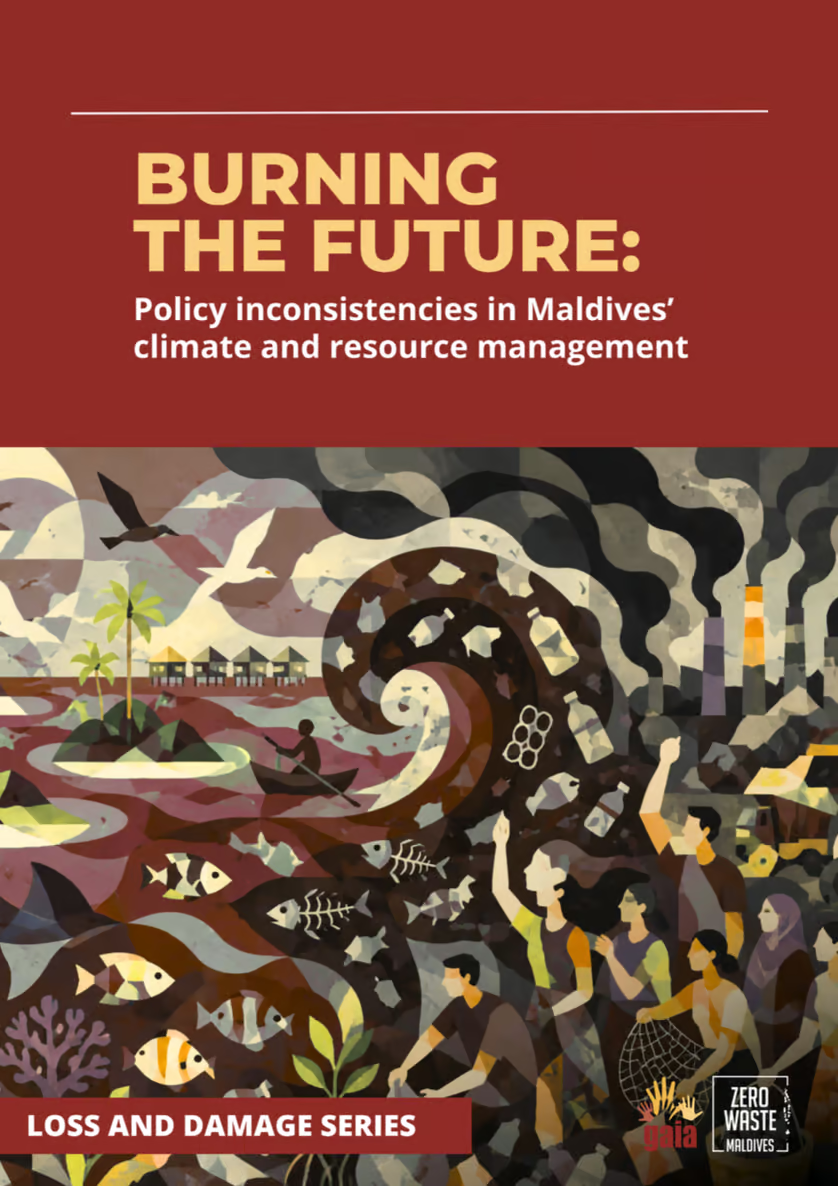
Burning the Future:
Policy Inconsistencies in Maldives’ climate and resource management
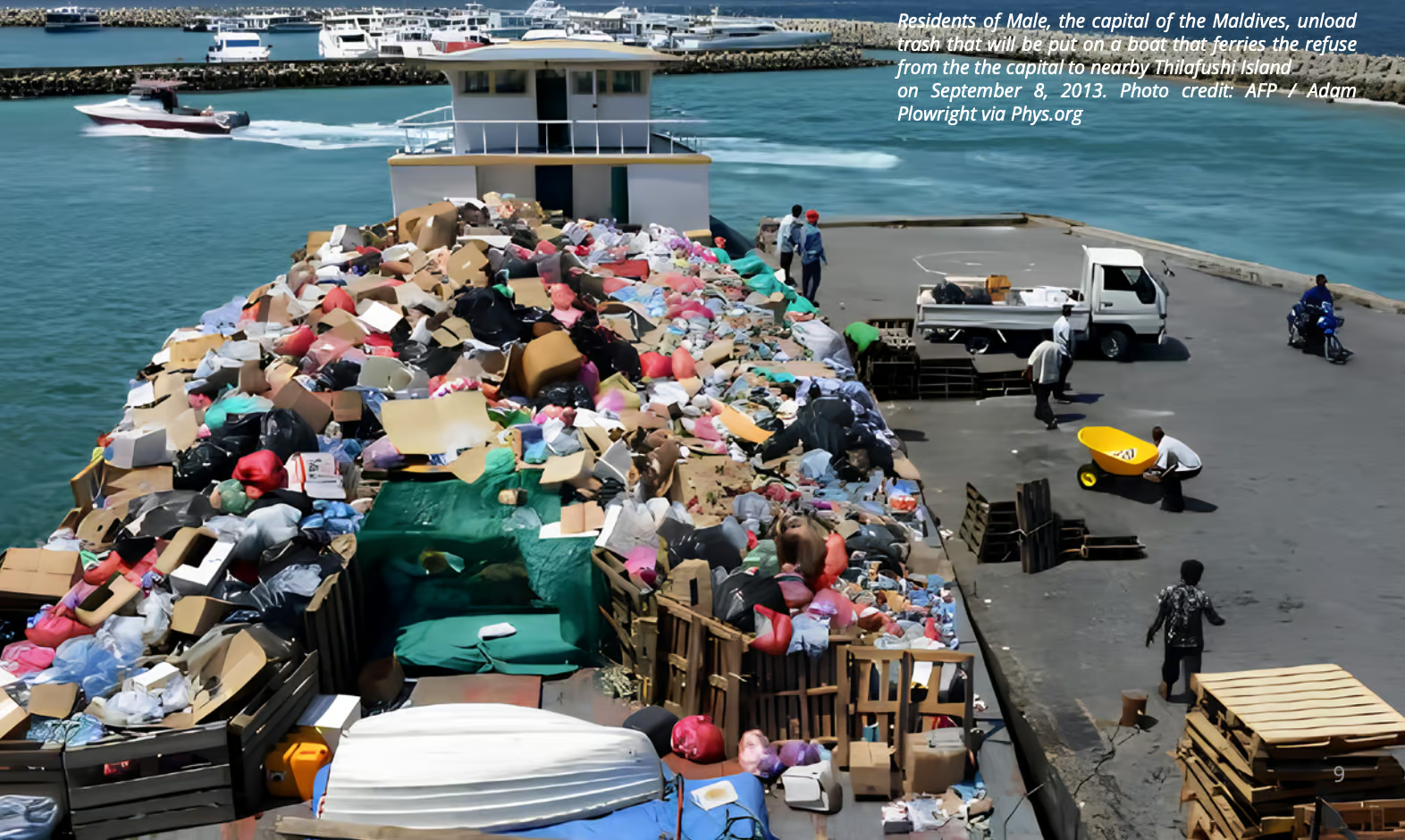
ADB financed the Thilafushi incinerator despite the Maldives’ weak environmental governance frameworks and poor implementation history with waste-to-energy projects. This is not climate action. It is a waste disposal project dressed up as climate mitigation, built on a system where segregation has been reduced to burnable and non-burnable waste so the plant gets fed. ADB should stop using weak waste laws as an entry point for foreign incinerator operators and fund the real solution: waste reduction, source segregation, composting, reuse, repair, recycling, and community-led zero waste systems.
— Ahmed Afrah Ismail, Co-Founder of Zero Waste Maldives