








25 May 2026 — Waste pickers play a far greater role in climate action and waste management than is widely recognized, according to a report released on Africa Day by the Global Alliance for Incinerator Alternatives (GAIA), which urges governments to formally recognize and contract waste pickers as service providers within public waste management systems.
The report, “Managing Organics with Waste Pickers: A Briefing for Policymakers,” co-released by GAIA and the International Alliance of Waste Pickers, examines how waste pickers—estimated at 15 to 20 million workers globally—are increasingly managing organic waste, one of the largest sources of methane emissions when sent to landfills .
Methane, a potent greenhouse gas, is a major contributor to climate change, and waste systems are the third largest source from human activity. According to the report, separating and treating organic waste at the source could reduce these emissions by as much as 62% .
The findings come at a time of heightened global concern over energy security and rising fuel costs, with ongoing geopolitical tensions exposing the risks of reliance on fossil fuels. The report argues that decentralized, low-energy waste systems—such as composting and community-based collection—can help reduce both emissions and dependence on energy-intensive infrastructure, while also generating renewable energy through anaerobic digestion.
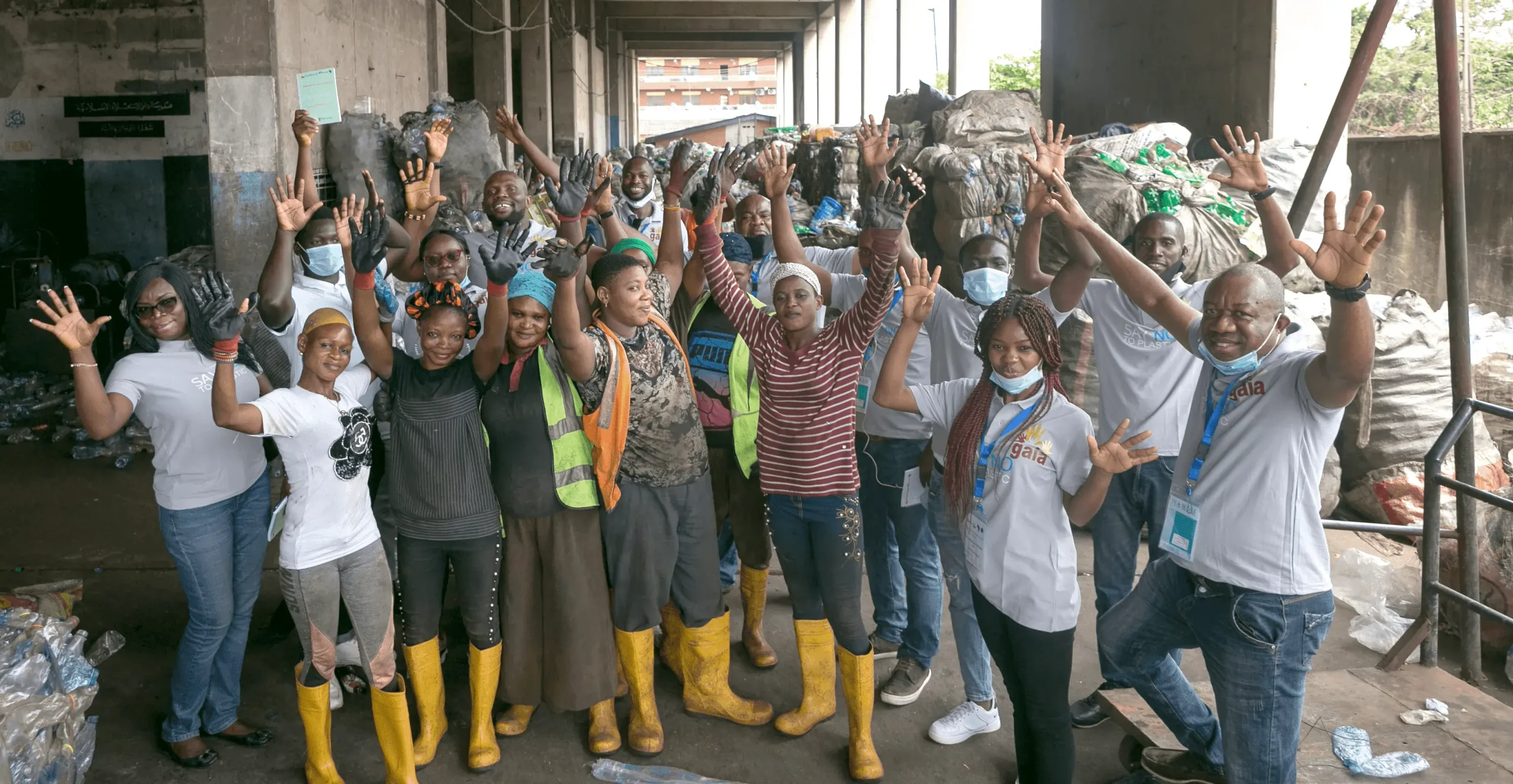
Waste pickers, who have long been involved in collecting and sorting recyclable materials, are shown to be well positioned to expand into organic waste management due to their existing knowledge of local waste systems, established community relationships, and presence in underserved areas.
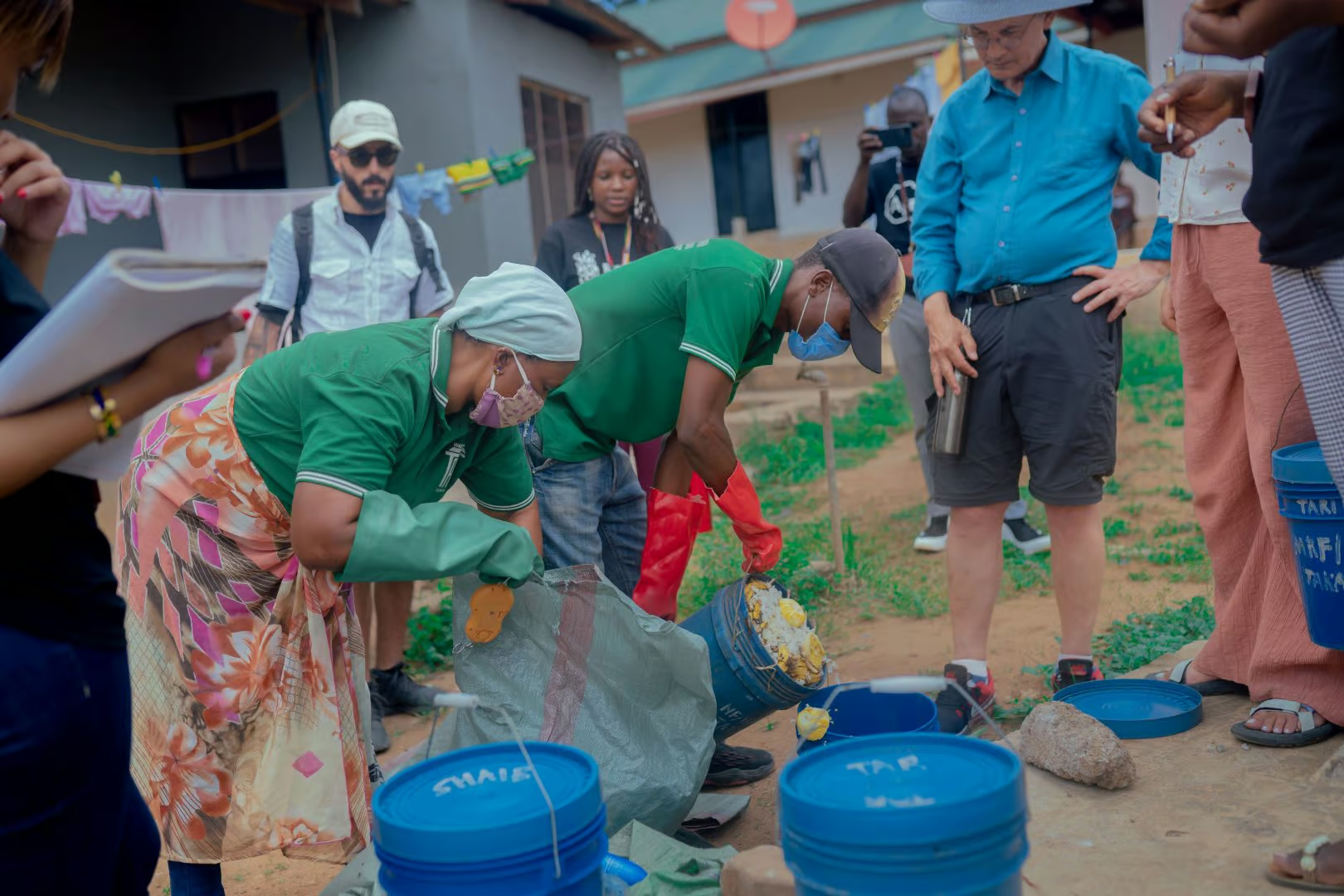
In several documented cases across Africa, Asia, and Latin America, waste picker-led initiatives have successfully diverted organic waste from landfills, improved recycling rates, and created more stable income streams. Some programs have also supported a transition away from dumpsite-based work, which is increasingly threatened by closures and privatization. In Pune, India, waste pickers from the SWaCH cooperative provide door-to-door collection services to tens of thousands of households, integrating organic waste separation and composting into municipal systems. In Dar es Salaam, Tanzania, groups such as Nipe Fagio and the Wakusanya Taka Bonyokwa Cooperative have established community-based collection and composting systems, achieving 95% rate of waste separation at source and diverting significant volumes of organic waste from disposal. In Buenos Aires, Argentina, RUO Cooperative is working with large commercial generators to recover food waste, expanding the role of waste pickers in organic waste management.
“Waste pickers have been providing essential environmental services for decades, often without formal recognition or compensation,” said Soledad Mella of the International Alliance of Waste Pickers. “Integrating them into formal systems is critical not only for their livelihoods, but for the effectiveness of waste and climate policies.”
The report, supported by the Climate and Clean Air Coalition, also highlights the economic and social implications of such integration. Contracting waste pickers as service providers, rather than relying solely on private companies, can help retain public funds within local economies while expanding access to waste services.
At the same time, barriers remain. In many cities, waste pickers face restrictions on access to waste, unsafe working conditions, and exclusion from decision-making processes. These challenges are often compounded for women, who make up a significant portion of the workforce but experience additional inequalities, including lower pay and limited access to resources.
“Women are central to waste management systems, yet they face multiple and overlapping forms of inequality—as workers, as women, and often as members of marginalized communities,” said Cecilia Allen, GAIA Zero Waste Program Director and co-author of the report. “Recognizing waste pickers must go hand in hand with addressing the gender disparities through targeted policies, funding, and access to decision-making spaces.”
“Across Africa, there are already strong examples of waste picker-led systems that are delivering environmental and economic benefits,” said Desmond Alugno, GAIA Africa Zero Waste and Climate Program Manager. “Scaling these models will require policy support, financing, and recognition of waste pickers as essential workers.”
The report outlines a series of recommendations for governments, including recognizing waste pickers as formal service providers, ensuring fair compensation, investing in decentralized waste infrastructure, and incorporating gender-responsive policies.
It also emphasizes the importance of sustained public funding, noting that while composting and other organic waste outputs can generate some income, they are not sufficient on their own to support livelihoods at scale .
As countries work to meet climate targets and reduce emissions, the report suggests that integrating waste pickers into zero waste systems could offer a practical and immediate pathway—one that addresses environmental goals while supporting workers who have long sustained waste and recycling systems despite systemic exclusion.
ENDS.
About GAIA:
GAIA is a network of grassroots groups as well as national and regional alliances representing more than 1000 organizations from over 100 countries. With our work we aim to catalyze a global shift towards environmental justice by strengthening grassroots social movements that advance solutions to waste and pollution. We envision a just, Zero Waste world built on respect for ecological limits and community rights, where people are free from the burden of toxic pollution, and resources are sustainably conserved, not burned or dumped. www.no-burn.org