
Incineration and cement kilns

November 20, 2024

We represent technical experts, scientists, and advocates concerned about plans to incinerate highly toxic waste from Bhopal, India in an incinerator that has failed six of its last seven stack tests. Many of us have first-hand knowledge that hazardous waste incineration damages public health as a remediation method due to its poor operational performance. For example, almost every commercial hazardous waste incinerator in the U.S. has violated its air pollution permits in the last 3 years and emitted toxic air pollution into communities hosting the facilities.

The waste incineration process always creates toxic air emissions and ash that contain several hazardous chemicals like dioxins, furans, PCBs, PFAS, mercury, cadmium, lead… The dangers these chemicals pose when released into the environment is recognized internationally in multinational environmental agreements such as the Stockholm Convention on Persistent Organic Pollutants, the Minamata Convention on Mercury, the Basel Convention on the Control of Transboundary Movements of Hazardous Wastes and their Disposal, and the Rotterdam Convention on the Prior Informed Consent Procedure for Certain Hazardous Chemicals and Pesticides in International Trade. The Indian Government has ratified all of these treaties.

With this in mind, we are alarmed to learn of remediation plans to incinerate highly toxic waste left over from the Bhopal Disaster, arguably the worst industrial chemical disaster to date. The December 1984 tragedy involved the leak of methyl isocyanate gas from a pesticide manufacturing plant owned by Union Carbide. This resulted in an estimated 23,000 deaths and a range of long term environmental and social impacts, including massive amounts of contaminated water, sludges, buildings, and soils which all still remain in Bhopal.

We firmly agree that the disposal of the hazardous wastes requires the most urgent action to end the continued harm to people and the environment of this disaster. However, the Ministry of Chemicals and Fertilizers contract to incinerate 345 MT of waste in a facility in Pithampur, Indore, MP which is over 220 km from Bhopal, is a very ill-advised solution and treats only a small fraction of the waste. In fact, this plan will only serve to spread the contamination at Bhopal into another community due to the poor operational performance of the incinerator. The 345 MT is less than 4% of the estimated 700,000 MT of sludges, soils, water, and contaminated buildings in Bhopal needing a final solution. These contaminated wastes are located less than 500 meters away from residential areas in Bhopal.

We recommend the India government abandon its plans to employ incineration as a remediation plan and instead perform a comprehensive site assessment, and use advanced non-incineration treatment technologies for treatment of the wastes.

The context of our recommendations are:

  1. The 345 MT of waste includes contaminated soil, Sevin and Napthal tars, reactor sludges, and semi-processed pesticides. Some of these wastes contain persistent organic pollutants that are difficult to destroy, and survive incineration. Furthermore, there is a toxic hotspot in the middle of the city where hundreds of thousands of tonnes of toxic waste remain buried in the pits outside the abandoned Union Carbide factory and within 19 unlined pits. This waste has led to the contamination of groundwater for over two hundred thousand people in 42 communities with Persistent Organic Pollutants, toxic agricultural chemicals, and heavy metals. Unfortunately, these wastes are also laced with hexachlorobenzene, aldrin, dieldrin, and other persistent, organic pollutants.
  2. Though six out of the seven stack tests for this proposed incinerator have failed and indicate that the poor performance of the incinerator is exposing nearby communities
    to hazardous chemicals, the Ministry appears firm in their intent to pursue using this incinerator to burn the Bhopal waste. Community members fear that this plan would just expand the area of contamination to an entire new community.

We urgently propose these recommendations for the specified hazardous wastes:

  1. The Indian Government should carry out a comprehensive and transparent scientific assessment of the contaminated water, soils, sludges, and buildings with the assistance of the United Nations Environment Program. The extent of the contamination, the chemicals present, and the potential technologies intended to remediate the situation should have environmental impact assessments performed. Some advanced, non-incineration treatment technologies such as Super Critical Water Oxidation and Wet Air Oxidation can treat both the groundwater and the surface contamination. The government of India should prioritize assessing technologies that can treat both the groundwater contamination and the contamination on the surface.All assessments of advanced, non-incineration waste treatment technologies should be done with meaningful public participation and involve the affected communities. The results of these technology assessments should be available to the public.
  2. The Dow Chemical Company (the current owner of Union Carbide) should be made to pay for the comprehensive environmental assessment, as well as the disposal and remediation costs and must follow international environmental principles such as Polluter Pays and the OECD Guidelines for Multinational Enterprises on Responsible Business Conduct.

We are very concerned about the long-term impacts on people and the environment from the wastes remaining in place from the Bhopal disaster. A new generation of people affected by the intergenerational exposure to these highly toxic chemicals has been born, suffered, and died there and the land has still not been cleaned up. The toxic chemicals remain in place poisoning the soil, the air, the water, and the next generation of survivors

Signed:
Annie Leonard
Asif Qureshin b
Charlie Cray
Daphne Wysham
Jane Williams
Jim Puckett
Jindrich Petrlik
Jorge Emmanuel
Lee Bell
Neil Tangri
Paul Connett
Ravi Agarwal
Rittwick Dutta
Ruth Stringer
Yuyun Ismawati

México, 16 octubre, 2024.

  • No existe información sobre el proyecto de economía circular anunciado como el más grande del mundo en Tula.
  • Diversos actores temen que la creación de dicho centro sea para legitimar y acelerar la quema de residuos en hornos cementeros y en incineradores.
  • La gestión de los residuos debe ser a través de su reducción, eliminación y políticas de basura cero y no a través de falsas soluciones como es la quema de residuos.

Organizaciones no gubernamentales, afectadas ambientales, académicas y científicas firmantes de este comunicado, hacemos público nuestra alta preocupación ante el reciente anuncio realizado por la Presidenta Claudia Sheinbaum y la Secretaria de Semarnat Alicia Bárcena, sobre la creación de un proyecto de economía circular en Tula que integrará el complejo ambiental más grande del mundo dirigido a reducir la contaminación a través del aprovechamiento de residuos, tratamiento de agua, generación de energía y productos reciclados.


Ante la falta de información específica sobre dicho complejo ambiental y ante la imposibilidad de acceder y ejercer nuestro derecho a la información a través de los mecanismos de transparencia ahora desmantelados, las personas firmantes hacemos pública una solicitud urgente para que nos reciba Alicia Bárcena, titular de Semarnat para discutir dicho proyecto, adelantando aquí algunas de nuestras preocupaciones y exigencias. La Semarnat deberá:

  • Brindar a las comunidades, organizaciones, académicas, científicas, activistas e interesadas, la información completa de dicho proyecto;
  • Garantizar una política pública ambiental que no promueva ni permita la incineración, coprocesamiento, WTE, como mecanismos de gestión de los
    residuos bajo el disfraz/maquillaje verde de economía circular;
  • Que no se autoricen más incrementos en los porcentajes de sustitución de combustible alterno (quema de residuos) en hornos cementeros;
  • Que los residuos sólidos municipales no sean gestionados a través de cualquier tecnología térmica o de quema de residuos, ni sean utilizados como sustitución energética;
  • Que la industria cementera e incineradores reporten correctamente al Registro de Emisiones y Transferencia de Contaminantes (RETC);
  • Que se atienda el punto de acuerdo del Congreso de Oaxaca que pide se haga una revisión de lo que está quemando la industria cementera en ese estado;
  • Se detengan las importaciones de desechos plásticos ya que aún no se atiende ni el 20% del reciclaje de la basura plástica del país;
  • Que explique la titular de Semarnat cómo fue manejada la información geopolítica y estratégica generada por los Programas Nacionales Estratégicos
    de Conahcyt (PRONACES) realizados en la Región Tolteca para abordar este proyecto de economía circular.

La quema de residuos no debe considerarse como energía limpia ya que muchos de ellos son plásticos y otros materiales que contienen aditivos y sustancias tóxicas que al liberarse, forman sustancias que alteran el sistema endocrino, producen cáncer y no ayudan a mitigar el cambio climático. La quema de residuos es altamente contaminante, produce grandes cantidades de bióxido de carbono, contaminantes orgánicos persistentes, cenizas que son residuos peligrosos, entre muchos otros.

En materia de cambio climático, la quema de residuos en cualquiera de sus formas, no debe promoverse como una solución sustentable a la contaminación por metano que generan los rellenos sanitarios; son las políticas de basura cero las que deben establecerse para atender esta problemática. Es por ello que el coprocesamiento, incineración o WTE no deben ser consideradas por este gobierno como generación de energía limpia.

La incineración y coprocesamiento de residuos no es reciclaje. Muchos residuos no deben generarse y otros deben reciclarse y compostarse, pero no quemarse. Mantener las materias primas más tiempo en los ciclos productivos como lo proponen las políticas de economía circular, no debe aplicarse a la quema de residuos.

Le recordamos a la presidenta Sheinbaum, que varias de las organizaciones aquí firmantes, nos opusimos junto con Morena en el Congreso Local de la Ciudad de México a la creación del proyecto El Sarape, que fue anunciado como el incinerador de residuos más importante de América Latina, por coincidir en que sería altamente contaminante y contribuiría deteriorar la calidad del aire aún más en la zona metropolitana y por afectar la salud de las personas.

La Región Tolteca no necesita de centros de investigación que continúen hablando de “aprovechamiento de residuos y generación de energía” a partir de éstos. Se necesita dejar de pensar en el crecimiento económico a costa de la devastación humana y ambiental, lo que solo perpetuaría las políticas públicas de genocidio e injusticia ambiental vividas hasta ahora.


Ante eso, llamamos a la Secretaria de Semarnat a transversalizar la conceptualización económica política que hizo en la presentación de la Agenda Socioambiental 2024 en la UNAM, en donde señaló que “el problema central que tenemos hoy día es el modelo de desarrollo… un modelo de desarrollo neoliberal, extractivista, desigualador y que mientras no atendamos las causas de fondo, no se podrá avanzar suficientemente… donde el estilo de desarrollo actual es insostenible…donde las prioridades de la política no están en el tema ambiental, desde hace muchas décadas…y seguimos siendo una región y un país con una alta desigualdad”.

Esos son los fundamentos de la justicia ambiental que esperamos ver y discutir con este gobierno entrante y con la titular de Semarnat lo antes posible, quién afirmó contundentemente que se debe “desterrar el paradigma neoliberal, extractivista y generador de desigualdades”.

El jueves 26 de septiembre del 2024 se publica en el Diario Oficial de la Nación el “DECRETO por el que se declara zona de restauración ecológica el área de influencia de la presa Endhó, con una superficie total de 36,637-93-00 hectáreas, ubicada en los municipios de Atitalaquia, Atotonilco de Tula, Tepeji del Río de Ocampo, Tepetitlàn, Tezontepec de Aldama, Tlahuelilpan, Tlaxcoapan y Tula de Allende, en el estado de Hidalgo”.

Se destaca en esta publicación que, los riesgos más visibles de la región son la degradación del suelo y agua, la contaminación del aire, la pérdida de la biodiversidad, el impacto en la salud y el bienestar de las comunidades, y la fragmentación del hábitat y ecosistemas. Este decreto no menciona ni contempla un plan de desarrollo económico para la región.

Nuestra preocupación radica en que, bajo la bandera de economía circular y el aprovechamiento de residuos, se podría dar pie a iniciativas futuras que prioricen el crecimiento económico sobre la restauración ambiental, perpetuando políticas extractivistas y contaminantes que han afectado a la región en el pasado.

El decreto declara formalmente esta área como una zona de restauración, lo que implica un enfoque directo hacia la recuperación de ecosistemas degradados. Incluso señala que se deben implementar medidas de mitigación y restauración de forma urgente lo que implica el reestablecimiento de los procesos naturales, y la mejora de la calidad del agua, del aire y del suelo. Mas no un plan de desarrollo económico en la región. Tambien se lee que la participación de autoridades locales y comunidades debe ser imprescindible, se señala la participacion conjunta con la SEMARNAT y el Gobierno del Estado de Hidalgo, los municipios implicados, y las comunidades locales para la implementación de los programas de restauración.

Aunado a lo antes mencionado, es de preocupar que este decreto se centra solamente en el Estado de Hidalgo, sin contemplar el municipio de Apaxco en el Estado de México, dónde se ubican fuentes contaminantes de alto impacto para esta región. Parece ser que el gobierno implica que la línea que geográficamente divide a los estados, crea a su vez una cortina protectora que limita las problemáticas, que ya sabemos se comparten, entre México e Hidalgo.

Por lo tanto, consideramos imprescindible que las acciones de restauracion ecológica no sean utilizadas como pretexto para justificar la implementación de tecnologias como la incineración o el coprocesamiento de residuos, que bajo el disfraz de prácticas de valorización “circulares” solo contribuirán a agravar la crisis ambiental y de salud que ya sufren las comunidades locales.

Nuestra demanda es que el enfoque de restauración se mantenga firme en la recuperación ambiental de la Región Tolteca y en garantizar el derecho humano al acceso a un medio ambiente sano. Queremos un futuro saludable para los habitantes de la región. Sin comprometer sus derechos en favor de un mal llamado desarrollo, que solo perpetúa el racismo y la injustica ambiental.

Declaraciones:


Colectiva Malditos Plásticos: “Nos preocupa que todo el trabajo comunitario y científico que realizaron los Programas Nacionales Estratégicos de Conahcyt, donde por primera vez se buscaron evaluaciones que integraban el conocimiento, saberes y participación de las poblaciones colapsadas por la contaminación en regiones de sacrificio sumidas en la injusticia ambiental y donde sus derechos económicos, sociales, culturales y ambientales han sido conscientemente vulnerados por un genocidio ambiental que parece no terminar, sirvan para legitimar perversamente el incremento en la quema de residuos, como lo han estado haciendo desde gobiernos anteriores con las modificaciones a la LGPGIR y la propuesta de Ley de Economía Circular, que fomentan la incineración y el coprocesamiento de residuos.”


Greenpeace México: “Es muy importante que la SEMARNAT esté atenta a las grietas que puedan dar entrada a los intereses industriales que desde hace muchos años han buscado promover proyectos de incineración de residuos en México, sean estos de co-procesamiento, waste to energy, o el nombre con el que se desee llamarlos. Ya que a diferencia de lo que la industria promueve, la incineración de residuos nos mantiene atadas a la economía lineal y representa graves daños ambientales y para la salud de las personas, por lo que debe evitarse a toda costa. El problema de contaminación por plásticos u otros residuos debe atenderse desde su raíz, buscando una reducción en la producción y consumo de productos diseñados para tirarse (como desechables, empaques o envases) para lo cual se requiere una reforma a la LGPGIR que prohíba los plásticos de un solo uso y considere alternativas reutilizables y de refill como solución.”

Firmantes:

Acción Ecológica
Alianza Mexicana Contra el Fracking, Claudia Campero
Asociación Ecológica Santo Tomás
BFFP, Break Free From Plastic
LIDECS, (Laboratorio de Investigación en Desarrollo Comunitario y Sustentabilidad)
Colectiva Malditos Plásticos
Fronteras Comunes
Fundación Apaztle
GAIA, Global Alliance for Incinerator Alternatives
Geocomunes
Greenpeace México
María Colin, Abogada
Maura Alicia Vázquez Figueroa, HUAMAT El hermano de Asis
Observatorio de emergencias socio ecológicas
Procesos Integrales para la Autogestión de los Pueblos
Revista NO es Basura

Contacto:


– Colectiva Malditos Plásticos: cuerpoterritorio@colectivamalditosplasticos.org.mx
– Greenpeace México: ogarelli@greenpeace.org, cel 5529604068

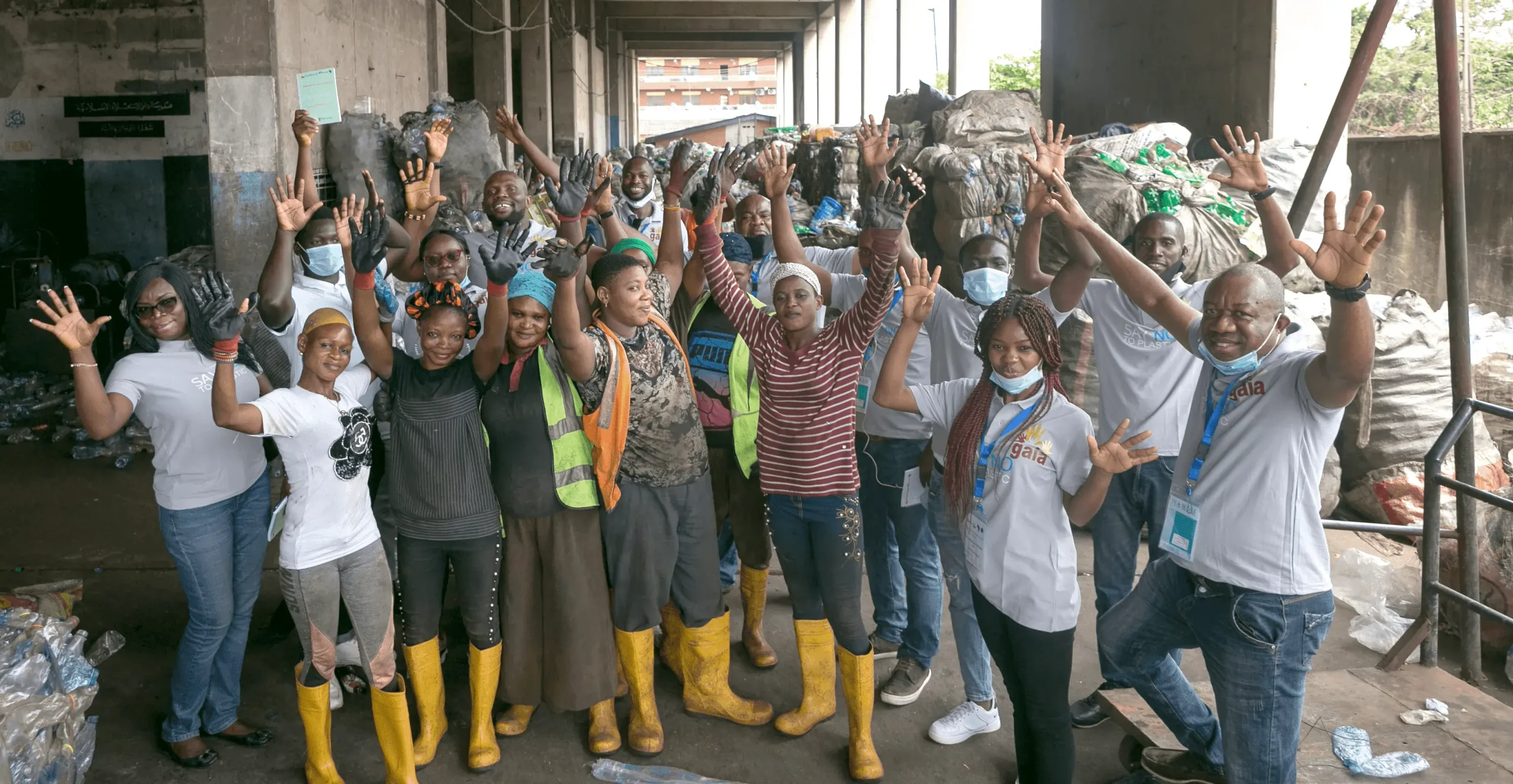
The current challenge of waste management in Lagos State, as well as the nation, is immense, with disposal exceeding available capacity. Zero waste, an end-to-end waste management system from resource generation, production, consumption, and end-of-life management, has raised concerns and confusion among the players. Therefore, the Sustainable Research and Action for Environmental Development (SRADev Nigeria), with the support of the Global Alliance for Incineration Alternatives (GAIA), is implementing a zero waste initiative aimed at steering and strengthening national capacity in plastic waste management in Nigeria.

The project commenced with stakeholder consultations and awareness-raising in pilot schools and estates and officially kicked off with an inception workshop held on September 19, 2024, at MAN House Hall, Ikeja. This event attracted over 70 participants both physically and virtually, including representatives from Lagos State Ministries, Departments and Agencies, Trade Associations, secondary schools, Civil Societies, and the Media.

The Energy campaigner for GAIA, Mr. Weyinmi Okotie, gave a brief on the need for the state to embrace the zero waste concept, which considers the end-to-end management of waste from production at source up to post-consumption and beyond. He alluded to the need for the state to take this initiative owing to its population and leading role in the country and Africa at large. He ended by complimenting the effort of the state government in banning single-use plastic, particularly styrofoams.

The LAWMA delegate, Mr. Essien, the head of Circular Economy, expressed his interest in the outcome of the project as he shared the ongoing efforts of the Authority in managing organic waste. Following extensive quantification of the waste across different specialized markets, he said the state is already engaged in a private-public partnership to manage the organic waste, which is over 43% of the municipalities.

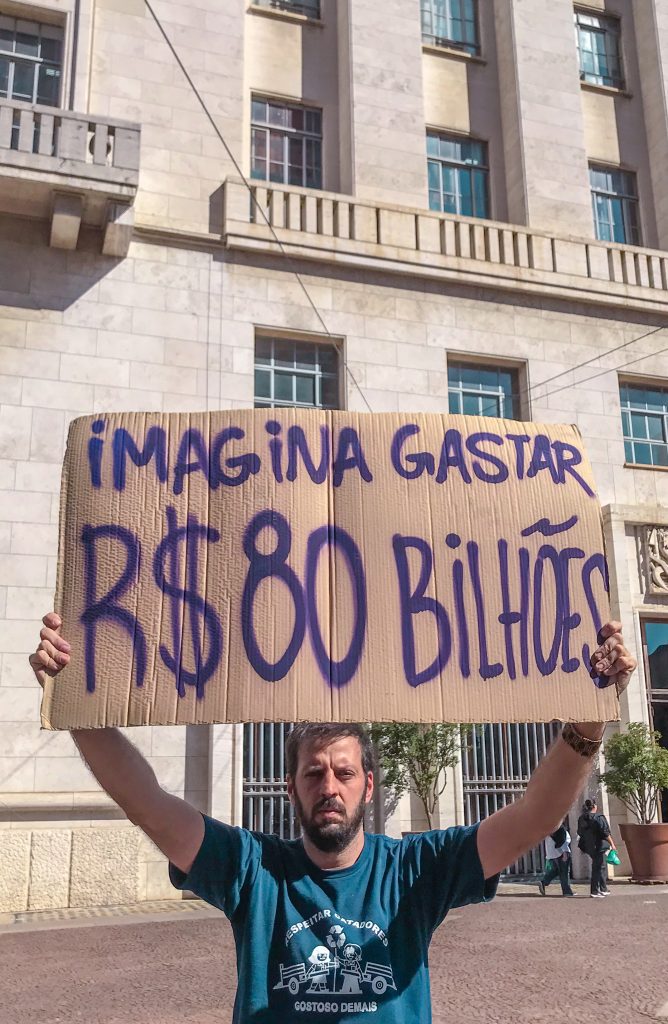
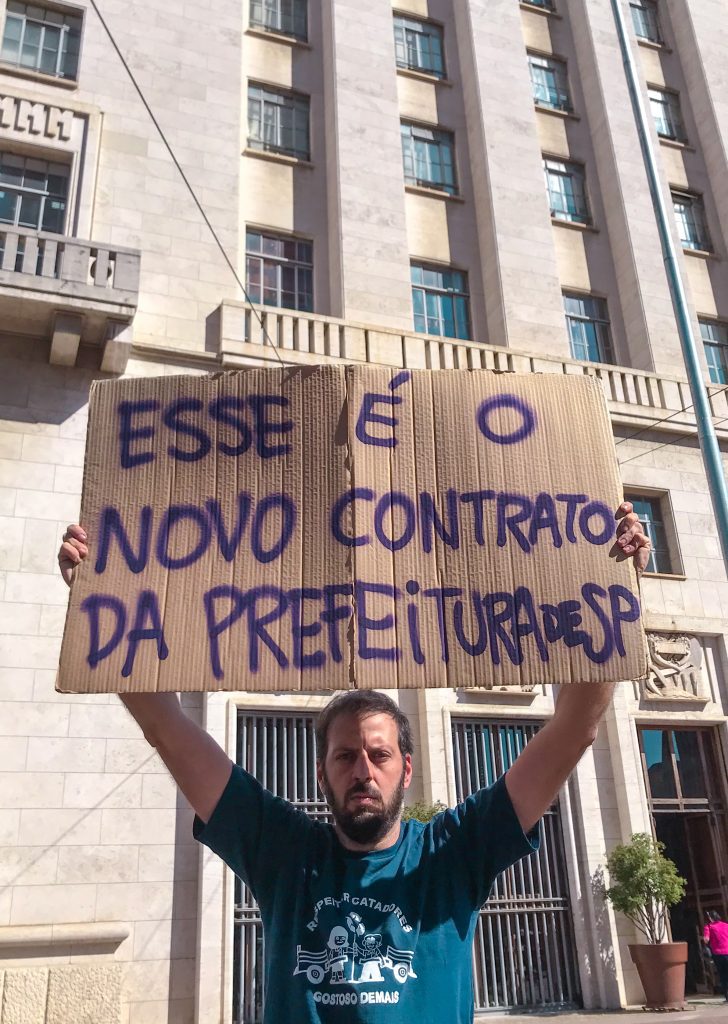
  • La alcaldía de São Paulo firmó un contrato para extender los contratos de las empresas Loga y Ecourbis para la gestión de residuos sólidos urbanos por 20 años sin consulta pública.
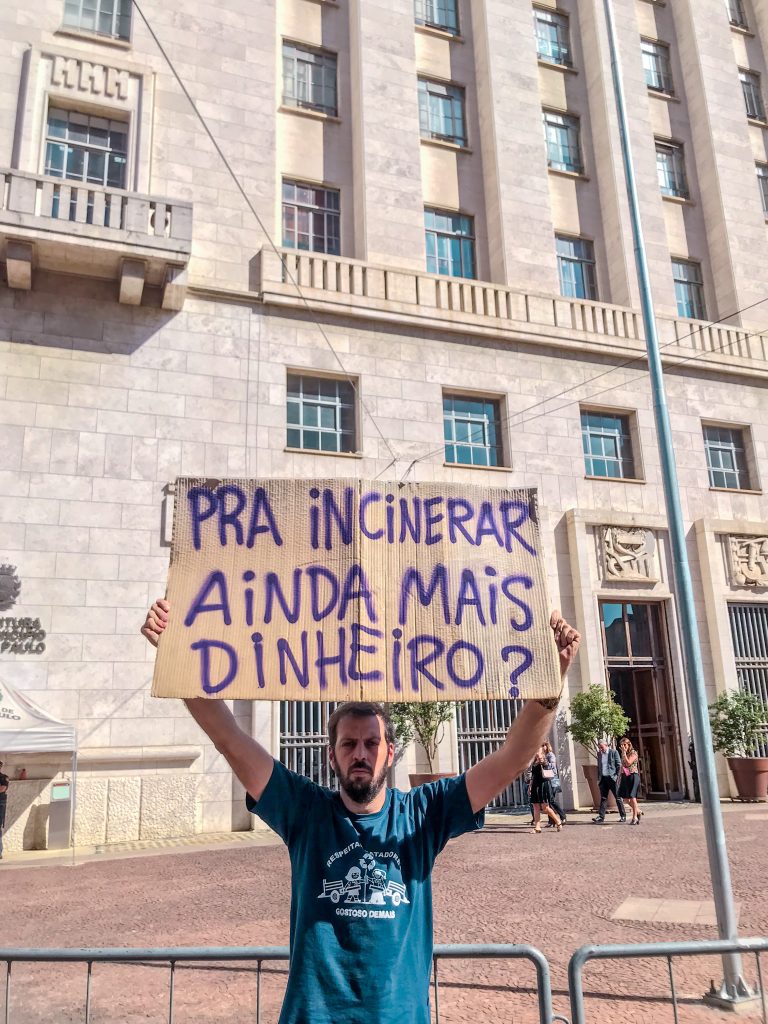
  • El nuevo contrato contempla la construcción de 4 incineradoras a lo largo de 20 años, poniendo en riesgo la salud de las personas, contribuyendo a la crisis climática y  destruyendo materiales valiosos para el trabajo de las y los recicladores.
  • Si el ayuntamiento hubiera cumplido el Plan Integrado de Gestión de Residuos Sólidos de 2014, São Paulo podría estar reciclando más del 70% de sus residuos orgánicos y secos.

La ciudad de São Paulo se enfrentó a una polémica decisión en relación a la gestión de los residuos sólidos de la ciudad. El pasado 14 de junio la alcaldía de São Paulo firmó una extensión de los contratos de las empresas Loga y Ecourbis para la gestión de los residuos sólidos urbanos de la ciudad por 20 años más, con un valor total de R $80 mil millones (aprox. $116.000.000.000 dólares).

La administración justificó la prórroga de los contratos con las mismas empresas, que ya han gestionado estos servicios durante 20 años, indicando que fue hecho como una medida de ahorro, ya que al extender el contratos, se evitan los costos de un nuevo proceso licitatorio.

No obstante, no se justificó por qué la decisión se tomó sin un proceso de consulta pública y sin garantizar  una gestión de residuos justa y sostenible, ya que el nuevo contrato contempla la construcción de cuatro incineradoras de residuos sólidos urbanos, contradiciendo los principios establecidos en el Plan de Gestión Integrada de Residuos Sólidos (PGIRS) de 2014, que promovía una gestión más sostenible e inclusiva. Además, actualmente, la tasa de reciclaje de São Paulo es de tan solo un 0,77%, muy por debajo del objetivo del 25% para 2040 propuesto por las normativas locales y nacionales.

Organizaciones como el Instituto Pólis, la Alianza Resíduo Zero Brasil, el Movimiento Nacional de Recicladores de Materiales Reciclables, el Observatório de la Política Nacional de Resíduos Sólidos y el Observatório del Clima, han denunciado la falta de transparencia en el proceso, destacando la necesidad de que se actualice y cumpla el Plan de Gestión Integral de Residuos Sólidos (PGIRS) para garantizar un futuro sostenible y la valorización de los materiales reciclables. Recalcan que los contratos prorrogados no incluye la recolección de residuos orgánicos, y proponen la incineración, lo que es un pésimo camino, que intensifica la contaminación atmosférica, que contribuye a la emisión de gases de efecto invernadero, que genera residuos tóxicos y que destruye materiales valiosos para el trabajo de las y los recicladores.

Además, destacan que el reciclaje de la materia orgánica, por ejemplo, trae enormes beneficios para el medio ambiente y la salud humana, reempazando fertilizantes químicos tóxicos por fertilizantes orgánicos, que además los fertilizantes orgánicos aumentan la capacidad del suelo para retener agua, incluso en condiciones climáticas adversas, como periodos de sequía u olas de calor, ayudando a que el suelo se mantenga húmedo, prolongando además el efecto del riego sobre la tierra, lo que ayudará a la resiliencia de los cultivos.

Asimismo, las organizaciones denuncian que si el ayuntamiento hubiera cumplido el Plan Integrado de Gestión de Residuos Sólidos de 2014, São Paulo podría estar reciclando más del 70% de sus residuos orgánicos y secos.

Actualmente, las organizaciones se encuentran en un proceso de solicitud al Ministerio Público del Estado de São Paulo y la Defensoria Pública del Estado de São Paulo para anular los contratos. Exigen además que se realicen audiencias públicas y se creen grupos de trabajo con la participación de la sociedad civil para analizar y proponer nuevos contratos, ya sea a través de una prórroga o de una nueva licitación.

El miércoles 21 de agosto se realizó el seminario web “Falsas soluciones en la gestión de residuos hospitalarios”, en una actividad conjunta entre Break Free From Plastic,  Salud sin Daño y la Alianza Global para Alternativas a la Incineración (GAIA).

El evento contó con presentaciones de Neil Tangri, director de ciencia y política internacional de GAIA, María Esther Briz, campañista en América Latina de  Break Free From Plastic, y Vital Ribeiro, presidente del Consejo Consultivo de Projeto Hospitais Saudáveis (Brasil).

El objetivo del encuentro fue analizar las falsas soluciones, presentar herramientas para identificarlas y la promoción de prácticas que realmente protegen la salud de las personas y el ambiente. Durante las presentación se hizo un recorrido por el estado de la gestión actual de los residuos en los hospitales en la región y un abordaje técnico en tecnologías como la incineración waste to energy, reciclaje químico, pirólisis, y las razones que existen para considerarlas falsas soluciones. 

August 23, 2024 – A collective letter written by the Centre for Financial Accountability,  International Accountability Project, National Hawkers Federation, GAIA-Asia Pacific, and Break Free From Plastics and endorsed by 174 civil society organizations, regional and global networks and activists, is calling upon the World Bank board of directors to reject the financing of the 4 Waste-to-Energy (WTE) incineration projects proposed to be built in in Gujarat, India by Abellon Clean Energy Limited (ACEL).

Abellon Clean Energy Limited (ACEL) is a Waste to Energy (WTE) incineration developer based out of Gujarat, India, which is developing 4 WTE incineration plants in Rajkot, Vadodara, Ahmedabad, and Jamnagar with a cumulative capacity of 52.20 MW. The letter highlights the projects’ negative impacts on communities, including air and water pollution, health issues, climate impacts, and undermining sustainable waste management practices. 

ACEL’s operational WTE incineration plant in Jamnagar has already demonstrated significant negative impacts on the 25,000 people living in its vicinity and suffering from air pollution, noise pollution, and health problems such as skin ailments, asthma, eye irritation etc. The local communities are thus concerned about the expansion of the incinerator plant through this project. “Initially we were told that all the waste would be converted into electricity but after the operations started there was a lot of pollution and bad odor from the plant. We have complained to the Gujarat Pollution Control Board, the Municipal Commissioner, and the District Collector but still, the communities continue to suffer. A further expansion of the plant will only increase the pollution and is unacceptable to us,” shared Ker Jayendrasinh, who has been supporting the local communities in Jamnagar.

Seeing the harmful effects of the WTE incinerator plants in Jamnagar and the lack of proper consultations held by IFC and ACEL with affected communities in the other project areas, local Civil Society Organisations and activists are concerned about the construction of the proposed WTE incinerators in the other locations. “There is a lot of ambiguity surrounding the technology, impacts, displacement, and compensation of the project by Abellon and repeated queries regarding the same have not been answered by the company,” said Advocate Shailendrasinh R Jadeja, Rajkot.

Additionally, there are major flaws in the project’s Environmental and Social Impact Assessments, in violation of both IFC Performance Standards and Indian environmental laws. To circumvent the Government of India’s (GOI’s) environmental norms, the WTE incineration project size was deliberately kept at 14.9 MW instead of 15 MW, to escape the Environmental Clearance (EC) mandated by the Environment Impact Assessment (EIA) rules 2006. Despite being considered a “red category” project in India for its massive environmental and social risks, this project has been given a lower risk rating of “Category B” by the IFC. Vaishnavi Varadarajan, International Accountability Project articulates the lack of proper due diligence for this project. “The diluted and flawed environment and social impact assessment by IFC for these toxic WTE incinerators that contribute to excessive pollution and are linked to fossil fuels indicates that IFC has not been compliant to its safeguards and also to the Paris Agreement,” she says.

These WTE incinerator plants also threaten the livelihood of waste workers as large quantities of waste in the project sites will get directed to the incinerators, thus affecting the informal economy of waste picking and recycling. Jay Vyas, National Hawkers Federation shared, “the situation in Jamnagar where there are no waste workers at the dump sites confirms that waste workers who belong to vulnerable indigenous and dalit communities will lose their livelihood because of these incinerators. Also, waste worker unions in Gujarat confirmed to us that waste workers were not consulted at the project sites by the company.” 

Besides the community impacts and environmental and social concerns, the poor financial performance of WTE incineration plants in India also casts a shadow over the viability of ACEL’s projects and their potential economic burden on local governments. A report by the Centre for Financial Accountability revealed how despite strong policy and financial support, WTE incinerators in India have failed. Chythenyen D Kulasekaran, Centre for Financial Accountability says, “WTEs make profits on the shoulder of the public funds in the form of subsidies and grants they receive. Yet, WTEs produce the costliest form of electricity at about 7 rupees per unit, which the government pays. There is a double burden on the state exchequer.”

WTE incinerators are a “false solution”, contributing to pollution that exacerbates the climate crisis. The proposed WTE incineration plants will cumulatively burn about 3,750 tons of garbage every day and generate CO2 equivalent to the emissions from about 18,75,000 carsWTE incinerators are poised to become the most carbon-intensive power source once coal is phased out. Burning a tonne of plastic waste alone results in the release of around 1.43 tonnes of CO2. It destroys recycling, reuse, and refill options and disincentives reduction of producing new materials so less will have to be managed as wastes,”  says Miriam Mayang Azurin, GAIA.

In light of these findings, we urge the World Bank to not only reject this project but to cease all funding for waste-to-energy initiatives, prioritizing environmental protection and community well-being over unsustainable energy solutions.

Press Contact: 

Vaishnavi Varadarajan, +91 96867 69504, vaishnavi@accountabilityproject.org

Chythenyen DK, +91 9600329935, chythenyen@cenfa.org

In a significant triumph for the residents of Baguio and its neighboring town of Sablan, Mayor Benjamin Magalong announced his decision on July 31 to abandon the planned Waste-to-Energy (WTE).  incineration project. This decision followed a crucial forum organized by Zero Waste Baguio, EcoWaste Coalition, and GAIA Asia Pacific, where Dr. Jorge Emmanuel highlighted the adverse environmental and health impacts of the WTE plant.

“Incineration, including all thermal Waste-to-Energy technologies, emits many toxic fumes, including some of the most poisonous substances known as dioxins. If you live near an incinerator plant, you will get dioxins in the food you eat—eggs, meat, and fish (soil and water get contaminated). This will impact your health and can cause cancer, affect reproductive organs of both males and females, cause birth defects and miscarriages, delayed motor skills, and asthma.”, Dr Emmanuel added. 

Based on Dr Emmanuel’s data, Mayor Magalong formally stated, “After careful consideration and listening to the concerns raised during the forum, I would like to officially declare that Baguio City will be abandoning its Waste-to-Energy project.”

Baguio City is grappling with a severe waste management crisis. Each day, the city generates approximately 400 tons of waste, which includes both residential and commercial trash. With a population of 366,358 and an influx of up to 500,000 visitors during peak seasons, the volume of waste consistently spikes. The city spends around PHP 200 million annually to transport this waste to landfills outside its borders. In December 2023 alone, the waste generated by visitors added approximately 140 tons to the city’s daily waste output.

Moving forward, Mayor Magalong said, “Our focus will now shift to sustainable waste management solutions that are more aligned with our environmental goals. Priorities will include composting with black soldier flies and implementing a new garbage collection system. These measures are designed to reduce waste and minimize environmental impact.”

The decision was also celebrated by green groups from across the world. “This decision represents a landmark achievement for Baguio city residents demonstrating the power and impact of grassroots advocacy in influencing waste management practices. By rejecting the project and embracing more sustainable alternatives, Baguio City sets a precedent for effective environmental stewardship and local climate action”, Christie Keith, International Coordinator of GAIA, said. 

GAIA is a network of grassroots groups, as well as national and regional alliances, representing more than 1,000 organizations from 92 countries committed to fighting incineration and building regenerative solutions in cities through local campaigns, shifts in policy and finance, research, and communication initiatives.

“We applaud Baguio City for its commitment to making #PlasticFreePilipinas a reality! We hope more LGUs will follow this example and support their communities in transitioning to more environmentally sustainable alternatives,” shared by Ecowaste Coalition in a post.

As of 2022, according to GAIA Asia Pacific’s monitoring of WTE plants, around 13 WTE plants have been registered with the Department of Energy, six of which are already operating with a combined installed capacity of 9.69 megawatts. Another three have become operational since then, bringing the total number of known WTE plants to 12. At least another 29 have been proposed or are under construction in different cities and municipalities in Cebu, Pangasinan, Laguna, Pampanga, Batangas, and other areas. At the national level, a proposed WTE bill is being criticized by green groups as a measure violating standing bans on incinerators and policy trends across the world shifting away from incineration.

GAIA Asia Pacific Regional Coordinator Froilan Grate urged leaders to protect the national safeguard from incineration as stated in the Ecological Solid Waste Management Act and the Clean Air Act. 

“The Mayor’s decision upholds that safeguard for both public health and the environment. We urge other city leaders and Congress to heed science, evidence and voices of their constituents on the harms of WTE incineration”. He added that the Mayor has set a powerful example for other cities to consider and adopt Zero Waste solutions. 

“The collective effort of cities and champions give us hope. Embracing Zero Waste principles contributes to global sustainability goals, paving the way for resilient and thriving communities nationwide. We would like to invite the Mayor, his councilors, waste managers and barangay captains to see examples of Zero Waste efforts in the country including Malabon City and San Fernando City in Pampanga,” Sonia Mendoza Chair, Mother Earth Foundation (MEF)  also shared.

MEF has been leading the establishment of Zero Waste systems in various cities in the country.  

Dr Emmanuel elaborated that “We do have an alternative path.  Either we conserve earth’s precious resources for the future generation. We work towards zero waste towards a climate neutral economy, and a safe, sustainable circular economy. We also need to work for a just transition so that the waste workers will benefit from it instead of suffering from the shift.  We need to look at the impact to make sure indigenous people also benefit, growing companies, but let everybody benefit from a zero waste system. It needs to start with each of us. We need to walk the talk.” 

Zero Waste Baguio, Inc also shared “We are proud that Baguio City and our community are leading by example, rejecting incinerators and choosing sustainable solutions that safeguard our environment and enhance everyone’s health. Our commitment inspires other communities to join us in making a positive impact on our planet and well-being.” 

MANILA, June 6, 2024 — A hundred activists gathered in front of the Asian Development Bank (ADB) headquarters here urging the bank to “flip the switch to renewables”, towards a fast and equitable clean energy transition that prioritizes people and the environment. 

The creative action was staged by civil society groups and affected communities to challenge the ADB to not only fast-track the shift to renewable energy but also ensure transparent and equitable investments, prioritize community consultation, provide grants over loans in financing energy transition projects, and reject harmful energy solutions as the bank is holding its annual Asia Clean Energy Forum (ACEF) this week.

Activists from 350 Pilipinas, NGO Forum on ADB,  GAIA Asia Pacific, Legal Rights and Natural Resources Center, and Freedom from Debt Coalition carried a globe effigy that showed dirty energy projects and climate impacts on one side and renewable energy and its benefits on the other. A switch in the middle made the globe spin, highlighting the role of ADB in the global switch to renewable energy.

The ACEF plays a crucial role towards transitioning from fossil fuels to renewables in the Asia-Pacific to combat climate change and ensure energy security. It convenes policymakers, industry leaders, and civil society to devise sustainable energy strategies and advocate for the shift to renewables.

However, affected communities and civil society groups have stressed that prioritizing corporate interests and technological fixes exacerbates environmental and social crises. Meanwhile, existing mechanisms promoted by the ADB at ACEF often fail to provide real energy solutions, including what many experts consider false solutions, such as carbon capture and storage, waste-to-energy, hydropower, and fossil fuel mixes. 

“Real energy solutions must prioritize community needs, uphold environmental and human rights, and ensure a just transition from fossil fuels. The Asian Development Bank must uphold not only the Paris climate agreement but also the long-term development plans of ADB member countries.

Yet the current agenda of its Asia Clean Energy Forum falls short, which is why we call on the bank to reevaluate its strategies and commit to sustainable energy practices,” said the activists.

###

“As climate change impacts intensify, ADB and other global financial institutions must be held accountable for past and ongoing environmental and social harms. Forum networks and allies demand a complete overhaul of key policy initiatives at ACEF 2024. With the upcoming ADB Mid Term Energy Policy Review, the NGO Forum on ADB and its allies call for an end to ADB’s false solutions for a Just Transition and demand a full phase-out of fossil fuels, especially gas, and all forms of coal financing.”- Rayyan Hassan, Executive Director, NGO Forum on ADB

“As 2030 approaches, balancing equity, urgency, and ambition in energy transformation is crucial. We must exclude harmful energy solutions, prioritize equitable renewable energy investment, and ensure transparency, accountability, and community consultation. Climate action isn’t just about hitting Paris Agreement targets—it’s about transforming our development pathway to thrive amid climate change. This journey demands that climate and development progress be mutually reinforcing, with robust community ownership at its core.” – Chuck Baclagon, Finance Campaigner, 350.org Asia

“Addressing the climate crisis requires reimagining energy production and distribution to prioritize people and the environment. We need a rapid and fair shift to a clean energy economy that empowers communities and curbs profit-driven decisions that harm the planet. The Asian Development Bank’s commitment to sustainable development and renewable energy is crucial for reshaping Asia and the Pacific’s energy landscape and driving us towards a fossil-free future.” – Fread De Mesa, Coordinator, 350 Pilipinas

“We are urging ADB to stop supporting the institutionalization in regional and national climate policies and financing of the same dirty industries including waste-to-energy incineration which communities around the world have averted from entering and operating because of their environmental and social consequences. At the same light, we reject the use of new technologies such as carbon capture utilization storage and failed mechanisms such as carbon credits which merely delay and derail real climate action..We urge ADB to funnel much needed resources to proven and empowering community solutions to ensure that scarce resources work for people and the environment and not climate perpetrators” – Mayang Azurin, Deputy Director for Campaigns, GAIA Asia Pacific

“ADB must urgently strengthen its community consultation and consent mechanisms in regulating its growing clean energy transition portfolio. With an anticipated 500% increase in global renewable energy and energy transition mineral production by 2050, communities facing these projects bear immense risks of resource grabbing, displacement, and violence if no sufficient guardrails are implemented. 

The right to free, prior, and informed consent (FPIC) of Indigenous peoples must especially be guaranteed, as an estimated 42% of global spatial conflicts with Indigenous territories involve renewable energy, and 60%of global mineral deposits are situated within Indigenous territories.”- Leon Dulce, Campaigns Support and Linkages Coordinator, Legal Rights and Natural Resources Center (LRC)

“We from the Freedom from Debt Coalition (FDC) believe that it is completely unacceptable that the organizers of the ACEF 2024 led by the Asian Development Bank (ADB) continue to promote financing mechanisms that not only distract us from our goal of transitioning to fully renewable energy but also add to the country’s already mounting debt burden. Schemes like the Energy Transition Mechanism (ETM) can leverage blended finance, including public funds, to allow coal investments to “re-purpose” operations, shifting from one fossil fuel to another. This will, in effect, delay, rather than accelerate the shift to RE systems and lead us away from the pathway to keeping global temperature changes within the goal of 1.5 C.” – Rovik Obanil, Secretary General, Freedom From Debt Coalition

Manila, 3 June 2024  – The Asia Clean Energy Forum (ACEF) 2024 hosted by the Asian Development Bank (ADB) is underway amid escalating climate challenges and economic pressures across low- and middle-income countries in the region. This year’s forum, however, is drawing significant criticism from NGO Forum on ADB, Alyansa Tigil Mina (ATM), Asian Peoples Movement on Debt and Development (APMDD), Center for Energy, Ecology and Development (CEED), Coalition for Human Rights in Development (CHRD), EcoWaste Coalition, Freedom from Debt Coalition, Global Alliance for Incinerator Alternatives (GAIA), Legal Rights and Natural Resources Center (LRC-KSK), Philippine Legislators’ Committee on Population and Development, Philippine Movement for Climate Justice (PMCJ), Recourse, 350.org, and together with other organizations of the Philippine Working Group, argue that the event is more focused on advancing corporate interests than addressing the urgent need for equitable and sustainable climate solutions.

The Asia Pacific region has faced unprecedented heat waves and severe economic strain in 2024, exacerbated by the lingering effects of the pandemic and ongoing geopolitical conflicts. Communities, respected leaders, and advocates from various sectors have been steadfastly opposing the expansion of fossil gas infrastructure, the damming of rivers, destructive geothermal drilling, and waste incineration. They emphasize the intergenerational harms and losses these projects entail.

Despite the critical need for climate responsibility and affordable renewable energy access, the ACEF 2024 program appears to prioritize the interests of private companies historically responsible for greenhouse gas emissions and environmental damage. Notably, the forum’s opening plenary will feature senior management from Japan’s Marubeni and representatives from Keppel, both known for their support of fossil fuel projects.

ADB’s call for “quick win” solutions seems designed to benefit corporations rather than addressing the realities of planetary boundaries and the needs of marginalized communities. The absence of discussions on environmental and social governance further highlights the neglect of human and environmental rights in ADB’s energy investments, particularly in authoritarian and restrictive regimes.

ACEF 2024’s promotion of carbon removal technologies such as Carbon Capture, Utilization, and Storage (CCUS) and emerging fuel mixes like green hydrogen has raised alarms. These technologies, often touted as solutions, have failed to deliver substantial reductions in carbon emissions and pose significant risks to local communities and ecosystems.

The forum also spotlights large hydropower projects and waste-to-energy incineration, both of which have been criticized for their environmental impact and unsustainable nature. Civil society groups argue that these approaches divert attention from genuinely sustainable solutions like decentralized, non-fossil fuel energy.

Concerns extend to ADB’s policy-based loans and sessions promoting reliance on liquefied natural gas (LNG), ammonia, hydrogen, and CCUS. These sessions, in partnership with Japan’s Ministry of Economy, Trade and Industry, and the Korea Energy Agency, are seen as further entrenching dirty energy futures in Asia.

For the first time, ACEF 2024 will spotlight the critical minerals sector. Rather than addressing the human and environmental rights violations associated with mining, the forum paints an overly positive picture of countries like the Philippines, Indonesia, Mongolia, and Kazakhstan as key players in global value chains. Civil society groups warn against expanding mining operations that threaten local communities’ survival.

For nearly two decades, ACEF has facilitated a contentious consensus-building among private sector entities in the regional energy landscape. The promises of clean and affordable energy often mask the challenges of achieving a robust, just, equitable, and rights-based energy transition. Civil society groups urge ADB and other financial institutions to shift focus towards genuinely sustainable renewable energy solutions, rather than profit-driven technofixes.

As the impacts of climate change intensify, it is imperative that ADB and other global financial institutions are held accountable for historical and ongoing environmental and social harms. Forum network and allies call for an overhaul of the key policy initiatives discussed at ACEF 2024. With the upcoming Mid Term Energy Policy Review of the ADB, the CSOs call for an end to ADBs false solutions towards Just Transition and demand a full phase out from fossil fuels especially gas, and all forms of financing for coal. 

###

Alyansa Tigil Mina (ATM)

  1. We maintain that the ADB’s “climate-smart mining” ignores the negative impacts in mining-affected communities and that supply chains are not properly assessed. For instance, while the Green Climate Fund is investing heavily in e-mobility, sources of EV batteries are causing widespread destruction. On a more practical level, there is an urgent need to develop and implement a robust and expanded cost-benefit analysis (CBA)  of mining projects. These should incorporate the social and environmental costs as well as the impact to health and human rights brought about by the extractives industry. Unless these are determined and the impacts to the communities are considered more than the interests of profiteering corporations, there will only be more false solutions to the climate crisis.  We ask the public to join us in rejecting ADB’s techno fixes and their attempts to greenwash destructive mining operations.Jaybee Garganera, National Coordinator, Alyansa Tigil Mina (ATM)
  1. We call on ACEF delegates to push for the implementation of policies for rapid, equitable, and just transition to 100% renewable sources of power by 2050 and do away with false solutions and technologies. Fossil fuel corporations and other ACEF participants are still putting false solutions on the table, such as hydrogen, carbon capture utilization and storage, ammonia, and promoting gas as a transition fuel. These are dirty sources of energy that only serve to entrench fossil fuels and continue to profit from them, ultimately delaying the clean energy transition.  – Lidy Nacpil, Coordinator, Asian Peoples Movement on Debt and Development (APMDD)
  1.  It is deeply disturbing that the organizers of the ACEF 2024 led by the Asian Development Bank (ADB) continue to promote energy sector investments that will not only delay our transition to renewable energy systems, but also mire our countries even deeper into debt. At this point, the idea of leveraging public funds to support continued investment in projects that only sidetrack us from our goal of a full transition away from fossil fuels is completely unacceptable.  In a country such as the Philippines, which is at the frontlines of climate change impacts, while also suffering from record levels of debt, to have these concerns completely ignored by a gathering that is held here every year, is nothing less than a slap in the face.Rovik Obanil, Secretary General, Freedom from Debt Coalition
  1. The clean energy transition must not be justice-blind to the impacts of dirty technologies to people and the environment. We call on the ADB, international financial institutions, government agencies, and all energy investors to stop funding waste-to-energy incineration, refuse-derived fuel, carbon capture utilization and storage, coal co-firing, and other false solutions to waste and climate change. The fact that affected communities, informal sector workers, public transport workers, and civil society organizations are not identified as target participants in the ACEF is very telling of where investment priorities lie. A true clean and just energy transition must be inclusive, and recognize the solutions led by people and communities that are already producing positive impacts.Miriam Azurin, Asia Pacific Deputy Director, Global Alliance for Incinerator Alternatives (GAIA) Asia Pacific
  1. The current corporate-led approach to clean energy may exacerbate inequalities, as Indigenous communities often suffer the most from environmental damage, such as the exploitation of ancestral land, natural resources and water and lack of access to clean energy solutions.It is crucial to ensure fair access to clean energy for a smooth transition.  Decision- making process should involve Indigenous peoples’ more. Empowering IPs can result in more inclusive and sustainable energy solutions. A comprehensive approach that combines technology, social and policy measures is crucial. There is a need for a comprehensive strategy that tackles the root causes of climate change and promotes sustainable development. Indira Shreesh, Founding member and Chairperson,  Indigenous Women Legal Awareness Group (INWOLAG)
  1. Clean energy could very well leave a huge negative environmental and social footprint. Renewable energy projects must always have a sustainability dimension, so as to avoid further harms to the environment and communities. Crucially, where these projects can be found in ancestral lands, the right to self-determination of indigenous peoples must be upheld and not be sacrificed to the transition. We are sounding off the exponential demand for energy transition minerals, half of which reserves are projected to be mined in ancestral lands. It will be the supreme irony that the energy transition shall also result in unabated mining, which often has irreversible deleterious effects on people and nature.Maya Quirino, Advocacy Coordinator, Legal Rights and Natural Resources Center (LRC-KSK)
  1. As the impacts of climate change intensify, it is imperative that ADB and other global financial institutions are held accountable for historical and ongoing environmental and social harms. Forum network and allies call for an overhaul of the key policy initiatives discussed at ACEF 2024. With the upcoming Mid Term Energy Policy Review of the ADB, the NGO Forum on ADB and its allies call for an end to ADBs false solutions towards Just Transition and demand a full phase out from fossil fuels especially gas and all forms of financing for coal. Rayyan Hassan, Executive Director, NGO Forum on ADB
  1. We don’t have any more time for false solutions that tie us to fossil fuels. We call on the ADB to withdraw financing of all fossil fuel projects, and instead invest in a just–not only clean–transition to renewable energy. We need enough resources to ensure that people and the environment can recover, and will be put front and center as we shift to renewables. This means that polluter countries also need to pay climate reparations to countries bearing the brunt of the climate crisis, like us. ADB is accountable for this, too, for funding coal projects in the Philippines. We need concrete solutions now, starting with the payment of this huge historical debt.Erwin Puhawan, Luzon Coordinator, Philippine Movement for Climate Justice (PMCJ)
  1. There is no room for false solutions such as carbon capture, usage and storage (CCUS) and co-firing of power stations which further extends the use of fossil fuels if we are to keep global temperature rise within the 1.5C trajectory.  Extreme caution must be exercised by MDBs in supporting green hydrogen as its production can lead to displacement of communities from their lands and livelihoods, and can compete with freshwater needs.The energy transition should be designed with and aim to benefit the communities who had done least to cause climate change, including women and indigenous peoples. Alison Doig, Senior Advisor, Recourse
  1. Heading into 2030, balancing equity, urgency, and ambition in our energy transformation is essential. It’s time to ditch harmful energy, invest in renewables, and ensure transparency and community involvement. This isn’t just about hitting Paris Agreement targets—it’s about redefining our development pathway for a thriving future. The climate movement must lead the charge, using bold actions to expose the myth that fossil fuels are necessary for progress. Decarbonization is not only possible; it’s the key to justice and sustainability. Let’s redirect resources towards a clean energy economy that empowers communities and prioritizes the planet over profits. The Asian Development Bank’s commitment to renewables is crucial for reshaping Asia’s energy landscape and driving us towards a fossil-free future.Chuck Baclagon, Finance Campaigner 350.org Asia