






By: Green Knowledge Foundation
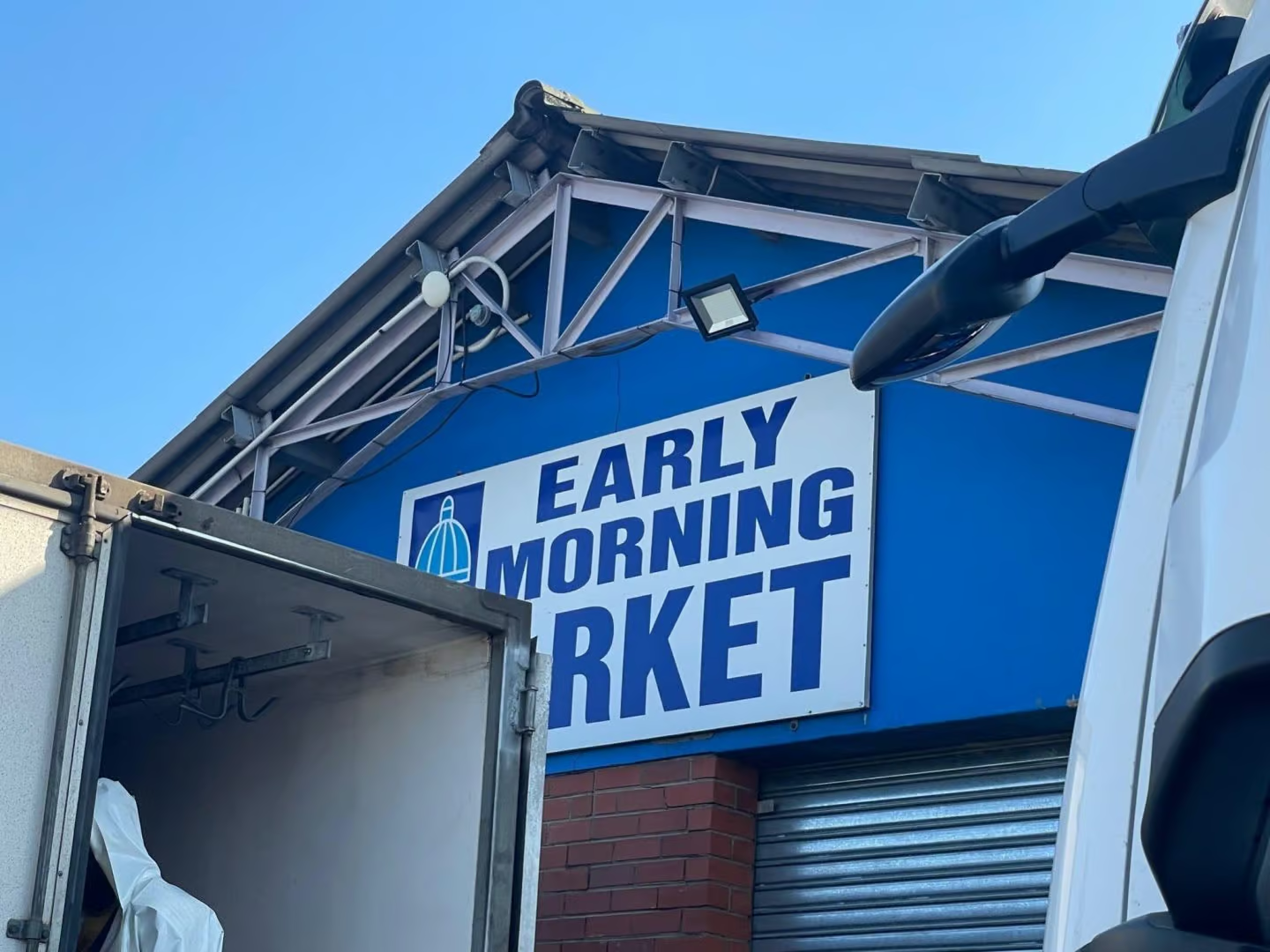
In Durban, South Africa the partnership between the Early Morning Market and the Warwick zero waste composting project stands as a practical model that should be replicated across Africa. This collaboration has not only transformed the market into a cleaner, tidier, healthier, and more attractive environment, but has also significantly reduced the burden on the municipal waste authority while creating value from organic waste through compost production.
To many residents, organic waste is simply part of daily life, but in recent times, environmental organisations, and climate experts across the globe are beginning to see something different, an opportunity for climate action, income generation and community empowerment.
Nigeria generates millions of tonnes of waste every year, and more than half of it is organic; food waste, agricultural residues, and biodegradable materials. When improperly managed, this waste decomposes in oxygen-deprived dumpsites and releases methane, a greenhouse gas significantly more potent than carbon dioxide over the short term. Yet effective organic waste management can transform this environmental challenge into social, economic, and climate solutions.
Waste Pickers benefit significantly.
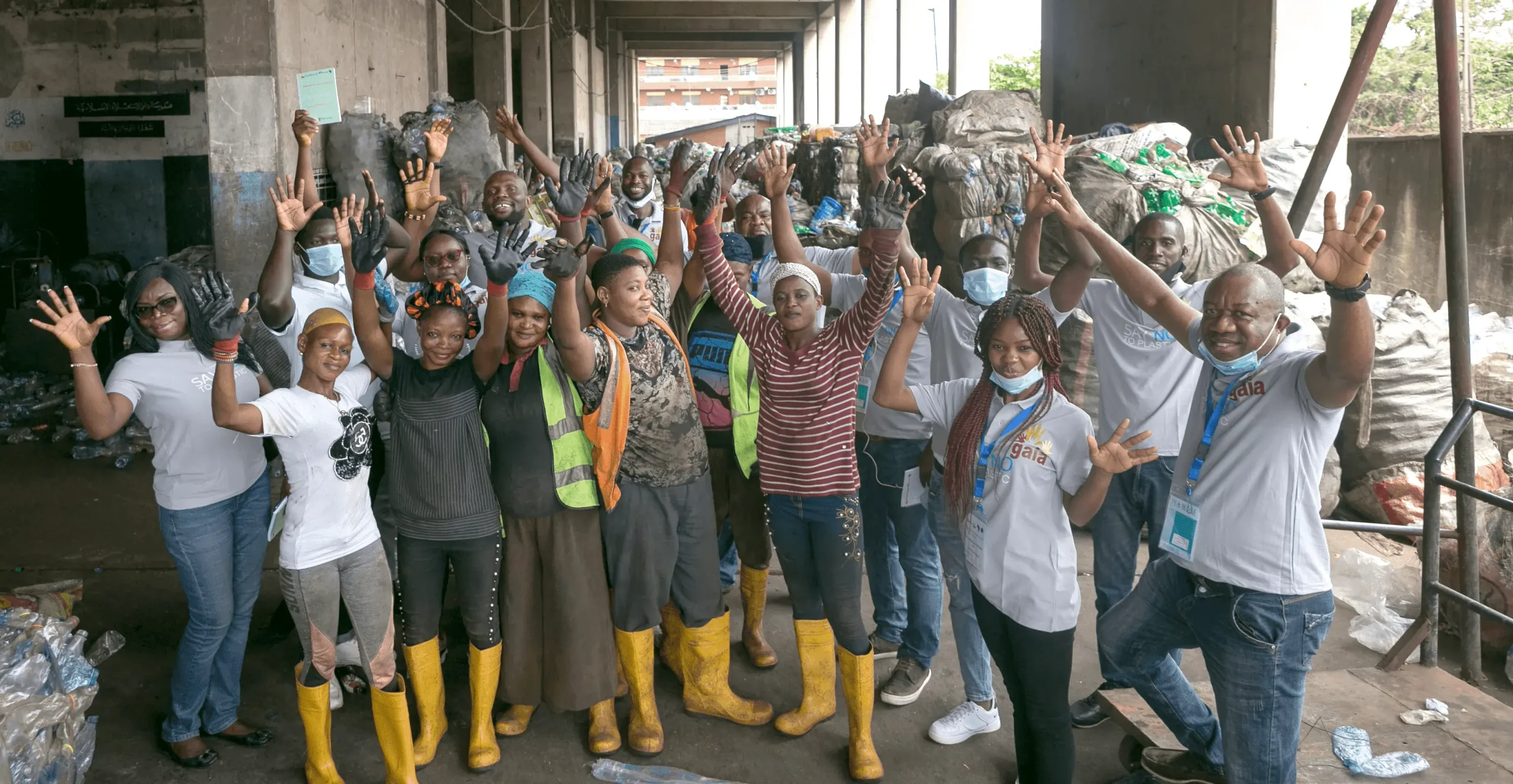
For waste pickers and informal waste workers, improved organic waste management systems create opportunities for safer livelihoods, economic empowerment, and social inclusion. Across Nigeria, informal waste workers already play a critical role in material recovery, recycling, and waste diversion despite operating with limited recognition, inadequate protection, and unsafe working conditions. Their efforts help reduce the volume of waste reaching dumpsites and landfills, thereby contributing to methane reduction and broader environmental sustainability goals.
Proper management of organic waste through composting, source segregation, decentralised collection systems, and Material Recovery Facilities (MRFs) creates pathways for new green jobs and more stable income opportunities. Through the implementation of the Multi-Solving Action for Methane Reduction in Nigeria ( MAMRN) project, new opportunities are being created for waste workers to transition from hazardous collection practices into safer, more organized, and dignified work. These opportunities include the construction of Material Recovery Facilities (MRFs) within the project.
This waste management system also creates opportunities for skills development, entrepreneurship, compost production, agriculture support, and climate smart business that benefit local economies. Beyond improving environmental conditions, inclusive organic waste management can help to reduce social stigma and protect informal workers while also improving their health and reducing pressure on landfills.
Across Africa, similar models are already demonstrating the socio-economic potential of inclusive waste systems. E.g. In Accra, the work of the Green Africa Youth Organization (GAYO) has shown how integrating waste pickers into organized recovery and recycling programs can improve livelihoods, strengthen community participation, and support sustainable environmental management. Such examples reinforce the idea that proper organic waste management is not only a climate solution but also a pathway toward economic resilience, social inclusion, and community development.
Farmers also stand to benefit significantly.
Composting initiatives have already demonstrated how organic waste can be converted into nutrient-rich compost that improves soil fertility while reducing dependence on chemical fertilisers. The MRF being constructed in the MAMRN project is designed to process a minimum of 10 tons of waste weekly, producing compost and Black Soldier Fly (BSF) larvae for Nigerian farms.
For small farmers facing rising fish feed and fertiliser costs and declining soil quality, compost and BSF larvae offers a climate-smart alternative that supports healthier produce, crops and long-term soil restoration.
Young people and entrepreneurs are finding opportunities as well. Across Africa, climate-focused enterprises are emerging around composting, Black Soldier Fly farming, waste collection, recycling, and methane monitoring systems. New jobs are being created in environmental education, circular economy innovation, climate data, and sustainable agriculture.
As one Climate and Clean Air Coalition report noted, organic waste should be seen as “a viable resource.”
Communities themselves benefit through cleaner environments and improved public health. Poorly managed organic waste contributes to environmental stench, air pollution, blocked drainage systems, and disease outbreaks. Effective waste separation and composting, reduce the volume of waste entering dumpsites while lowering methane emissions and open burning.
For NGOs and development organisations, this creates an important opportunity for high impact interventions. This also combines climate mitigation with livelihood creation, food security, gender inclusion, and youth empowerment. Organic waste management sits at the centre of all these priorities.
The MAMRN project has revealed the urgent need for more initiatives focused on composting, circular economy systems, and methane reduction, as these approaches can simultaneously deliver environmental benefits, create green jobs, support sustainable agriculture, and strengthen community resilience. Such initiatives also align strongly with the United Nations Sustainable Development Goals (SDGs), particularly SDG 1 (No Poverty), SDG 2 (Zero Hunger), SDG 11 (Sustainable Cities and Communities), SDG 12 (Responsible Consumption and Production), and SDG 13 (Climate Action).
Globally, the transition toward zero waste systems is accelerating because governments and development partners increasingly recognise that climate action must also create social and economic value.
The environment and the economy are deeply interconnected, and effective organic waste management is increasingly demonstrating this reality. What was once viewed merely as waste is gradually emerging as a source of livelihoods, climate solutions, cleaner environment, healthier soils, and economic opportunity.
The future of sustainable development may therefore depend not only on reducing waste, but on recognizing the social, environmental, and economic value embedded within it.
This article is fourth in a series on the Methane Reduction in Nigeria (MAMRN) Project, implemented in collaboration with CfEW Jos, SraDev Lagos, Pave Lagos, CODAF Epe Lagos, and SEDI Benin City.