
Views on the development of UNFCCC roadmaps for a Transition Away from Fossil Fuels in a Just, Orderly and Equitable Manner, and for Halting and Reversing Deforestation and Forest Degradation by 2030
- Climate -
GAIA proposes the following material economy shifts as solutions for the roadmaps to deliver a Transition Away from Fossil Fuels in a Just, Orderly and Equitable Manner, as well as Halting and Reversing Deforestation and Forest Degradation by 2030:
-solutions to shift the material economy from single-use to reuse:
-a declining cap on plastic production;
-removing plastic polymer production subsidies;
-deploying reuse and refill systems;
-and, ending the burning of biomass and waste.
Stitching up the textile loophole in the Basel Convention
- Plastic -
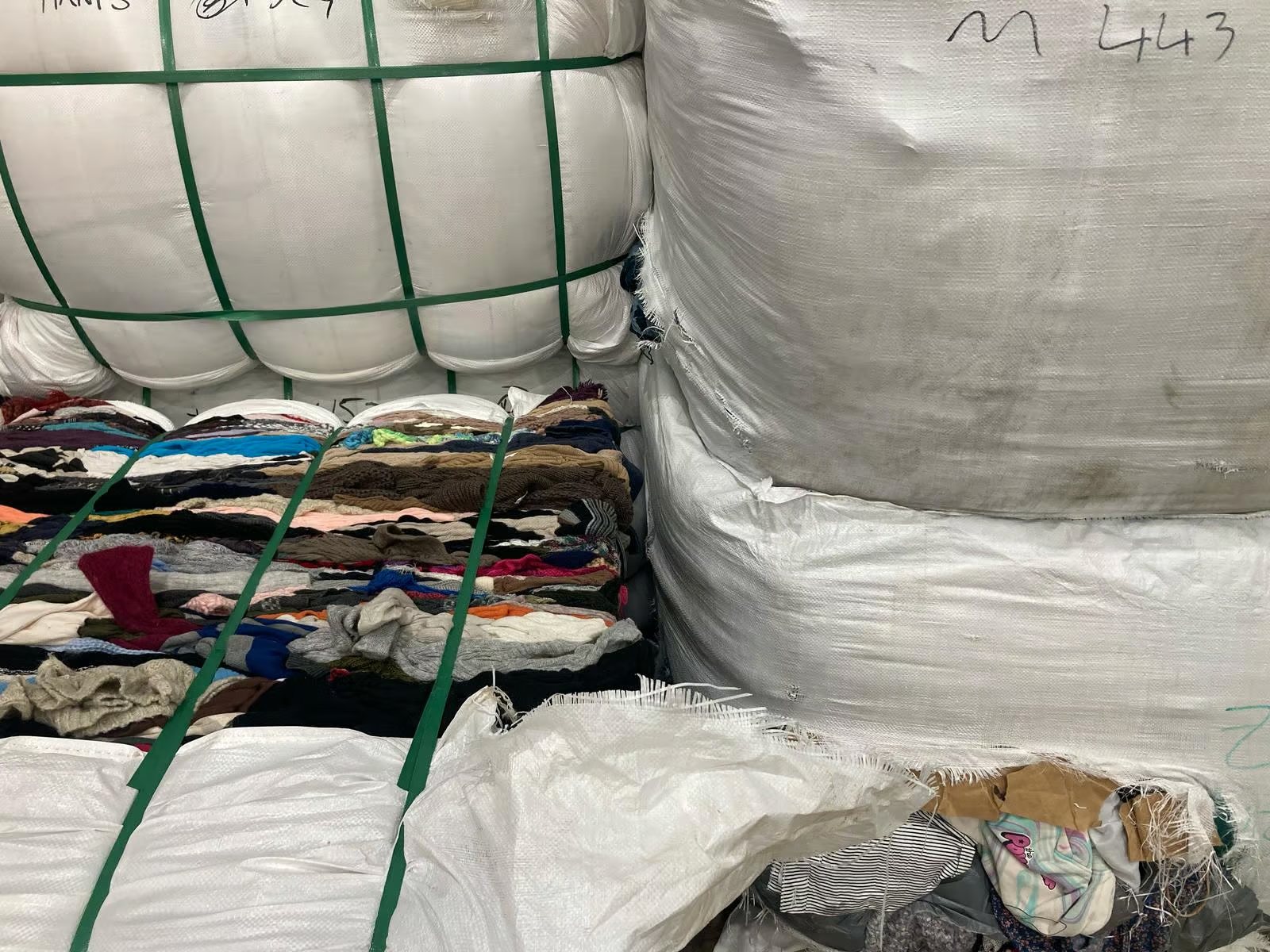
This briefing, developed with the support of more than 70 civil society organisations ahead of OEWG-15 to the Basel Convention, outlines why textile waste has become a major governance gap in the global waste trade system. It highlights serious concerns for environmentally sound management and calls on Parties to the Basel Convention to close this loophole by subjecting textiles to stronger international oversight.
Comments on the Basel Convention plastic waste amendments: implementation, challenges, impacts, and possible further activities
- Plastic -
The Basel Convention plastic amendments were historic, and were followed by a reduction in global plastic waste traded under the HS 3915 code. Still, the plastic pollution and related health crisis continues unabated, harming human health, the climate, planetary boundaries and human rights. Microplastics are everywhere, including in our own bodies. As plastic treaty negotiations stall and harm from plastic pollution continues, it is all the more critical for the Basel Convention to remedy the gaps in its plastic waste trade controls and show continued leadership.