








GAIA’s 25 Year Leadership on Zero Waste
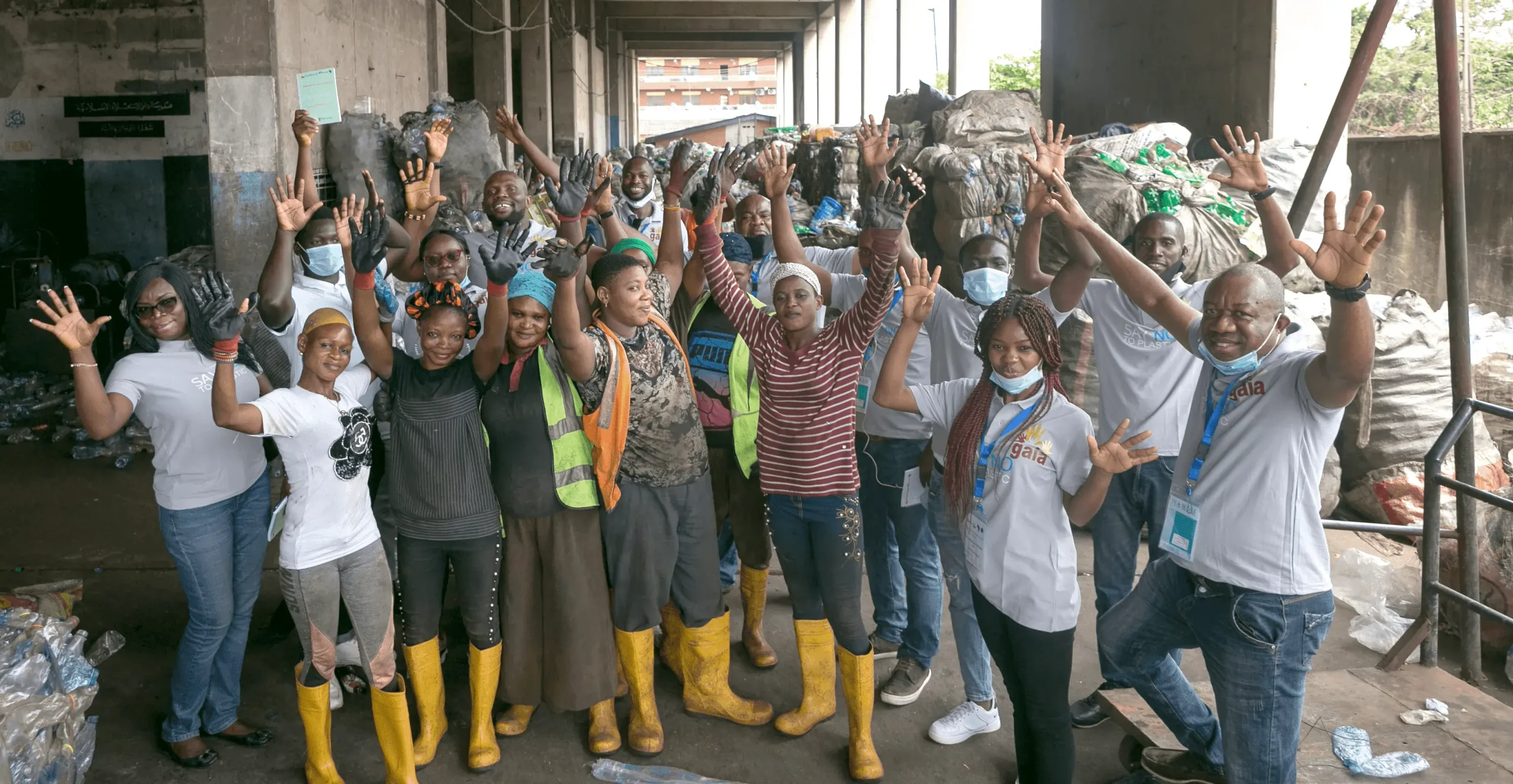
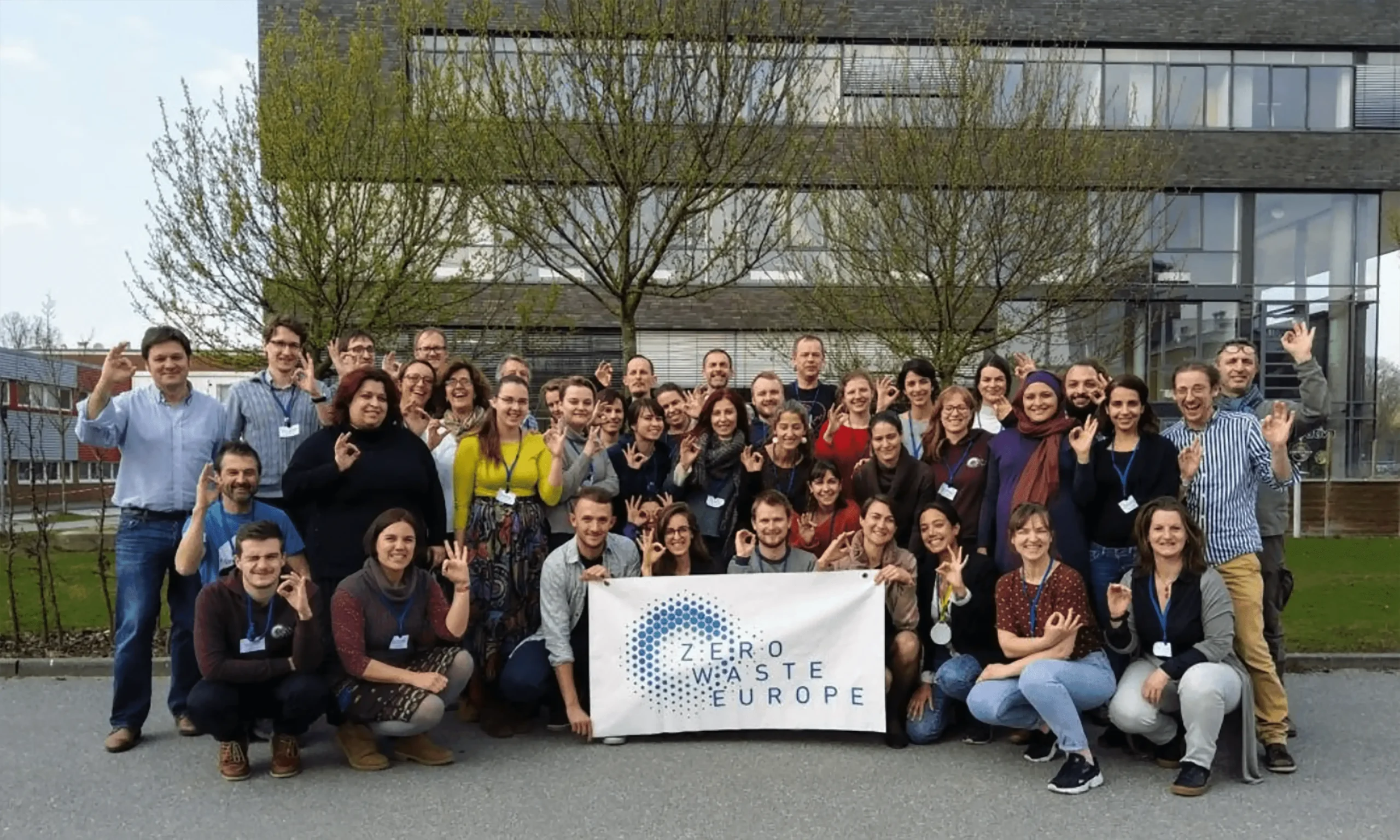
GAIA is one of the founders of the zero waste movement, with a 25 year history of supporting over 1,000 members to build successful zero waste policies and practices in over 100 countries across the globe. From the Philippines to Brazil, from Senegal to Slovenia, GAIA members are working with cities in their transition to zero waste, reshaping the way waste is conceived. In very diverse contexts, cities moving away from waste management and towards zero waste systems are building resilience, vibrant economies, community empowerment, and achieving high diversion rates.
The United Nations Environment Programme (UNEP) is funding GAIA through the Climate and Clean Air Coalition (CCAC) to advance key zero waste implementation strategies worldwide. Through this partnership, GAIA is working with CCAC to implement effective zero waste solutions that reduce waste methane emissions and promote community-led approaches within national climate policy agendas across 14 countries — 12 of them in Africa. GAIA is also an active member of CCAC’s Waste Hub Leadership Group and has shared its work and experiences at several CCAC annual gatherings, contributing to global dialogue and collaboration on waste and methane reduction. GAIA and its European branch, Zero Waste Europe, are also affiliates of UN-HABITAT’s WasteWiseCities. GAIA is also supported by the Global Methane Hub and facilitates a quarterly Global Action Hub on Waste Methane and Environmental Justice to advance dialogue and collaboration on the implementation of waste methane reduction strategies worldwide.
Meet us in Person
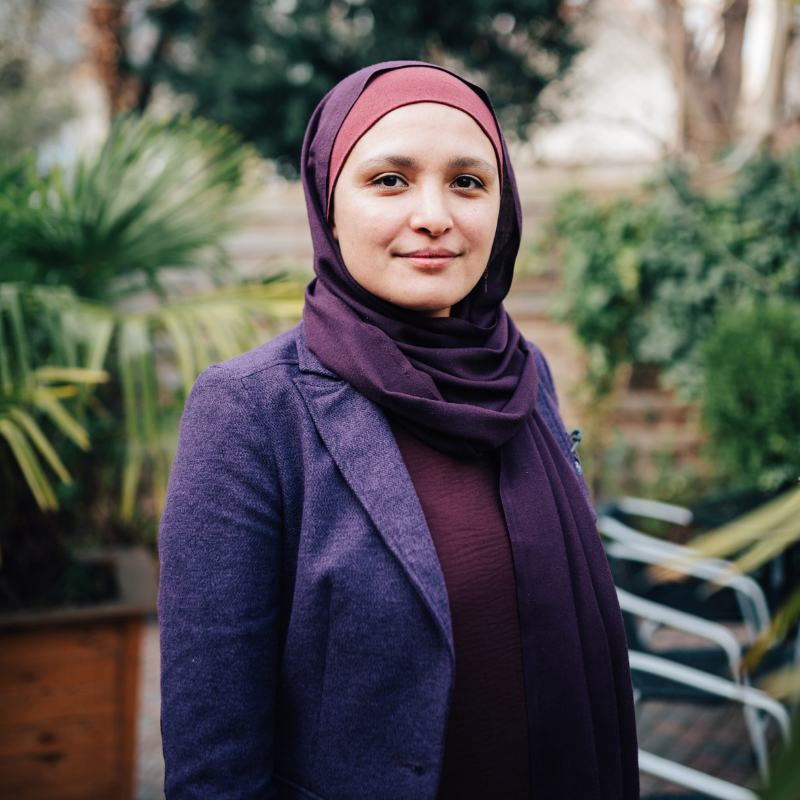
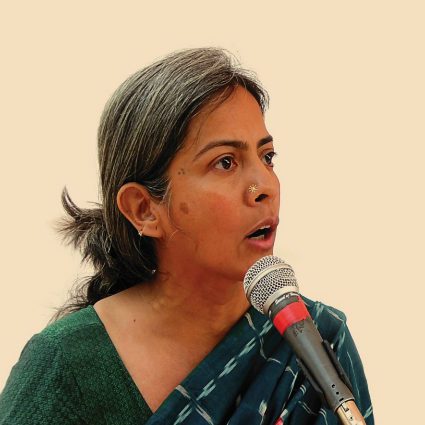
Zero waste leaders and practitioners from across the GAIA network will be attending the Global Zero Waste Forum, and many will be appearing as speakers in the official program. Please say hello! We are happy to talk at length about: -True zero waste versus false solutions -Environmental justice including waste picker rights -Stories of successful zero waste city systems worldwide -Shifting finance towards fast and efficient methane reduction …and much more!





Learn More
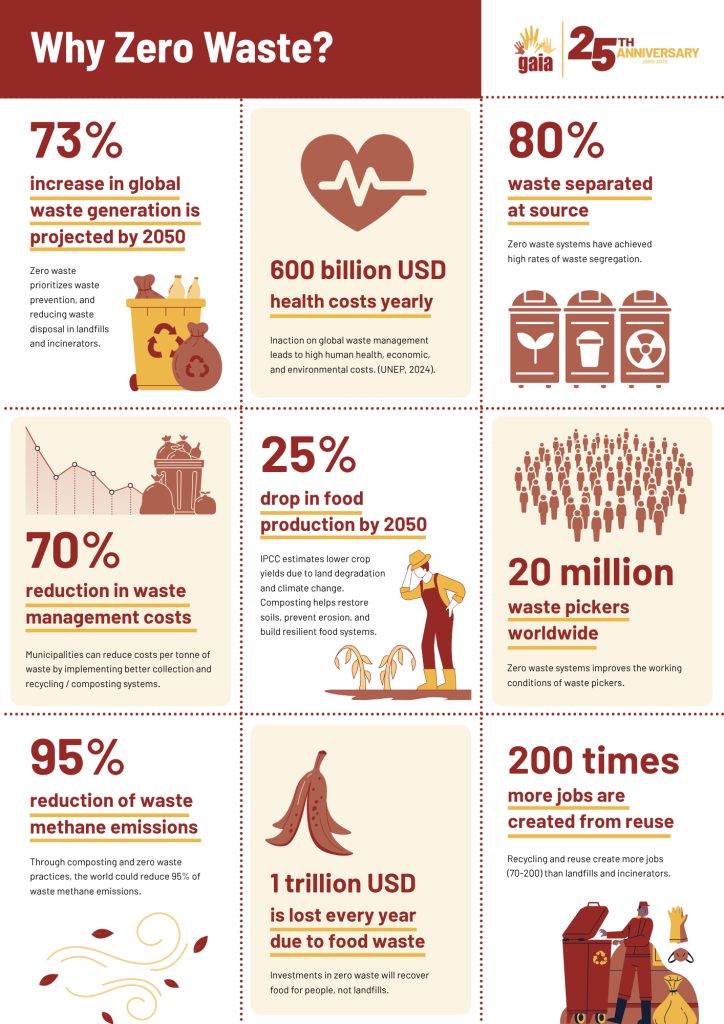

Dive Deeper
Financial Analysis of Solid Waste Management Business Models

A new report by the Climate Policy Initiative (CPI) reveals that community-led decentralized waste management models are not only more cost-efficient but also deliver multiple benefits beyond waste and methane emissions reduction, underscoring the urgent need for greater investment.
Environmental Justice Principles for Fast Action on Waste and Methane

The Environmental Justice (EJ) Principles for Fast Action on Waste and Methane provides guidance to policymakers and key stakeholders on how to integrate community members and waste workers in the design and implementation of waste systems. The EJ Principles was produced by GAIA in collaboration with environmental justice advocates and zero waste practitioners from 41 different countries.
CUTTING METHANE EMISSIONS THROUGH ZERO FOOD WASTE SYSTEMS

Strong political action is needed to put in motion a pathway to systemically address food loss and waste. Learn how communities work together to prevent food loss and waste through zero waste practices, while reducing methane emissions and keeping global warming below 1.5°C.