







In 2022, over 1 billion tonnes of food waste was produced worldwide—equivalent to around 132 kg per person. Food loss and waste is an urgent global issue with significant social, economic, and environmental implications. According to the United Nations Environment Programme, this represents an economic loss of more than 1 trillion dollars, affecting actors throughout the value chain, from small and large producers to vendors, distributors, and consumers. Outrageously, almost 800 million people suffer from hunger and 15 million children under five years old are malnourished.
Embracing zero waste strategies linked with food systems is not merely an option—it is necessary to achieve significant climate and social benefits for current and future generations. Strong political action is needed to put in motion a pathway to systemically address food loss and waste. The moment to take bold, decisive action is now. Learn how communities work together to prevent food loss and waste through zero waste practices, while reducing methane emissions and keeping global warming below 1.5°C.
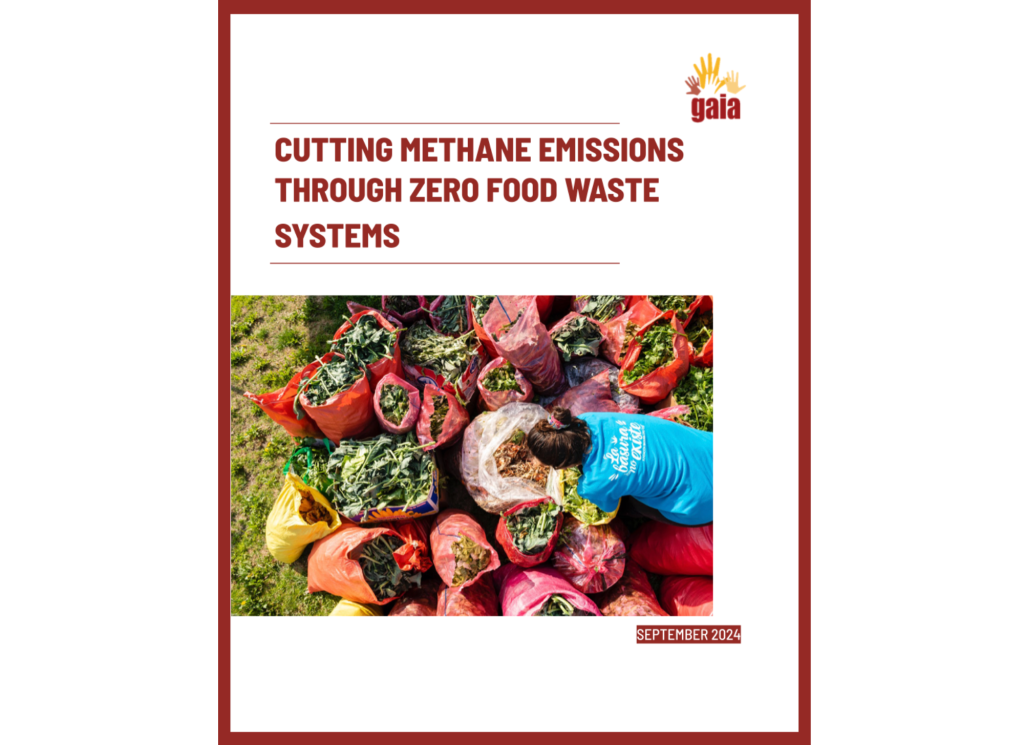
CUTTING METHANE EMISSIONS THROUGH ZERO FOOD WASTE SYSTEMS
(EN) Cutting Methane Emissions through Zero Food Waste Systems
(ES) Reducción de las emisiones de metano mediante sistemas de desperdicio cero de alimentos

EXECUTIVE SUMMARY: FUNDACIÓN BASURA
CASE STUDY: FUNDACIÓN BASURA (CHILE)
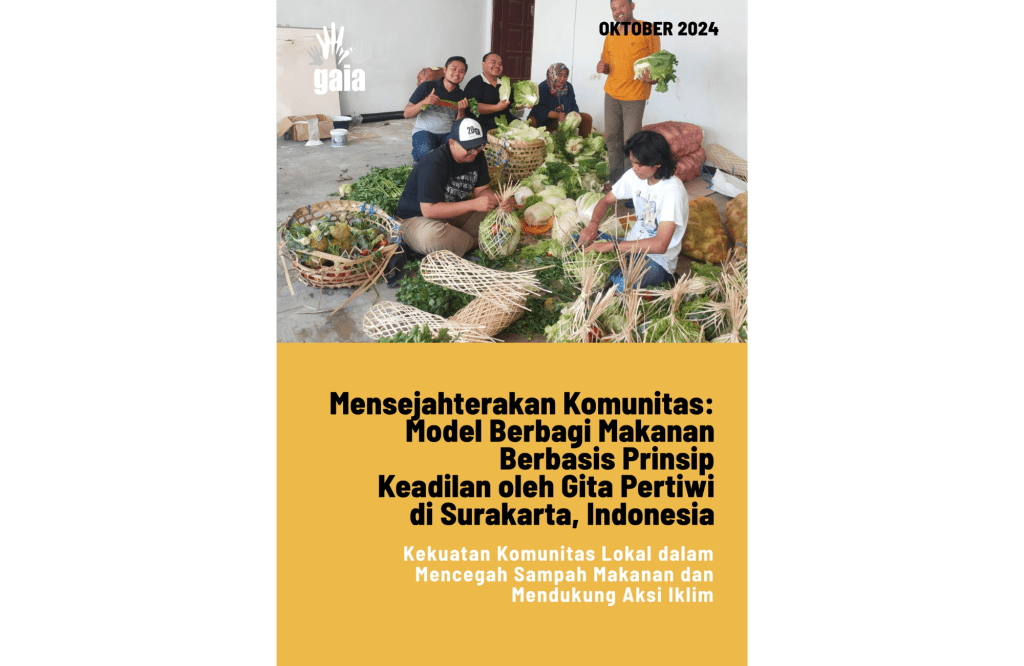
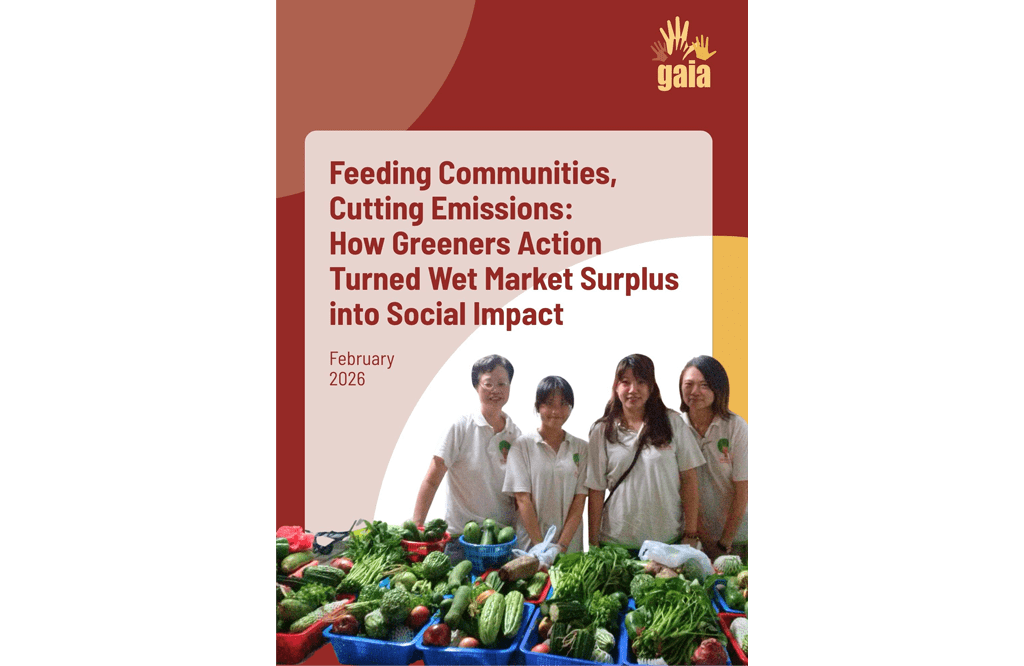
CASE STUDY: GREENERS ACTION (HONG KONG)
(ES) Alimentar comunidades, reducir emisiones
[Simplified Chinese] 滋养社区,减少排放:
绿色行动如何将湿货市场剩余转化为社会影响力
[Traditional Chinese] 餵養社區,削減排放:綠色行動如何將濕貨市場剩餘物轉化為社會影響力