


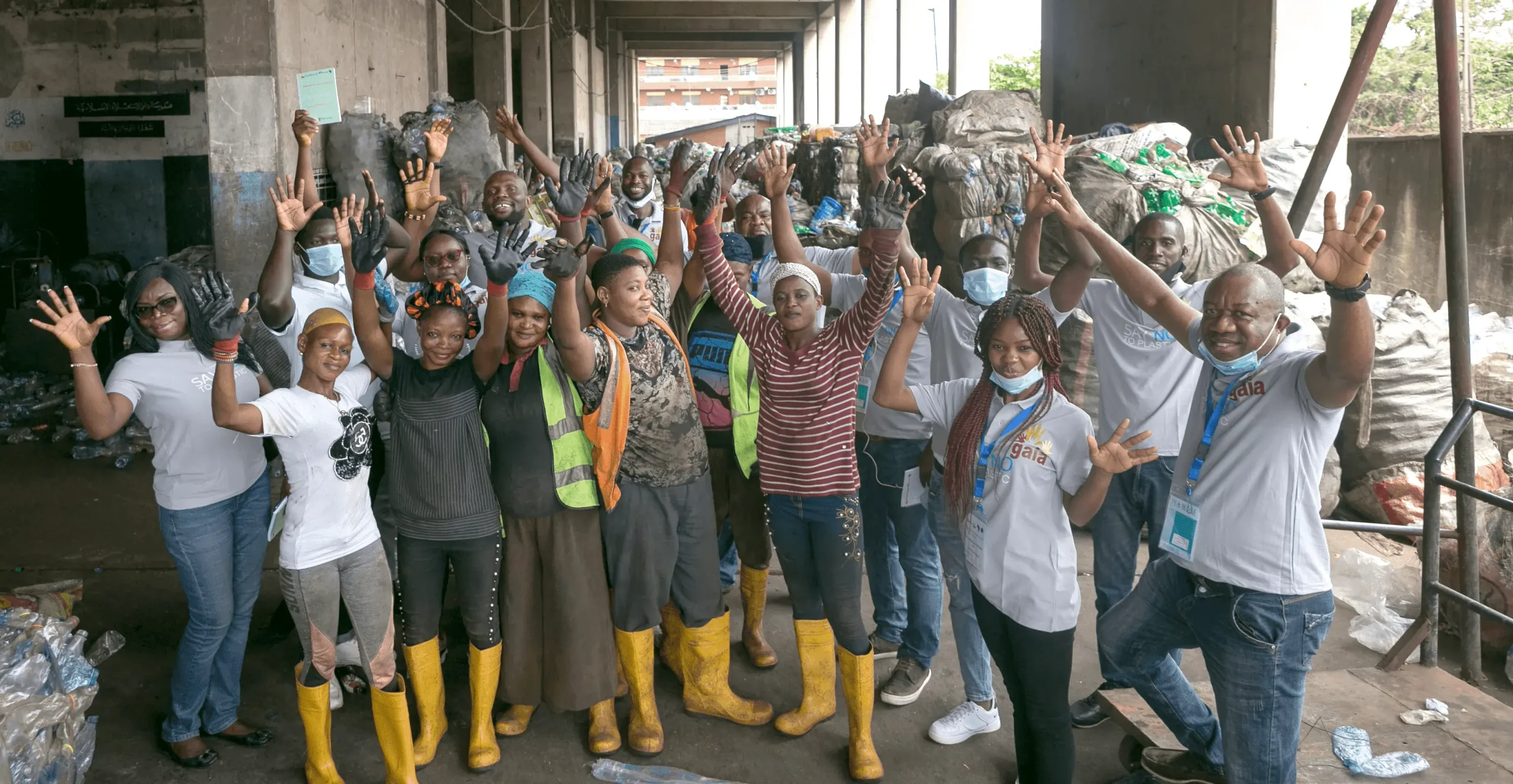

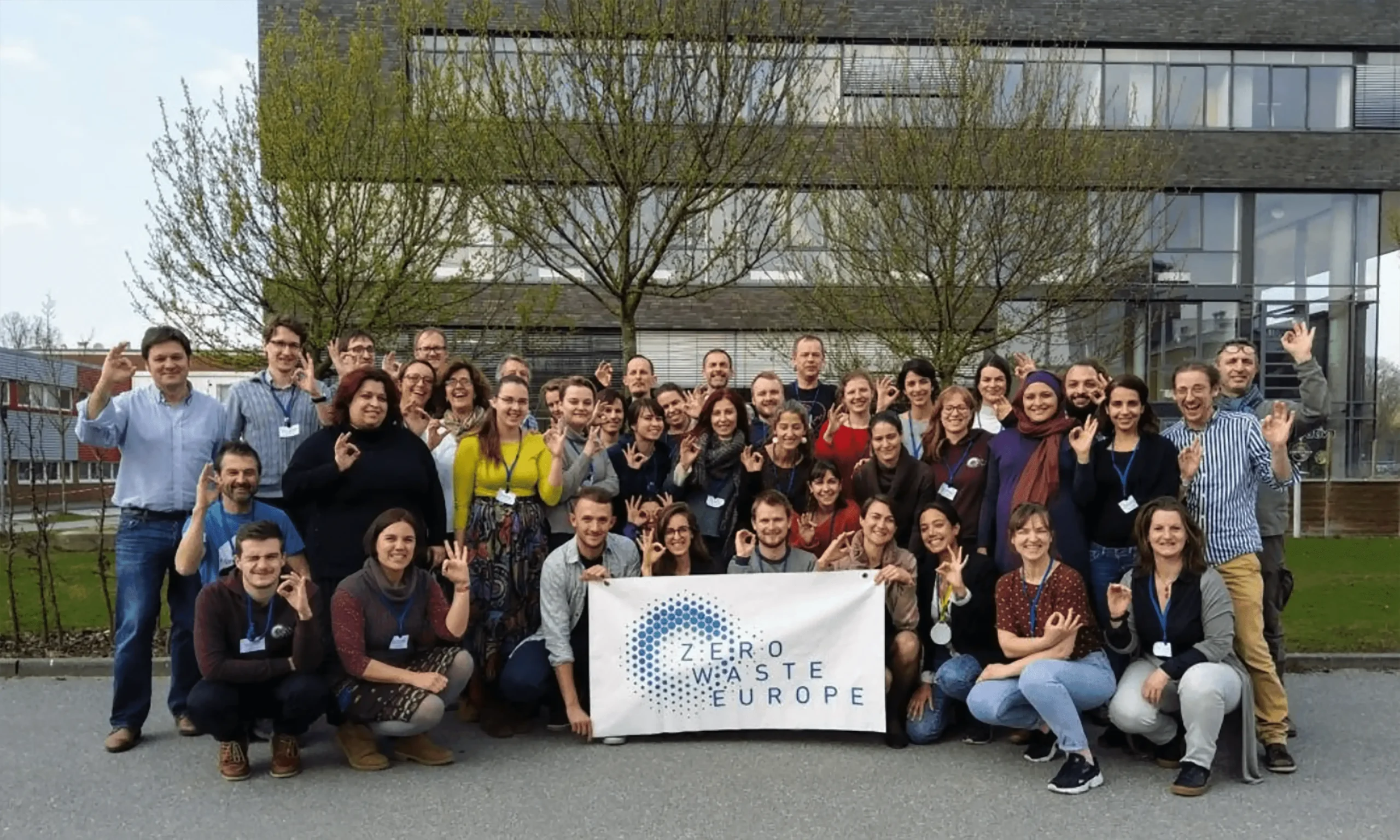


Ocean Conservancy commits to working with GAIA Network to address damages done to impacted communities
September 14, 2022 – Today the Global Alliance for Incinerator Alternatives (GAIA) in the Asia Pacific and its member organizations have concluded the first step of a restorative justice process with the U.S.-based organization Ocean Conservancy (OC). The process aims to address the years of damage brought about by its “Stemming the Tide” report (now removed from OC’s website) by correcting the narrative and agreeing to restorative actions requested by communities and sectors most impacted by the report.
In contrast to the 2015 report which placed the responsibility for plastic waste solely on the shoulders of five Asian countries (China, Indonesia, Philippines, Thailand, and Vietnam) while ignoring the role of the Global North in plastic overproduction and waste exports, this process is leading to new common ground. Agreements include prioritizing plastic reduction policies, moving resources to Zero Waste solutions, denouncing false solutions like burning plastics in so-called “waste to energy” (WTE) incinerators and “chemical recycling,” and accountability mechanisms.
”This unprecedented report retraction is an opportunity to interrupt decades of waste colonialism,” shares Froilan Grate, GAIA Asia Pacific Coordinator. “Ocean Conservancy is in a position to raise awareness among other organizations and policymakers about the false narrative propagated by the report. We call on all organizations to adhere to democratic organizing principles when interacting with communities in the Global South, and to respect solutions that are grounded in the real situation of the communities.” Grate encourages advocates to reinforce the restorative justice process.
First coined in 1989, waste colonialism is the process by which rich and developed countries show dominance over other lesser-developed countries through toxic waste exports, leaving the receiving (and often, ill-equipped) countries to deal with the waste, thus severely affecting their communities and environment.
Christie Keith, GAIA International Coordinator, expounds, “The five Asian countries mentioned in the report are not to be blamed for plastic waste. That fault lies with the corporations that make and push out ever-increasing quantities of plastic – and those fighting for Zero Waste community solutions deserve to be honored and celebrated, not attacked. We welcome OC’s commitment to repair the harm done, and uplift Zero Waste solutions. ”
Aditi Varshneya, GAIA US Membership Coordinator, adds, “‘Stemming the Tide’ also harmed communities in more ways than one. The report’s findings have undermined long-standing community efforts to achieve sustainable policies on health, waste management, and funding.”
Rahyang Nusantara of Aliansi Zero Waste Indonesia emphasizes that “The report (‘Stemming the Tide’) has harmed our communities but we are not victims because we have the solutions.” David Sutasurya of Yaksa Pelestari Bumi Berkelanjutan (YPBB) adds, “We have Zero Waste solutions to counter waste.” Sutasurya shares that in the first year of YPBB’s Zero Waste pilot areas in Bandung, the districts successfully diverted 950 kg of waste away from landfills daily and managed to save about IDR 63 million (USD 4,300) in waste transportation costs.
According to Satyarupa Shekhar, #breakfreefromplastic movement Asia Pacific Coordinator, “OC’s report, which was drafted by McKinsey & Company, a global management consulting firm whose clientele includes some of the world’s top plastic polluters, diluted existing restrictions on incineration and opened the doors to false solutions and controversial techno-fixes to deal with the plastic pollution crisis. Some of the glaring examples are: in the Philippines, where a national ban on incineration is threatened by new proposals to allow WTE incineration plants, and in Indonesia, where the government continues to push for waste incineration despite the fact that the Supreme Court ruling revoked Presidential regulation No. 18/2016, which speed up the development of waste-based power plants or incinerators.“
Aside from retracting the report, OC acknowledged its mistake in focusing on plastic waste management and reconsidered its position on WTE incineration and other similar technologies to deal with the burgeoning plastic waste crisis. OC has also admitted its error in failing to look at the work of local communities and the subsequent effects of the report on them.
Welcoming OC’s change of position, Aileen Lucero of Ecowaste Coalition in the Philippines and Daru Rini of ECOTON in Indonesia illustrated that the current plastic crisis is not a waste management issue, but instead, the problem should be addressed by looking at the entire lifecycle of plastic. Rini states that “the problem begins the moment fossil fuels are extracted to produce single-use plastics (SUP).”
Fighting False Solutions to Plastic Pollution
In recent years, several false solutions have been offered to counteract the plastic crisis, from burning waste to “chemical recycling,” which in no way addresses the full lifecycle of plastic.
For Sonia Mendoza, Chairman of Mother Earth Foundation in the Philippines, “Each country should be responsible for the waste it generates and not export them under the guise of ‘trade’. Burning waste is not an option as well. WTE could as well mean “waste of energy.”
Looking at the current end life of SUPs, Xuan Quach, Vietnam Zero Waste Alliance chairman, highlights that, “WTE and chemical recycling are not sustainable.” To which, Nindhita Proboretno of Nexus 3 Foundation in Indonesia adds, “Those technologies are not environment-friendly solutions and have no place in a world struggling against climate change.”
Xavier Sun, organizer of the Taiwan Zero Waste Alliance, agrees, stating that such strategies only “cause further toxic pollution (such as bottom ash, fly ash, and greenhouse gases (GHGs) that damages our climate and human health. Additionally, they encourage further plastic production, and undermine real solutions.”
Moving toward Zero Waste
Meanwhile, Merci Ferrer of War on Waste-Break Free From Plastic (WOW-BFFP) – Negros Oriental in the Philippines, adds that “This process with OC would bring justice and recognition to the work of communities engaged in Zero Waste work.”
Summarizing the sentiments of all key leaders, Nalini Shekar of Hasiru Dala in India, adds, “The report has influenced decision makers to divert valuable resources meant for decentralized Zero Waste solutions to centralized, highly-mechanical unsustainable practices and caused other harm to communities. However, the report retraction is a step towards healing and reversing the damages done – showing once again that Zero Waste is the only sustainable solution.”
###
About GAIA – GAIA is a worldwide alliance of more than 800 grassroots groups, non-governmental organizations, and individuals in over 90 countries. With our work, we aim to catalyze a global shift towards environmental justice by strengthening grassroots social movements that advance solutions to waste and pollution. We envision a just, Zero Waste world built on respect for ecological limits and community rights, where people are free from the burden of toxic pollution, and resources are sustainably conserved, not burned or dumped.
Media Contacts:
Sonia Astudillo, GAIA Asia Pacific Senior Communications Officer | sonia@no-burn.org | +63 9175969286
#####
Bahasa Indonesia:
Kemajuan Bersejarah dalam Perang Melawan Kolonialisme Sampah
Ocean Conservancy berkomitmen untuk bekerja sama dengan GAIA Network untuk mengatasi kerugian yang terjadi pada masyarakat yang terdampak
14 September 2022 – Kemarin, Global Alliance for Incinerator Alternatives (GAIA) Asia Pasifik dan anggotanya telah menyelesaikan langkah pertama dari proses keadilan restoratif dengan Ocean Conservancy (OC) organisasi yang berbasis di AS. Proses ini bertujuan untuk mengatasi kerugian yang sudah bertahun-tahun yang ditimbulkan oleh laporan “Stemming the Tide” (saat ini sudah dihapus dari situs web OC) dengan mengoreksi narasi, dan menyepakati tindakan restoratif yang diminta oleh masyarakat dan sektor yang paling terkena dampak atas laporan tersebut.
Berbeda dengan tahun 2015, dimana lima negara Asia (China, Indonesia, Filipina, Thailand, dan Vietnam) dinobatkan sebagai negara yang bertanggung jawab atas sampah plastik namun mengabaikan peran negara-negara Global Utara dalam produksi plastik dan ekspor sampah yang berlebihan, saat ini proses keadilan restoratif mengarah ke kesepakatan baru. Kesepakatan termasuk memprioritaskan keb akan pengurangan plastik, mentransfer sumber daya ke solusi Zero Waste, menolak solusi palsu seperti pembakaran plastik yang disebut insinerator “Waste to Energy”, daur ulang bahan kimia’, dan mekanisme akuntabilitas.
”Pencabutan laporan yang belum pernah terjadi sebelumnya ini untuk menginterupsi puluhan tahun kolonialisme sampah,” kata Froilan Grate, Koordinator GAIA Asia Pasifik. “Ocean Conservancy berada dalam posisi untuk meningkatkan kesadaran di antara organisasi dan pembuat keb akan lain tentang narasi palsu yang disebarkan oleh laporan tersebut. Kami meminta kepada semua organisasi untuk mematuhi prinsip-prinsip pengorganisasian yang demokratis ketika berinteraksi dengan masyarakat di negara-negara Global South, dan untuk menghormati solusi yang didasarkan pada situasi nyata masyarakat lokal,” tambah Grate mendorong para advokat untuk memperkuat proses keadilan restoratif.
Pertama kali diciptakan pada tahun 1989, kolonialisme sampah adalah proses di mana negara-negara kaya dan maju menunjukkan dominasi atas negara-negara kurang berkembang lainnya melalui ekspor limbah beracun, membiarkan negara-negara penerima
(dan seringkali, tidak dilengkapi teknologi yang baik) untuk menangani limbah, dengan demikian mempengaruhi dalam memperparah dampak yang dialami masyarakat dan lingkungan mereka.
Christie Keith, Koordinator Internasional GAIA, menjelaskan, “Lima negara Asia yang disebutkan dalam laporan tidak dapat disalahkan atas sampah plastik. Kesalahan itu terletak pada perusahaan yang membuat dan mendorong jumlah plastik yang terus meningkat – dan mereka yang berjuang untuk solusi Zero Waste Community layak untuk dihargai dan dirayakan, bukan diserang. Kami menyambut baik komitmen OC untuk memperbaiki kerusakan yang terjadi, dan meningkatkan solusi Zero Waste, ” ujarnya.
Aditi Varshneya, GAIA AS Koordinator Keanggotaan, menambahkan, “‘Stemming the Tide’ juga merugikan masyarakat dengan lebih dari satu cara. Temuan laporan tersebut telah merusak upaya masyarakat lokal untuk mencapai keb akan berkelanjutan tentang kesehatan, pengelolaan limbah, dan pendanaan,” tambahnya.
Rahyang Nusantara dari Aliansi Zero Waste Indonesia juga menekankan bahwa, “Laporan (‘Stemming the Tide’) telah merugikan komunitas kami tetapi kami bukan korban karena kami memiliki solusinya.” Begitu juga dengan David Sutasurya dari Yaksa Pelestari Bumi Berkelanjutan (YPBB), dia menambahkan, “Kami memiliki solusi Zero Waste untuk mengatasi sampah.” David menjelaskan bahwa pada tahun pertama daerah percontohan Zero Waste YPBB di Kota Bandung dan kabupaten-kabupaten tersebut berhasil mengalihkan 950 kg sampah dari tempat pembuangan sampah setiap hari dan berhasil menghemat sekitar Rp 63 juta (USD 4.300) untuk biaya transportasi sampah.
Sementara itu, menurut Satyarupa Shekhar, Koordinator gerakan #breakfreefromplastic Asia Pasifik, “Laporan OC, yang disusun oleh McKinsey & Company, sebuah perusahaan konsultan manajemen global yang kliennya mencakup beberapa pencemar plastik terbesar di dunia, melemahkan pembatasan penggunaan teknologi insinerator yang ada dan membuka pintu untuk solusi palsu dan perbaikan teknologi kontroversial untuk menangani krisis polusi plastik,” jelasnya. Satyarupa memaparkan beberapa contoh mencolok adalah: di Filipina, di mana larangan nasional terhadap insinerator terancam oleh proposal baru yang mengizinkan pembangkit listrik tenaga sampah menjadi energi, dan di Indonesia, di mana pemerintah terus mendorong insinerasi sampah meskipun keputusan Mahkamah Agung telah mencabut Perpres No. 18/2016, yang mempercepat pembangunan pembangkit listrik berbasis sampah atau insinerator.
Selain mencabut laporan tersebut, OC mengakui kesalahannya yang hanya fokus pada manajemen pengelolaan sampah plastik dan mempertimbangkan waste-to-energy atau insinerasi dan teknologi serupa lainnya untuk menangani krisis sampah plastik yang sedang berkembang. OC juga mengakui kesalahannya karena tidak melihat apa yang sudah dikerjakan oleh masyarakat lokal dan bagaimana dampaknya terhadap mereka akibat laporan tersebut.
Menyambut perubahan posisi OC, Aileen Lucero dari Ecowaste Coalition di Filipina dan Daru Rini dari ECOTON di Indonesia mengilustrasikan bahwa krisis plastik saat ini bukanlah hanya masalah manajemen pengelolaan sampah saja, melainkan masalah yang harus diatasi dengan melihat seluruh siklus hidup plastik. “Masalah dimulai saat bahan bakar fosil diekstraksi untuk menghasilkan plastik sekali pakai (PSP),” pungkas Daru.
Memerangi Solusi Palsu terhadap Pencemaran Plastik
Dalam beberapa tahun terakhir, beberapa solusi palsu telah ditawarkan untuk melawan krisis plastik, mulai dari pembakaran sampah hingga ‘daur ulang bahan kimia’, yang sama sekali tidak membahas siklus hidup plastik secara penuh.
Bagi Sonia Mendoza, Ketua Mother Earth Foundation di Filipina, “Setiap negara harus bertanggung jawab atas limbah yang dihasilkannya dan tidak mengekspornya dengan kedok ‘perdagangan’. Membakar sampah juga bukan pilihan. Waste to Energy (WtE) juga bisa berarti: pemborosan energi.”
Melihat umur akhir PSP saat ini, Xuan Quach, ketua Vietnam Zero Waste Alliance, menyoroti bahwa, “WtE dan daur ulang bahan kimia tidak berkelanjutan.” Untuk itu, Nindhita Proboretno dari Nexus 3 Foundation di Indonesia menambahkan, “Teknologi tersebut bukanlah teknologi yang ramah lingkungan dan tidak memiliki tempat di dunia manapun yang saat ini berjuang melawan perubahan iklim.”
Senada dengan Nindhita, Xavier Sun, pengurus Taiwan Zero Waste Alliance, menyatakan bahwa “Strategi seperti itu hanya menyebabkan polusi beracun lebih lanjut (seperti bottom ash, fly ash, dan gas rumah kaca (GRK) yang merusak iklim dan kesehatan manusia. Selain itu, mereka mendorong produksi plastik lebih lanjut, dan merusak solusi nyata.”
Bergerak menuju Zero Waste
Sementara itu, Merci Ferrer dari War on Waste-Break Free From Plastic (WOW-BFFP) -Negros Oriental di Filipina, menambahkan bahwa “Proses dengan OC ini akan membawa keadilan dan pengakuan atas pekerjaan masyarakat yang terlibat dalam pekerjaan Zero Waste.”
Merangkum sentimen dari semua key leaders, Nalini Shekar dari Hasiru Dala di India, menambahkan, “Laporan tersebut telah mempengaruhi para pengambil keputusan untuk mengalihkan sumber daya berharga yang dimaksudkan untuk solusi Zero Waste yang terdesentralisasi menjadi terpusat, praktik tidak berkelanjutan yang sangat mekanis dan menyebabkan kerugian lain bagi masyarakat. Namun, pencabutan laporan adalah langkah menuju penyembuhan dan membalikkan kerusakan yang dilakukan – menunjukkan sekali lagi bahwa Zero Waste adalah satu-satunya solusi yang berkelanjutan.”
###
Tentang GAIA – GAIA adalah aliansi di seluruh dunia yang terdiri dari lebih dari 800 kelompok, organisasi non-pemerintah, dan individu di lebih dari 90 negara. Dengan pekerjaan kami, kami bertujuan untuk mengkatalisasi perubahan global menuju keadilan lingkungan dengan memperkuat gerakan sosial akar rumput yang memajukan solusi untuk limbah dan polusi. Kami membayangkan dunia tanpa limbah yang adil yang dibangun dengan menghormati batas ekologis dan hak-hak masyarakat, di mana orang bebas dari beban polusi beracun, dan sumber daya dilestarikan secara berkelanjutan, tidak dibakar atau dibuang.
Kontak Media:
Sonia Astudillo, Senior Staf Komunikasi GAIA Asia Pasifik | sonia@no-burn.org | +63 9175969286
Vancher, staf komunikasi AZWI | vancher@aliansizerowaste.id | +62 812-8854-9493
Kia, staf komunikasi AZWI | kia@aliansizerowaste.id | +62 852-1580-9537
###
Vietnamese
Bước nhảy vọt lịch sử trong cuộc chiến chống chủ nghĩa thực dân chất thải
Ngày 14 tháng 9 năm 2022 – Hôm nay, Liên minh Toàn cầu về Giải pháp Thay thế Lò đốt (GAIA) ở Châu Á Thái Bình Dương và các tổ chức thành viên của nó đã kết thúc bước đầu tiên của quy trình phục hồi công lý với tổ chức Ocean Conservancy (OC) có trụ sở tại Hoa Kỳ. Quy trình này nhằm mục đích giải quyết những thiệt hại trong nhiều năm do báo cáo “Stemming the Tide” gây ra (hiện đã bị xóa khỏi trang web của OC) bằng cách sửa lại câu chuyện và đồng ý thực hiện các hành động phục hồi theo yêu cầu của cộng đồng và các lĩnh vực bị ảnh hưởng nhiều nhất bởi báo cáo.
Trái ngược với báo cáo năm 2015 đặt trách nhiệm về rác thải nhựa lên vai 5 quốc gia châu Á (Trung Quốc, Indonesia, Philippines, Thái Lan và Việt Nam) trong khi bỏ qua vai trò của các nước phát triển trong việc sản xuất thừa nhựa và xuất khẩu chất thải, quá trình này đang dẫn đến điểm chung mới. Các thỏa thuận bao gồm ưu tiên các chính sách giảm thiểu nhựa, chuyển nguồn lực sang các giải pháp Không Chất thải, lên án các giải pháp sai lầm như đốt nhựa trong cái gọi là lò đốt “biến chất thải thành năng lượng” (WTE) và “tái chế hóa chất” và cơ chế trách nhiệm.
Froilan Grate, Điều phối viên GAIA Châu Á Thái Bình Dương chia sẻ: “Việc rút lại báo cáo chưa từng có tiền lệ này là một cơ hội để ngăn chặn chủ nghĩa thực dân chất thải nhiều thập kỷ qua”. “Ocean Conservancy có nhiệm vụ nâng cao nhận thức của các tổ chức và nhà hoạch định chính sách khác về câu chuyện sai sự thật được tuyên truyền bởi báo cáo. Chúng tôi kêu gọi tất cả các tổ chức tuân thủ các nguyên tắc tổ chức dân chủ khi tương tác với các cộng đồng ở các nước đang phát triển và tôn trọng các giải pháp dựa trên tình hình thực tế của cộng đồng”. Grate khuyến khích những người ủng hộ củng cố quy trình phục hồi công lý.
Được hình thành lần đầu tiên vào năm 1989, chủ nghĩa thực dân chất thải là quá trình các nước giàu và phát triển thể hiện sự thống trị so với các nước kém phát triển khác thông qua việc xuất khẩu chất thải độc hại, khiến các nước tiếp nhận (và thường là thiếu cơ sở hạ tầng) phải đối phó với chất thải, do đó ảnh hưởng nghiêm trọng tới cộng đồng và môi trường của họ.
Christie Keith, Điều phối viên Quốc tế của GAIA, giải thích, “Năm quốc gia châu Á được đề cập trong báo cáo không nên bị đổ lỗi cho rác thải nhựa. Lỗi đó nằm ở các tập đoàn đã sản xuất và đưa lượng nhựa ra môi trường ngày càng tăng – và những người đấu tranh cho các giải pháp không rác cộng đồng (Zero Waste Community) xứng đáng được tôn vinh và trân trọng, chứ không phải bị tấn công. Chúng tôi hoan nghênh cam kết của OC trong việc khắc phục những tác hại đã gây ra và đề cao các giải pháp Không Chất thải.”
Aditi Varshneya, Điều phối viên Thành viên GAIA Hoa Kỳ, cho biết thêm, “Stemming the Tide” cũng gây hại cho cộng đồng theo nhiều cách. Các phát hiện của báo cáo đã làm suy yếu những nỗ lực lâu dài của cộng đồng nhằm đạt được các chính sách bền vững về y tế, quản lý chất thải và tài trợ”.
Rahyang Nusantara của Aliansi Zero Waste Indonesia nhấn mạnh rằng, “Báo cáo (‘ Stemming the Tide ’) đã gây hại cho cộng đồng của chúng tôi nhưng chúng tôi không phải là nạn nhân vì chúng tôi có các giải pháp.” David Sutasurya của Yaksa Pelestari Bumi Berkelanjutan (YPBB) cho biết thêm, “Chúng tôi có các giải pháp Không Chất thải để chống lại chất thải”. Sutasurya chia sẻ rằng trong năm đầu tiên của các khu vực thí điểm ở Bandung, các quận đã chuyển thành công 950 kg rác khỏi các bãi chôn lấp mỗi ngày và tiết kiệm được khoảng 63 triệu IDR (4.300 USD) chi phí vận chuyển rác.
Theo Satyarupa Shekhar, Điều phối viên Châu Á Thái Bình Dương của phong trào #breakfreefromplastic, “Báo cáo của OC, được soạn thảo bởi McKinsey & Company, một công ty tư vấn quản lý toàn cầu có khách hàng bao gồm một số nhà gây ô nhiễm nhựa hàng đầu thế giới, đã làm loãng các hạn chế hiện có về đốt rác và mở ra cánh cửa cho các giải pháp sai lầm và các bản sửa lỗi công nghệ gây tranh cãi để đối phó với cuộc khủng hoảng ô nhiễm nhựa. Một số ví dụ rõ ràng là: ở Philippines, nơi mà lệnh cấm đốt rác trên toàn quốc bị đe dọa bởi các đề xuất mới cho phép các nhà máy đốt rác phát điện và ở Indonesia, nơi chính phủ tiếp tục thúc đẩy đốt rác bất chấp phán quyết của Tòa án Tối cao đã thu hồi Quy định của Tổng thống số 18/2016, trong đó đẩy nhanh sự phát triển của các nhà máy điện hoặc lò đốt rác thải.”
Bên cạnh việc rút lại báo cáo, OC thừa nhận sai lầm của mình trong việc tập trung vào quản lý chất thải nhựa và xem xét lại quan điểm của mình về đốt rác phát điện và các công nghệ tương tự khác để đối phó với cuộc khủng hoảng chất thải nhựa đang gia tăng. OC cũng đã thừa nhận lỗi của mình khi không xem xét công việc của các cộng đồng địa phương và những ảnh hưởng sau đó của báo cáo đối với họ.
Hoan nghênh sự thay đổi quan điểm của OC, Aileen Lucero của Liên minh Ecowaste ở Philippines và Daru Rini của ECOTON ở Indonesia đã minh họa rằng cuộc khủng hoảng nhựa hiện nay không phải là vấn đề quản lý chất thải, mà thay vào đó, vấn đề cần được giải quyết bằng cách xem xét toàn bộ vòng đời của nhựa. Rini nói rằng, “vấn đề bắt đầu từ thời điểm nhiên liệu hóa thạch được chiết xuất để sản xuất nhựa sử dụng một lần (SUP).”
Chống lại các giải pháp sai lầm đối với ô nhiễm nhựa
Trong những năm gần đây, một số giải pháp sai lầm đã được đưa ra để chống lại cuộc khủng hoảng nhựa, từ đốt chất thải đến “tái chế hóa học”, chúng không giải quyết được toàn bộ vòng đời của nhựa.
Đối với Sonia Mendoza, Chủ tịch Quỹ Đất Mẹ tại Philippines, “Mỗi quốc gia phải chịu trách nhiệm về chất thải mà mình tạo ra và không xuất khẩu chúng dưới chiêu bài‘ thương mại ’. Đốt chất thải cũng không phải là một lựa chọn. Biến chất thải thành năng lượng (đốt rác phát điện) cũng có thể có nghĩa là: lãng phí năng lượng.”
Nhìn vào vòng đời của nhựa dùng một lần, Xuân Quách, Điều phối viên Liên minh Không rác Việt Nam, nhấn mạnh rằng “Đốt rác phát điện và tái chế hóa chất không bền vững”. Nindhita Proboretno thuộc Tổ chức Nexus 3 ở Indonesia cho biết thêm, “Những công nghệ đó không phải là giải pháp thân thiện với môi trường và không có chỗ đứng trong một thế giới đang đấu tranh chống lại biến đổi khí hậu”.
Xavier Sun, người sáng lập Liên minh Không chất thải Đài Loan, đồng ý, nói rằng các chiến lược như vậy chỉ “gây ra ô nhiễm độc hại hơn nữa (chẳng hạn như tro bụi, tro bay và khí nhà kính (GHG) gây hại cho khí hậu và sức khỏe con người của chúng ta. Ngoài ra, chúng khuyến khích tiếp tục sản xuất nhựa, và phá hoại các giải pháp thực sự.”
Hướng tới Không Chất Thải
Trong khi đó, Merci Ferrer chiến binh của Chống Rác thải (WOW-BFFP) – Negros Oriental ở Philippines, nói thêm rằng “Quá trình này với OC sẽ mang lại công lý và sự công nhận cho công việc của các cộng đồng tham gia vào công việc Không Chất thải”.
Tóm tắt ý kiến của tất cả các nhà lãnh đạo chủ chốt, Nalini Shekar của Hasiru Dala ở Ấn Độ cho biết thêm, “Báo cáo Stemming the Tide của OC đã ảnh hưởng đến các nhà hoạch định chính sách để chuyển hướng các nguồn lực có giá trị dành cho các giải pháp Zero Waste phi tập trung sang các hoạt động không bền vững tập trung, mang tính cơ học cao và gây ra những tổn hại khác cho cộng đồng. Tuy nhiên, việc rút lại báo cáo là một bước hướng tới việc chữa lành và khắc phục những thiệt hại đã gây ra – một lần nữa cho thấy rằng Zero Waste là giải pháp bền vững duy nhất”.
——
GAIA là một liên minh trên toàn thế giới gồm hơn 800 nhóm cơ sở, tổ chức phi chính phủ và cá nhân tại hơn 90 quốc gia. Với công việc của mình, chúng tôi đặt mục tiêu thúc đẩy sự thay đổi toàn cầu hướng tới công bằng môi trường bằng cách tăng cường các phong trào xã hội cấp cơ sở nhằm thúc đẩy các giải pháp chống lãng phí và ô nhiễm. Chúng tôi hình dung một thế giới công bằng, không rác thải được xây dựng dựa trên sự tôn trọng các giới hạn sinh thái và quyền của cộng đồng, nơi mọi người không phải chịu gánh nặng ô nhiễm độc hại và các nguồn tài nguyên được bảo tồn bền vững, không bị đốt cháy hoặc đổ bỏ.