Our History

Our network’s track record of success demonstrates the power of grassroots solutions to protect our planet and advance the rights and wellbeing of all communities—especially those who are most vulnerable to the impacts of pollution and exploitation.

2000
2000: The first Waste Not Asia meeting set the stage for decades of collaboration in the region
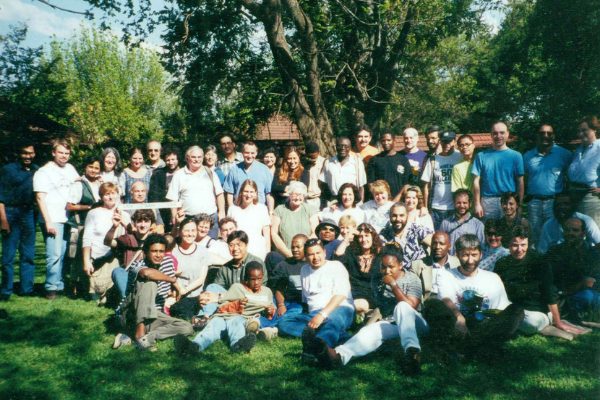
December 2000 – The first GAIA meeting in Johannesburg, South Africa with organizations from 23 countries
2001
December 2001 – GAIA launches its first global campaign to stop the World Bank from funding incinerators.
2002
December 2002 – GAIA organizes the first Global Day of Action against waste and incineration. Organizations around the world call for an end to incineration.
Group of Asian people protesting against plastic pollution. There's a pile of plastic bags in front of them, they are holding signs.
2002: Bangladesh becomes the first country in the world to ban plastic bags.
2002: new wave of over 100 incinerator proposals prevented across the United States and Canada from 2002 to 2012
2003
2002 – 2003: Incinerator bans are passed in many cities in Argentina.
2005
2005 – Buenos Aires, Argentina, becomes the first city in Latin America to adopt a zero waste strategy.
2005 – Precedent-setting organics landfilling ban in South Korea leads to 90% being recycled or composted.
2007
2007 – Capannori, Italy becomes the first European city to formally adopt a zero waste strategy.
2007 – Brazil wins a case at the WTO defending a ban on the import on used tyres bound to be burnt in cement kilns
2008
2008 – New waste act in South Africa, treats incineration as a last resort and recognizes wastepickers as legitimate workers.
2009
2009: Global Alliance Of Wastepickers/Recyclers And Allies launches international policy work with delegations to UN climate negotiations.
2010
2010: Zero Waste Himalaya was launched as a collective for groups and individuals across Himalayan mountain region.
2014
2014-2015 Launch of several national alliances: Brazil Zero Waste Alliance, Costa Rica Towards Zero Waste Alliance, Chile Zero Waste Alliance.
2015
2015: Zero Waste Municipalities Network is launched in the EU with more than 300 cities (6 million people), including Ljubljana, Slovenia, the first EU capital with a zero waste goal.
2015: Commitment to establishing 10 pilot cities in the Asia Pacific region at UN Our Oceans Conference. The Zero Waste Cities work (2020) is now present in more than 50 cities and communities, benefitting about 47 million people, diverting over 800,000 tons of waste in 2019.
2016
2016: GAIA helps launch the Break Free From Plastics (BFFP) movement, bringing together a coalition pushing for upstream and justice-rooted solutions to the global plastics crisis.
2016: Aliansi Zero Waste Indonesia was founded with 9 member organizations, and in 2017 AZWI’s petition to the Indonesia Supreme Court led to the national government revoking Presidential Decree No. 18/2016, which aimed to accelerate WTE development in major cities.
2017
2017: Vietnam Zero Waste Alliance was founded. VZWA has 7 core member-organizations and 25 affiliate organizations spread across the North, South and Central regions.
2018
2018-2019 – Major incinerators close in Detroit, Michigan and Los Angeles County, California, part of a growing trend of incinerators closing in U.S. cities
2019
2019: the European Union formally approved the Single-Use Plastics Directive in July 2019.
2019: 187 countries took a major step forward in curbing the plastic waste crisis by adding plastic to the Basel Convention, bringing greater scrutiny and limits to plastic waste trade.
2019: Zero Waste Alliance Ecuador is launched in Quito.
2020
2020: In the Asia Pacific region, four major cities passed local ordinances banning single-use plastics (SUP) and putting in place ecological solid waste management regulations.
2021
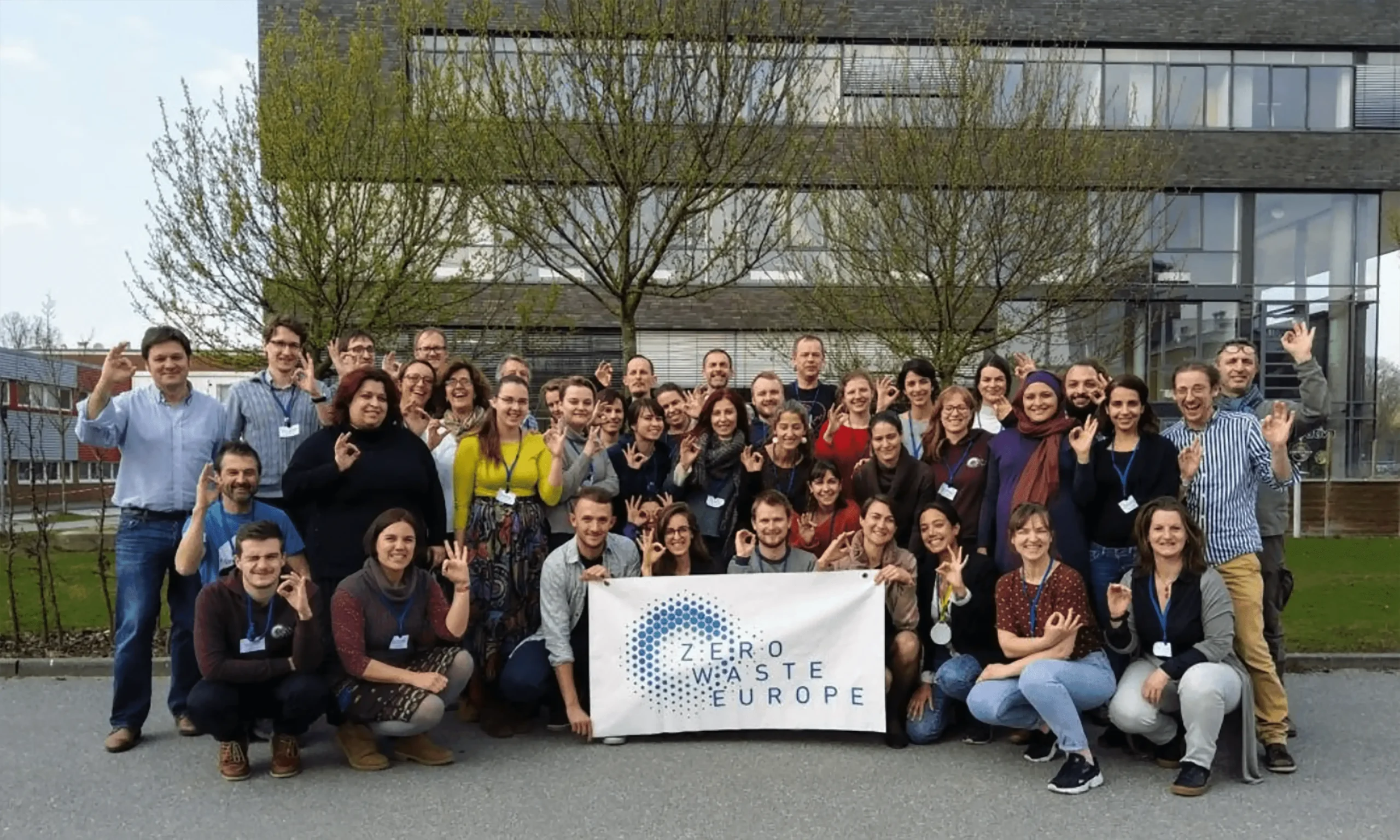
2021:  Zero Waste Europe and its members launch the Mission Zero Academy (MiZA) to host and run the Zero Waste Cities Certification. The first wave of Zero Waste Certified Cities by MiZA includes Bled, Gorje, Capannori, Torrelles de Llobregat, El Boalo, Vhrnika, Borovnica, and Log-Dragomer.
2022
2022: The United Nations launches the first annual Day of Zero Waste on March 30, solidifying the once controversial concept as a widely embraced North Star for all governments to follow
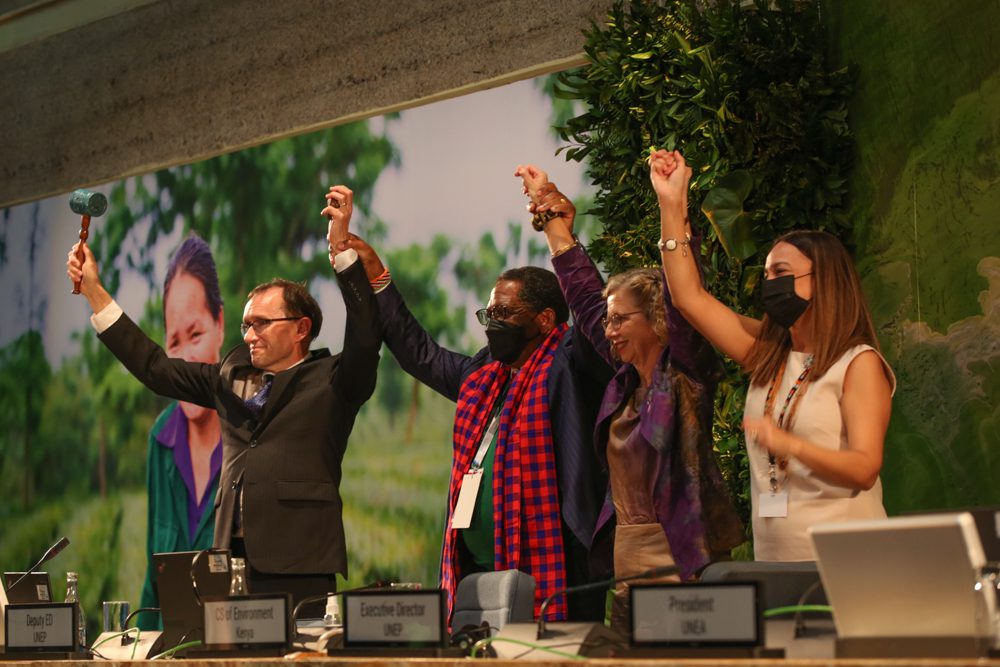
Photo credit: UPCYCLE IT

Watch the video

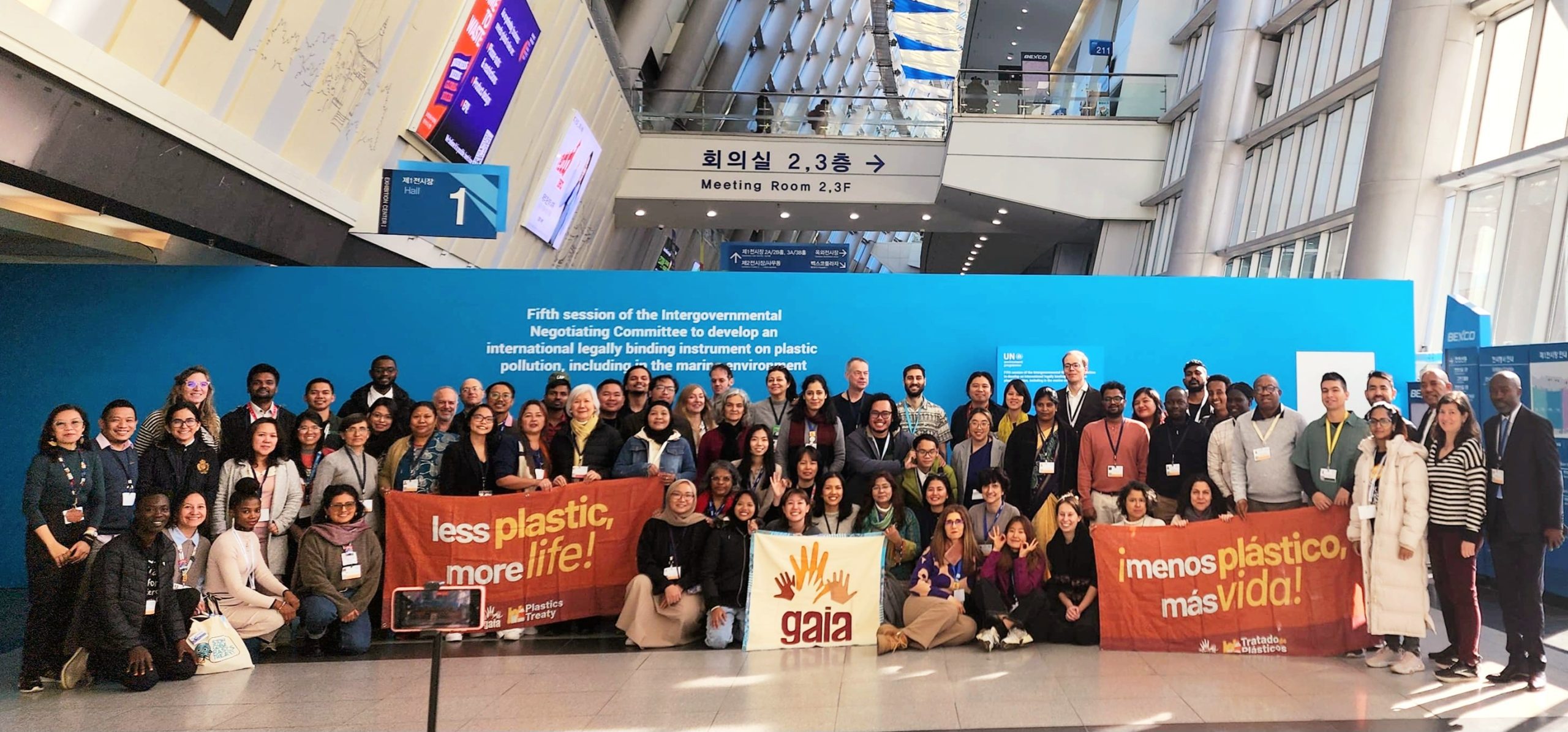
2022: After years of advocacy from GAIA and other civil society groups around the world, the United Nations Environment Assembly decided on a mandate to create the world’s first plastics treaty, a legally binding international law aimed at reducing plastic pollution worldwide, covering the full life-cycle of plastic.

Photo credit: Kiara Worth

2023
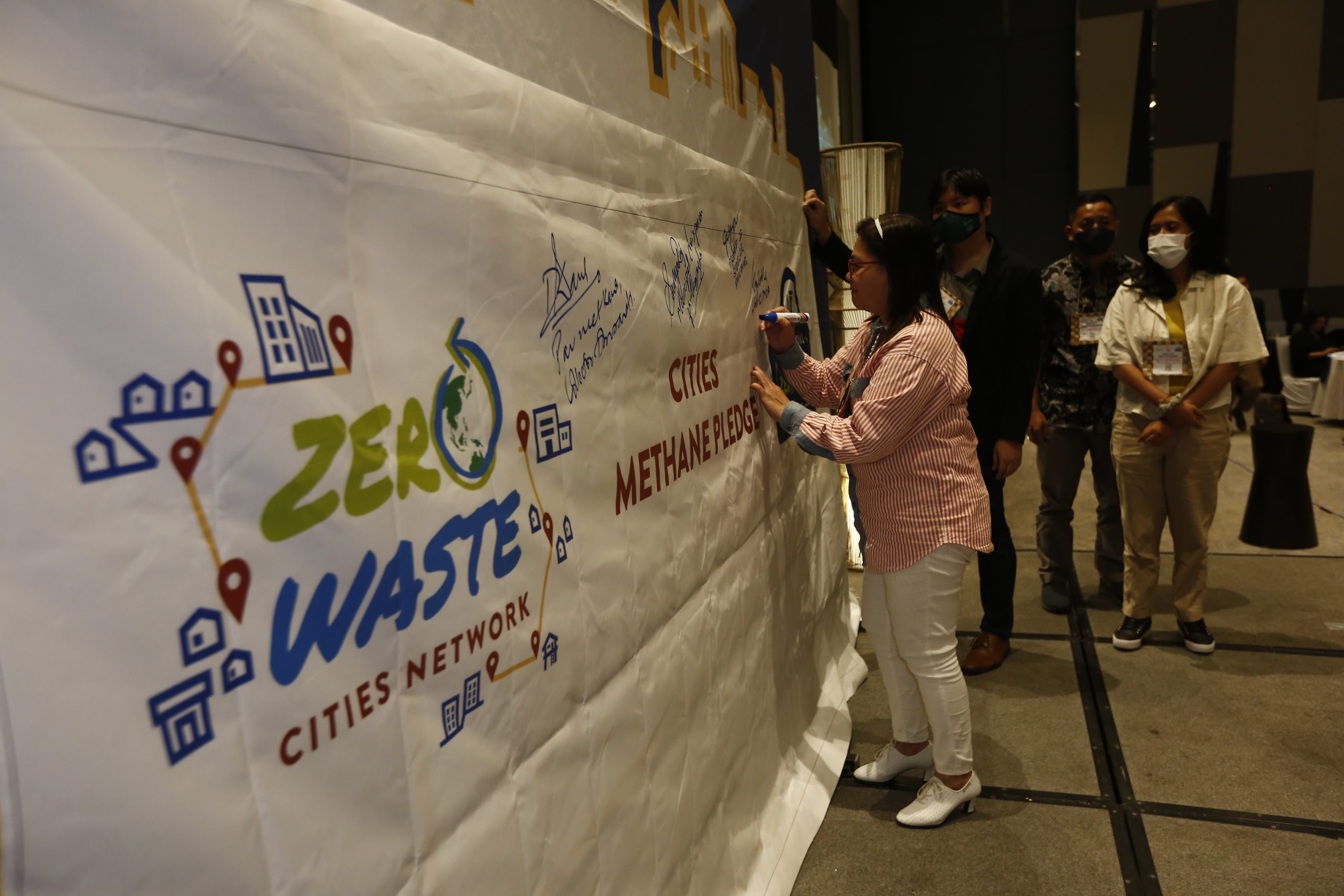
2023: In January 2023 at the International Zero Waste Cities Conference in Manila, PH, GAIA Asia Pacific launched the Zero Waste Cities Network, and the Methane Pledge for cities to cut down their methane emissions from waste. As of July 2024, 50 cities in the region have joined the network, and 43 have signed the methane pledge.

Photo credit: Jimmy Domingo/GAIA AP

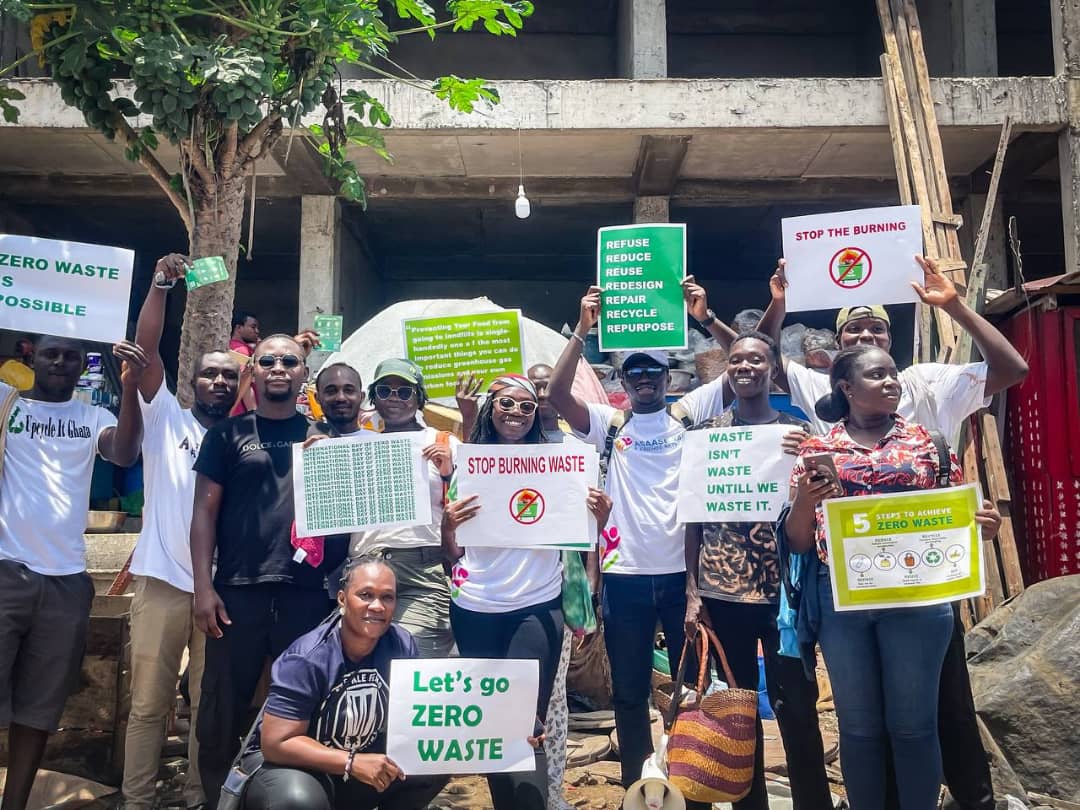
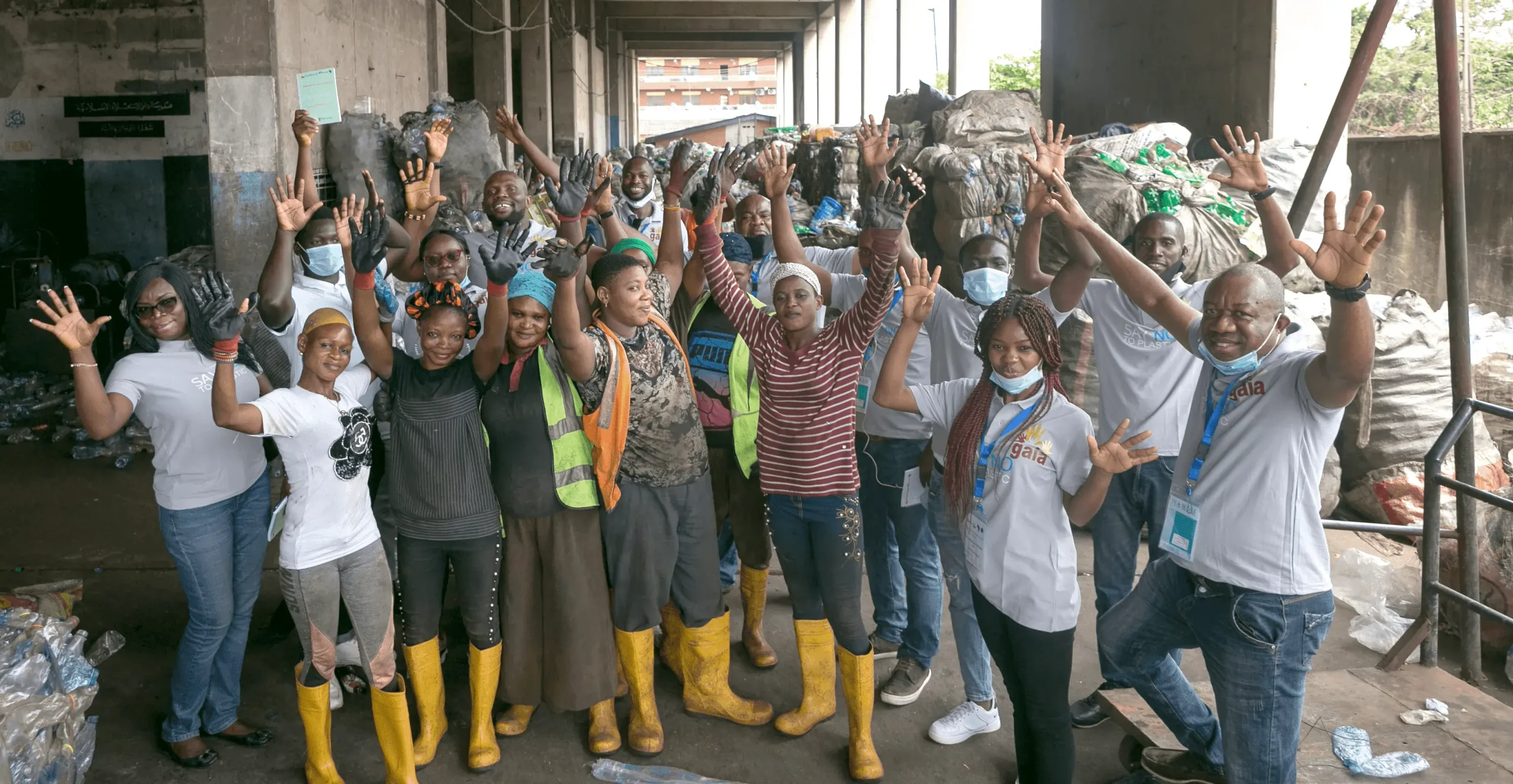
2023: GAIA Africa
2024
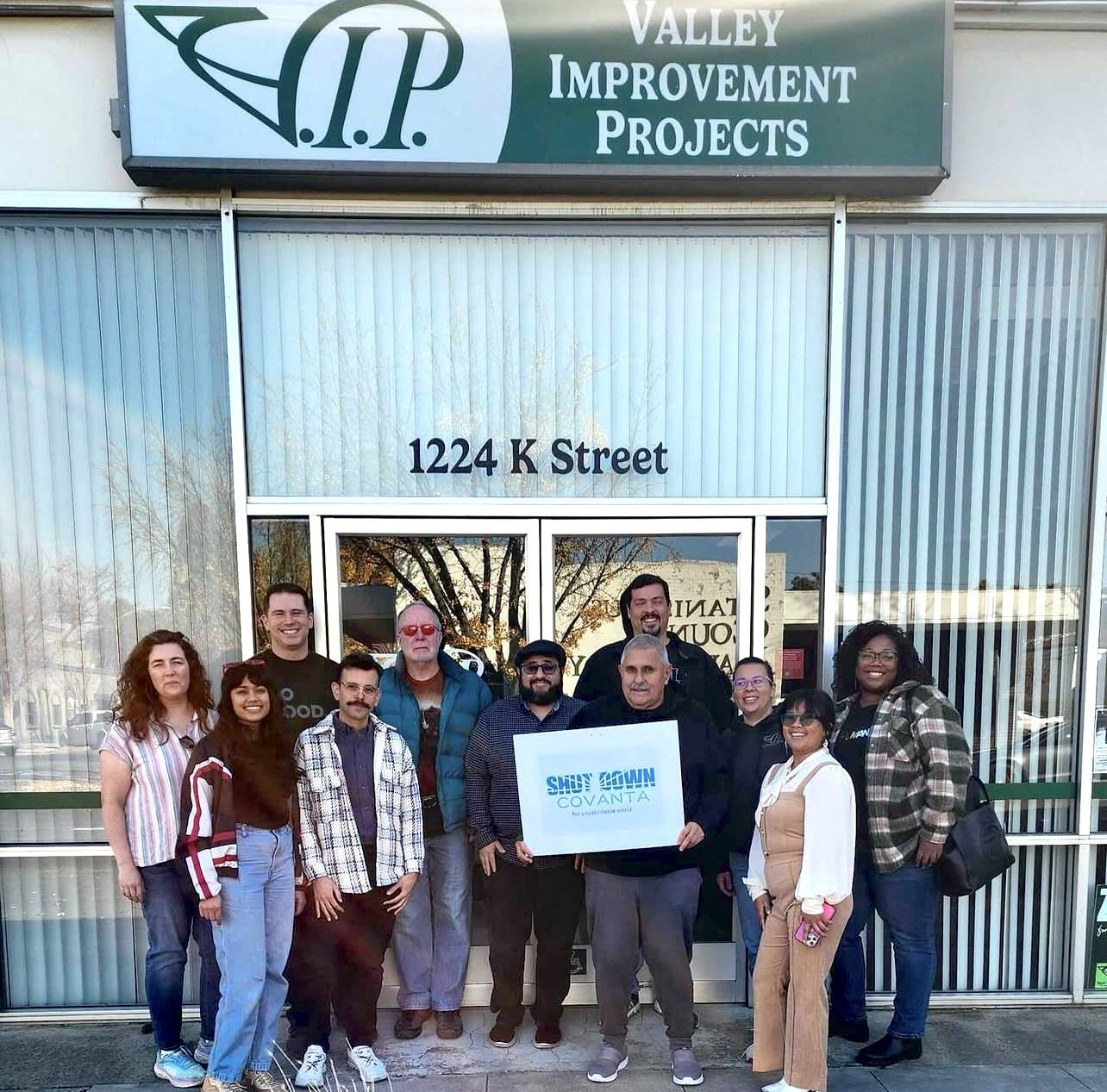
2024: After years of tireless advocacy on the part of GAIA and its members, Reworld (formally Covanta) incinerator shuts down in Modesto—the last remaining municipal solid waste (MSW) incinerator in California, as well as their incinerator in Marion County, OR.
2024: For the first time, the African region hosted the International Zero Waste Cities conference in Dar es Salaam, Tanzania. GAIA launched the Global Action Hub on Waste Methane and Environmental Justice, providing an online discussion space to track action on waste methane and environmental justice, share expertise, identify gaps, and celebrate progress.  Fifty two organizations shared their commitment towards a just transition in the waste sector while 43 committed to being part of the action hub.
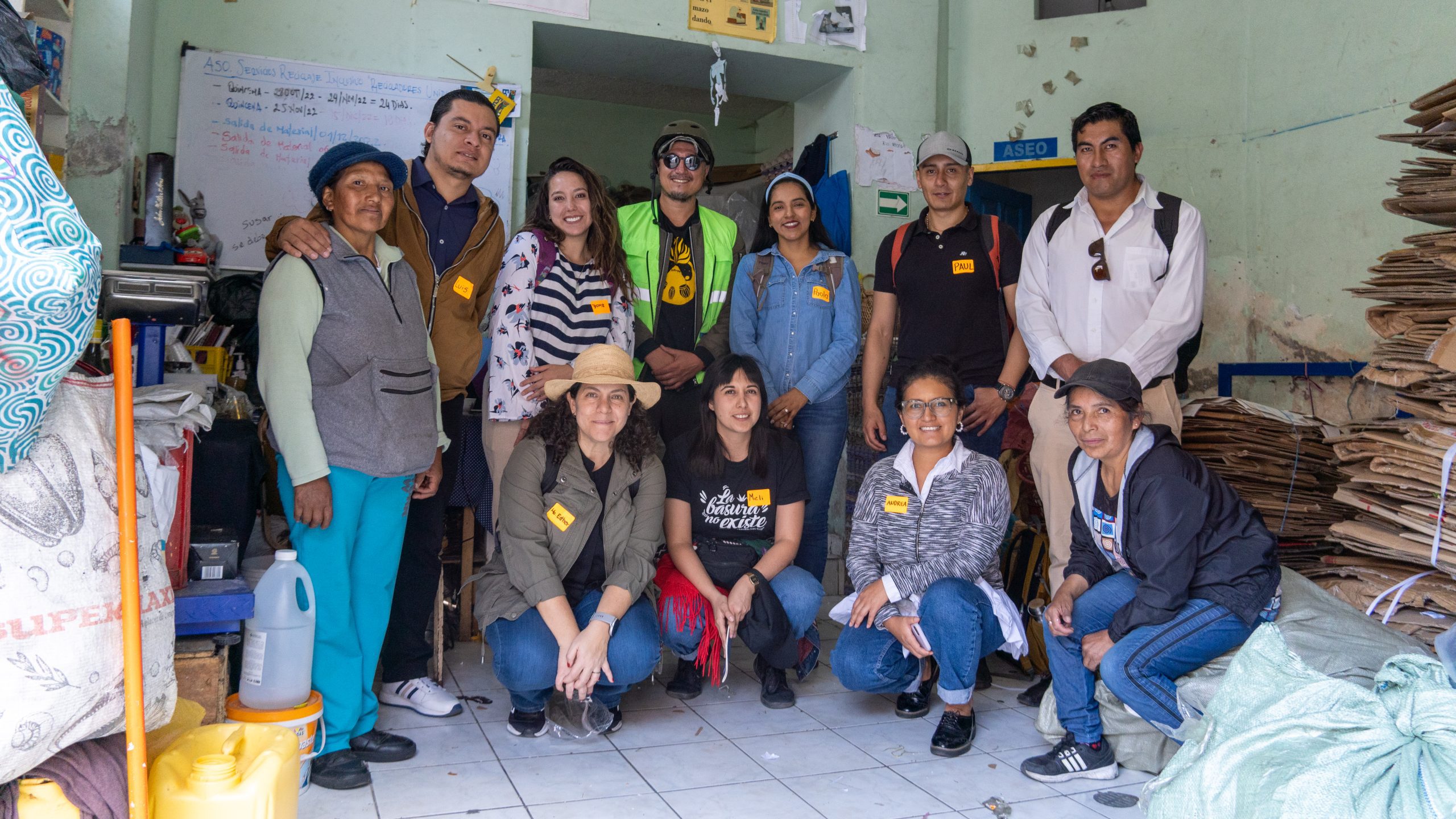
2024: GAIA Latin America and the Caribbean launches the first Zero Waste Academy in the region, hosted in Ecuador. The academy was attended by 22 municipal technicians from different provinces of Ecuador.

Photo credit: Alianza Basura Cero Ecuador

2024: Thanks to the efforts of GAIA members and allies, at the plastics treaty negotiations in November (INC-5) over 100 Member States expressed their support for an ambitious treaty, including reduction of plastic production and use.