





Across Latin America, Africa, and Asia, local governments and community organizations are demonstrating that zero waste systems can deliver a rapid, equitable climate solution. The cases of Accra (Ghana), Bandung (Indonesia), Buenos Aires (Argentina), Durban (South Africa), and Quezon City (Philippines) illustrate how decentralized, community-based organic waste management creates green jobs, reduces methane emissions, and strengthens local governance.
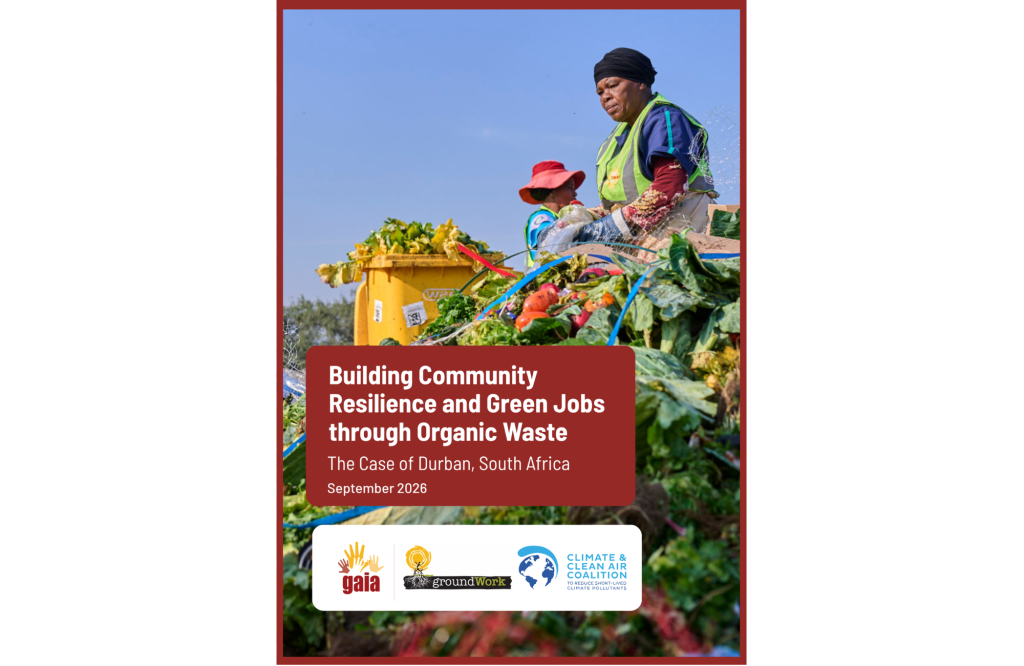
The Durban Zero Waste Project pilot shows that decentralized organic waste management can deliver powerful environmental and economic outcomes when regarded as a municipal public service rather than a commercial enterprise. The model reduces costs already borne by the municipality through avoided landfill disposal, avoided transport, avoided compost purchases, and reduced greenhouse gas (GHG) emissions.
Building Community Resilience and Green Jobs through Organic Waste: The Case of Durban, South Africa
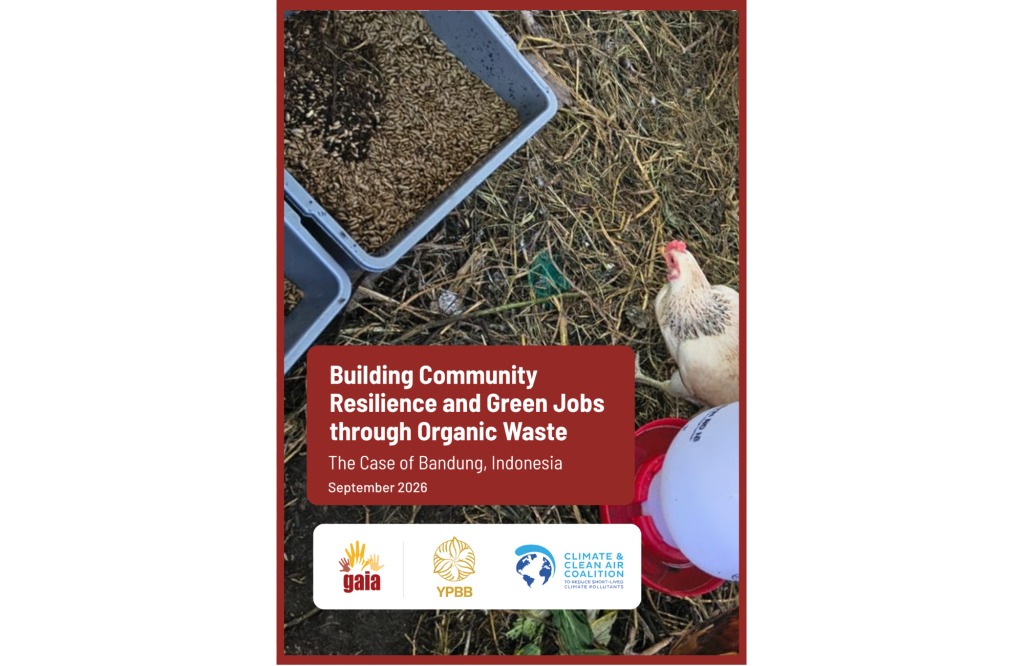
The Neglasari pilot project in Bandung, Indonesia demonstrates that community-based organic waste management can be financially feasible when the government finances the public-service functions that markets do not pay for, particularly land, source-separated organics collection, education, and waste treatment. This model is financially attractive as it generates public goods such as recoverable organic products, local livelihoods, and avoided landfill costs.
Building Community Resilience and Green Jobs through Organic Waste: The Case of Bandung, Indonesia

These cities show that community-rooted zero waste systems—when supported by public waste management programs— can bring about a holistic and effective waste management system that yields both environmental and social benefits. They turn climate ambition into tangible results: recovered resources, dignified work, just transition, resilient food systems, reduced waste disposal, community ownerships and measurable methane mitigation that begins at the community level.
(EN) Community-Led Zero Waste Systems for Just Methane Mitigation
(SP) Sistemas de basura cero con arraigo comunitario para una mitigación justa del metano
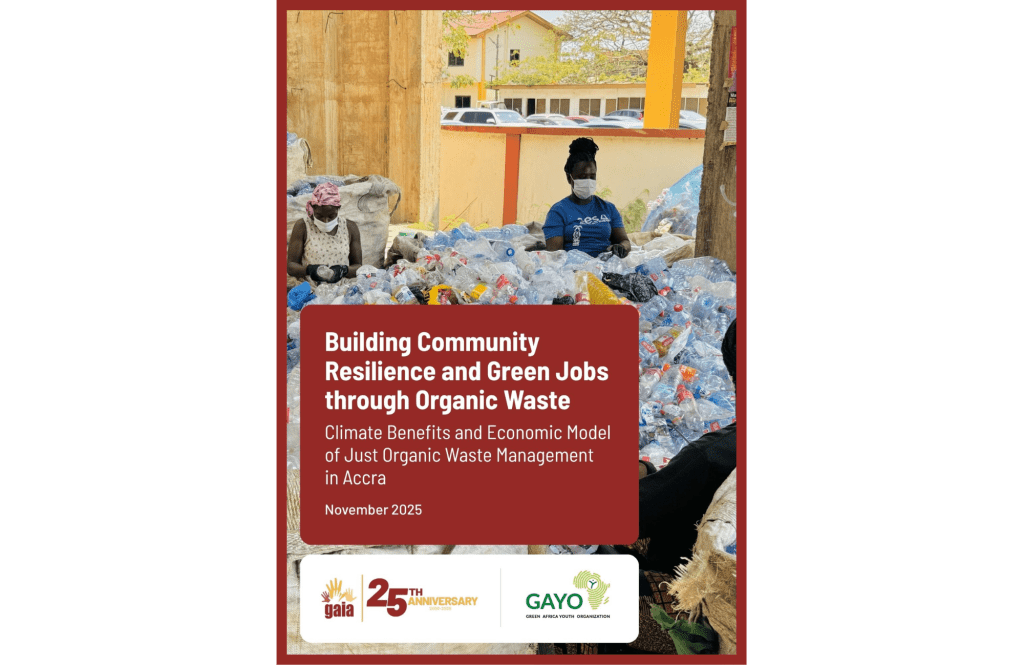
Accra is paving a path toward climate resilience and social equity through community-led zero waste initiatives. The Green Africa Youth Organization (GAYO) has pioneered a decentralized waste management model that demonstrates how organic waste diversion can create green jobs, reduce methane emissions, and strengthen local governance.
(EN) Building Community Resilience and Green Jobs through Organic Waste: Climate Benefits and Economic Model of Just Organic Waste Management in Accra
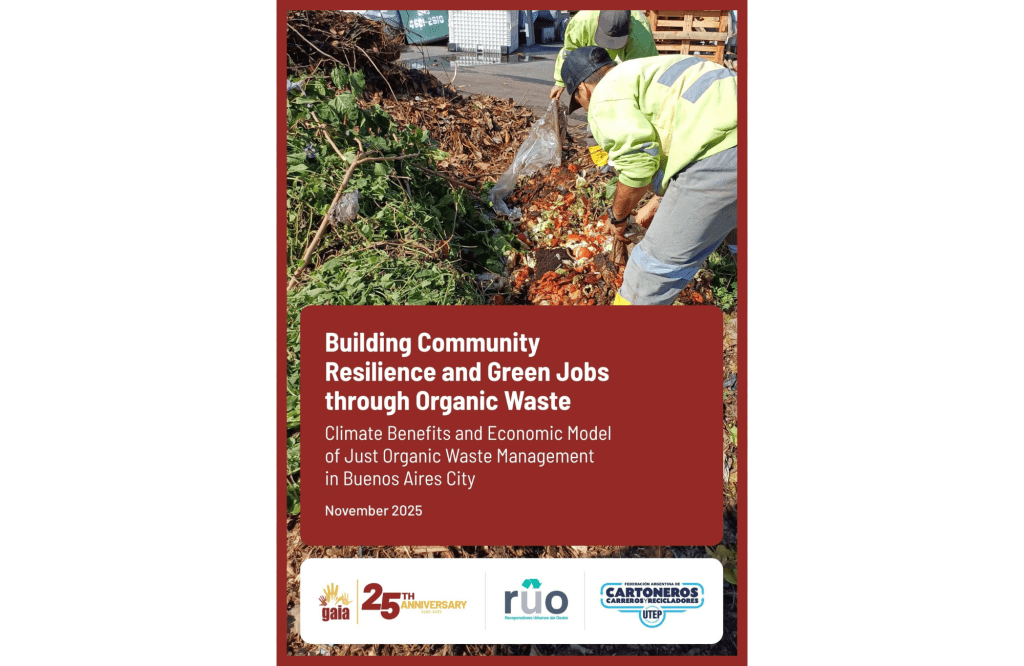
The Recuperadores Urbanos del Oeste (RUO) cooperative exemplifies how waste picker-led waste management can generate green jobs, strengthen climate resilience, and build social cohesion while supporting the city’s ambitious landfill diversion and climate goals.
(EN) Building Community Resilience and Green Jobs through Organic Waste: Climate Benefits and Economic Model of Just Organic Waste Management in Buenos Aires City
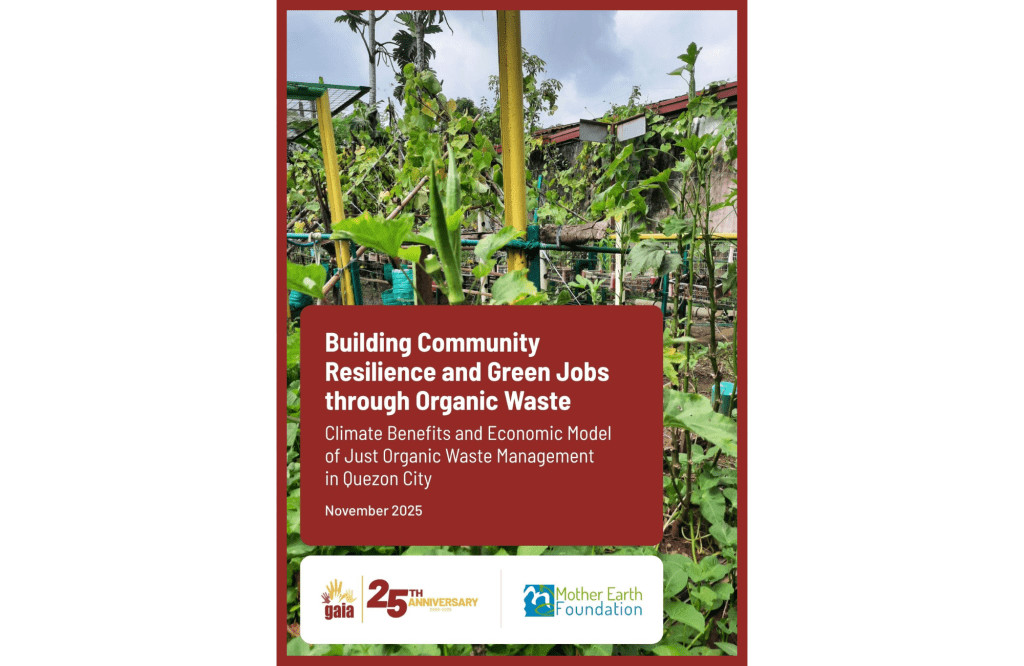
The organics diversion project in Quezon City demonstrates how decentralized, community-based waste systems can advance both climate action and social inclusion. The Barangay Payatas Zero Waste and Urban Farming Project, launched in 2024, stands as a model of how cities can integrate organic waste management, food production, and livelihood creation to achieve just and sustainable methane mitigation.
(EN) Building Community Resilience and Green Jobs through Organic Waste: Climate Benefits and Economic Model of Just Organic Waste Management in Quezon City
RESOURCES
Zero waste is increasingly recognized as a powerful, immediate climate action.
In order to support policymakers and financiers in advancing community-led zero waste initiatives that offer the most substantial climate mitigation outcomes, GAIA with support from Climate and Clean Air Coalition (CCAC), the Global Methane Hub (GMH), and Urban Movement Innovation Fund (UMI Fund), presents a series of technical guidelines. These resources address the most pressing issues in the waste sector—guiding leaders on how to curb methane emissions, implement community-led source separation, and secure funding and financing for zero waste.