



By Mariel Vilella, Global Climate Program Director
New report recommends financing and scaling-up community-led organic waste management to reduce waste methane emissions
(This article was first published by We Don’t Have Time)
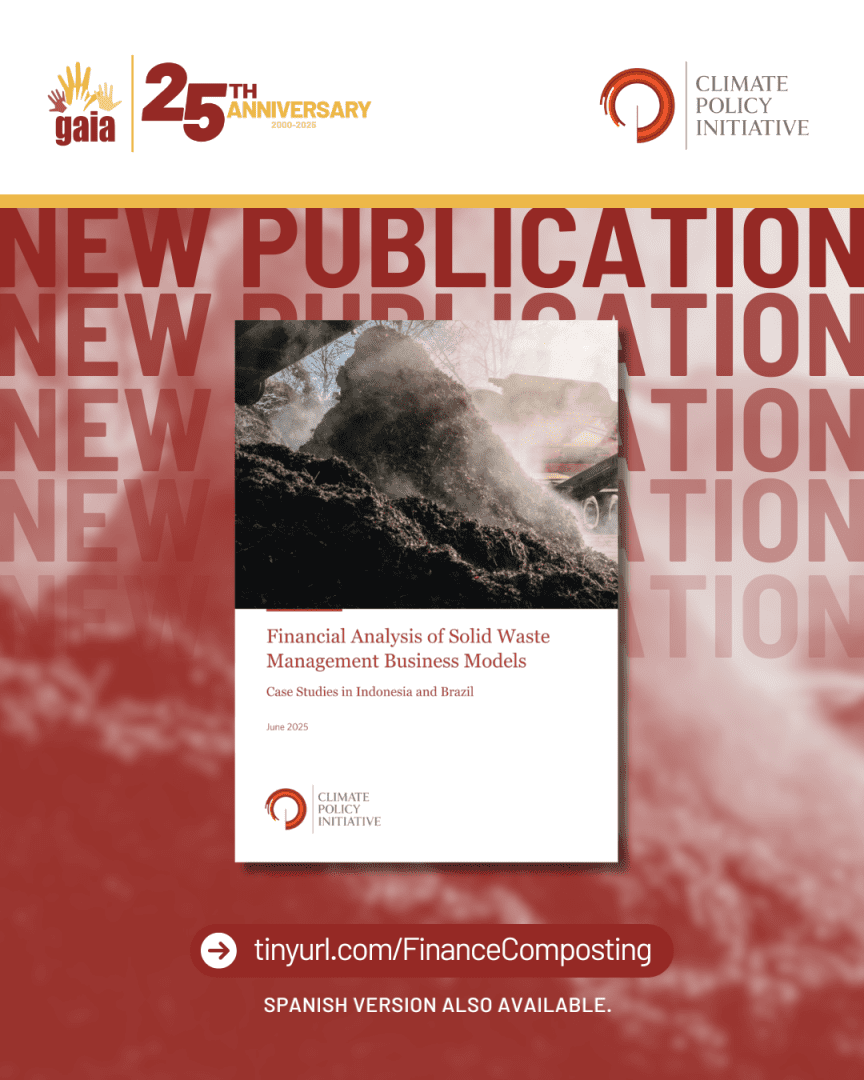
Opposite to the saying “for big problems, big solutions”—when it comes to reducing waste methane emissions, we should be thinking big, but not in terms of large-scale infrastructure. Precisely, a new report by the Climate Policy Initiative (CPI) highlights that community-led, decentralized waste management models are not only more cost-efficient but also deliver numerous co-benefits — from cutting waste and emissions to strengthening local livelihoods — underscoring the urgent need for greater investments.
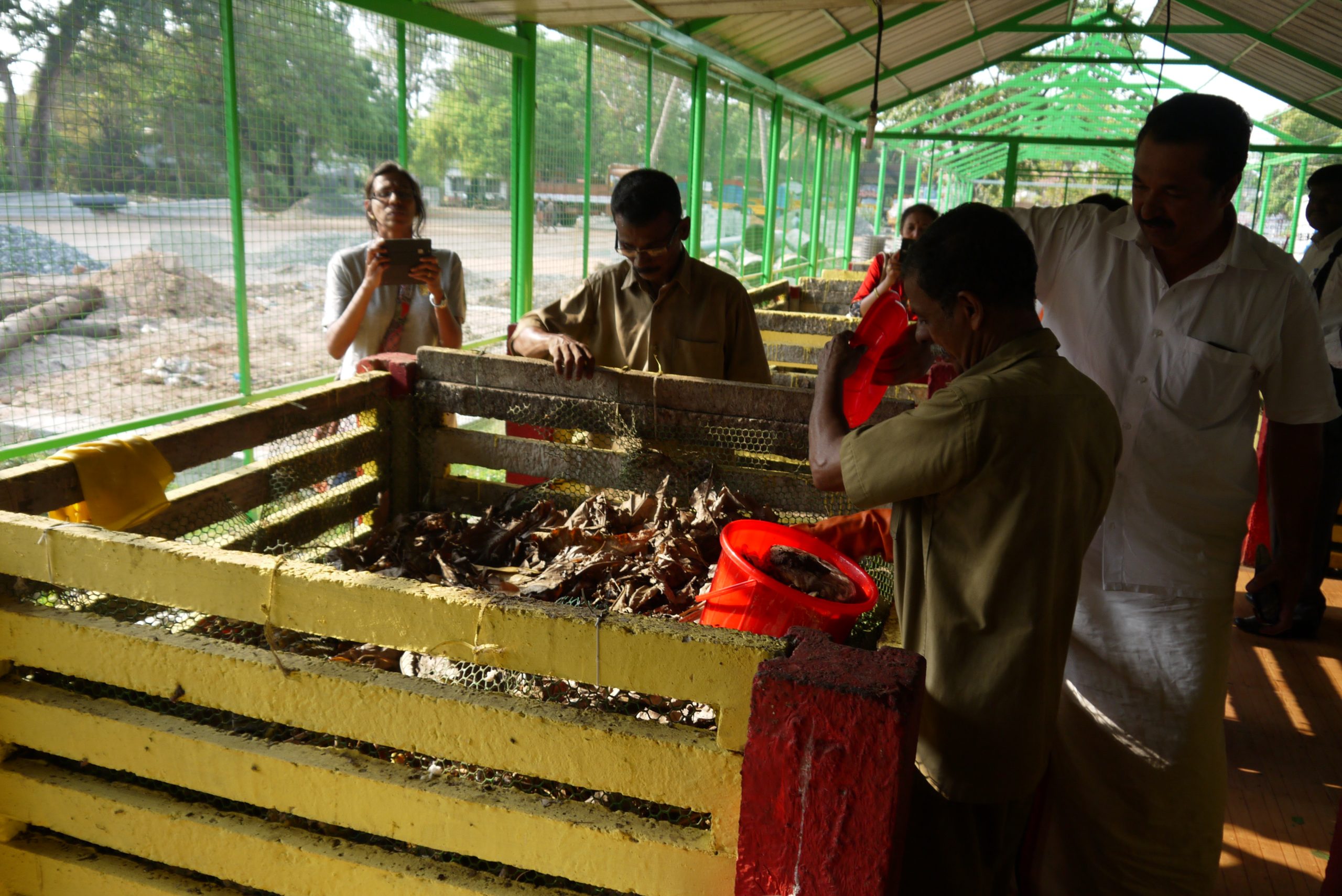
In Bandung, Indonesia, nine zero-waste city models have demonstrated the power of community-driven strategies to keep organic waste out of landfills. These initiatives enable nearly half a million people to avoid sending their organic waste to disposal sites, collectively diverting up to 6,500 tons of organic waste each year.
Instead, household organic waste is routed to composting facilities, where it is transformed into rich compost that can be used to nourish soil and improve food security. “There’s no such thing as ‘throwaway’ in organic waste management – composting ‘throws’ life back to the earth,” says Yobel Novian Putra, who has been involved in implementing these zero waste models with local organisation YPBB for several years.
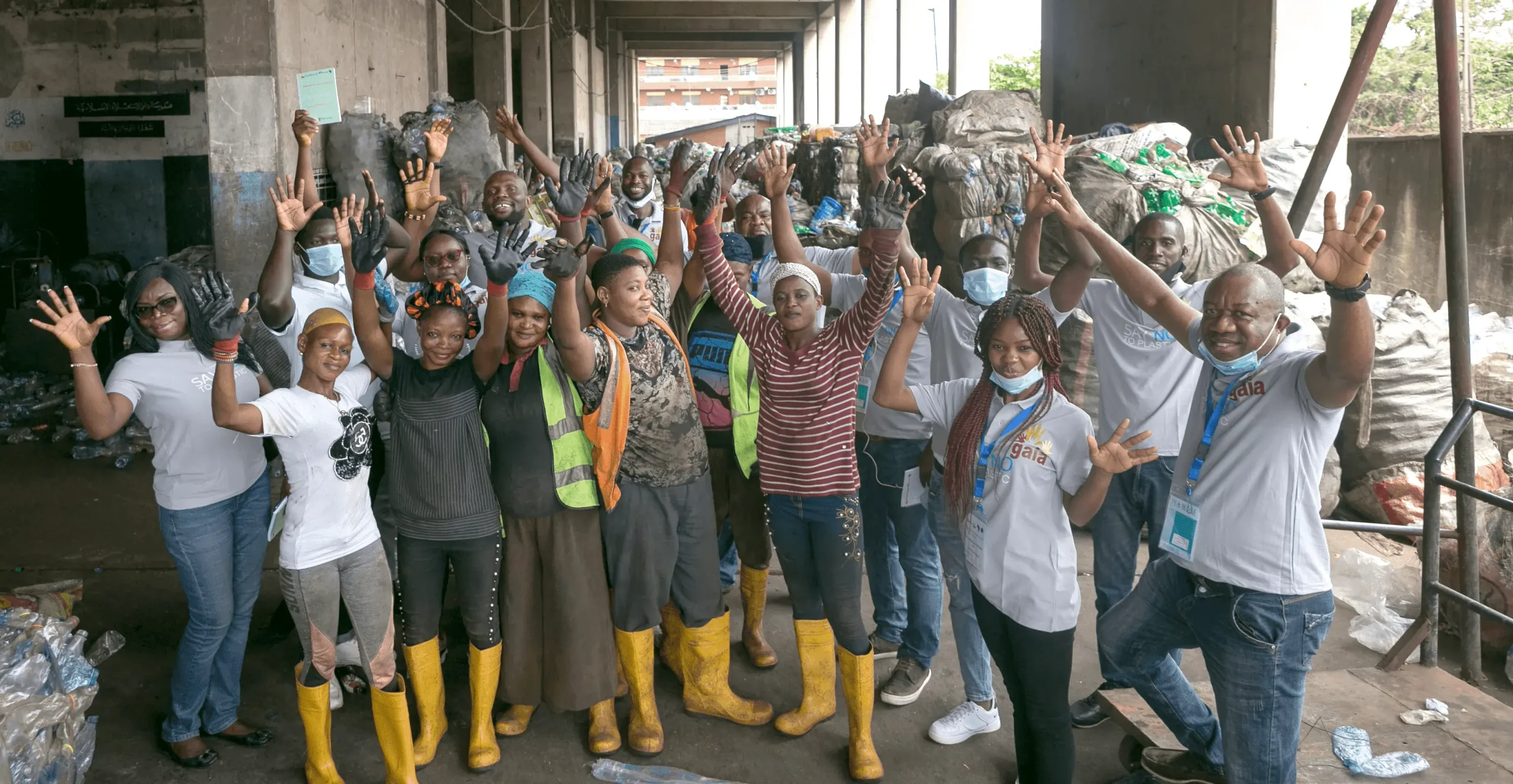
In Brazil, waste picker cooperatives are thriving and increasingly taking a lead role in managing organic waste, alongside collecting, sorting, and processing recyclable materials — the most valuable resources in the waste stream. These cooperatives not only provide income and dignity to waste pickers, but also form key partnerships with municipalities and organizations to drive forward a more inclusive and sustainable waste management system.
“We must invest in people and social technologies—not outdated infrastructure—and rethink finance to support inclusive climate solutions,” said Victor Argentino of Instituto Polis. “The CPI’s report demonstrates that in Brazil, effective waste solutions already exist — the answers are in our hands and at our disposal. In the short term, cities must deliver essential public services, including proper waste management that prioritizes the inclusion of waste pickers and local groups in the process.”
These stories underscore the main report’s conclusion: investing in community- and waste picker-led organic waste management is a faster, more cost-effective approach. Most importantly, these investments create jobs and strengthen local economies. According to GAIA’s analysis, organic waste management generates the highest number of jobs per tonne of waste — making it a powerful tool for both climate action and development.
“Cities have a huge opportunity to show leadership in climate action through organic waste,” says David Sutasurya of YPBB. “The most effective solution for Indonesia is to implement decentralized, community-based systems that use low-methane practices. These approaches directly address the escalating dumpsite crisis by preventing the costly treatment of wastewater polluted by decomposing organic waste.”
“Unfortunately, funding priorities are misguided. While organic waste management and treatment receive only 1% of funding, a staggering 94% goes to expensive incinerators that fail to solve landfill pollution without prior waste separation. By contrast, source separation of food waste produces food-grade organics that can directly support local food production. The lack of funding for such initiatives highlights a clear policy gap at the national level,” adds Sutasurya.
As national governments prepare to submit their new climate action plans ahead of COP30 this November, they must prioritize funding and support for community and locally led waste management initiatives on organic waste. These approaches create the most jobs, protect the environment, and offer sustainable, low-cost solutions.
At the individual level, we all have a role to play within the community, support local composting efforts, and engage with policymakers to advocate for waste management systems that place people, the environment, and the planet at their core.
FACT BOX
-
- Human-driven methane emissions are responsible for nearly 45% of current net global warming, with waste (solid and wastewater) contributing around 20%.
-
- Source-separated collection and treatment of waste can reduce methane emissions from landfills by 62% (GAIA, 2022).
-
- Public budget allocations for waste management are low and mainly go to large scale projects: 1.9 to 5.1% of each municipality budget across the country in Brazil and 0.3 to 2.4% in the sampled five cities.
-
- Community-based and informal operators are competitive in terms of levelized cost of waste management (LCOW = total investment + operational cost for 20 years/total volume of waste treated for 20 years) (CPI, 2025)
-
- The use of composting to manage organic waste generates an average of 6.6 jobs/10,000 tonnes per year. (GAIA; 2022)
-
- Around 94% (USD4.08 billion) of methane abatement finance in the waste sector went to waste-to-energy incineration in 2021/22, and only 1% (USD 20 million) to organic waste management (CPI, 2025)
-
- Thermal waste-to-energy technologies (i.e. waste incineration) emit 1.43 tonnes of CO2 per tonne of plastic burned, even after energy recovery (GAIA, 2022)