Zero waste

Por Alicia Franco, Alianza Basura Cero Ecuador

Mi experiencia comenzó unos días antes, con una inmersión en la sabana africana. Llegué a Dar es Salaam el día previo a la conferencia ya entrada la noche. Tuve la suerte de compartir habitación con la Sole Mella de Anarch Chile, recicladora de base y de las personas que más aprendí en este viaje. Sole es de esas personas que tienen la película clara, defensora de los derechos de los recicladores, con un tremendo don de palabra, y sobre todo un gran corazón. Fue demasiado divertido compartir con este ser de gran sentido del humor, no solo por las risas del absurdo de la vida sino porque teníamos una relación con el traductor de la conferencia (al español) con el que hacíamos una historia alterna de lo que ocurría en el evento. Fuimos bastante sorprendidas cuando Magda se sumó al equipo del relajo y así pudimos retomar curso y navegar por la conferencia.
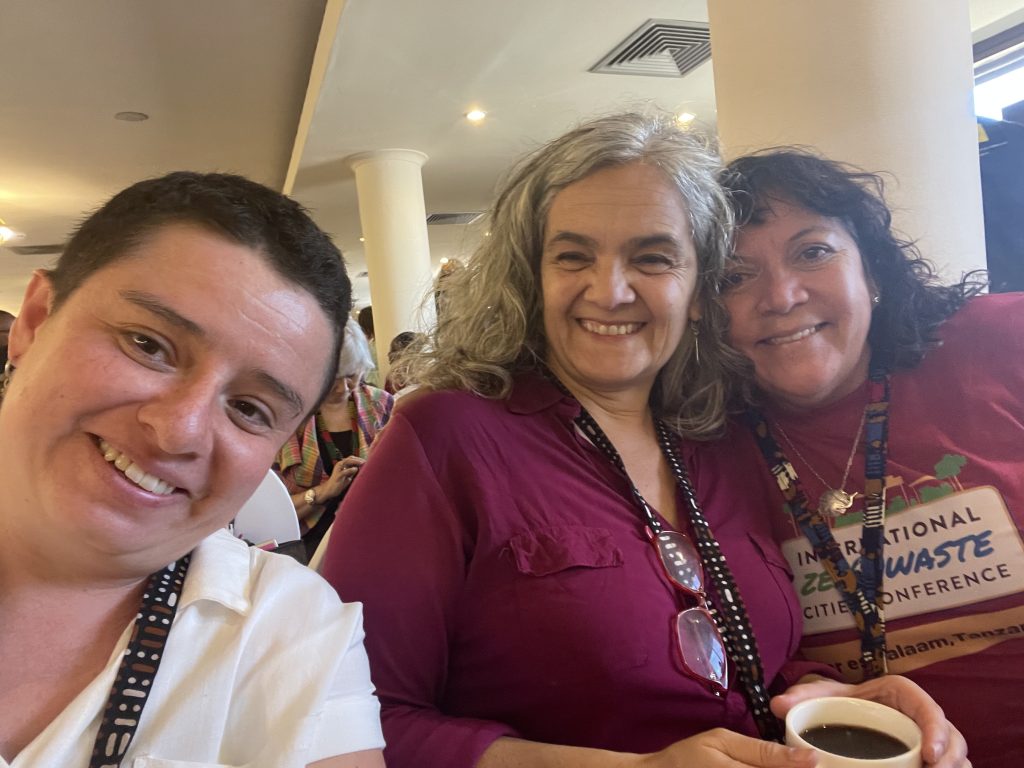
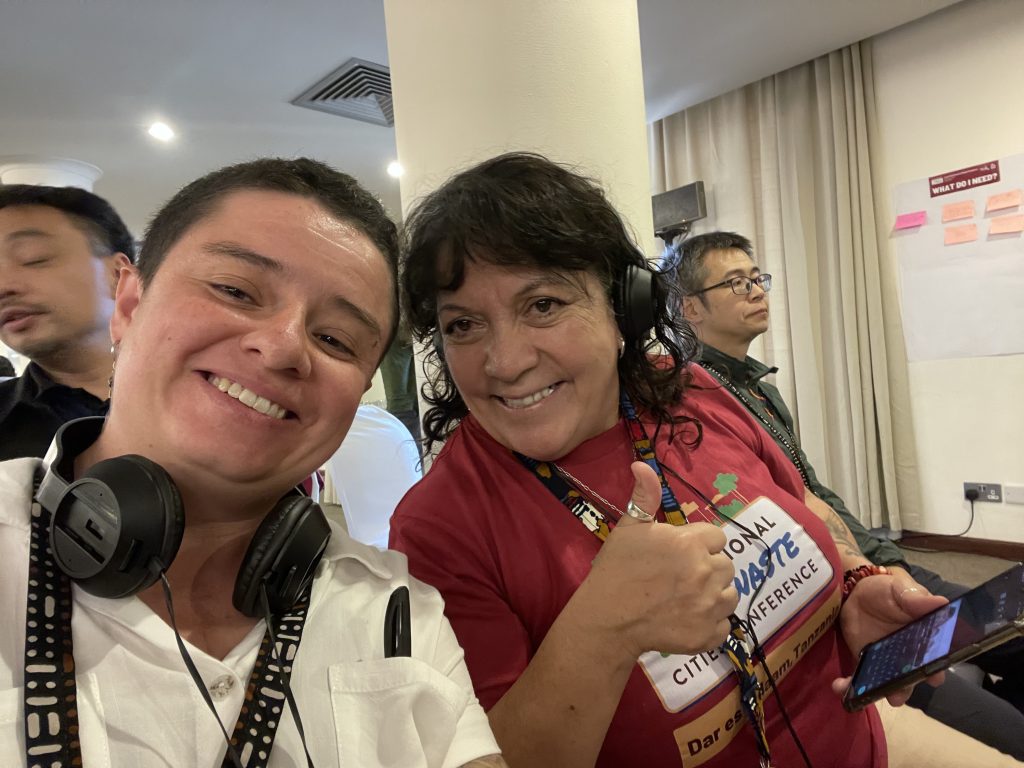
Las conversaciones con la Sole no solo me dieron la oportunidad de profundizar sobre la vida; me queda claro la importancia del movimiento reciclador y lo valioso del trabajo de estas personas, que por muchos años han sido los únicos actores que, pese a las condiciones precarias del sistema, han limpiado los rincones del mundo. En la ola de los residuos donde confluimos varios actores, todos tenemos un rol para querer cambiar este sistema, pero creo que es importante apoyar fuertemente al movimiento reciclador. Pese a que las demandas del movimiento ecologista son más que válidas, no puede haber un cambio a favor del ambiente sin justicia social, los seres humanos somos naturaleza y las soluciones deben ser inclusivas y sistémicas.


La jornada empezó temprano; después de la inscripción recibimos una camiseta y un gafete que, además de ser lindísimos detalles, el gafete resultó ser una pieza de arte Tingatinga, un estilo pictórico desarrollado en Tanzania en los 60’s por Edward Tinga Tinga, y que es una solución basura cero
demasiado creativa. Voy a conservarlo siempre.

Arte Tingatinga.

Las primeras intervenciones fueron charlas generales acerca de los sistemas de basura cero. Una visión general: ¿Qué son los sistemas de basura cero? ¿Cuáles son las estrategias para construir uno en una ciudad? Iniciativas locales, que presentan soluciones con alcance a ser globales.


Froilán Grate en su exposición dijo: “Nada debe desperdiciarse, nada ni nadie es desechable, todo y todos tenemos un valor”. Y es que esta poderosa reflexión no es acaso como pensaría un bosque, es ecología pura; en la Naturaleza cada ser tiene un valor intrínseco solo por su existencia y es su relación con los otros lo que hace que el bosque tenga salud y armonía (en la Naturaleza no existe la basura, lo que no puede reintegrarse a un ciclo metabólico no debería producirse).


Es mi primera vez en una conferencia donde tengo la oportunidad de escuchar y reflexionar sobre todos los matices, la historia de este camino y debo decir que es muy difícil no enamorarse de cada uno de estos seres humanos que están tratando de encontrar soluciones a un problema tan grande y que nos contamina en todas sus formas, hasta llenarnos de microplástico la sangre.

Residuos que llegan a las playas del Índico

Los sistemas de basura cero se incluyen en varias escalas: 

Desde decisiones individuales que incluyen cambiar toallas sanitarias por toallas lavables o copas menstruales, hasta el dejar de usar una bolsa de plástico. Decidir construir iniciativas barriales, como el compostaje comunitario, la inclusión de recicladores de base en el sistema de manejo de residuos, hasta lograr que las ciudades puedan ser basura cero.

San Francisco, EE. UU., vuelve evidente la importancia de generar leyes que puedan impulsar los sistemas de basura cero, como leyes de prevención de desperdicio y recuperación de alimentos e incentivos para el compostaje. Varios modelos que ya se efectúan alrededor del mundo también ven importante la creación de espacios de formación y educación ambiental para una viable transformación cultural.

Uno de los grandes obstáculos para lograr sistemas de basura cero es la incineración, ya que sus contratos piden una cantidad de basura al año y si no llega esta cantidad, el municipio debe pagar, además de ser convenios a veinte, treinta años, impidiendo así que la relación con los residuos deje de ser lineal y contaminante.

En el contexto latinoamericano, es bello ver cómo tenemos una influencia grande que viene desde el planteamiento de los derechos de la Naturaleza, y esa reflexión de que, a pesar de que todo tiene un valor, la basura no puede sólo ser mercantilizada, porque es importante pensar en el consumo, y a quién realmente le corresponde el reciclaje de una ciudad. La intervención de Magda de GAIA fue bastante clara en las potencialidades de los sistemas de basura cero y cómo solo son posibles si son inclusivos con las comunidades, los recicladores de base y las comunidades indígenas. Y cómo un sistema de basura cero es un potenciador de fuentes de trabajo.

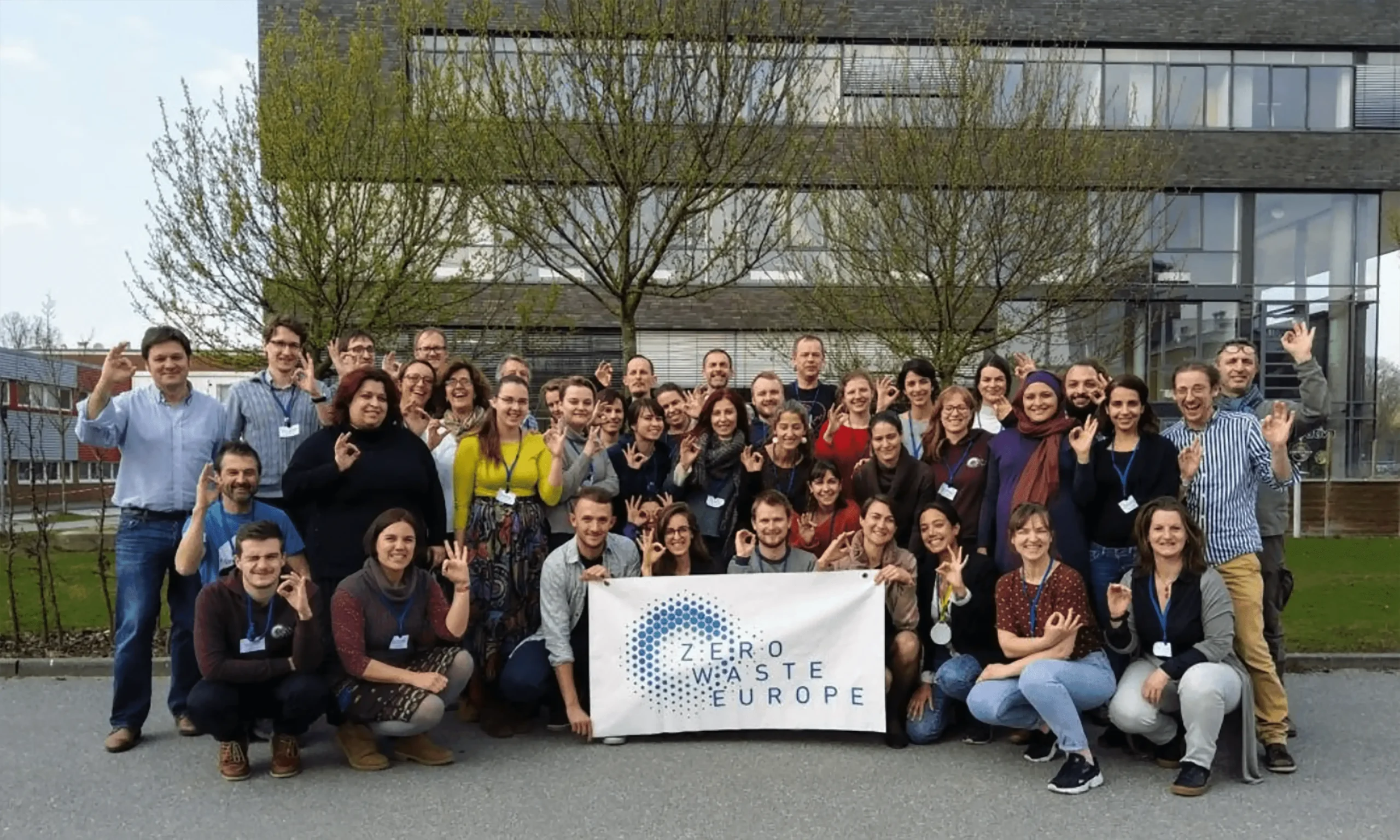
Jack McQuibban nos contó sobre el movimiento Zero Waste en Europa, donde más de 480 ciudades han adoptado estos sistemas, y también tienen una certificación para ciudades que optan por estos modelos.

Shibu Nair explicó cómo para hablar del manejo de residuos hay que entender primero que hay un tema de cambio climático, de emisiones de gases de efecto invernadero, que tiene una fecha límite para no desestabilizar el clima para siempre.

La mayoría de los países del sur global tienen porcentajes de 50 a 70 o, incluso, en algunos lugares, el 80 por ciento de los residuos corresponde a orgánicos. El mayor porcentaje proviene de los hogares, mercados y establecimientos comerciales, lo que quiere decir que, si hacemos segregación en la fuente y compostaje en casa, estaríamos resolviendo el 70% del problema. Luego está el tema del transporte, ¿cuánto gastamos en energía y diésel para trasportar estos orgánicos hasta su disposición final? Talvez no todos podemos compostar en casa, pero existen muchas opciones de compostaje y biodigestión descentralizada que deben tomarse en cuenta para un manejo integral de residuos orgánicos.

Soluciones locales, para problemas globales

El segundo día fue un día muy motivador, aunque estuve bastante nerviosa por hablar y contar del trabajo de la Alianza Basura Cero Ecuador y de las propuestas de compostaje descentralizado. Y es que hay que decirlo, el compostaje es mi tema favorito. No es culpa que los orgánicos sean los residuos más carismáticos. Me precedieron presentaciones como la de Marvin Hayes con su manera de rapear el compostaje de Baltimore y su fiebre de compost. Es que, en definitiva, este “problema” de los orgánicos al final te vuelve un alquimista, porque ya sea una compostera en la casa, una compostera escolar o una comunitaria, te enfrentas a la magia de la naturaleza, el transformar la muerte en vida y que termina siendo un arte. Hubo muchas experiencias de las cuales me llevo demasiados aprendizajes; sin duda, el Instituto Polis sigue siendo un ejemplo regional, conocer a Victor, Laís y André fue un honor y espero seguir en contacto para poder aprender de esta experiencia y de paso compartir buena música. La experiencia de Durban es otra experiencia que definitivamente me voló la cabeza; con ellos compartimos ser estudiantes de Soil Food Web School y ver cómo Tamlynn Fleetwood y su equipo han logrado compostar orgánicos de los mercados con las técnicas del compost biocompleto. Es genial, hay que hacerlo en Ecuador pronto.

Metano y más metano y ¿cómo capturarlo? Esa es la cuestión. Y no podía no escribir sobre Mariela, quién fue la que confió en mí para todas estas aventuras, y ahí nos encontramos en el cariño mutuo de las emisiones de este gas de efecto invernadero ochenta y ni sé cuántas veces más malo que el CO2, y aunque estamos ahí entre el compost y la biodigestión, espero seguírmela encontrando en estos caminos de cazadores de gases raros y regeneradores de suelos.
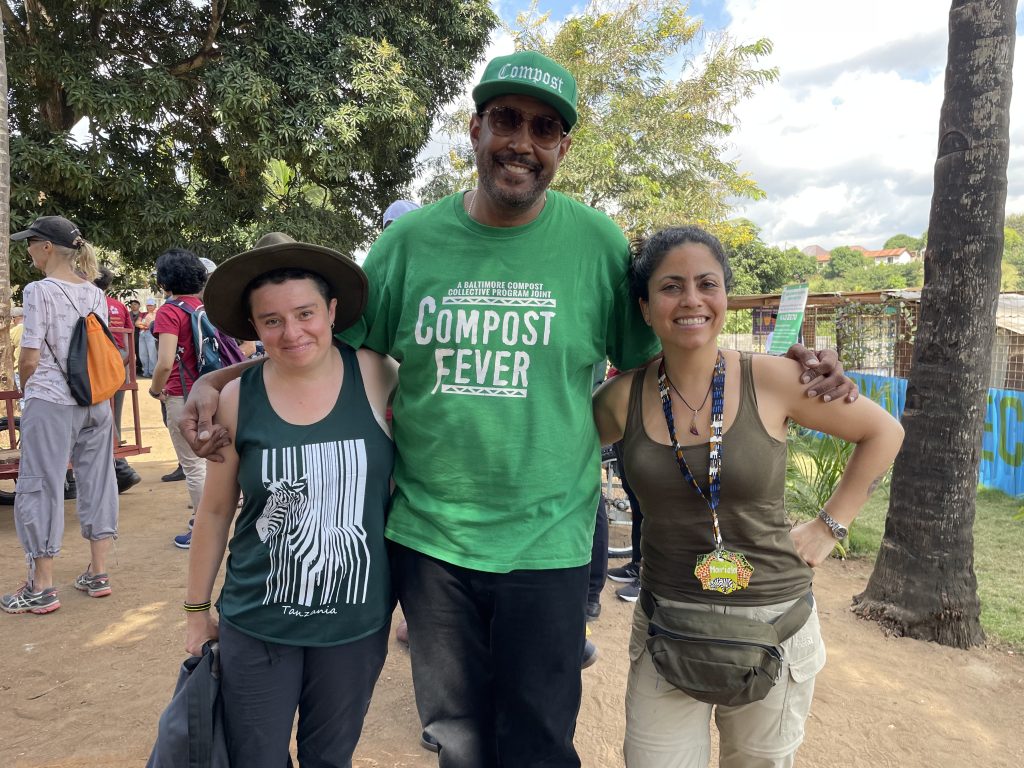

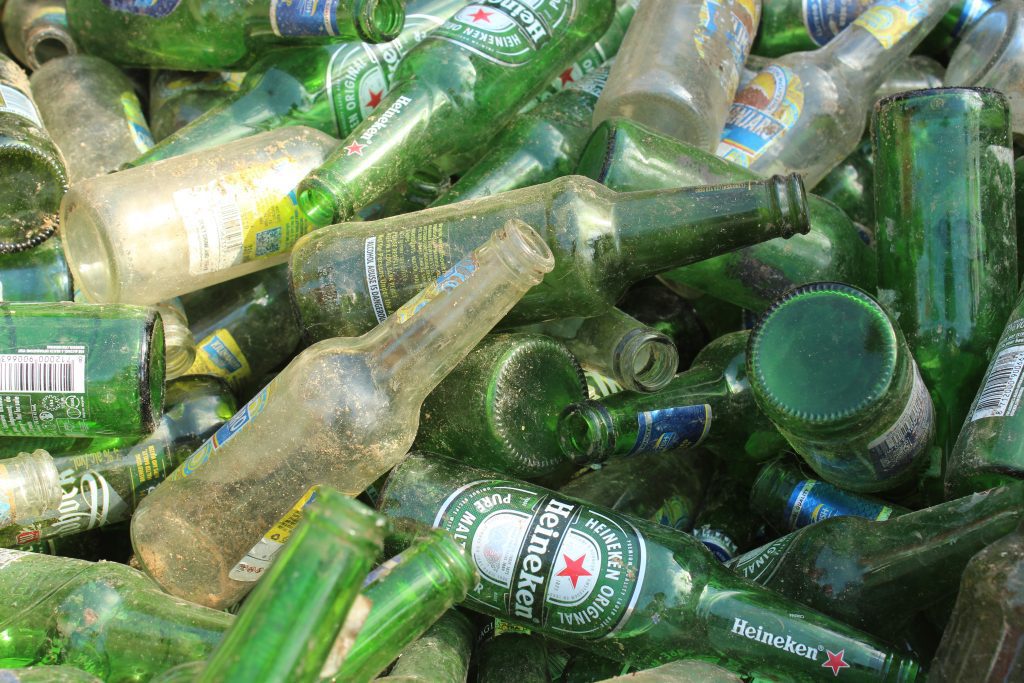
Nipe Fagio fue la organización anfitriona del evento. Su nombre significa “pásame la escoba”, y es una organización que busca la transformación del manejo de los residuos en Tanzania, y lo más valioso es su gente, siempre tan sonrientes, tan amables y alegres. Fue hermoso ver cómo han logrado compromisos importantes a nivel de municipio con Dar es Salaam y Zanzíbar. El problema de la basura en Tanzania es bastante serio; en la misma playa del evento ver la cantidad de residuos también es un llamado de ayuda a que no solo la disposición final es el objetivo, sino el consumo y la producción.

Foto de residuos en playa del Índico.


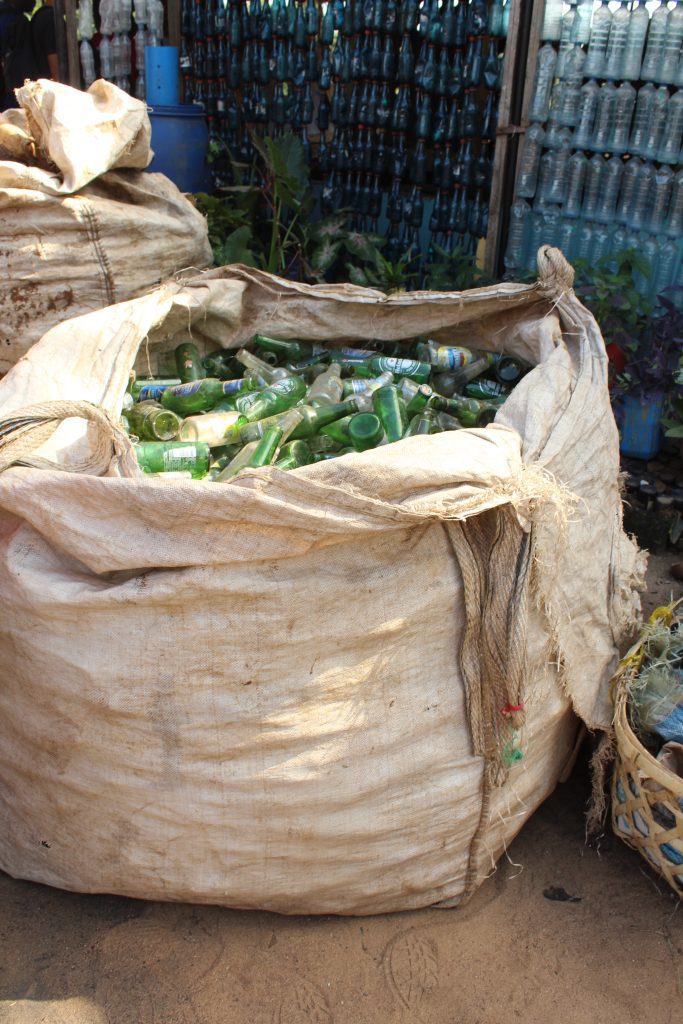
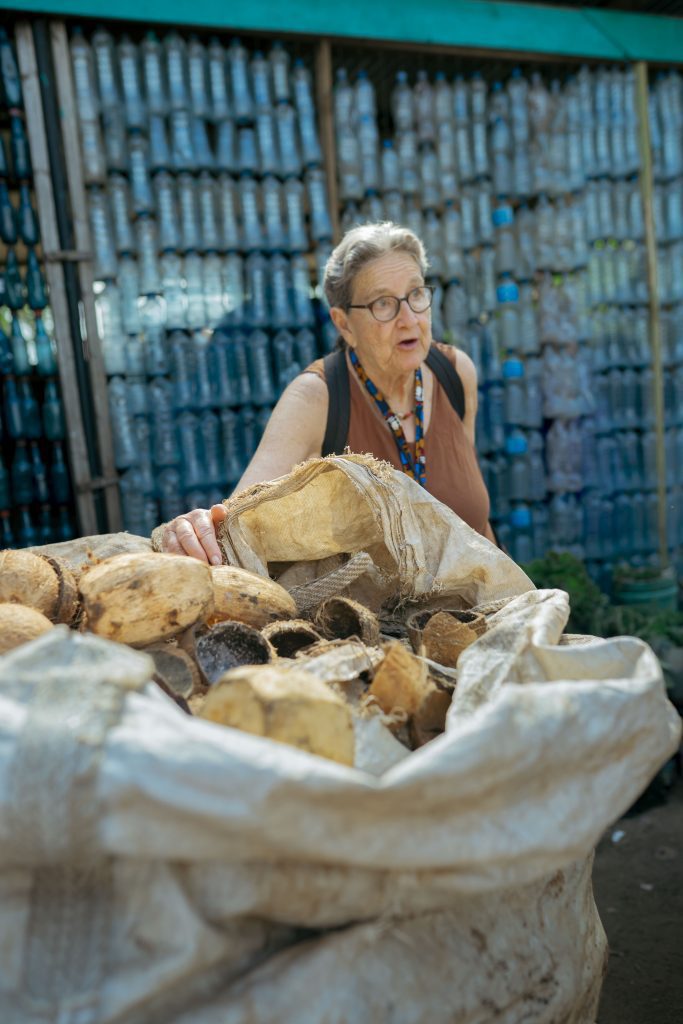
Pudimos visitar el centro de acopio de Nipe Fagio en Dar es Salaam. El espacio cuenta con espacios de separación para cada material, compostera, criadero de mosca soldado y su propia huerta. Este lugar, que antes fue un botadero de basura del barrio, ahora está convertido en un espacio que genera trabajo y esperanza. Sin duda, el mayor valor de Nipe Fagio es su gente y es admirable el trabajo realizado por los recicladores y Ana Rocha en este país. Gracias, Tanzania, por este gran reto. Que no les quede duda de que mientras caminan van transformando varias vidas en su paso.

En Dar es Salaam, como en la mayoría de las ciudades, los precios del reciclaje no están regulados y hay muchos materiales que tienen precios muy bajos y por eso es difícil reincorporarlos en una cadena de reciclaje. Al igual que el Ecuador, el color de las botellas o el mismo vidrio resultan materiales que presentan un gran reto en el mundo del reciclaje.
Antes de la conferencia en Tanzania tuve comunicación con Aminiel Eliakimu Orio de Nipe Fagio, con el objetivo de encontrar a alguien que sea un apasionado de la agricultura y con el que podamos intercambiar semillas. Práctica ancestral, como la humanidad misma, la que nos hace ser modificadores de paisajes, modificadores de la soberanía alimentaria. Y creo que no me equivoco, pero veo un tremendo potencial en generar intercambio de saberes. Vi muchos campos de maíz transgénico, y veo tanto potencial en poder compartir con ellos agricultura sintrópica, agroecología y permacultura. El encuentro con Aminiel fue hermoso; hicimos un pacto para cuidar las semillas que cruzaron el atlántico para estar más cerca del océano Indico y las que llegaron al Pacífico. Sorgo y millet, semillas que han alimentado a estos pueblos africanos con el mejor porridge. Y espero que Aminiel pueda cuidar a las semillas de tomates ancestrales que de hecho viajaron unos años antes desde Florencia hasta Ecuador, el centro de origen de esta planta y que ahora viajan a las tierras fértiles de Arusha.

Fotos del intercambio de semillas (Ecuador-Tanzania)

Seguramente voy a olvidar de mencionar a muchas personas de las cuales me llevo muchos aprendizajes, pero creo que conocer a los que llevan más tiempo en estos rumbos fue un gran regalo. Sonia, gracias por seguir inspirando a las nuevas generaciones. Así fue una de las presentaciones más emotivas porque se contó sobre los inicios de la basura cero en Filipinas y luego a John Nsyenge, reciclador de Tanzania y de una nueva generación que potencia el mensaje y nos demuestra que es posible.

Es el último día de la conferencia y extrañamente tengo sentimientos encontrados. Por un lado, el sentirse parte de esta comunidad me hace sentir demasiado feliz; siento cómo ser parte de este organismo comunitario basura cero es bien poderoso; ser una organela más de esta célula me hace flotar en un citoplasma de mucha dopamina y de pronto tengo que volver a ser un individuo que regresa a casa con un gran compromiso y responsabilidad. Por un momento me abrumo, pero luego me acuerdo que al llegar a casa hay otras comunidades que esperan que esta aventura pueda ser compartida y así poder reproducir esta información y además poner en práctica tantas nuevas posibilidades. Gratitud a GAIA y a Nipe Fago por tremendo regalo. Un gusto enorme poder hacer parte de este equipo poderoso de latinos.
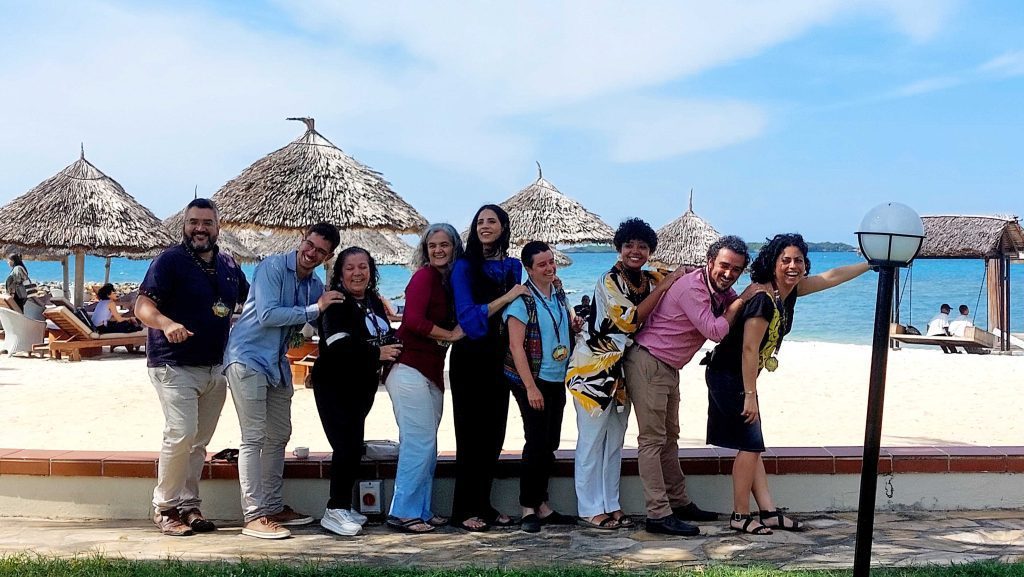
Gracias Magda, Maca, Juliette, por cantar Imagine de John Lennon, aunque cambiada letra. La luz de las velas en una playa africana donde la Luna creciente es una sonrisa, igual al cielo de Ecuador, momentos humanos difíciles de olvidar, porque los caminos basura cero te empujan a ser más comunitarios, más empáticos. Hasta el final pude sentir el toque solidario de varias compañeras que encontré en Paje y con las que compartí el taxi e incluso fueron muy generosas en compartir hotel y unas Kilimanjaro frías antes de subir al avión (gracias, Mónica y Gemma).

La estancia en Tanzania termina, pero el viaje recién comienza y hay mucho trabajo y compromiso. Me voy con la maleta llena de nuevas posibilidades, y un poco de miedo porque en Ecuador la amenaza del coprocesamiento es altamente probable en varias ciudades. Sin embargo, me quedo con la certeza de que estos caminos son hermosos, porque no se trata solamente de cambiar nuestra relación con los residuos, sino con la vida mismo, el que hacemos como especie ser una fuerza amorosa y regeneradora de vida o solo una maquinaria de desertificación.

Alicia Franco.

Alianza Basura Cero Ecuador
By Olari Tomitho

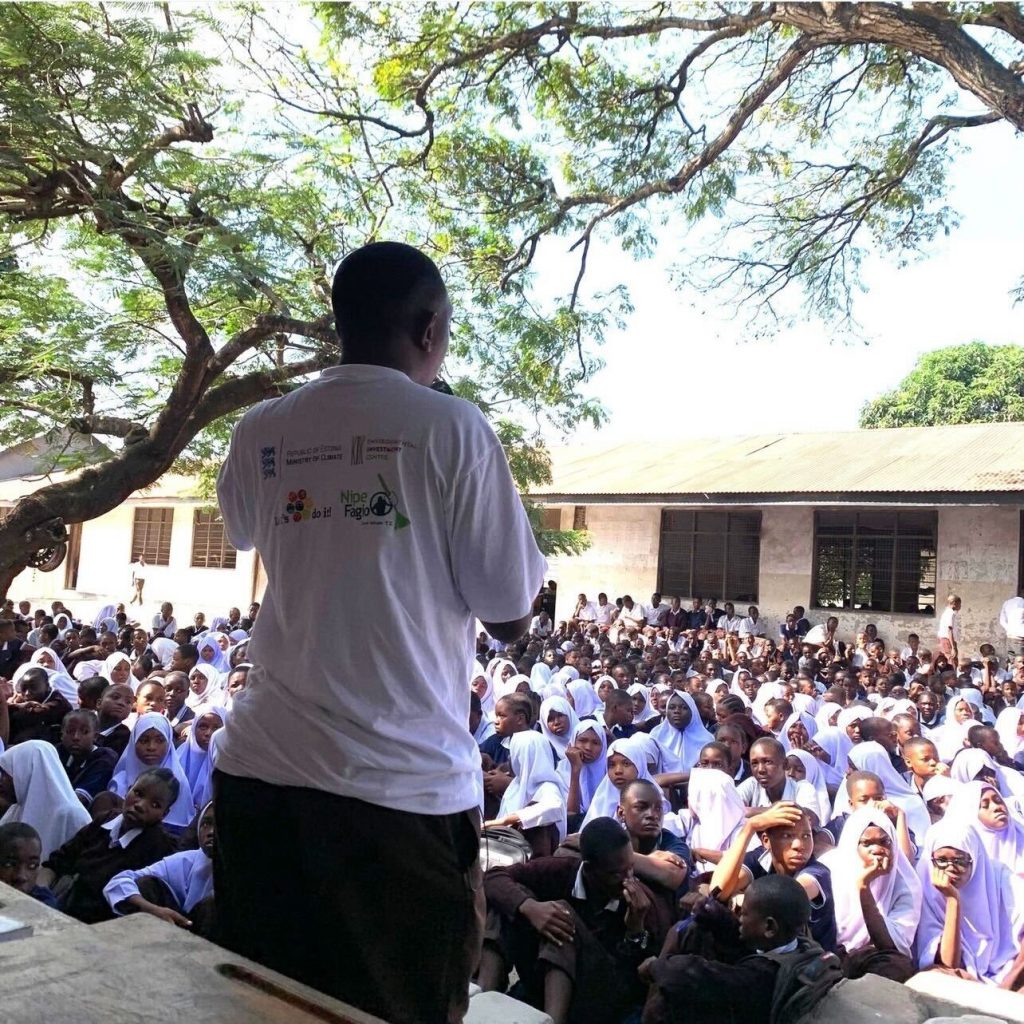
As the urgency of environmental issues intensifies, the Sustainable Environmental Education Program (SEEP) in Tanzania is blazing a trail in cultivating a profound sense of environmental awareness and action among the youthful population of the nation. SEEP Tanzania has elevated its mission to new heights, broadening its outreach and amplifying its influence across the secondary schools in Dar Es Salaam.

In the months of March to June 2024, SEEP Tanzania focused on identifying and engaging 50 new schools with the aim of integrating comprehensive environmental education into their curriculums. SEEP Tanzania has successfully registered 50 secondary schools across the municipalities of Kigamboni, Temeke, Ilala, Kinondoni, and Ubungo in Dar Es Salaam on the SEEP platform, with 43 schools already enrolling their school data and 37 of these schools defining their project titles and happening. The program has engaged school teachers and reached over 1,000 students. This proactive engagement is a testament to the commitment of these schools to environmental education.

Mentors and teachers from all 50 newly selected schools underwent extensive training on the SEEP toolbox and platform. These training sessions equipped the teachers with the necessary knowledge and skills to navigate the SEEP platform effectively, enabling them to utilize the resources available to deliver impactful environmental education lessons. This comprehensive training ensures that teachers are well-prepared to inspire and guide their students in understanding and addressing environmental issues.

SEEP Tanzania Mentors conducted seminars in 11 secondary schools, engaging both teachers and students in meaningful discussions about environmental sustainability. These seminars also attracted 17 stakeholders, including parents, religious leaders, students from neighboring schools, and the Security Committee. Such broad-based involvement is crucial for fostering a collective commitment to environmental stewardship.

SEEP Tanzania is not just a program; it’s a beacon of innovation, demonstrating the profound impact that education and community involvement can have on environmental sustainability. By equipping teachers and students with essential tools and knowledge, SEEP is nurturing a vibrant new generation of eco-conscious leaders.

The Republic of Estonia proudly funds this transformative project, demonstrating their unwavering commitment to innovation and progress. For more information about SEEP Tanzania and to stay updated on our activities, visit our website and follow our social media channels.

By Careen Mwakitalu

In a remarkable effort to promote sustainable practices and reduce plastic pollution, GAIA members across Africa have launched the ‘Life Before Plastics’ publication in their respective countries. This publication highlights traditional practices of reuse and aims to inspire communities to adopt environmentally friendly alternatives to plastic.

CEJAD Kenya

The Center for Environmental Justice and Development (CEJAD) in Kenya launched the ‘Life Before Plastics’ publication during a strategic planning meeting with Kenyan Civil Society Organizations (CSOs). The event showcased traditional practices of reuse in Africa, emphasizing the importance of returning to sustainable methods that predate the widespread use of plastics. The launch was well-received, with participants engaging in discussions about integrating these practices into modern-day strategies to combat plastic pollution.

End Plastic Pollution Uganda (EPP)

In Uganda, End Plastic Pollution Uganda (EPP) added hard copies of the publication to their resource center, making it accessible to visitors. EPP also shared copies with local artisans in Kampala City, including a visit to Mrs. Mbabazi, a local artisan known for her traditional items made from natural materials. This initiative aimed to highlight the craftsmanship of Ugandan artisans and promote the use of natural materials as alternatives to plastic.

GREENISH Egypt

The launch in Egypt was a grand affair, held on the third day of the Grün Fête de la Musique at Al Azhar Park in Cairo. The event attracted over 10,000 Egyptians who came to enjoy music and learn about environmental sustainability. Mohamed Kamal, Director of Greenish, and Shereen Abdelrasoul, Founder and Chief Designer of Drumstick Egypt, presented the publication. The diverse audience, ranging from children to adults, engaged with the content, learning about traditional practices and modern solutions to plastic pollution.

GAYO Ghana

In Ghana, the Green Africa Youth Organization (GAYO) hosted a webinar to launch the publication. The online event allowed participants from various regions to join and learn about the traditional practices of reuse highlighted in the publication. The webinar facilitated a rich exchange of ideas and strategies to reduce plastic use and promote sustainability.

The publication highlights various traditional practices of reuse in Africa, such as using natural materials for crafting everyday items, repurposing containers for multiple uses, and employing biodegradable materials for packaging and storage. These practices not only reduce waste but also promote sustainability and environmental conservation.

The ‘Life Before Plastics’ publication launched by GAIA members in Kenya, Uganda, Egypt, and Ghana marks a significant step towards raising awareness about sustainable practices and reducing plastic pollution. By showcasing traditional methods of reuse and engaging with local communities, these events have set the stage for a broader movement towards a plastic-free future. The success of these launches underscores the importance of collective action and the power of community-driven initiatives in creating a sustainable world.

To Read more about the publication click here!

By Patricia Namwanga Kizito.
About Project Kollekt.
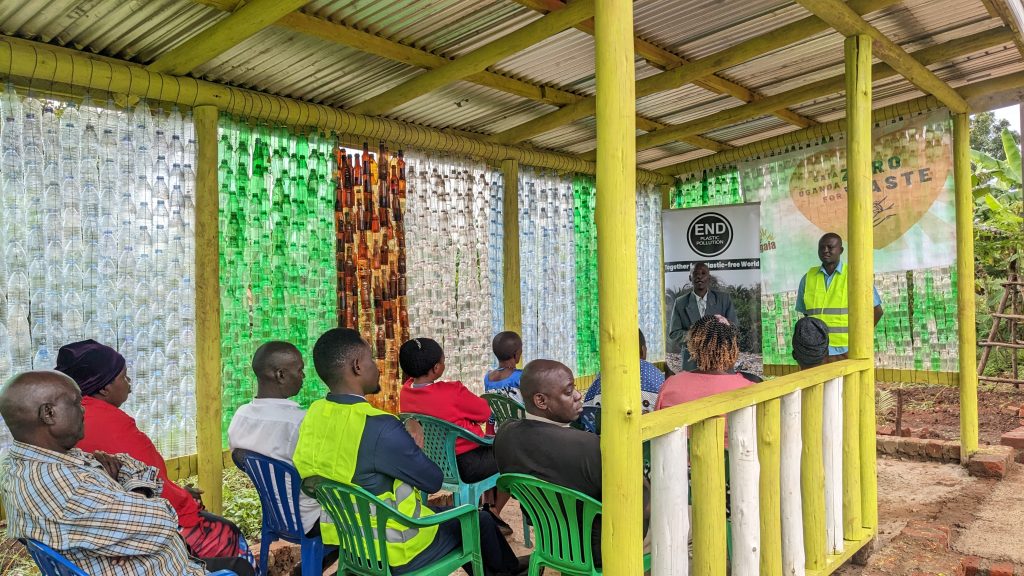
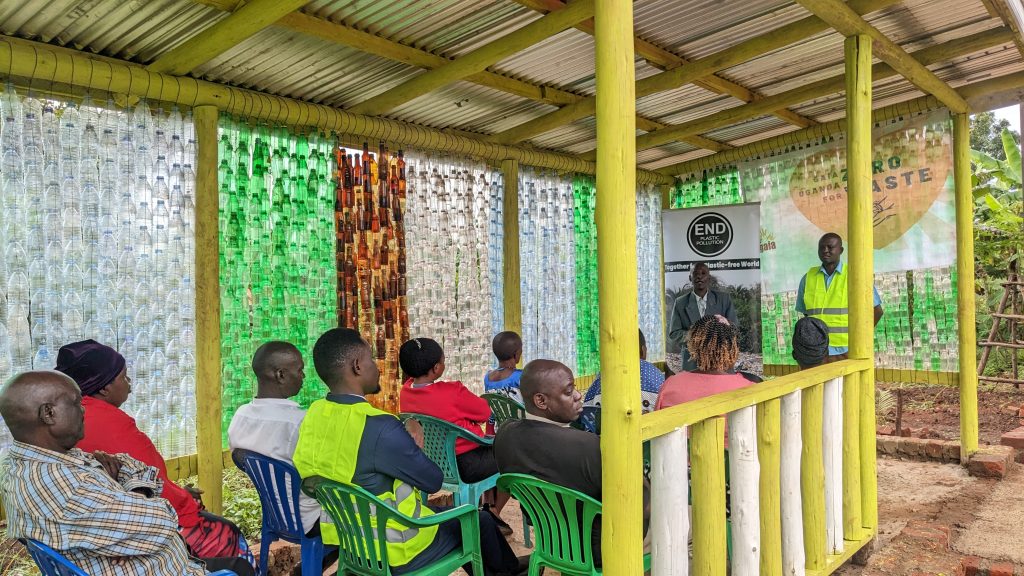
Through the Project Kollekt initiative, End Plastic Pollution – Uganda in partnership with the Global Alliance for Incinerator Alternatives and Break Free from Plastic has established The Kollekt Village in Masuulita Town, Wakiso District as a center to demonstrate, promote and mainstream zero waste model implementation in Local communities.

The Kollekt Village has been developed with facilities including:
– A material recovery facility for waste handling with a demonstration space and chambers for separating plastic waste by types and content.
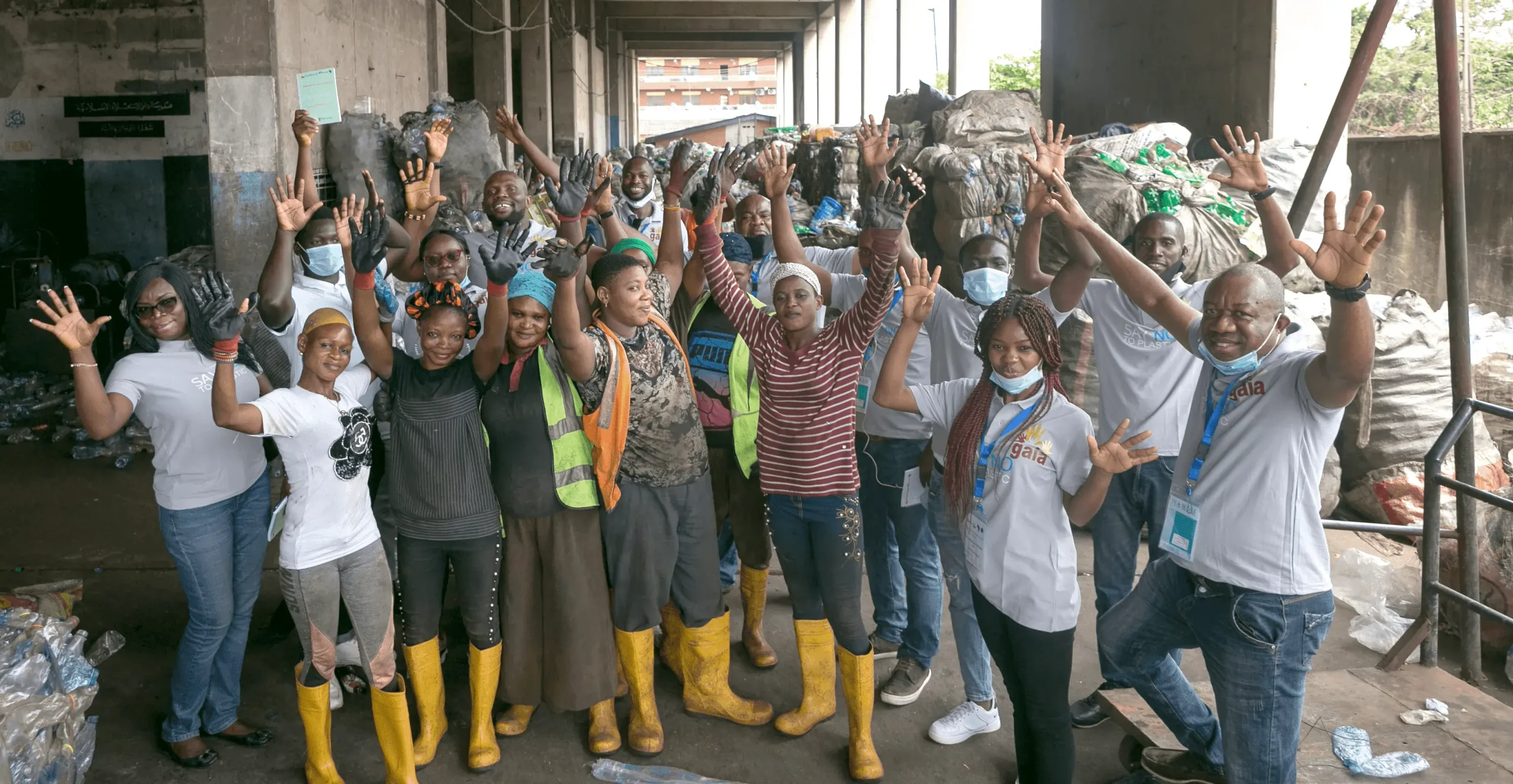
– A plastic waste recovery program involving waste pickers with a facility to collect, sort and store recovered materials.
– A space provided for local waste pickers to involve in the zero-waste model implementation.
– A community gathering space for meeting, training, and sensitization of waste pickers so as to support and empower them to organize. A space for organic waste management with compositing chambers. The space ran onsite projects including Compositing, Black Soldier Flies farming, gardening / vertical farming demonstration and a program for small holder farmers to learn about compositing, organic farming and making organic fertilizers.

In addition to the Material Recovery Facility, The Kollekt Village features spaces for:
– Community gathering, meetings and a training center.
– A space has been provided to establish a reuse and refill shop for locals, youth and women groups as well as local artisans to showcase their materials.
– A library, resources and learning center to be stocked with reading materials, educational materials, Research works on different environmental issues and materials on zero waste.

Why the waste sector.
The waste sector offers a prime opportunity for countries like Uganda to take action that can protect the environment, reduce polluted waste, reduce emissions, strengthen climate resilience systems, provide substantial health and unlock economic benefits. With the zero waste approach, local communities are put at the center of action to address the impact of poor waste management. The zero waste policy is not about stopping the waste coming into the community only, but also about building up local communities and creating jobs that can enable them to thrive.

Why Go for Zero Waste; what is the expected impact.
With the zero-waste approach, End Plastic Pollution seeks to address issues including poor waste management, climate crisis, agriculture and food security, biodiversity loss, livelihood improvement and deliver economic development. There will be increased awareness and sensitization and education initiatives to equip youth, waste pickers and local leaders with practical knowledge to implement and develop zero waste models for their communities.
The mitigation potential of the waste management sector is largely underestimated. Yet curbing waste generation and implementation of better waste management strategies avoids emissions throughout the lifecycle of material goods – from extraction to end of life. Zero waste systems have been proven versatile strategies that aim to continually reduce waste through – source reduction, separate collection, composting and recycling.

Why zero waste intervention is crucial for combating climate change.

Through the zero waste approach communities can build resilience to climate change impacts like flooding, deter disease transmission, improve soil health, and deliver economic opportunities. The waste sector has been identified as one of the contributors to the 9.1 million tonnes greenhouse gasses from Greater Kampala Metropolitan Area reported as of 2020 with an exponential growth rate of 55% from 2020 – 2030 reaching 14.6 million tons of carbon. The project seeks to address the issue of poor solid waste management practices which was identified by the Uganda government as one of the lead drivers of climate change vulnerability.


As the climate crisis deepens urgent action on all fronts is required to both eliminate greenhouse gas emissions and adapt to a rapidly changing climate.

  1. For Climate Mitigation.
    Zero waste systems contribute to greenhouse gas emissions reductions in 3 ways: source reduction, materials separation, collection and proper management / recovery of plastic waste and organic waste to avoid landfill methane emissions.
  2. For Climate Adaptation.
    Zero waste systems help communities to build resilience against the increasingly frequent extreme weather events and health hazards brought by climate change. Poor waste collection and management are among the factors that leave communities particularly exposed to these events.
    With zero waste systems local communities can become more resilient by mitigating floods, reducing disease transmission, and improving soil, water and air quality.

By Sarra Gharbi – Association de l’Education Environnementale pour les Futures Générations (AEEFG)

Our recent project was a participatory workshop organized by the AEEFG and led by Mayssa Aloui, an architecture student passionate about eco-friendly building practices. The workshop aimed to enhance the skills of architecture students in recycling and raise awareness about eco-friendly construction using local and natural materials. 

This initiative emphasized preserving traditional knowledge, crucial for protecting our ecosystems and combating climate change. By employing ancient construction techniques and natural materials, we minimized reliance on energy-intensive devices, paving the way for a more sustainable future. The project also embraced the principles of a social and solidarity-based economy, reflecting a broader commitment to community and environmental well-being.

The idea for this initiative emerged during a visit to Hamadi Rtazi’s ecological farm, where Mr. Hamadi shared his vision of integrating eco-friendly projects into his farm. AEEFG took this idea forward, integrating it into the project by using organic waste mixed with soil. 

Mayssa Aloui coordinated this part of the project, actively seeking architecture students who shared her enthusiasm for environmental sustainability. The project gained further momentum with the support of the Takelsa Zero Waste Project, funded by GAIA, ensuring optimal conditions for the workshop.

The workshop took place at the beautiful “Taste of Takelsa” farm in Takelsa, offering a perfect blend of natural beauty and practicality. The event was conducted in two sessions: the first from June 24 to June 30, and the second over two consecutive weekends in July. 

This collaborative effort involved various stakeholders, including civil society, architecture students, the dedicated farm owners, and local farmers, all united by a shared vision.

The main outcomes of this activity included the construction of a sustainable cabin using clay bricks and other natural materials, detailed documentation of the techniques used, and a video elaborating on the project steps. 

The success of this workshop has led to strong demand for another participatory workshop, with many eager to join in building a second eco-friendly cabin, “Cabane 2.0.” The camaraderie and shared experiences during the workshop were truly special, leaving a lasting impact on all participants.

You can also stay updated and see more about the activity on our social media channels via the links below:  
Facebook : AEEFG Facebook
Instagram :AEEFG Instagram

July 23, 2024 – In a groundbreaking move, the Zero Waste Cities Network (ZWCN) has formally launched its Philippine chapter, uniting local government officials and zero waste advocates in a collaborative effort to advance sustainable waste management nationwide. Supported by GAIA Asia Pacific, Mother Earth Foundation, Urban Movement Innovation (UMI), and the Global Methane Hub (GMH), this initiative aims to embed Zero Waste principles across communities, fostering environmental awareness and equitable progress.

The ZWCN-Ph, comprising government officials from  Zero Waste Cities sites across the Philippines, including San Fernando in Pampanga, the cities of Malabon and San Juan in Metro Manila, Brgy. Tanza in Navotas City, and Pilar in Bataan, along with Roxas City in Capiz, Siquijor Province and Brgy. Apo Island in Dauin, and Negros Oriental, is part of a global campaign to mainstream Zero Waste practices as the optimal solution to waste management problems such as the plastic crisis, debunking the misconstrued idea that trash incineration helps eliminate waste. 

Vice Governor Mei-Ling Quezon, Siquijor Island

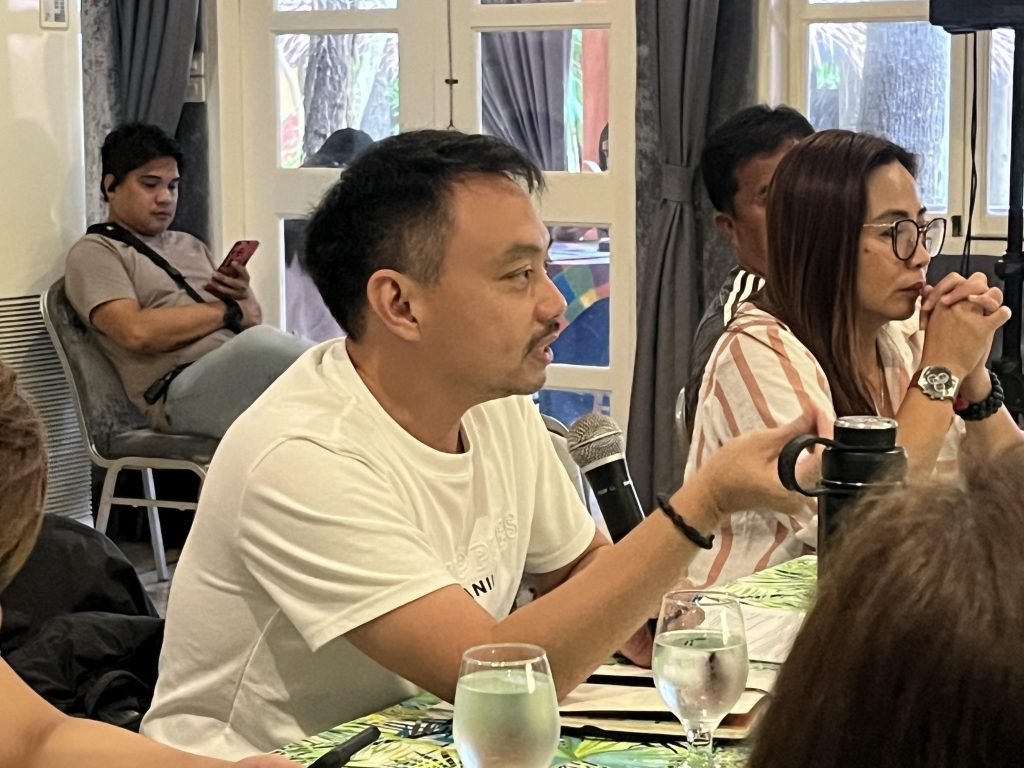
“The Philippine Zero Waste Cities Network aims to foster a supportive community, share stories, and advocate for sustainable solutions. With emphasis on good governance, we can ensure that the rights of our communities are protected and that our environment is preserved for future generations,” said Hon. Mei-Ling Quezon, Vice Governor of Siquijor and elected chair of ZWCN-Ph.

The launch of the Philippine network comes at a critical juncture as the country generates at least 61,000 metric tonnes of waste daily, with only a fraction of it being properly disposed of. In response to this, waste-to-energy (WtE) solutions are being proposed, despite the standing incineration ban in the country and the health risks and social and economic costs associated with these problematic technologies. 

Success stories from the very communities of these leaders show that strict implementation of the country’s Ecological Solid Waste Management law and the banning of single-use plastic can drastically reduce the country’s waste problems. Places like the islands of Siquijor and Apo, and the City of San Fernando, Pampanga, among others, demonstrate the transformative power of Zero Waste strategies. Siquijor, the Philippines’ first Zero Waste province, has implemented innovative measures such as banning small plastic bottles and creating a glass bottle-refill system, serving as a model for other regions. Meanwhile, San Fernando has achieved a 90% diversion rate, saving valuable resources from landfills.

Building on these successes, the newly formalized ZWCN-Ph has adopted  Environmental Justice principles as guiding values to reflect the network’s commitment to sustainable practices and upholding people’s rights. Zero Waste principles prioritize efficient waste management, ensuring resources are reintegrated into productive cycles rather than squandered through landfilling or incineration, offering long-term environmental and economic benefits.

At their inaugural Board meeting, the network made pivotal decisions, including urging the Philippines Climate Change Commission (CCC) to integrate Zero Waste into the National Climate Action Plan (NCAP) and Nationally Determined Contributions (NDC), support for the Magna Carta for Waste Workers, the institutionalization of the environment and natural resources offices (ENROs) in every local government, and calling for collaboration to develop training programs for local governments to integrate zero waste strategies into their local Climate Action Plans (CAP).

Vice Mayor Benedict Jasper Lagman, San Fernando, Pampanga

The network’s President and Vice Mayor of San Fernando, Pampanga, Hon. Benedict Jasper Lagman invites cities and local governments to join the initiative. “Together, we will work to enhance national policies for practical, equitable implementation and advocate for statutory funding to ensure all regions are on equal footing. We will share best practices and experiences to tackle environmental issues collectively, empowering communities to overcome challenges,” he said.

Founding members of the network see its formalization as an important step to empowering local communities and strengthening institutional support for a Zero Waste agenda, marking a significant stride toward a sustainable and inclusive future for Philippine cities. 

Sonia Mendoza, Chair of Mother Earth Foundation congratulates the pioneers. “Leaders from Zero Waste model communities across the country are coming together to emphasize that beyond waste management – they are building a movement. The collective effort of cities and champions gives us hope. Through their example and experience, we can mitigate the climate crisis, reduce methane emissions, and empower Philippine cities and municipalities to address environmental challenges. Embracing Zero Waste principles contributes to global sustainability goals, paving the way for resilient and thriving communities nationwide,” she said.

By Green Knowledge Foundation – Nigeria.

In the heart of Pessu Market, a transformative initiative is underway, led by the Green Knowledge Foundation in Nigeria. The “Zero Waste Market and Anti-Incineration Campaign” aims to address the pressing issues of waste management and environmental pollution, promoting sustainable practices and raising awareness about the hazards of incineration in Nigeria. This project is not just about cleaning up; it’s about creating a sustainable future for the community and beyond.

For over 30 years, the slaughterhouse at Pessu Market has been a significant contributor to waste generation and environmental pollution. The excessive use of wood for slaughtering processes, improper waste disposal, and the detrimental effects of the resulting smoke on workers’ health, as well as the health of the surrounding community, have necessitated urgent action. The absence of an alternative source for heating water has exacerbated the reliance on fuelwood, making the need for a comprehensive solution even more critical.

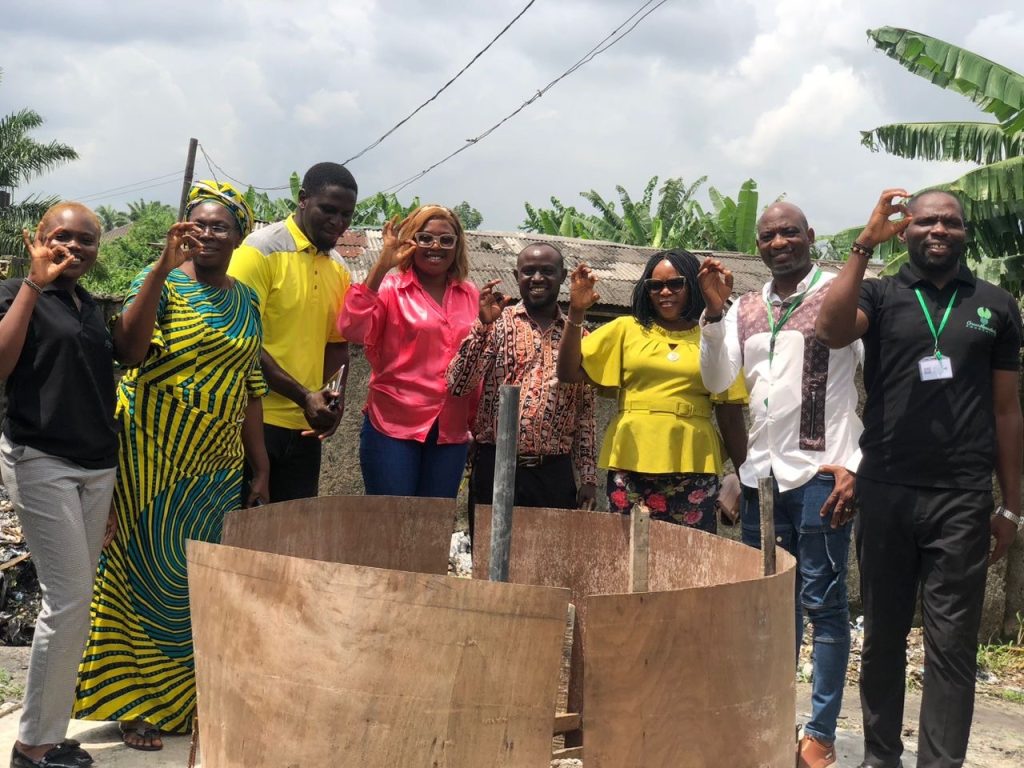
In response to these challenges, the project adopts a holistic approach to tackling waste management and energy needs while promoting the concept of zero waste. The Green Knowledge Foundation has been working diligently to engage market associations and community leaders, ensuring the long-term sustainability of these initiatives. The buy-in and endorsement by the local government authority have been pivotal, providing free land for the construction of a biodigester. Additionally, the enthusiastic support from market executives has been instrumental in driving the project forward, ensuring smooth execution and sustainability.

The project has already seen significant progress. The initiation phase, which included a project inception meeting with stakeholders and a site assessment at the Pessu Market slaughterhouse, has been completed. Stakeholders have been identified and engaged, setting the stage for the next phases. The design and construction phase is well underway, with the biodigester system and solar-powered system designs completed. Procurement of materials and equipment is ongoing, and the construction and installation of the biodigester and solar-powered system are in progress.

Parallel to the construction efforts, the waste management education phase is also moving forward. Educational materials have been developed, and organizations and NGOs for training of trainers have been identified. The training session has been completed, and the training and sensitization of market users are set to commence next week.

Despite the progress, the project has faced challenges. Scheduling meetings with stakeholders and trainers required the input and agreement of market executives, causing some delays. Additionally, waiting for independent engineers to confirm work done at each milestone delayed the continuation of construction. The lesson learned here is to carry out independent measurements alongside the construction process rather than waiting for deliverables or milestones.

Currently, the project is in the waste management education phase, focusing on training market users and preparing for the anti-incineration campaign while the construction of the biodigester and solar-powered heating system continues. The next steps include completing the construction and installation of the systems, finishing the training of market users, launching the anti-incineration campaign, and continuing to monitor progress and evaluate impact.

The project is progressing steadily, with key activities either completed or ongoing. The next phase will focus on training market users and launching the anti-incineration campaign, marking a significant step towards a sustainable and waste-free future for Pessu Market.

By Association for Education and Environment in the Great Front (AEEFG) – GAIA Member, Tunisia.

In the picturesque municipality of Takelsa, nestled in the rural region of northern Tunisia, a transformative initiative is underway. The Takelsa Zero Waste project, spearheaded by the Association for Education and Environment in the Great Front (AEEFG), aims to revolutionize waste management through innovative technologies and community awareness efforts. This project seeks to address the pressing waste management issues that have long plagued the area, where inadequate collection infrastructure has led to waste accumulation in streets and public spaces.

For over two years, AEEFG has been actively working to improve the environmental landscape of Takelsa. The project initially focused on encouraging women in agriculture to adopt sustainable practices, such as replacing plastic packaging with certified natural materials. Building on this success, the Takelsa Zero Waste project now aims to enhance waste management using Geographic Information System (GIS) and remote sensing technologies. The specific objectives include establishing a GIS system for waste data collection, improving waste collection planning and management, and creating a model area for waste selection and collection.

The project’s strategy began with a thorough assessment of the municipality’s waste management practices. This initial phase provided crucial insights into the areas requiring immediate attention and laid the foundation for subsequent actions. Collaborative meetings with municipal authorities followed, fostering a spirit of cooperation and shared understanding of the project objectives. These sessions were instrumental in co-creating strategies for the effective integration of the project’s application functionalities.

Armed with insights from these collaborative efforts, the project team embarked on extensive field studies to validate their findings and gather additional data. These on-ground investigations were crucial in refining the approach and ensuring that the solutions were tailored to the specific needs of the community. With a comprehensive understanding of the challenges and requirements, the team proceeded to develop the Takelsa Zero Waste application. This user-friendly platform empowers both citizens and administrators to actively participate in waste management efforts.

As the application development phase nears completion, the final step involves validation by municipal authorities and relevant stakeholders. This process will ensure that the application meets the desired standards of functionality and usability before its full-scale implementation. The project has already seen significant progress, with a series of meetings and field visits conducted in close collaboration with municipal authorities. These gatherings have served as crucial forums to discuss project progress, encountered challenges, and necessary measures to ensure the ongoing success of the initiative.

Looking ahead, the next steps for the Takelsa Zero Waste project include the final validation of the application, training sessions for citizens and municipal members, and a community awareness campaign. These efforts aim to inform Takelsa citizens about the existence of the application and encourage its usage. Additionally, a waste sorting model will be developed in collaboration with waste management experts, defining the best practices to be implemented in the community.

The Takelsa Zero Waste project is not just about achieving a 100% waste collection rate; it is about fostering a culture of sustainability and community engagement. By leveraging innovative technologies and empowering local citizens, the project aims to create a cleaner, more sustainable future for Takelsa.

By End Plastic Pollution – GAIA Member, Uganda.

In the heart of Masuulita Town, Wakiso District, a transformative initiative is taking shape. End Plastic Pollution – Uganda, in collaboration with the Global Alliance for Incinerator Alternatives and Break Free From Plastic, has embarked on an ambitious journey to construct a Material Recovery Facility (MRF) at Kollekt Village. This facility is not just a building; it is a beacon of hope and a model for zero waste implementation in local communities of Uganda.

Our focus on the Waste Sector?
The waste sector presents a golden opportunity for countries like Uganda to make significant strides in environmental protection, emission reduction, and climate resilience. Poor waste management has long plagued local communities, leading to environmental degradation and health hazards. However, with a zero-waste approach, these communities are now at the forefront of a revolution that promises not only to mitigate waste but also to foster economic growth and job creation.

The zero-waste policy championed by End Plastic Pollution is comprehensive. It goes beyond merely stopping waste from entering communities; it aims to build and empower these communities, creating sustainable jobs and improving overall quality of life.

The Material Recovery Facility: A Hub of Innovation
The MRF at Kollekt Village is meticulously designed with various sections, each playing a crucial role in waste management and community empowerment:

Plastic Waste Handling Demonstration Space: This area features chambers that separate plastic waste by type and content, serving as an educational tool and a practical solution for waste segregation.

Plastic Waste Recovery Program: This program involves the collection, sorting, and storage of plastic materials, ensuring that waste is managed efficiently and sustainably.

Waste Picker Participation Space: Local waste pickers are integral to the zero-waste model. This space is dedicated to their training, sensitization, and organization, empowering them to be active participants in the waste management process.

Organic Waste Management: Equipped with composting chambers, this section focuses on turning organic waste into valuable compost, promoting sustainable agricultural practices.

The facility also supports various onsite projects, including Black Soldier Flies farming, gardening, and vertical farming demonstrations. These initiatives provide smallholder farmers with the knowledge and tools to practice organic farming and create organic fertilizers.

End Plastic Pollution staff at the new Material Recovery Facility in Masuulita.

Beyond Waste Management
The Kollekt Village is more than just a waste management facility. It is a community hub featuring:

Community Gathering and Training Center: A space for meetings, training sessions, and community gatherings, fostering a sense of unity and shared purpose.

Reuse and Refill Shop: This shop offers a platform for locals, especially youth and women groups, to showcase their materials, promoting a culture of reuse and sustainability.
Library and Learning Center: Stocked with educational materials, research works, and resources on environmental issues and zero waste, this center is a treasure trove of knowledge for the community.

Through the Project Kollekt initiative, End Plastic Pollution – Uganda is not just managing waste; it is building a sustainable future, one community at a time. The MRF at Kollekt Village stands as a testament to what can be achieved when communities come together with a shared vision for a cleaner, greener world.