Zero waste

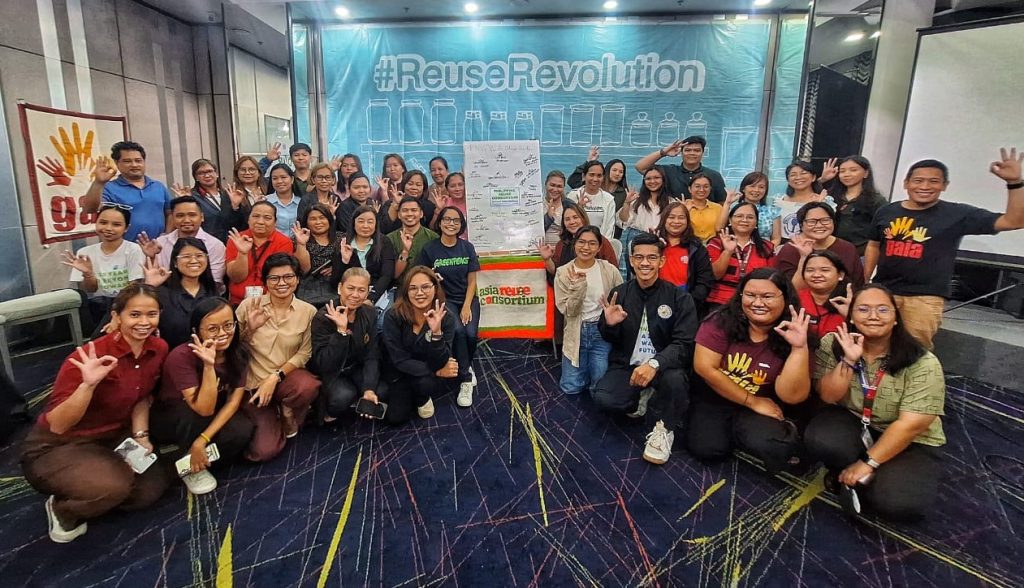
group of people in front of a banner that says "Reuse Revolution"
The Philippine Reuse Consortium. (Photo by Albert Lozada, Greenpeace Philippines)

Quezon City, 27 January 2025 – In celebration of International Zero Waste Month, the Philippine Reuse Consortium, the Philippine Chapter of the Asia Reuse Consortium, was officially launched this month. This marks a significant step forward in the fight against single-use plastics (SUPs) through innovative reuse solutions. The Consortium unites representatives from civil society organizations (CSOs), government agencies, and businesses in a shared mission to develop sustainable, community-driven solutions to plastic pollution.  

The launch culminates the three-day workshop and stakeholder consultations on mainstreaming reuse and refill solutions in the country. The event which was organized by Greenpeace Philippines and the Mother Earth Foundation, with the support of  Plasticdiet Indonesia, GAIA Asia Pacific, and the Break Free From Plastic movement,   highlights scalable local initiatives, including zero waste sari-sari stores  (small-scale convenience stores)  carinderias  (neighborhood eateries), and local reuse-and-refill stores such as Back-to-Basics and Sabon Express. These case studies offer valuable insights into adapting reuse systems to the Philippine context.  

The consortium’s launch paves the way for developing a Philippine reuse roadmap, inspired by other examples in the country such as those initiated by Back-to-Basics and Sabon Express. Such a roadmap could chart a path on transitioning away from SUPs and towards scaling reuse and refill models designed to extend product life cycles, significantly reducing the environmental and social harms caused by SUPs. Research shows that reuse systems have the potential to cut plastic pollution by 30% and lower greenhouse gas emissions from packaging production by up to 80% by 2040.  

As part of its efforts, the Consortium emphasizes collaboration among policymakers, businesses, and communities to institutionalize reuse systems and drive lasting environmental and economic benefits. By fostering partnerships and advancing reuse innovations, the PRC and the Asia Reuse Consortium are paving the way for a sustainable transformation in the Asia Pacific region.  

The Consortium unveiled a five-year roadmap to mainstream and prioritize reuse, anchored on 10 key action points:  

  1. Advocating for progressive laws and policies. Prioritize lobbying efforts to establish and strengthen laws that support reuse systems with clear and measurable targets. 
  2. Strategic communications and public engagement. Amplify messages through media partnerships and public campaigns by disseminating PSAs and Information, Education, and Communication (IEC) materials.
  3. Championing Role Models to Develop Champions. Identify and spotlight the work of individuals, communities, and organizations that successfully implement reuse systems.
  4. Build Capacities of Stakeholders. Develop and offer training and resources to stakeholders, including government units, grassroots organizations, and businesses to implement effective reuse systems. The focus will be given to capacitating/empowering waste workers through education and skill-building opportunities
  5. Promoting a Just Transition for Waste Workers and Waste Pickers. Advocate and implement frameworks that ensure waste workers are not left behind in the shift toward reuse systems.
  6. Scaling Reuse Models. Expand and replicate reuse models, and encourage businesses to integrate reuse systems into their operations.
  7. Expand and Strengthen Networks. Reach out and build partnerships with other sectors to foster a robust, multi-sectoral network.
  8. Drive Innovation through Research and Development. Invest in research and development to develop reuse systems. 
  9. Secure Financial Support and Investments. Advocate for financial mechanisms to support local initiatives and ensure resources are available for scaling reuse systems.
  10. Establish Standards and Guidelines. Develop clear guidelines for reuse systems to ensure safety and environmental integrity.

These action points address critical gaps in policies and mechanisms supporting local initiatives, ensure the inclusion of waste workers, and push big businesses to integrate reuse systems into their operations.  

Quotes from consortium convenors:  

“A reuse-based economy in which every Filipino has access to reuse systems and affordable alternatives to single-use plastics is possible. Communities and cities are leading the shift to reuse, but we also need businesses and the national government to act to mainstream reuse and refill solutions. Businesses must transition to reuse, while policymakers must enact a law setting targets and driving a shift to reuse and a fair regulatory framework for these systems. With the launch of the Philippine Reuse Consortium, we hope to make reuse the norm again for all socioeconomic sectors.” – Marian Ledesma, Zero Waste Campaigner, Greenpeace Philippines

“The reintroduction and mainstreaming of Zero Waste businesses, such as sari-sari stores and carinderias, have shown potential in driving a sociocultural shift toward reuse. However, achieving systemic change requires strong support through enabling policies and technologies. Engaging more sectors—such as key government agencies, waste workers and pickers, fast-moving consumer goods (FMCGs), and NGOs—will be crucial in advancing reuse practices and systems in the Philippines.” – Rap Villavicencio, Deputy Director for Programs, Mother Earth Foundation

“Local initiatives and small businesses in the Philippines—from carinderia, to sari-sari stores and reuse-and-refill zero waste stores— have shown that reuse and refill practices are still very much alive in our communities and with the right and adequate support, it is possible to scale these reuse and refill solutions not only to end plastic pollution but also to address climate concerns. It is high time that different sectors come together to play a part in creating enabling environments for these solutions and zero waste systems to thrive and become the norm again. Sound policies, standards, investments, and corporate accountability could pave the way for a complete shift from single-use throw-away plastics to a reuse economy that benefits all sectors.” – Faye Ferrer, Network Organizer, Break Free From Plastic

“Frontline communities and waste workers are crucial to building effective reuse systems. The Philippine Reuse Consortium’s 10-point action plan integrates training and fair compensation for these groups, while also drawing from local reuse models that are already working. By leveraging these existing solutions, we can reduce plastic waste and scale up sustainable practices.” – Froilan Grate, Regional Coordinator, GAIA Asia Pacific

“Malaking tulong ang reuse saming mga waste workers, mababawasan ang mga kalat na walang pakinabang saming mga waste workers tulad ng single use plastics at mga sachets. Sa pagsali sa PRC, madami kaming matututunan at maitutulong. Kami ang mag sisilbing modelo sa mga komunidad sa pamamagitan ng IEC at paghikayat sa kanila sa Reuse system. Makakatulong din kami sa pag aaral dahil kami din ang unang makakakita at maapektuhan kapag nabawasan na ang mga plastic.” (“Reuse is a great help for us waste workers, as it reduces useless trash like single-use plastics and sachets. By joining the PRC, we will gain knowledge and be able to contribute more. We will serve as models in our communities through information and education campaigns (IEC) and encourage them to adopt reuse systems. We can also contribute to research, as we are the first to see and be affected by the reduction in plastic waste.”) Aloja Santos, President, Philippine National Waste Workers Association

“Back to Basics Ecostore is honored to be a member of the newly-formed Philippine Reuse Consortium. We look forward to contributing to the development of the Philippine Reuse Roadmap.  The collective actions of diverse stakeholders bring hope that we can make real and attainable solutions readily accessible to the public to help address the plastic pollution problem at its core.” – Laarni Cancio, Owner, Back-to-Basics (BTB) Ecostore

“It was amazing to see the different reuse and refill solutions that are already existing and working in the Philippines. It helped me think of ways to apply it in our own barangay. Especially if you are a sari-sari store/carinderia owner, REUSE IS POSSIBLE. Government officials can make this happen if we support the transition of these businesses while creating and implementing policies that would ban single-use plastics.” – Khate Nolasco, Barangay Kagawad Potrero, Philippine Zero Waste Cities Network

  • Photos available here
  • About the Asia Reuse Consortium— Launched in 2024, the Asia Reuse Consortium (ARC) is composed of civil society organizations, businesses, and local governments from Indonesia, the  Philippines, Vietnam, Thailand, and India whose aim is to encourage the development of reuse ecosystems as a solution to tackle plastic pollution in Asia. The consortium aims to promote reuse systems through joint development of reuse standards, capacity building for reuse entrepreneurs, and strengthening countries’ stance on reuse systems in the Global Plastic Treaty. Asia Reuse Consortium was initiated by Plastic Diet Indonesia, GAIA Asia Pacific, and Break Free From Plastic, with the support of PR3-The Global Alliance To Advance Reuse.

Media Contacts:

Greenpeace Philippines: James Relativo, Communications Campaigner, james.relativo@greenpeace.org | +639190693424

Mother Earth Foundation: Krishna Nañola, Communications Officer, khrisnan.mef@gmail.com | +639953114273

Break Free From Plastic: Eah Antonio, Communications Officer, eah@breakfreefromplastic.org | +639278277960

GAIA Asia Pacific: Dan Abril, Communications Officer for Programs, dan@no-burn.org | +639174194426

Bengaluru Declaration Unites Leaders and Communities for Innovative Organic Waste Management Strategies

Over a hundred people posing with a banner

Bangalore, India08 October 2024 – At the First Congress on Organics and Climate, an ambitious vision for the future of climate action and waste management took root, culminating in the unanimous adoption of the Bengaluru Declaration on Organics and Climate. This gathering highlighted the multitude of solutions to managing organic waste that exist in Asia. 

With over 200 participants attending in person and more than 1,400 joining online, the Congress featured representatives from 13 countries representing 70 organizations. This included 98 participants from Bengaluru, 75 delegates from the rest of India, and 45 delegates from Africa and across Asia (other than India.), The group included government officials, civil society organizations, waste picker organizations, farmers, academia, think tanks, research institutions, businesses, and media. More than 20 businesses showcased innovative and practical solutions in organics management, highlighting the latest advancements in the field.

As conversations unfolded, it was emphasized that for countries to meet their sustainable development goals (SDGs) and transition to a sustainable future, the safety, well-being, and justice for waste pickers is a key lens through which waste management must be viewed. “We are the backbone of waste management in our cities. Our voices must be heard in every decision that affects our lives and livelihoods,” asserted Indumathi, a waste picker representing grassroots perspectives. “When we work together with governments and organizations, we can create real change.”

The diversity of proven organic waste management practices was seen at the Congress with the city of San Fernando (Philippines) sharing their effective implementation of source segregation and collection, decentralized composting complemented with a central composting facility, and sorting of recyclables has resulted in a reduction of waste sent to the landfill by 90%. At a more local scale, the Solid Waste Management Round Table (SWMRT) in Bengaluru shared their use of a variety of small composting methods (home, lane, microshed composting) based on the local context of space, socio-economics, etc. These contrasting models underscore the importance of tailoring strategies to local contexts and integrating diverse community experiences to address the global challenge of waste management effectively. Nalini Shekar, Co-Founder of Hasiru Dala, remarked, “Empowering local communities and weaving their knowledge into waste management practices isn’t just smart; it’s essential for sustainable development. Only by collaborating can we build systems that genuinely serve everyone.”

Uma Mahadevan, Additional Chief Secretary and Development Commissioner, Government of Karnataka, spoke about the state government’s efforts to upskill rural women to handle trucks, making them the face of effective waste management in their villages. She pointed out, “When women are empowered to manage waste, we not only contribute to climate solutions but also uplift our communities and families.”

These local initiatives align with broader global challenges, such as the staggering 931 million tonnes of food wasted each year, contributing nearly 10% of global greenhouse gas emissions. The Organics Congress highlighted efforts across Asia to address this critical issue. Panelists spoke of the efforts in countries like Indonesia and Vietnam to divert excess food to feed those in need through community-led food banks while putting in place protocols for food safety and hygiene. The second benefit of diverting edible food is the reduction in the quantity of organic waste produced and therefore ensuring resources invested in food production are not wasted.  Shibu Nair, Global Alliance for Incinerator Alternatives (GAIA) Asia Pacific’s Regional Campaigner on Organics, stated, “Addressing food loss and waste is integral to combating climate change. By promoting composting and organic waste recycling, we can turn a problem into a resource that benefits our communities and the environment.”

Froilan Grate, Regional Director of GAIA Asia Pacific, underscored the urgency of tackling methane emissions, stating, “20% of methane, which is more potent than CO2, comes from landfills. And this can be addressed by making sure we divert organic wastes out of landfills – and we have the tools and examples to show that this is doable.” He emphasized that Asia is the home of solutions, showcasing successful examples of organic waste management from cities like Seoul, South Korea and Bandung, Indonesia as evidence of effective, zero waste strategies. The Organics Congress exemplifies this potential, demonstrating that while solutions exist, we need to cross-learn and scale up these initiatives across the region.

Galih Raditya, founder of 1000 Kebun (Garden Group) from Indonesia echoed the dangers of unchecked waste management, recalling a tragedy that highlighted the stakes: “In 2005, the Sarimukti landfill disaster killed 157 people due to a methane explosion. It showed us the dangers of unchecked waste management.”  This harrowing example illustrates why responsible waste management must be a priority for all nations.

A pivotal moment arrived with the reading of the Bengaluru Declaration on Organics and Climate, where participants united in their resolve to combat climate change through innovative waste management strategies. The declaration calls for immediate action to reduce greenhouse gas emissions linked to organic waste, firmly rejecting waste incineration as a viable solution. “Effective climate action will not only reduce greenhouse gas emissions but also improve the fundamental ways in which society functions,” it states, framing the fight against climate change as a complex challenge intertwined with social, economic, and political factors.

Manoj CN, Director of the Pelican Foundation and a member of the India Zero Waste Alliance, added, “The path to sustainable waste management lies in collaboration and innovation. By uniting our efforts, we can unlock the potential of organic waste as a valuable resource, transforming challenges into opportunities for our communities.”

As the Organics Congress wraps up, the Bengaluru Declaration stands as a guiding light for future climate action initiatives, reinforcing the plethora of solutions across Asia and communities’ commitments to environmental sustainability and social equity. This gathering marks the first of its kind, with plans already underway to host the next organics congress in Indonesia with Aliansi Zero Waste Indonesia taking the lead. The Organics Congress will continue to build momentum for effective organic waste management and climate solutions across the region.

In a world increasingly grappling with environmental crises, the leaders and advocates present are now tasked with translating the spirit of this declaration into meaningful actions, ensuring their collective efforts foster positive change for communities and ecosystems alike.

###

The Regional Congress on Organics and Climate in Bengaluru, India was hosted by Hasiru Dala and the India Zero Waste Alliance with support from GAIA Asia Pacific, powered by the HLL Management Academy (HMA) and the Urban Movement Innovation (UMI) Fund.

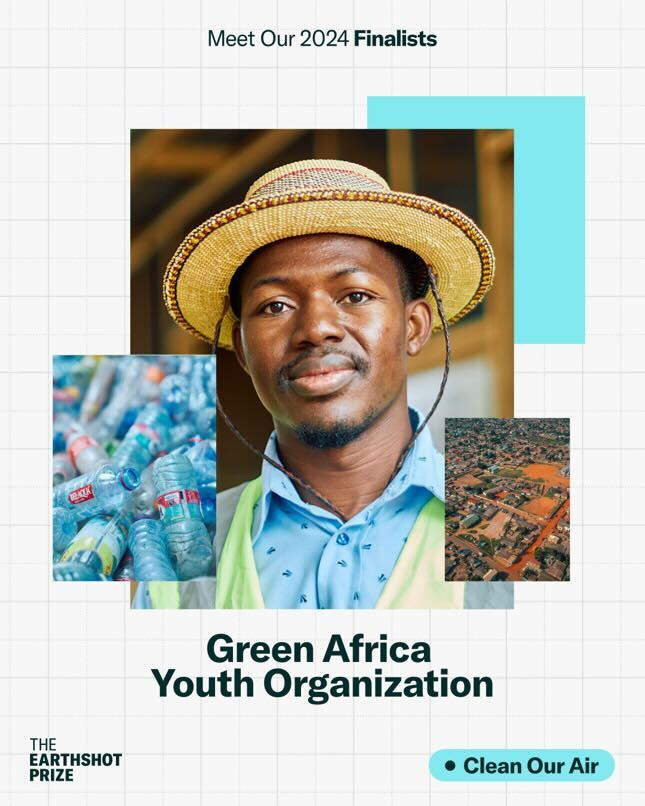
In a groundbreaking achievement, the Green Africa Youth Organization (GAYO) has been nominated as a finalist for the prestigious Earthshot Prize, marking the first time a youth group has reached this stage. Founded in 2014, GAYO is a youth-led nonprofit based in Accra, Ghana, dedicated to empowering young Africans to spearhead climate action and environmental conservation. Their innovative Zero Waste Model has earned them a spot in the Clean Our Air category, highlighting their commitment to improving air quality and addressing climate challenges in vulnerable communities across Africa.

Desmond Alugnoa, Co-Founder of GAYO, expressed the organization’s honor in being recognized among global changemakers, emphasizing the importance of youth-driven initiatives in creating a healthier, cleaner future. The Zero Waste Model, which has already created over 250 green jobs in Accra since 2022, aims to revolutionize waste management by promoting waste collection, sorting, recycling, and the production of green goods and services. This model not only addresses the pressing issue of air pollution but also opens up new employment opportunities in the waste management sector.

The Earthshot Prize, established by Prince William and the British Royal Foundation in 2020, seeks to spotlight and scale innovative solutions to the planet’s most pressing environmental challenges. GAYO’s nomination underscores the potential of grassroots efforts to inspire lasting environmental change on a global scale. As the Earthshot Prize Awards Ceremony approaches in Cape Town, South Africa, GAYO stands as a beacon of hope and a testament to the power of youth-led initiatives in safeguarding our planet.

For more information, contact comms@greenafricayouth.org or call +233 54 069 9164.

On September 21, 2024, the vibrant city of Dar es Salaam witnessed an engaging event that brought together communities, schools, and organizations in a unified mission to combat waste and promote environmental conservation for World Cleanup Day 2024. The Let’s Do It Tanzania cleanup event, spearheaded also by our member Nipe Fagio, was a resounding success, showcasing the power of collective action in creating a cleaner and healthier environment.

A Day of Unity and Purpose

The event saw an impressive turnout, with 2,604 dedicated volunteers converging at seven strategically identified sites across Dar es Salaam. Armed with gloves, bags, and an unwavering commitment to the cause, these volunteers embarked on a mission to rid their surroundings of waste and raise awareness about the critical importance of waste management.

Remarkable Achievements

The results of the cleanup were nothing short of remarkable. Volunteers collected a staggering 1,953 bags of waste, amounting to a total weight of 22,366.52 kilograms. This monumental effort not only transformed the cleanliness of the targeted areas but also sent a powerful message about the impact of community-driven initiatives.

Volunteers during World Cleanup Day 2024

Community Spirit in Action

The success of the cleanup event can be attributed to the incredible spirit of collaboration and dedication displayed by all participants. Schools, local businesses, and community groups came together, demonstrating that when people unite for a common cause, significant change is possible. The event also served as an educational platform, enlightening participants and onlookers about the importance of proper waste disposal and environmental stewardship.

Looking Ahead

While the achievements of World Cleanup Day 2024 are commendable, they also highlight the ongoing need for sustained efforts in waste management and environmental conservation. Nipe Fagio remains committed to driving positive change and will continue to organize initiatives that inspire and mobilize communities towards a cleaner, greener future.

Join the Movement

Nipe Fagio extends heartfelt gratitude to all the volunteers, partners, and supporters who made this event possible. The success of World Cleanup Day 2024 is a testament to what can be achieved when we come together with a shared vision. As we look to the future, let us all pledge to maintain the momentum and work towards a Tanzania where waste is managed responsibly, and the environment is cherished and protected.

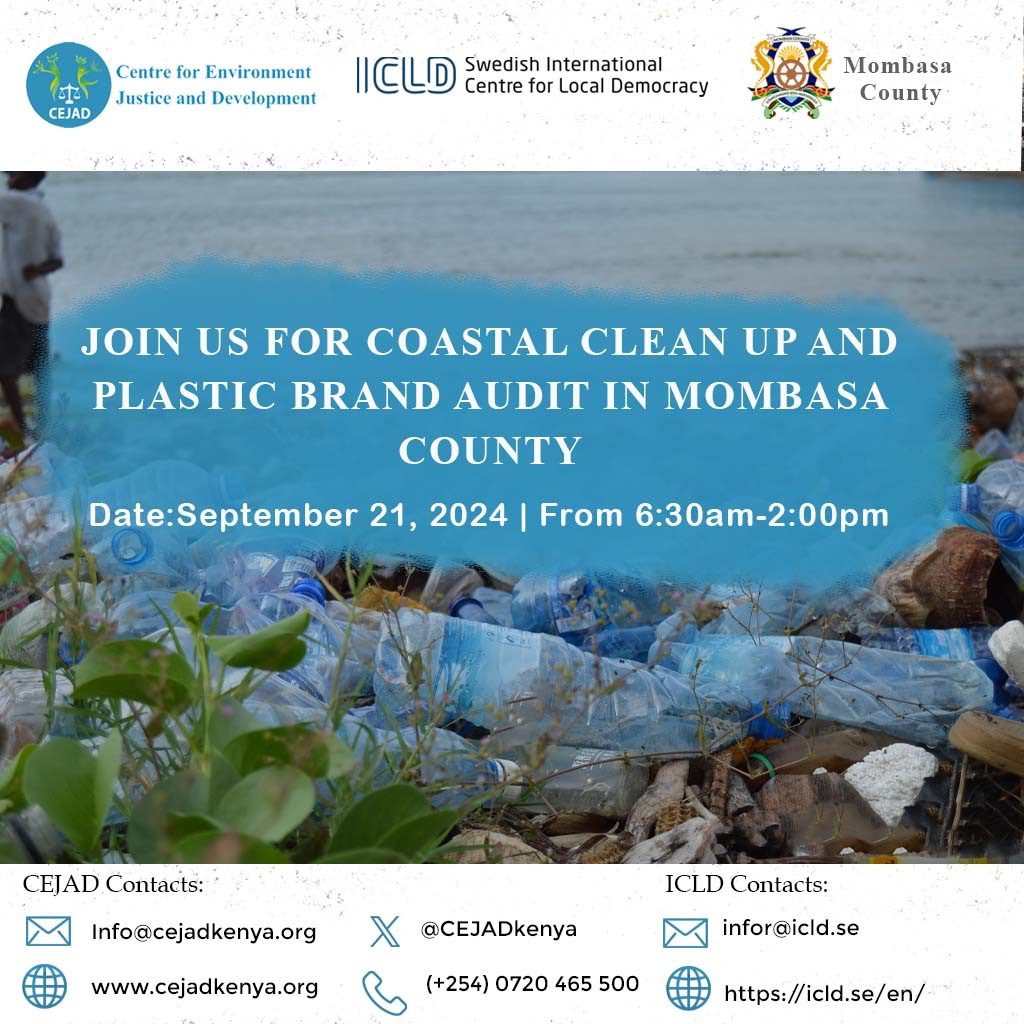
CEJAD and waste pickers to carry out plastic brand audit in Mombasa during World Coastal Cleanup Day

September 20, 2024, is marked as World Coastal Cleanup Day—a global effort aimed at removing trash from aquatic environments to reduce environmental pollution. To commemorate this day, CEJAD has joined hands with numerous organizations as part of the International Coastal Cleanup Committee, Kenya Chapter, to coordinate and collaborate on this initiative.

CEJAD’s involvement in the cleanup effort goes beyond just removing waste. We are partnering with waste worker groups and civil society organizations in Mombasa to conduct a plastic brand audit in Mombasa, Kenya.

The Objective

The primary objective of the brand audit is to identify the companies and brands most responsible for environmental and marine plastic pollution. The data collected from this audit will be used to advocate for better plastic waste management, including pushing for inclusion of waste pickers in Extended Producer Responsibility (EPR) programs and promoting the use of environmentally friendly packaging alternatives.

Prior to the cleanup and brand audit, CEJAD will host a Democracy Lab on September 20, 2024, focusing on the topic of “Privatization of Waste Management in Mombasa County – Opportunities for waste pickers.” This forum will provide waste workers with an opportunity to learn about the county’s waste management plans, the progress made so far, and how the needs of waste pickers can be incorporated into a just transition under these plans.

On International Coastal Cleanup day, participants and volunteers will begin with a beach cleanup, followed by the brand audit. The audit will involve documenting the brands of plastic waste collected using a digitized form adapted from the Break Free From Plastic initiative. CEJAD will then analyze the data and publish a report with key findings and recommendations.

In the meantime, CEJAD and the Advisory Committee are finalizing the Brand Audit Plans. This includes training volunteers on how to use the digitized application for data entry.

#AfricaForZeroWaste

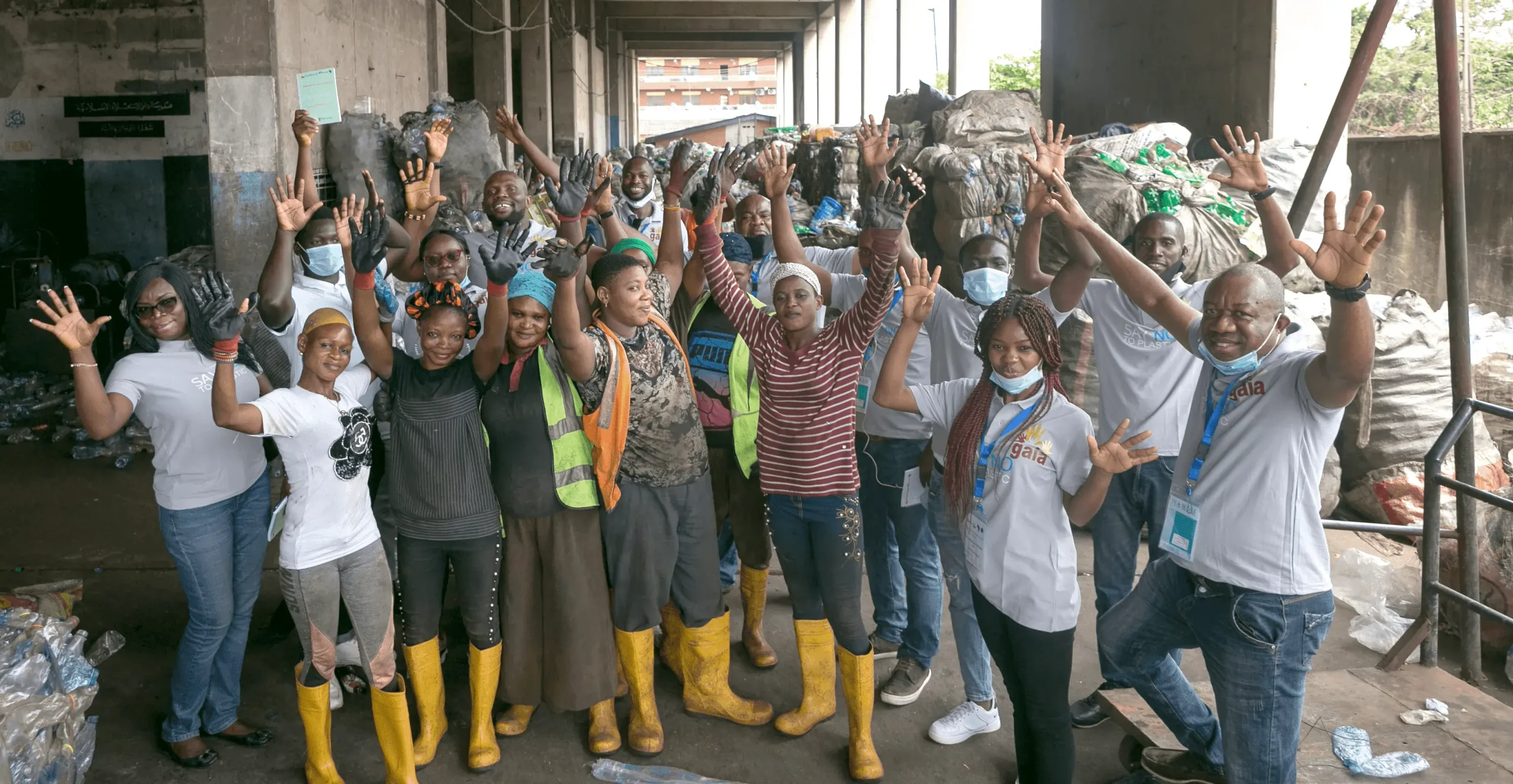
The current challenge of waste management in Lagos State, as well as the nation, is immense, with disposal exceeding available capacity. Zero waste, an end-to-end waste management system from resource generation, production, consumption, and end-of-life management, has raised concerns and confusion among the players. Therefore, the Sustainable Research and Action for Environmental Development (SRADev Nigeria), with the support of the Global Alliance for Incineration Alternatives (GAIA), is implementing a zero waste initiative aimed at steering and strengthening national capacity in plastic waste management in Nigeria.

The project commenced with stakeholder consultations and awareness-raising in pilot schools and estates and officially kicked off with an inception workshop held on September 19, 2024, at MAN House Hall, Ikeja. This event attracted over 70 participants both physically and virtually, including representatives from Lagos State Ministries, Departments and Agencies, Trade Associations, secondary schools, Civil Societies, and the Media.

The Energy campaigner for GAIA, Mr. Weyinmi Okotie, gave a brief on the need for the state to embrace the zero waste concept, which considers the end-to-end management of waste from production at source up to post-consumption and beyond. He alluded to the need for the state to take this initiative owing to its population and leading role in the country and Africa at large. He ended by complimenting the effort of the state government in banning single-use plastic, particularly styrofoams.

The LAWMA delegate, Mr. Essien, the head of Circular Economy, expressed his interest in the outcome of the project as he shared the ongoing efforts of the Authority in managing organic waste. Following extensive quantification of the waste across different specialized markets, he said the state is already engaged in a private-public partnership to manage the organic waste, which is over 43% of the municipalities.

Ama Acheampomaa Asiedu – GAIA Africa Program Associate: Zero Waste & Climate.

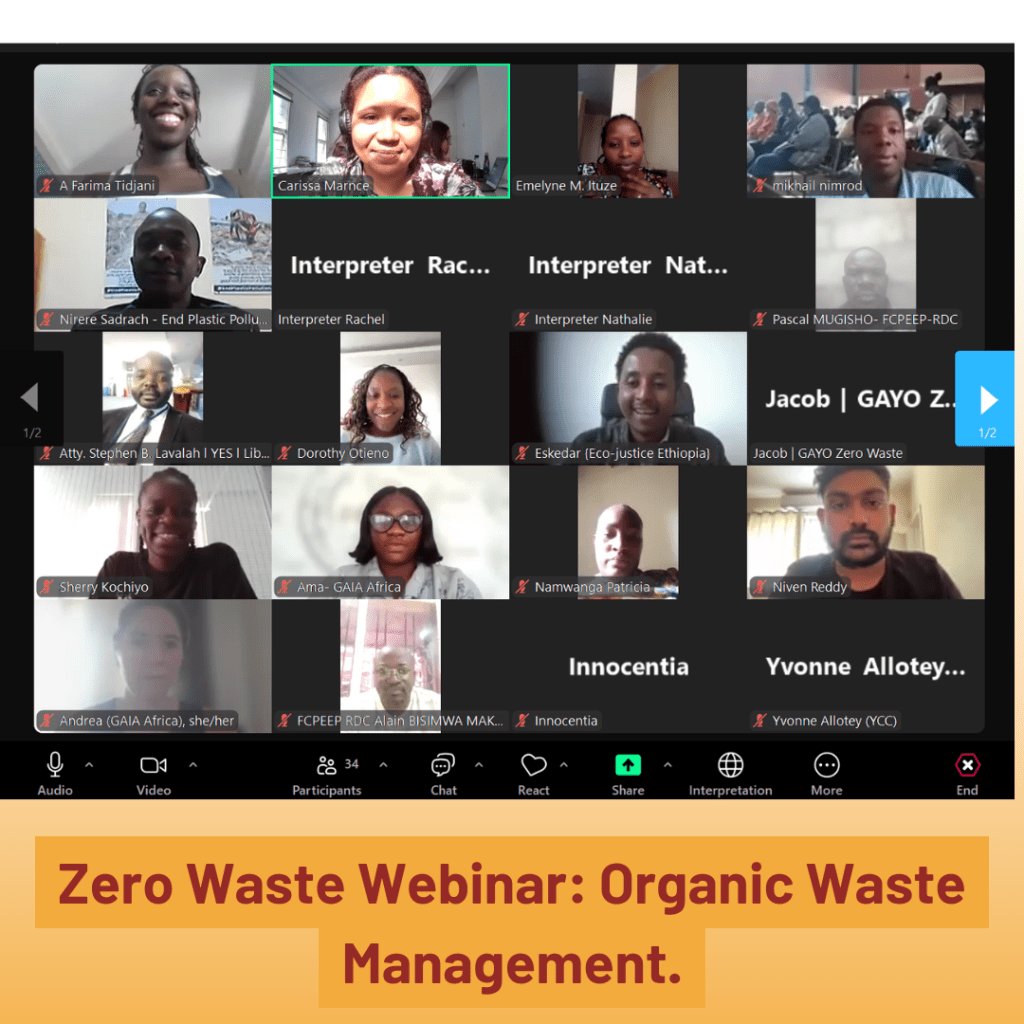
The Green Africa Youth Organization (GAYO), in collaboration with GAIA Africa, recently hosted an insightful webinar titled Zero Waste Cities: Managing Organic Waste and Material Recovery Facility. This event brought together environmental enthusiasts, community leaders, and waste management professionals to discuss the critical aspects of organic waste management and the role of Material Recovery Facilities (MRFs) in promoting sustainable urban living.

One of the key topics discussed was the alarming rate of harm caused by methane emissions. Methane, a potent greenhouse gas, is significantly more effective at trapping heat in the atmosphere than carbon dioxide, making it a major contributor to climate change. The webinar highlighted the importance of managing organic waste effectively to reduce methane emissions, thereby mitigating its harmful environmental impact.

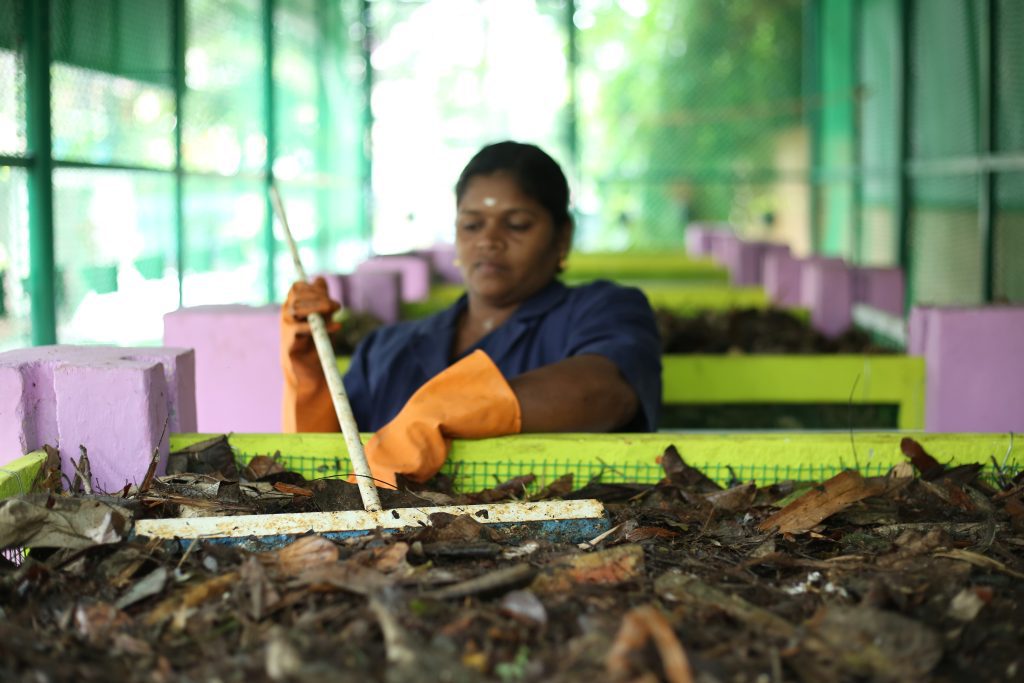
The benefits of composting were another focal point of the discussion. Composting not only helps in reducing methane emissions but also provides significant economic benefits to farmers. By converting organic waste into nutrient-rich compost, farmers can enhance soil fertility and reduce the need for chemical fertilizers, leading to healthier crops and increased yields. The webinar emphasized that all biological materials can be composted, making it a versatile and sustainable waste management solution.

Various types and methods of composting were explored, along with the care and tending required for each. The creation of jobs for community members through composting initiatives was highlighted as a significant socio-economic benefit. Additionally, the Healthy Diets for Healthy Lives (HD4HL) project was discussed, which encourages healthy eating habits and supports local farmers and home gardeners by providing them with compost produced from organic waste.

The purpose of MRFs was also elaborated upon, showcasing their multifaceted role in waste management. MRFs are designed to accommodate various streams of waste, ensuring efficient sorting and recycling processes. The webinar stressed that MRFs are open to all waste workers and operate under a strict no-burn policy, promoting a zero-waste approach.

Overall, the webinar provided valuable insights into the importance of managing organic waste and the role of MRFs in creating sustainable, zero-waste cities. It underscored the environmental, economic, and social benefits of composting and effective waste management practices, inspiring participants to take action towards a more sustainable future.

By Gael Baloucoune

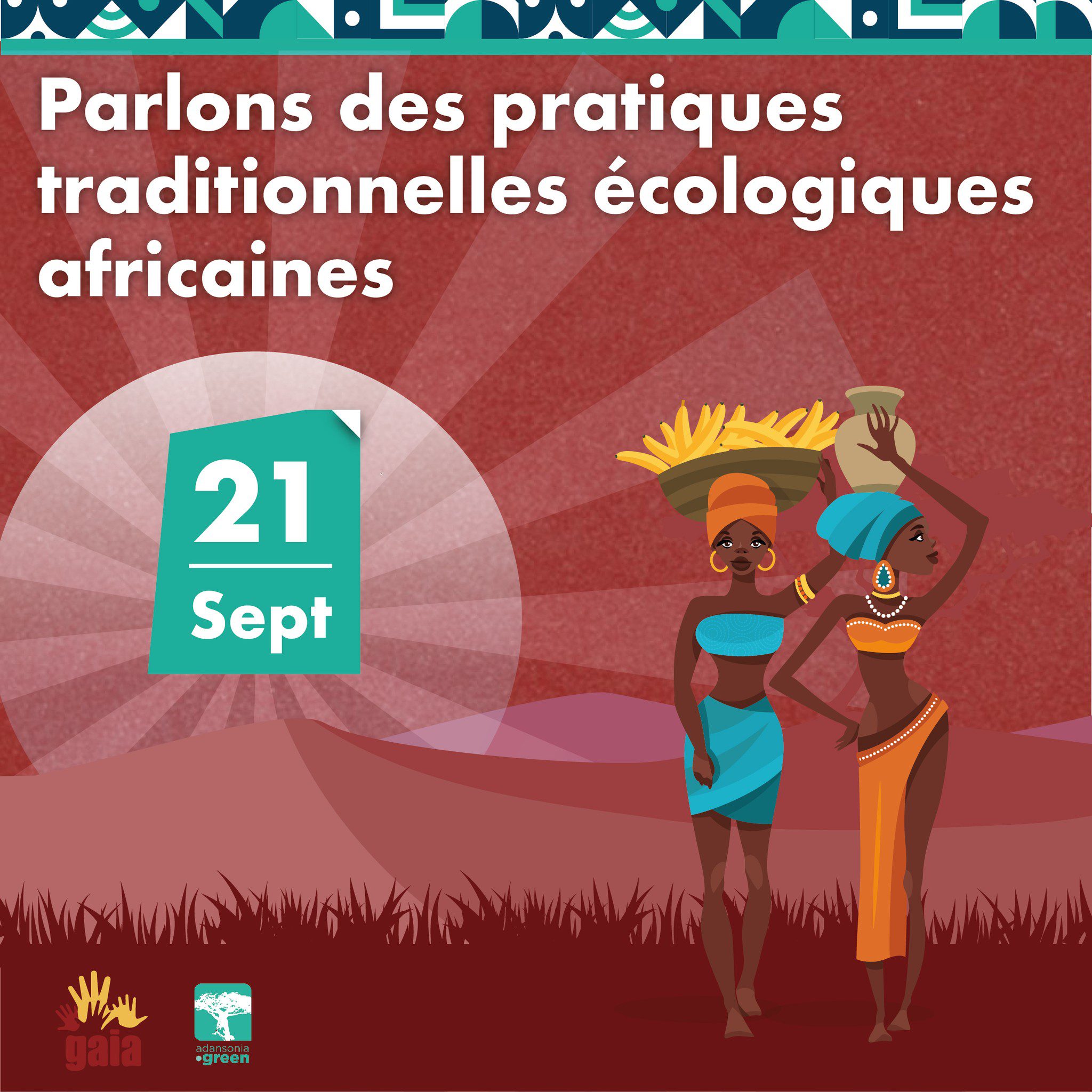
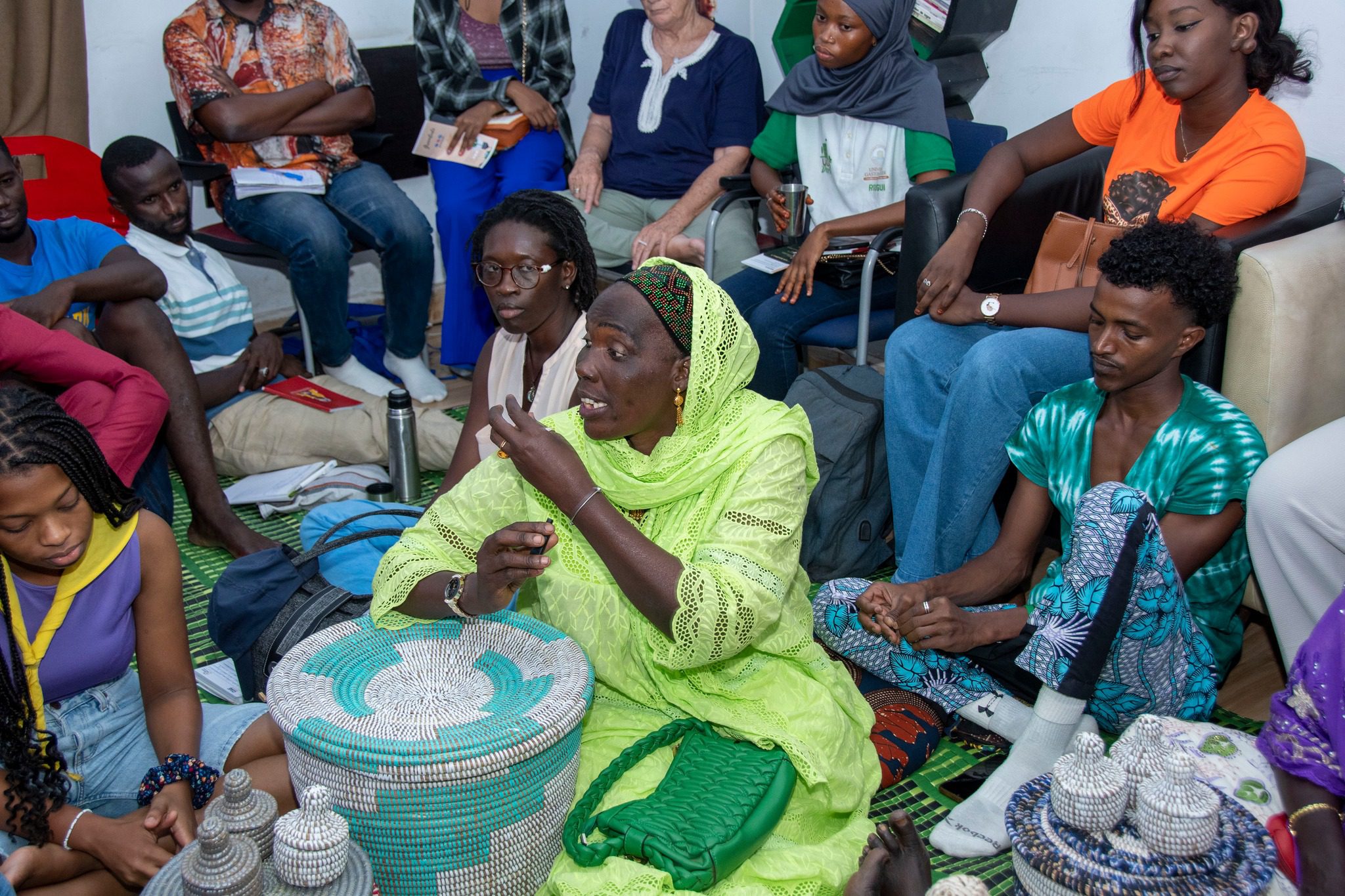
On September 21, 2024, GAIA Africa member adansonia.green in Senegal hosted a significant event dedicated to sustainable resource management for World Clean Up Day at the Afrothéque Library. With an attendance of 40 people, the event was both informative and inspiring. Attendees received one of three specially prepared postcards, each tailored to a specific sector: entrepreneurs, town halls, and the community. These postcards featured excerpts from a publication designed to raise awareness and inspire action towards sustainable practices in each group.

The event was enriched by the presence of several local entrepreneurs who are champions of sustainable development in Senegal. Notable speakers included representatives from Miya Sénégal, known for their returnable bottled water, and La Calabasse de Ndeye Khady, a company that promotes local crafts and supports women artisans. Additionally, the women of Ngaye and Kilamashoes shared their experiences in creating traditional objects from local materials. Their insights and stories undoubtedly inspired the audience.

Entertainment was provided by a talented slammer who delivered an artistic performance centered around the environment and sustainable development. Following the presentations, attendees enjoyed a zero-waste snack featuring local products served in reusable containers. A street vendor collaborated with the event organizers, serving refreshments in reusable cups to promote the concept of reuse. Three copies of the publication were printed, with three given to Afrothéque for its customers and two kept in the organizers’ offices. This event was a fitting celebration of World Clean Up Day, showcasing inspiring initiatives and advancing actions in favor of the environment.

For Inquiries: Gael Baloucoune

Communication Manager

adansonia.green

(221) 77 121 33 67

Written by Kaziro Douglas and Nyakahuma Edward.

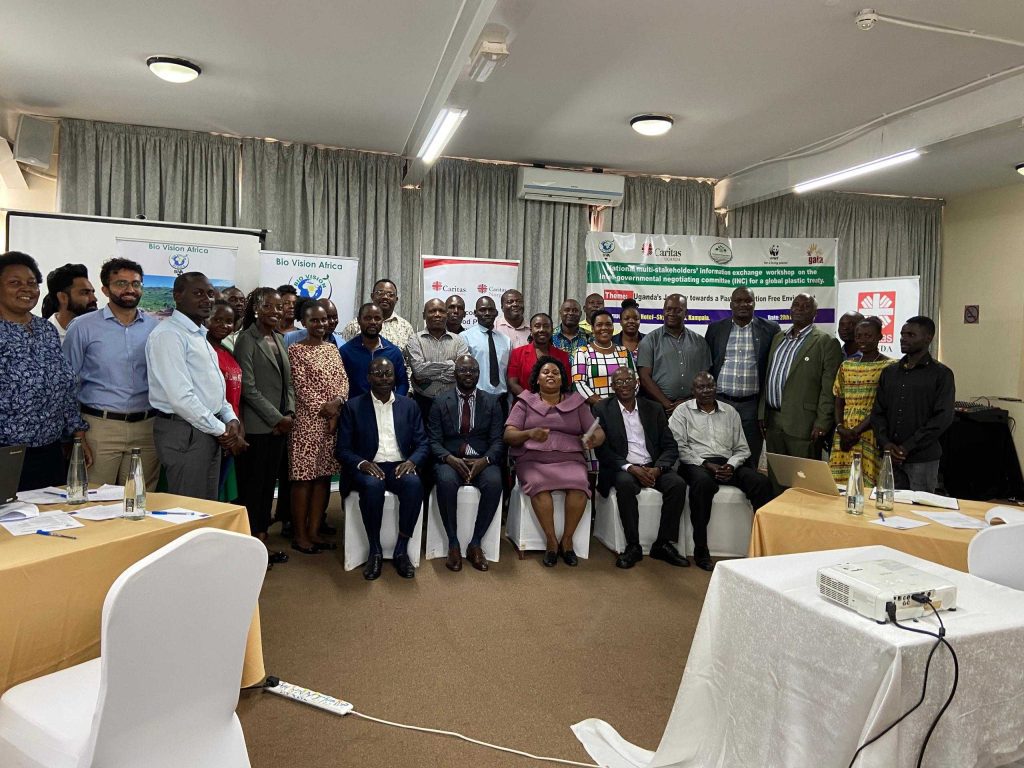
On 20th August 2024, Bio Vision Africa (BiVA), in collaboration with Caritas Uganda, the National Environment
Management Authority (NEMA), and the Global Alliance for Incinerator Alternatives (GAIA), hosted a National Multi-
Stakeholders’ Information Exchange Workshop on the Inter-Governmental Negotiating Committee (INC) on the Global
Plastics treaty. This session aimed at informing stakeholders on the progress made so far on the negotiations for an
internationally binding plastics treaty to address plastic pollution, which is a pressing global issue. The meeting was
held at the Skyz Hotel Naguru in Kampala, and brought together a diverse group of stakeholders, including government
officials, members of parliament, civil society organizations, waste pickers, the media, representatives from the private
sector and cultural institutions.


The workshop focused on providing updates and insights into the ongoing Global Plastics Treaty negotiations, which
seeks to address the entire lifecycle of plastics—from production to disposal. Uganda, through NEMA and various civil
society organizations, has been actively involved in these negotiations, contributing to the global efforts to craft a legally
binding treaty to curb the rising plastic waste crisis. According to NEMA, Uganda generates over 135,804 tons of plastic
waste annually in the Kampala Metropolitan Area alone. Of this, the uncollected waste constitutes 42% of the total
wastes which means that a significant portion of the wastes remain uncollected. Several challenges persist regarding
recycling and proper disposal of plastic wastes.


During the workshop, it was noted that, the country was faced with the challenge of an increasing production and use
of single-use plastics, inadequate legislation which is poorly enforced and the lack of formal recognition for waste
pickers who play a critical role in the waste management sector. The discussions also highlighted the need for greater
public awareness about the dangers of plastic pollution and the importance of engaging all stakeholders throughout
the plastic lifecycle.

As a way forward, the workshop participants identified several key actions:

  • Enhanced Stakeholder Engagement: A comprehensive mapping and continuous engagement of stakeholders across the entire plastic lifecycle is essential. This includes all phases from production, consumption and waste management.
  • Public Awareness and Education: There is an urgent need for sustained public awareness campaigns to educate the general public about the dangers of plastic pollution. Special attention should be given to the risks associated with single-use plastics and the importance of proper waste disposal practices.
  • Recognition of Waste Pickers: Waste pickers, who play an indispensable role in waste management, need to be formally recognized and their roles institutionalized. This would improve their working conditions and contribute to more efficient waste collection and recycling efforts.
  • Stricter Enforcement of Regulations: There is a need for an effective enforcement of existing plastic regulations, including section 76 of the National Environment Act 2019, which bans the manufacture and use of single-use plastic bags with thickness of less than 30 microns.
  • Promotion of Sustainable Alternatives: Building capacity and encouraging a mindset shift towards alternatives to plastic is crucial. This includes promoting research and the development of environmentally friendly innovations to reduce dependency on plastics.
  • Strengthening Public-Private Partnerships: The workshop underscored the importance of embracing public-private partnerships in managing plastic waste. These partnerships can help develop infrastructure and promote sustainable waste management practices.
  • Popularizing the Global Plastics Treaty: Finally, there is a need to popularize the Global Plastics Treaty through various media channels and demonstrate how it aligns with Uganda’s national laws and regulations. This will ensure that the public and relevant stakeholders are informed and engaged in the treaty process.

Implementing these actions, Uganda aims to bolster its efforts in combating plastic pollution and contribute significantly
to shaping the Global Plastics Treaty. This initiative is seen as a critical step in addressing the escalating challenges
of plastic waste, both within Uganda and globally.

ENDS.

Mobilizing Asia-Pacific for Rapid Methane Reduction and Sustainable Waste Management

15 August 2024 — As the climate crisis escalates, the spotlight is on a potent but often overlooked greenhouse gas: methane. With approximately 1.3 billion tonnes of food wasted annually and 2.6 million tonnes of organic waste per day globally,  organic waste contributes to methane emissions. This issue is particularly urgent for Asia and the Pacific, where more than 50% of municipal solid waste is organic, and where proven solutions exist in Asia which need to be scaled up.

Methane is 82.5 times more potent than carbon dioxide over a 20-year period, making it the second largest component of greenhouse gasses and responsible for 30% of global emissions. The Intergovernmental Panel on Climate Change (IPCC) underscores the necessity of reducing greenhouse gas emissions by 45% by 2030 to limit global warming to 1.5°C. Immediate and substantial reductions in methane emissions could achieve a significant impact, reducing expected global warming by nearly 20% by 2045. 

The Global Alliance for Incinerator Alternatives (GAIA) Asia Pacific is leading a campaign to mobilize local governments in the region, aiming for at least 70% recovery of organic waste from municipal waste streams by 2030. The campaign has already secured commitments from 50 local governments, all dedicated to developing the necessary policies, infrastructure, and institutional mechanisms.

Composting and organic waste management are crucial strategies for mitigating methane emissions. The Organic Waste Working Group of the India Zero Waste Alliance highlights the potential of decentralized systems to capture organic waste and achieve significant greenhouse gas savings.

Shibu Nair, GAIA Asia Pacific’s Regional Organics Campaigner, emphasized the urgent need to scale up the many proven solutions existing in Asia, “Asia-Pacific has a unique opportunity to lead in organic waste management as a climate solution. By implementing decentralized management systems, and forward linking it with farming, we not only reduce methane emissions but also create enduring, community-based solutions that benefit both the environment and the economy.”

Recognizing the critical role of waste pickers, the Indian Alliance of Waste Pickers has been working to ensure their integration into waste solutions and systems. Nalini Shekar, co-founder and Executive Director of Hasiru Dala, points out, “For a solution to be truly effective and just, it must be sustainable in every way – ecologically, financially, and socially. Decentralized waste management is a powerful tool that meets all of these requirements. By being cost-effective and acknowledging and supporting the vital work of waste pickers, we can  improve organic waste recovery and significantly cut methane emissions.” 

India’s innovative approaches to organic waste management further illustrate the potential for effective waste strategies. The history of evolution of municipal waste composting in India begins from the Indore composting model in the 1920s to the Bangalore methods of the 1930s and the Coimbatore model in the late 60s, India has led in utilizing organic discards productively. The Nirmal Bharat Abhiyaan and  Swachh Bharat Mission have integrated solid waste management with the total sanitation movement and accelerated  these efforts with policy, standards, guidelines, and financing for scientific solid waste management across the country.

The upcoming Organics Congress, scheduled for September 25-28 in Bengaluru, India, will bring together zero waste practitioners from governments and civil society across the Asia-Pacific region. The event aims to develop a shared strategy and action plan for reducing food waste and enhancing organic waste recovery. Key topics will include the connection between organics, methane, and climate change; policies and legal frameworks; just transition principles; and innovative technologies.

Photo by Engelbert Paculanang © and GAIA Asia Pacific

Additionally, the Organics Congress will feature an exhibition of successful organic waste management models and a trade fair showcasing technology vendors and service providers. A guided study tour of organic waste management models in Bengaluru and Mysuru will also be conducted for city officials and delegates.

Join us in tackling climate change with innovative waste management solutions. Register now to be part of the change at the Organics Congress: REGISTER HERE.

Hosted by Hasiru Dala and in collaboration with GAIA Asia Pacific and the India Zero Waste Alliance. 

###

Media Contacts:

Shahid Afrid, Communications Officer, Hasiru Dala | shahid@hasirudala.in  | +91 63600 23136

Shibu Nair, Regional Organics Campaigner, GAIA Asia Pacific | shibu@no-burn.org  |  

+91 98462 82067 

Dan Abril, Communications Associate, GAIA Asia Pacific | dan@no-burn.org | +63 917 419 4426

Prospective donors may reach out to:  

Anthony Fernandez, Resource Mobilization Officer, GAIA Asia Pacific  | anthony@no-burn.org  | +63 960 431 1608

Edel Garingan, Deputy Director for Organizational Development, GAIA Asia Pacific | edel@no-burn.org

About GAIA:

GAIA is a network of grassroots groups as well as national and regional alliances representing more than 1000 organizations from 92 countries. With our work we aim to catalyze a global shift towards environmental justice by strengthening grassroots social movements that advance solutions to waste and pollution. We envision a just, Zero Waste world built on respect for ecological limits and community rights, where people are free from the burden of toxic pollution, and resources are sustainably conserved, not burned or dumped. www.no-burn.org

About Hasiru Dala:

Hasiru Dala, meaning “Green Force,” is a social impact organization dedicated to improving the lives of waste pickers and other waste workers with dignity and respect. By harnessing community knowledge and leadership, Hasiru Dala drives transformative change through collaborative action research and data-driven strategies. The organization works closely with waste pickers to co-create effective waste management solutions and partners with local, state, national, and global entities to promote  inclusion of waste pickers in solid waste management frameworks. Their efforts have led to significant advancements in the rights and conditions of waste pickers, reflecting their commitment to community-driven progress and systemic change. https://hasirudala.in/

About the Indian Zero Waste Alliance: 

Founded in January 2024, the India Zero Waste Alliance is a collective of over 20 GAIA Asia Pacific member organizations. The Alliance’s mission is to advance zero waste solutions and challenge misleading claims about waste management. The Indian Zero Waste Alliance  is committed to driving meaningful change and fostering an environmentally and socially just future.