








Why Second-Life Batteries Deserve a Strong Policy Framework
By Lien De Brouckere, GAIA Global Batteries Lead
December 9, 2025
With over one hundred million electric vehicle (EV) batteries expected to be nearing retirement by the early 2030s, governments around the world have an urgent window of opportunity to decide: will these batteries become the backbone of a rapid, equitable, just energy transition — or risk becoming part of a next wave of e-waste landing in the Global South?
A new frontier for battery policy: intelligently sequencing second-life before recycling
Second-life policy that can extend a used EV battery’s life by 10 or more years is one of the most promising and least mature frontiers in the global battery landscape. Around the world, EV deployment is accelerating, but the policies governing what happens to those batteries at end-of-life lag behind.
In most regions, when policies go beyond transport electrification, the focus remains narrowly on recycling — a promise to recover metals to feed the next generation of production. While recycling is an important step in material recovery, adopting only this single-track approach risks prematurely shredding batteries that still hold 70–80% of their capacity, discarding not only valuable materials, but also the embedded emissions that went into their manufacture.
What is more, recycling technologies for EV batteries are still maturing; many technical and economic challenges must be overcome to achieve advertised recovery rates at scale, and to minimize air, water and toxicity hazards for the environment, workers and frontline communities.
Supporting second-life use does not mean abandoning recycling targets; it means sequencing them intelligently. Policies should require a “next best use” assessment in line with the zero waste hierarchy: first, consider reuse; then repurposing; and recycling only when no higher-value option remains.
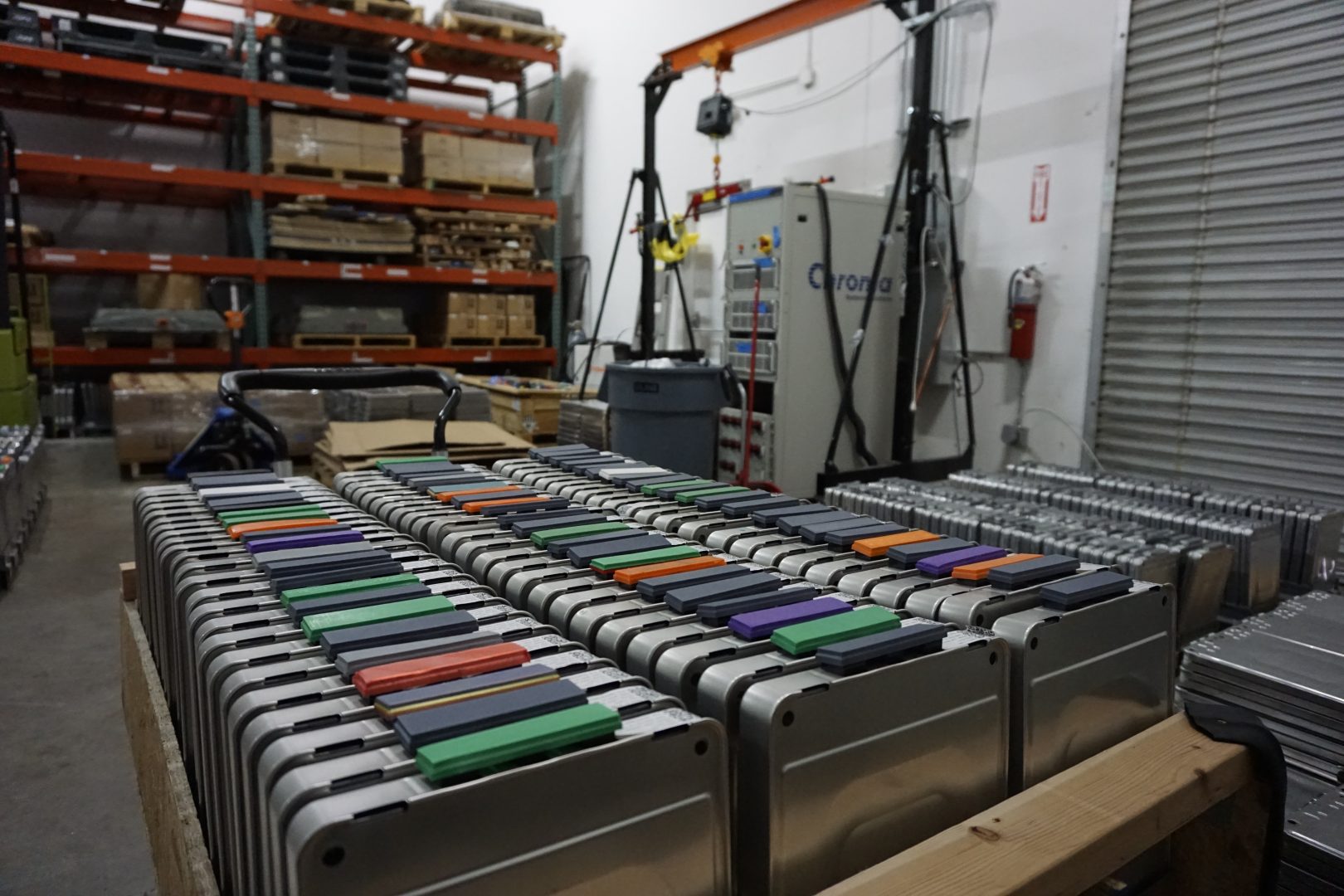
Repurposing viable EV batteries — for a “second life” — as stationary storage to capture the intermittent energy produced by solar panels and wind turbines can extend the batteries’ useful life by 10 or more years. This in turn reduces demand for new materials and batteries, provides greater greenhouse gas (GHG) emissions savings than directly going to recycling, and supports delivering affordable renewable energy to communities who may otherwise be priced out of the clean-energy transition.
To unlock that second life potential, we need coherent, enabling policies that value repurposing of viable batteries before premature recycling.
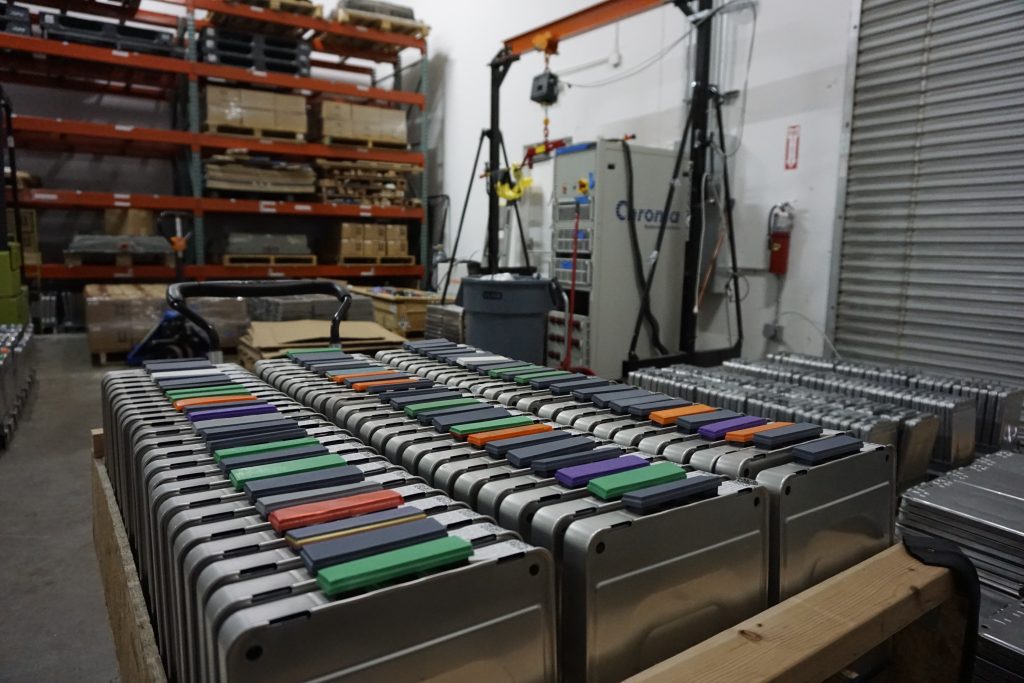
GAIA visits RePurpose Energy in Davis, California
China is likely the only country today with a dedicated second-life policy. Though even there, an extensive informal recycling and waste sector competing for used batteries risks complicating implementation of official state policy. In the EU, the Batteries Regulation is one of the few policies that attempts to cover all stages of the battery life cycle — from design to repurposing, battery passports and recycling. While this comprehensive scope is laudable, the EU Batteries Regulation also took years to develop, and practical mechanisms for its implementation are still emerging.
Elsewhere, most discussion on national frameworks often falls back on Extended Producer Responsibility (EPR) rules typically written for waste management, not for repurposing. This mismatch stifles entrepreneurship. For example, small-scale start up repurposing firms can face onerous fire-safety certifications dependent on access to proprietary Original Equipment Manufacturer (OEM) data, as is the case in the US.
Other barriers to repurposing include restrictive waste classifications, and limited access to battery data. The result is a policy vacuum where profit and privileged OEM contracts — rather than sustainability goals centering people and the environment — tend to determine a battery’s fate.
Why second-life matters for the Global South
The Global North’s unregulated battery waste has implications for the Global South. While transportation cost and logistics hinder effective end-of-life collection and waste management, used EVs and end-of-life batteries retain significant monetary value. This drives exports to the Global South where less expensive labor and weak regulations lead to risky repairs, informal disposal, pollution, and high safety risks and environmental harms.
Many EV batteries are functionally non-repairable due to proprietary parts and a lack of access to information, turning them into hazardous waste. This worsens risks of waste colonialism and presents a lost opportunity for furthering a just and equitable transition. Weak enforcement of transboundary waste rules allows shipments of low-quality used batteries under the guise of “reusable goods,” while countries with limited regulatory capacity shoulder the safety and environmental risks.
At the same time, these same regions stand to benefit from distributed energy storage powered by repurposed batteries — providing backup for health centers, schools, and community microgrids using stored energy from solar panels and wind turbines. Enabling the expansion of viable distributed energy storage systems powered by repurposed batteries requires robust collection and transportation logistics, strong safeguards for traceable exports, and local refurbishing capacity grounded in equity principles.
Binding bilateral and multilateral agreements could ensure strong accountability for exported batteries, while local downstream supply chain actors (such as importers, distributors, producers and others) — responsible for safe collection, assessment, and eventual disposal by “return to sender” — can keep both responsibility and economic opportunity closer to home.
The data barrier
Assessing a used EV battery’s viability for repurposing depends in large part on access to battery data, including its specifications, its chemistry, structural configuration, state of health, and history of use. Yet today, OEMs tightly guard access to this data, even when it’s essential for safe disassembly, remanufacturing, repurposing, recycling and battery end-of-life.
Without transparency, emergency crews, dismantlers, repurposers, and recyclers are left blindfolded — disassembling packs at high cost and risk to personal health and safety. GAIA members in the Philippines have seen first-hand how this lack of access to battery data can lead to grave risks in informal settings.
GAIA members in the Philippines on Why EV Waste is a Zero Waste Issue
Policies must mandate fair and equitable access to battery data, including:
- State of Health (SoH);
- Specifications and test results at the time of manufacture;
- Use history, including exposure to heat or impact;
- Chemical composition and potential hazards.
A major technical bottleneck lies in battery design. Cell-to-pack configurations — common in next-generation EVs for cheaper and faster production — are nearly impossible to disassemble, repair, repurpose or recycle effectively, making repurposing more onerous, costly and dangerous. Policy can change that.
EPR and ideally bespoke second-life policy schemes should reward modular and repairable designs with lower compliance fees, tax incentives, or import preferences — and conversely penalize non-modular, single-use designs that obstruct repurposing. Modular design not only facilitates second-life applications but also simplifies eventual recycling, closing the loop more efficiently.
Embedding repurposing into battery waste policy
Without deliberate policy intervention, the risk is high that most retired EV batteries will flow into closed-loop recycling systems controlled by a few large corporations, and feed waste colonialism. If national and multi-lateral policies continue to lag, we risk turning a cornerstone of the clean-energy transition into a new form of extractive waste trade.
But if policymakers and automakers act now — aligning design, data, and governance — second-life batteries can become an important connective tissue between transport electrification and energy access, between climate mitigation and social justice. By embedding reuse and repurposing into the core of battery policy and design, governments and industry can help deliver on electrification that doesn’t end with the first charge.