We have too much plastic that has nowhere to go… Can we just burn it?
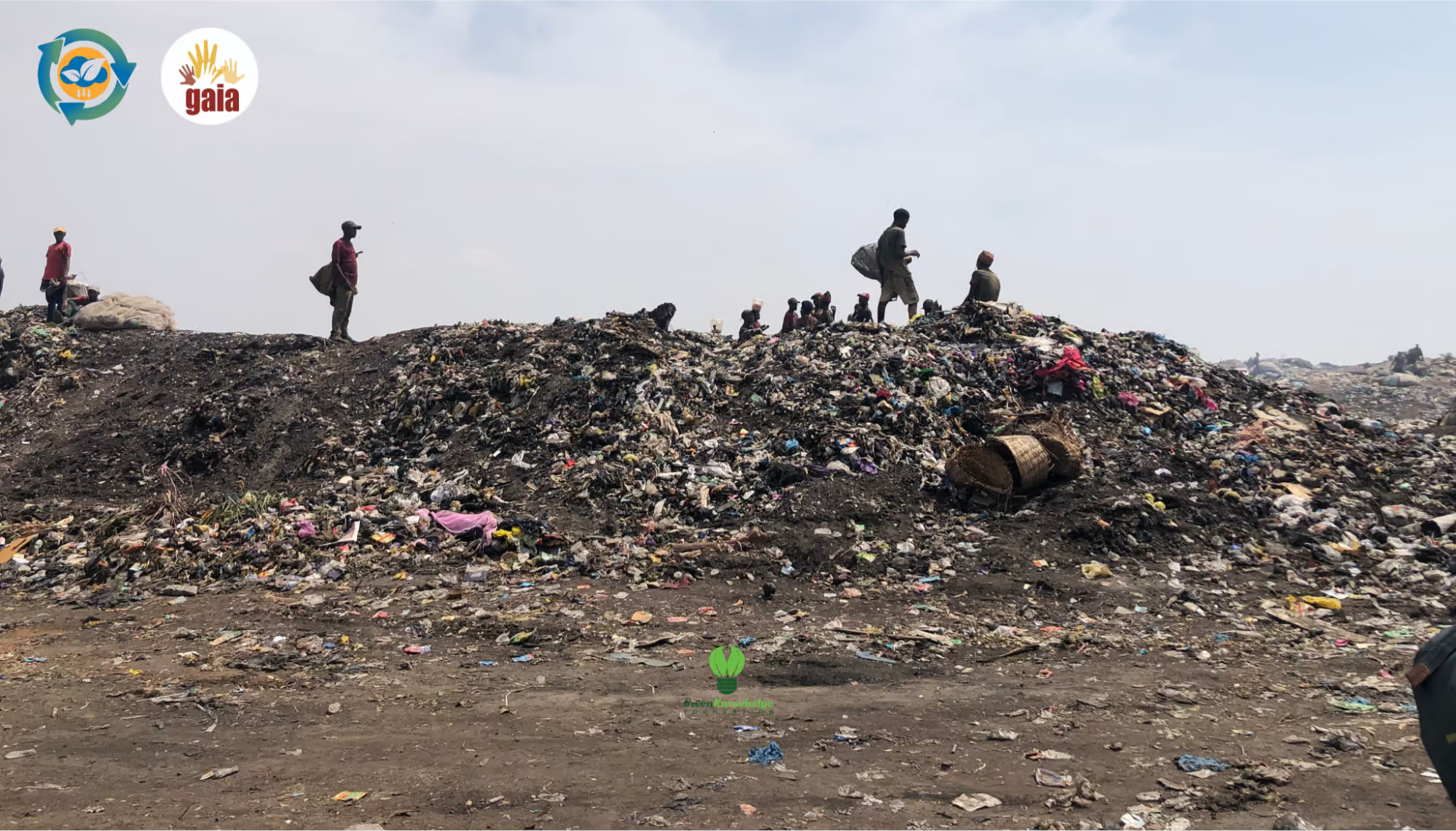
Africa - Plastic -Burning is the most harmful way to handle plastic waste. It turns one form of pollution into others, including air emissions, toxic ash, and wastewater.
"The overlapping crises of our time present an opportunity to build more resilient cities by implementing zero waste models.
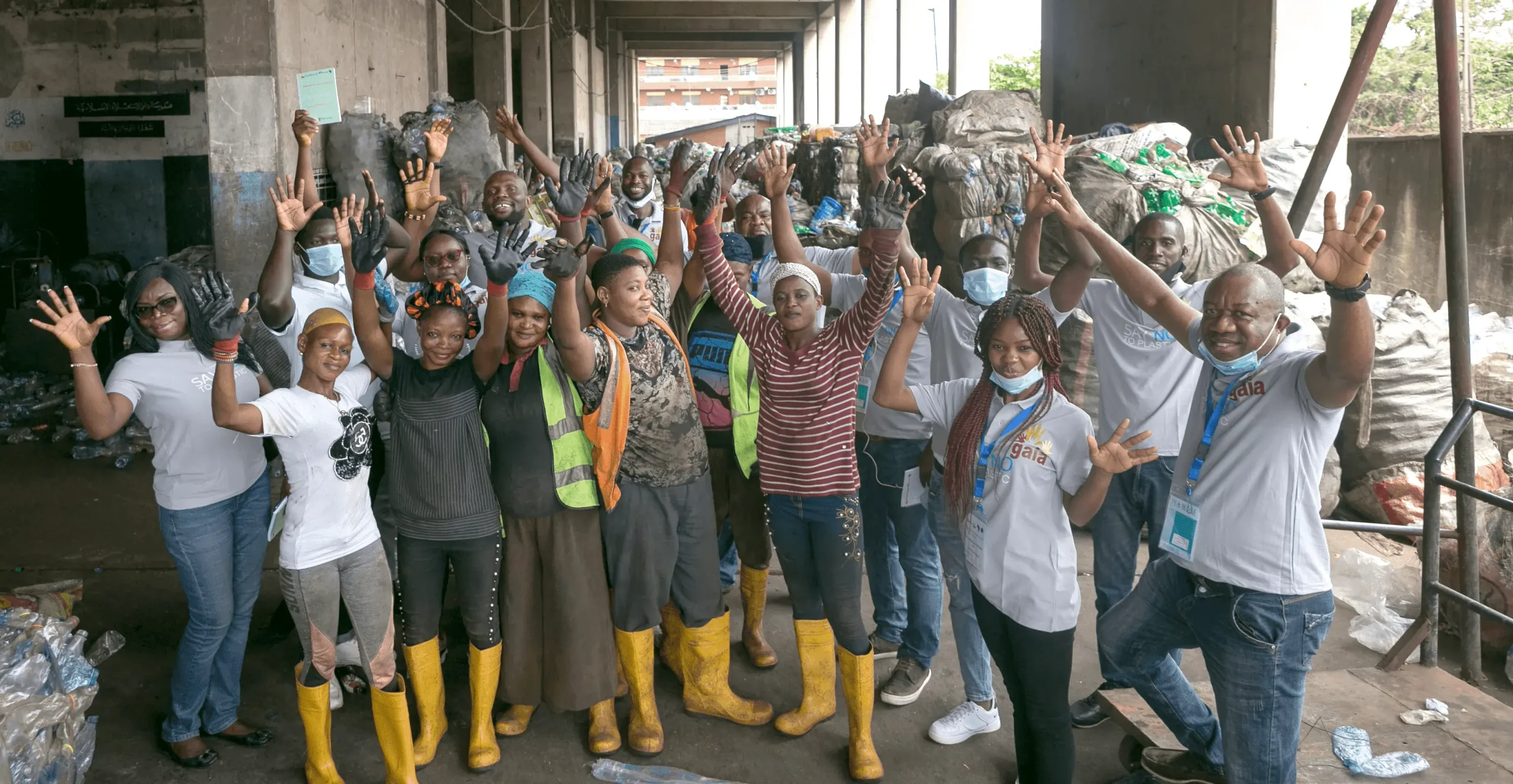
Waste pickers play a far greater role in climate action and waste management than is widely recognized. In this report, released by the Global Alliance for Incinerator Alternatives (GAIA), governments are urged to formally recognize and contract waste pickers as service providers within public waste management systems.
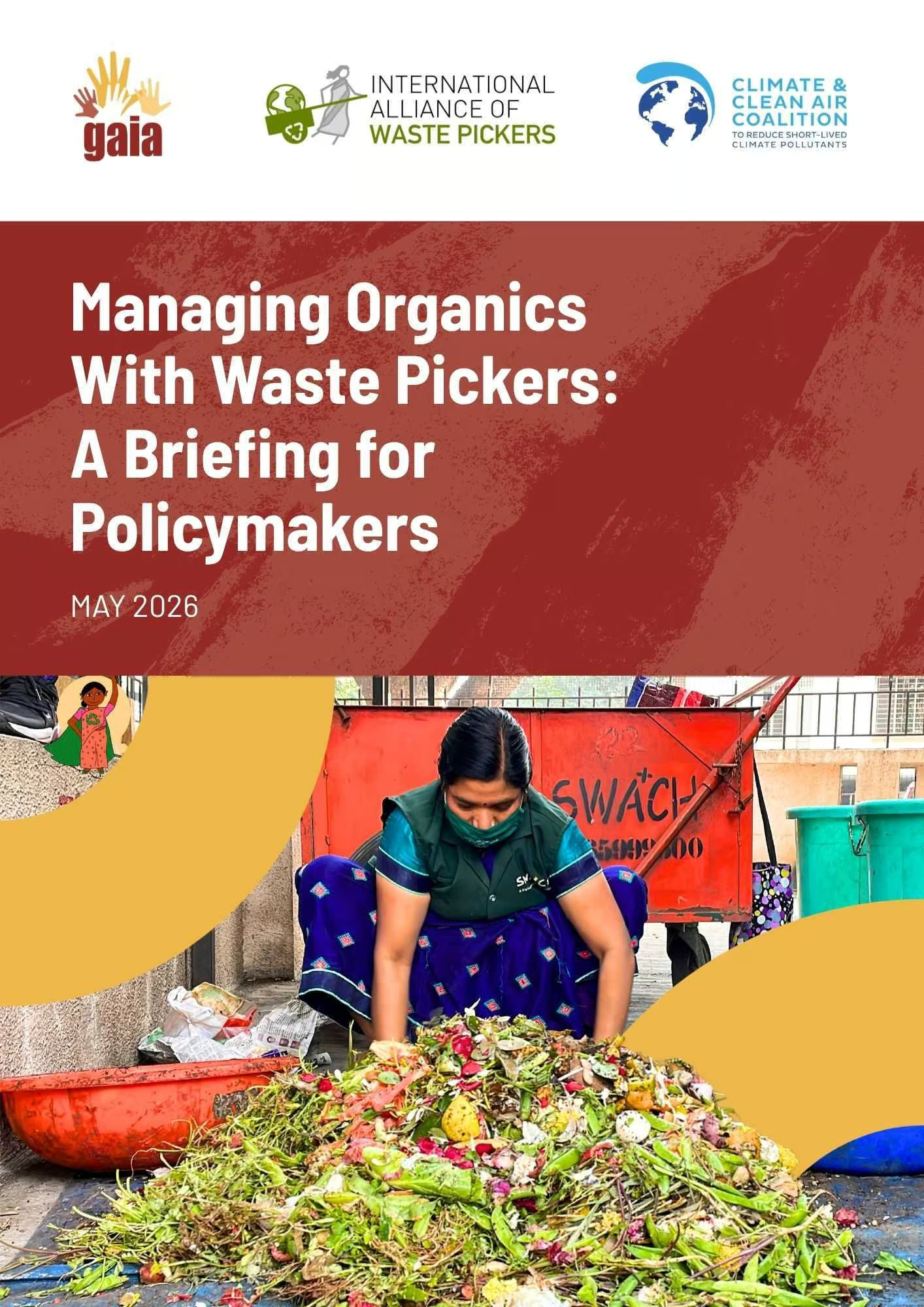
“Managing Organics with Waste Pickers: A Briefing for Policymakers,” co-released by GAIA and the International Alliance of Waste Pickers, examines how waste pickers—estimated at 15 to 20 million workers globally—are increasingly managing organic waste, one of the largest sources of methane emissions when sent to landfills.
This submission details the myriad ways that plastic pollution violates human rights at every stage from extraction to disposal, and identifies the specific groups most impacted. The reader can also find proposals for how to address these human rights abuses through policy fora such as the Basel Convention and the plastics treaty, and regional and national policy, emphasizing an inclusive, Just Transition approach.
GAIA proposes the following material economy shifts as solutions for the roadmaps to deliver a Transition Away from Fossil Fuels in a Just, Orderly and Equitable Manner, as well as Halting and Reversing Deforestation and Forest Degradation by 2030:
-solutions to shift the material economy from single-use to reuse:
-a declining cap on plastic production;
-removing plastic polymer production subsidies;
-deploying reuse and refill systems;
-and, ending the burning of biomass and waste.
Burning is the most harmful way to handle plastic waste. It turns one form of pollution into others, including air emissions, toxic ash, and wastewater.
Sign up for our Global Newsletter to stay up today on our cross regional work.