Recycling

FOR IMMEDIATE RELEASE: December 15, 2025

Berkeley, CA — The Global Alliance for Incinerator Alternatives (GAIA) is proud to announce the 2025 recipients of its U.S. Environmental Justice Action Microfunds. Sixteen grassroots partners across the country were selected for their leadership in advancing transformative zero waste solutions, strengthening community power, and confronting pollution threats in frontline communities.

Made possible through an investment from the Cloud Mountain Foundation, the microfunds provide $2,500 in flexible support for frontline and community-based organizations advancing environmental and waste justice in regions overburdened by polluting waste infrastructure. Awardees are addressing impacts related to incineration, so-called chemical recycling, plastics and petrochemicals, landfills and methane, battery-related issues, and more. This year’s awardees are launching projects ranging from youth-led environmental leadership and community education to site fights, expansion of reuse systems, and local zero waste infrastructure. This year’s initiatives reflect the importance of zero waste solutions as cities grapple with the shortcomings of recycling and mounting plastic pollution.

“Frontline communities have the solutions to our waste crisis, and they are leading some of the most effective strategies that make a real impact. GAIA is honored to help resource these efforts and uplift the solutions that are already working,” said Denaya Shorter, Senior Director of the US & Canada Region at GAIA.

The 2025 U.S. Environmental Justice Action Microfunds recipients include:

  1. ZW Ithaca will expand Ithaca and Tompkins County’s Bring Your Own (BYO) foodware reuse network by hiring a coordinator to strengthen and grow the BYO sticker program.
  2. Sustainable Community Farms will establish the Food-Energy-Water (FEW) Ambassador program in Detroit to train middle and high school students in environmental leadership, connect school and community-based learning through outdoor projects at Sustainable Community Farms, and empower youth to advocate for more sustainable efforts in their communities.
  3. Center for Environmental Transformation will educate Camden residents on the health detriments of living near waste incineration facilities like Reworld (formerly Covanta). Through a six-part workshop, CET will provide workbooks and include an “environmental tour” highlighting the local incinerator.
  4. Heirs to Our Ocean (H2OO) will use microfunds to support the youth members of the U.S. Youth Action Council for the UN Ocean Decade (U.S. YAC UNOD) and their efforts to tackle plastic pollution through brand audits, policy, and movement building.
  5. Post-Landfill Action Network (PLAN) will use microfunds to support four cohorts of the Reusable To-Go ROI Calculation Course, which will train student leaders at 16–24 campuses to conduct ROI analyses and logistics plans for college campus reusable dining systems that replace single-use plastics.
  6. Cherokee Concerned Citizens will use microfunds to support the “Relocation to Restoration” initiative by helping residents of Pascagoula, Mississippi, relocate from high-risk areas adjacent to major facilities, including the Chevron Refinery, the Enterprise gas processing plant, Gulf LNG, Bollinger, and the Mississippi Phosphates Superfund site, and restore these areas into native Gulf Coast habitats.
  7. Buckeye Environmental Network (BEN) will hold a one-day statewide convening in Ohio to train and connect community members fighting chemical recycling plants and petrochemical expansion, providing workshops on site-fighting strategies, permit review, public comment, and communication skills to strengthen local campaigns and statewide collaboration.
  8. People of Red Mountain will use microfunds to support travel, lodging, and food expenses for members of People of Red Mountain, a grassroots group committed to protecting sacred lands from lithium mining in the McDermitt Caldera, for the 12th Annual Oak Flat March/Run.
  9. ZW Detroit will engage Detroit-area residents, youth, elders, and local partners through education and workshops on methane reduction, food waste prevention, and air quality, providing practical tools to reduce climate impact and improve public health.
  10. Breathe Free Detroit will use microfunds to support capacity and participation in quarterly county meetings that oversee the waste management plan and the implementation of the first U.S. model of city-run decentralized composting.
  11. Physicians for Social Responsibility PA will strengthen grassroots power in Pennsylvania by educating and organizing communities impacted by incinerators and landfills, providing workshops, canvassing materials, and policy support to help residents build leadership and advance local ordinances.
  12. New Jersey Environmental Justice Alliance (NJEJA) will support community farms in South New Jersey in engaging and educating local communities on zero waste principles, deepening partnerships, co-launching sustainable reuse and circular economy initiatives, and sharing a replicable, community-led model for building zero waste solutions.
  13. Damascus Citizens for Sustainability will work to prevent a proposed county “waste-to-energy” incinerator by educating and organizing residents, working with local groups, and promoting alternatives such as recycling, composting, and waste reduction.
  14. Rise for Environmental Justice (RiSE4EJ) will use microfunds to support a site fight and build capacity to defend a recent win against a proposed chemical recycling facility by Reworld (formerly Covanta) in the EJ community of Armourdale, KS.
  15. Baltimore Compost Collective will transform a new property into a zero waste hub offering local composting, youth green jobs training, and community workshops to reduce waste, build leadership, and promote a healthier Baltimore.
  16. Our ZW Future will support Zero Waste Rio Grande Valley, the South Texas branch of OZWF, in training five colonia residents in zero waste practices and cooperative business development, advancing economic mobility, and launching a pilot zero waste cooperative that benefits families across the Valley.


The 2025 Environmental Justice Action Microfunds represent GAIA’s continued commitment to resourcing community-led strategies that address pollution at its source while strengthening local leadership and long-term capacity. GAIA looks forward to supporting these partners as they advance effective, community-centered zero waste solutions.

Additional Quotes:

“It is our goal to equip and fortify residents so that they can hold these industries accountable for their crimes against health and the environment. Without the strength and determination of committed individuals, we get nowhere. When communities win, we all win.” — Tonyehn Verkitus, Executive Director, Physicians for Social Responsibility Pennsylvania 

“We are grateful for GAIA’s investment in the youth leaders of the U.S. Youth Action Council for the UN Ocean Decade, who are organizing to confront plastic pollution at the source through science, policy, and community leadership. This support will help ensure youth are leading action to shape the solutions our climate, shared ocean, and communities urgently need.”
Emily Berglund, Executive Director, Heirs To Our Ocean

“We’re deeply grateful for GAIA’s EJ Microfunds and proud to be among this cohort of frontline zero waste and environmental justice projects. With this support, Zero Waste Ithaca will strengthen and grow our Bring Your Own foodware reuse network and expand our BYO sticker program.” — Yayoi Koizumi, Founder, Zero Waste Ithaca

“Stay positive, stay centered, and we can overcome.”
Barbara Weckesser, Cherokee Concerned Citizens

Press contact:

María Guillén, Communications & Network Development Manager, U.S. & Canada

mariaguillen@no-burn.org

###

GAIA is a worldwide alliance of more than 1,000 grassroots groups, non-governmental organizations, and individuals in over 90 countries. With our work, we aim to catalyze a global shift towards environmental justice by strengthening grassroots social movements that advance solutions to waste and pollution. We envision a just, zero waste world built on respect for ecological limits and community rights, where people are free from the burden of toxic pollution, and resources are sustainably conserved, not burned or dumped. 
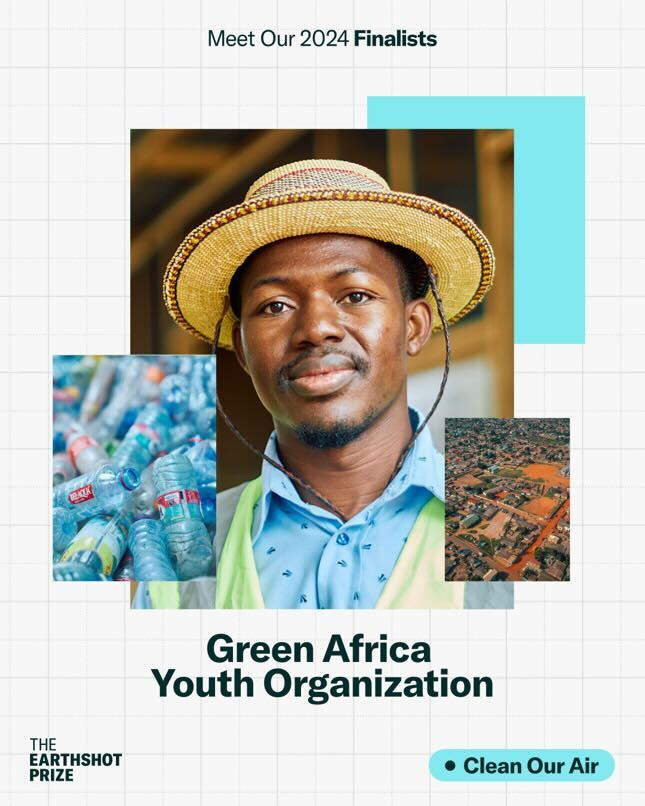
In a groundbreaking achievement, the Green Africa Youth Organization (GAYO) has been nominated as a finalist for the prestigious Earthshot Prize, marking the first time a youth group has reached this stage. Founded in 2014, GAYO is a youth-led nonprofit based in Accra, Ghana, dedicated to empowering young Africans to spearhead climate action and environmental conservation. Their innovative Zero Waste Model has earned them a spot in the Clean Our Air category, highlighting their commitment to improving air quality and addressing climate challenges in vulnerable communities across Africa.

Desmond Alugnoa, Co-Founder of GAYO, expressed the organization’s honor in being recognized among global changemakers, emphasizing the importance of youth-driven initiatives in creating a healthier, cleaner future. The Zero Waste Model, which has already created over 250 green jobs in Accra since 2022, aims to revolutionize waste management by promoting waste collection, sorting, recycling, and the production of green goods and services. This model not only addresses the pressing issue of air pollution but also opens up new employment opportunities in the waste management sector.

The Earthshot Prize, established by Prince William and the British Royal Foundation in 2020, seeks to spotlight and scale innovative solutions to the planet’s most pressing environmental challenges. GAYO’s nomination underscores the potential of grassroots efforts to inspire lasting environmental change on a global scale. As the Earthshot Prize Awards Ceremony approaches in Cape Town, South Africa, GAYO stands as a beacon of hope and a testament to the power of youth-led initiatives in safeguarding our planet.

For more information, contact comms@greenafricayouth.org or call +233 54 069 9164.

On September 21, 2024, the vibrant city of Dar es Salaam witnessed an engaging event that brought together communities, schools, and organizations in a unified mission to combat waste and promote environmental conservation for World Cleanup Day 2024. The Let’s Do It Tanzania cleanup event, spearheaded also by our member Nipe Fagio, was a resounding success, showcasing the power of collective action in creating a cleaner and healthier environment.

A Day of Unity and Purpose

The event saw an impressive turnout, with 2,604 dedicated volunteers converging at seven strategically identified sites across Dar es Salaam. Armed with gloves, bags, and an unwavering commitment to the cause, these volunteers embarked on a mission to rid their surroundings of waste and raise awareness about the critical importance of waste management.

Remarkable Achievements

The results of the cleanup were nothing short of remarkable. Volunteers collected a staggering 1,953 bags of waste, amounting to a total weight of 22,366.52 kilograms. This monumental effort not only transformed the cleanliness of the targeted areas but also sent a powerful message about the impact of community-driven initiatives.

Volunteers during World Cleanup Day 2024

Community Spirit in Action

The success of the cleanup event can be attributed to the incredible spirit of collaboration and dedication displayed by all participants. Schools, local businesses, and community groups came together, demonstrating that when people unite for a common cause, significant change is possible. The event also served as an educational platform, enlightening participants and onlookers about the importance of proper waste disposal and environmental stewardship.

Looking Ahead

While the achievements of World Cleanup Day 2024 are commendable, they also highlight the ongoing need for sustained efforts in waste management and environmental conservation. Nipe Fagio remains committed to driving positive change and will continue to organize initiatives that inspire and mobilize communities towards a cleaner, greener future.

Join the Movement

Nipe Fagio extends heartfelt gratitude to all the volunteers, partners, and supporters who made this event possible. The success of World Cleanup Day 2024 is a testament to what can be achieved when we come together with a shared vision. As we look to the future, let us all pledge to maintain the momentum and work towards a Tanzania where waste is managed responsibly, and the environment is cherished and protected.

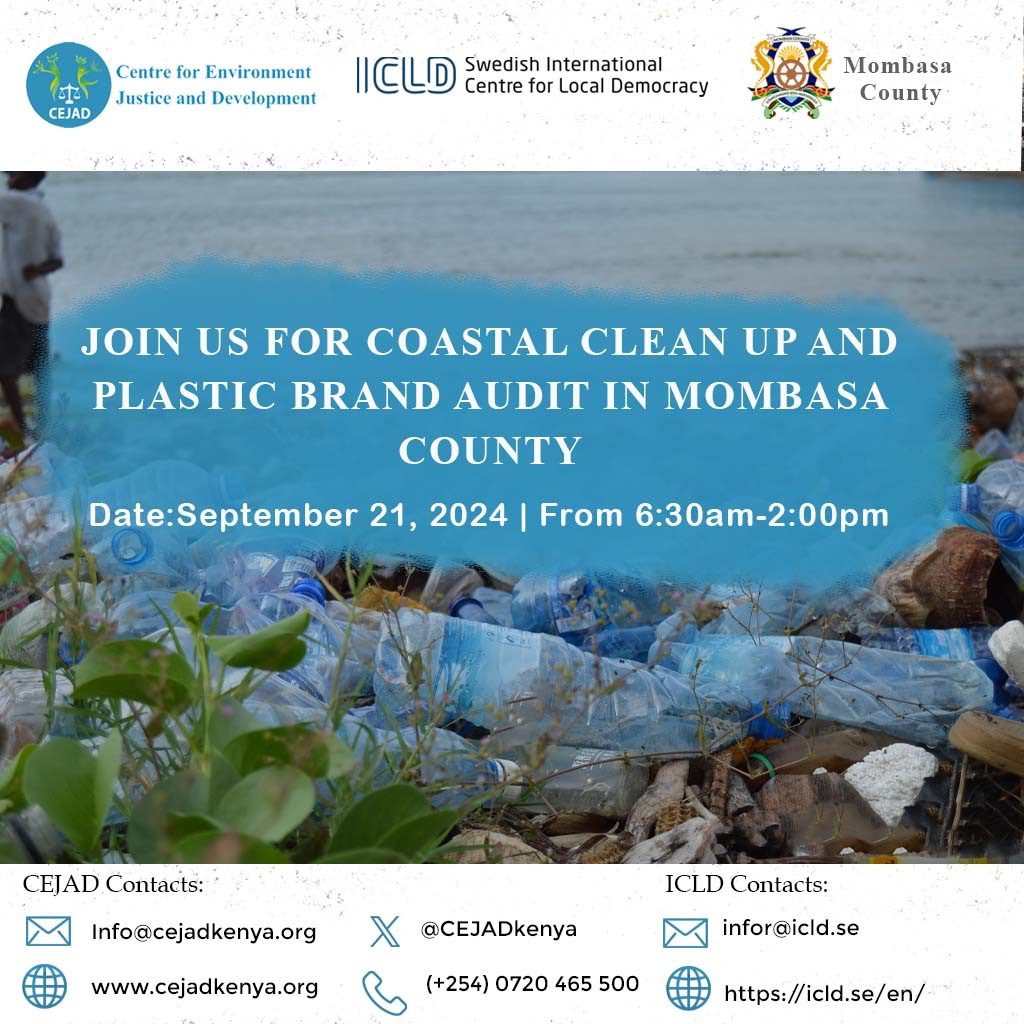
CEJAD and waste pickers to carry out plastic brand audit in Mombasa during World Coastal Cleanup Day

September 20, 2024, is marked as World Coastal Cleanup Day—a global effort aimed at removing trash from aquatic environments to reduce environmental pollution. To commemorate this day, CEJAD has joined hands with numerous organizations as part of the International Coastal Cleanup Committee, Kenya Chapter, to coordinate and collaborate on this initiative.

CEJAD’s involvement in the cleanup effort goes beyond just removing waste. We are partnering with waste worker groups and civil society organizations in Mombasa to conduct a plastic brand audit in Mombasa, Kenya.

The Objective

The primary objective of the brand audit is to identify the companies and brands most responsible for environmental and marine plastic pollution. The data collected from this audit will be used to advocate for better plastic waste management, including pushing for inclusion of waste pickers in Extended Producer Responsibility (EPR) programs and promoting the use of environmentally friendly packaging alternatives.

Prior to the cleanup and brand audit, CEJAD will host a Democracy Lab on September 20, 2024, focusing on the topic of “Privatization of Waste Management in Mombasa County – Opportunities for waste pickers.” This forum will provide waste workers with an opportunity to learn about the county’s waste management plans, the progress made so far, and how the needs of waste pickers can be incorporated into a just transition under these plans.

On International Coastal Cleanup day, participants and volunteers will begin with a beach cleanup, followed by the brand audit. The audit will involve documenting the brands of plastic waste collected using a digitized form adapted from the Break Free From Plastic initiative. CEJAD will then analyze the data and publish a report with key findings and recommendations.

In the meantime, CEJAD and the Advisory Committee are finalizing the Brand Audit Plans. This includes training volunteers on how to use the digitized application for data entry.

#AfricaForZeroWaste

By Patricia Namwanga Kizito.
About Project Kollekt.
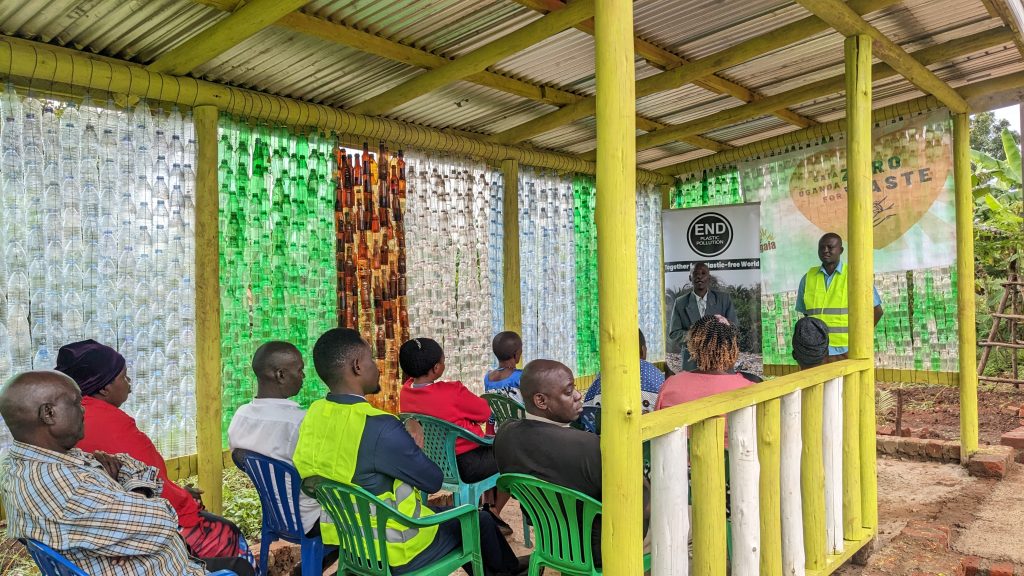
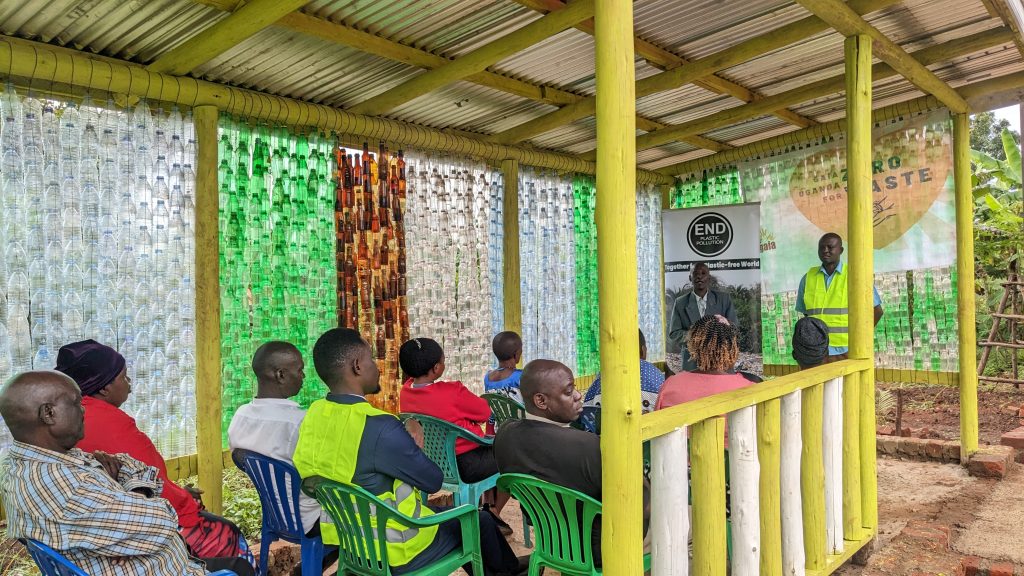
Through the Project Kollekt initiative, End Plastic Pollution – Uganda in partnership with the Global Alliance for Incinerator Alternatives and Break Free from Plastic has established The Kollekt Village in Masuulita Town, Wakiso District as a center to demonstrate, promote and mainstream zero waste model implementation in Local communities.

The Kollekt Village has been developed with facilities including:
– A material recovery facility for waste handling with a demonstration space and chambers for separating plastic waste by types and content.
– A plastic waste recovery program involving waste pickers with a facility to collect, sort and store recovered materials.
– A space provided for local waste pickers to involve in the zero-waste model implementation.
– A community gathering space for meeting, training, and sensitization of waste pickers so as to support and empower them to organize. A space for organic waste management with compositing chambers. The space ran onsite projects including Compositing, Black Soldier Flies farming, gardening / vertical farming demonstration and a program for small holder farmers to learn about compositing, organic farming and making organic fertilizers.

In addition to the Material Recovery Facility, The Kollekt Village features spaces for:
– Community gathering, meetings and a training center.
– A space has been provided to establish a reuse and refill shop for locals, youth and women groups as well as local artisans to showcase their materials.
– A library, resources and learning center to be stocked with reading materials, educational materials, Research works on different environmental issues and materials on zero waste.

Why the waste sector.
The waste sector offers a prime opportunity for countries like Uganda to take action that can protect the environment, reduce polluted waste, reduce emissions, strengthen climate resilience systems, provide substantial health and unlock economic benefits. With the zero waste approach, local communities are put at the center of action to address the impact of poor waste management. The zero waste policy is not about stopping the waste coming into the community only, but also about building up local communities and creating jobs that can enable them to thrive.

Why Go for Zero Waste; what is the expected impact.
With the zero-waste approach, End Plastic Pollution seeks to address issues including poor waste management, climate crisis, agriculture and food security, biodiversity loss, livelihood improvement and deliver economic development. There will be increased awareness and sensitization and education initiatives to equip youth, waste pickers and local leaders with practical knowledge to implement and develop zero waste models for their communities.
The mitigation potential of the waste management sector is largely underestimated. Yet curbing waste generation and implementation of better waste management strategies avoids emissions throughout the lifecycle of material goods – from extraction to end of life. Zero waste systems have been proven versatile strategies that aim to continually reduce waste through – source reduction, separate collection, composting and recycling.

Why zero waste intervention is crucial for combating climate change.

Through the zero waste approach communities can build resilience to climate change impacts like flooding, deter disease transmission, improve soil health, and deliver economic opportunities. The waste sector has been identified as one of the contributors to the 9.1 million tonnes greenhouse gasses from Greater Kampala Metropolitan Area reported as of 2020 with an exponential growth rate of 55% from 2020 – 2030 reaching 14.6 million tons of carbon. The project seeks to address the issue of poor solid waste management practices which was identified by the Uganda government as one of the lead drivers of climate change vulnerability.


As the climate crisis deepens urgent action on all fronts is required to both eliminate greenhouse gas emissions and adapt to a rapidly changing climate.

  1. For Climate Mitigation.
    Zero waste systems contribute to greenhouse gas emissions reductions in 3 ways: source reduction, materials separation, collection and proper management / recovery of plastic waste and organic waste to avoid landfill methane emissions.
  2. For Climate Adaptation.
    Zero waste systems help communities to build resilience against the increasingly frequent extreme weather events and health hazards brought by climate change. Poor waste collection and management are among the factors that leave communities particularly exposed to these events.
    With zero waste systems local communities can become more resilient by mitigating floods, reducing disease transmission, and improving soil, water and air quality.
By Green Knowledge Foundation – Nigeria.

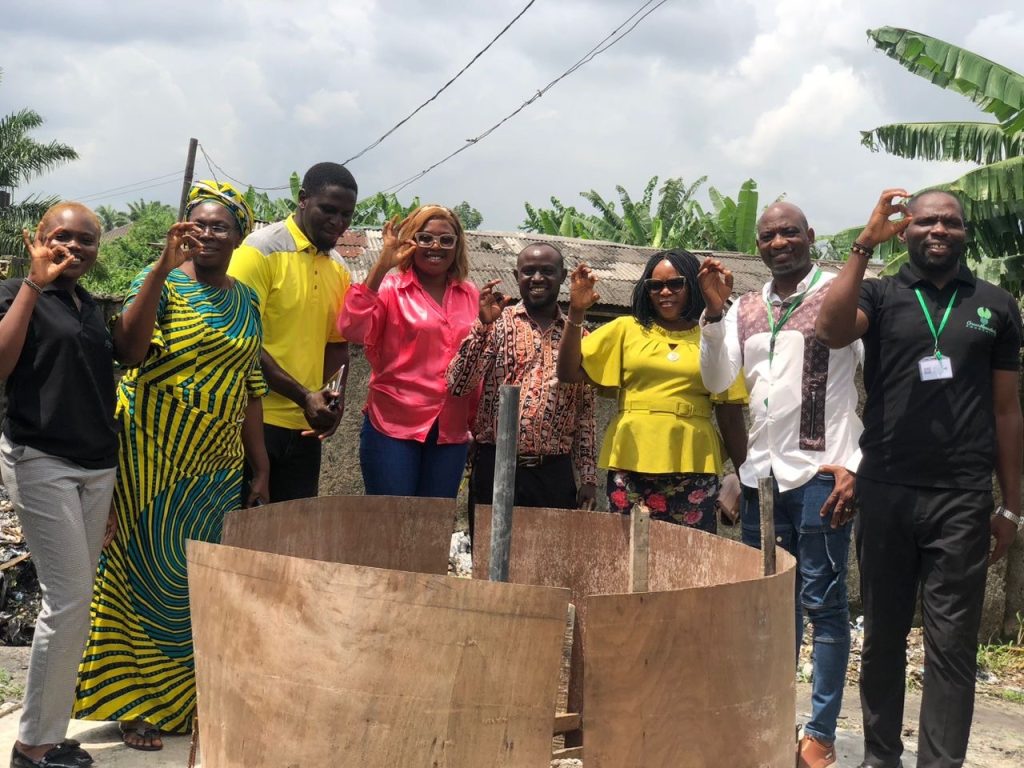
In the heart of Pessu Market, a transformative initiative is underway, led by the Green Knowledge Foundation in Nigeria. The “Zero Waste Market and Anti-Incineration Campaign” aims to address the pressing issues of waste management and environmental pollution, promoting sustainable practices and raising awareness about the hazards of incineration in Nigeria. This project is not just about cleaning up; it’s about creating a sustainable future for the community and beyond.

For over 30 years, the slaughterhouse at Pessu Market has been a significant contributor to waste generation and environmental pollution. The excessive use of wood for slaughtering processes, improper waste disposal, and the detrimental effects of the resulting smoke on workers’ health, as well as the health of the surrounding community, have necessitated urgent action. The absence of an alternative source for heating water has exacerbated the reliance on fuelwood, making the need for a comprehensive solution even more critical.

In response to these challenges, the project adopts a holistic approach to tackling waste management and energy needs while promoting the concept of zero waste. The Green Knowledge Foundation has been working diligently to engage market associations and community leaders, ensuring the long-term sustainability of these initiatives. The buy-in and endorsement by the local government authority have been pivotal, providing free land for the construction of a biodigester. Additionally, the enthusiastic support from market executives has been instrumental in driving the project forward, ensuring smooth execution and sustainability.

The project has already seen significant progress. The initiation phase, which included a project inception meeting with stakeholders and a site assessment at the Pessu Market slaughterhouse, has been completed. Stakeholders have been identified and engaged, setting the stage for the next phases. The design and construction phase is well underway, with the biodigester system and solar-powered system designs completed. Procurement of materials and equipment is ongoing, and the construction and installation of the biodigester and solar-powered system are in progress.

Parallel to the construction efforts, the waste management education phase is also moving forward. Educational materials have been developed, and organizations and NGOs for training of trainers have been identified. The training session has been completed, and the training and sensitization of market users are set to commence next week.

Despite the progress, the project has faced challenges. Scheduling meetings with stakeholders and trainers required the input and agreement of market executives, causing some delays. Additionally, waiting for independent engineers to confirm work done at each milestone delayed the continuation of construction. The lesson learned here is to carry out independent measurements alongside the construction process rather than waiting for deliverables or milestones.

Currently, the project is in the waste management education phase, focusing on training market users and preparing for the anti-incineration campaign while the construction of the biodigester and solar-powered heating system continues. The next steps include completing the construction and installation of the systems, finishing the training of market users, launching the anti-incineration campaign, and continuing to monitor progress and evaluate impact.

The project is progressing steadily, with key activities either completed or ongoing. The next phase will focus on training market users and launching the anti-incineration campaign, marking a significant step towards a sustainable and waste-free future for Pessu Market.

By Association for Education and Environment in the Great Front (AEEFG) – GAIA Member, Tunisia.

In the picturesque municipality of Takelsa, nestled in the rural region of northern Tunisia, a transformative initiative is underway. The Takelsa Zero Waste project, spearheaded by the Association for Education and Environment in the Great Front (AEEFG), aims to revolutionize waste management through innovative technologies and community awareness efforts. This project seeks to address the pressing waste management issues that have long plagued the area, where inadequate collection infrastructure has led to waste accumulation in streets and public spaces.

For over two years, AEEFG has been actively working to improve the environmental landscape of Takelsa. The project initially focused on encouraging women in agriculture to adopt sustainable practices, such as replacing plastic packaging with certified natural materials. Building on this success, the Takelsa Zero Waste project now aims to enhance waste management using Geographic Information System (GIS) and remote sensing technologies. The specific objectives include establishing a GIS system for waste data collection, improving waste collection planning and management, and creating a model area for waste selection and collection.

The project’s strategy began with a thorough assessment of the municipality’s waste management practices. This initial phase provided crucial insights into the areas requiring immediate attention and laid the foundation for subsequent actions. Collaborative meetings with municipal authorities followed, fostering a spirit of cooperation and shared understanding of the project objectives. These sessions were instrumental in co-creating strategies for the effective integration of the project’s application functionalities.

Armed with insights from these collaborative efforts, the project team embarked on extensive field studies to validate their findings and gather additional data. These on-ground investigations were crucial in refining the approach and ensuring that the solutions were tailored to the specific needs of the community. With a comprehensive understanding of the challenges and requirements, the team proceeded to develop the Takelsa Zero Waste application. This user-friendly platform empowers both citizens and administrators to actively participate in waste management efforts.

As the application development phase nears completion, the final step involves validation by municipal authorities and relevant stakeholders. This process will ensure that the application meets the desired standards of functionality and usability before its full-scale implementation. The project has already seen significant progress, with a series of meetings and field visits conducted in close collaboration with municipal authorities. These gatherings have served as crucial forums to discuss project progress, encountered challenges, and necessary measures to ensure the ongoing success of the initiative.

Looking ahead, the next steps for the Takelsa Zero Waste project include the final validation of the application, training sessions for citizens and municipal members, and a community awareness campaign. These efforts aim to inform Takelsa citizens about the existence of the application and encourage its usage. Additionally, a waste sorting model will be developed in collaboration with waste management experts, defining the best practices to be implemented in the community.

The Takelsa Zero Waste project is not just about achieving a 100% waste collection rate; it is about fostering a culture of sustainability and community engagement. By leveraging innovative technologies and empowering local citizens, the project aims to create a cleaner, more sustainable future for Takelsa.

By End Plastic Pollution – GAIA Member, Uganda.

In the heart of Masuulita Town, Wakiso District, a transformative initiative is taking shape. End Plastic Pollution – Uganda, in collaboration with the Global Alliance for Incinerator Alternatives and Break Free From Plastic, has embarked on an ambitious journey to construct a Material Recovery Facility (MRF) at Kollekt Village. This facility is not just a building; it is a beacon of hope and a model for zero waste implementation in local communities of Uganda.

Our focus on the Waste Sector?
The waste sector presents a golden opportunity for countries like Uganda to make significant strides in environmental protection, emission reduction, and climate resilience. Poor waste management has long plagued local communities, leading to environmental degradation and health hazards. However, with a zero-waste approach, these communities are now at the forefront of a revolution that promises not only to mitigate waste but also to foster economic growth and job creation.

The zero-waste policy championed by End Plastic Pollution is comprehensive. It goes beyond merely stopping waste from entering communities; it aims to build and empower these communities, creating sustainable jobs and improving overall quality of life.

The Material Recovery Facility: A Hub of Innovation
The MRF at Kollekt Village is meticulously designed with various sections, each playing a crucial role in waste management and community empowerment:

Plastic Waste Handling Demonstration Space: This area features chambers that separate plastic waste by type and content, serving as an educational tool and a practical solution for waste segregation.

Plastic Waste Recovery Program: This program involves the collection, sorting, and storage of plastic materials, ensuring that waste is managed efficiently and sustainably.

Waste Picker Participation Space: Local waste pickers are integral to the zero-waste model. This space is dedicated to their training, sensitization, and organization, empowering them to be active participants in the waste management process.

Organic Waste Management: Equipped with composting chambers, this section focuses on turning organic waste into valuable compost, promoting sustainable agricultural practices.

The facility also supports various onsite projects, including Black Soldier Flies farming, gardening, and vertical farming demonstrations. These initiatives provide smallholder farmers with the knowledge and tools to practice organic farming and create organic fertilizers.

End Plastic Pollution staff at the new Material Recovery Facility in Masuulita.

Beyond Waste Management
The Kollekt Village is more than just a waste management facility. It is a community hub featuring:

Community Gathering and Training Center: A space for meetings, training sessions, and community gatherings, fostering a sense of unity and shared purpose.

Reuse and Refill Shop: This shop offers a platform for locals, especially youth and women groups, to showcase their materials, promoting a culture of reuse and sustainability.
Library and Learning Center: Stocked with educational materials, research works, and resources on environmental issues and zero waste, this center is a treasure trove of knowledge for the community.

Through the Project Kollekt initiative, End Plastic Pollution – Uganda is not just managing waste; it is building a sustainable future, one community at a time. The MRF at Kollekt Village stands as a testament to what can be achieved when communities come together with a shared vision for a cleaner, greener world.

Interview with Yunchia Luo and Yichun Lin by Dan Abril

In a small café in Taipei, a movement was born. In 1998, six individuals, primarily from academia, met to discuss a shared concern: the burgeoning issue of waste. Led by George Cheng, a finance specialist with a passion for environmental sustainability, the group embarked on a journey that would lead to the establishment of the Taiwan Watch Institute (TWI)

Inspired by anti-incinerator movements abroad and fueled by collaborations with international bodies like GAIA, Cheng, despite limited resources, began his crusade against waste incineration primarily using radio broadcasts to raise awareness.

From these modest beginnings, TWI forged partnerships and lobbied tirelessly to reshape waste policies in Taiwan. Teaming up with the Worldwatch Institute in Washington D.C., TWI translated annual reports while advocating for a paradigm shift towards zero waste across sectors.

Today, TWI remains steadfast in its commitment to its founding ideals, employing translation, research, and policy advocacy to realize the vision of a waste-free world. We had the chance to talk with TWI’s Editor Yunchia Luo and Researcher Yichun Lin. They shared that despite TWI’s initial limitations, the organization has made significant strides by engaging with local community leaders, grassroots activists, and educators.

What are TWI’s top priorities?

Our top priority at TWI is achieving zero waste, as we believe it to be the foundation of all our endeavors. This commitment drives us to advocate for source reduction, waste separation, and composting initiatives. We’re particularly passionate about promoting volume-based waste fees to incentivize waste reduction, drawing inspiration from the success seen in cities where such policies are in place. 

Additionally, we’re dedicated to promoting clean production practices, especially in industries like petrochemicals and electronics. We constantly urge these industries to transition to eco-friendly methods and reduce the use of hazardous chemicals. It’s a challenge, as we often face resistance, but we continue to advocate for legislative reforms to support a circular economy. We consistently pressure the government to prioritize eco-friendly policies and reduce energy and water consumption in industries such as petrochemicals, steel, and electronics. However, we’re also aware of our limitations in influencing industry practices due to economic interests, but we remain steadfast in our pursuit of a waste-free future.

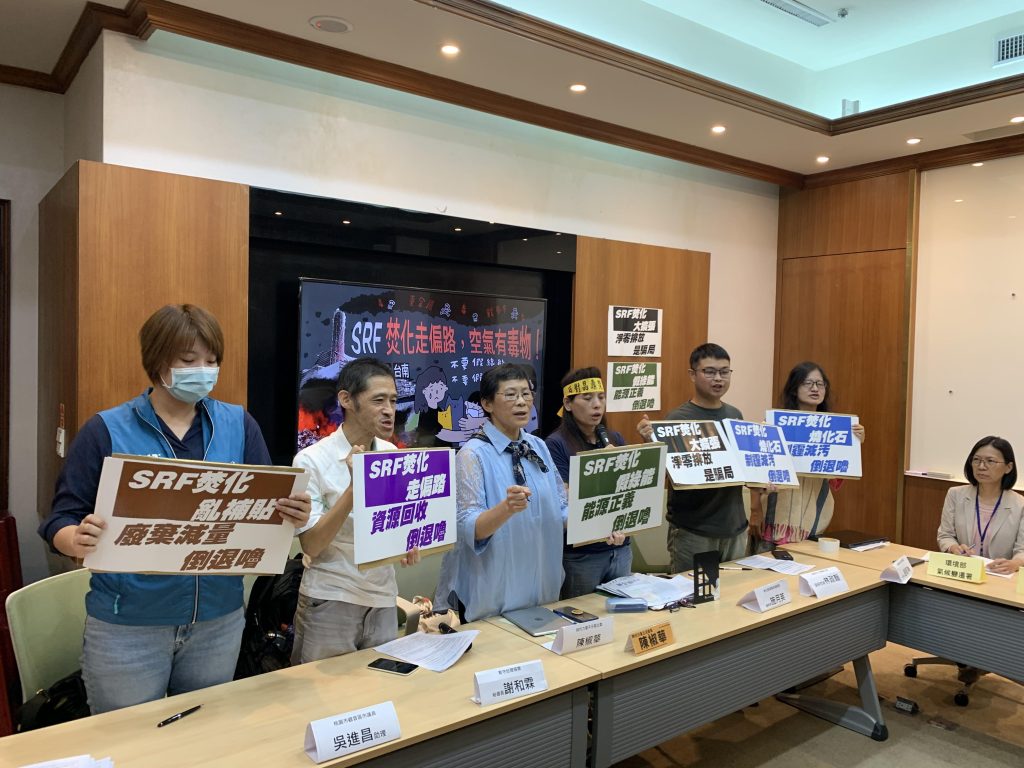
Group of people holding up signs.
Photo courtesy of Taiwan Watch Institute

What are the main ongoing campaigns of TWI?

For over two decades, TWI has led the anti-incineration movement in the country, persistently mobilizing communities by raising awareness about the harmful effects of incinerators despite government support for the practice. Moreover, TWI has played a key role in calling for legislation promoting sustainable resource management, emphasizing principles such as extended producer responsibility and at source reduction.

Lately, TWI has redirected its attention towards addressing PFAS, commonly referred to as “forever chemicals” which are associated with various illnesses, including cancer and thyroid disorders, as well as contamination in food packaging. The use of PFAS remains an overlooked global concern in Taiwan but we’re aiming to change that through testing and awareness initiatives, we seek to advocate for regulations governing PFAS substances, with the ultimate goal of eradicating their usage in food packaging.

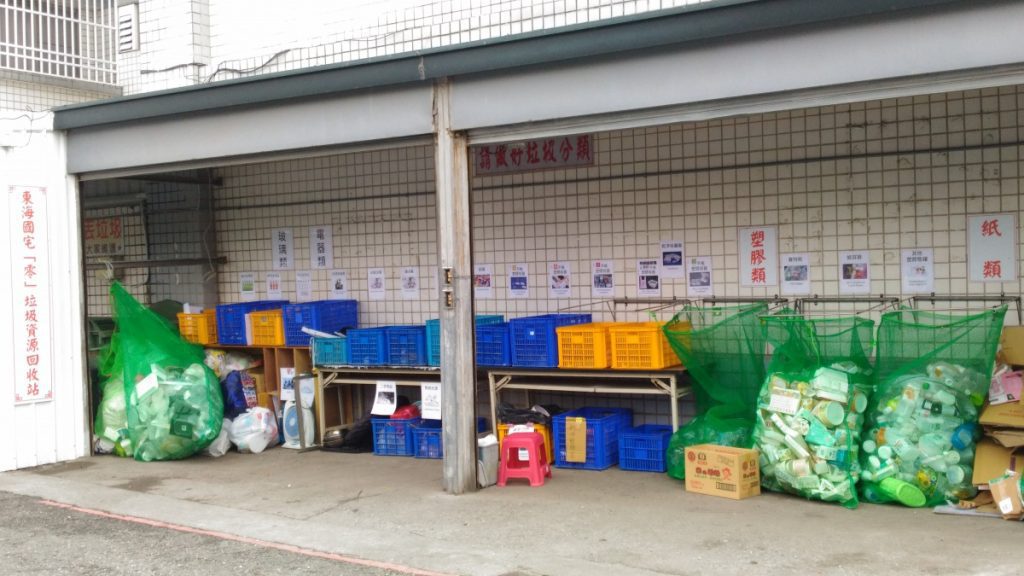
Waste segregated into several bins and bags
Photo courtesy of Taiwan Watch Institute

What are your biggest accomplishments/achievements?

Our progress, though gradual, holds significant weight. Firstly, over decades, our efforts to educate citizens about the hazards of incineration policies have spurred a shift in waste management practices, favoring recycling systems over additional incinerators. Secondly, our initiatives in plastic education have heightened public awareness of plastic reduction and improved understanding of the plastic lifecycle. We’ve advocated for the government to phase out the use of polyvinyl chloride (PVC) in food packaging while promoting the development and adoption of alternative materials. Lastly, our community engagement efforts have encouraged citizens to participate in closely sorting waste for recycling, both in neighborhoods and schools. These achievements serve as catalysts for further sustainable development objectives.

What challenges are you facing? 

Our biggest challenge comes from society’s focus on economic growth over environmental protection. When an economy grows, environmental concerns often take a backseat. This shouldn’t be the case. We believe that the government could and should set limits on how resources are used and waste are generated, such as how much water and electricity a company can use and how they manage their waste. We’re teaming up with other environmental groups to push for laws that promote recycling and sustainability, but it’s an ongoing effort. Plus, we rely on donations from people like you to keep our work going.

What are the main environmental issues that your country/region is facing?

In Taiwan, our environmental challenges are deeply rooted in the relentless pursuit of economic growth. Our primary goal is to establish boundaries to address this core issue. We’ve made strides in waste management and in advocating for solutions. Our focus now is on refining legislation to strengthen the initiatives we introduced. Another concern is food safety, particularly regarding harmful chemicals in processed foods. We’re dedicated to raising awareness about these dangers and promoting safer consumption practices.  Finally, we’re championing a transition to cleaner energy sources and restoring ecosystems; environmental groups across the country share these key priorities.

Group of people holding up signs with Chinese text
Photo courtesy of Taiwan Watch Institute

How do you see your organization’s work evolving in the next few years?

Looking ahead, our organization is focused on several key initiatives to guide our future path. First, we will persist in translating international data, news, reports, and scientific findings to Mandarin to enrich our domestic knowledge base. This ensures that our efforts are well-informed and firmly grounded in robust evidence. Moreover, we are committed to cultivating stronger partnerships with international organizations and local NGOs, with a particular emphasis on addressing PFAS restrictions and promoting plastic reduction. Through close collaboration with like-minded entities, we can combine our expertise and resources to drive meaningful change on a global scale. Lastly, we maintain our dedication to collaborating closely with local schools and communities to implement environmental action projects, such as organizing closely-sorted collections for recycling. Through direct engagement with educational institutions and grassroots communities, we empower individuals to take proactive steps toward sustainability.

What are your thoughts on the waste crisis that many countries in your region (and in the world) are living in right now?

The waste crisis boils down to two main issues: the staggering amount of waste produced and then how we manage it. To tackle the first problem, we need to focus on source reduction, phase out the use of unnecessary, single-use products or packages with reusable or refillable ones, and to call on the government to set a cap on the amount of industrial waste generated.

In Taiwan, many people have benefited from efficient regular door-to-door waste collection services for years, leading people to overlook the severity of the waste crisis. However, relying heavily on incineration as a quick fix only masks the true harm of waste, hiding its toxicity in emissions and ash. This shortsighted approach fails to address the root cause of the issue.

Ultimately, the waste crisis is a symptom of the linear material economy, serving as a warning sign that we must address. While recycling plays a crucial role, source reduction remains the most effective solution, as outlined in the Waste Hierarchy.

Do you collaborate with partners in other regions? If so, how?

In our early years, our focus was primarily on translation work, with a particular emphasis on reports from the WorldWatch Institute. While the Institute may no longer be as active, we’ve maintained our commitment to translating important reports and studies, now sourcing them from organizations like GAIA or the International Pollutants Elimination Network (IPEN). We also assist in promoting webinars hosted by these organizations and occasionally participate as responders. Further, we collaborate on projects with GAIA and IPEN, helping to gather data from Taiwan, such as the recent PFAS in food packaging project. In the past, our partners from IPEN even visited Taiwan to collect samples from our incinerators’ bottom ash, while GAIA helped us track waste flow imported into Taiwan in 2015, leading to the exposure of illegal operations by recycling companies.

Adult and two kids segregating waste
Photo courtesy of Taiwan Watch Institute

How does your work on waste relate to social justice?

The injustice within our waste recycling system is glaring, particularly evident in how grassroots collectors and waste pickers struggle to carry out a living. In a recent incident in 2023, a small collection business was forced to shut down due to an anonymous report, highlighting the prevalent “not-in-my-backyard” (NIMBY) mentality. This business had been a lifeline for many informal waste pickers, offering a place for collecting and distributing recyclables. With its closure, the waste pickers, often elderly and frail, are now forced to trek long distances to alternative collection sites across the city, underscoring the discriminatory nature of our legal system.

The recycling market further perpetuates significant injustices against collectors. The government or processors (like paper mills), set baseline prices for recyclables that are underestimated which could not cover the cost of collection and separation, thereby squeezing the earnings of collectors. This system, informed by government funds and policy, favors centralized and automatized materials recovery facilities, marginalizes disadvantaged groups, and hinders social justice efforts.

To amplify the voices of waste collectors in our advocacy work, we collaborate with NGOs and groups dedicated to supporting informal waste workers. We, recognizing that existing regulations often work against them,  evaluate the cost of waste collection, separation, and storage, advocate for higher recycling fees to provide financial incentives for their crucial work, and call on the government to provide suitable spaces for the waste collectors in the cities, seeking to address the systemic barriers they face within the current legal framework. Despite their limited numbers, informal collectors play a vital role in waste management, and it’s high time that their contributions are acknowledged and valued by society.

Photo courtesy of Taiwan Watch Institute

Who do you admire most in environmental work?

Indigenous peoples are the backbone of environmental movements against harmful developments like incinerators and landfills. These brave individuals, deeply connected to their land, stand up against big corporations and authorities to protect their homeland. In one remarkable story from 2020, a group of villagers fought against a new landfill for nearly 20 years. Led by the village head and later his son, took extraordinary measures to stall the landfill company, including blocking the entrance with cement blocks and maintaining a 24/7 vigil for almost two years, despite most protesters being elderly. With support from NGOs like TWI and through public awareness, they successfully halted the landfill’s operation as the company’s permission expired. This stands as a monumental achievement in Taiwan’s environmental history.

Call for funding

Small regular donations are greatly appreciated to support the environmental advocacy efforts of the Taiwan Watch Institute. Donations of just NT$ 200.00 or 300.00 a month, equivalent to reducing the consumption of a cup of bubble tea per week or a bucket of fried chicken per month, can make a significant impact. If you’re interested in contributing and supporting their initiatives, visit Taiwan Watch Institute for more info.


“Temperature records that were not meant to be broken have fallen, one after the other, day by day… Meeting the goals of the Paris Agreement would require greenhouse gas emissions to be halved by 2030 and net zero emission to be reached by 2050.” —Inger Andersen, Under-Secretary-General of the United Nations and Executive Director of the United Nations Environment Programme

Dire warnings have been issued: the world is facing a climate emergency, and governments around the world are called to “shift into emergency gear;” otherwise, we may face disastrous consequences.

Scientists believe that we still have time to avert this impending catastrophe. But as the years pass, the window to do action is becoming narrow. We must act fast to shift to new, sustainable frameworks and systems. 

But while we must move swiftly, we must do things right. The transition needs to be inclusive. And just. The International Labour Organization (ILO) defines ‘just transition’ as “Greening the economy in a way that is as fair and inclusive as possible to everyone concerned, creating decent work opportunities and leaving no one behind.”

Without a just transition, the sectors already excluded by the current system may be left behind. If that happens, they will become even more vulnerable to the adverse effects of climate change. Their exclusion may result in them losing their livelihoods, and in turn, in their further deprivation and marginalization.

Zooming In on Workers in the Waste Sector

Among the sectors that stand to suffer the most from the twin crisis that is plastic pollution and climate change are the waste workers, waste pickers, and other informal workers in the recycling value chain — the very people who play a crucial role in waste management and climate change mitigation, often with little to no compensation. 

Waste pickers save millions of dollars for their cities and communities and contribute to environmental and human health. Yet, not only are their roles and contributions unrecognized, they are also not included in conversations on the very work that they do, and the very issues affecting them. Their expertise in waste management remains largely untapped and even ignored. And while they are among the segments of society needing social protection and support, they are largely excluded. In many places, they do not have access to healthcare, education, and other basic services.

Through our just transition work, we at GAIA Asia Pacific, aim to ensure that waste workers and waste pickers are not only meaningfully consulted but more importantly, that they become active participants and decision-makers in waste management issues. Waste pickers and waste workers must be at the front and center of conversations and decision-making on waste management issues — their voices heard, their expertise tapped, and their leadership recognized. Only when this happens will policies and programs be truly anchored on realities on the ground. 

“We hope we can be enrolled in some kind of pension scheme and get more support for our medical needs. I worry about my grandchildren. Their father does not support them. What would happen to them when I’m gone and I’m not able to leave them something? So you see, a form of pension would be a big help.”Asha Baban Zombade, Waste Picker from Pune, India

As we shine the spotlight on the waste workers, waste pickers, and other informal workers in the recycling value chain during the final week of the International Zero Waste Month (IZWM) celebration, we invite you to listen to their stories. May we have a deeper appreciation of their contributions and understanding of how they may be supported so that they can live with dignity as they continue with the work that they find meaningful in that better and just world. 

We also invite you to support them in whatever way you can.

Support Our Waste Workers and Waste Pickers. Below are GAIA members working with waste pickers and waste workers

MOTHER EARTH FOUNDATION (PHILIPPINES)

Nearly four years ago, Mother Earth Foundation (MEF) launched Project Tuloy, an initiative dedicated to aiding waste workers who play a crucial role in waste collection and sanitation services within our Zero Waste communities. During the COVID19 pandemic, they launched Kusina ni Juan, a community kitchen designed to provide nutritious, freshly cooked meals served in reusable containers for waste workers. They also have a long-running scholarship program for children of waste workers. Through the program, they have supported over 200 children, providing them with gadgets for e-learning and additional allowance that enabled them to purchase school supplies.

Donations can be made through Paypal, as well as via bank transfers to our RCBC and BPI accounts (accessible from any bank through online transfers). Kindly forward a copy of your donation receipt to act@motherearthphil.org to ensure proper acknowledgment. Your generosity will make a meaningful impact on the lives of those dedicated to maintaining our communities Zero Waste and sustainable.

Donate here:

PAYPAL

BANK ACCOUNT
Bank: Security Bank

Type of account: Savings

Branch: Congressional Avenue, Quezon City, Philippines

Name of account: FOR LOVE OF MOTHER EARTH INC

Account number: 0-0000-2822-8193

Facebook | Mother Earth Foundation PH | Facebook

CHINTAN CHINTAN ENVIRONMENTAL RESEARCH AND ACTION GROUP

(NEW DELHI, INDIA)

Chintan reduces waste and consumption, manages solid and electronic waste, and advocates around materials, waste, and consumption. It uses waste as a tool to fight poverty, child labor, gender-based violence, and exclusion and climate change, while creating green livelihoods. Chintan pushes back and combats unsustainable consumption. Its work directly supports the UN’s Sustainable Development Goals 1, 2, 3, 4, 5, 6, 11, 12, 13, 14, 17.

Help Chintan by supporting #COVIDmekabadi

The United Nations says in these times of COVID, handling waste is an essential service, without which we can all get more ill. Wastepickers do this for us in India. Delhi’s 50,000 wastepickers need our support as they protect us.

DONATE HERE: #COVIDmekabadi | Chintan (chintan-india.org)

HASIRU DALA (BANGALORE, INDIA)

Hasiru Dala, which means Green Force, is a social impact organization that works with waste pickers and other waste workers to ensure a life with dignity.

Donations to support waste pickers

Waste pickers and other informal waste workers are among the most marginalized communities across the country. Despite this, their work of removing waste from the streets to sell to scrap dealers and recyclers makes them unsung and silent environmentalists whose work supports municipal waste management with little to no reward. 

Your donations will go to support our programs, which fall broadly across social security, livelihoods, housing, health and nutrition, advocacy, children’s education and safety.

Support Waste Pickers

KKPKP/SWACH (Pune, India)

A Trade Union of Waste Pickers

KKPKP has advocated for the unclean occupations scholarship program at the state government level. They may be reached at https://kkpkp.org/sample-page/timeline-of-change/

STREE MUKTI SANGHATANA (MUMBAI, INDIA)

Established in 1975, Stree Mukti Sanghatana has been working towards women empowerment for over four decades. The play ‘Mulgi Zali Ho’ (Girl is Born) opened doors for women to interact and share their problems with us. The family counseling centers, in-house monthly publication “Prerak Lalkari”, programs for adolescents, daycare centres, programs for waste pickers, and solid waste management commenced operations to enable sustainable livelihood for women.

Yaksa Pelestari Bumi Berkelanjutan (YPBB)

War on Waste – Break Free From Plastic (WOW-BFFP) – Negros Oriental

Ecowaste Coalition