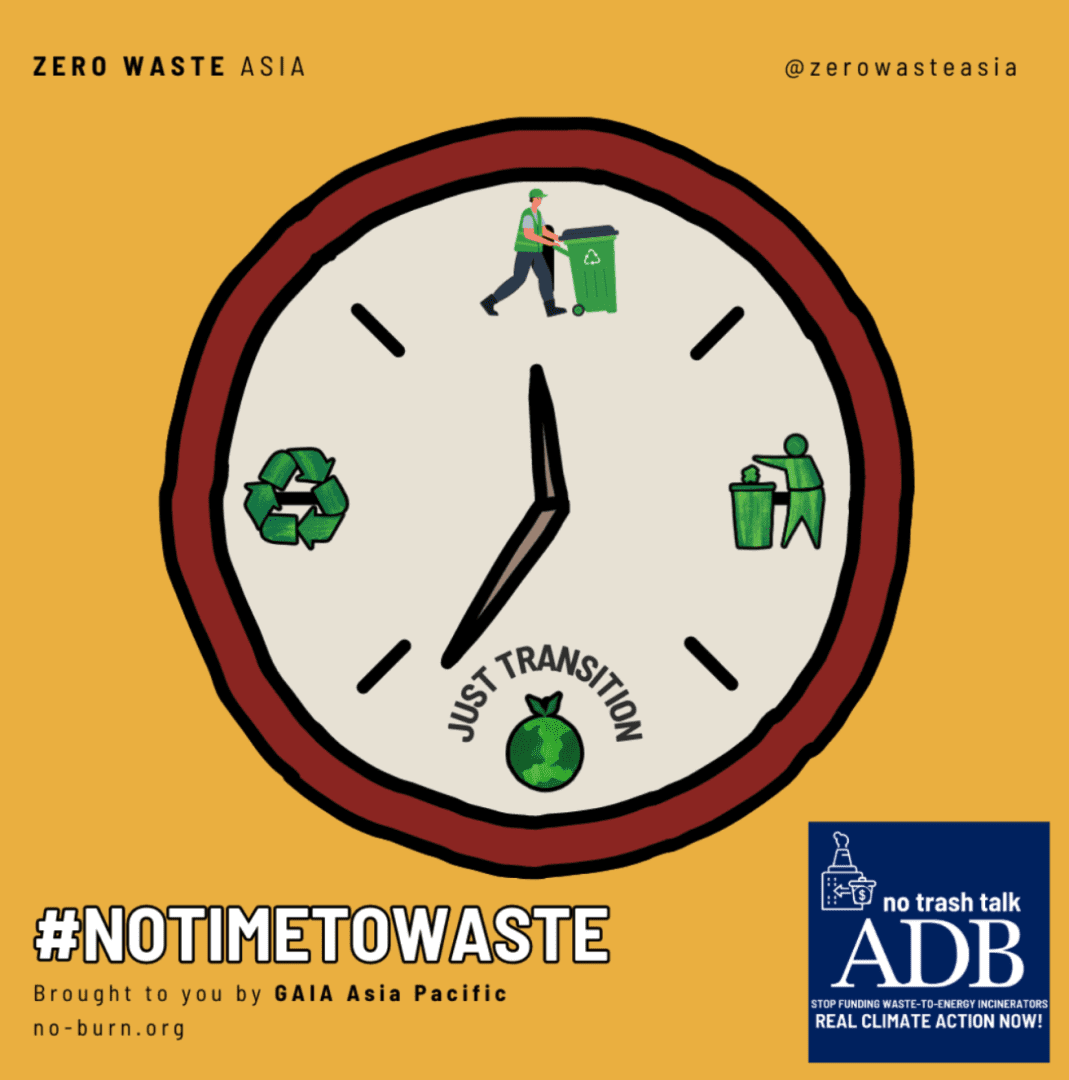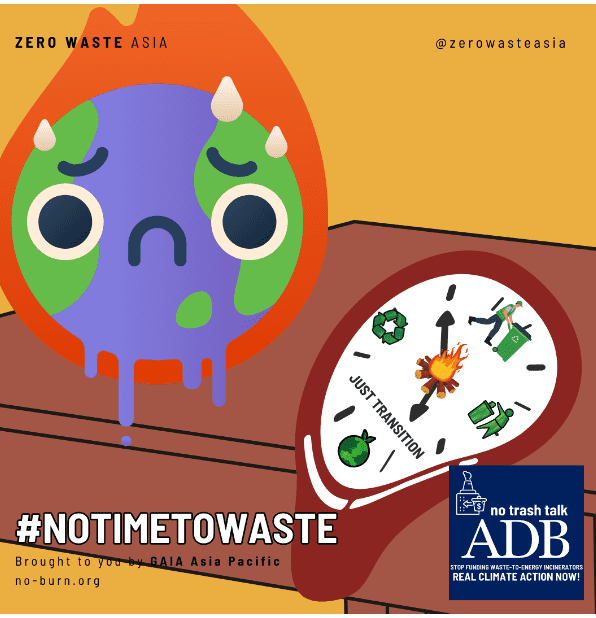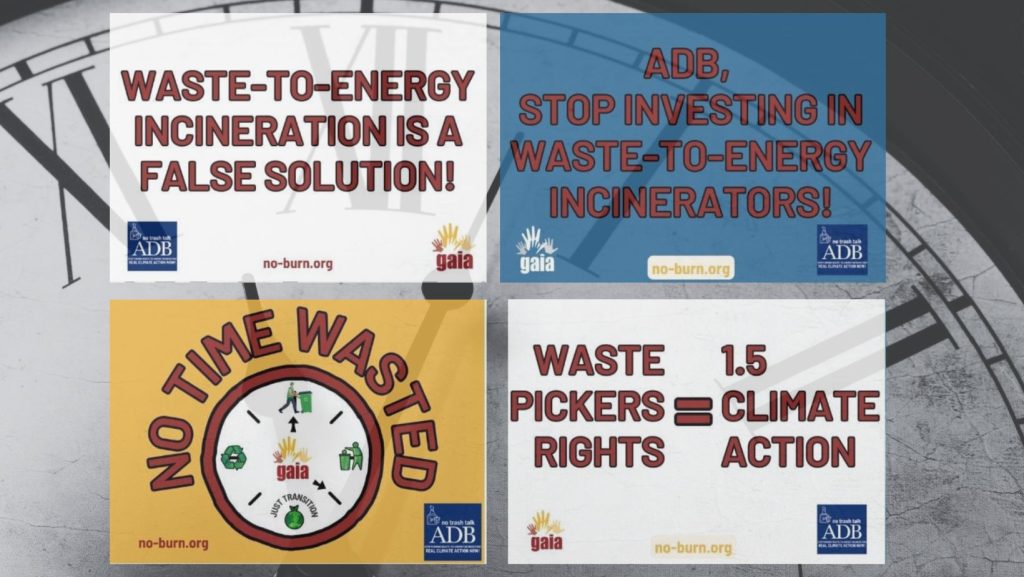





A campaign to call out international financing institutions (IFIs), governments, and investors to walk the talk by withdrawing support for incinerators and other false solutions to waste management, pollution, and fossil fuel-based energy sources. We demand that finance be shifted to accelerated, just, and transformative solutions.
A UN report in 2019 estimated that 1,120 or 30 percent of the global number of incinerators are operating in the Asia Pacific region. Despite the growing evidence on the economic, social, environmental and climate costs, another 200 incinerators promising to convert energy from waste, or waste-to-energy (WtE, also sometimes called energy-from-waste, or waste-to-power) incinerators are projected to be constructed and operated in the region by end of 2023.
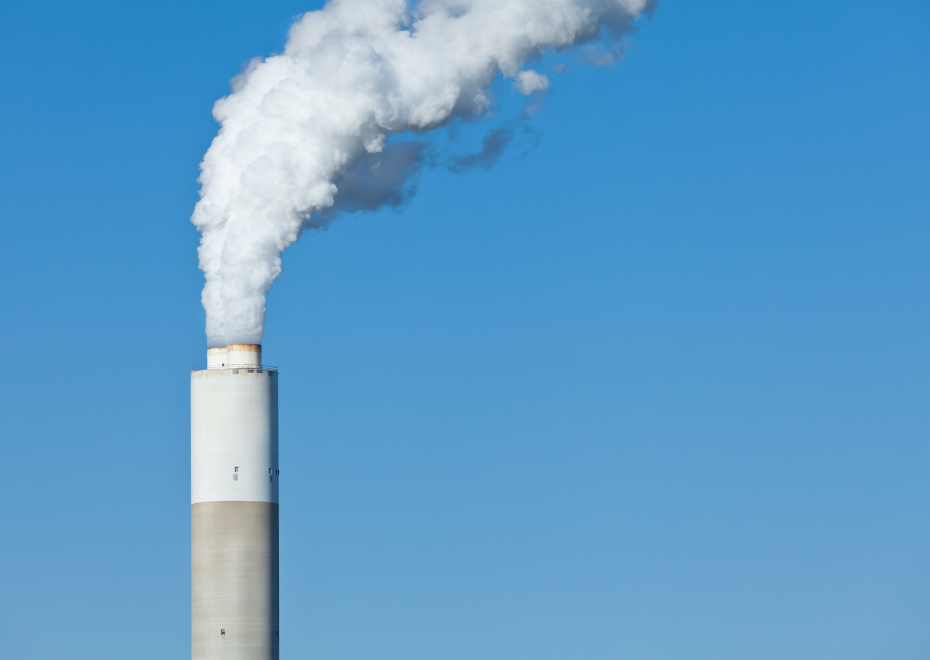
Incinerators with or without energy recovery release harmful pollutants such as dioxins, furans, heavy metals, microplastics, greenhouse gases, and other toxic residues. Incinerators promising are also four times more carbon-intensive than coal. In most developing countries in the region, WtE incinerators also fail in producing committed energy as a majority of waste are low-combustible, organic waste or they either close due to environmental violations, rising bankruptcy or corruption.
International Financial Institutions (IFIs) are key actors in providing strategic leadership in the entry of WtE incinerators. They provide public finance, shape policy infrastructure, set standards and dominate thought leadership on solutions to waste pollution and energy transition. In the region, Asian Development Bank (ADB), Japan International Cooperation Agency (JICA) and the Asian Infrastructure Investment Bank (AIIB) are the major IFIs in the region investing in WtE incinerators. According to our project monitoring data from 2009 – 2022, ADB alone has provided more than US$700 million in the form of loans, equity, grants, and technical assistance.
In response to this threat in the region, GAIA Asia Pacific and its allies are leading a Zero Waste Finance divestment strategy to demand IFIs and governments to stop supporting WtE incinerators, a false waste and energy solution and choose transformative and real solutions to waste and energy. The strategy involves policy advocacy, movement-building, public campaigning, grassroots actions, research and consultations with affected communities and policymakers.
DAY OF ACTION AGAINST INCINERATION
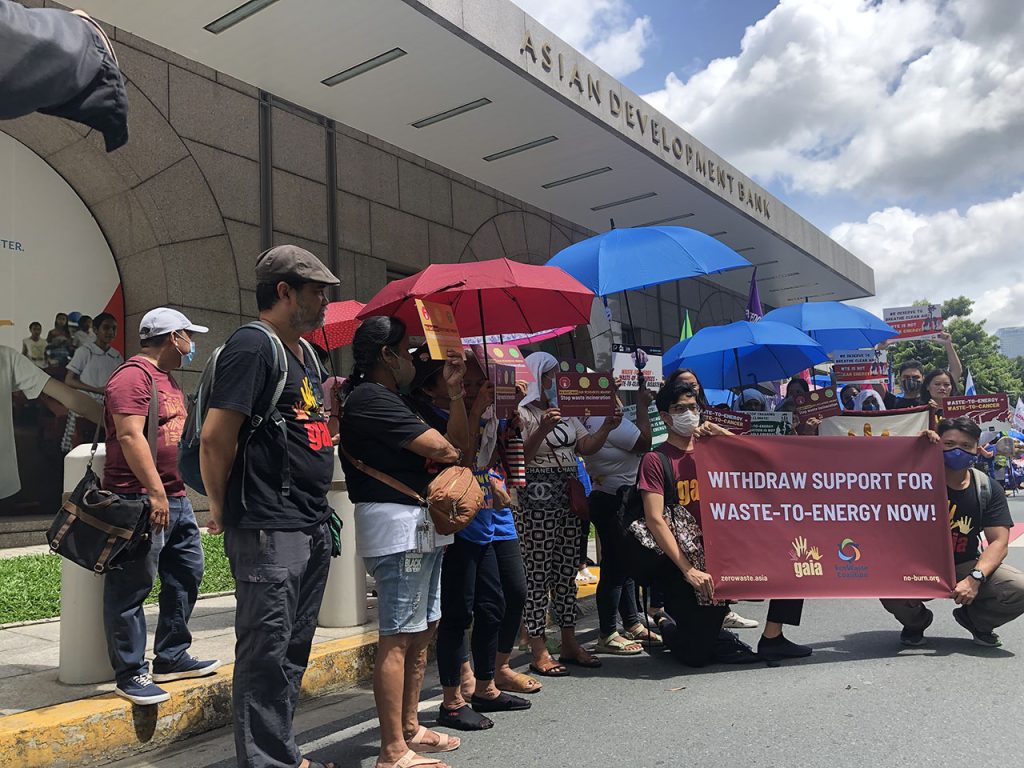
June 13 – 16, 2023
The Day of Action Against Incineration is an online mobilization to draw attention to the detrimental impacts of waste incineration and shift public finance to real solutions in waste and climate change.
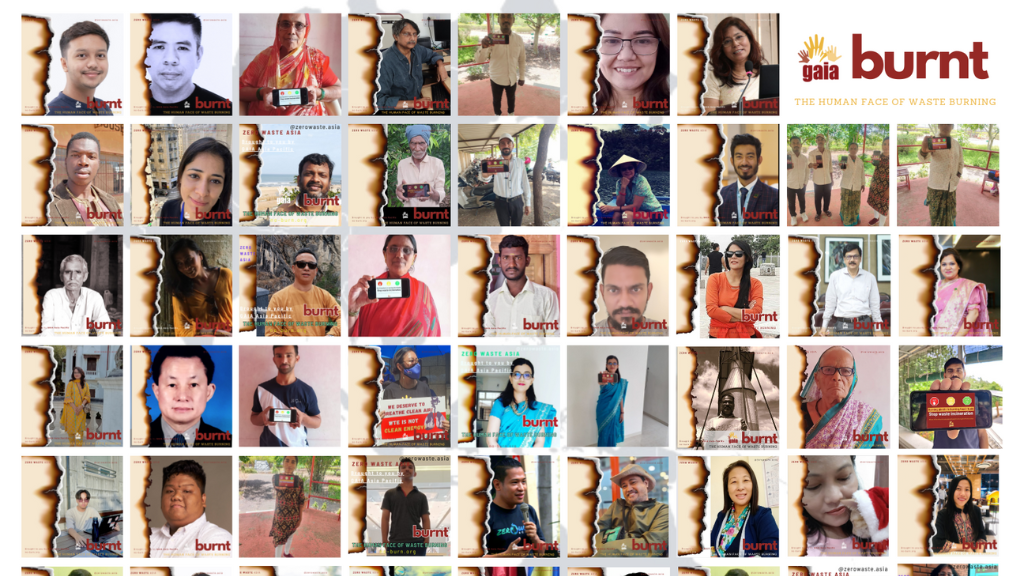
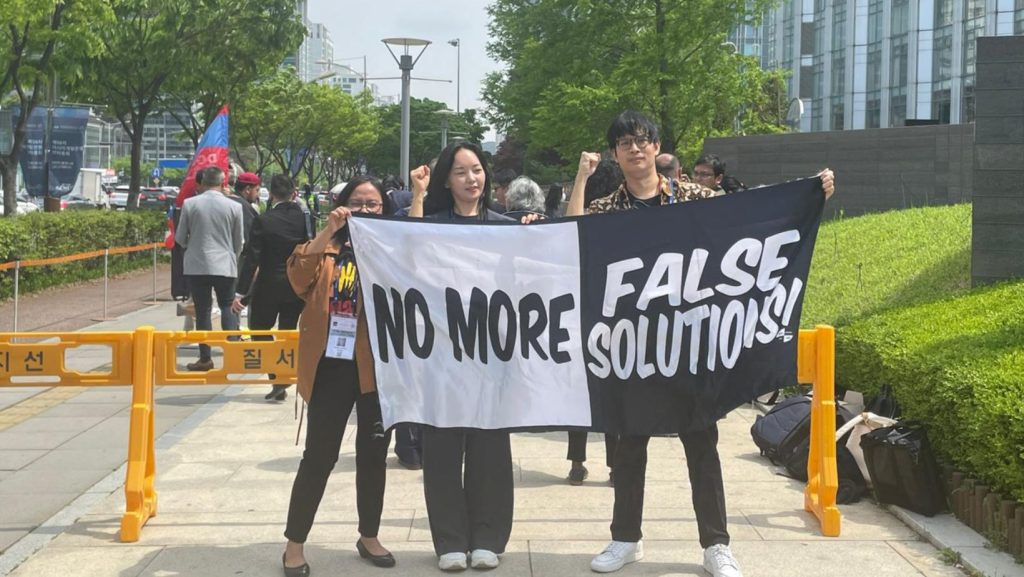
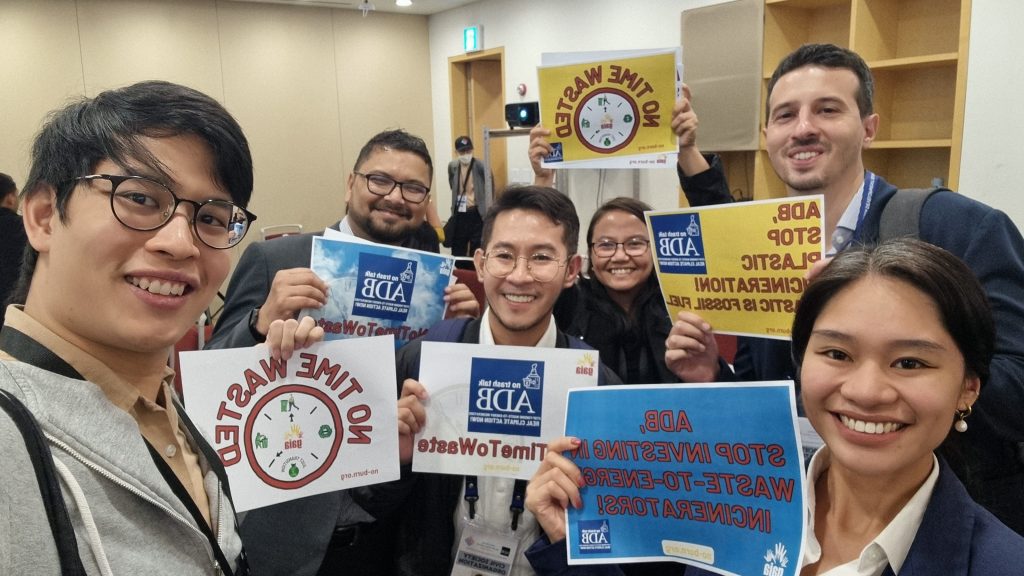
Held in conjunction with the Asia Clean Energy Forum (ACEF), a major convening forum in the region promoting dirty, expensive, climate-inducing and techno-fix centered solutions such as WtE incinerators, the day of action engages members and allies to onsite actions and online through #Burnt.
Videos and Photos:
News:
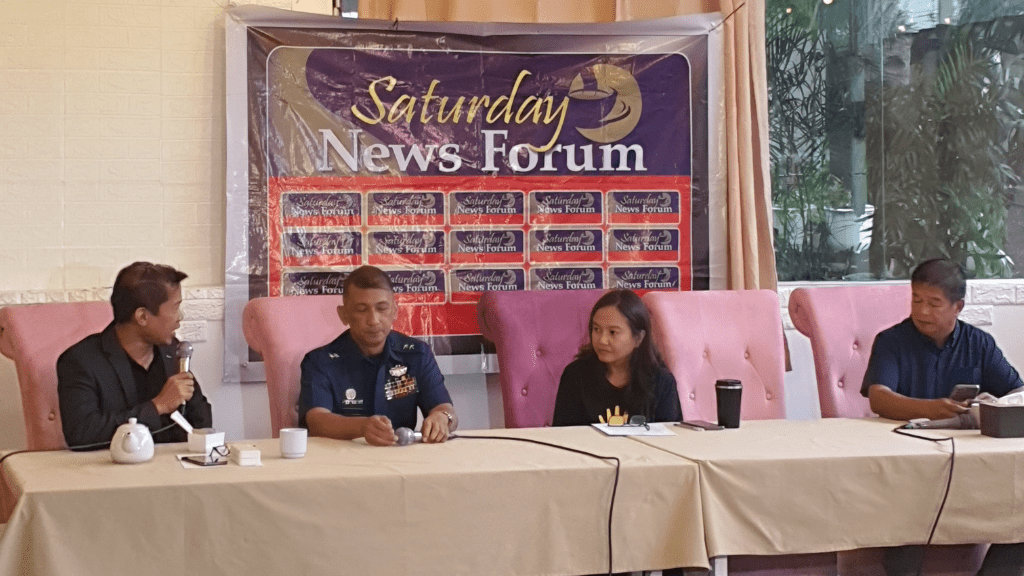
- ABS-CBN News: Advocacy group says law enforcement is solution to waste problem
- Philippine News Agency: Advocacy group says law enforcement is solution to waste problem
- The Daily Tribune: Anti-incineration advocates’ forum slated
- Page One: Advocacy Group Says Law Enforcement Is Solution To Waste Problem
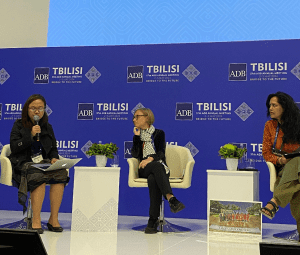
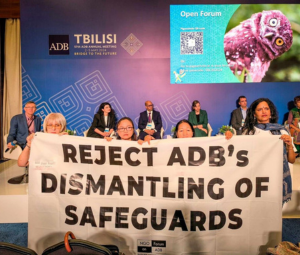
- Sun Star: Climate groups hit ADB, push for ‘just transition’ to 100 percent renewable energy
Learn more about the Day of Action Against Incineration
ASIAN DEVELOPMENT BANK (ADB)
Our Win. As a result of concerted policy advocacy, media engagement, movement-building and grassroots action – GAIA Asia Pacific gained language inroads in ADB’s Energy Policy 2021 by embedding higher waste management options before investing in WtE. GAIA Asia Pacific has gained language inroads in ADB’s Energy Policy 2021 by stating potential support only after careful restrictions. As the policy states: “WtE plants may be supported after careful consideration of their political, social, and environmental contexts. Further, paragraph 71 lays down prerequisites for investments to come in which identifies priority for reduction over energy recovery, ADB will support projects that promote a circular economy and consider holistically the order of priorities— first reducing waste generation, then exploiting the options for reusing and recycling materials, then using waste to recover energy or usable materials, followed by sanitary engineered landfilling as the last option. ADB support for WtE investments will promote sustainable livelihood opportunities for the poorest of the poor working along the waste value chain and at landfills. The potential environmental and social impacts of WtE investments will be managed by using the best internationally available technologies in the design and operation of such projects in accordance with international conventions.”
Click here to download GAIA Asia Pacific’s submission on the ADB’s Energy Draft Policy 2025 and ADB’s Energy Draft Policy 2021. An analytical study in 2018 on ADB’s investments on WtE, Bankrolling Pollution, Blocking Solutions is also available here, including the 2018 ADB and Waste Incineration.
News:
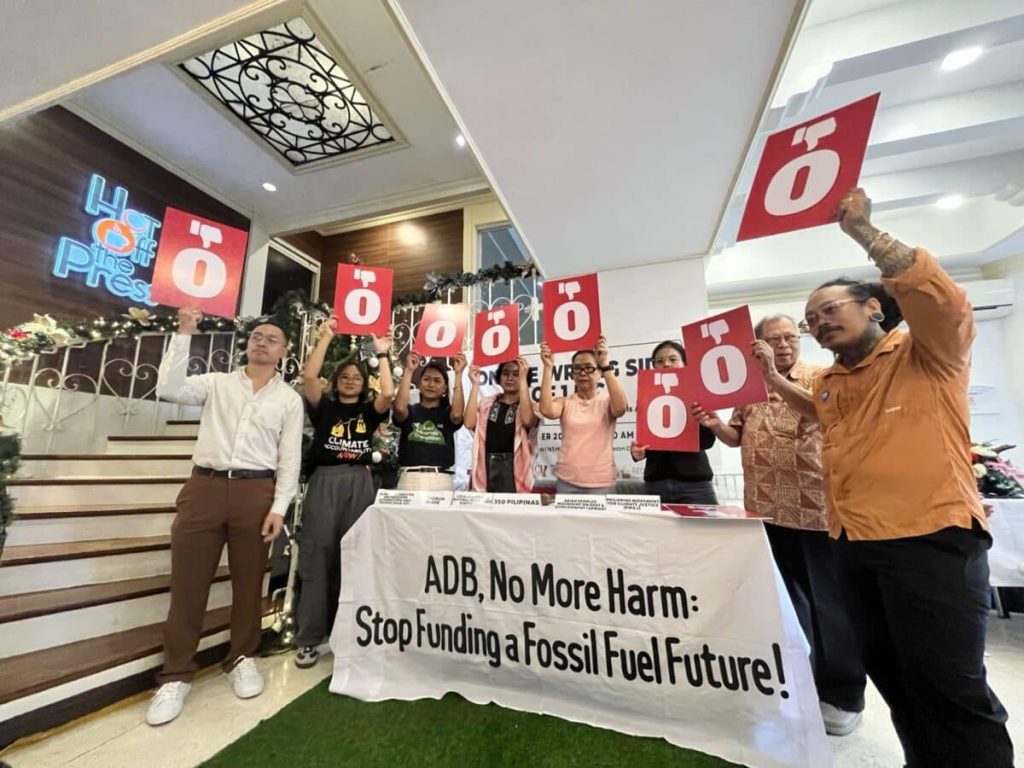
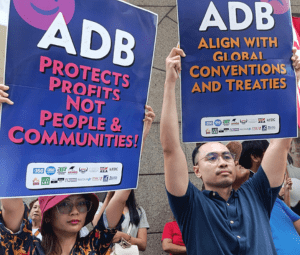
Civil society leaders give Asian Development Bank a “zero” on climate action during a press briefing in Quezon City on November 20, 2025, calling on the bank to stop funding fossil fuels and commit fully to a just energy transition.
- 2025
- 2024
- 2023
- The Manila Times: Waste-to-energy in Maldives: An absurdity
- Packaging Insights: Asian incineration debate: GAIA calls on Asian Development Bank to halt waste-to-energy investments
- Business Mirror: Civil society to ADB: Come clean in financing energy tech projects
- The Manila Times: Waste-to-energy has climate change written all over it
- 2022
- Philippine Star: ADB: No False Solutions Protest
- Eco-business: Philippines approves first large-scale waste-to-energy plant
- Packaging Insights: Burning issue: GAIA calls on Asian Development Bank to halt waste incineration investments
- ABS-CBN News: Groups urge ADB to stop funding natural gas, incinerators
- Business Mirror: Quick fixes may deepen energy, climate risks
- The Manila Times: Group wants stop to WTE facilities
- 2021
- The Manila Times: The Long Road to Sustainability
- Business Mirror: DOE draft circular classifying WTE as renewable energy hit
- Modern Diplomacy: Civil Society Groups Across Asia demand the ADB recalibrate its Draft Energy Policy
- Business Mirror: ADB’s draft energy policy not enough for Paris limits
- Business World: ADB urged to rule out investment in fossil fuel
- Business Mirror: Incineration banned under our new energy policy—ADB
Policy Advocacy
- Open Letters
- Statements
- Asian Development Bank’s Draft Safeguards Policy Falls Short on Ambition
- NGO Forum on ADB: ADB’s Asia Clean Energy Forum 2023: Techno-Fixes Distract From Real Solutions
- NGO Forum on ADB: Civil Society Groups Speak Out at ADB Annual Meeting
- The Reality of AID Network: More than a hundred CSOs demand people-centered solutions over intersecting economic, development and climate challenges
- Relief Web: CSO Collective Statement for the 56th ADB Annual Meeting
ADB Energy Safeguards Framework
The world is at a critical juncture, facing the intertwined crises of climate change, biodiversity loss, and pollution. As these challenges threaten the foundation of our societies and economies, financial institutions like the Asian Development Bank (ADB) have a vital role in shaping a sustainable future. With its ongoing review of environmental and social safeguards, the ADB must seize this opportunity to lead in promoting a just and resilient development path for the Asia-Pacific region.
However, concerns have arisen regarding the direction of this review. Civil society organizations fear that commercial pressures might lead to weakened protections, compromising the safety and rights of communities and the environment. To truly align with global goals and safeguard the planet, we call on the ADB to ensure that its energy safeguards:
- Prioritize real solutions over false promises by supporting the reduction of resource extraction and promoting true circularity in energy systems.
- Reject offset mechanisms that allow continued pollution under the guise of carbon credits or plastic credits, insisting on stringent adherence to global carbon budgets.
- Align fully with international conventions, including those emerging from the Global Plastics Treaty and recognizing the right to a clean, healthy, and sustainable environment.
- Address the rights of informal workers in hazardous sectors, particularly in waste management, ensuring they are protected, recognized, and fairly treated.
- Empower member states to meet global climate agreements and set high standards for compliance, thus addressing the root causes of the climate crisis.
This is a pivotal moment for the ADB. By implementing strong and forward-thinking safeguards, it can fulfill its vision of becoming a true Climate Bank, leading the way in conserving resources, preventing pollution, and fostering sustainable development. We urge the ADB’s Board Members to align with global efforts to make peace with nature and ensure that development finance flows in the right direction—toward a just and sustainable future for all.
Read our full review here: Comments on the draft ADB Environmental and Social Framework
Support for Affected Communities. ADB has been providing upstream interventions to provide policy support for the entry of WTE incinerators in the region. It has also published reports to promote it as part of the circular economy. Since 2009, A total of $700 million have been invested mostly in the Philippines, China, Maldives, Vietnam, Sri Lanka, and Bangladesh for WTE incinerators. See what affected communities are saying in this #NoTrashTalk media briefing.
Philippines
Since 2010, the ADB has provided technical assistance to prepare the local market for the entry of WTE incinerators in the Philippines which is a violation of the Bank’s Safeguards Policy prohibiting the provision of support for projects against the laws of a country-borrower.
Cebu City received substantial technical assistance from ADB’s for the facilitation of market linkages with the private sector, preparation of bids and marketing. Without a location, an environmental impact assessment and the conduct of meaningful consultations — the City Government has signed a Joint Venture Agreement with the private sector, New Sky Energy to construct and operate a WTE plant. Locals see two areas — Barangay Binaliw, Cebu City and Municipality of Aloguinsan to be the potential project sites.
Taking a step forward to bridge the gaps in terms of capacities and campaign strategies, the International Accountability Project (IAP), GAIA Asia Pacific, and the Philippines Earth Justice Center (PEJC) organized a training on community-led research for community members in two areas — Barangay Binaliw, Cebu City and Municipality of Aloguinsan, Cebu Province from June 4 to June 12. The week-long training was held in Cebu City and attended by a total of 20 participants who have been active in advocacy activities against WtE and other environmental issues.

GAIA Asia Pacific has also supported the conduct of a multistakeholder forum led by PEJC and attended by civil society, academe and the local government. A prelimenary research is also being developed on the case in partnership with PEJC, the IAP, and the NGO Forum on ADB.
- Eco-business: The Philippines excludes fossil fuels, mining but not waste-to-energy in draft green taxonomy
- Eco-business: Are waste-to-energy plants bad investments in the Philippines?
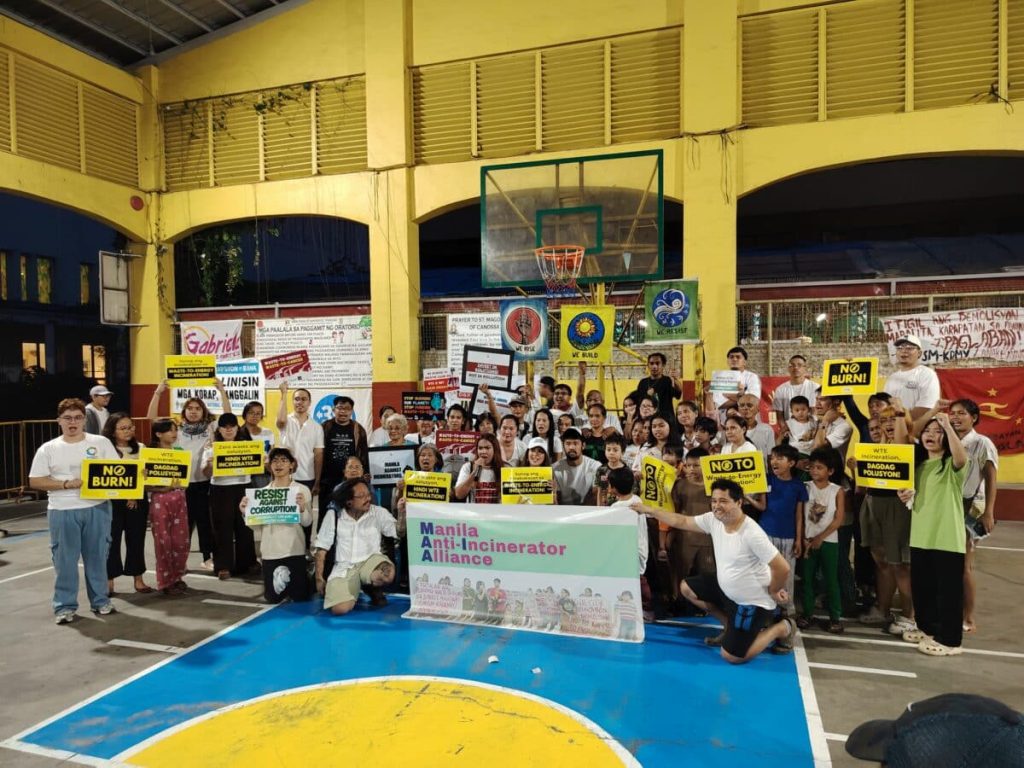
Residents, waste pickers, and environmental groups gather in Smokey Mountain, Tondo on Sept. 30, 2025 to launch the Manila Against Incinerator Alliance (MAIA), protesting the ₱26-billion waste-to-energy project backed by the Marcos administration and international lenders.
In September 2025, GAIA Asia Pacific joined the Manila Anti-Incineration Alliance as co-convenor.
The alliance brings together communities in Tondo, grassroots leaders, and environmental groups resisting a ₱26 billion waste-to-energy incinerator planned for Smokey Mountain, Manila, Philippines. The project carries a $500 million price tag—$415.2 million comes from loans by the Asian Infrastructure Investment Bank and World Bank. The remaining $84.8 million comes from the national budget.
Earlier reviews flagged corruption risks, land disputes, and weak assessments. Despite this, the AIIB and World Bank continued backing the flood control component of the larger project.
In 2024, both banks withdrew support for the incinerator component. This shift followed sustained pressure from communities, civil society, and environmental groups who emphasized that burning waste would deepen pollution in an already overburdened community, threatens displacement, and removes livelihoods of waste workers and residents in the community.
India
In a significant win for communities and civil society, the International Finance Corporation (IFC), the private sector arm of the World Bank, has officially withdrawn its proposed USD 40 million investment in Abellon Clean Energy Limited. The funding would have supported four waste-to-energy (WTE) incinerators in Gujarat, India—projects widely opposed due to their environmental, health, and social impacts.
Since the project’s disclosure in May 2024, strong resistance from local communities, waste pickers, and environmental groups—supported by coordinated advocacy from GAIA Asia Pacific, the International Accountability Project, and the Centre for Financial Accountability—delayed IFC’s decision multiple times. In February 2025, the IFC confirmed its withdrawal following sustained pressure and access-to-information requests.

GAIA Asia Pacific played a key role in supporting grassroots campaigns, amplifying community voices, and bringing international scrutiny to the project. The coalition argued that WtE incinerators threaten public health, violate environmental laws, and undermine sustainable, community-driven Zero Waste systems.
This victory demonstrates the power of collective action and sends a strong message to financial institutions: toxic, unjust, and climate-harming projects will not go unchallenged.
- Press Release: IFC decides against investing in the proposed funding of USD 40 million for waste incineration plants in India
- IFC Access to Information Response
Maldives
With support from regional and global civil society organizations, GAIA Asia Pacific provided assistance to Zero Waste Maldives to undertake research, public awareness campaigns and raise project issues to decisionmakers in ADB and AIIB.
Maldives, a small island developing state is vulnerable to climate change and facing debt burdens from projects such as WTE incinerators. As more than 60 percent of its waste is organic waste, WTE projects are said to be technically incompatible to solve the country’s problems. Instead of adhering to existing Zero Waste solutions and stopping the multi-million dollar project, the Maldives parliament has removed civil society recommendations to ban the importation of waste – a move seen to ensure continuous combustible feedstock for the WTE plant in Thilafushi which would make Maldives the world’s largest dump.
GAIA Asia Pacific monitors the project with Zero Waste Maldives, NGO Forum on ADB and the International Accountability Project.
- Global Day of Action: A Call for Leaders to Go #BeyondRecovery to a Zero Waste Future
- The Manila Times: Waste-to-energy in Maldives: An absurdity
- Greens hit Asian Development Bank’s sham clean energy agenda
- ADB’s climate plan riddled with false solutions: GAIA
Vietnam
A few months after the approval of the Energy Policy 2021, the ADB approved a new WtE plant without a finalized guidance notes to ensure the prioritization of reduction, collection, and segregation before the entry of WtE incinerators with the best standards aligned with international conventions on prevention of pollution. The project approval shows the ADB’s lack of accountability and the need for strengthened civil society action. GAIA Asia Pacific monitors the project with NGO Forum on ADB.
- Urging the ADB to withdraw proposed financing for waste-to-energy (WtE) incineration in Vietnam
- ADB’s letter to GAIA regarding the proposed WtE in Vietnam
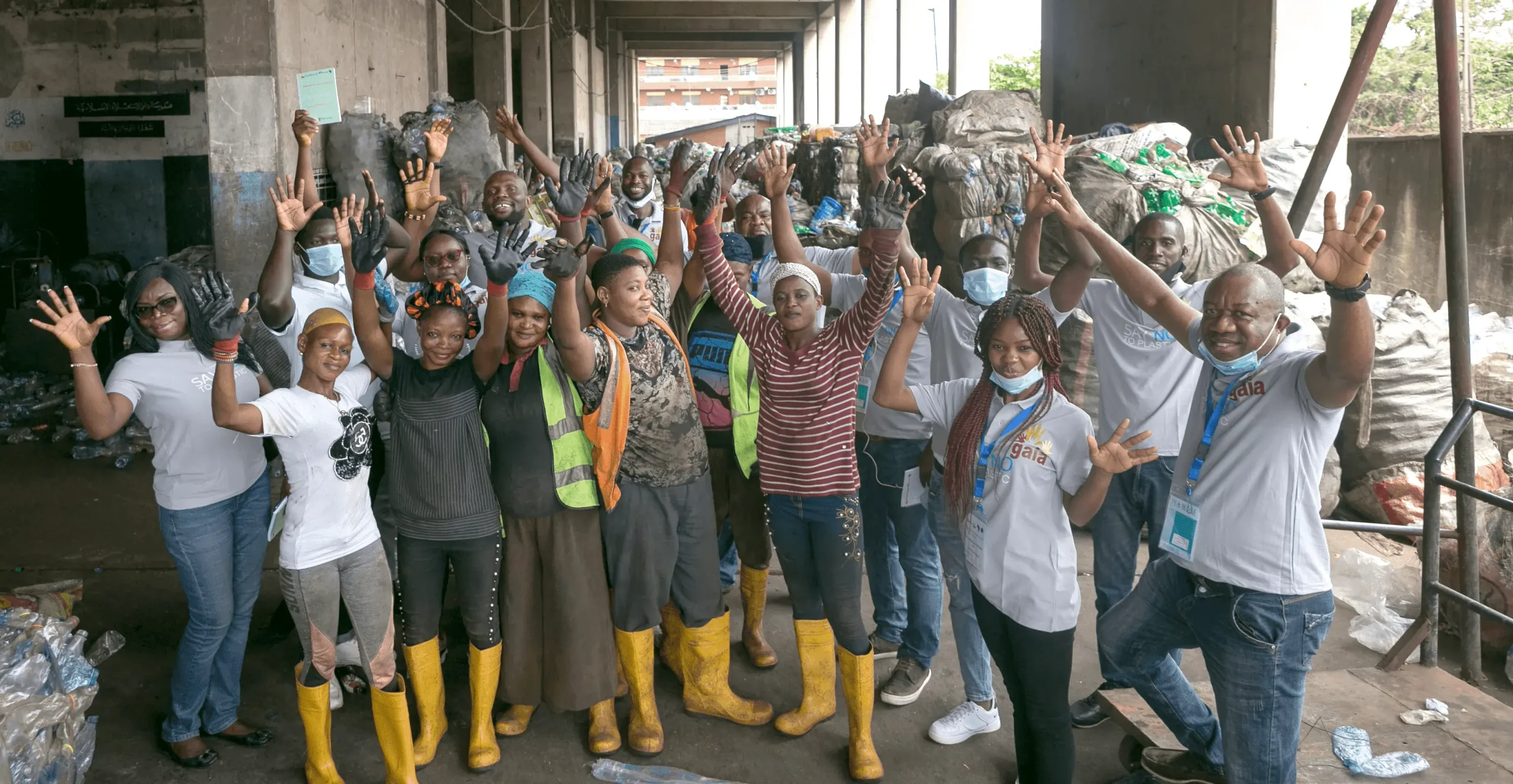
Just transition. WTE incinerators are neither a transition fuel and neither is it just. Promoting plastic wastes through WTE incineration as a replacement or transition fuel merely provides continued operations of the petrochemical and WTE industry amid global demands for stopping plastic wastes and shifting from fossil-fuel based energy. To yield energy, highly combustible plastic waste, a 99% fossil-based feedstock, needs to be burned continuously in WTE incinerators in huge volumes. When appraised in a lifecycle approach from the point of extraction in the production of the plastic wastes, WTE incinerators are four times more climate-intensive than coal plants. This means when climate finance is used for WTE incinerators, public finance is used to sustain polluting industries that heat up the planet’s temperature against the global goal of keeping it at 1.5 degrees Celsius. Investing in WTE incinerators also means funding the destruction of the livelihoods of those who depend on waste materials for a living and economic displacement of those who society relies on for recovering materials for recycling. GAIA AP has been pushing for the recognition of wastepickers across ADB’s waste management projects and protection of the sector’s rights in its safeguards policy. Here’s our latest intervention in ADB.
JAPAN INTERNATIONAL COOPERATION AGENCY (JICA)
Japan is a leading exporter of WtE incinerator technology. Through JICA, WtE is being integrated as a solid waste management solution in the framework of a circular economy. JICA provides technical assistance, capacity-building for local governments and financial assistance through loans and grants for WtE incinerators.
Our Win. JICA publicly disassociated their involvement in the WtE project in Davao, Philippines in response to public statements of affected farmers and waste pickers in the province.
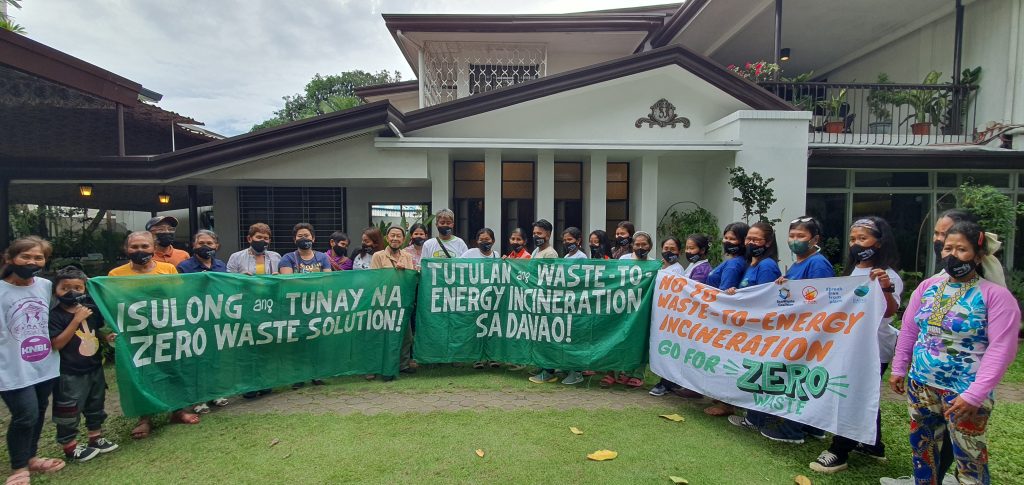
Support for Affected Communities in Davao, Philippines. Davao City is one of the highly-urbanized cities in the country yet its economy depends on agriculture. WTE incinerators would have detrimental effects on food systems, public health, livelihoods, and debt levels. A total of 20 villages located within the 10-kilometer radius of the proposed site in Tugbok would be directly affected. The WTE incinerator project would go against national laws such as the Clean Air Act and the Ecological Solid Waste Management Act.
In January 2023, a community forum and an open letter signed by 57 international, regional and national civil society groups called on the Japan International Cooperation Agency (JICA) to divest from the WtE incinerator project in Davao. GAIA AP supports the Davao-based group interfacing Development Interventions for Sustainability (IDIS) with Ecowaste Coalition, Friends of the Earth Japan, and the International Accountability Project.
- Rappler: Environmentalists slam P5-billion waste-to-energy project in Davao City
- Mindanao Times: `DEEPLY CONCERNED’ | Environment groups quiz JICA on WTE project
- Sun Star: Envi groups call out JICA for “lack of accountability” on waste-to-energy stand
- Philippine Star: Communities urge Japan aid agency to divest from Davao’s waste-to-energy facility
- Sun Star: JICA clarifies it is not funding WTE project in Davao City
- Manila Bulletin: JICA not involved in Davao City WTE project
- Edge Davao: Japanese government to fund WTE: EMB 11
- Business Mirror: Davao City seeks ₧3.5-B fund support for WTE pilot project
INTERNATIONAL FINANCE CORPORATION (IFC)/WORLD BANK
As the International Finance Corporation (IFC)/World Bank Board of Directors prepares to vote on the fate of four proposed Waste-to-Energy incineration projects on September 5, 174 civil society organizations have signed a petition urging the board to reject the proposed projects by Abellon Clean Energy Limited (ACEL) in Gujarat, India.
These projects, planned for Rajkot, Vadodara, Ahmedabad, and Jamnagar, pose a significant threat to our communities. We have already seen the detrimental effects of ACEL’s current WtE plant in Jamnagar, including severe air pollution, health issues, and environmental degradation. Expanding these projects will only worsen these problems, impacting thousands more.
Despite claims of cleaner energy, WtE incinerators have proven to be harmful, contributing to pollution, undermining sustainable waste management, and threatening the livelihoods of waste workers. The flawed Environmental and Social Impact Assessments reflect a concerning neglect of community and environmental concerns.
Our message to the World Bank is clear: reject these projects and end funding for WtE incinerators. We must champion true environmental protection and prioritize community health over damaging and unsustainable energy solutions. Read our full statement here.
Resources