







Interview with MaNaWWA President Wilhelmina Magdaluyo by Dan Abril
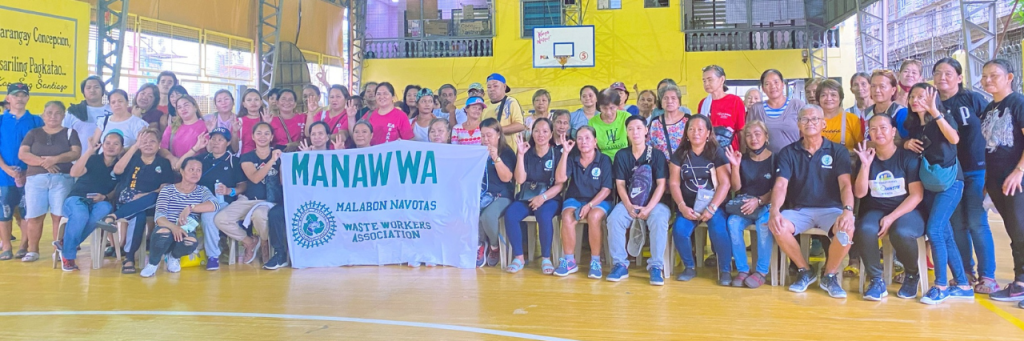
Emerging from the zero waste initiatives pioneered by Mother Earth Foundation (MEF) Philippines in the cities of Malabon and Navotas in the Philippines, the Malabon-Navotas Waste Workers Association (MaNaWWA) was established in November 2021 as a means to boost the morale of waste workers.
Comprising collectors, drivers of waste collection vehicles, palero (shoveller), dispatchers, caretakers of Materials Recovery Facilities (MRF), composters, estero (creek) rangers, canal decloggers, street sweepers, waste pickers, monitoring officers, environmental police, and more, MaNaWWA is dedicated to improving the working conditions of waste workers and spotlighting their crucial role in combating plastic pollution.
Initially, MaNaWWA had a modest membership. However, this increased significantly after collaborating with Sagip Kapamilya of the ABS-CBN Foundation in June 2022. MANAWWA currently boasts a membership of 355 individuals from Malabon and Navotas. The organization is also registered under the Philippine Department of Labor and Employment (DOLE), making it eligible to receive government assistance and benefits, such as livelihood assistance, trainings, and financial resources.
Our talk with current MaNaWWA President Wilma Magdaluyo offered insights into their work and their campaign to reduce the impact of waste and to bring recognition to waste workers.
What are MaNaWWA’s main ongoing campaigns?
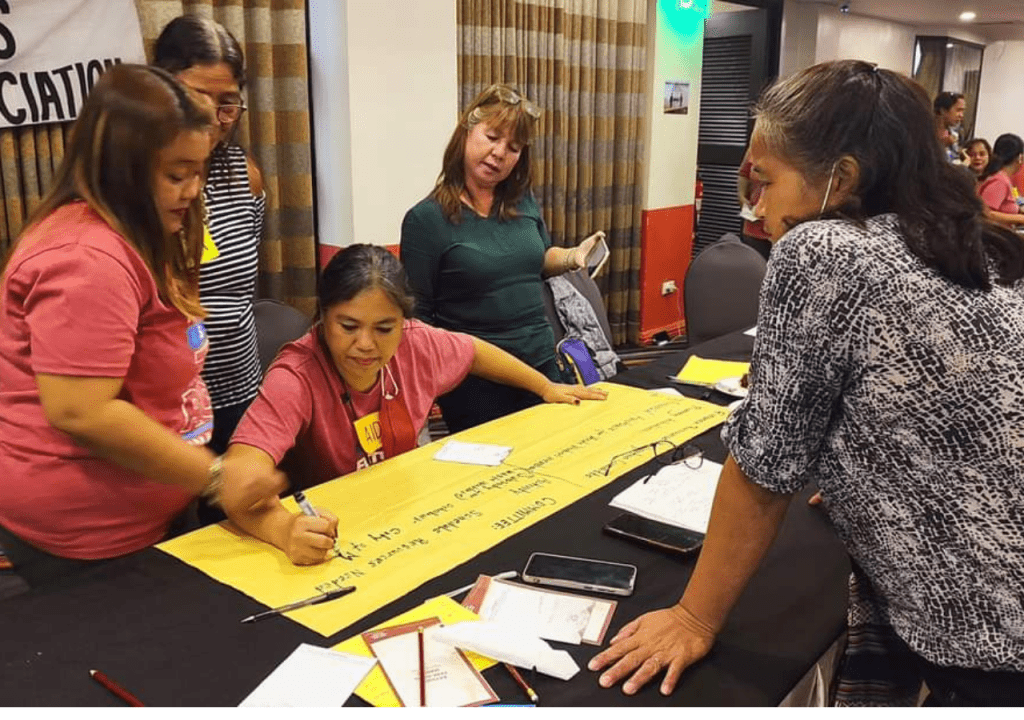
MaNaWWA’s ongoing campaigns focus on garnering support from barangay members, emphasizing waste reduction and recycling. We have informational drives that span barangays (villages), schools, and non-government organizations (NGOs). However, our initiatives are not limited to waste segregation but are extended to livelihood programs for waste workers such as dishwashing liquid production and rug-making from discarded textiles recovered during waste collection.
What are MaNaWWA’s biggest accomplishments/achievements?
Our foremost achievement lies in fostering community awareness about proper waste segregation. Overcoming initial obstacles, our campaign has significantly boosted waste diversion. This means a substantial portion of waste, including PET bottles, cardboard, and plastic cups, now reaches recycling centers instead of landfills. Further, kitchen waste is processed into compost for urban gardens managed by MaNaWWA members. Vegetables from the garden are then distributed among association members, creating a sustainable cycle. Today, households, armed with information on proper waste segregation, voluntarily segregate their waste before handing it over to our waste workers.
In 2023, we spearheaded the Waste Workers Appreciation Day, a significant event that aimed to acknowledge the tireless efforts of waste workers, with valuable assistance from MEF. MaNaWWA is also a member of the Malabon and Navotas’ Solid Waste Management Board, an administrative body tasked with coordinating and overseeing solid waste management activities of the city. There, we contribute our expertise to enhance waste management strategies in these areas. Further, we were one of the delegates at the GAIA Asia Pacific Regional Meeting held in 2023 in Hoi An, Vietnam. That meeting gathered GAIA members from all over Asia Pacific and it was a great platform to discuss the waste crisis and celebrate our zero waste initiatives.
Earlier this year, we participated in the launch of the Philippine National Waste Workers Alliance (PNWWA), an association advocating for the rights of Filipino waste workers. I am proud to serve on the board, contributing to the collective efforts aimed at championing the rights of waste workers.
What challenges are you facing? How does the COVID crisis impact your work?
The pandemic posed considerable risks for our waste workers. Our profession already exposes us to occupational hazards, and the pandemic exacerbated this by limiting access to personal protection equipment (PPE). The improper disposal of health-related waste, such as used face masks and plastic shields, further complicated the situation.
Presently, our primary concern is the lack of funds. We wish to provide financial and medical assistance to needy members, but our resources, sadly, are constrained.
What are the main environmental issues that your country/region is facing?
A significant issue is the prevalence of sachets in our waste collection. These items contribute to sewage blockages and floods, escalating disease rates. In the past, refill options were commonplace in small neighborhood retail shops, reducing the need for sachets. However, sachets are everywhere, especially in low-income areas.
We have made strides in mitigating the problems caused by sachets with our waste collection initiatives but we call on companies to stop producing sachets for the sake of communities and the environment.

How do you see your organization’s work evolving in the next few years?
What we envision is more and strengthened collaboration with other NGOs and government bodies. We also look forward to conducting more seminars on enhancing community awareness on waste reduction.
What are your thoughts on the waste crisis that many countries in your region (and in the world) are living in right now?
The waste crisis demands a collaborative effort from all sectors to minimize its impact. Sachets, particularly in the Philippines, contribute significantly to this crisis, needing urgent attention.
Do you collaborate with partners in other regions? If so, how?
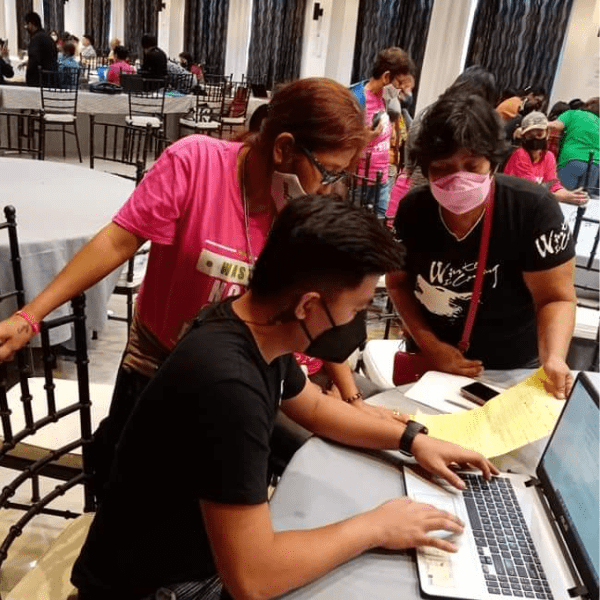
Currently, we collaborate with MEF on diverse initiatives, including seminars and information dissemination on waste segregation. MEF has provided valuable training on occupational safety and basic computer skills, which we aim to pass on to other members.
Who do you admire most in environmental work (in your country or the world)?
We admire MEF for its commitment to zero waste and its sincere efforts in educating and reaching out to schools and barangays.
Call for funding
MaNaWWA urgently requires funding to provide financial support for waste workers, covering medical expenses and livelihood programs. Additionally, they seek support for seminars focusing on self-care and occupational safety. Supporting MANAWWA directly contributes to the betterment of waste workers’ lives and the community’s environmental well-being. You can email them at manawasteworkersassociation@gmail.com or check out MANAWWA’s work in Malabon and Navotas on their Facebook page: Malabon-Navotas Waste Workers Association (MaNaWWA).
Let’s support our waste pickers and waste workers. Read our feature article, SHINING THE SPOTLIGHT ON WASTE WORKERS AND WASTE PICKERS THROUGH JUST TRANSITION, and explore GAIA members working towards a just transition.