
A Conversation with Sarah Goodyear and Doug Gordon, of The War on Cars Podcast

GAIA hosted Sarah Goodyear and Doug Gordon — co-authors of Life After Cars and hosts of The War on Cars podcast — for a conversation about transportation system change, the limits of EV electrification, and what genuine mobility justice could look like.

Watch the full recording. Listen to The War on Cars. Get Life After Cars. Learn about GAIA’s batteries program.

The conversation opened with the book’s central provocation: cars ruin nature, they ruin society, and they ruin childhood. And it quickly turned to the question at the heart of GAIA’s own battery waste work: if we’re serious about fixing this, is swapping the engine really enough?

The 1:1 EV replacement story

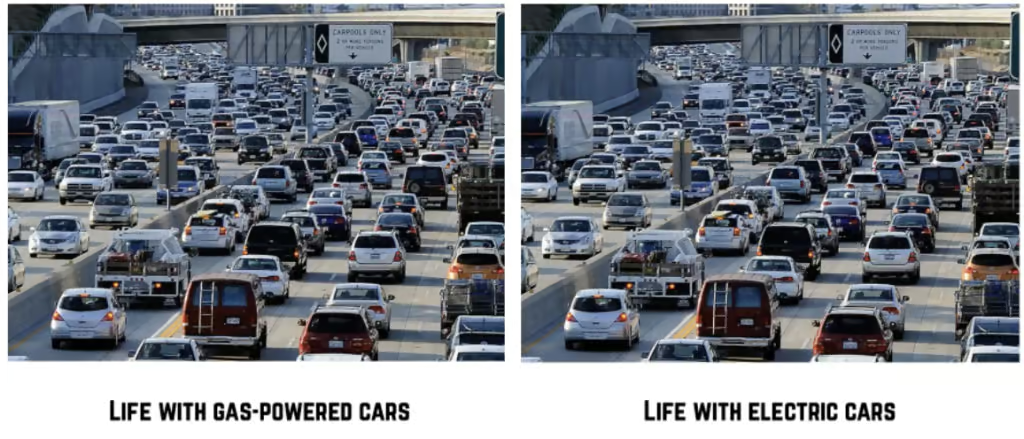
Doug was direct: “That highway is still there. The traffic is still there. The money it costs to insure the automobile you’re driving is actually going to go up with electric vehicles, because they’re more expensive to repair.”

Side-by-side highway traffic: gas-powered cars on the left and electric cars on the right (captions shown).Coinciding captions read 'Life with Gas-Powered Cars' and 'Life with Electric Cars'.

Sarah pointed to one of the book’s more striking examples — tire particle pollution. Researchers in Washington State traced mass die-offs of Coho salmon to a molecule released by tire degradation that washes into waterways. “Tire particles are one of the two largest causes of plastic particulates in the environment — showing up in our bodies, in our brains, in our children’s bodies.” And the heavier the vehicle, the worse it gets.

Doug offered a reframe that ran throughout the conversation: “The V in EV does not have to stand for car. It stands for vehicle.” The battery power needed to move one electric pickup truck could instead power approximately 300 electric bicycles. “When we talk about limited resources and minimal footprint on the earth, electric bicycles are a really good way to think about it.”

Breaking the taboo

Asked why challenging car culture remains politically untouchable, Doug offered a memorable analogy: “If you ask Americans, do you like your health insurance company? They’ll say no. Would you like to change it to national healthcare? Oh my god, no, that’s too scary. We all hate this system, but we can’t imagine it could be better, because most Americans haven’t experienced it.”

On EV marketing, Sarah was pointed: “None of the Super Bowl ads talked about pollution or the climate. It was the same nonsense you see in traditional car ads.” Fear, she argued, is what both the car industry and the EV industry profit from.

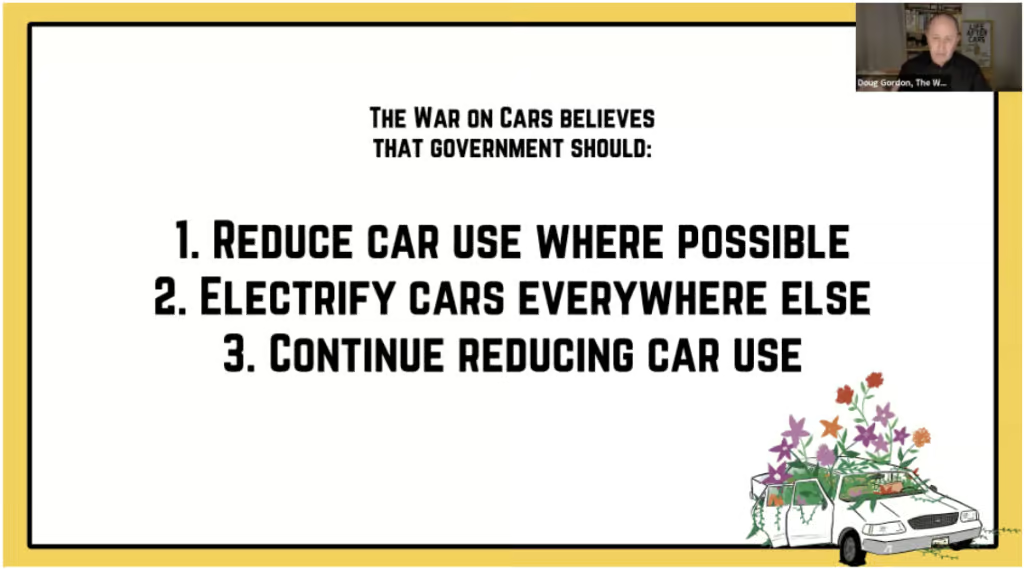
text saying: The War on Cars believes that government should: reduce cars when possible, electrify cars everywhere else, continue reducing car use

What change actually takes

Doug pointed to Ghent, Belgium, where a mobility plan faced such fierce opposition that the deputy minister had a police detail before it launched — and where, on day one, people asked why it hadn’t always been that way. Sarah noted a generational shift: “The politicians we’re meeting are young and unapologetic. For so long, transit advocates were seen as a nuisance by elected officials. These politicians see our movement as a constituency to be served. That is a radical shift.”

Waste, transportation, and common cause

Responding to GAIA’s question about connecting zero waste work to transportation advocacy, Doug drew a direct line: “It’s not just the lithium and cobalt — it’s the steel, the iron, the plastic, the glass. That new car smell is horrible chemicals leaching into your body and your lungs.” Sarah framed it more broadly: “The work that faces our generation is repair. It is so wasteful to be constantly building new roads and new infrastructure. How can we repair the fabric of our communities and build a healthier consumption cycle — not just chewing up brand new land and stuff to then throw it away?”

A closing note

Doug ended with a statement of intent that felt like the book’s thesis in miniature: “We are never wagging our fingers at the individual. We want to punch up and not down. The goal is to make cycling, transit, and walking feel like the default choice — because it has the least friction. You just hop on your bike or walk down to the corner and get on a bus. That’s what we’re going for.”

En una señal  de impulso positivo, las naciones acuerdan celebrar otra conferencia en Tuvalu, organizada conjuntamente con Irlanda

PARA SU PUBLICACIÓN INMEDIATA: 29 de abril de 2026

Santa Marta, Colombia– Hoy concluyó en la ciudad de Santa Marta, la Primera Conferencia sobre la Transición para Abandonar los Combustibles Fósiles, con motivos para el optimismo: por primera vez, 57 gobiernos nacionales se unieron para comenzar a eliminar gradualmente los combustibles fósiles. En una victoria para las comunidades afectadas de todo el mundo, varios grupos de la conferencia, como el mundo académico, los pueblos indígenas, los afrodescendientes y los gobiernos nacionales y subnacionales, incluyeron llamados a reducir los productos petroquímicos, un factor clave del cambio climático. Los parlamentarios y el sector privado también pidieron medidas específicas para abordar la crisis del plástico.

Ana Rocha, directora de Política Global de Plásticos de GAIA, afirma: «Santa Marta reunió a un grupo de países que reconocen la urgencia de reducir gradualmente los combustibles fósiles. Si bien siempre se anulan resultados más tangibles, el progreso es importante, y Colombia, los Países Bajos y todos los involucrados merecen reconocimiento por sacar el debate del estancamiento. Ahora los países deben aprovechar este impulso para traducir la intención en acciones decisivas».

En el Diálogo sobre ciencia y política celebrado los días 24 y 25 de abril, GAIA y el Centro para el Derecho Ambiental Internacional (CIEL) convocaron conjuntamente a un grupo de expertos para ofrecer orientación sobre cómo abordar los productos petroquímicos como parte fundamental de la reducción gradual de los combustibles fósiles. Las recomendaciones incluyen congelar la expansión petroquímica, establecer límites decrecientes a la producción petroquímica, garantizar la transparencia y la trazabilidad en toda la cadena de suministro petroquímica, eliminar los subsidios, prevenir las soluciones falsas y desarrollar mecanismos financieros para apoyar transiciones justas.

Los productos petroquímicos se producen a partir de combustibles fósiles, y la Agencia Internacional de la Energía proyecta que, sin intervención, los productos petroquímicos representarán un tercio del crecimiento de la demanda de petróleo para 2030, y casi la mitad para 2050.

57 naciones participaron en la conferencia. Muchas naciones expresaron la necesidad de una Transición Justa en la que países con realidades y condiciones similares desarrollen soluciones conjuntamente, abordando la complejidad de la crisis con soluciones viables.

En una señal del impulso positivo hacia la reducción gradual de los combustibles fósiles, los países han decidido reunirse de nuevo el próximo año, en una segunda conferencia que se celebrará en Tuvalu gracias a una colaboración entre Tuvalu e Irlanda. La elección de la sede, uno de los países más vulnerables al clima del mundo, pone de relieve tanto la crisis climática como el espíritu de solidaridad Sur-Norte. La fecha exacta de la próxima conferencia está por confirmar.

De aquí a la próxima conferencia, los países trabajarán en tres líneas de acción para desarrollar sus estrategias de descarbonización, entre ellas: abordar las barreras económicas y financieras estructurales, promover el comercio verde frente al comercio de combustibles fósiles, y abordar la dependencia y el suministro de combustibles fósiles.

Este avance histórico en la cooperación internacional para combatir la crisis climática refuerza la viabilidad de un proceso que excluye a los malos actores que han saboteado las negociaciones climáticas durante los últimos treinta años, ofreciendo una alternativa al disfuncional sistema de veto de un solo país de las Naciones Unidas.

Citas de miembros de GAIA:

«Esta primera conferencia marca el inicio de una transición para dejar atrás la dependencia de los combustibles fósiles. Es esencial invitar a más países a sumarse a estos esfuerzos. Los países deben priorizar la reducción de la producción petroquímica al tiempo que abordan toda la cadena de valor de los plásticos —desde la extracción hasta la eliminación—, incluyendo a los recolectores de residuos y a las comunidades afectadas por la contaminación. Esta transición debe estar centrada en las personas y solo será efectiva si es justa, inclusiva y se basa en un enfoque de derechos humanos». -Laura Suárez, directora nacional de la Fundación PlastiCo y coordinadora científica y de políticas del Proyecto MarLi en la Universidad San Francisco de Quito

«Una transición integral para dejar atrás los combustibles fósiles requiere repensar y transformar todo el sistema que depende de ellos, lo que incluye acabar con nuestra dependencia de los plásticos de un solo uso y los agroquímicos. Los países deben elegir la continuidad de la vida en la Tierra por encima de la codicia corporativa». -Ana Belén Ortega, miembro de Alianza Basura Cero Ecuador

«Toda historia tiene un comienzo. Este es el nuestro. Por primera vez, personas de todo el mundo están diciendo que así es como iniciamos el plan para acabar con el uso de los combustibles fósiles. Seguiremos luchando por la remediación y la recuperación de los sitios de combustibles fósiles y petroquímicos porque ahí es donde esta historia debe terminar para las comunidades de primera línea. No será justo si no lo limpiamos.” -Ean Tafoya, vicepresidente de GreenLatinos

“Esta reunión fue un paso necesario para ir más allá de una economía basada en los combustibles fósiles que ha causado un profundo daño al clima, la biodiversidad, la salud humana y los derechos de los pueblos indígenas y las comunidades de primera línea. Salimos de esta conferencia con agradecimiento, pero también con un llamado claro: la transición para dejar atrás los combustibles fósiles no debe repetir los daños de la extracción. Debe brindar justicia, reparaciones y participación real a los pueblos indígenas y las comunidades de primera línea.” -Frankie Orona, cofundador y director ejecutivo de Society of Native Nations

Contacto de prensa:

Claire Arkin, directora de comunicaciones globales

claire@no-burn.org | +1 973 444 4869

In Show of Momentum, Nations Agree to Another Conference in Tuvalu, Co-hosted with Ireland

FOR IMMEDIATE RELEASE: April 29, 2026

Santa Marta, Colombia– Today, the First Conference on Transitioning Away from Fossil Fuels came to a close in Santa Marta, Colombia with cause for optimism: for the first time, 57 national governments came together to begin phasing out fossil fuels.  In a win for impacted communities worldwide, several constituencies of the conference, such as academia, Indigenous Peoples, Afrodescedents, and national and subnational governments, included calls to reduce petrochemicals, a key driver of climate change. Parliamentarians and the private sector also called for specific measures to address the plastic crisis.

Ana Rocha, Global Plastics Policy Director at GAIA, states: “Santa Marta brought together a group of countries that recognize the urgency of phasing down fossil fuels. While there is always an appetite for more tangible outcomes, progress matters, and Colombia, the Netherlands, and all involved deserve credit for moving the conversation beyond paralysis. Now countries must build on this momentum to translate intention into decisive action.”

At the  Science and policy dialogue held on April 24-25th, GAIA and the Center for International Environmental Law (CIEL) co-convened a group of experts to offer guidance on how to address petrochemicals as a critical part of a fossil fuel phase-down. Recommendations included freezing petrochemical expansion, establishing declining caps on petrochemical production, ensuring transparency and traceability across the petrochemical supply chain, eliminating subsidies, preventing false solutions, and developing financial mechanisms to support just transitions.

Petrochemicals are produced from fossil fuels, and the International Energy Agency projects that, without intervention, petrochemicals will account for one third of oil demand growth by 2030, and nearly half by 2050. 

Fifty seven nations participated in the conference.  Many nations voiced the need for a Just Transition where countries with similar realities and conditions develop solutions together, addressing the complexity of the crisis with actionable solutions. 

In a sign of positive momentum towards a fossil fuel phase-down, countries have decided to convene again next year, in a second conference hosted in Tuvalu through a collaboration between Tuvalu and Ireland. The choice of location, one of the most climate vulnerable countries in the world, highlights both the climate crisis as well as the spirit of South-North solidarity. The exact date for the next conference is to be confirmed. 

Between now and the next conference, countries will work in three workstreams to develop their decarbonization strategies, including: tackling structural economic and financial barriers, promoting green trade over fossil fuel trade, and addressing fossil fuel dependency and supply. 

This historic advancement in international cooperation to combat the climate crisis bolsters the viability of a process that excludes the bad actors who have sabotaged the climate talks for the past thirty years, providing an alternative to the dysfunctional one-country-veto system of the United Nations. 

Quotes from GAIA Members: 

“This first conference marks the beginning of a transition away from fossil fuel dependency.  It is essential to invite more countries to join these efforts. Countries must prioritize reducing petrochemical production while addressing the entire plastics value chain —from extraction to disposal— including waste pickers, and communities affected by pollution. This transition must be people-centered and will only be effective if it is just, inclusive, and grounded in a human rights-based approach.” -Laura Suárez, National Director at Fundación PlastiCo. Project and Science Policy & Scientific Coordinator of the MarLi Project at Universidad San Francisco de Quito

“A comprehensive transition away from fossil fuels requires rethinking and transforming the entire system that relies on them, including ending our dependence on single-use plastics and agrochemicals. Countries must choose the continuation of life on earth over corporate greed.” -Ana Belén Ortega, Member of Alianza Basura Cero Ecuador 

“Every story has a beginning. This is it. For the first time people from across the globe are saying this is how we start the plan to end the use of fossil fuels. We will continue to fight for remediation and reclamation of fossil fuel and petrochemical sites because that is where this story must end for Frontline communities. It will not be just if we don’t clean it up.” -Ean Tafoya, Vice President, GreenLatinos

“This gathering was a necessary step toward moving beyond a fossil fuel economy that has caused deep harm to the climate, biodiversity, human health, and the rights of Indigenous Peoples and frontline communities. We leave this conference with appreciation, but also with a clear call: transitioning away from fossil fuels must not repeat the harms of extraction. It must deliver justice, reparations, and real participation for Indigenous Peoples and frontline communities.” -Frankie Orona, Co-Founder and Executive Director of Society of Native Nations

Press contact:

Claire Arkin, Global Communications Lead 

claire@no-burn.org | +1 973 444 4869

###

GAIA is a worldwide alliance of more than 1,000 grassroots groups, non-governmental organizations, and individuals in over 90 countries. With our work, we aim to catalyze a global shift towards environmental justice by strengthening grassroots social movements that advance solutions to waste and pollution. We envision a just, zero waste world built on respect for ecological limits and community rights, where people are free from the burden of toxic pollution, and resources are sustainably conserved, not burned or dumped. 

First International Conference for Transitioning Away from Fossil Fuels Will Convene April 28-29, Santa Marta, Colombia

FOR IMMEDIATE RELEASE: April 15, 2026 

New York, NY– Representatives from the Global Alliance for Incinerator Alternatives (GAIA) will be on-the-ground at the upcoming First International Conference for Transitioning Away from Fossil Fuels 28–29 April 2026 in Santa Marta, Colombia, as well as the related Global Science and Policy Conference on Transitioning Away from Fossil Fuels (April 24-25). 

The conference, co-organized by Colombia and The Netherlands, aims to bring together countries that recognize the need for climate action to discuss pathways for a fossil fuel phase down. This is the first of a series of conferences that will develop a roadmap for this phase down. 

GAIA and the Center for International Environmental Law (CIEL) are co-convening a group of experts to develop recommendations for the phase down of petrochemicals as part of the roadmap, to inform government discussions at the conference. 

When developing strategies for a fossil fuel phase down, countries at Santa Marta cannot let petrochemicals fly under the radar. Petrochemicals are created from fossil fuels, and, and the IEA projects that the chemicals sector will increase energy demand by 2035 by more than any other industrial sectorPlastics alone are on track to take up a third of the global carbon budget by 2050. Without setting a target phase down for the petrochemical industry, world leaders will fatally undermine their own progress in reducing fossil fuel extraction and use. 

The wars in the Middle East have also exposed the fragility of the fossil fuel/petrochemical supply chain prone to escalating conflicts, showing once again that relying on these industries is a risky business.

The development of this conference also signals that a critical mass of countries are willing to find common ground outside of the dysfunctional climate negotiations space. This could provide lessons for other multinational policy fora– particularly the plastics treaty talks, which have fallen prone to the same strategies that have stymied the climate talks, namely a small handful of fossil fuel-producing countries blocking meaningful action. 

GAIA’s policy experts, (Ana Rocha, Global Plastics Policy Director and Dr. Neil Tangri, Science and Policy Director) will be at the conference, and are available for comment on this topic in the lead-up as well as during and after the proceedings. 

Press contacts:

Claire Arkin, Global Communications Lead 

claire@no-burn.org | +1 973 444 4869

###

GAIA is a worldwide alliance of more than 1,000 grassroots groups, non-governmental organizations, and individuals in over 100 countries. With our work we aim to catalyze a global shift towards environmental justice by strengthening grassroots social movements that advance solutions to waste and pollution. We envision a just, zero waste world built on respect for ecological limits and community rights, where people are free from the burden of toxic pollution, and resources are sustainably conserved, not burned or dumped. 

Civil Society Urges New Chair to Enforce Greater Transparency, Inclusivity

FOR IMMEDIATE RELEASE: February 7, 2026

Geneva, Switzerland– Member States convened in Geneva, Switzerland, on the 7th of February for INC-5.3 to elect a new Chair of the plastics treaty negotiations. Today they formally elected Julio Cordano, diplomat and Director of Environment, Climate Change, and Oceans at the Ministry of Foreign Affairs of Chile.

The previous Chair, Ambassador Luis Vayas Valdivieso of Ecuador, formally announced his resignation as Chair late last year, creating a leadership vacuum during a pivotal moment in the treaty process. Under his watch, the negotiations were frequently criticized for a lack of transparency, breaking down the already fragile trust countries and Observers had in the process. The Chair consistently catered to the lowest common denominator, despite growing ambition amongst a majority of countries. 

As Mr. Cordano takes the helm of the treaty process, GAIA members are urging him to chart a different course from his predecessor and restore trust by reestablishing transparency, promoting neutrality, enabling effective decision-making, and ensuring that civil society has appropriate access and representation in the talks. Most critically, he must uphold the ambition Member States committed to at the outset of this process: to deliver the world a treaty that addresses the full life cycle of plastics, from extraction to disposal, prioritising independent science, human rights, and Global South leadership over corporate and petro-state interests. 

Jam Lorenzo, BAN Toxics, Philippines: “The election of the new Chair is an important step towards progress, but a treaty that addresses the full lifecycle of plastics can only be achieved if Member States cease to protect the interests of plastic polluters. The impacts of plastic throughout its lifecycle are undeniable, and Member States need to be united in the central goal of protecting human health and the environment if we want an effective global plastics treaty.” 

Shahriar Hossain,  ESDO, Bangladesh: “At this stage in the negotiations, ambition, not evidence, is the missing ingredient. The science is settled, impacts are undeniable, and the moment now calls for collective political will. A credible, legally binding treaty must address plastic pollution at its source while safeguarding equity and human health.”

Robert Kitumaini Chikwanine, SOPRODE DRC:  “Civil society brings the voices of affected communities, independent expertise, and the vigilance necessary for a credible treaty. The Chair must guarantee our access and ensure a transparent and inclusive process.”

Kwame Ofori, Ako Foundation, Ghana: “To millions of people who experience the impact of plastic pollution on a daily basis, this leadership is what will decide whether science, justice, and livelihoods are secured or delayed.”

Larisa de Orbe, Acción Ecológica México: “The Global South has historically been one of the regions most affected by the plastic life cycle, which is why it has taken the lead in setting the most ambitious targets. The new Presidency must recognise the region’s leadership and ensure that its voice is heard.” 

Cecilia Bianco, Taller Ecologista, Argentina: “The Chair must ensure compliance with Resolution 5/14 on the life cycle of plastics, from raw material extraction to final disposal. It is essential that the treaty address the reduction of plastic production with binding global targets.”

Frankie Orona, Society of Native Nations: “Indigenous Peoples and frontline communities are living with the impacts of plastic pollution every day. Indigenous Peoples participation is essential to ensure lived realities, the rights and knowledge of Indigenous Peoples are not sidelined in favor of polluter interests. 

Press contact:

Claire Arkin | claire@no-burn.org | +1 973 444 4869

###

GAIA is a worldwide alliance of more than 1,000 grassroots groups, non-governmental organizations, and individuals in over 90 countries. With our work, we aim to catalyze a global shift towards environmental justice by strengthening grassroots social movements that advance solutions to waste and pollution. We envision a just, zero waste world built on respect for ecological limits and community rights, where people are free from the burden of toxic pollution, and resources are sustainably conserved, not burned or dumped. 

Why Second-Life Batteries Deserve a Strong Policy Framework

By Lien De Brouckere, GAIA Global Batteries Lead

December 9, 2025

With over one hundred million electric vehicle (EV) batteries expected to be nearing retirement by the early 2030s, governments around the world have an urgent window of opportunity to decide: will these batteries become the backbone of a rapid, equitable, just energy transition — or risk becoming part of a next wave of e-waste landing in the Global South?

A new frontier for battery policy: intelligently sequencing second-life before recycling

Second-life policy that can extend a used EV battery’s life by 10 or more years is one of the most promising and least mature frontiers in the global battery landscape. Around the world, EV deployment is accelerating, but the policies governing what happens to those batteries at end-of-life lag behind.

In most regions, when policies go beyond transport electrification, the focus remains narrowly on recycling — a promise to recover metals to feed the next generation of production. While recycling is an important step in material recovery, adopting only this single-track approach risks prematurely shredding batteries that still hold 70–80% of their capacity, discarding not only valuable materials, but also the embedded emissions that went into their manufacture.

What is more, recycling technologies for EV batteries are still maturing; many technical and economic challenges must be overcome to achieve advertised recovery rates at scale, and to minimize air, water and toxicity hazards for the environment, workers and frontline communities.

Supporting second-life use does not mean abandoning recycling targets; it means sequencing them intelligently. Policies should require a “next best use” assessment in line with the zero waste hierarchy: first, consider reuse; then repurposing; and recycling only when no higher-value option remains.

Repurposing viable EV batteries — for a “second life” — as stationary storage to capture the intermittent energy produced by solar panels and wind turbines can extend the batteries’ useful life by 10 or more years. This in turn reduces demand for new materials and batteries, provides greater greenhouse gas (GHG) emissions savings than directly going to recycling, and supports delivering affordable renewable energy to communities who may otherwise be priced out of the clean-energy transition.

To unlock that second life potential, we need coherent, enabling policies that value repurposing of viable batteries before premature recycling.

GAIA visits RePurpose Energy in Davis, California

battery repurposing: RePurpose site visit
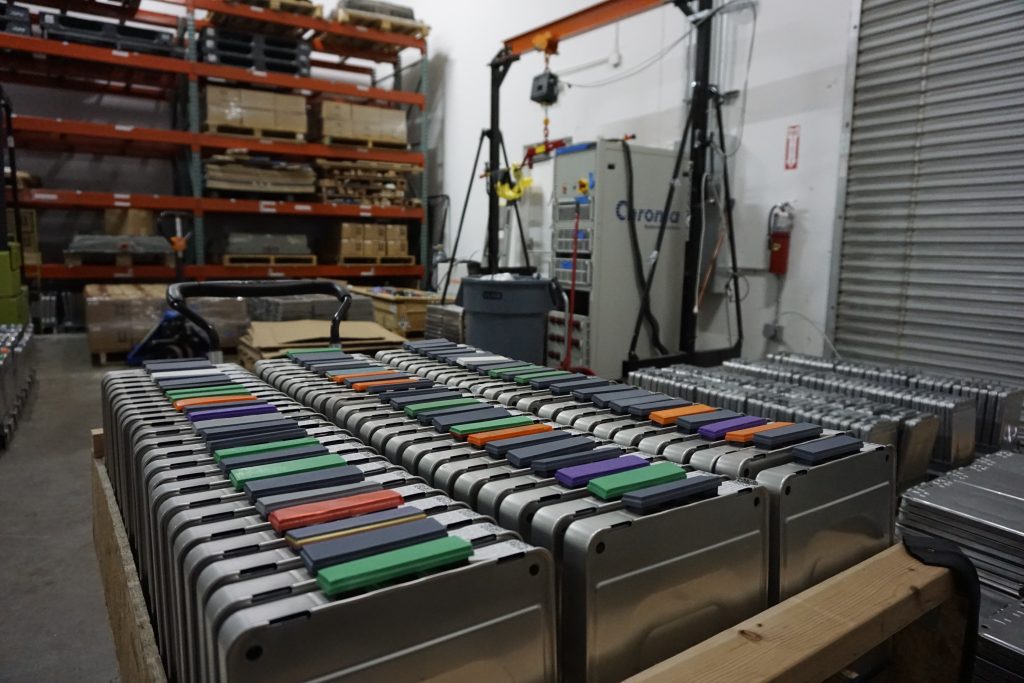
Nissan Leaf battery modules at RePurpose Energy in Davis, California. Photo by Elijah Clarke.

China is likely the only country today with a dedicated second-life policy. Though even there, an extensive informal recycling and waste sector competing for used batteries risks complicating implementation of official state policy. In the EU, the Batteries Regulation is one of the few policies that attempts to cover all stages of the battery life cycle — from design to repurposing, battery passports and recycling. While this comprehensive scope is laudable, the EU Batteries Regulation also took years to develop, and practical mechanisms for its implementation are still emerging.

Elsewhere, most discussion on national frameworks often falls back on Extended Producer Responsibility (EPR) rules typically written for waste management, not for repurposing. This mismatch stifles entrepreneurship. For example, small-scale start up repurposing firms can face onerous fire-safety certifications dependent on access to proprietary Original Equipment Manufacturer (OEM) data, as is the case in the US.

Other barriers to repurposing include restrictive waste classifications, and limited access to battery data. The result is a policy vacuum where profit and privileged OEM contracts — rather than sustainability goals centering people and the environment — tend to determine a battery’s fate.

Why second-life matters for the Global South

The Global North’s unregulated battery waste has implications for the Global South. While transportation cost and logistics hinder effective end-of-life collection and waste management, used EVs and end-of-life batteries retain significant monetary value. This drives exports to the Global South where less expensive labor and weak regulations lead to risky repairs, informal disposal, pollution, and high safety risks and environmental harms.

Many EV batteries are functionally non-repairable due to proprietary parts and a lack of access to information, turning them into hazardous waste. This worsens risks of waste colonialism and presents a lost opportunity for furthering a just and equitable transition. Weak enforcement of transboundary waste rules allows shipments of low-quality used batteries under the guise of “reusable goods,” while countries with limited regulatory capacity shoulder the safety and environmental risks.

At the same time, these same regions stand to benefit from distributed energy storage powered by repurposed batteries — providing backup for health centers, schools, and community microgrids using stored energy from solar panels and wind turbines. Enabling the expansion of viable distributed energy storage systems powered by repurposed batteries requires robust collection and transportation logistics, strong safeguards for traceable exports, and local refurbishing capacity grounded in equity principles.

Binding bilateral and multilateral agreements could ensure strong accountability for exported batteries, while local downstream supply chain actors (such as importers, distributors, producers and others) — responsible for safe collection, assessment, and eventual disposal by “return to sender” — can keep both responsibility and economic opportunity closer to home.

The data barrier

Assessing a used EV battery’s viability for repurposing depends in large part on access to battery data, including its specifications, its chemistry, structural configuration, state of health, and history of use. Yet today, OEMs tightly guard access to this data, even when it’s essential for safe disassembly, remanufacturing, repurposing, recycling and battery end-of-life.

Without transparency, emergency crews, dismantlers, repurposers, and recyclers are left blindfolded — disassembling packs at high cost and risk to personal health and safety. GAIA members in the Philippines have seen first-hand how this lack of access to battery data can lead to grave risks in informal settings.

GAIA members in the Philippines on Why EV Waste is a Zero Waste Issue

Policies must mandate fair and equitable access to battery data, including:

  • State of Health (SoH);
  • Specifications and test results at the time of manufacture;
  • Use history, including exposure to heat or impact;
  • Chemical composition and potential hazards.

A major technical bottleneck lies in battery design. Cell-to-pack configurations — common in next-generation EVs for cheaper and faster production — are nearly impossible to disassemble, repair, repurpose or recycle effectively, making repurposing more onerous, costly and dangerous. Policy can change that.

EPR and ideally bespoke second-life policy schemes should reward modular and repairable designs with lower compliance fees, tax incentives, or import preferences — and conversely penalize non-modular, single-use designs that obstruct repurposing. Modular design not only facilitates second-life applications but also simplifies eventual recycling, closing the loop more efficiently.

Embedding repurposing into battery waste policy

Without deliberate policy intervention, the risk is high that most retired EV batteries will flow into closed-loop recycling systems controlled by a few large corporations, and feed waste colonialism. If national and multi-lateral policies continue to lag, we risk turning a cornerstone of the clean-energy transition into a new form of extractive waste trade.

But if policymakers and automakers act now — aligning design, data, and governance — second-life batteries can become an important connective tissue between transport electrification and energy access, between climate mitigation and social justice. By embedding reuse and repurposing into the core of battery policy and design, governments and industry can help deliver on electrification that doesn’t end with the first charge.

El presidente Luis Vayas anuncia su salida del cargo, el Buró votará por una nueva presidencia

PARA PUBLICACIÓN INMEDIATA: 11/3/2025

Nueva York, EE. UU. — El embajador Luis Vayas Valdivieso, de Ecuador, anunció hoy oficialmente que dejará su cargo como presidente de las negociaciones del tratado de plásticos, generando un vacío de liderazgo en un momento crucial del proceso. GAIA ha criticado en reiteradas ocasiones la falta de transparencia del ahora expresidente Vayas y sus esfuerzos por conformarse con el mínimo común denominador, a pesar del creciente nivel de ambición mostrado por la mayoría de los países.

Los miembros de GAIA hacen un llamado al Buró para que elija en la nueva presidencia a una persona proveniente del Sur Global, capaz de unir a la mayoría ambiciosa de la región y de impulsar a los Estados Miembros a superar el estancamiento del consenso, evitando así que una minoría que negocia de mala fe siga bloqueando la adopción de un tratado sólido.

Ana Rocha, directora del programa de plásticos, declaró: 

“Después del catastrófico liderazgo del INC-5.2, necesitamos una presidencia dispuesta a reflejar la voluntad de la mayoría ambiciosa en el texto del tratado, que sea independiente de la conducción partidista e irresponsable del PNUMA en las negociaciones, y que defienda el mandato 5/14 que establece abordar todo el ciclo de vida de los plásticos. Desde el principio, el Sur Global ha estado a la delantera en la lucha por un tratado sólido; en este momento decisivo de las negociaciones, ese liderazgo es más necesario que nunca. Instamos al Buró a elegir una presidencia que represente la visión y el compromiso con la justicia del Sur Global.”

Rafael Eudes de la Aliança Resíduo Zero Brasil señaló:  

“La renuncia de Luis Vayas representa una llamada de atención para las negociaciones del tratado de plásticos.  Es una oportunidad para romper el estancamiento enfrentando los fallos estructurales más profundos que han permitido que la influencia de los Estados petroleros y las dinámicas de poder desiguales socaven la ambición. La contaminación por plásticos es una crisis colonial, donde el Sur Global carga con los impactos del colonialismo de los residuos y la exposición tóxica, mientras las decisiones siguen favoreciendo los intereses de unos pocos. Para restaurar la legitimidad, el INC debe superar la tiranía del consenso y fortalecer un liderazgo basado en la justicia y la ciencia.

El Buró tiene ahora un papel crucial: garantizar la transparencia, resistir las presiones políticas y honrar la ambición que el Sur Global ha defendido de manera constante en la mesa de negociación.”

Salisa “Yam” Traipipitsiriwat, Campañista y directora del proyecto sobre plásticos de la fundación para la justicia ambiental de Tailandia, afirma: 

“Debemos observar de cerca qué aportará la nueva presidencia. Es fundamental que provenga de un país con alta ambición, que esté realmente comprometido con impulsar un cambio real. Pero, más allá de eso, debemos vigilar el propio proceso, que ha demostrado ser un obstáculo para alcanzar los resultados que el mundo necesita con urgencia para poner fin a la crisis del plástico. Espero que la nueva presidencia aporte una energía renovada, claridad y un nuevo sentido de esperanza.”

Nadine Wahab de  Sustainable Network Egypt Eco-Dahab indicó: 

“Si bien la salida del embajador Luis Vayas Valdivieso como presidente del Comité Intergubernamental de Negociación (INC) marca un cambio en el liderazgo, no aborda el verdadero problema. La parálisis en las negociaciones del tratado de plásticos lideradas por el PNUMA no se debe a quién sostiene el mazo, sino al propio proceso. Mientras el INC siga funcionando sin reglas de procedimiento acordadas, y mientras la toma de decisiones permanezca atrapada en un modelo basado exclusivamente en el consenso, la injusticia persistirá. Un sistema que permite que un pequeño grupo de países bloquee el progreso niega la equidad a la mayoría de los Estados que están listos para actuar. Perpetúa un desequilibrio de poder que favorece la obstrucción sobre la cooperación, y el statu quo sobre la ambición.

Un nuevo presidente debe hacer mucho más que guiar las discusiones. El proceso debe comenzar con una votación para adoptar reglas de procedimiento que permitan una toma de decisiones democrática cuando el consenso no sea posible. Esto no se trata de abandonar el diálogo, sino de reconocer que el consenso sin justicia no es acuerdo, es coerción. La legitimidad del tratado sobre plásticos depende de restaurar la equidad y la funcionalidad en las negociaciones.”

Contactos de prensa:

Camila Aguilera, Comunicaciones GAIA América Latina

camila@no-burn.org | +56 9 8913 6198

###

GAIA es una red de grupos de base y alianzas nacionales y regionales que representan a más de 1.000 organizaciones de 100 países. Con nuestro trabajo pretendemos catalizar un cambio global hacia la justicia ambiental fortaleciendo los movimientos sociales de base que promueven soluciones a los residuos y la contaminación. Imaginamos un mundo justo,  basura cero, basado en el respeto de los límites ecológicos y los derechos de las comunidades, donde las personas estén libres de los problemas de la contaminación tóxica y los recursos se conserven de forma sostenible, no se incineren ni se boten.

Chair Luis Vayas Announces His Exit From Post, Bureau To Vote on New Chair 

FOR IMMEDIATE RELEASE: November 3, 2025

New York, NY– Ambassador Luis Vayas Valdivieso of Ecuador has formally announced that he is stepping down as Chair of the plastics treaty negotiations, creating a leadership vacuum during a pivotal moment in the treaty process. GAIA has frequently critiqued the former Chair Vayas’ lack of transparency and efforts to cater to the lowest common denominator, despite growing ambition amongst a majority of countries. 

GAIA members urge the Bureau to elect a Chairperson from the Global South who can unite the ambitious majority in the region, and encourage Member States to break through the consensus deadlock so that a minority negotiating in bad faith can no longer prevent a strong treaty from being agreed to.  It has yet to be confirmed at what date the vote for a new Chair will take place. 

Ana Rocha, Plastics Program Director of GAIA, states: 

After the catastrophic leadership of INC-5.2, we need a chair willing to reflect the will of the ambitious majority in the treaty text, be independent from UNEP’s partisan and reckless stewardship of the treaty negotiations, and uphold the 5/14 mandate to cover the full life cycle of plastics. From the very beginning the Global South has led the charge for a strong treaty– in this pivotal moment in treaty negotiations, we need that leadership more than ever. We encourage the Bureau to elect a Chair that represents Global South vision and commitment to justice.”

Salisa “Yam” Traipipitsiriwat, Senior Campaigner and Southeast Asia Plastics Project Manager of Environmental Justice Foundation Thailand, states: 

“We must closely watch what the new Chair brings to the table. It is essential that they come from a high-ambition country, one that is genuinely committed to driving real change. But more importantly, we need to monitor the process itself, which has shown to be in the way of the outcomes the world urgently needs to end the plastic crisis. I hope the new Chair brings fresh energy, clarity, and a renewed sense of hope.”

Nadine Wahab of Sustainable Network Egypt Eco-Dahab states: 

“While Ambassador Luis Vayas Valdivieso’s departure as Chair of the Intergovernmental Negotiating Committee (INC) marks a shift in leadership, it does not address the real problem. The paralysis in the UNEP-led plastics treaty negotiations stems not from who holds the gavel, but from the process itself. As long as the INC continues to operate without agreed rules of procedure — and as long as decision-making remains trapped in a consensus-only model — injustice will persist. A system that allows a handful of countries to block progress denies equity to the majority of states that are ready to act. It perpetuates an imbalance of power that favors obstruction over cooperation, and status-quo over ambition.

A new chair must do more than guide discussions. The process must begin with a vote to adopt rules of procedure that allow for democratic decision-making when consensus fails. This is not about abandoning dialogue — it’s about recognizing that consensus without justice is not agreement, it’s coercion. The legitimacy of the plastics treaty depends on restoring fairness and functionality to the negotiations.”

Rafael Eudes of Aliança Resíduo Zero Brasil states, 

“Luis Vayas’ resignation represents a wake-up call for the plastics treaty negotiations. It offers a chance to solve the deadlock by confronting the deeper structural failures that have allowed petrostate influence and unequal power dynamics to undermine ambition. Plastic pollution is a colonial crisis, with the Global South bearing the impacts of waste colonialism and toxic exposure while decisions favor the interests of a few. To restore legitimacy, the INC must move beyond the tyranny of consensus and empower leadership grounded in justice and science. The Bureau now has a critical role to play: ensuring transparency, and resisting political pressure, while honoring the ambition that the Global South has consistently brought to the table.” 

Press contacts:

Global: Claire Arkin | claire@no-burn.org | +1 (973) 444 4869

Regional:

Africa: Carissa Marnce | carissa@no-burn.org | +27 76 934 6156

Latin America: Camila Aguilera | Camila@no-burn.org | +56 9 8913 6198Asia & the Pacific: Robi Kate Miranda  | robi@no-burn.org I +63 927 585 4157

###

GAIA is a worldwide alliance of more than 1,000 grassroots groups, non-governmental organizations, and individuals in over 90 countries. With our work we aim to catalyze a global shift towards environmental justice by strengthening grassroots social movements that advance solutions to waste and pollution. We envision a just, zero waste world built on respect for ecological limits and community rights, where people are free from the burden of toxic pollution, and resources are sustainably conserved, not burned or dumped. 

GAIA’s 25 Year Leadership on Zero Waste

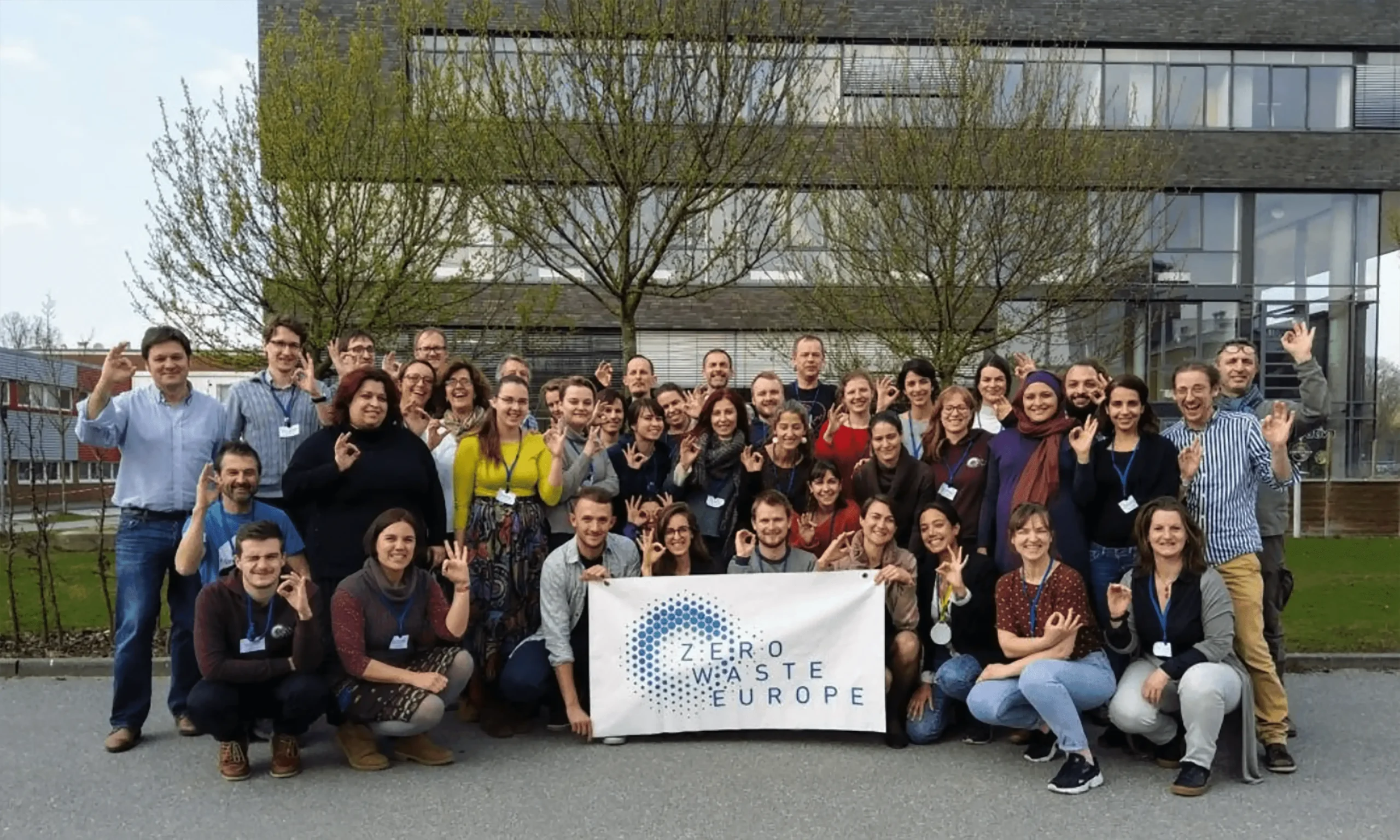
GAIA is one of the founders of the zero waste movement, with a 25 year history of supporting over 1,000 members to build successful zero waste policies and practices in over 100 countries across the globe. From the Philippines to Brazil, from Senegal to Slovenia, GAIA members are working with cities in their transition to zero waste, reshaping the way waste is conceived. In very diverse contexts, cities moving away from waste management and towards zero waste systems are building resilience, vibrant economies, community empowerment, and achieving high diversion rates. 

The United Nations Environment Programme (UNEP) is funding GAIA through the Climate and Clean Air Coalition (CCAC) to advance key zero waste implementation strategies worldwide. Through this partnership, GAIA is working with CCAC to implement effective zero waste solutions that reduce waste methane emissions and promote community-led approaches within national climate policy agendas across 14 countries — 12 of them in Africa. GAIA is also an active member of CCAC’s Waste Hub Leadership Group and has shared its work and experiences at several CCAC annual gatherings, contributing to global dialogue and collaboration on waste and methane reduction. GAIA and its European branch, Zero Waste Europe, are also affiliates of UN-HABITAT’s WasteWiseCities.  GAIA is also supported by the Global Methane Hub and facilitates a quarterly Global Action Hub on Waste Methane and Environmental Justice to advance dialogue and collaboration on the implementation of waste methane reduction strategies worldwide. 


Learn More

Dive Deeper

Financial Analysis of Solid Waste Management Business Models
Financial Analysis of Waste Management Business Models

A new report by the Climate Policy Initiative (CPI) reveals that community-led decentralized waste management models are not only more cost-efficient but also deliver multiple benefits beyond waste and methane emissions reduction, underscoring the urgent need for greater investment.

Environmental Justice Principles for Fast Action on Waste and Methane
Environmental Justice Principles for fast action on waste and methane

The Environmental Justice (EJ) Principles for Fast Action on Waste and Methane provides guidance to policymakers and key stakeholders on how to integrate community members and waste workers in the design and implementation of waste systems.  The EJ Principles was produced by GAIA in collaboration with environmental justice advocates and zero waste practitioners from 41 different countries.

CUTTING METHANE EMISSIONS THROUGH ZERO FOOD WASTE SYSTEMS
picture of person sorting organic waste

Strong political action is needed to put in motion a pathway to systemically address food loss and waste. Learn how communities work together to prevent food loss and waste through zero waste practices, while reducing methane emissions and keeping global warming below 1.5°C.