


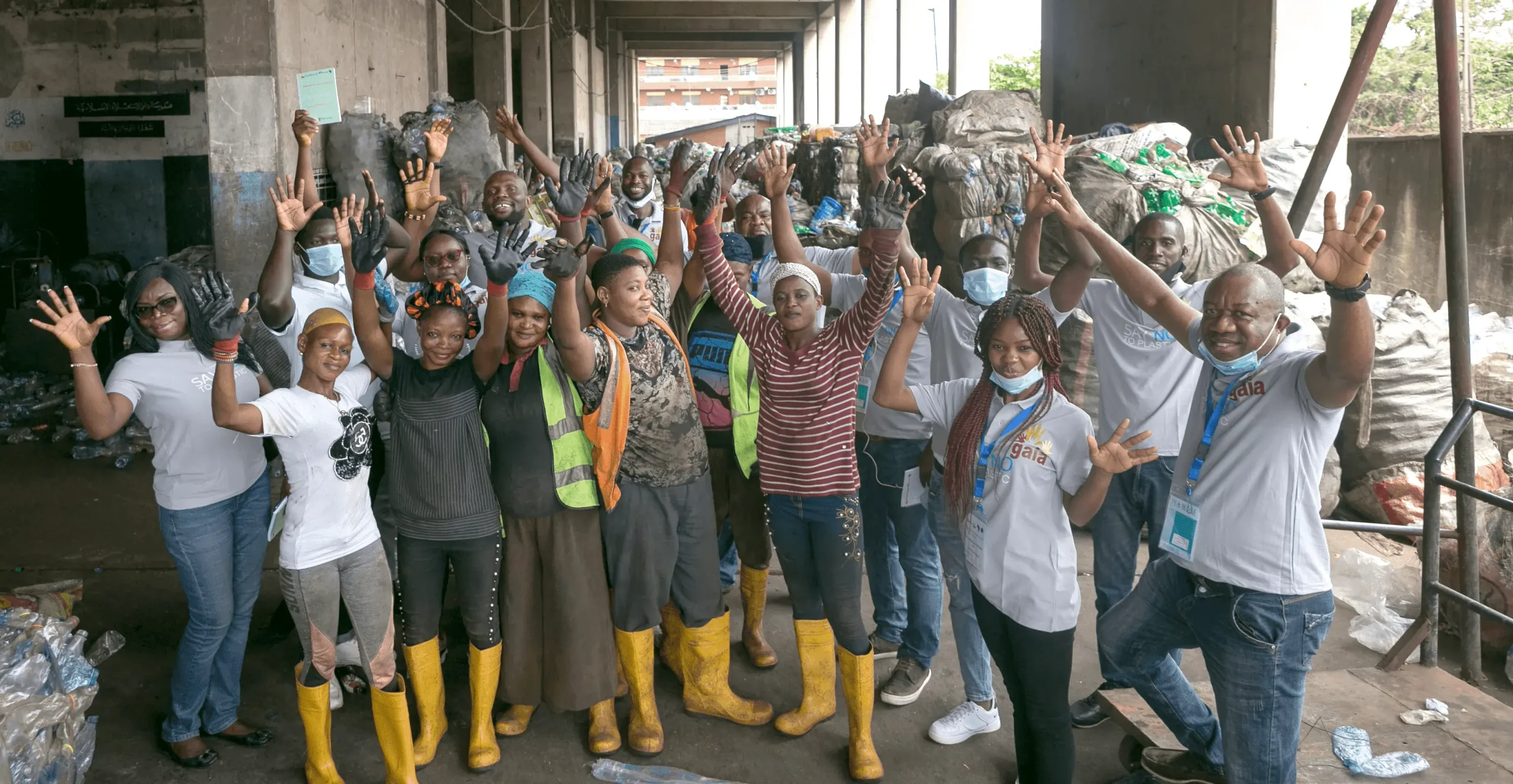

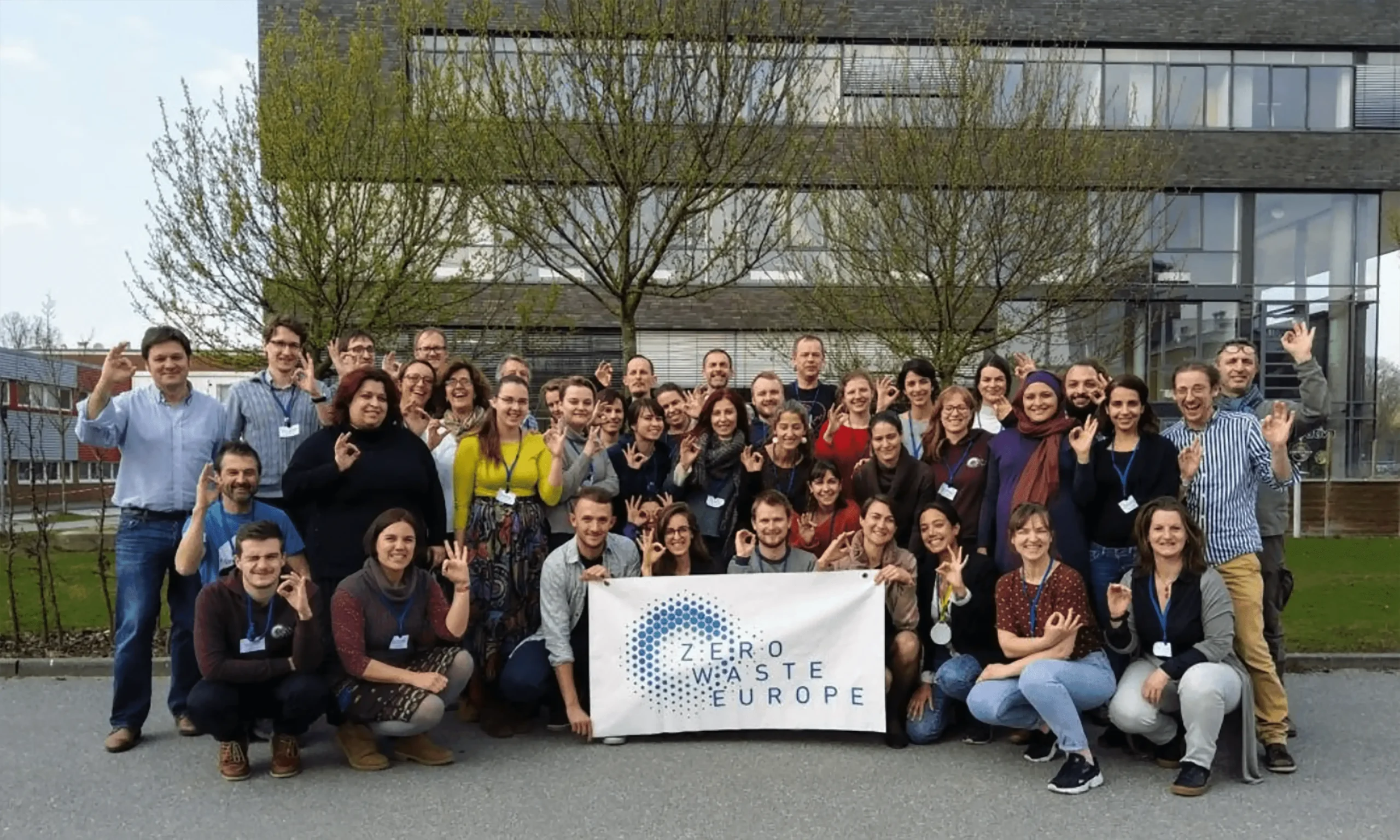


Building off of the Momentum from INC-5, INC-5.2 to be Held in Geneva, Switzerland August 5-14
FOR IMMEDIATE RELEASE: 3 March, 2025
New York, NY– Today, the United Nations Environment Programme (UNEP) announced during the Bureau Meeting that the next round of plastics treaty negotiations (International Negotiating Committee or INC-5.2) will take place at the Palais des Nations in Geneva, Switzerland from 5-14 August 2025.
Ana Rocha, Director of Global Plastics Policy at GAIA, states:
“The tides turned at INC-5, and the possibility of an ambitious plastics treaty is now more concrete than it’s ever been. At INC-5.2, governments must keep up the momentum and stay strong against fossil fuel interests in order to deliver the treaty that will keep us below 1.5 degrees.”
In particular, Member States must defend a provision for voting if consensus cannot be reached, to ensure a democratic process where no one nation can block progress towards a treaty. (See GAIA’s INC-5 Wrap Up, “What’s Next” section for details.)
INC-5.2 is an extension of the plastics treaty talks–in the previous round of negotiations in Busan, South Korea (INC-5) in November of last year, leaders agreed that more time was needed to secure a strong plastics treaty.
At INC-5 the majority of countries* supporting ambitious measures like plastic reduction targets, elimination of chemicals of concern, a just transition, and an equitable financial mechanism fought back against a small group of petroleum-producing nations seeking to stall and weaken the treaty outcomes, making it clear that they will not bow to petro-state pressure.
Global South countries led the charge towards ambition, bolstered by civil society groups, frontline communities, Indigenous Peoples, and the scientific community.
Quotes from Members:
“At INC-5.2, we must remember that the fight against plastic pollution is fundamentally a fight for environmental justice. We need a treaty that centers the voices and experiences of those most impacted, particularly in the Global South. This means ensuring equitable access to resources, technology, and effective decision-making processes that break through the consensus deadlock. Only then can we create a treaty that truly serves the health of our planet and its people,” states Eskedar Awgichew Ergete from Eco-justice Ethiopia.
“I believe that there is need for really candid discussions between parties that are based on good faith. Right now, each country understands the others positions and genuine dialogues can be extremely helpful in forging ways forward. Countries are there to defend their national interest, but if they could also go into negotiations with an understanding that they collectively represent the whole world’s population and that the earth and future generations quality of life are dependent on their collective decision, then they will restore the hope of humanity,” states Dorothy Otieno from Centre for Environmental Justice And Development, Kenya.
“At INC5.2, to secure a future free from plastic pollution is to unite with urgency and foresight-binding action together as a global community to tackle the root of the problem not just so the crisis. Our actions today will determine the world we leave behind—a world where humanity thrives in harmony with the planet, not in its destruction,” states Sarah Onuoha from Sustainable Research and Action for Environmental Development, Nigeria.
“At INC-5.2 it is essential that countries listen to observers who have first-hand knowledge of the impacts of plastics throughout their life cycle and to science without conflicts of interest. It is important that the treaty reflects the voices of the global south, because by doing so, environmental justice would be achieved. With a solid treaty, the Global South can be better protected against the interests of the North, which impose their will through economic power and market control, imposing trade agreements and relegating the countries of the Global South to the role of suppliers of natural resources,” states Cecilia Bianco from Taller Ecologista, Argentina.
“To ensure that the global treaty can really stop plastic pollution, we need it to impose global and binding targets for the reduction of the production and consumption of plastics worldwide. And for the negotiations to move in that direction, we need brave governments that take the lead and are willing to fight for the protection of the health of their people and territories, even if it means confronting the oil-producing countries,” states Alejandra Parra, Zero Waste and Plastics Advisor for GAIA Latin America and the Caribbean.
“At INC-5.1, over 80 countries reaffirmed their commitment to progress towards an ambitious and effective treaty to combat plastic pollution, by rejecting any attempt to leave the previous session with a watered-down agreement. The upcoming INC-5.2 negotiations shall be a defining moment to turn this commitment into concrete action. The treaty must not only curb plastic production but also uphold an inclusive process that ensures the participation and the protection of the rights of affected communities. The world cannot afford another treaty that prioritizes political convenience over planetary survival. At INC-5.2, governments must step up, delivering a treaty that is not only strong today but remains effective for generations to come.” states Rafael Eudes, Aliança Resíduo Zero Brasil.
“Countries like Bangladesh face a multidimensional plastic crisis – simultaneously an environmental, health and waste management crisis that is overwhelming state capacity. Without a reduction in production, we won’t see a reduction in consumption. While our communities are suffocated by plastics, we hope the Global Plastics Treaty can serve as an avenue to tackle the global crisis – yet without the necessary political will, inclusivity of stakeholders including affected communities, waste workers, informal sector workers and civil society – this treaty process will struggle to get off the ground and will remain hostage to a few blockers.INC 5.2 is already borrowed time, the process must move forward to avoid even greater catastrophe.” -Bareesh Hasan Chowdhury of Bangladesh Environmental Lawyers Association (BELA)
“The Plastic Treaty must include limits on plastic production, especially banning single-use plastics since they have no real benefit and cannot be properly managed. The responsibility for waste management, particularly plastic waste, should not fall on us alone but on manufacturers and producers. The waste should be returned to them. If we, as waste workers, are the ones managing plastic waste, then we should be adequately compensated for our work.” -Aloja Santos of Philippine National Waste Workers Alliance (PNWWA)
“Aotearoa New Zealand and all other nations must uphold the rights of Indigenous Peoples in all Global Plastics Treaty processes. The efficacy of Indigenous leadership in protecting both planet and people must be recognised if we are to effectively end plastic pollution. Indigenous rights to participate in policy and decision making have been violated throughout Global Plastics Treaty negotiations and our critical voices marginalised. A truly just Global Plastics Treaty must centre Indigenous rights, solutions, and leadership, while incorporating other important voices including frontline communities, waste pickers, and independent scientists. Now is the time for strong upstream measures including production cuts and an end to extraction, our future generations deserve nothing less.” -Matt Peryman of Tāngata Whenua Coalition for an Effective Plastics Treaty (TWC) and Aotearoa Plastic Pollution Alliance (APPA)
Note to Editor:
For in-depth analysis of the outcomes of INC-5 and the political climate leading into INC-5.2, please read GAIA’s latest paper.
*List of Ambitious Countries:
- 103 countries signed in support of a Declaration on Primary Plastic Polymers.
- 85 countries signed a “Standing Up for Ambition” statement emphasizing their shared commitment to a legally binding treaty enshrining reduction targets, phase-out of harmful chemicals, a just transition, and an equitable financial mechanism.
- 94 countries signed a Declaration on Plastic Products and Chemicals of Concern
- 100 countries signed a text proposal to adopt a plastic production reduction target
Press contacts:
Claire Arkin, Global Communications Lead
claire@no-burn.org | +1 973 444 4869
Camila Aguilera, Communications Coordinator, GAIA Latin America and the Caribbean
Carissa Marnce, Africa Communications Coordinator
Robi Kate Miranda, Communications Officer, GAIA Asia Pacific
robi@no-burn.org | +63 9275854157
###
GAIA is a worldwide alliance of more than 1,000 grassroots groups, non-governmental organizations, and individuals in over 90 countries. With our work we aim to catalyze a global shift towards environmental justice by strengthening grassroots social movements that advance solutions to waste and pollution. We envision a just, zero waste world built on respect for ecological limits and community rights, where people are free from the burden of toxic pollution, and resources are sustainably conserved, not burned or dumped.