Want to keep up with GAIA? Here are all the ways you can stay informed.

"The overlapping crises of our time present an opportunity to build more resilient cities by implementing zero waste models.
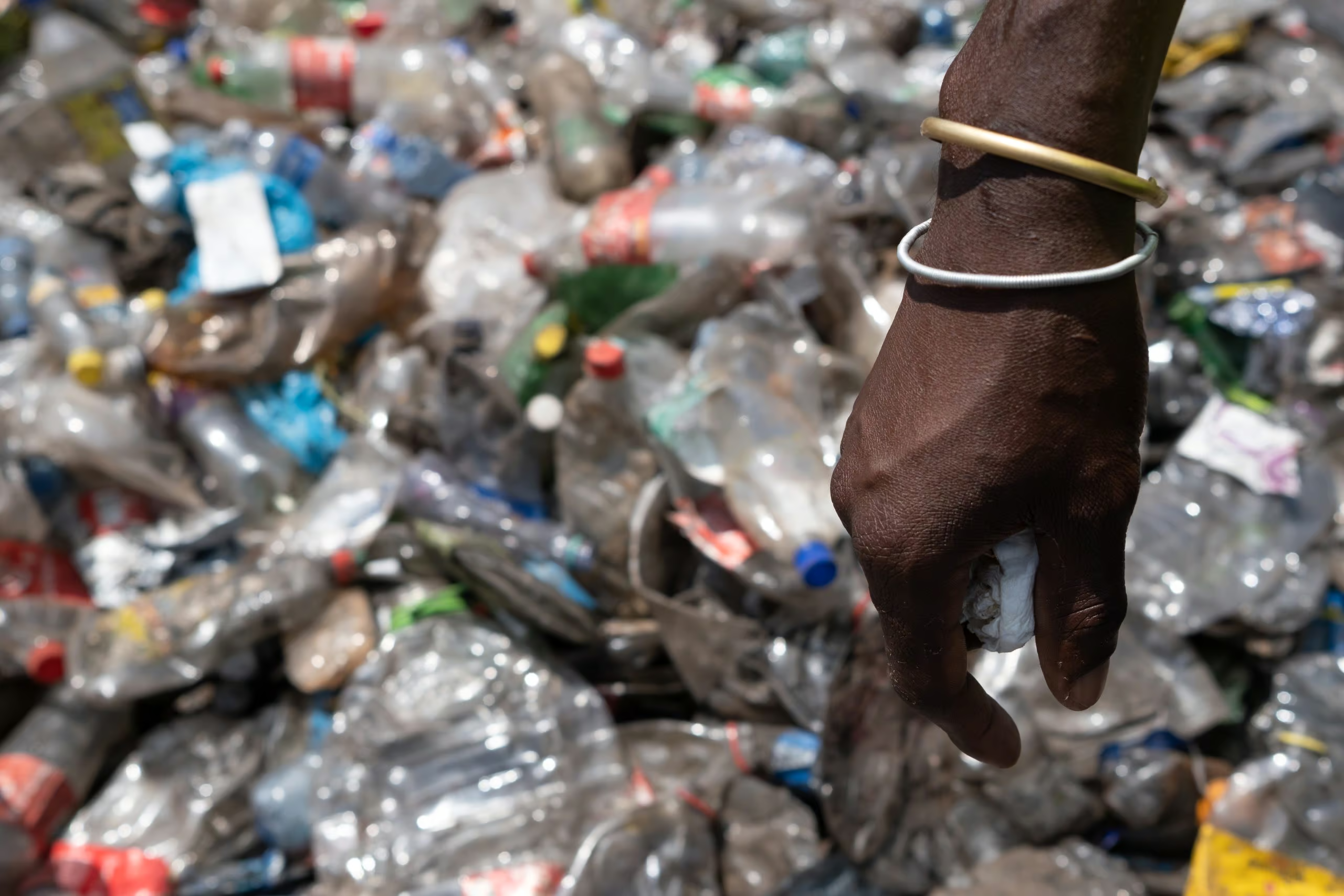
Waste pickers play a critical role in climate action, methane reduction, and sustainable waste management, yet their contributions are often overlooked in public policy. This briefing from the Global Alliance for Incinerator Alternatives (GAIA) highlights how integrating waste pickers into formal waste management systems can improve environmental outcomes, strengthen local economies, and advance environmental justice.
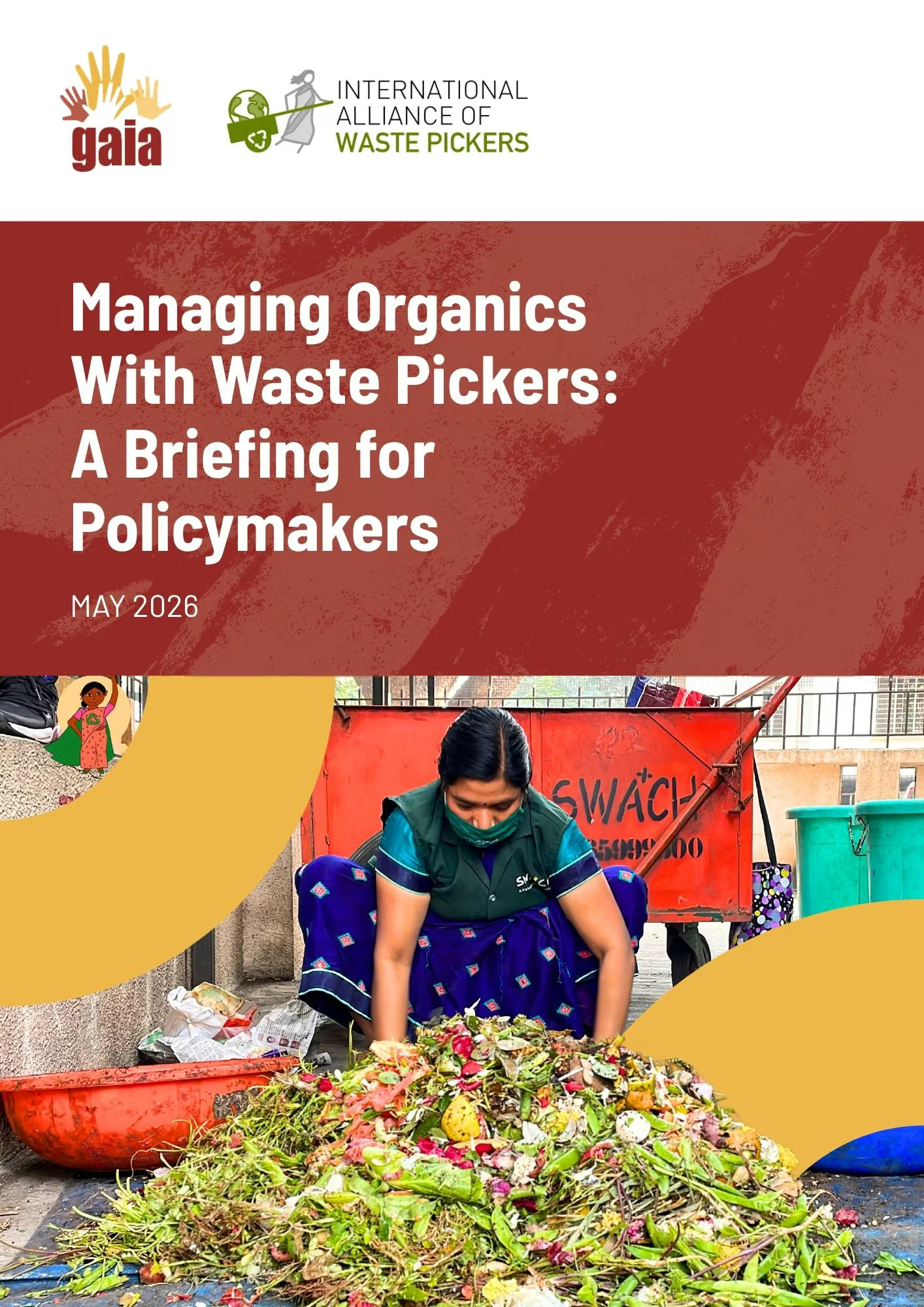
"Managing Organics with Waste Pickers: A Briefing for Policymakers," co-released by GAIA and the International Alliance of Waste Pickers, examines how waste pickers—estimated at 15 to 20 million workers worldwide—are increasingly leading organic waste management efforts. By diverting food scraps and organic materials from landfills, waste pickers help reduce methane emissions, one of the most potent greenhouse gases driving climate change.
The report provides recommendations for policymakers seeking to build inclusive, community-based waste management systems that support waste picker livelihoods while advancing climate and zero waste goals.
This submission details the myriad ways that plastic pollution violates human rights at every stage from extraction to disposal, and identifies the specific groups most impacted. The reader can also find proposals for how to address these human rights abuses through policy fora such as the Basel Convention and the plastics treaty, and regional and national policy, emphasizing an inclusive, Just Transition approach.
GAIA proposes the following material economy shifts as solutions for the roadmaps to deliver a Transition Away from Fossil Fuels in a Just, Orderly and Equitable Manner, as well as Halting and Reversing Deforestation and Forest Degradation by 2030:
-solutions to shift the material economy from single-use to reuse:
-a declining cap on plastic production;
-removing plastic polymer production subsidies;
-deploying reuse and refill systems;
-and, ending the burning of biomass and waste.

Sign up for our Global Newsletter to stay up today on our cross regional work.