






About the campaign
For too long, communities living near waste incinerators in the Global South have suffered in the dark. Local governments and regulatory agencies charged with protecting their health have failed to monitor these facilities’ pollution levels, allowing them to continue unchecked. Thick clouds of smoke choke up the places where children play, where the elderly gather, and where workers make their living.
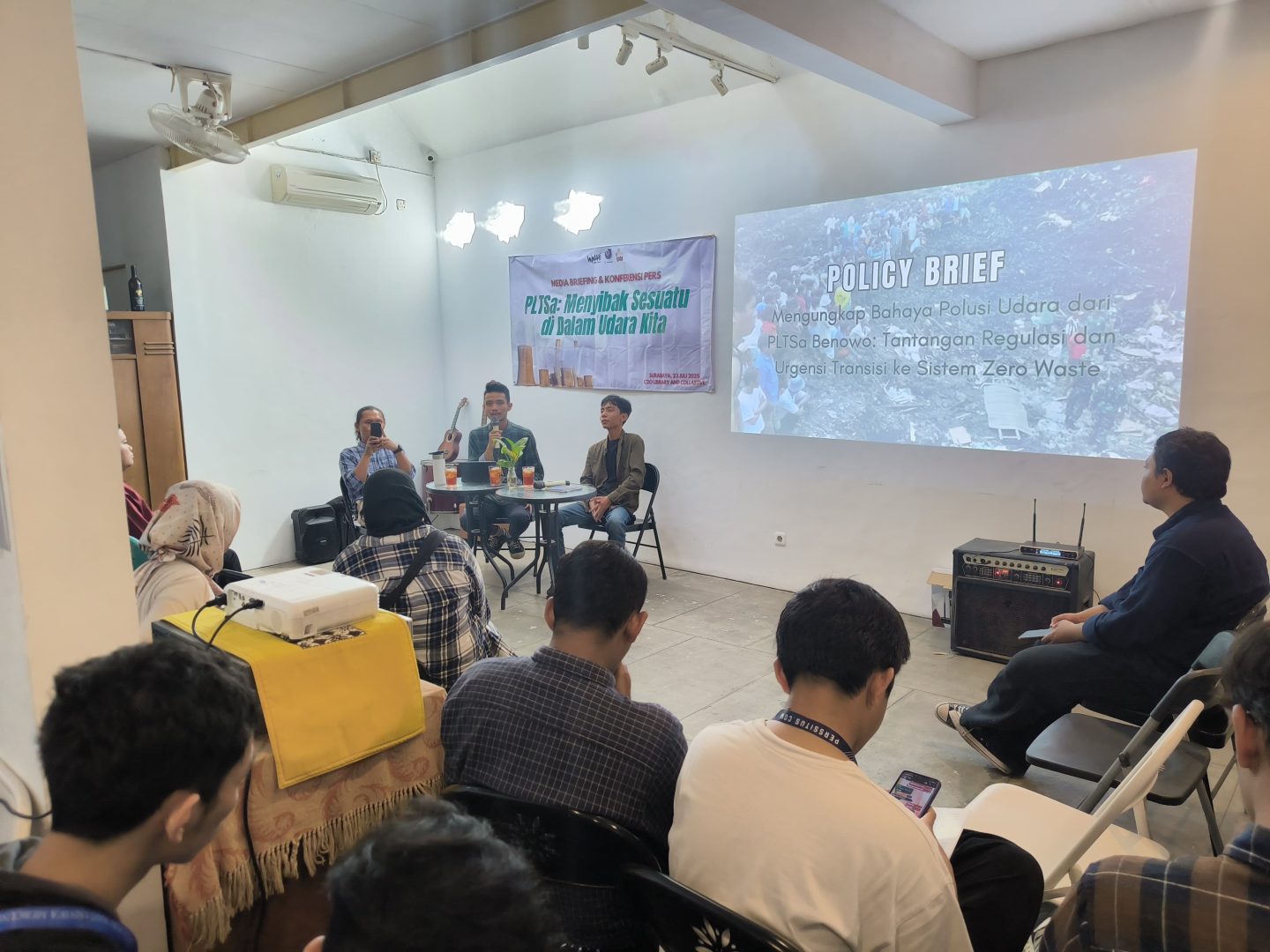
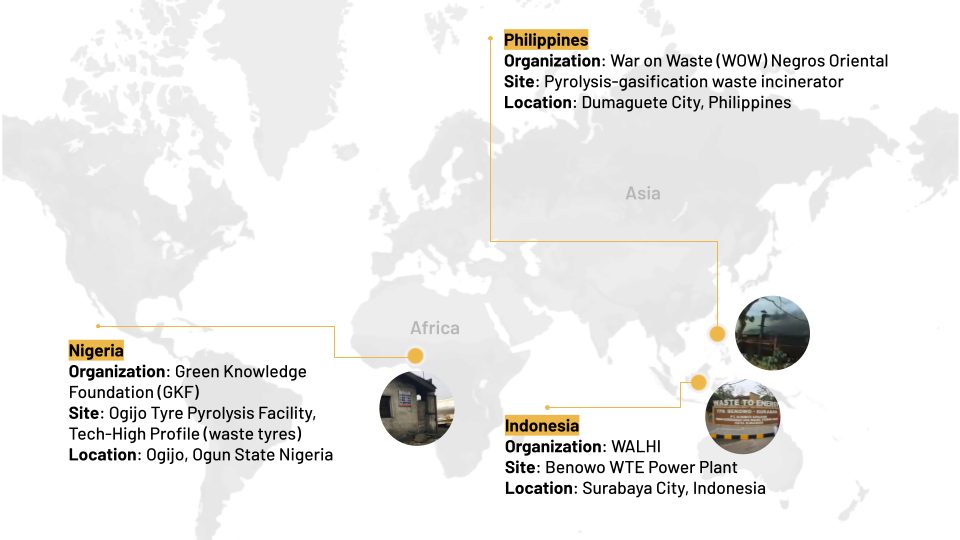
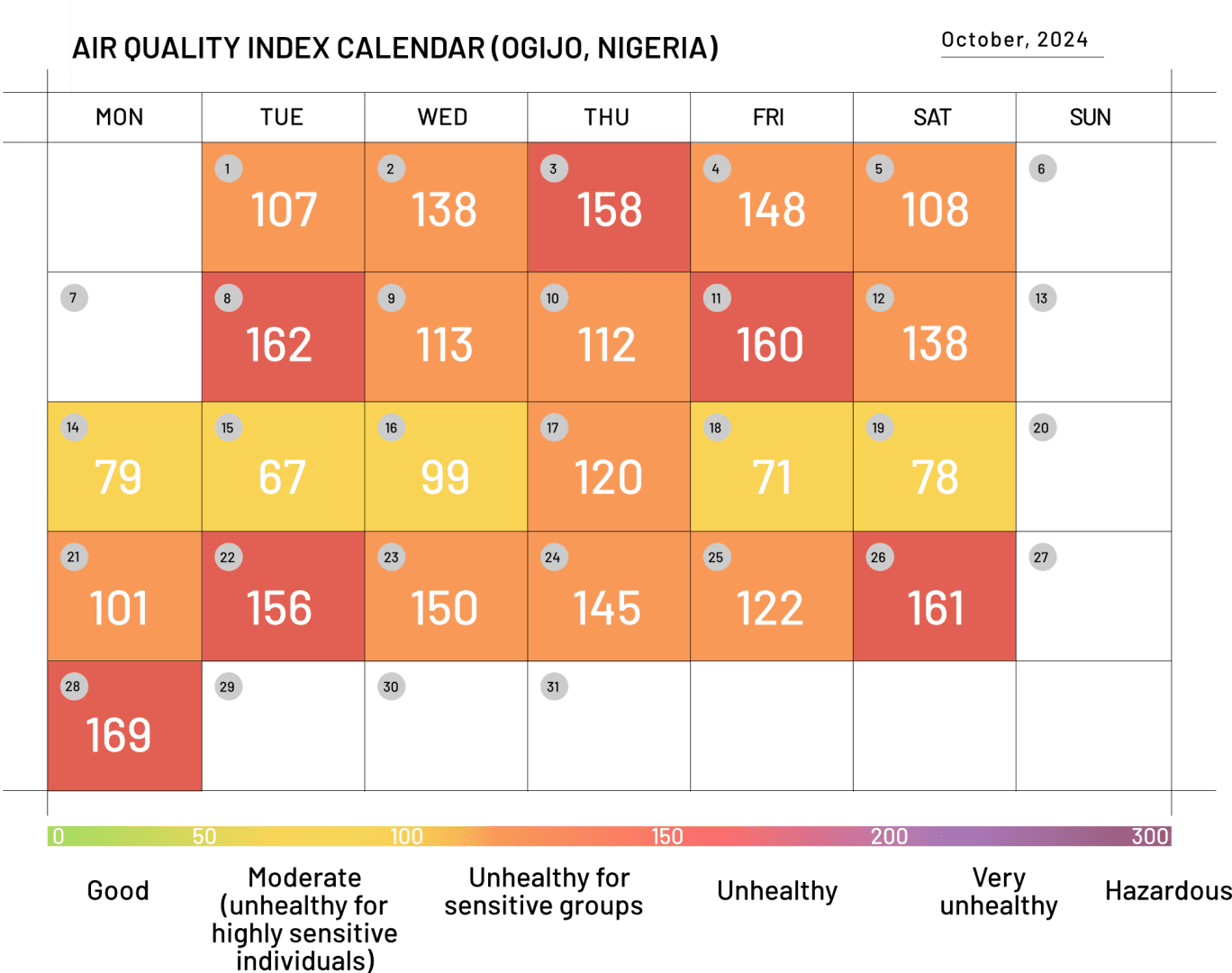
In three communities– Dumaguete City, Philippines, Ogijo, Ogun State Nigeria, and Surabaya City, Indonesia–GAIA members have decided to take matters into their own hands. Equipped with small, portable air quality monitors, volunteers measured the levels of pollutants in the air nearby the facility on a regular basis, sometimes at great personal risk, and witnessed exactly what they were breathing in. The results confirmed their fears. Now community leaders are using this data to call on their local governments to enforce stricter environmental regulations and monitoring for polluting facilities, if not shut them down altogether.
Incinerators cannot continue to pollute communities. It’s time to clear the air.
THE FINDINGS
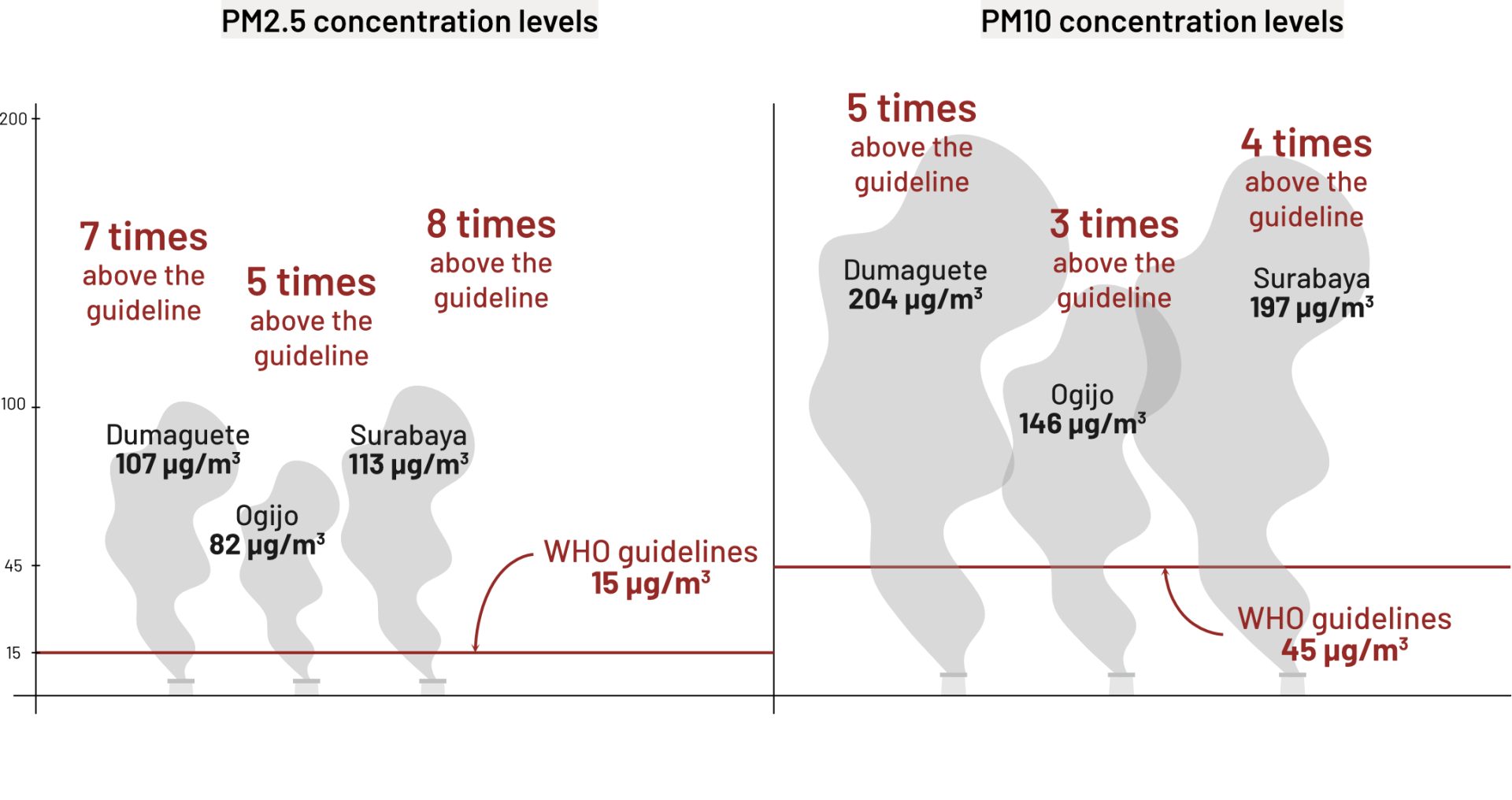
In all of the three monitoring sites, particulate matter levels (PM 2.5 and 10) were much too high for human health and safety. PM2.5 levels were 5-8 times higher and PM 10 were between 3-5 times higher than the guidelines set by the World Health Organization (WHO).

Particulate matter is a known carcinogen. Because it is so small, particulate matter can easily permeate every organ in the body, with disastrous consequences on human health. The smaller the particle, the greater the risk. PM can cause asthma, bronchitis, chronic obstructive pulmonary disease, among other diseases.

The air quality monitors recorded levels of particulate matter 2.5 and 10 at toxic levels for the vast majority of recorded days, far above the 4 day per year maximum number of emissions exceedances allowed by the WHO guidelines.
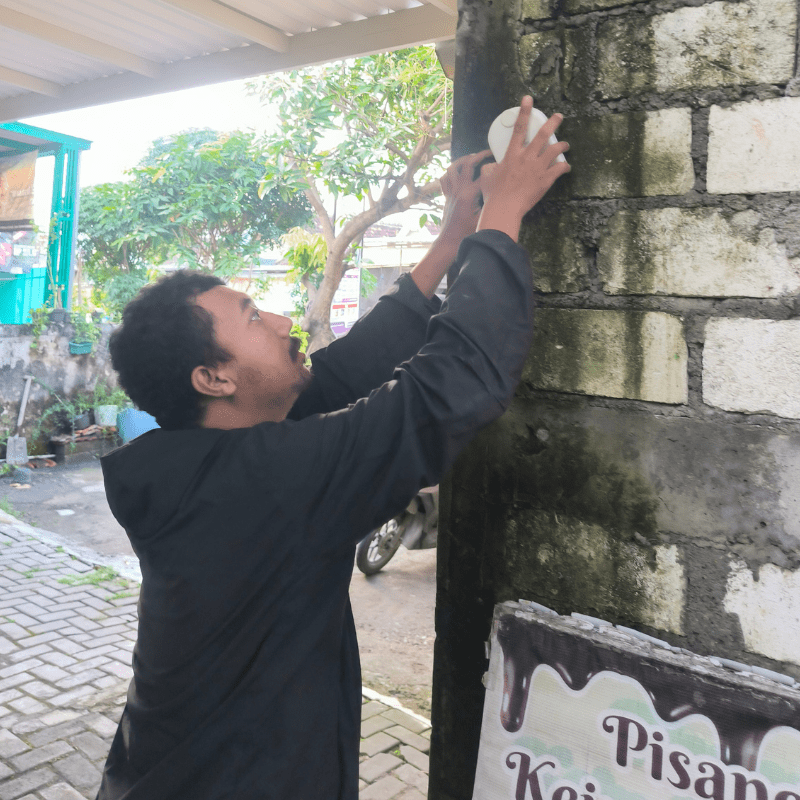
Many of the readings were taken at nearby schools, retirement homes, bodies of water, and farmland, raising concerns that the pollution may be seeping into residents’ food and water, and confirming that those most vulnerable in society–children, the elderly, and those with pre-existing health issues– are particularly exposed.
DUMAGUETE CITY, PHILIPPINES
ABOUT THE FACILITY

IMPACTS

Trash is dumped at the central Material Recovery Facility before being burned, polluting the nearby river.
ABOUT THE PROJECT PARTNER
War on Waste (WOW) Negros Oriental is a collection of NGOs, academics and individuals brought together by their passion to help solve waste management challenges in Dumaguete and Negros Oriental.


Community members speak out


OGIJO, NIGERIA
ABOUT THE FACILITY

IMPACTS
ABOUT THE PROJECT PARTNER
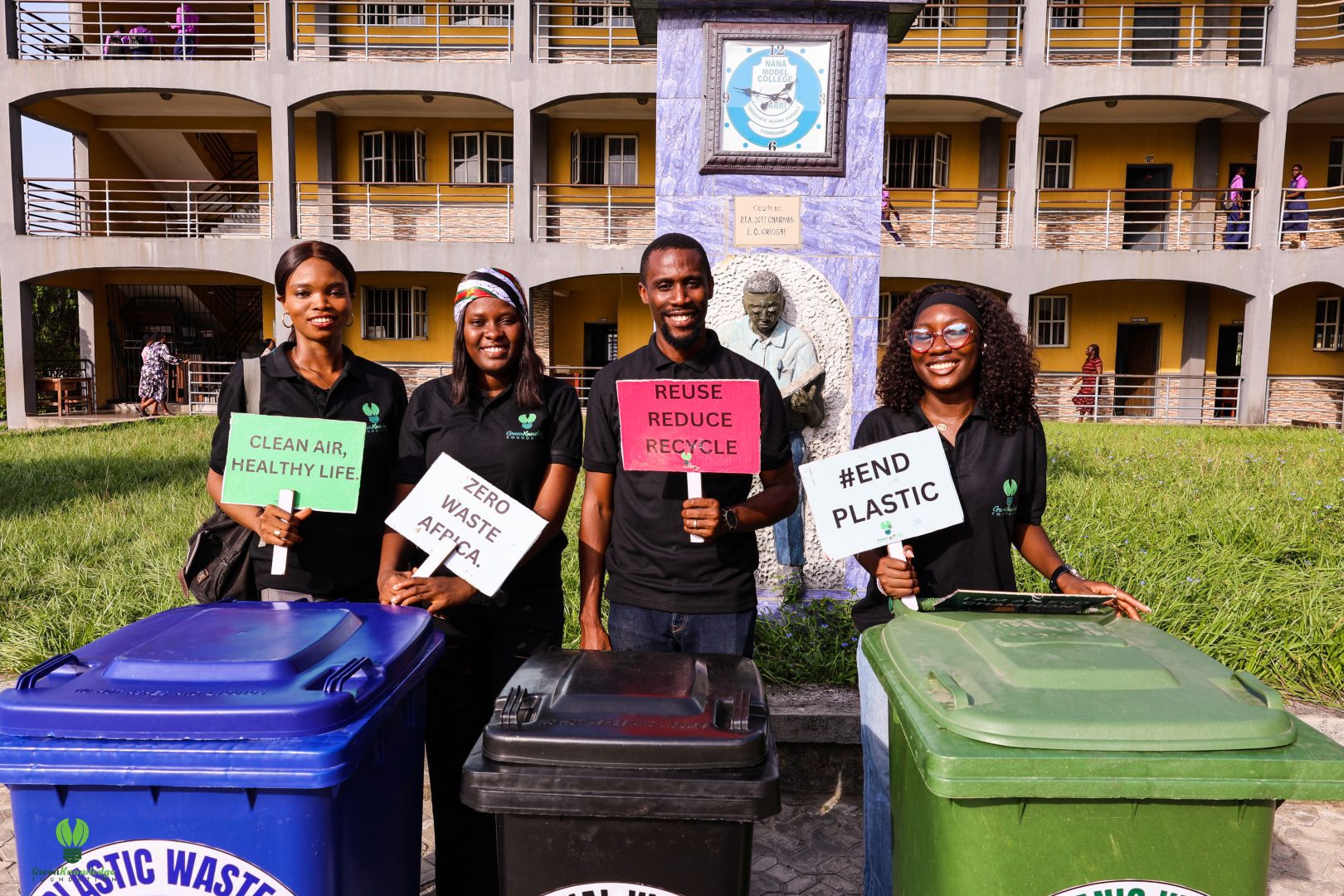
Green Knowledge Foundation empowers individuals and communities throughout Nigeria to become informed stewards of the environment, driving a shift towards sustainable development through innovative education, collaborative partnerships and impactful initiatives. Their programs include environmental education, climate action, zero waste, anti-plastic pollution, climate smart agriculture, and water sanitation and hygiene.
Community members speak out



SURABAYA, INDONESIA
ABOUT THE FACILITY

IMPACTS

ABOUT THE PROJECT PARTNER
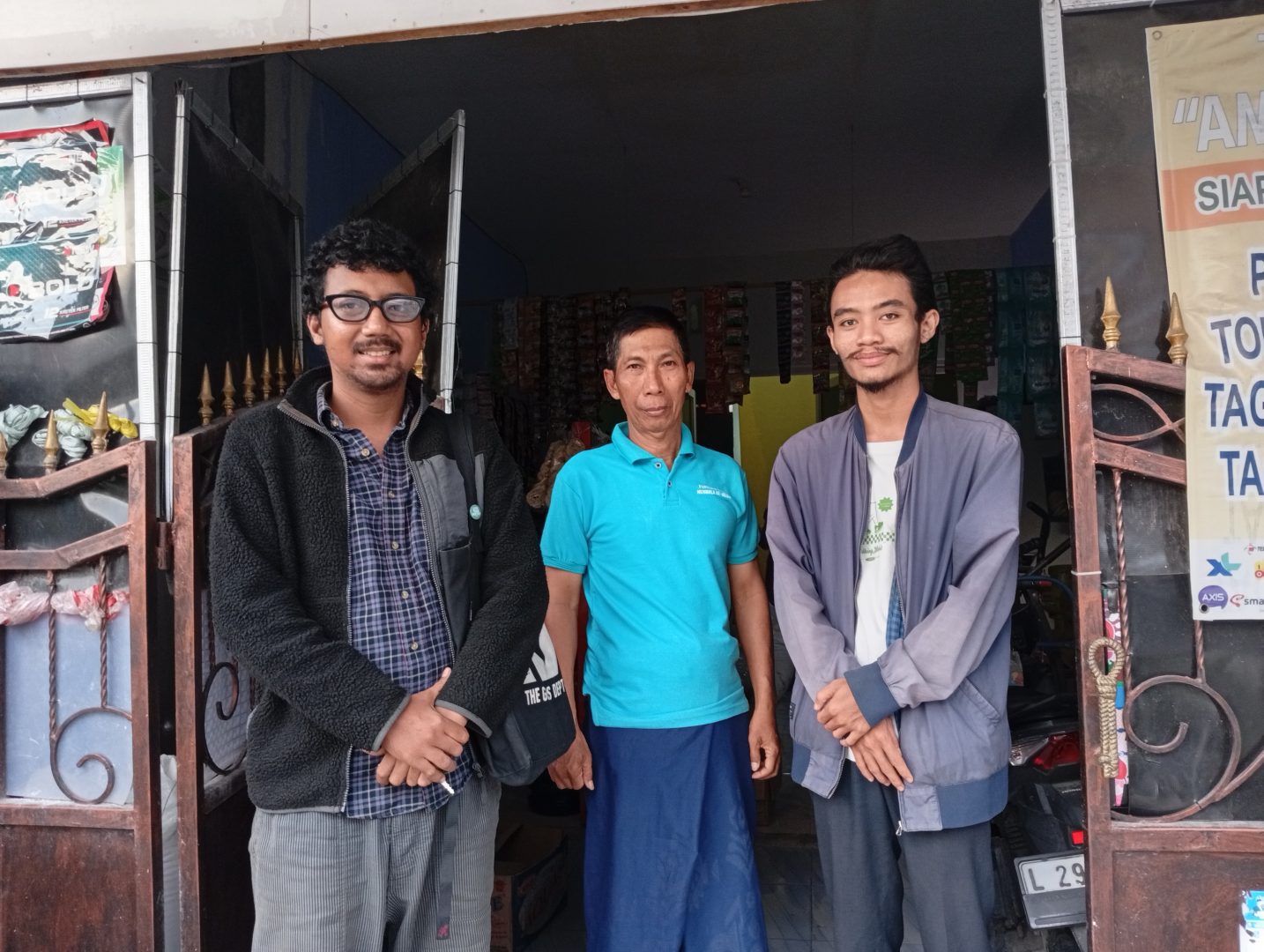
Indonesian Environmental Forum (WALHI) is the largest environmental movement organization in Indonesia, with a membership of 487 organizations from non-governmental organizations and nature lovers organizations, as well as 203 individual members spread across 28 provinces. Since 1980 until now, WALHI has actively worked to save and restore the environment and human rights throughout the country.
Community members speak out

TAKE ACTION
Is Your Neighborhood’s Air Quality Safe?
Do you live near a waste incinerator or other industrial facility? Are you concerned that your local government isn’t doing enough to monitor pollution and keep your community safe? You too can use air quality monitors to shine a light on what you and your family are breathing in every day and demand that your elected leaders take action. Let us know if you would like more information and tools to support your future air-quality monitoring campaign!

News
- September 5, 2025: Merci Ferrer named a Clean Air Fund 2025 Urban Clean Air Champion
- September 3, 2025: Habitat Map features project in their citizen scientists blog
- July 22, 2025: ALFIKR– WALHI Gugat Pemkot Surabaya: Dokumen AMDAL PLTSa Benowo Masih Dirahasiakan
- July 19, 2025: Mayor of Dumaguete, Philippines shuts incinerator for ECC violations
- July 16, 2025: The Philippine Inquirer–Clearing the air: Ordinary citizens uncover toxic truths near waste incinerators
- July 7, 2025: The Manila Times Opinion– Incineration pollutes, so why do we still want it?
Learn More About GAIA’s Work
Anti-Incineration
GAIA supports community-led organizing against incinerators and the industry’s climate, health, environmental,
and economic impacts, and promotes the benefits of zero waste. We also produce communications and research
to share data and learnings across countries and regions, and support movement and capacity building to strengthen
local work.

